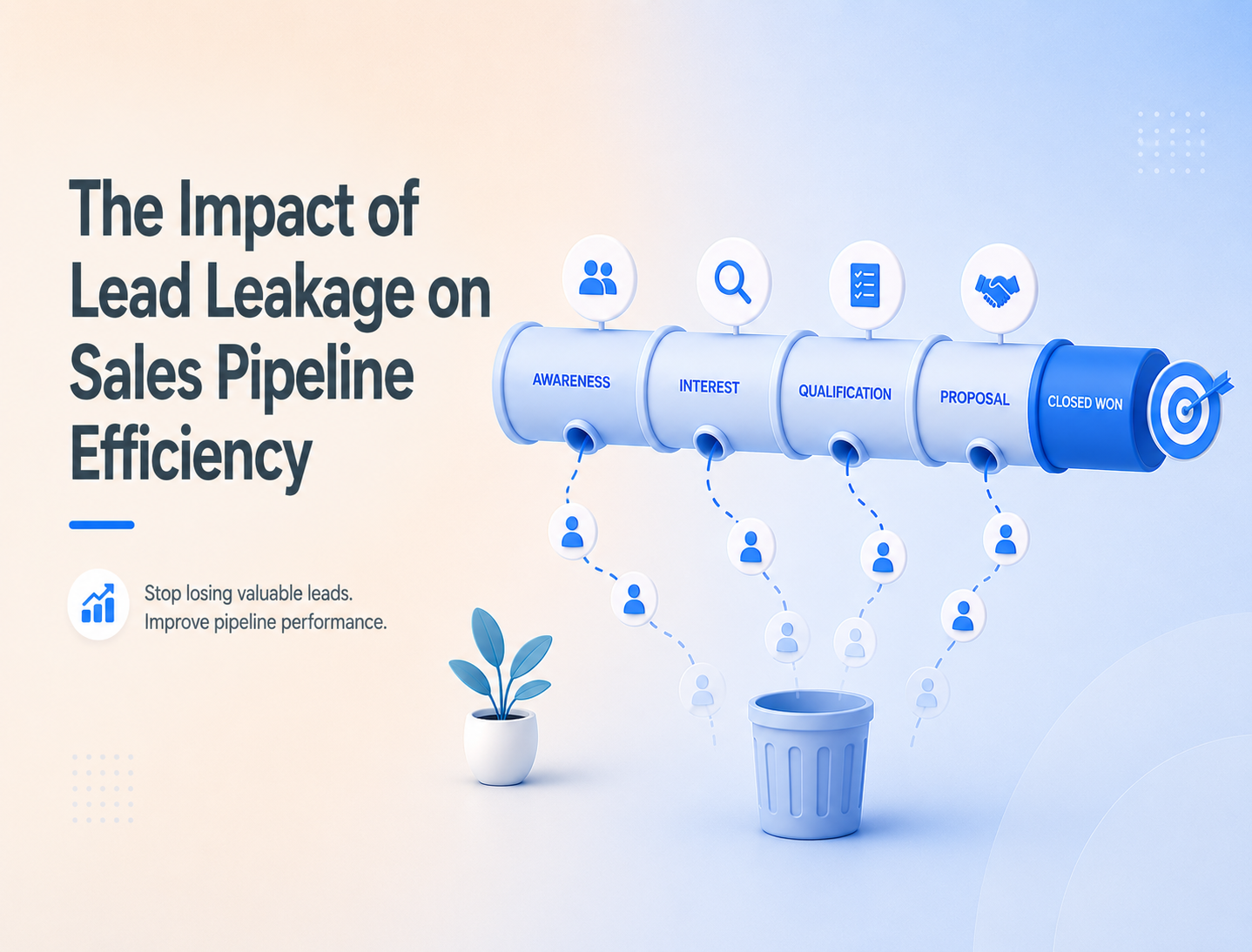
The Impact of Lead Leakage on Sales Pipeline Efficiency
Lead Management and Optimization


Stop paying for lead volume that sales won’t touch. This 2026 guide shows how to convert targeting into director-level meetings that actually happen—using an outcomes-based model, tighter qualification, and real-time reporting that protects pipeline and increases sales acceptance.
-
B2B Appointment Setting
Introduction
Demand generation teams in 2026 are measured on pipeline contribution, not activity. Yet many programs still optimize for the easiest thing to count: leads delivered. The result is familiar—surges of MQLs, a stressed SDR team, and a sales organization that quietly downgrades marketing-sourced follow-up.
That’s why B2B appointment setting is having a moment again, but with a sharper mandate: book real meetings, with the right seniority, that actually happen—and prove it in reporting.
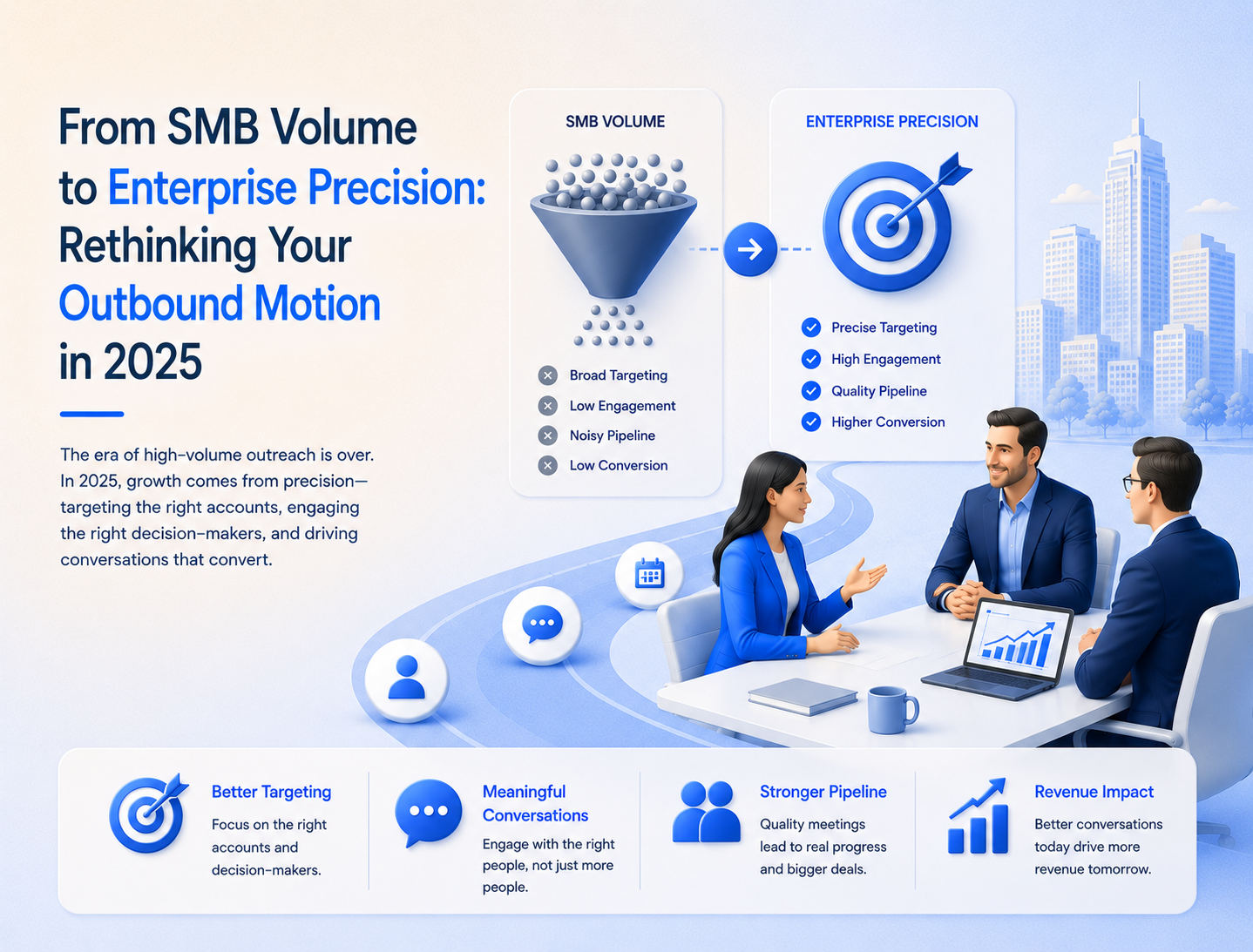
The strategic shift isn’t “more meetings at any cost.” It’s reducing lead risk while increasing sales acceptance and creating a repeatable path from marketing investment to conversations that move deals forward.
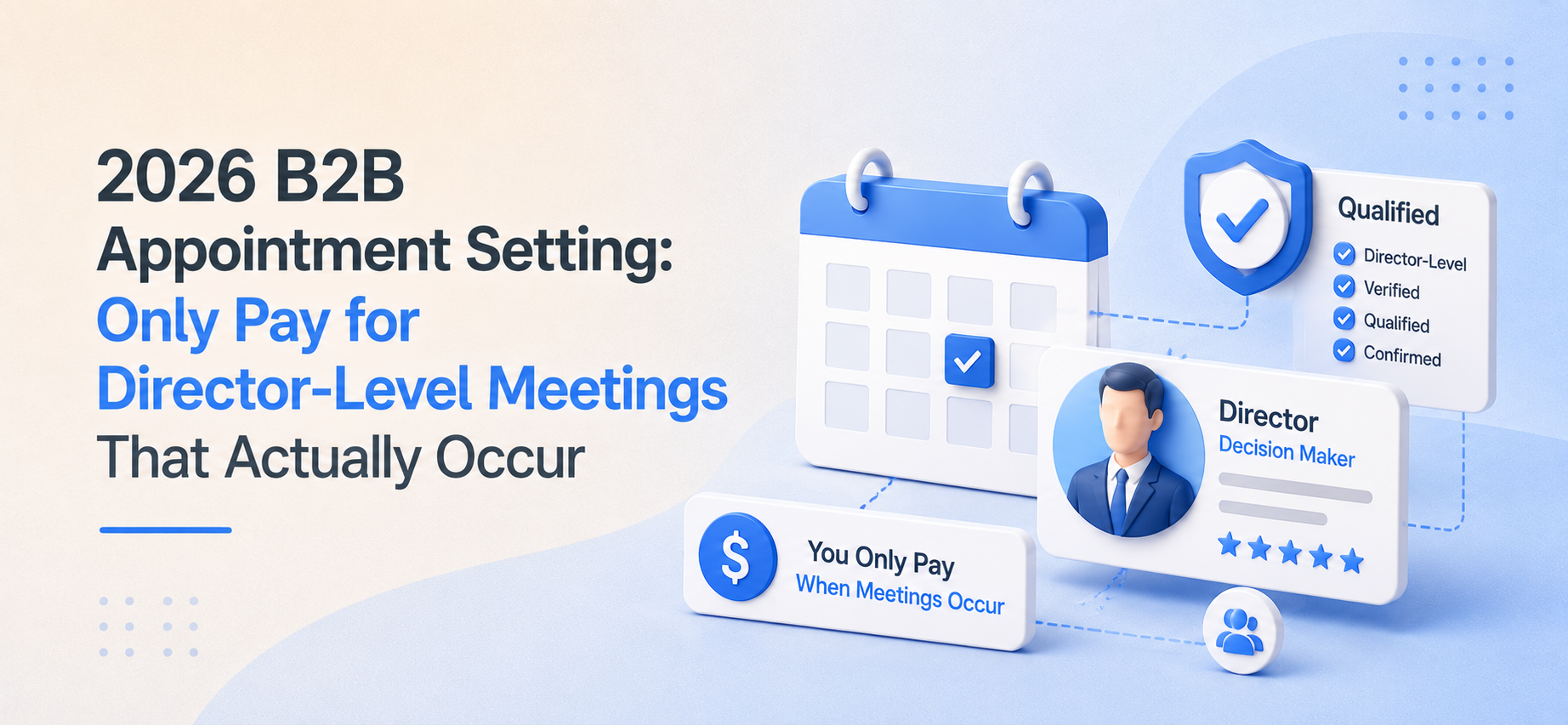
This is where the model matters. Only pay for meetings that occur isn’t a slogan—it’s an operating constraint that changes incentives, process design, and how marketing and sales stay aligned.
What B2B appointment setting means for demand generation teams in 2026
In modern demand gen, B2B appointment setting is the operational layer that converts targeting into scheduled, qualified conversations—without forcing SDRs to carry the full burden of outreach and logistics.
In 2026, the definition has tightened. “Appointment setting” is no longer a generic calendar-fill function. For demand generation leaders, it’s specifically:
For teams trying to increase pipeline efficiency, appointment setting is also a risk management strategy. Instead of buying volume and hoping sales sorts it out, you’re structuring a program that’s measured on outcomes: held meetings with the right people.
Common challenges marketers face
Even strong demand gen teams hit the same friction points when “lead volume” is the operating goal.
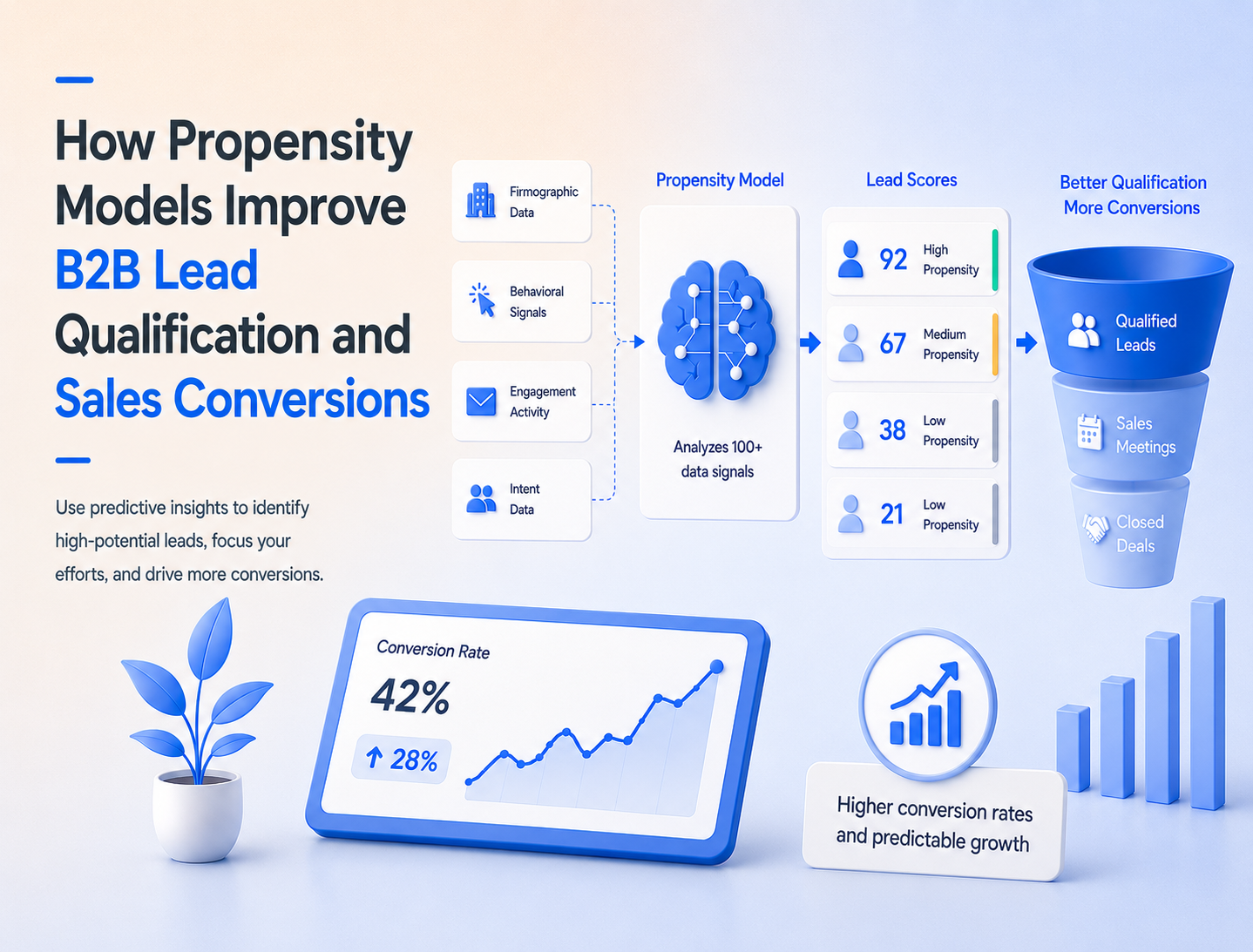
Lead risk is priced into your funnel—whether you acknowledge it or not
When you pay for leads delivered, you inherit all the downstream uncertainty:
When these questions aren’t answered before handoff, marketing absorbs the reputational cost and sales absorbs the time cost.
SDR time is the scarcest—and most misallocated—resource
SDR teams spend a surprising amount of time on:
The issue isn’t SDR performance. It’s the input quality and the workflow design.
Marketing and sales alignment breaks at “definition”
Most organizations agree on ICP at a high level, but drift happens in the details:
When the handoff is ambiguous, sales acceptance drops and follow-up slows—your pipeline leaks after the click.
Events are expensive—and attendance is fragile
Whether it’s a webinar, roundtable, or sponsored event, registration is not the same as attendance. In 2026, you need operational rigor around:
Without a confirmation and reminder workflow, event ROI becomes a gamble.



.png)

%201.png)


.png)


Solutions that work
Site Ascend’s programs are designed to solve the “conversion gap” between marketing activity and sales-ready conversations. The difference is not just tactics—it’s incentives, seniority control, and execution discipline.
Executive Meetings: director+ conversations, structured to occur
If your ICP is enterprise or complex mid-market, seniority isn’t optional. Executive Meetings are built to deliver:
This matters because a scheduled meeting has zero pipeline value if it no-shows. Paying on occurrence forces the process to optimize for confirmation and attendance, not calendar volume.
Lead Qualification: convert opt-ins into real meetings
Opt-in leads (whitepaper downloads, content requests, inbound forms) are a starting point—not a handoff. Site Ascend’s lead qualification program focuses on:
This is the difference between “we generated leads” and “we generated conversations that move opportunities.”
Event Marketing: attendee procurement with confirmation discipline
Site Ascend’s event marketing is focused on driving registrants through outbound dialing, then supporting attendance through an SMS workflow until the event date.
Two important clarifications for marketers evaluating event support:
In practice, this gives demand gen teams an operational lever: not just filling the registration list, but protecting show rate.
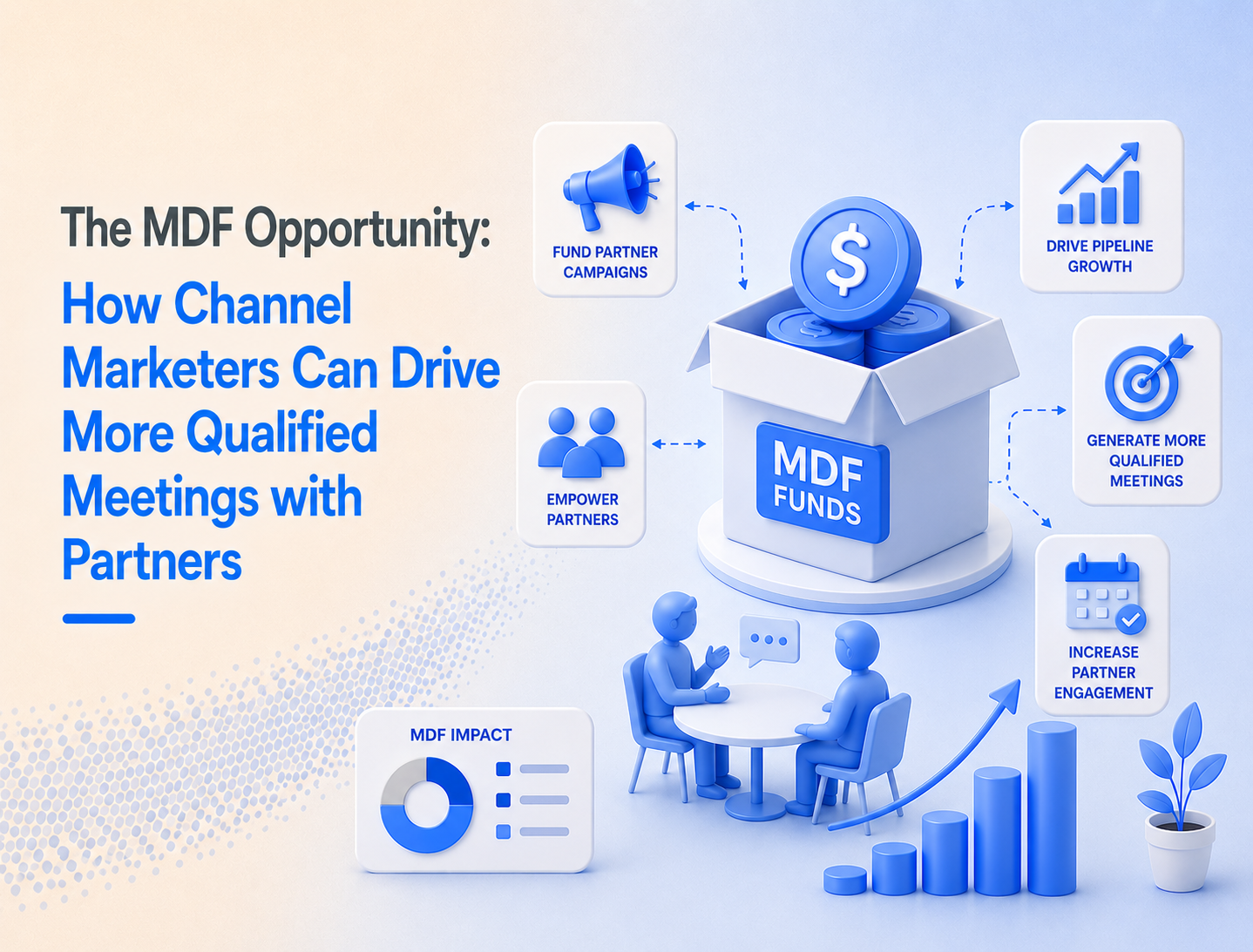
Channel Marketing: white-labeled appointment setting for partner plays
Partner motion breaks when the execution layer is inconsistent. Site Ascend enables:
This is particularly relevant in enterprise co-sell and public sector adjacent motions where coordination and credibility matter.
Real-time reporting: visibility that reduces friction
One of the fastest ways to lose sales trust is to ask for follow-up without proof of quality. Site Ascend’s real-time dashboard helps teams show:
That reporting clarity reduces disputes and accelerates acceptance.
Actionable steps for marketers
If you want B2B appointment setting to improve pipeline performance (not just meeting counts), use this checklist to pressure-test your current motion.
Define what “worth a meeting” means—before you launch
Align on specifics, not slogans:
Route by readiness, not just “lead status”
Build a simple routing framework:
This approach reduces funnel leakage after the click.
Protect show rate like it’s a KPI (because it is)
Show rate is the hidden tax in most pipelines. Improve it operationally:
Design the handoff to make sales faster
Sales acceptance increases when the meeting package includes:
When the AE walks in informed, the meeting becomes productive—not interrogative.
Choose pricing models that align incentives
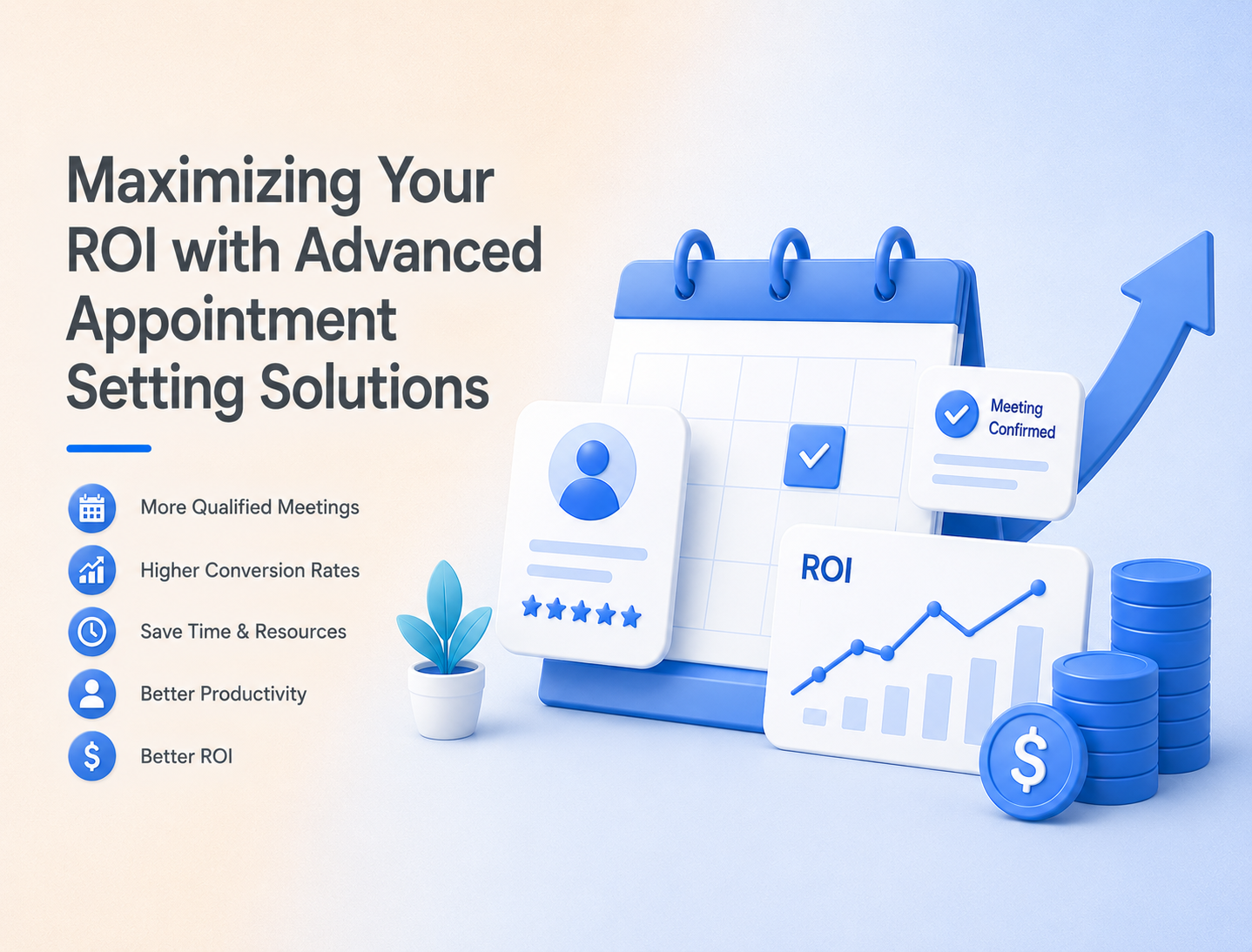
If you’re paying for leads delivered, you’re underwriting uncertainty. If you’re paying for meetings that occur, you’re funding outcomes.
For 2026 planning, ask one question:
Does the vendor win when you win—or when they ship volume?
Comparison of market solutions
Most appointment-setting solutions fall into a few predictable buckets. The best choice depends on which outcomes your organization needs to protect.
Example 1: The Procurement View (three outcomes that matter)
Outcome 1: Reduce performance risk (predictability and quality)
Outcome 2: Improve operational efficiency (time and workflow discipline)
Outcome 3: Increase stakeholder confidence (sales acceptance and reporting clarity)
In practice, the market difference isn’t “who can dial.” It’s who is accountable for the outcome you actually need.
Conclusion
In 2026, demand generation teams can’t afford a pipeline strategy that depends on hope—hope that leads are good, hope sales follows up fast, hope meetings happen.
B2B appointment setting becomes a growth lever when it’s designed around outcomes:
If you want to reduce lead risk and increase sales acceptance, the fastest path is to pilot an outcomes-based meeting program—one that proves value with held conversations, not delivered volume.
If your team wants to test a “pay for meetings that occur” model with director-level targets, start a pilot with Site Ascend.
What’s the difference between “meetings booked” and “meetings that occur”?

Why does director-level targeting matter so much in B2B appointment setting?
How should demand gen teams measure appointment setting success in 2026?


Start your pilot campaign today and explore the full range of Site Ascend's demand generation capabilities. Experience firsthand how we can enhance your efficiency, streamline your processes, and drive growth.
RELATED