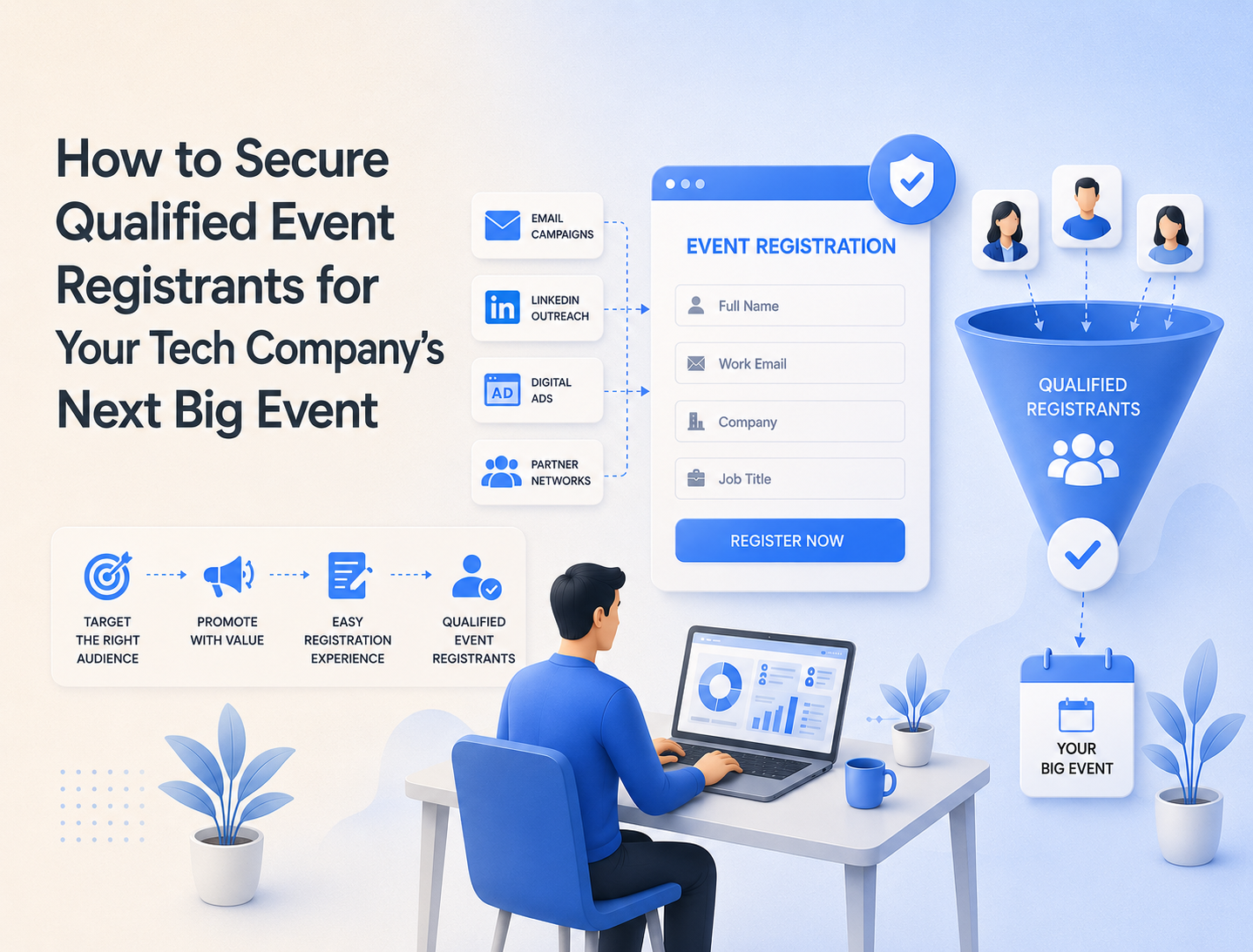
How to Secure Qualified Event Registrants for Your Tech Company’s Next Big Event
Event Marketing


Outbound is not broken—handoff is. In 2026, the teams that win don’t measure success by leads delivered; they measure it by sales-ready meetings that actually happen. This guide breaks down a practical, meeting-first outbound framework—from target-account selection to director-level qualification, confirmation workflows, and reporting—so demand gen teams can reduce lead risk, improve sales acceptance, and turn outbound activity into pipeline.
-
Outbound Lead Generation
Introduction
Outbound lead generation is having a quiet identity crisis.
Most teams can still produce leads: form fills, “interested” replies, webinar registrants, and a long trail of CRM activity. The problem is what happens next. Sales doesn’t accept them. Follow-up is inconsistent. Calendars don’t convert. Meetings slip, no-show, or never get scheduled at all.
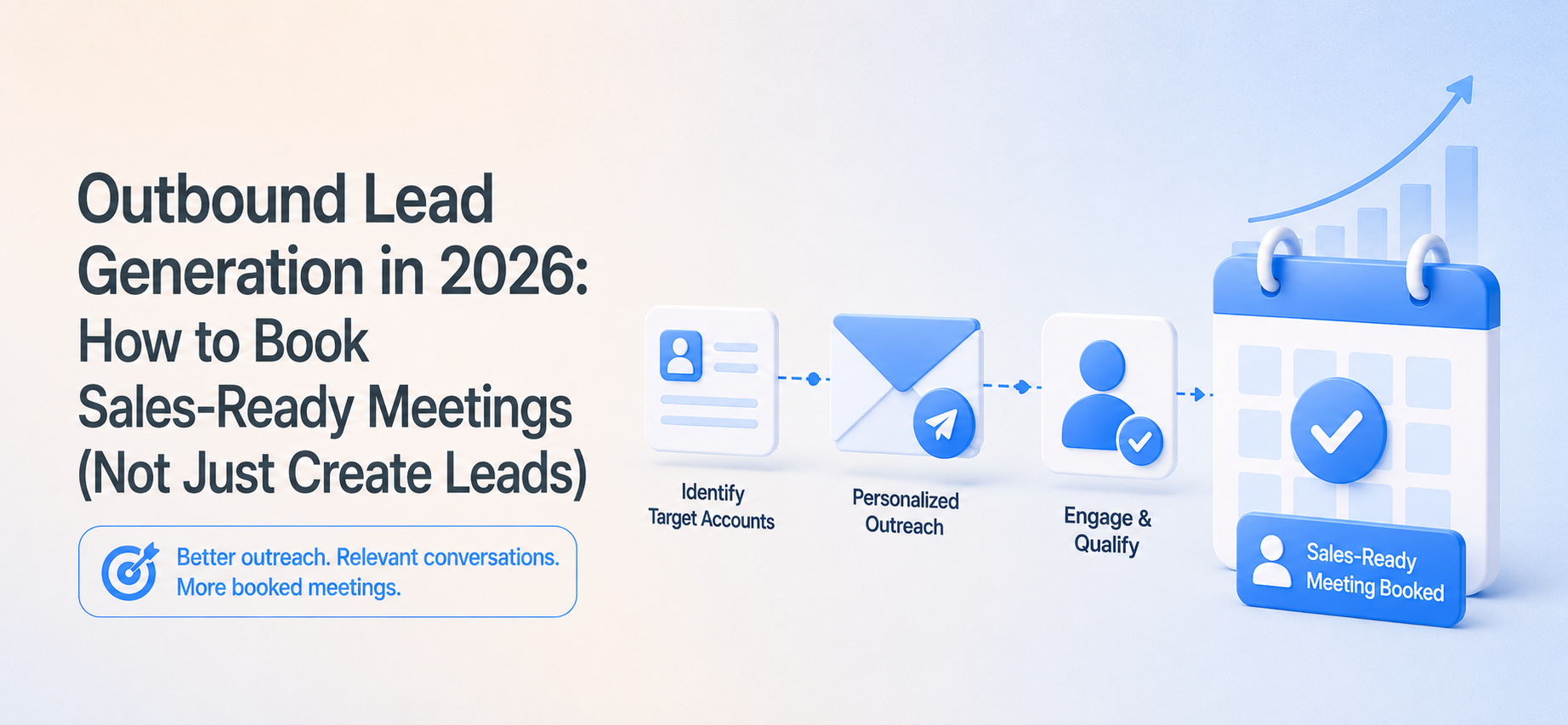
In 2026, the outbound programs that drive pipeline treat leads as an input—not the outcome. The outcome is a sales-ready meeting that occurs, with the right persona, at the right account, with a clear reason to talk.
That’s exactly where Site Ascend fits: we operationalize outbound so your team moves from contact attempts to director-level conversations—through executive meeting programs, lead qualification, event attendee procurement, and partner/channel appointment setting—backed by an onshore team and real-time reporting.
What “Outbound Lead Generation” Means for Demand Generation Marketers
Outbound lead generation is the process of proactively creating new sales opportunities by initiating conversations with target accounts—typically through phone, social, and coordinated follow-up—rather than waiting for inbound conversions.
But for modern demand gen teams, “outbound lead gen” is rarely just top-of-funnel. It’s a conversion system:
If your outbound program stops at “leads delivered,” you’ve funded activity—not pipeline.
Site Ascend’s model is built around the end state: booked, director+ meetings that align with your ICP and move opportunities forward.
Common Challenges Marketers Face
1) “Leads” inflate volume while hiding risk
A lead can mean anything—from a curious junior employee to a competitor to someone who clicked once and disappeared. Volume creates comfort. Sales acceptance creates truth.
Where it breaks: sales teams won’t prioritize what they don’t trust. And marketers can’t optimize what isn’t consistently qualified.
2) Long sales cycles punish weak handoffs
The longer the cycle, the more a small failure early becomes a lost quarter later: wrong persona, weak context, unclear next step, no confirmation, no follow-through.
Where it breaks: programs become pipeline leaky even when the top looks healthy.
3) “We’ll follow up later” becomes “never”
Outbound doesn’t fail at outreach—it fails at operational follow-up. The highest intent moment is often within 24–72 hours of engagement. Miss it and response rates collapse.
Where it breaks: sales is busy, SDR coverage is uneven, and marketing can’t enforce cadence.
4) Event programs over-index on registrations
Registration is not attendance—and attendance isn’t a conversation. Many vendors sell “event leads” that don’t translate into meetings.
Where it breaks: you pay for lists, then spend internal time chasing no-shows.
5) Partners want co-sell outcomes, not activity reports
Channel and alliance teams get measured on pipeline contribution. “We ran outreach” doesn’t satisfy that requirement.
Where it breaks: MDF-funded programs stall because execution is inconsistent and reporting is too slow.



.png)

%201.png)


.png)


Solutions That Work
Outbound in 2026 needs a system that converts attention into meetings—and protects those meetings through the finish line.
Here’s how Site Ascend does that across its core programs.
Executive Meetings: director+ conversations, not lead volume
If your ICP requires decision-makers, you can’t optimize for form fills. You need a program designed for:
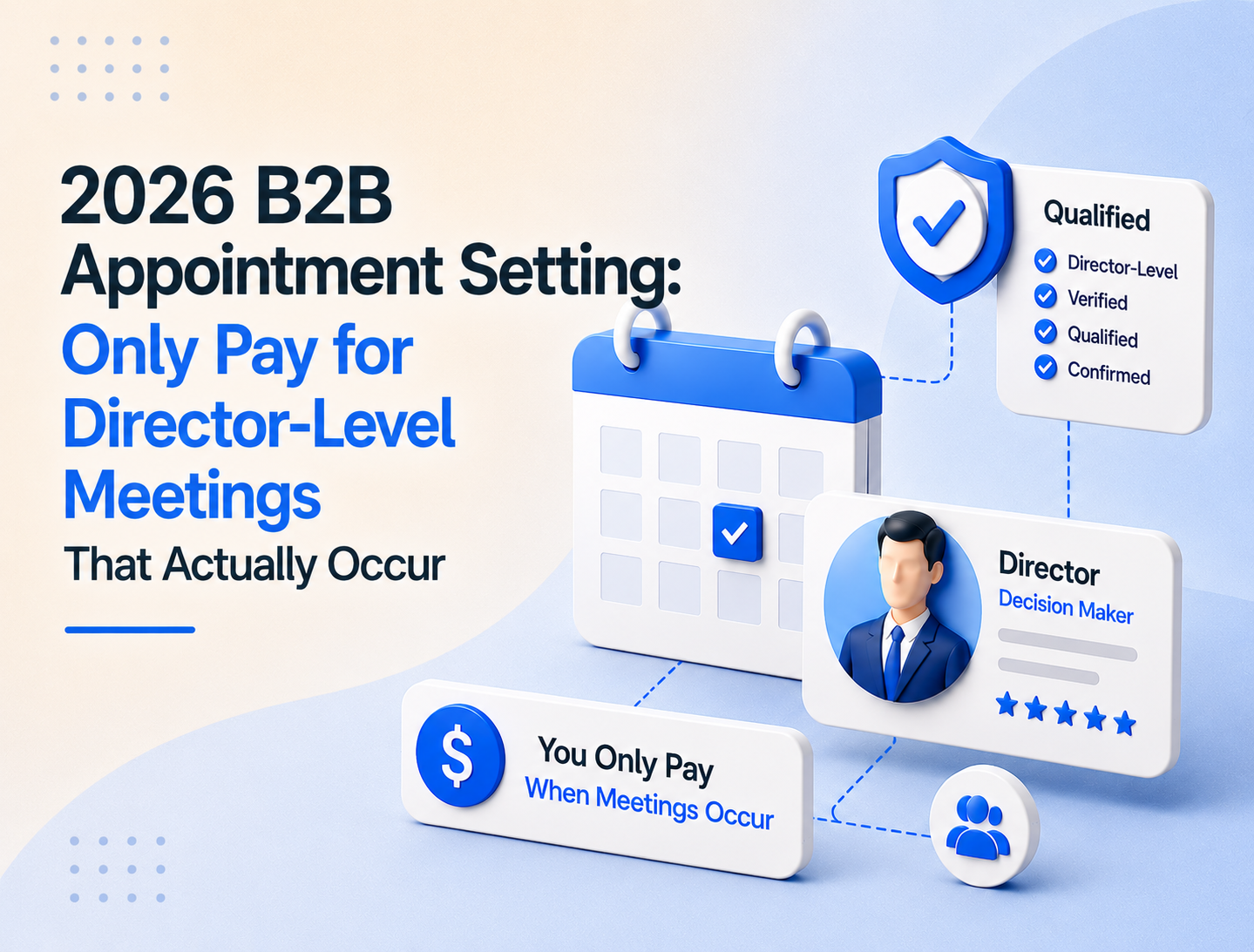
Site Ascend’s Executive Meetings are built specifically to deliver 30-minute virtual meetings with director+ titles in target accounts—focused on conversion, not impressions.
Lead Qualification: convert opt-ins into meetings sales will take
Opt-in leads (whitepaper downloads, demo requests, content engagement) have one consistent problem: inconsistent quality.
Site Ascend converts opt-ins into qualified meetings by validating the real buying context:
This turns your existing lead flow into meetings—without requiring your SDR team to carry the full load.
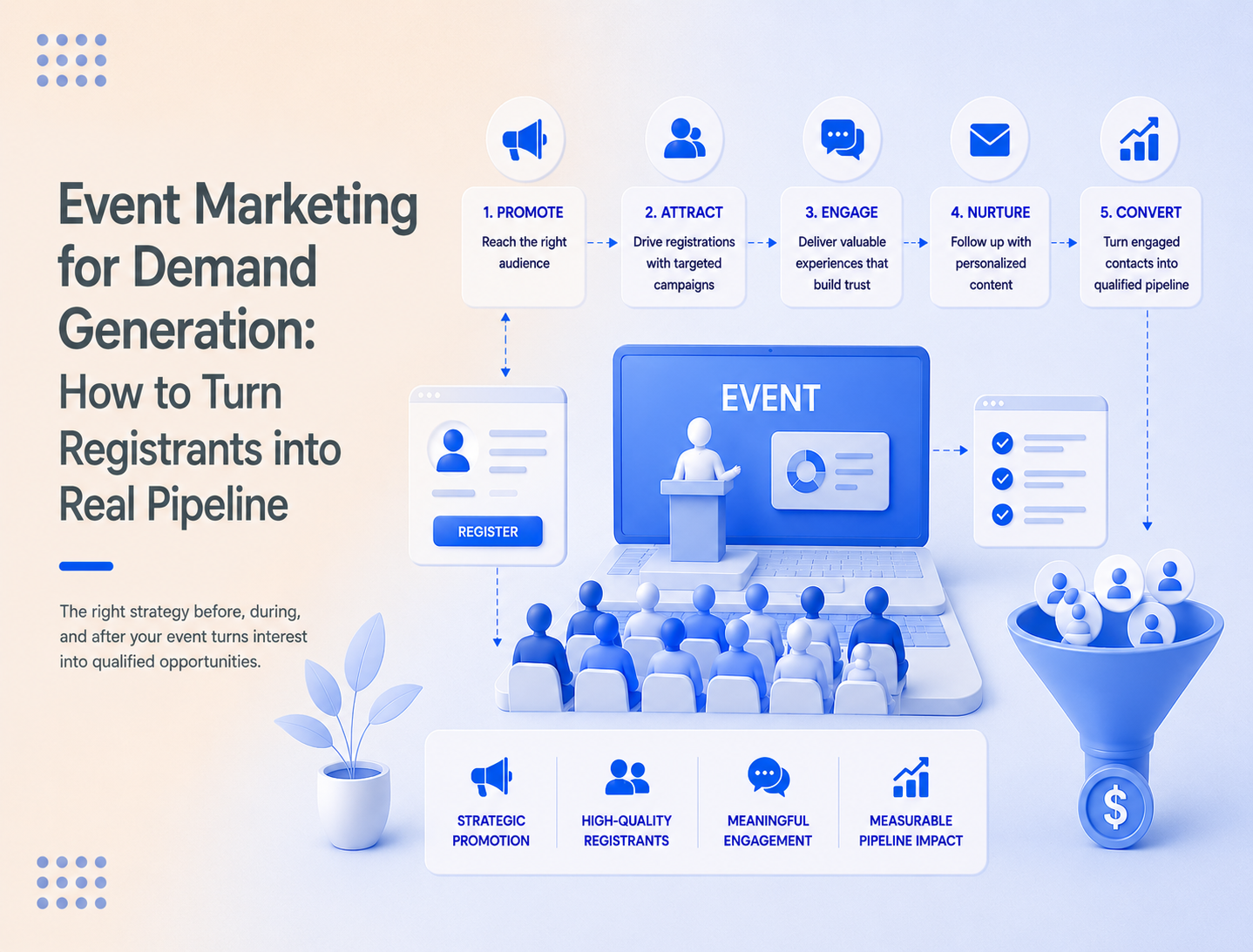
Event Marketing: registrants you can actually convert
Event programs win when registration and attendance are treated as operational outcomes. Site Ascend focuses on driving registrants to events through outbound dialing, then supports attendance with an SMS workflow through the event date.
Important distinction: Site Ascend does not provide day-of-event onsite services. The goal is to fill the room (virtual or in-person) with the right audience and reduce drop-off before the event happens.
Channel Marketing: white-labeled meetings funded by MDF
Partners don’t just need awareness—they need proof. Site Ascend runs white-labeled appointment setting on behalf of partners, often funded by market development funds (MDF), so the channel motion produces measurable outcomes.
This is how you turn co-marketing into co-selling: booked conversations, not vague engagement metrics.
Why the model matters: only paying for outcomes
The cleanest way to reduce lead risk is to align incentives with the outcome sales values.
Site Ascend’s core differentiators support that alignment:
Actionable Steps for Marketers
If you want outbound to produce pipeline, implement this meeting-first checklist.
The “Sales-Ready Meeting” Outbound Checklist (2026)
1) Define the meeting acceptance standard before launch
Write down what sales will accept: title minimum, account criteria, disqualifiers, and required context.
2) Separate “engagement” from “qualification”
Someone can be engaged and still not be a fit. Qualification should validate role relevance, initiative alignment, and a reason to talk.
3) Build a two-step conversion path
Most meetings require:
4) Protect the calendar with confirmations
No-shows kill ROI. Add structured confirmation (and reminders) so meetings occur—not just get booked.
5) Make reporting sales-readable
If reporting is “activities,” sales tunes out. If reporting is “meetings occurred + context,” sales leans in.
6) Pilot with an outcome-based model
A pilot should reduce risk and prove value quickly. Outcome-based pricing and director-level targeting make pilots easier to justify internally.
Comparison of Market Solutions
Most outbound programs fall into a few categories. Here’s how they typically perform when the real KPI is “sales-ready meetings that occur.”
Option 1: In-house SDR/BDR teams
Best for: teams with strong coverage, tight enablement, and consistent management.
Common limitation: expensive to scale, uneven performance by rep, and often overloaded with follow-up across multiple channels.
Where Site Ascend wins: when you need director+ meetings without adding headcount, or when follow-up and confirmation are breaking your conversion rates.
Option 2: Outsourced lead generation providers (volume-first)
Best for: teams that want activity, list coverage, or top-of-funnel volume.
Common limitation: quality variance, offshore labor concerns, and incentives misaligned with pipeline outcomes.
Where Site Ascend wins: with onshore execution, director+ targeting, and a pay-for-outcome approach that makes “meeting quality” the central metric.
Option 3: Data + tech platforms (signal without conversion)
Best for: identifying accounts, intent signals, and prioritization.
Common limitation: platforms don’t execute the human conversion work—qualification, scheduling, and confirmation.
Where Site Ascend wins: by acting as the operational layer that turns targeting into booked meetings and protects attendance.
Option 4: Partner/channel execution (inconsistent without a system)
Best for: teams with mature alliances and joint account plans.
Common limitation: execution drift across partners and weak reporting.
Where Site Ascend wins: through white-labeled outreach funded by MDF, with consistent execution and reporting built for partners and internal stakeholders.
Conclusion
Outbound lead generation isn’t dead. “Leads delivered” as the KPI is.
In 2026, demand gen teams win by building an outbound engine that produces sales-ready meetings that occur—with verified fit, director-level relevance, and operational follow-through that sales can trust.
If you want outbound to become a reliable pipeline channel—without adding headcount or betting on lead volume—Site Ascend can help you pilot a meeting-first program across executive meetings, lead qualification, event attendee procurement, and channel marketing.
Start a pilot with Site Ascend to convert target accounts into director-level meetings your sales team will accept—and that actually show up.
What’s the difference between outbound lead generation and appointment setting?

How do you reduce no-shows for outbound meetings?
What should marketers require before handing an outbound lead to sales?


Start your pilot campaign today and explore the full range of Site Ascend's demand generation capabilities. Experience firsthand how we can enhance your efficiency, streamline your processes, and drive growth.
RELATED