How to Accelerate Pipeline Without Burning SDR Time
Demand Generation


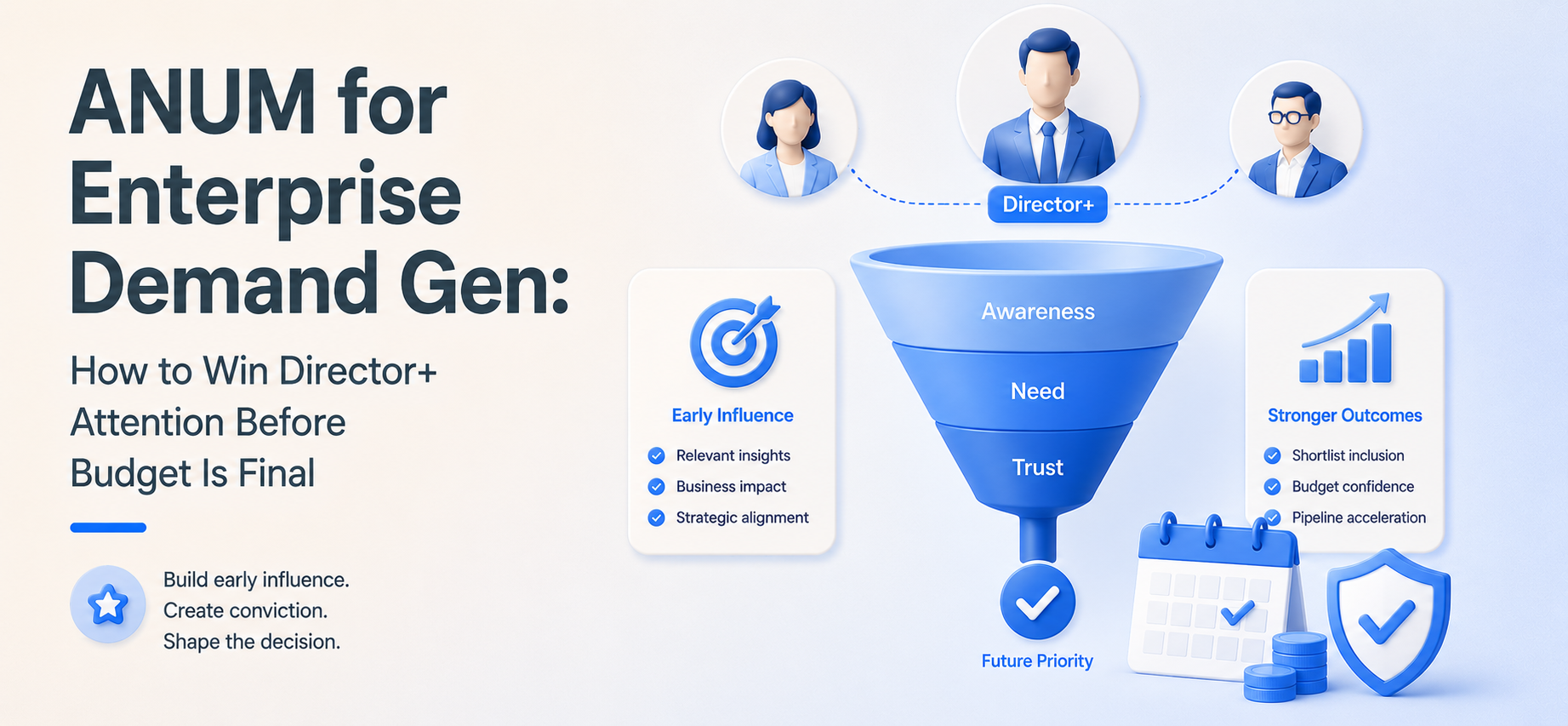
ANUM helps enterprise demand gen teams earn Director+ attention before budget is finalized by prioritizing Authority, Need, and Urgency—then validating Money as plausibility. Learn how Site Ascend operationalizes ANUM through lead qualification and Director+ meetings that occur and convert into next steps.
-
Enterprise Demand Generation
Introduction
Enterprise demand gen has a familiar failure mode:
A campaign performs. Engagement looks real. Leads come in. Meetings get booked.
Then sales asks the question that breaks the spell:
“Do they actually have budget?”
Sometimes the answer is no. Often the honest answer is, “Not yet.”
And that’s where pipelines die—not because the account isn’t a fit, but because teams treat “budget approved” as the price of entry for a real conversation.
Modern buying committees don’t work that way. Budget is frequently a result of alignment and urgency, not a prerequisite. The teams that win enterprise pipeline learn to qualify earlier without forcing a budget discussion too soon.
That’s what ANUM is for.
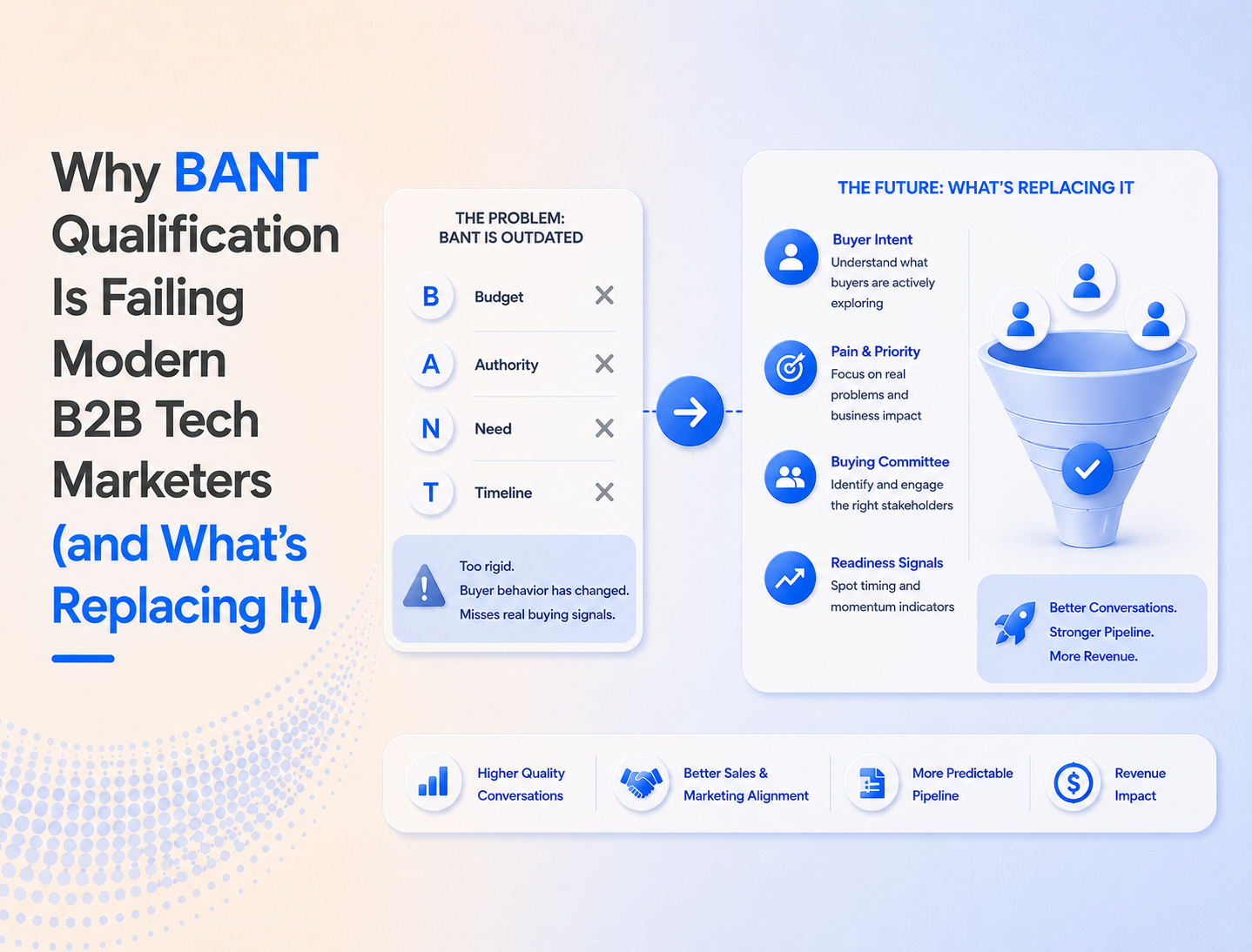
ANUM = Authority, Need, Urgency, Money
ANUM helps demand gen teams secure Director+ engagement by prioritizing what drives forward motion: the right stakeholder, a real problem, and a reason to act—then validating money as plausibility, not paperwork.
This blog breaks down how to apply ANUM in enterprise tech and how Site Ascend operationalizes it through Lead Qualification and Executive Meetings that produce Director+ meetings that occur and advance.
What ANUM means for demand generation marketers
ANUM is a qualification framework that mirrors how enterprise decisions actually form.
Authority
This is the anchor. In enterprise tech, most progress depends on one thing: a stakeholder who can sponsor action.
A practical proxy for that is Director-level and above, because those roles can:
Need
Need is not “interest.” Need is a problem with consequences:
If you can’t name the consequence, you don’t have a need—you have a topic.
Urgency
Urgency is the difference between “good conversation” and “deal motion.”
In enterprise, urgency usually comes from a trigger:
Money
Money in ANUM is not “approved budget.” It’s budget plausibility:
ANUM works because it helps demand gen teams qualify for progress even before the final budget exists.
Common challenges marketers face
Budget becomes a false gate
When teams require confirmed budget too early, they lose deals that are still forming. The account isn’t unqualified—it’s unfinished.
Authority gets watered down to hit meeting volume
If you don’t enforce seniority, the path of least resistance is meetings with whoever will accept. That increases meeting count and decreases progress.
Need gets inferred from content engagement
Enterprise buyers consume content to educate their teams. That engagement doesn’t automatically signal an active initiative.
Urgency isn’t captured, so meetings stall
Without a trigger, sales follow-up becomes optional—and optional follow-up rarely survives a busy quarter.
Sales and marketing define “qualified” differently
Marketing counts leads and meetings. Sales counts momentum. ANUM aligns both around decision readiness.



.png)

%201.png)


.png)


Solutions that work
ANUM becomes powerful when it’s operationalized into repeatable motions—not just adopted as new vocabulary.
For enterprise demand gen teams, the two most direct ways to operationalize ANUM are:
That maps cleanly to Site Ascend’s core strengths for this topic: Lead Qualification and Executive Meetings.
Lead Qualification: turn opt-ins into ANUM-ready conversations
Opt-ins often arrive with a hint of Need but unclear Authority and Urgency. The goal of lead qualification is to replace assumption with clarity.
A strong ANUM qualification conversation surfaces:
Authority
Need
Urgency
Money
When those signals exist, the lead becomes sales-worthy. When they don’t, you can park the lead with a reason instead of sending noise to sales.
Executive Meetings: earn Director+ attention and protect meeting quality
If Authority is the top ANUM variable, then your meeting motion should be designed to deliver Authority consistently.
Site Ascend’s Executive Meetings focus on:
Two program characteristics directly support ANUM outcomes:
The result is a cleaner path from “marketing-generated interest” to “sales-worthy conversation.”
Channel and event motions (only when relevant to your pipeline definition)
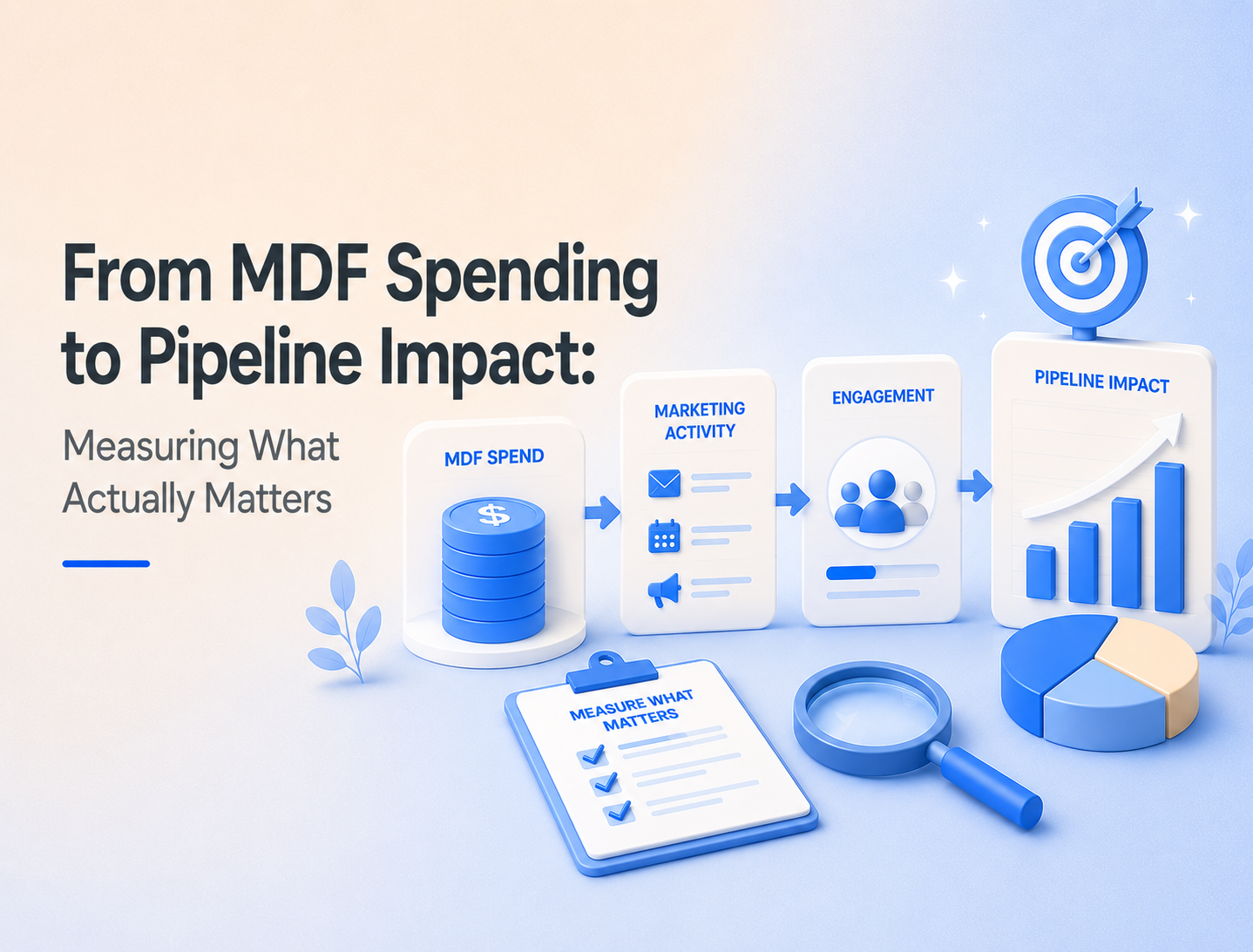
If your channel MDF programs or sponsored events are expected to generate pipeline, ANUM becomes the guardrail that prevents “activity ROI” from masquerading as revenue ROI.
Site Ascend supports event attendee procurement via outbound dialing and uses SMS workflows leading up to the event date (no day-of services), which improves attendance support and follow-through.
Actionable steps for marketers
Here’s a practical way to apply ANUM without redesigning your funnel.
The “Director+ ANUM” checklist
Authority
Need
Urgency
Money
Next step
Weekly metrics that prove ANUM is working
You don’t need a complicated model. Track:
If those rise together, you’re winning Director+ attention—and turning it into momentum.
Comparison of market solutions
Here’s the market landscape through the procurement view—how organizations typically evaluate approaches to qualification and meetings.
Lowest cost per activity
What you’re buying: touches, dials, or raw lead volume.
Why teams choose it: it scales quickly and looks efficient.
Where it breaks: activity doesn’t guarantee Director+ authority, urgency, or usable context—so ANUM signals remain weak and sales follow-up drops.
Predictable volume
What you’re buying: a guaranteed number of leads, registrations, or booked meetings.
Why teams choose it: forecasting feels easier.
Where it breaks: volume doesn’t ensure meetings occur or that attendees are decision-relevant, so “qualified” doesn’t translate into pipeline momentum.
Defensible pipeline impact
What you’re buying: outcomes aligned to revenue—meetings that occur, Director+ relevance, and measurable next-step conversion.
Why teams choose it: it holds up under sales and finance scrutiny.
Why Site Ascend fits: Director-level-and-above targeting, accountability to meetings that occur, U.S.-based execution, and real-time reporting visibility—plus lead qualification that captures the ANUM context sales needs.
Conclusion
Enterprise pipeline doesn’t start with budget approval. It starts with the right stakeholders agreeing there’s a real problem worth solving now.
ANUM helps you win that early window by prioritizing:
If your team wants to pilot a program that converts engagement into Director+ meetings that occur—and increases next-step conversion even before budget is final—contact Site Ascend to explore a pilot using Lead Qualification and Executive Meetings.
Is ANUM replacing BANT?

How do we validate “Money” without making the conversation awkward?
What’s the fastest way to improve next-step conversion with ANUM?


Start your pilot campaign today and explore the full range of Site Ascend's demand generation capabilities. Experience firsthand how we can enhance your efficiency, streamline your processes, and drive growth.
RELATED