From Leads to Revenue: The Demand Gen Model Built for Enterprise Sales Cycles
Demand Generation Strategy


Lead gen creates volume. Appointment setting creates conversations. Learn when to prioritize meetings over MQLs—and how to convert target accounts into sales-ready meetings with an outcome-aligned model.
-
Demand Generation
Introduction
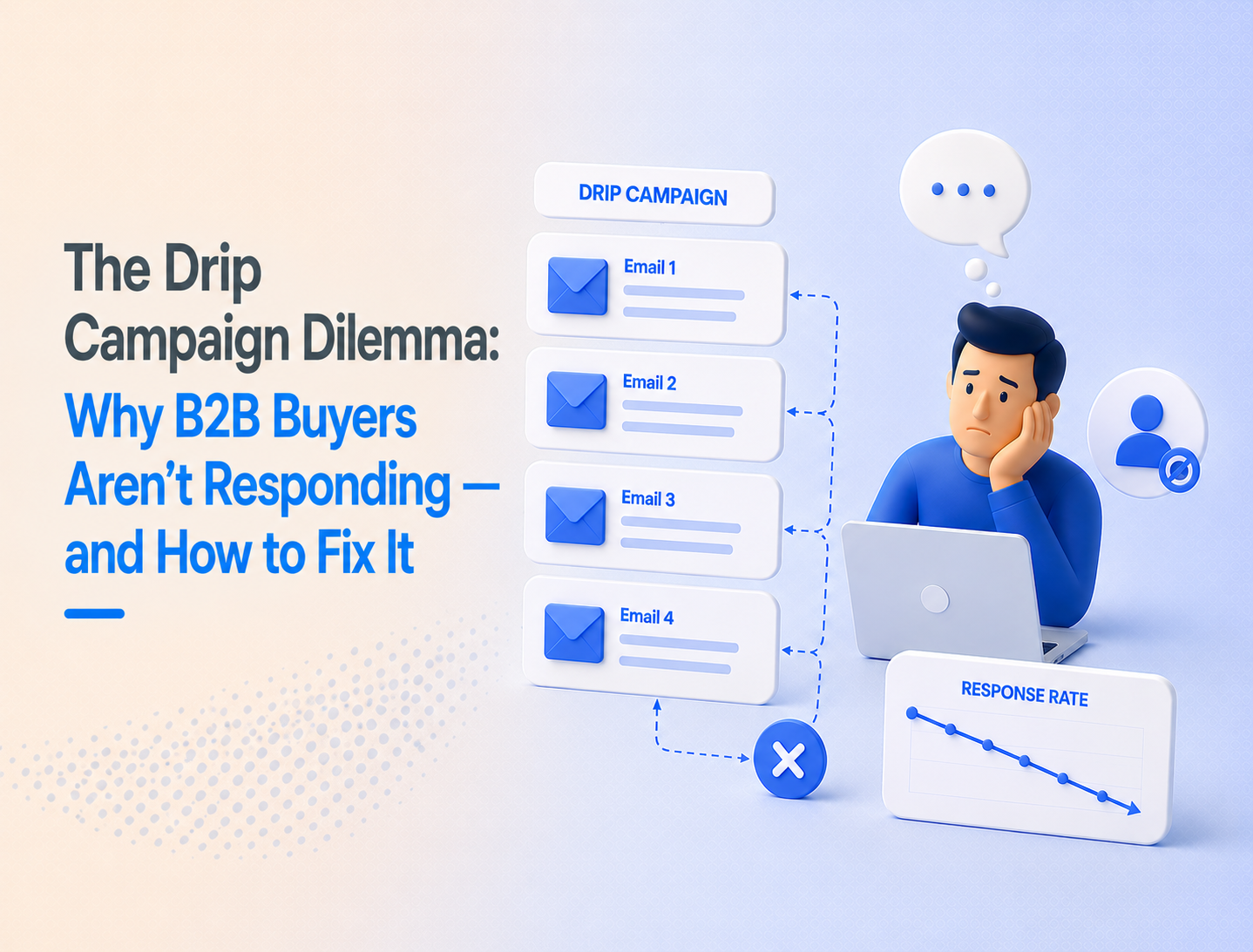
Most B2B tech teams don’t have a “lead problem.” They have a conversion problem.
Your MarTech stack can generate form fills, intent signals, webinar attendees, and MQLs all day long—but pipeline stalls when the next step is vague: Who follows up? How fast? With what message? And how do you turn interest into a meeting that sales actually accepts?
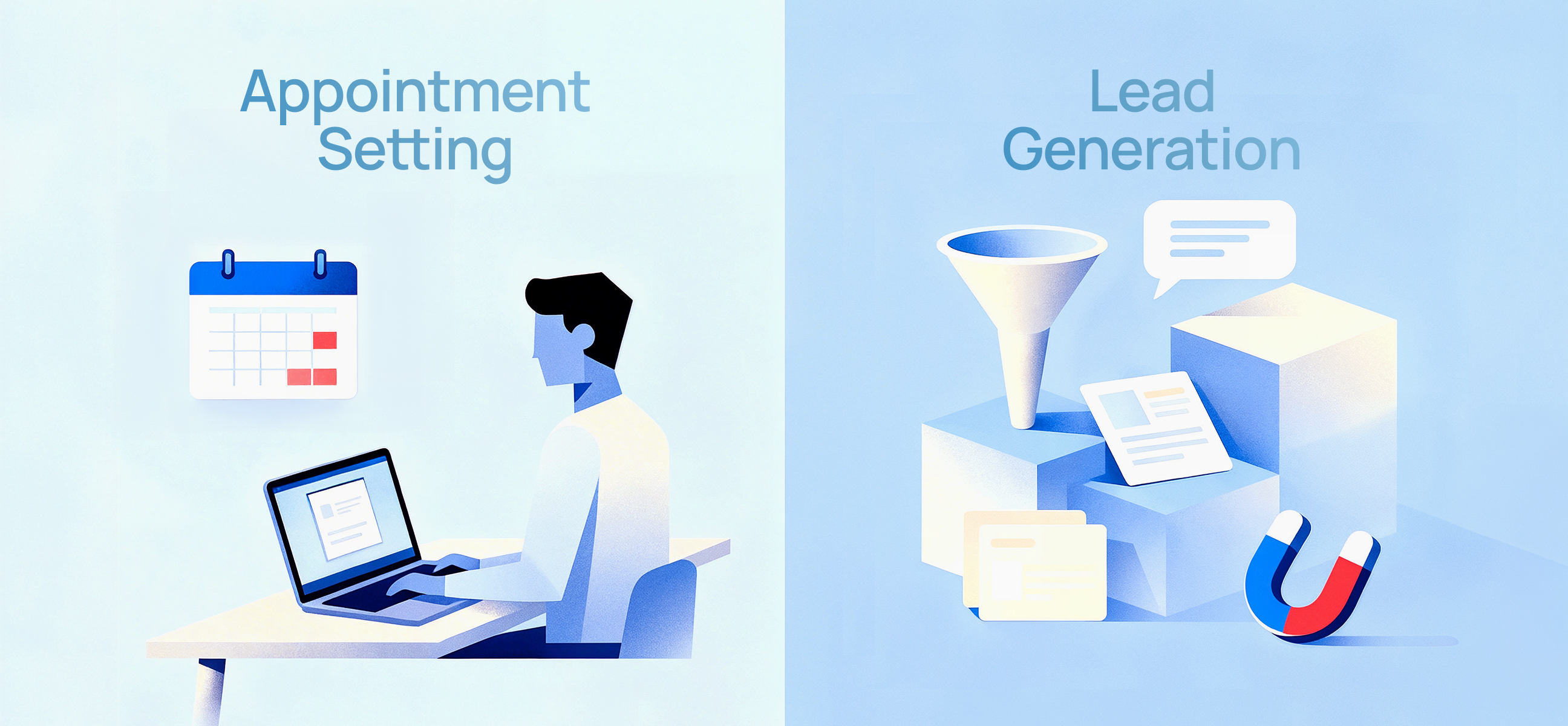
That’s why “appointment setting vs. lead generation” isn’t a semantics debate. It’s a budget decision. One model optimizes for activity. The other optimizes for outcomes—specifically, sales-ready meetings with the right people in the right accounts.
This post breaks down the differences, the real-world tradeoffs, and how demand gen leaders can choose the model that creates pipeline without wasting spend or burning SDR capacity.
What “Appointment Setting vs. Lead Generation” Means for Demand Generation Marketers
Lead generation: creates names and signals
Lead generation typically means collecting contact information or engagement signals—think:
Lead gen is valuable, but it’s often one step removed from revenue. It answers:
“Who raised their hand?”
Not: “Who will meet with sales?”
Appointment setting: creates conversations
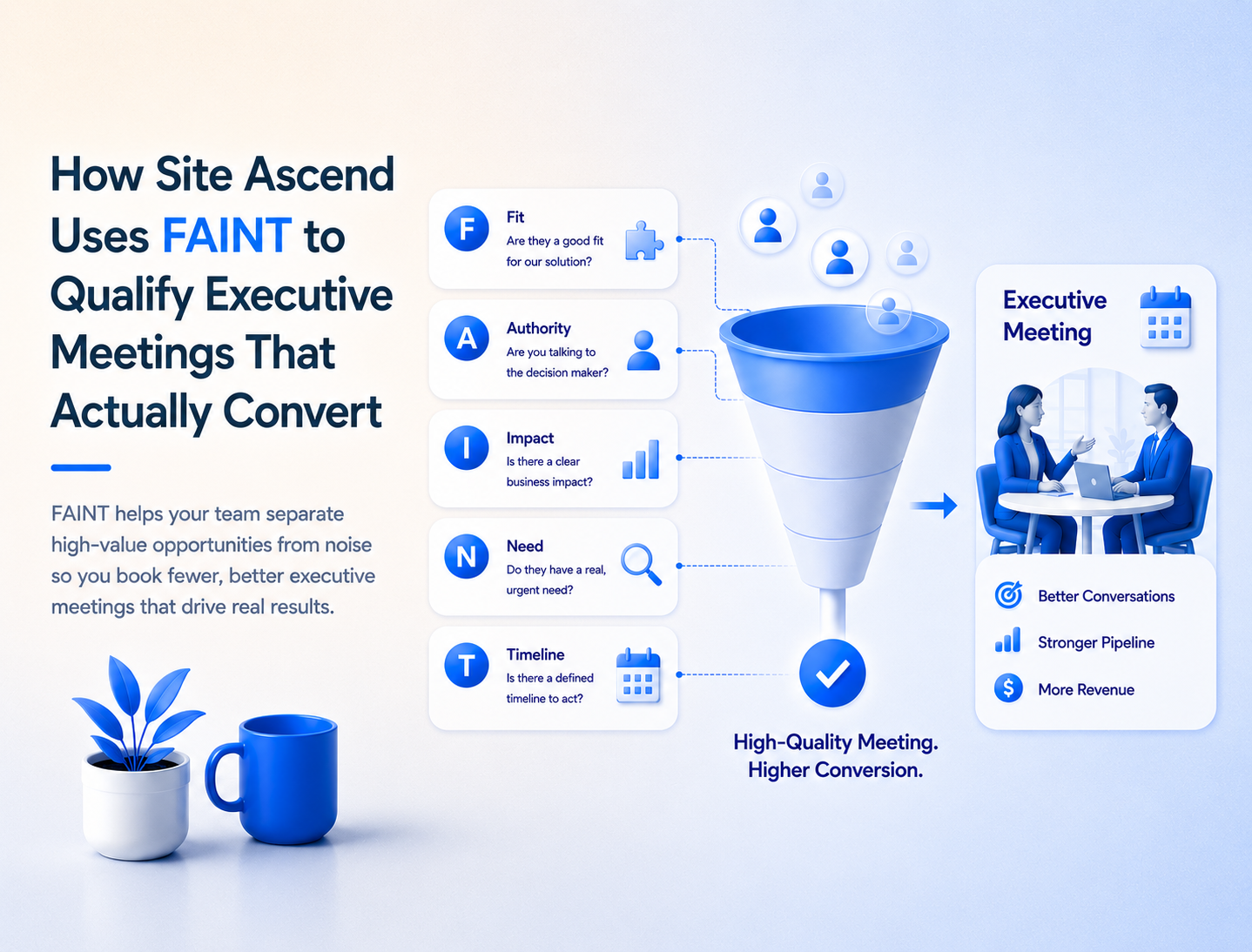
Appointment setting is focused on booking a qualified meeting, usually with criteria like:
It answers:
“Who will show up to a sales conversation?”
The key difference in 2026
In 2026, the gap between the two has gotten bigger because:
So when you’re deciding between appointment setting vs. lead generation, you’re really deciding whether your program is optimized for volume or velocity.
Common Challenges Marketers Face
1) “Leads delivered” don’t mean leads worked
A lead record isn’t action. Many teams generate leads but don’t have:
So leads age out. Pipeline leaks in the follow-up.
2) SDR time gets consumed by low-intent cleanup
Your SDR team ends up:
That’s not pipeline creation—that’s operational drag.
3) Sales and marketing disagree on what “qualified” means
Marketing optimizes for what converts in campaigns. Sales optimizes for what converts in discovery. Those are not the same thing.
If your “qualified lead” isn’t tied to a sales-accepted meeting definition, the handoff breaks.
4) Target accounts don’t convert like the rest
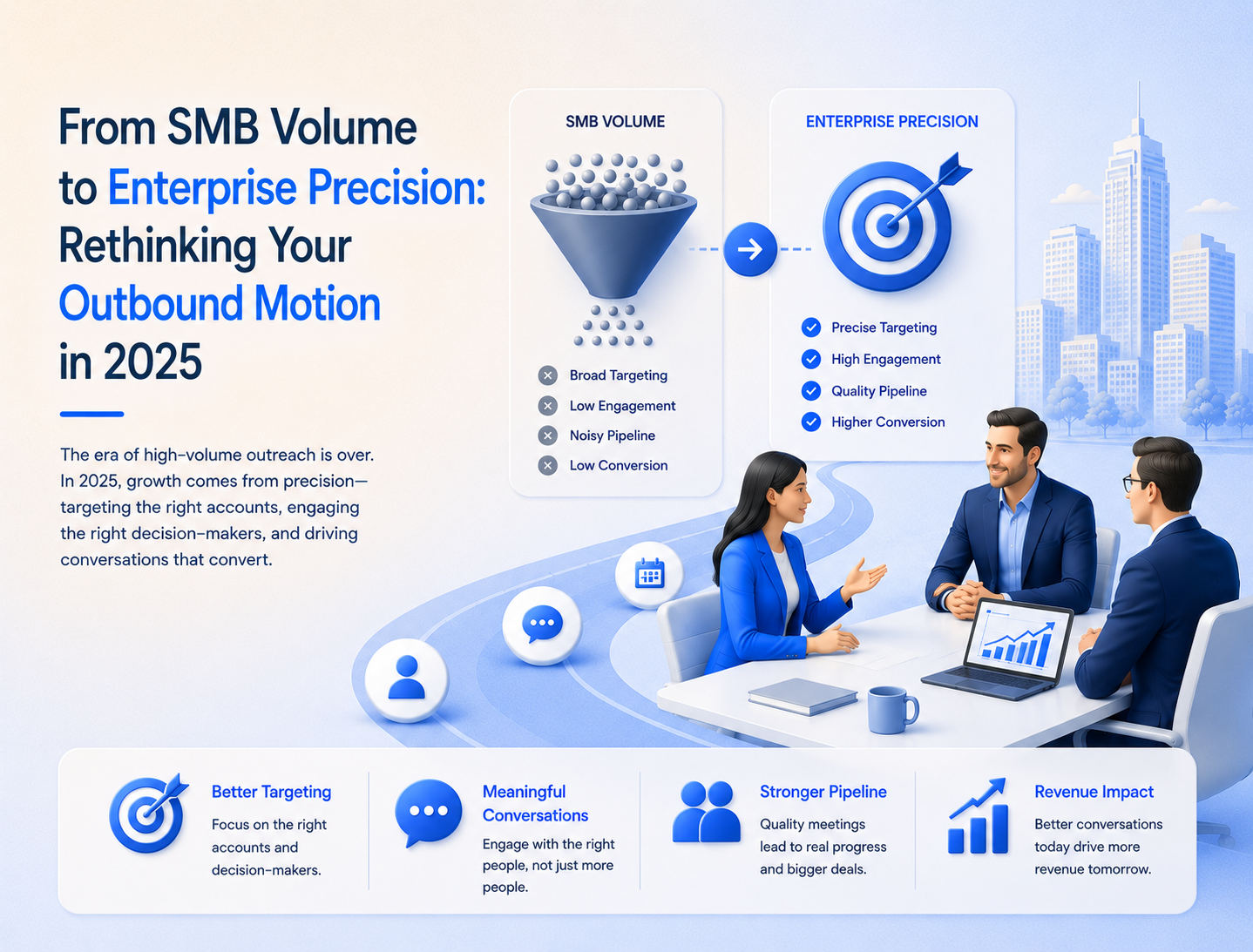
ABM lists and enterprise accounts don’t behave like inbound.
Lead gen alone often underperforms in the accounts you actually care about most.



.png)

%201.png)


.png)


Solutions That Work
If your goal is pipeline, you don’t need “more leads.” You need a system that reliably turns interest (or account fit) into booked meetings.
Here’s what works.
Solution 1: Define “sales-ready” before you buy anything
Before you choose a lead gen partner or an appointment setting partner, align internally on:
This becomes your “source of truth” for deciding whether you need lead volume or meeting conversion.
Solution 2: Use appointment setting when your constraint is follow-up capacity
Appointment setting is the right model when:
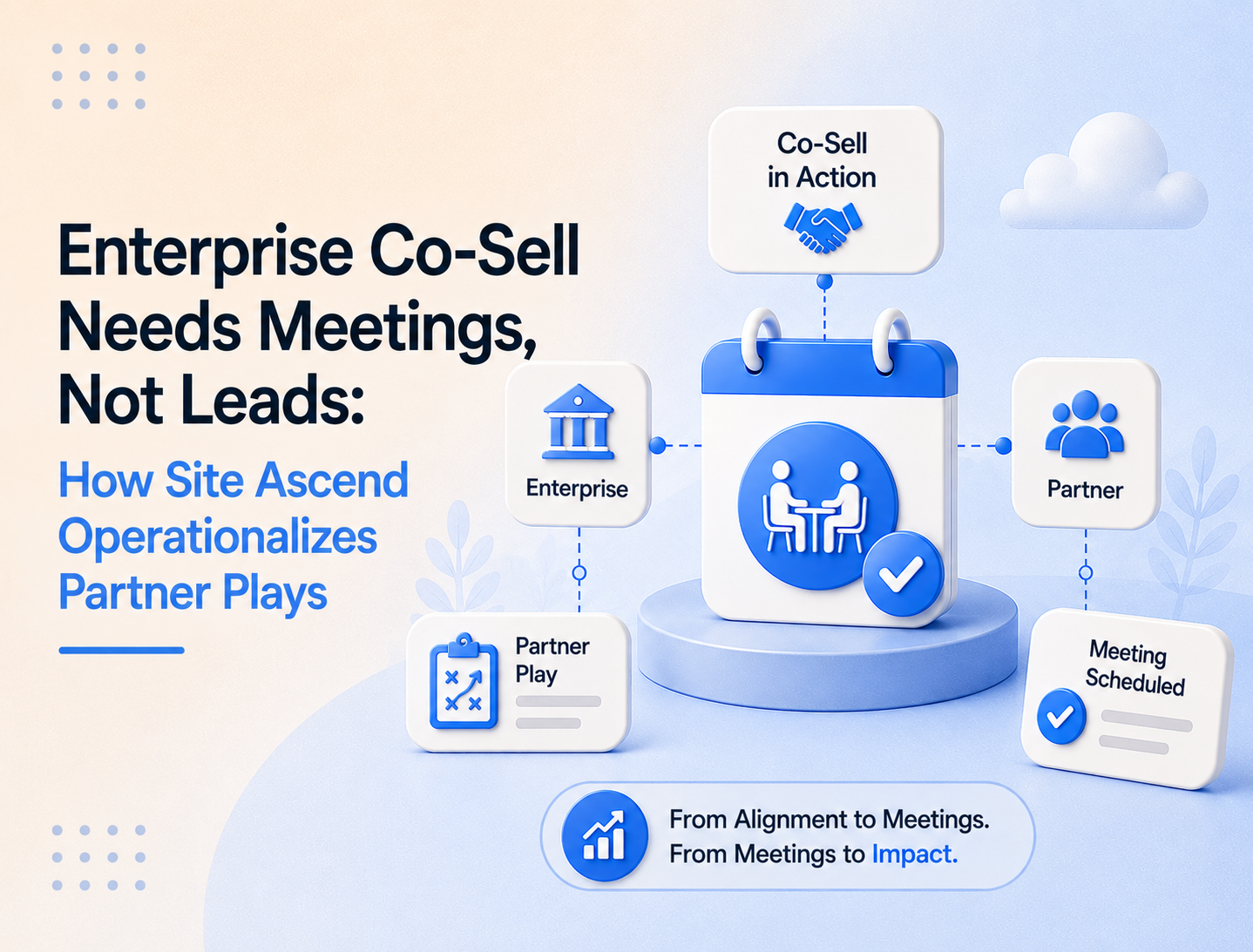
Site Ascend’s B2B appointment setting program is built for this exact scenario: 30-minute virtual meetings with director-level and above contacts inside your target accounts, with a model that aligns to outcomes: you only pay for meetings that occur.
That structure matters because it removes the incentive to “stuff the funnel” with low-quality leads.
Solution 3: Convert opt-in leads with a dedicated qualification motion
If you’re investing in content, events, or intent programs, the fastest unlock is often not another campaign—it’s improving the conversion of what you already have.
A focused lead qualification motion works when:
This is where a clean, disciplined outbound qualification workflow turns “interested” into “booked.”
Solution 4: Demand transparency: real-time reporting and feedback loops
Most lead gen programs fail quietly. You get a spreadsheet, a weekly recap, and a bunch of “attempted touches.”
A conversion-first model should show:
Site Ascend’s real-time reporting dashboard is designed for that operational visibility—so you can fix the process while it’s running, not after the quarter ends.
Actionable Steps for Marketers
Use this checklist to decide whether you need lead generation, appointment setting, or a blend.
Quick decision checklist
The simplest way to pilot
Run a 30–60 day pilot focused on:
That’s enough time to prove whether the constraint is lead volume or meeting conversion.
Comparison of Market Solutions
Here’s how most teams solve “appointment setting vs. lead generation,” and what you gain/lose with each approach.
Option 1: In-house SDR team (DIY conversion)
Best for: orgs with strong enablement + capacity
Tradeoffs: expensive, slower to scale, vulnerable to turnover
Common failure point: SDRs become lead janitors instead of meeting creators
Option 2: Lead generation vendors (volume-first)
Best for: filling the top of funnel quickly
Tradeoffs: quality variability, unclear follow-through, sales skepticism
Common failure point: “leads delivered” ≠ pipeline created
Option 3: Outcome-aligned appointment setting (conversion-first)
Best for: teams optimizing for pipeline and calendar outcomes
Tradeoffs: requires tighter definitions and collaboration
Why Site Ascend fits here:
In other words, the incentives match what demand gen actually needs: meetings that sales will take and prospects will attend.
Conclusion
If you’re deciding between appointment setting vs. lead generation in 2026, the question isn’t “Which gets more names?” It’s:
Which model reliably creates sales-ready meetings inside the accounts we care about?
If you already have lead flow but pipeline is leaking in follow-up—or if your team needs director+ conversations without adding headcount—Site Ascend is designed to be the missing conversion layer.
What’s the biggest difference between lead generation and appointment setting?

Should we stop doing lead generation if we switch to appointment setting?
What should we require from an appointment setting partner?


Start your pilot campaign today and explore the full range of Site Ascend's demand generation capabilities. Experience firsthand how we can enhance your efficiency, streamline your processes, and drive growth.
RELATED