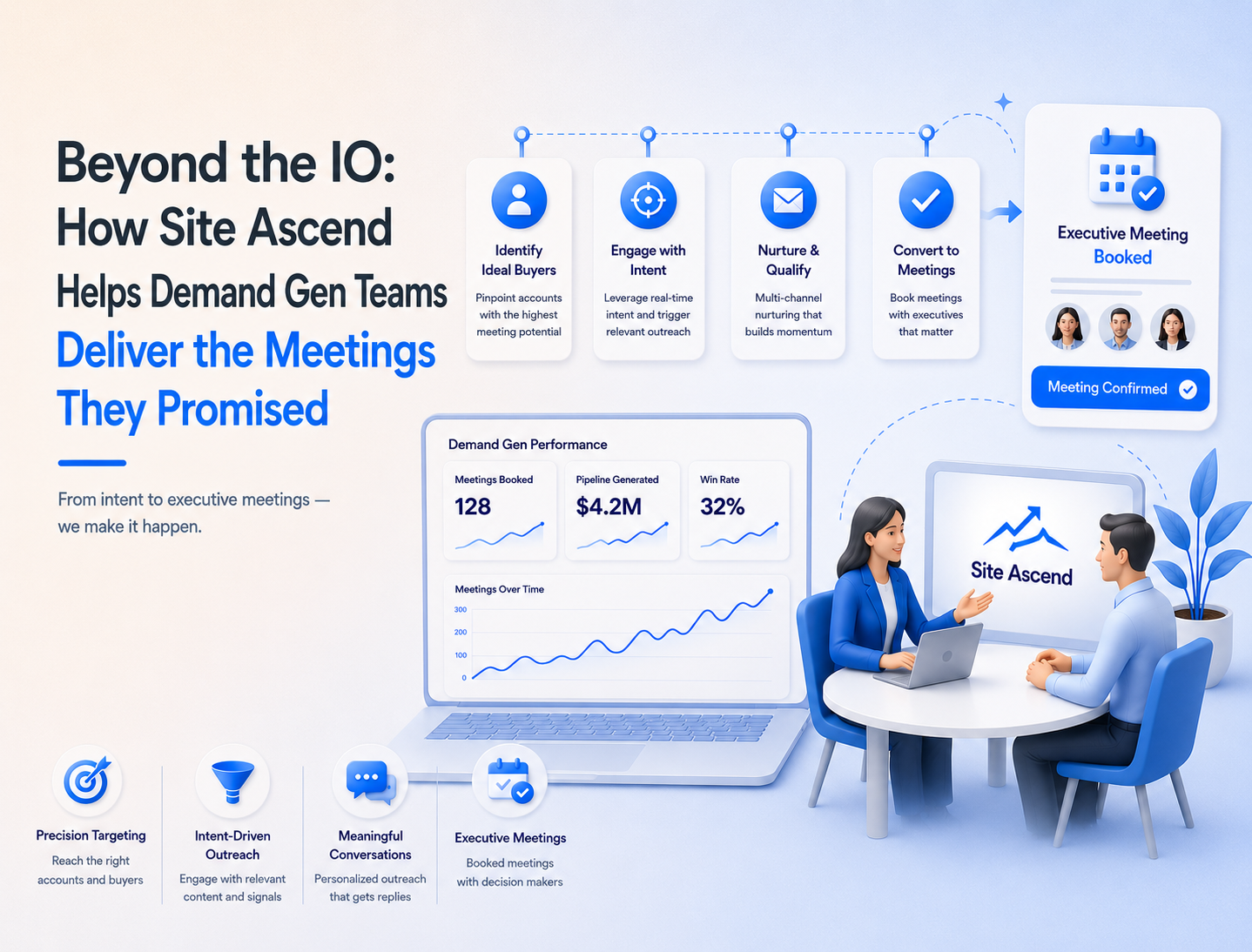
Beyond the IO: How Site Ascend Helps Demand Gen Teams Deliver the Meetings They Promised
Demand Generation


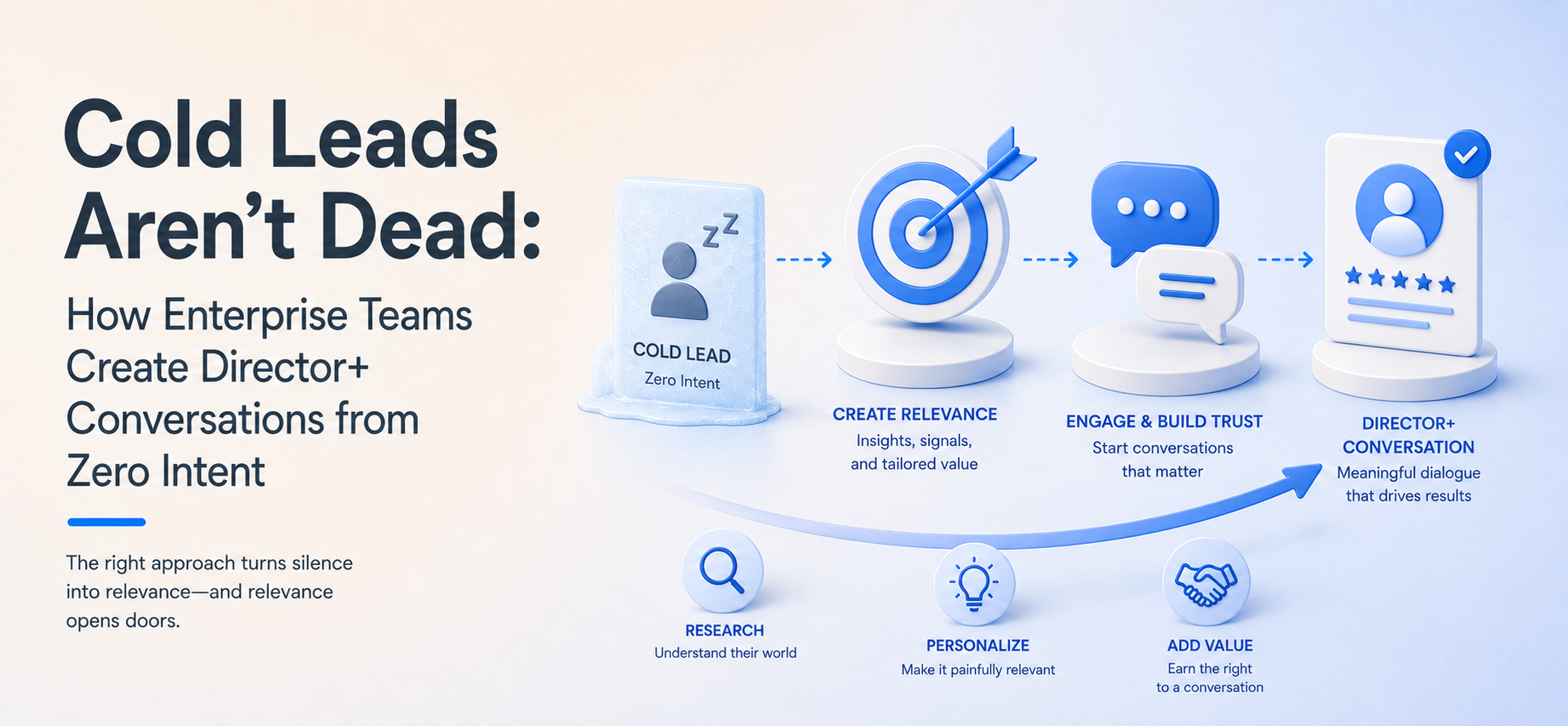
Cold doesn’t mean dead—it means unprompted. Learn how enterprise demand gen teams turn cold leads into Director+ conversations by enforcing seniority, designing meetings around outcomes (not pitches), improving held rates over booked volume, and using qualification to create credible next steps that actually progress.
-
Outbound Strategy
Introduction
Cold leads get a bad reputation because most cold outreach is built for speed, not credibility.
It’s optimized to “touch accounts,” “book anything,” and “hit activity goals.” In enterprise, that approach backfires fast. Director+ stakeholders don’t respond to generic sequences, and when meetings do get booked, they often don’t happen—or they happen with the wrong attendee and stall immediately.
But here’s the thing: cold doesn’t mean useless. It means unprompted.
Enterprise pipeline has always depended on unprompted moments—new initiatives, internal mandates, budget shifts, risk events—things prospects don’t broadcast in a form fill. If you only work warm intent, you’re competing for the same obvious demand as everyone else.
The question isn’t whether cold works. It’s whether your cold motion is built to:
This post defines what “cold lead” should mean for modern demand gen, where cold motions break down, and how Site Ascend helps teams generate Director+ meetings that occur through Executive Meetings and Lead Qualification.
What “Cold Lead” Means for Demand Generation Marketers and other titles that meet Site Ascend’s ICP
In enterprise demand gen, a cold lead is not a “bad lead.” It’s simply a lead without expressed intent.
A practical definition:
A cold lead is a decision-relevant contact in a target account who has not opted in—but may still have a real, addressable problem and a reason to engage.
Cold matters because enterprise buying isn’t one funnel. It’s many parallel motions inside large organizations. A prospect can be “cold” to your brand and still be “hot” on an initiative you can support.
The goal is not to manufacture intent. The goal is to uncover relevance and create a credible next step—especially at Director+ level.
Common Challenges Marketers Face
Cold targeting is too broad to be meaningful
Cold outreach fails most often at the list level. If targeting allows the wrong functions, the wrong titles, or the wrong accounts, no messaging fix will save it.
The value prop is vendor-centered
Enterprise stakeholders don’t take meetings to learn about vendors. They take meetings to reduce risk, confirm options, or accelerate a priority. Cold outreach that leads with “who we are” instead of “what’s changing” is easy to ignore.
Seniority gets compromised to hit volume
Teams relax title requirements because it’s “harder” to reach directors. Then the calendar fills with meetings that don’t progress. In enterprise, seniority isn’t a preference—it’s the engine.
Booked meetings don’t hold
Cold meetings are the most fragile meetings. If the invite doesn’t feel necessary, it gets deprioritized quickly.
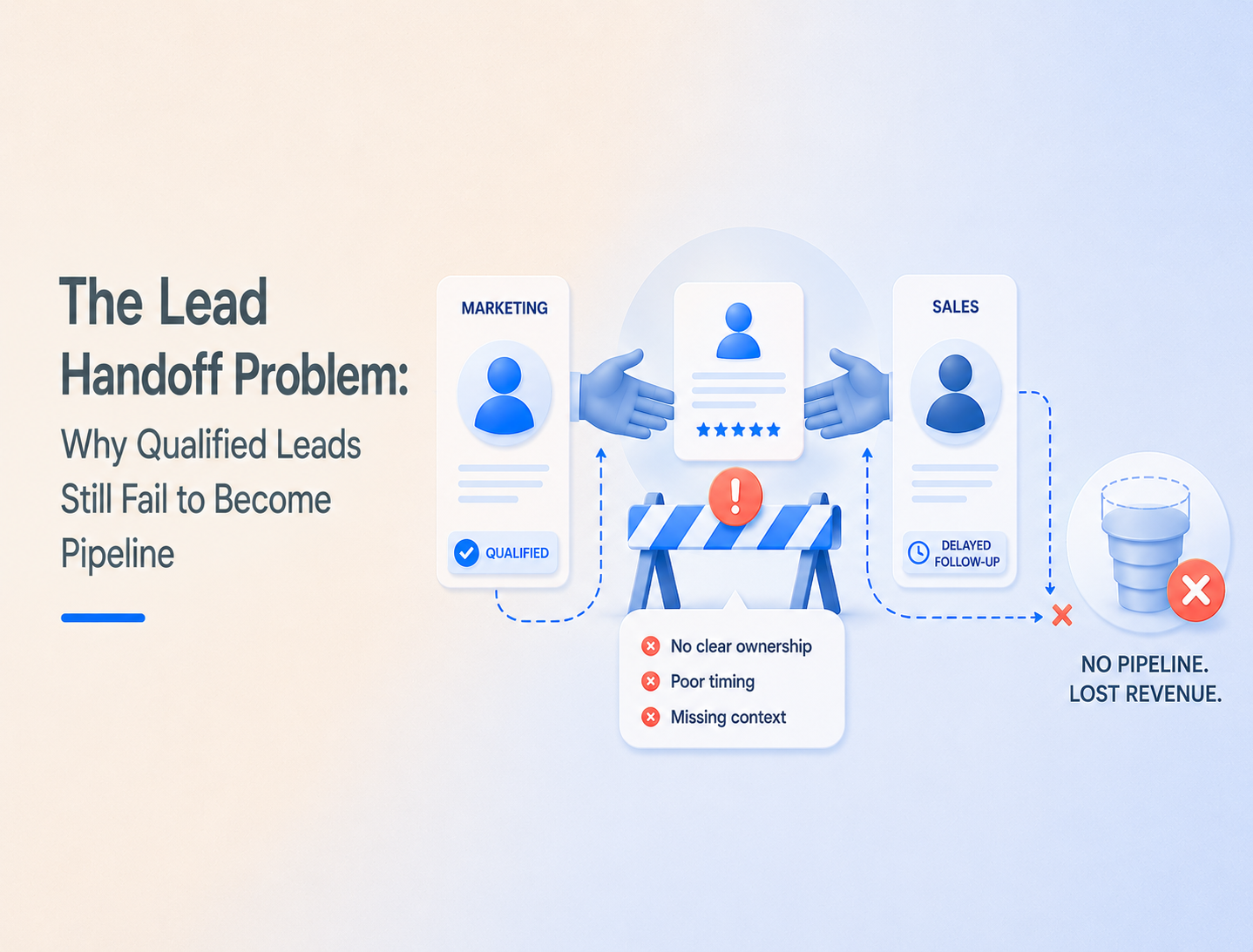
Sales and marketing disagree on what counts
Marketing may celebrate booked meetings. Sales may want meetings that occur with the right people and a clear path to next steps. That mismatch creates churn in strategy every quarter.



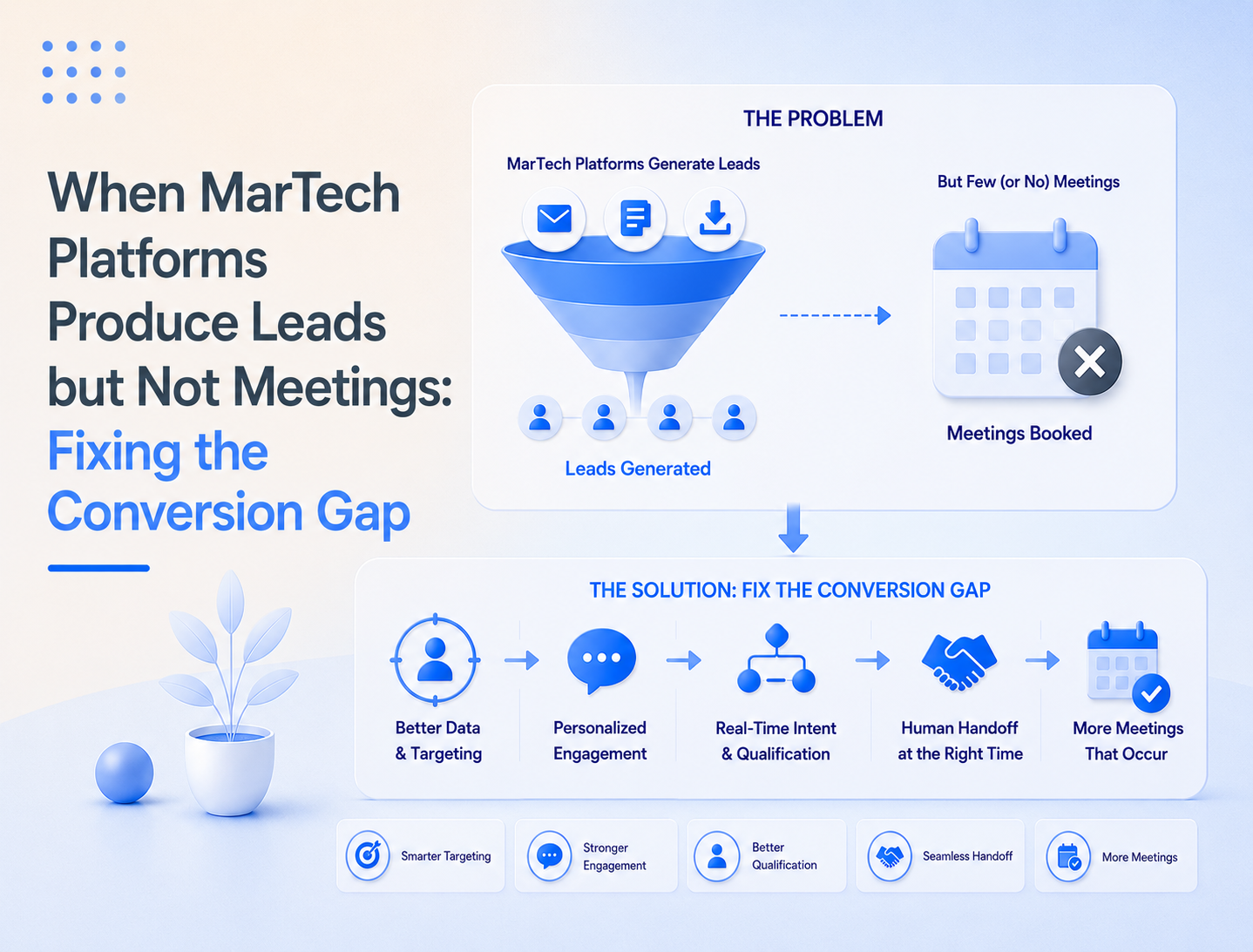
.png)

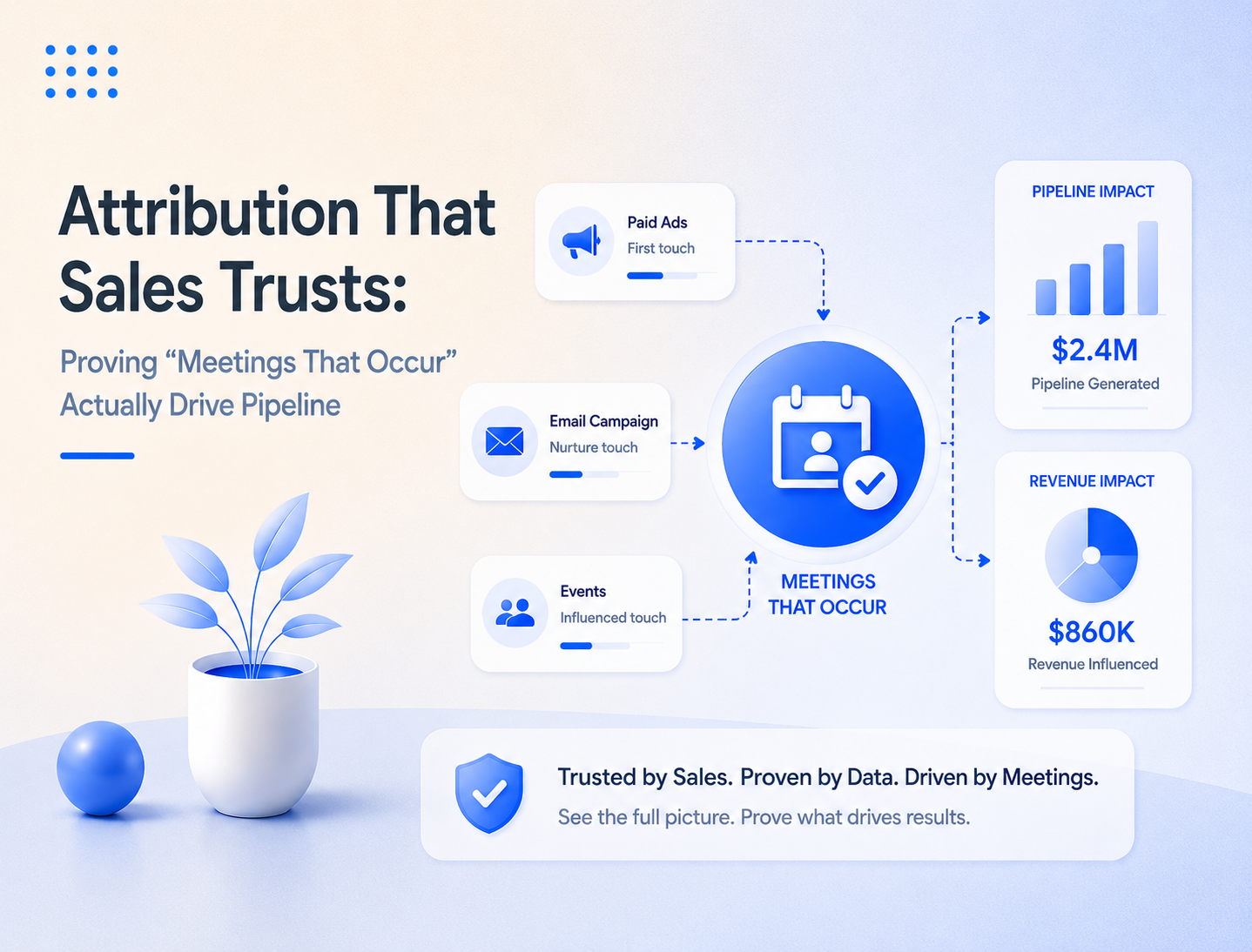
%201.png)


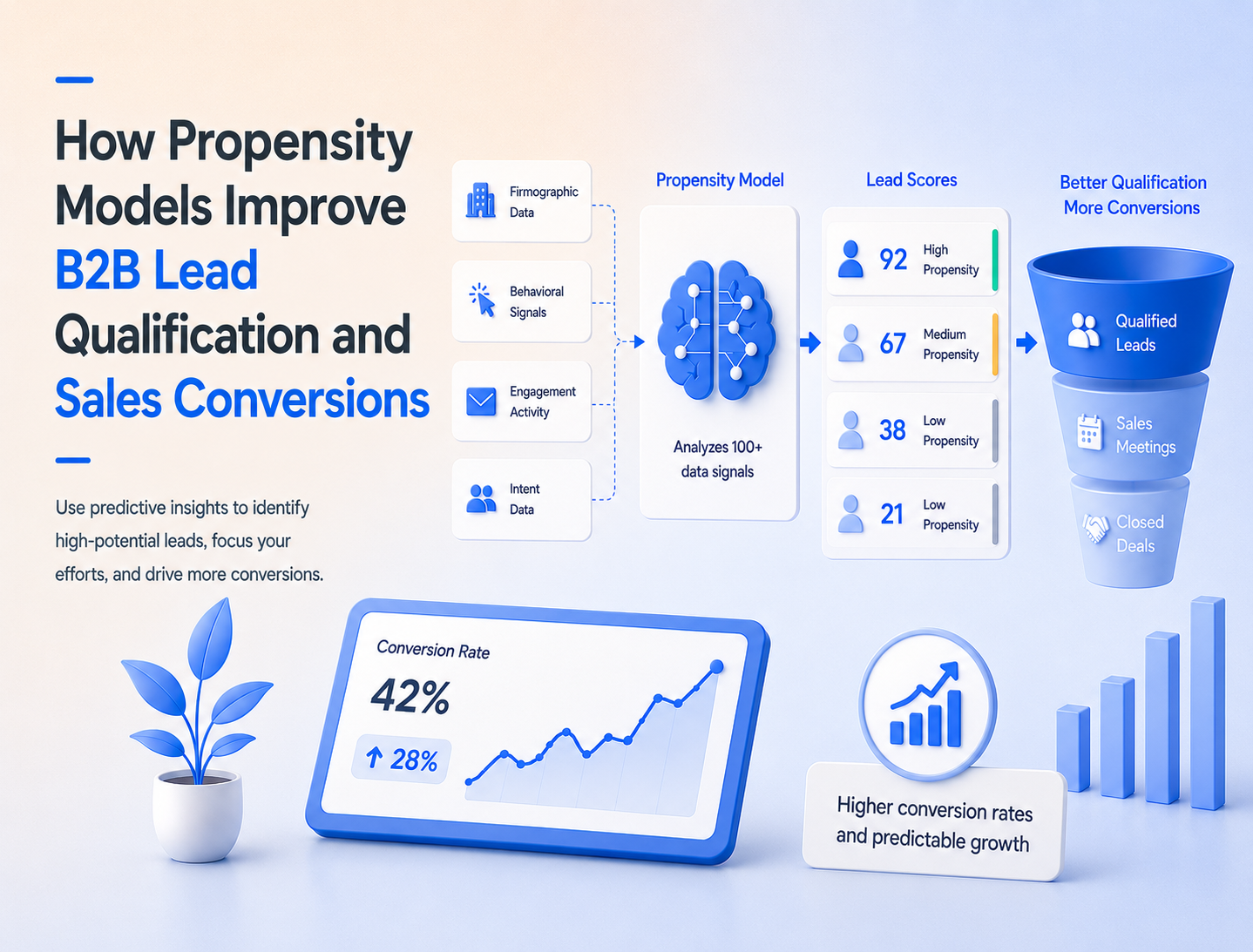
.png)


Solutions That Work
To make cold leads work in enterprise, you need a motion that prioritizes credibility over volume and outcomes over activity.
Start with a Director+ standard and enforce it
If cold outreach is going to pay off, it has to reach the people who can move a deal forward.
Site Ascend enforces Director-level and above targeting by design. That single constraint prevents the most common cold failure: building activity with stakeholders who can’t sponsor the next step.
Build cold conversations around “reason to talk,” not “reason to reply”
Cold outreach is often treated like copywriting. In enterprise, it’s better treated like meeting design.
A good cold meeting offer answers:
When you design the meeting, the message becomes more credible—even before the prospect agrees.
Measure held meetings, not booked meetings
The cleanest way to stop cold outreach from becoming noise is to hold it accountable to the moment that matters: the meeting that occurs.
Site Ascend’s model aligns incentives around outcomes by charging for meetings that happen—not meetings that get scheduled and disappear.
That forces the motion to care about:
Use qualification when intent is unclear but the account is right
Sometimes you can reach the right account and the right title, but the initiative is still vague. That’s where a qualification step protects conversion.
Site Ascend’s Lead Qualification program helps validate:
Instead of forcing a meeting too early (and risking no-show or no progression), qualification shapes a cleaner path to a meeting that can produce a next step.
Actionable Steps for Marketers
Here’s a practical way to make cold outreach feel less like “spray and pray” and more like an enterprise conversion system.
A cold lead checklist for Director+ conversations
Before you scale cold, confirm:
Targeting
Offer
Friction reduction
Conversion protection
Build a “cold to committed” path instead of a single ask
Cold conversion improves when you treat it as two steps:
If you force Step 2 before Step 1 is real, you’ll book more meetings—and hold fewer.
Comparison of Market Solutions
Cold outreach tends to fall into a few camps. They can all produce meetings, but they don’t all produce outcomes—and “outcomes” is what enterprise demand gen is judged on.
In-house SDR teams
In-house teams can work well when they have tight targeting, strong enablement, and time to personalize. The challenge is cost and consistency: cold conversion becomes highly variable across reps, and scaling often pushes teams toward volume tactics that reduce Director+ quality.
Outsourced appointment setting focused on volume
This option can ramp quickly, but the risk is optimizing for booked meetings. In enterprise, booked meetings without held-rate discipline create false progress and downstream frustration.
Hybrid models that prioritize seniority and held meetings
This approach treats cold outreach as a performance system:
That’s where Site Ascend fits. The focus isn’t just “getting on calendars.” It’s generating Director+ meetings that occur and creating the conditions for next-step conversion.
Conclusion
Cold leads aren’t dead. But cold volume is.
Enterprise teams win with cold when the motion is built to:
If you want to pilot a cold outreach motion that produces Director+ meetings that happen—with accountability, onshore execution, and real-time visibility—contact Site Ascend to start a pilot using Executive Meetings and Lead Qualification.
Is cold outreach still effective in enterprise?

Why do cold meetings no-show more than warm meetings?
How do we keep cold outreach from lowering brand quality?


Start your pilot campaign today and explore the full range of Site Ascend's demand generation capabilities. Experience firsthand how we can enhance your efficiency, streamline your processes, and drive growth.
RELATED