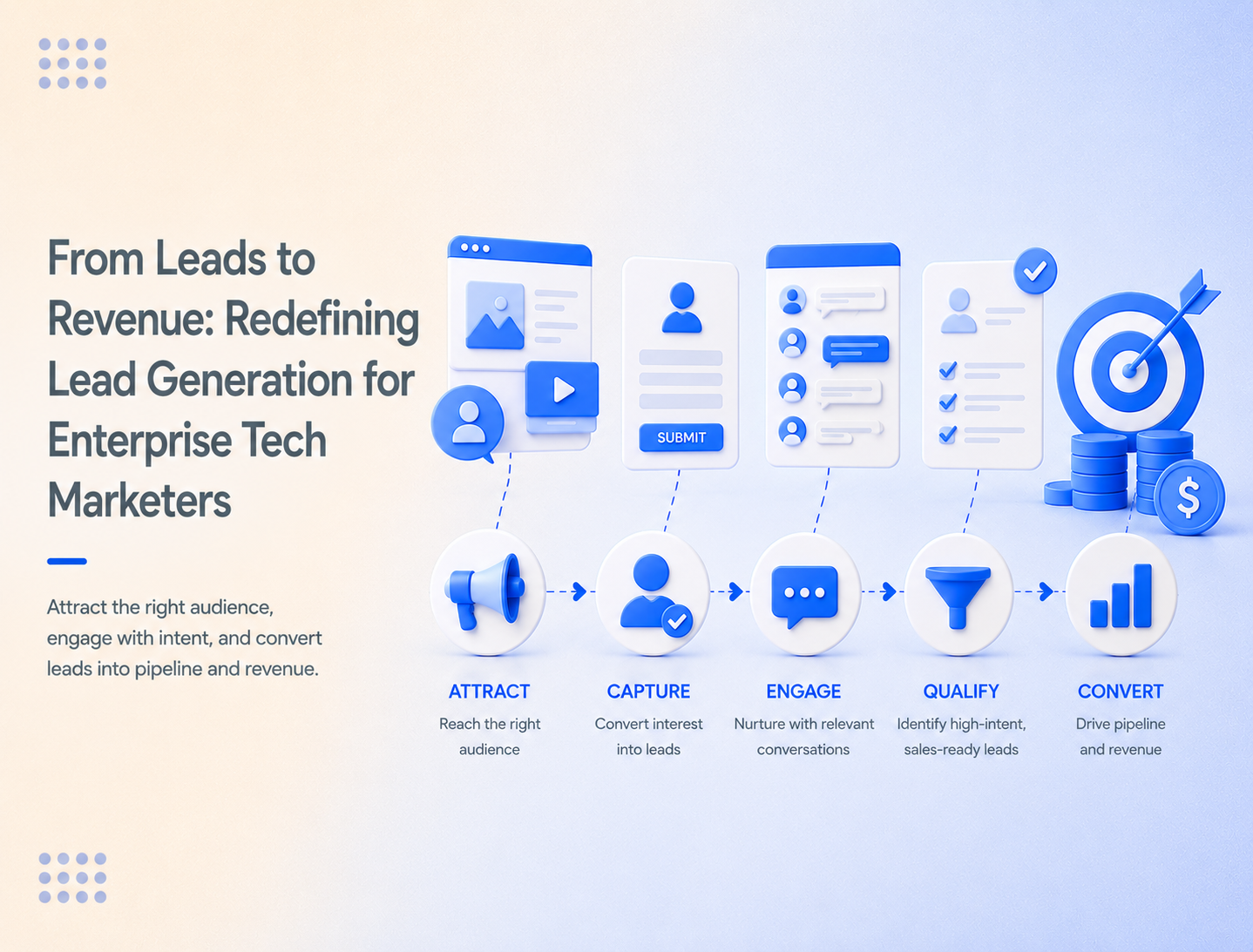
From Leads to Revenue: Redefining Lead Generation for Enterprise Tech Marketers
Demand Generation


Stop paying for activity and start paying for outcomes. Here’s how to evaluate appointment setting partners that consistently book director-level meetings your sales team will actually run.
-
Demand Generation
Introduction
“Appointment setting” is one of the most overloaded terms in B2B marketing.
To a demand gen team, it can mean pipeline acceleration—a predictable way to turn target accounts into real conversations.
To a sales team, it often means calendar pollution—meetings that no-show, don’t fit ICP, or stall out after a polite intro.
That gap isn’t a people problem. It’s a vendor-selection problem.
Because the truth is simple: Sales doesn’t trust “leads.” Sales trusts meetings that are qualified, confirmed, and attended—by the right titles, at the right accounts, with the right context.
This guide breaks down how to evaluate B2B tech appointment setting services so you can pick a partner that your revenue team actually embraces—and that you can defend internally with metrics, process, and outcomes.
What B2B Tech Appointment Setting Means for Demand Generation Marketers
B2B tech appointment setting is the operational layer that converts targeting into sales-ready conversations.
In the context of demand generation, it’s not “booking time.” It’s a conversion system that:
If your funnel is working, you already generate interest. The appointment setting partner’s job is to turn that interest into meetings sales will accept, without forcing your SDR team to absorb all the follow-up burden.
For teams running ABM, enterprise plays, mid-market motion, channel co-sell, or outbound expansion, appointment setting becomes the difference between “we ran a program” and “we created pipeline.”
Common Challenges Marketers Face
Most demand gen leaders don’t struggle with activity. They struggle with conversion integrity—what happens after the handoff.
Here are the failure points that usually show up when appointment setting breaks down:
1) “Meetings booked” isn’t the same as “meetings accepted”
If sales reps are declining meetings, requalifying everything, or treating booked meetings as suspicious, you didn’t buy a growth lever—you bought noise.
2) Lead quality debates kill momentum
If every weekly sync becomes “these leads weren’t real,” you’ll lose internal confidence fast. Appointment setting can’t be a black box.
3) No-shows make ROI impossible to defend
Even good-fit meetings fail if attendance isn’t operationalized. A booking without confirmation is just a calendar invite.
4) Wrong persona = wrong deal shape
B2B tech deals often require director+ stakeholders. If your meetings skew too junior, you’ll see “great chat” notes followed by stalled pipeline.
5) In-house SDR bandwidth collapses under follow-up
Outbound, reactivation, and target-account conversion require persistence. If your SDRs are already overloaded, “just follow up more” isn’t a strategy—it’s a tax.



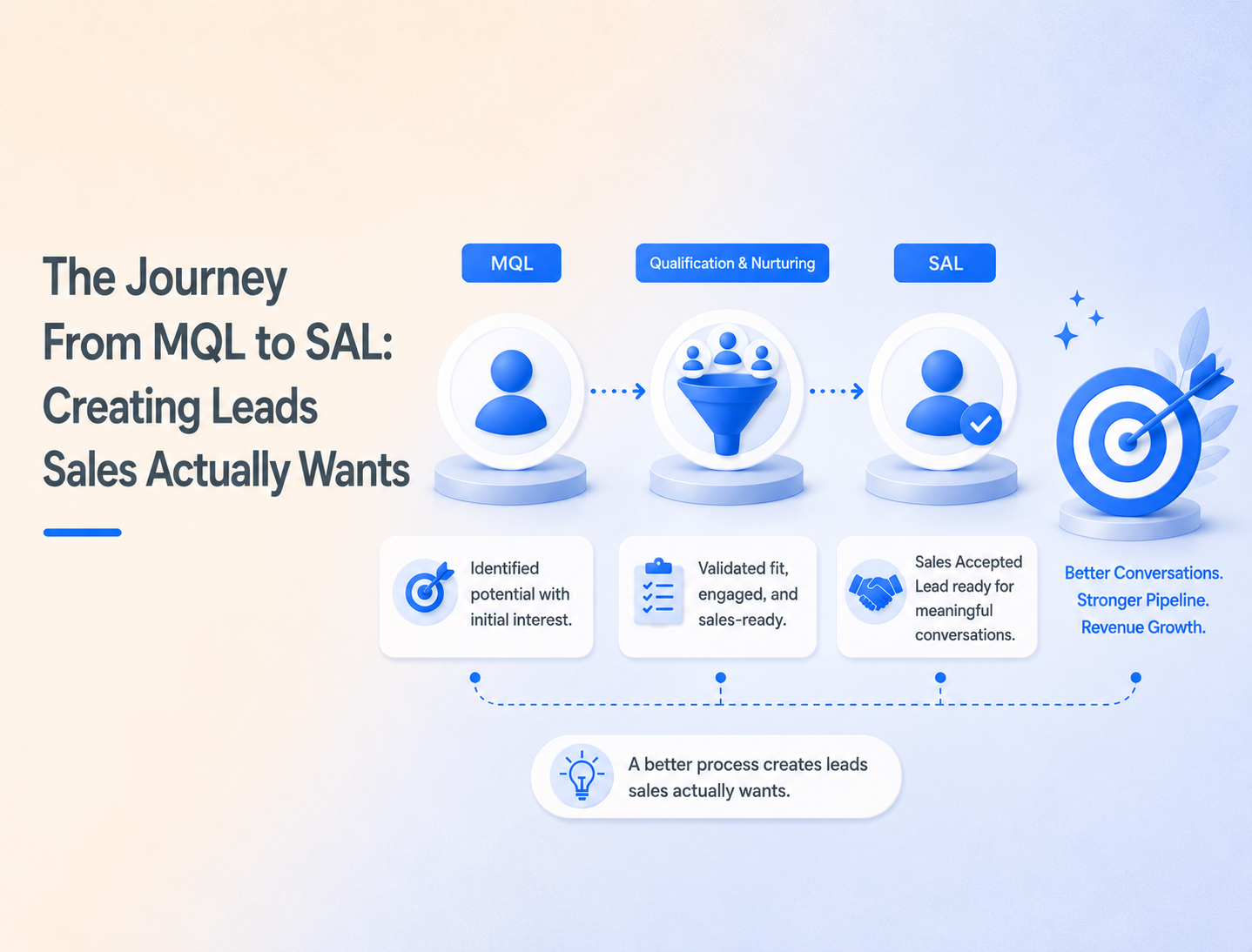
.png)

%201.png)


.png)


Solutions That Work
A sales-trusted appointment setting partner isn’t defined by how many meetings they can book.
They’re defined by how reliably they can produce attended, sales-accepted conversations inside your ICP.
Here are the capabilities that matter—and how Site Ascend approaches them.
1) Outcomes-based appointment setting (not activity-based “lead delivery”)
The biggest structural difference between mediocre and high-performing appointment setting is the commercial model.
Site Ascend is built around that idea: only pay for meetings that actually happen. That shift forces rigor into targeting, qualification, and confirmation—because attendance isn’t optional if it’s the unit of value.
2) Director-level and above targeting by design
If your ICP requires senior stakeholders, a vendor who “can do director+” but usually doesn’t will quietly sabotage results.
Sales trust improves when your partner is structurally aligned to book the right level:
Site Ascend focuses on director-level and above meetings as a core standard, not an add-on.
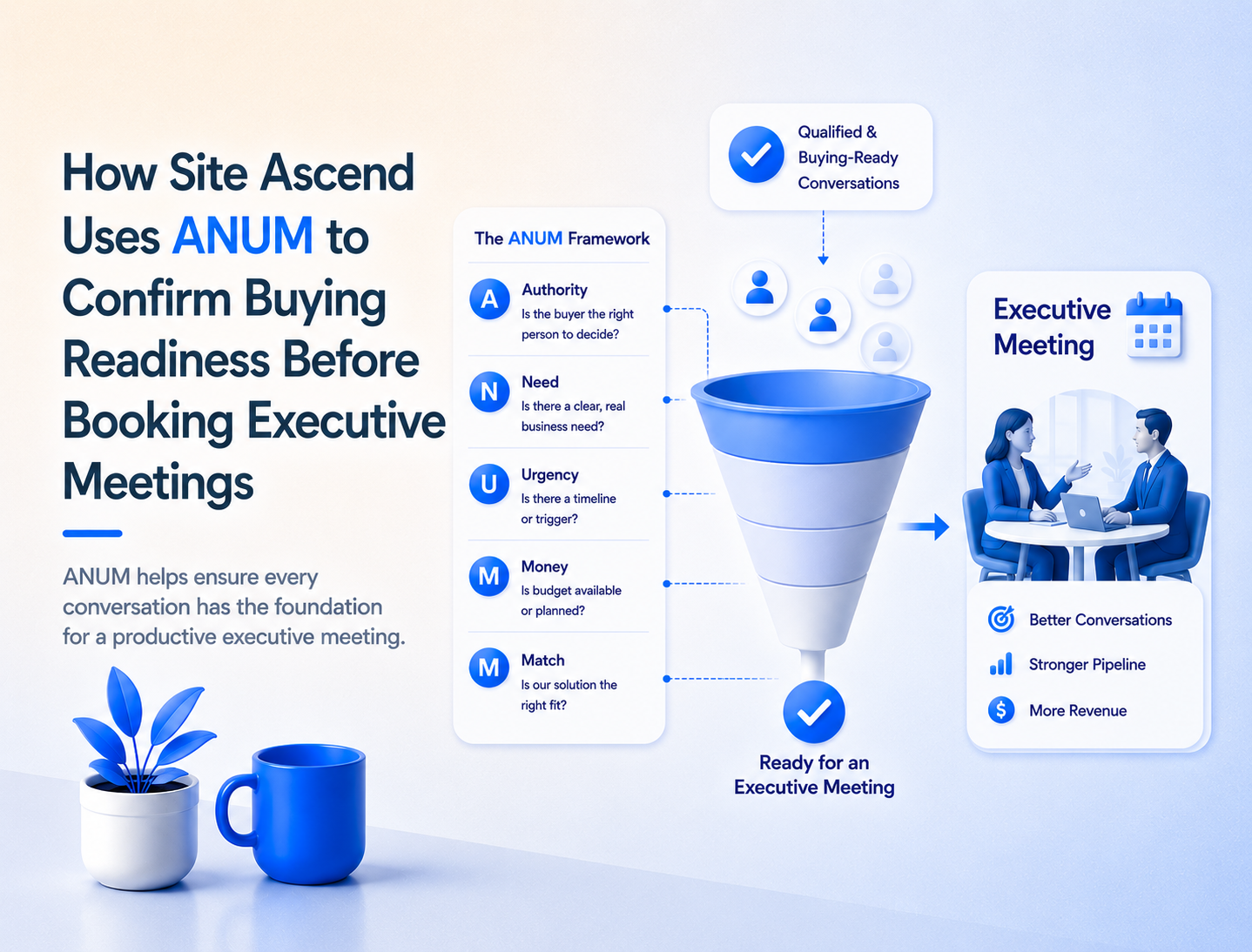
3) Real qualification that sales can recognize
“Qualified” should mean something specific. Not “interested” or “willing to take a meeting.”
Sales-ready qualification typically includes:
Site Ascend’s approach pairs appointment setting with structured qualification, so meetings land with context—not just a name and a time.
4) Attendance is a process, not a hope
Show rate is one of the fastest ways sales decides whether to trust a channel.
Site Ascend focuses on registrant/attendee operations through:
5) Reporting that lets marketing defend spend (and optimize fast)
A partner that can’t show you what’s happening in real time will force you into reactive decision-making.
Site Ascend supports a real-time reporting dashboard so marketing can monitor:
When reporting is transparent, confidence compounds—internally and across teams.
Actionable Steps for Marketers
Use this checklist to evaluate B2B tech appointment setting services without getting pulled into vanity metrics.
The Sales-Trust Checklist (copy/paste into your vendor scorecard)
Targeting
Qualification
Attendance
Team + Execution
Reporting
If a provider can’t answer these cleanly, they’re likely selling activity—without accountability.
Comparison of Market Solutions
There are a few common ways teams try to solve the “we need more sales-ready meetings” problem. Here’s how they typically compare.
Example 1: The procurement view (three outcomes)
Outcome #1: Predictability (can you forecast pipeline impact?)
Outcome #2: Quality control (will sales accept what you produce?)
Outcome #3: Accountability (what happens when performance dips?)
The short version
If you’re trying to earn sales trust, avoid solutions that optimize for delivery instead of conversion. Choose a partner whose incentives align with what your revenue org actually needs: attended, qualified meetings with the right people.
Conclusion
If your current approach is producing leads but not pipeline, the issue usually isn’t demand. It’s conversion—and appointment setting is where conversion either tightens up or leaks.
The best B2B tech appointment setting services don’t promise “more meetings.” They deliver:
If you want to pilot an outcomes-driven model—where you’re paying for meetings that actually happen—Site Ascend is built for exactly that.
If you’re planning a new outbound push, ABM play, or target-account program this quarter, run a pilot and measure success in meetings that occur, sales acceptance, and pipeline impact. Contact Site Ascend.
What’s the difference between appointment setting and lead generation?

How do I know if my sales team will trust an appointment setting partner?
What metrics should I track for appointment setting performance?


Start your pilot campaign today and explore the full range of Site Ascend's demand generation capabilities. Experience firsthand how we can enhance your efficiency, streamline your processes, and drive growth.
RELATED