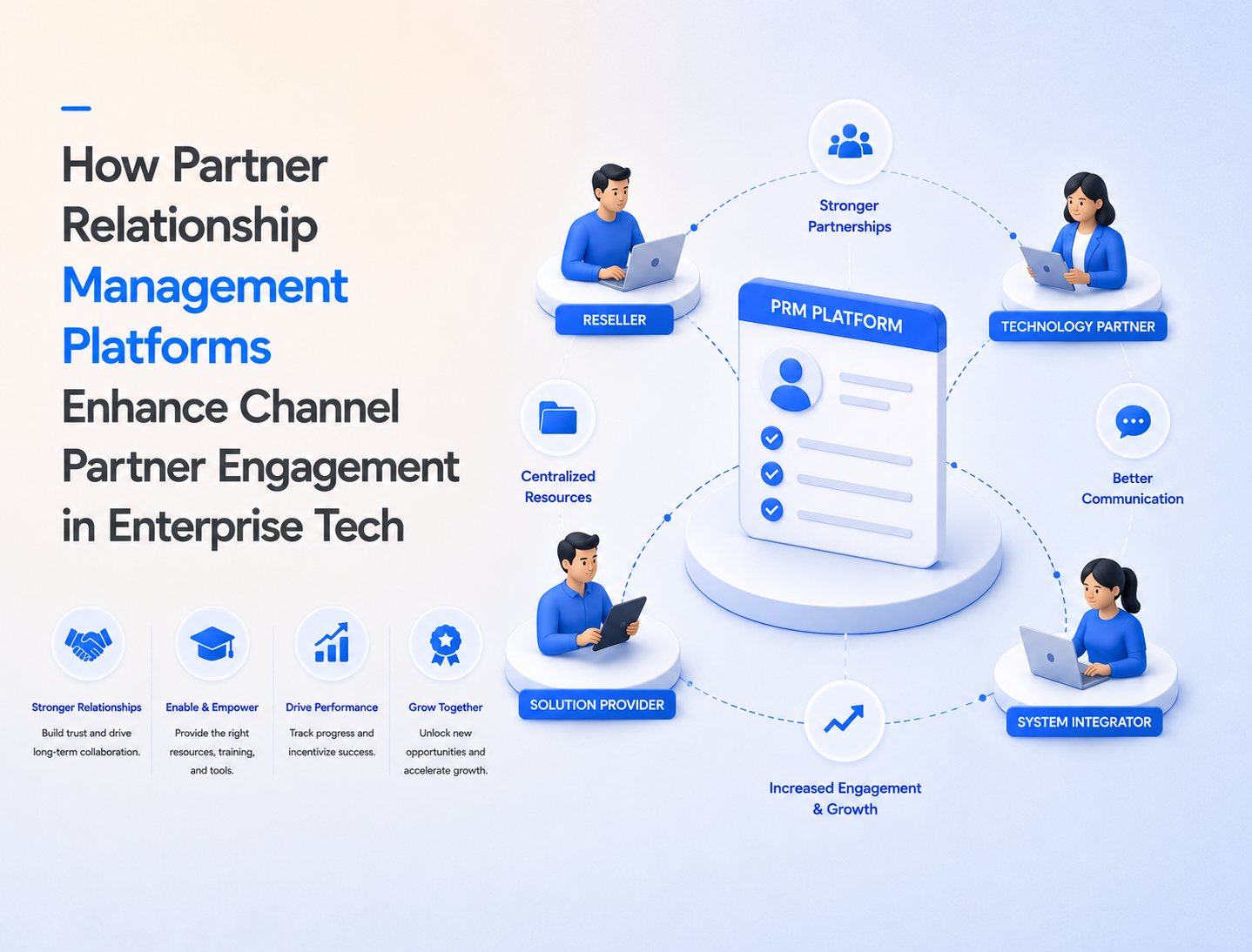
How Partner Relationship Management Platforms Enhance Channel Partner Engagement in Enterprise Tech
Channel Marketing


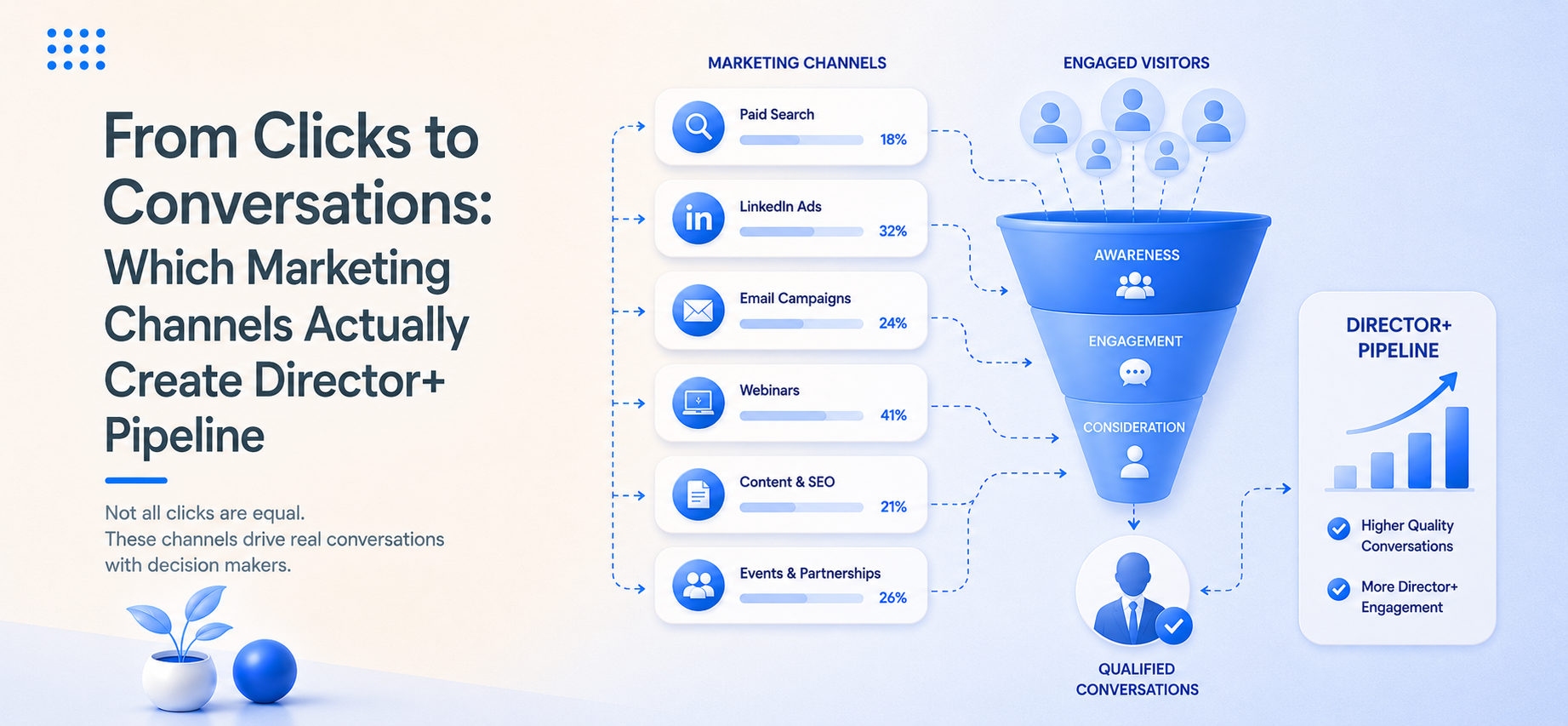
Clicks and engagement are easy to measure—but director-level pipeline is earned through the channels that reliably create real conversations. This piece breaks down which marketing channels actually translate into director+ meetings, where most programs quietly leak momentum, and how to build a conversion layer that turns attention into next steps sales will take.
-
Demand Generation Strategy
Introduction
Most demand gen teams don’t have a “too few leads” problem. They have a “too few real conversations” problem.
Dashboards look healthy. Form fills spike. Event scans stack up. Partner “leads” roll in. And yet… pipeline doesn’t move. Or it moves, but only after weeks of internal debate about whether the leads are real, whether the accounts are right, and whether sales should spend time following up.
That gap—between activity and director+ pipeline—usually comes down to one thing: channel design. Not which channels you run, but how those channels translate into a next step that sales will actually take.
This post breaks down which marketing channels reliably create director+ pipeline (and which ones quietly produce noise), plus how Site Ascend helps enterprise teams convert interest into meetings that occur—with director-level and above contacts in the accounts you care about.
What “Marketing Channels” Means for Demand Gen Leaders
When demand gen leaders talk about marketing channels, they usually mean: where demand comes from.
In enterprise B2B, a better definition is: the systems that turn attention into action across a buying committee.
That matters because director+ pipeline isn’t created by a single touchpoint. It’s created by a sequence:
So the real question isn’t “Which channels drive leads?”
It’s: Which channels create a director+ conversation that can survive the handoff to sales—and convert into a second call?
Channels that work in enterprise share three traits:
They control targeting. You can aim them at specific accounts, regions, segments, and titles.
They create speed. The follow-up happens fast enough that intent doesn’t decay.
They produce usable context. Sales gets more than a name and a vague “interest.”
That’s the standard your channel mix should be built around.
Common Challenges Marketers Face
Even strong teams run into the same channel problems when they’re trying to build director+ pipeline.
Lead volume rises, but seniority drops
A channel can “perform” while quietly pulling you down-market. You get more names—just not the right ones. Then sales blames lead quality, marketing blames follow-up, and pipeline sits in the middle.
Buying committees don’t behave like a single lead
Enterprise decisions aren’t one person clicking a link. You’ll often see engagement from one layer of the org while the decision-making power sits elsewhere. If your channels can’t reach director+ contacts directly, you end up with activity that doesn’t convert.
Handoffs break at the worst moment
The biggest pipeline leaks happen after interest is captured:
Event programs generate attendance, not conversations
Even when you have a strong event strategy, attendance doesn’t automatically translate into sales-ready conversations—especially when seniority and fit aren’t controlled.
Channel programs aren’t designed around outcomes
Many channel tactics optimize for what’s easiest to measure (clicks, MQLs, scans). Pipeline requires optimizing for what’s hardest to produce: a real meeting with the right person.



.png)

%201.png)


.png)


Solutions That Work
Here’s what consistently creates director+ pipeline in enterprise: channels that include a human conversion layer—where the outcome is a conversation, not a click.
That’s where Site Ascend fits: we help enterprise demand gen teams turn channel activity into qualified director+ meetings that occur, using four core programs.
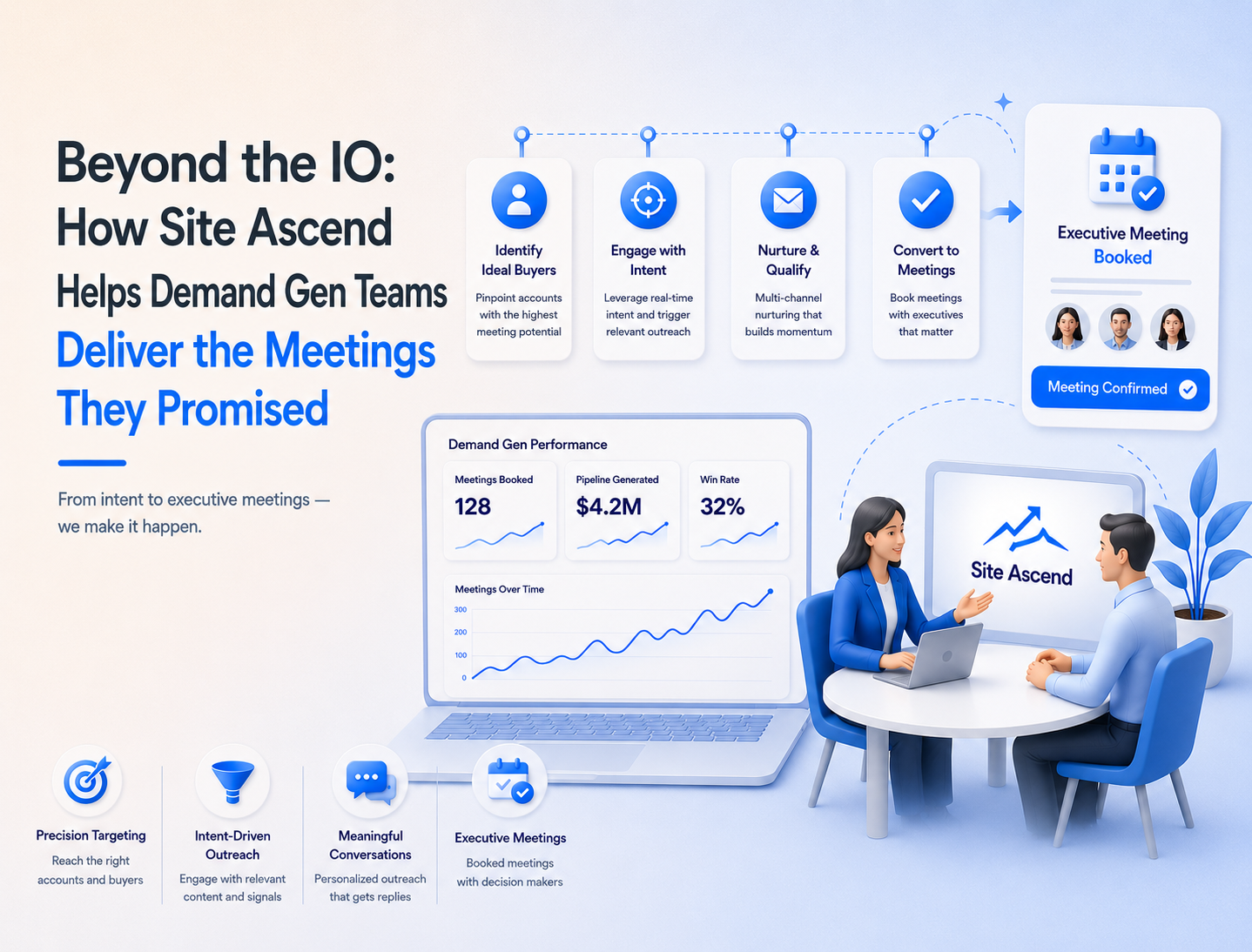
1) Executive Meetings: the director+ pipeline channel
If your goal is director+ pipeline, your channel mix should include at least one channel built specifically for director-level and above meetings.
Site Ascend’s Executive Meetings program is designed around:
Because you only pay for meetings that occur, the channel is aligned to what you actually need—not what looks good in a report.
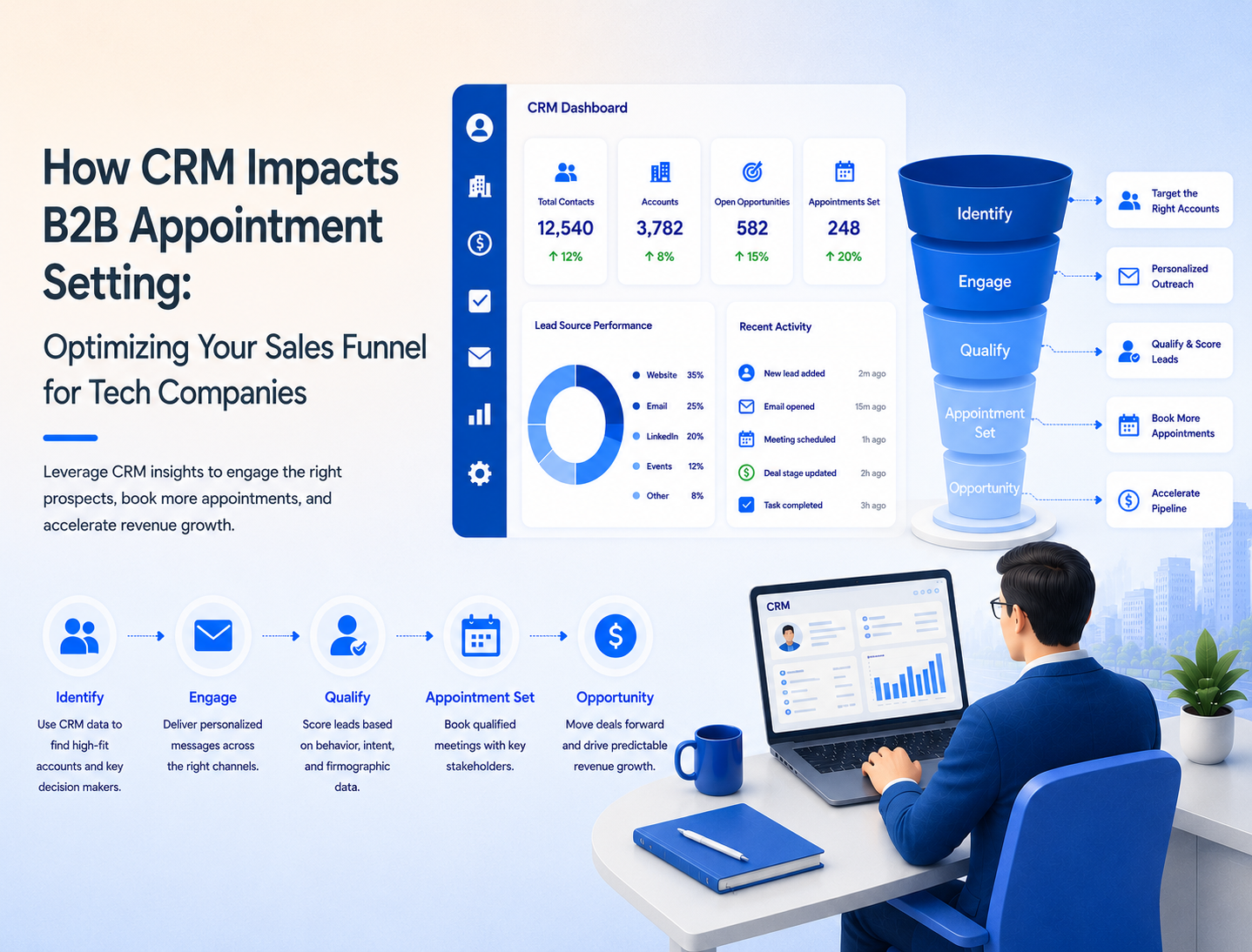
2) Lead Qualification: when “engaged” isn’t enough
Opt-in leads (like content downloads) can be valuable—if you can convert them into meetings sales wants.
The problem is that most “lead qualification” either:
Site Ascend converts opt-in leads into qualified meetings by adding a human layer that confirms:
This is where you stop sending “marketing hope” to sales.
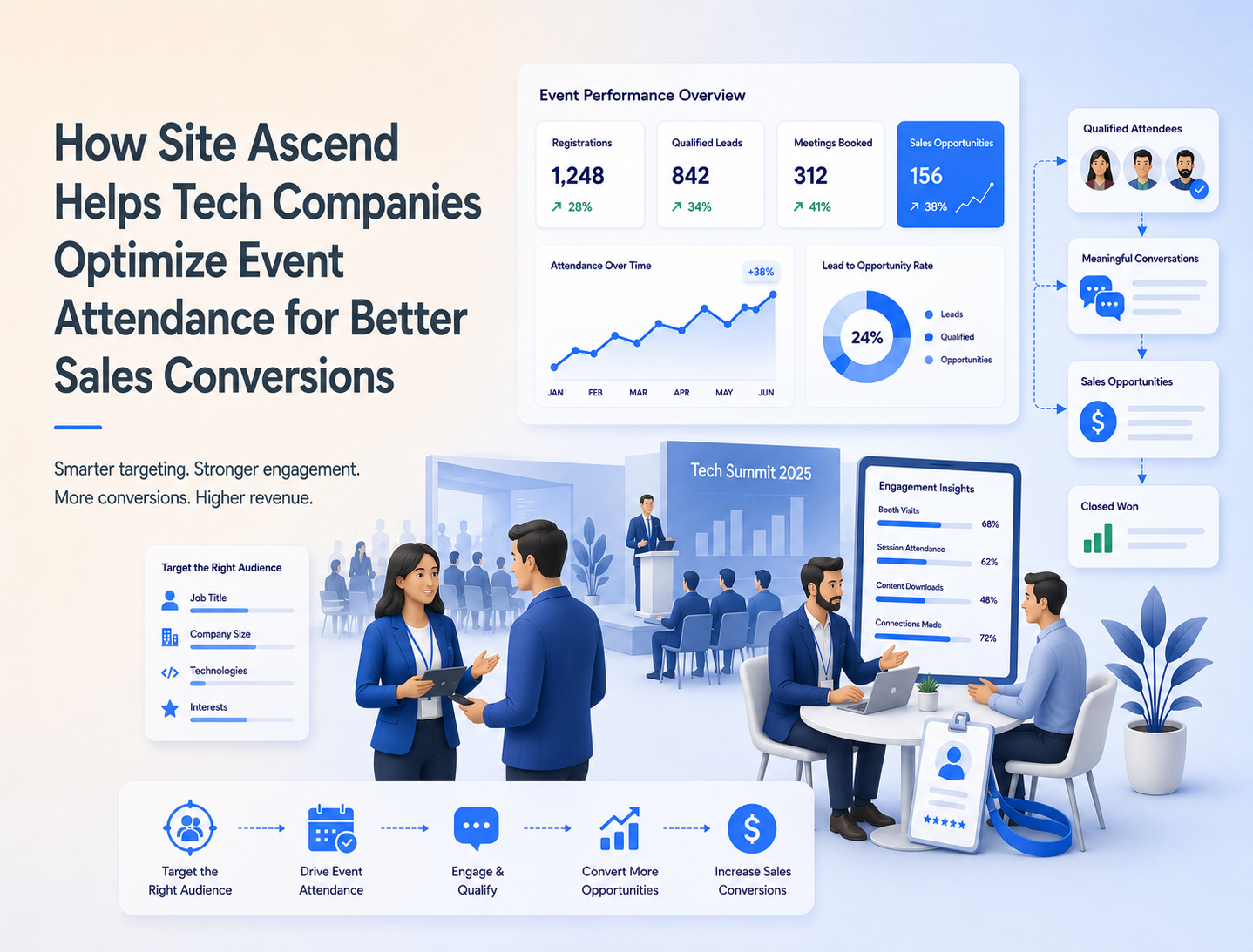
3) Event Marketing: attendance procurement that supports the real goal
Events can absolutely create pipeline—when you can reliably drive the right registrants and keep them engaged through the date of the event.
Site Ascend’s event marketing focus is specific:
For demand gen leaders, that clarity matters. You’re not buying “event help.” You’re buying a channel that produces the right attendees so your event investment has a realistic path to conversations.
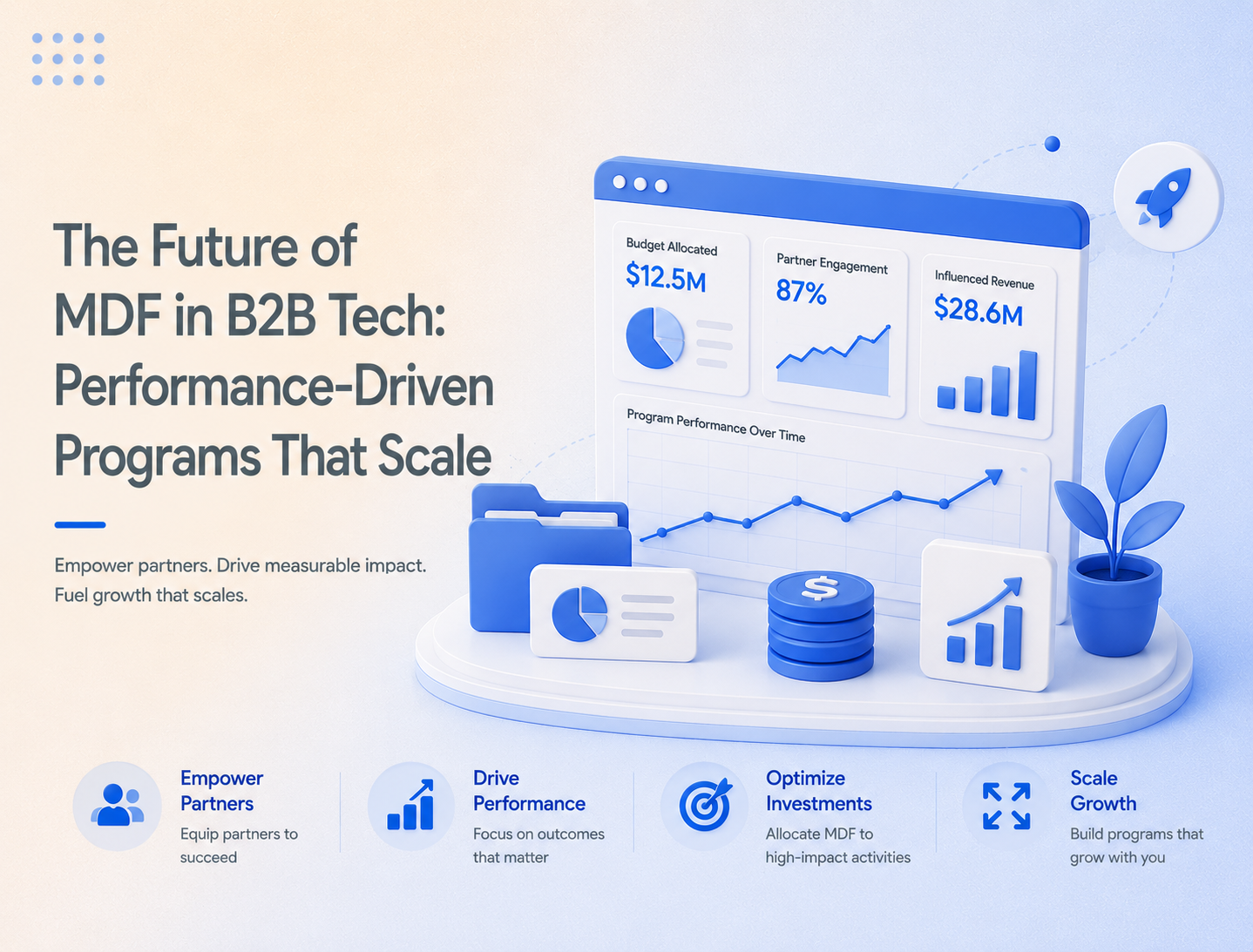
4) Channel Marketing: partner pipeline without channel conflict
Partner and channel motions often break because the outreach, ownership, and follow-up aren’t consistent.
Site Ascend supports channel marketing with white-labeled appointment setting, often funded through MDF, so partners can generate meetings without forcing your internal team to carry the entire execution burden.
This works because it creates:
And it protects your brand because the outreach can be white-labeled, supported by an all U.S.-based contact center.
Why this approach works better than “more channels”
If you’ve ever added a new channel hoping it would fix pipeline, you know what happens: you get more motion and more complexity—without more director+ meetings.
Site Ascend helps you tighten the system:
Actionable Steps for Marketers
If you want your channel mix to reliably create director+ pipeline, run this quick audit. It’s designed to be practical—something you can apply to your current programs this week.
The Director+ Channel Audit (short checklist)
Channel intent check
Speed check
Conversation check
Context check
Ownership check
Outcome check
If you score low on speed, conversation conversion, or ownership, that’s where pipeline quietly breaks—even when “channel performance” looks fine.
Comparison of Market Solutions
Most teams arrive at the same crossroads: you need more director+ conversations, but your current channel mix isn’t producing them consistently. At that point, there are a few common paths.
Option A: Build it entirely in-house
This is usually the first instinct: hire more SDRs, add more enablement, tighten SLAs, and hope follow-up improves.
When it works, it’s powerful—because the team is fully integrated. But for many demand gen leaders, the friction shows up fast:
In-house can be a great long-term engine, but it’s rarely the fastest way to fix director+ pipeline gaps in the near term.
Option B: Use outsourced appointment setting focused on volume
Another common route is outsourcing “more activity”: more dials, more touches, more meetings booked.
The issue is that volume-based models often optimize for what’s easiest to produce:
When sales starts treating those meetings as optional, you’re paying for motion—not pipeline.
Option C: Run partner and event channels without a conversion layer
Many teams try to squeeze pipeline out of partner programs and events without adding the follow-up system required to convert interest into conversations.
That’s how you end up with:
The channel isn’t bad—the missing piece is the conversion layer.
Option D: Choose an outcomes-based model built around director+ meetings
This is where Site Ascend typically wins: not because it replaces your channel mix, but because it connects it to pipeline outcomes.
Site Ascend supports the channels that matter most in enterprise:
The biggest difference is alignment: if you only pay for meetings that occur—and those meetings are director+—your channel investment stops drifting into vanity metrics.
Conclusion
Director+ pipeline doesn’t come from “more channels.” It comes from channels that can reach senior buyers, move fast, and convert interest into real conversations with clear next steps.
If you’re seeing clicks, leads, and engagement—but not enough second calls—your channel mix probably isn’t failing. It’s missing the conversion layer that makes sales commit.
Site Ascend helps demand gen teams build that layer with executive meetings, channel marketing, event attendee procurement, and lead qualification—backed by a pay-for-performance model, director+ targeting, U.S.-based outreach, and real-time reporting.
If you want to turn your best channels into director+ meetings that occur, reach out to Site Ascend to start a pilot.
Which marketing channels are best for director+ pipeline?

Why do channels that generate lots of leads fail to create pipeline?
What makes Site Ascend different from other meeting-setting options?


Start your pilot campaign today and explore the full range of Site Ascend's demand generation capabilities. Experience firsthand how we can enhance your efficiency, streamline your processes, and drive growth.
RELATED