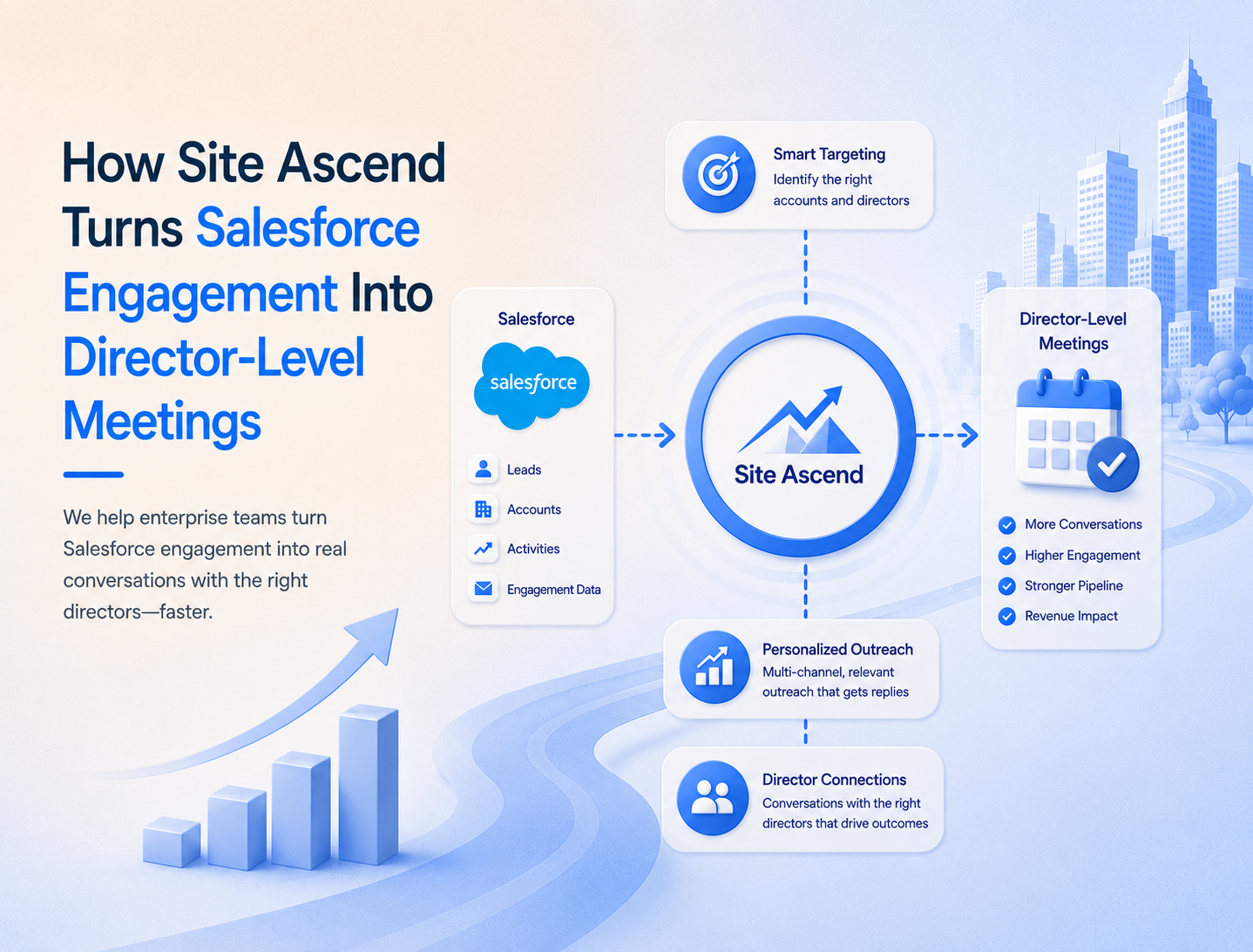
How Site Ascend Turns Salesforce Engagement Into Director-Level Meetings
Demand Generation


Propensity scoring only matters if it changes what happens next. Learn how enterprise teams build “likelihood-to-meet” models that prioritize the right accounts, reduce SDR waste, and turn signals into sales-accepted conversations—using an outcomes-based approach built around meetings that occur.
-
Demand Generation
Introduction
Most enterprise demand gen teams already “score” leads. The problem is what you’re scoring for.
If your model optimizes for engagement—opens, clicks, content depth, repeat visits—you’ll generate dashboards that look healthy while pipeline stays stubbornly flat. That’s because engagement is not commitment, and commitment is what sales needs to invest time.
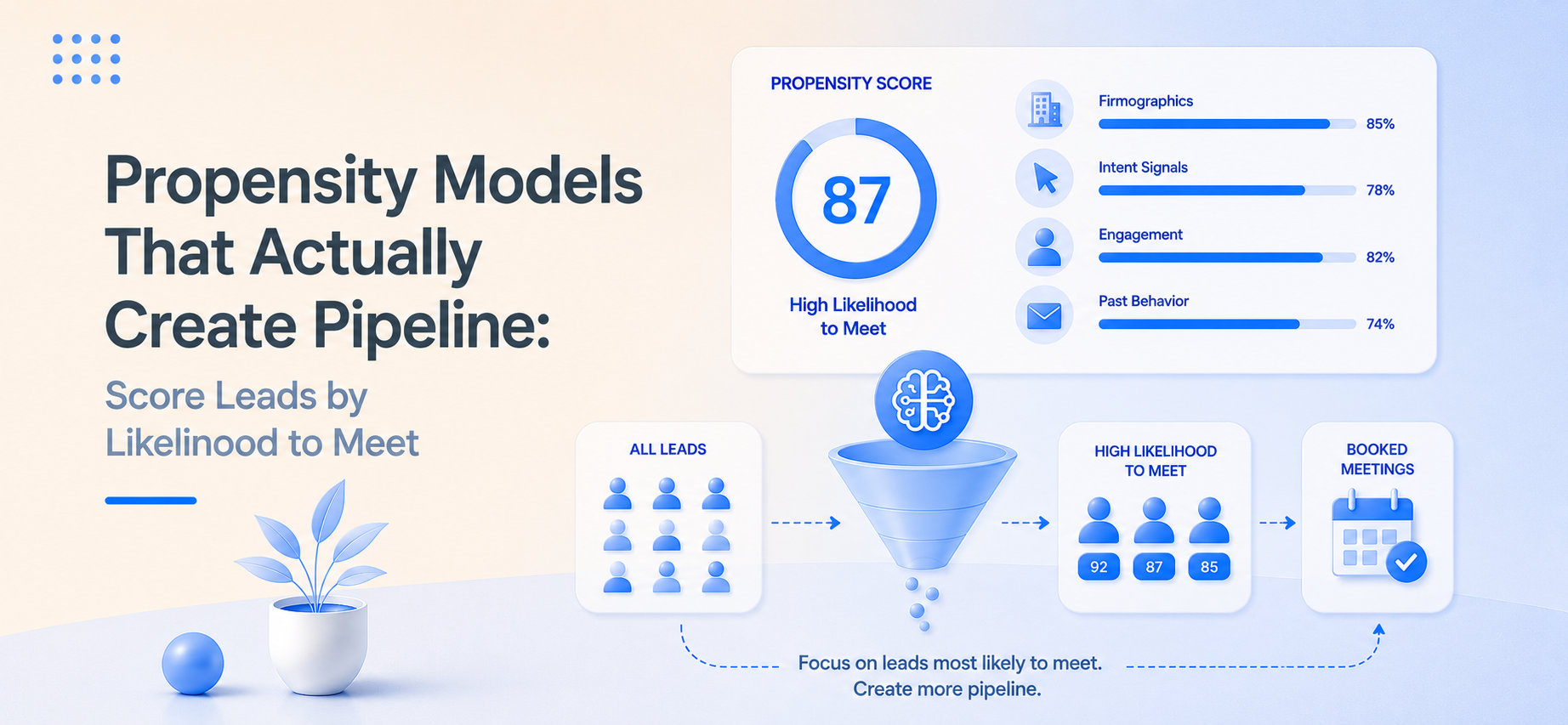
A propensity model that actually creates pipeline has a different goal: predict the likelihood that a target buyer will take a live next step—a scheduled conversation that happens, with the right seniority, at the right account. When your model is built around that outcome, it becomes more than analytics. It becomes operational: who to call, who to route, who to nurture, and when to escalate.
This post breaks down what a “pipeline-grade” propensity model looks like, where most teams go wrong, and how to apply it across outbound, channel, events, and lead qualification—especially if you care about meetings that occur, not activity that’s easy to count.
What “Propensity Model” Means for Demand Generation Marketers
A propensity model is a structured way to rank accounts or leads by their probability of taking a defined action within a set period of time.
In enterprise demand gen, the most common mistake is defining that action too early in the buyer journey—download, attend, request pricing, start a trial—and assuming it correlates strongly to revenue.
A better definition is: likelihood to accept—and complete—a sales conversation. That single shift forces alignment around what matters:
A “likelihood-to-meet” model becomes the backbone for:
Common Challenges Marketers Face
Even high-performing teams run into the same failure modes when trying to operationalize propensity:
1) Scoring optimizes for attention, not intent
Engagement signals are abundant and attractive, but they often reflect curiosity, research, or vendor comparison—not readiness to commit to a conversation.
2) Sales doesn’t trust the score
If sales sees “hot leads” that don’t convert to real meetings, the scoring system loses credibility quickly. After that, routing rules get ignored and reps revert to gut feel.
3) The model ignores the cost of follow-up
Your funnel might look “efficient” in a BI tool, but if every “high propensity” lead requires multiple touches, multiple handoffs, and multiple reschedules, you are burning SDR/BDR cycles just to produce meetings that may not occur.
4) Channel and events create noise without ownership
Partner and event programs create a familiar problem: lots of names, unclear ownership, uneven follow-up. Without a propensity framework, teams either over-contact (creating channel conflict) or under-contact (leaving pipeline on the table).
5) Leadership can’t benchmark quality consistently
When every team uses different definitions (MQL, MQM, SAL, SQL), you can’t compare performance across programs. The model becomes a reporting artifact—not a revenue system.



.png)

%201.png)


.png)


Solutions That Work
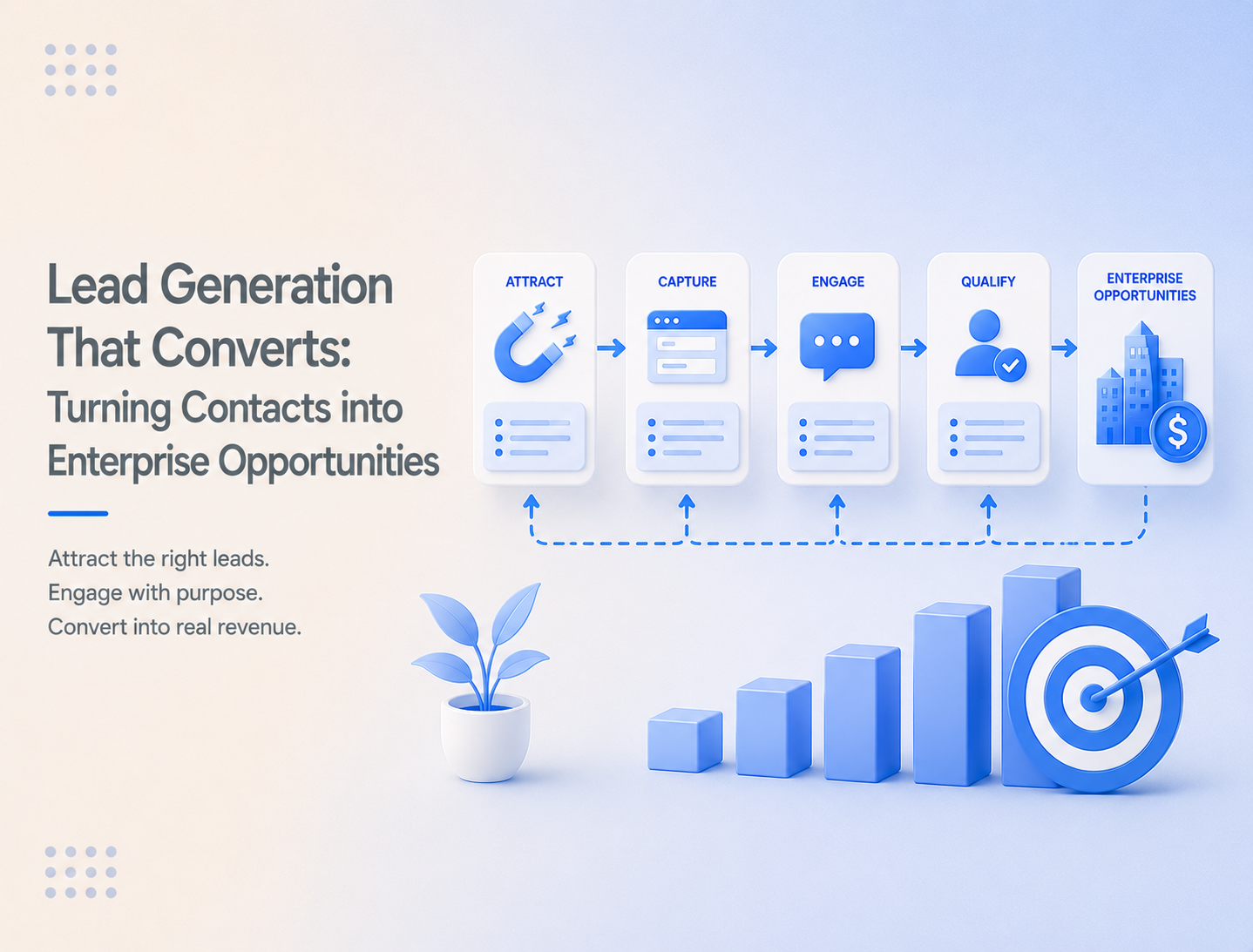
A propensity model that creates pipeline has to do three things well:
This is where Site Ascend’s programs plug in cleanly—because the operating unit is not “lead volume,” it’s qualified meetings that happen, with director-level and above stakeholders, backed by a real-time reporting dashboard.
1) Executive Meetings: make the model accountable to a concrete outcome
If your outcome is “a meeting occurs,” you can train every upstream decision around that.
A practical approach:
Then measure success against a clear standard: scheduled meetings that occur, not “leads delivered.”
2) Lead Qualification: convert opt-ins into scheduled next steps
Inbound opt-ins are notoriously risky in enterprise demand gen. Many are students, competitors, consultants, or early-stage researchers. A likelihood-to-meet model reduces that risk by identifying which opt-ins merit a live qualification motion vs. nurture.
This is where a human-in-the-loop approach outperforms pure automation:
3) Event Marketing: score for attendance and follow-on conversation
For events, most “propensity” scoring stops at registration probability. That’s incomplete.
A pipeline-grade event propensity model is a three-stage framework:
Site Ascend’s event marketing focus—driving registrants via outbound dialing and then supporting attendance with SMS workflows—maps directly to the attendance and meet layers, not just top-of-funnel volume.
4) Channel Marketing: reduce conflict by clarifying ownership with scoring
Channel friction often comes from ambiguity:
A propensity model supports clean rules of engagement:
Actionable Steps for Marketers
Here’s a practical checklist to build a “likelihood-to-meet” propensity model that sales will actually use:
A quick pipeline-grade propensity checklist
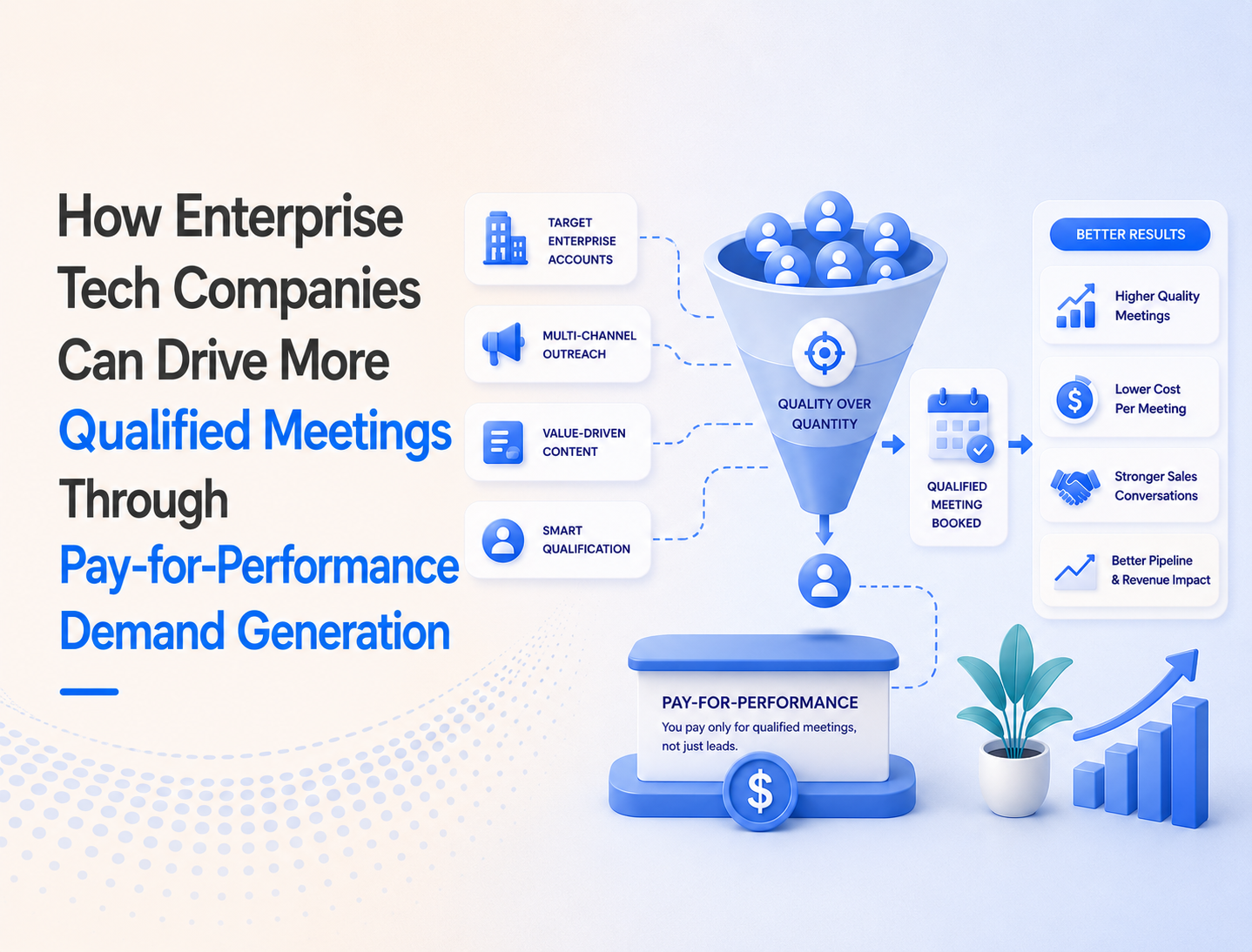
If you can’t confidently execute those steps with internal bandwidth, that’s the moment to pilot an outcomes-based motion—where you only pay for meetings that occur, with targeting and reporting built in.
Comparison of Market Solutions
Enterprise teams typically choose one of three approaches to “propensity” and lead conversion. Each has trade-offs.
Example 1: The Procurement View
Outcome 1: Reduce performance risk
Outcome 2: Improve predictability
Outcome 3: Increase accountability and visibility
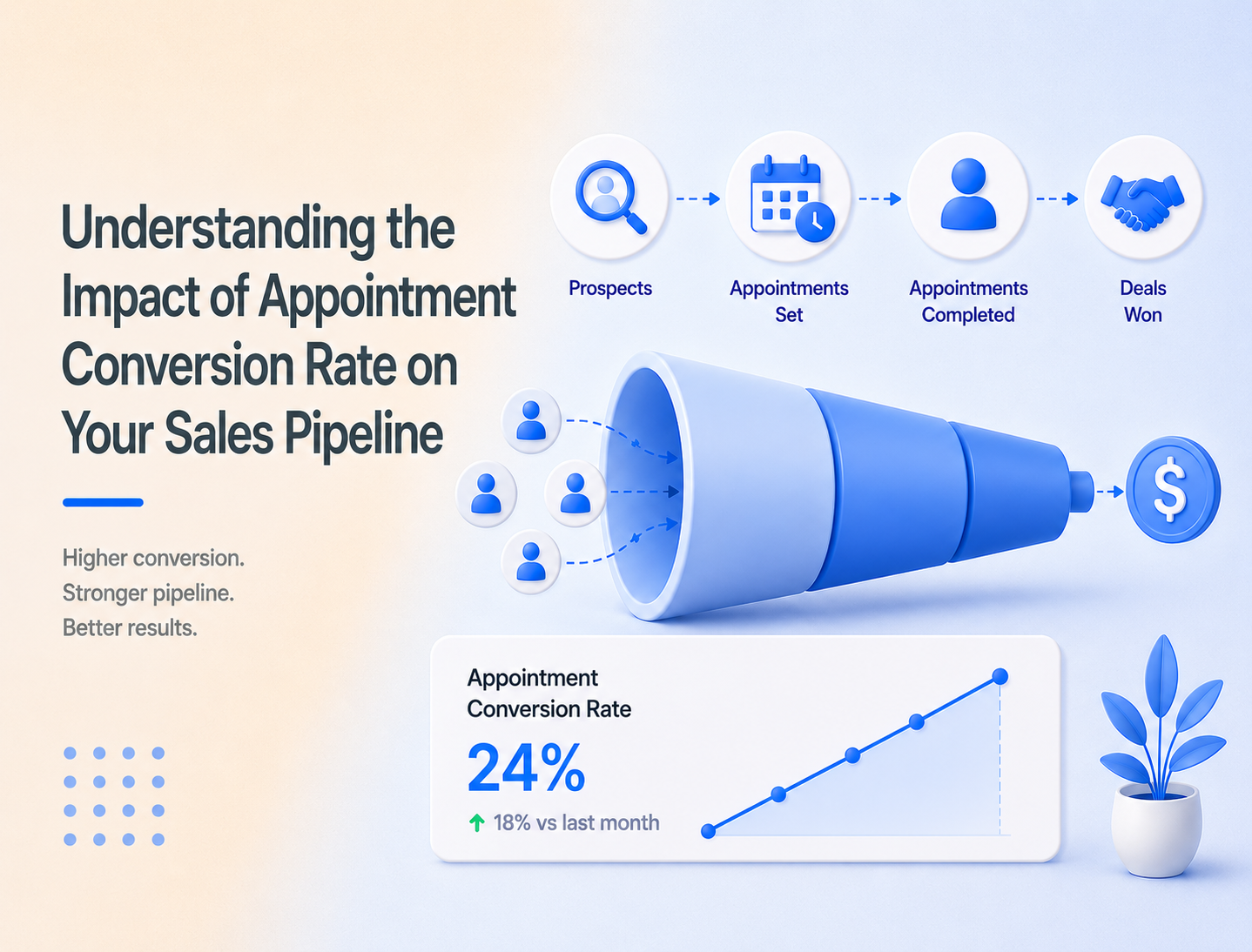
The key takeaway: most “propensity” programs fail not because the math is wrong, but because the operating model doesn’t enforce the outcome. When the system is accountable to meetings that occur, the score becomes meaningful.
Conclusion
A propensity model that drives pipeline is not a scoring exercise—it’s a prioritization and execution system built around a real business outcome: qualified conversations that sales will accept and attend.
If your current scoring inflates engagement while SDR time gets burned chasing leads that don’t convert, the fix isn’t another dashboard. It’s a shift in standard: score by likelihood to meet, enforce fast follow-up, and measure success by meetings that occur.
If you want to pilot an outcomes-based approach—executive meetings, lead qualification, channel support, or event attendee procurement—Site Ascend can help you operationalize a propensity-driven motion where you only pay for meetings that happen.
What’s the difference between lead scoring and a propensity model?

Should propensity be modeled at the lead level or account level?
What inputs matter most for “likelihood to meet”?


Start your pilot campaign today and explore the full range of Site Ascend's demand generation capabilities. Experience firsthand how we can enhance your efficiency, streamline your processes, and drive growth.
RELATED