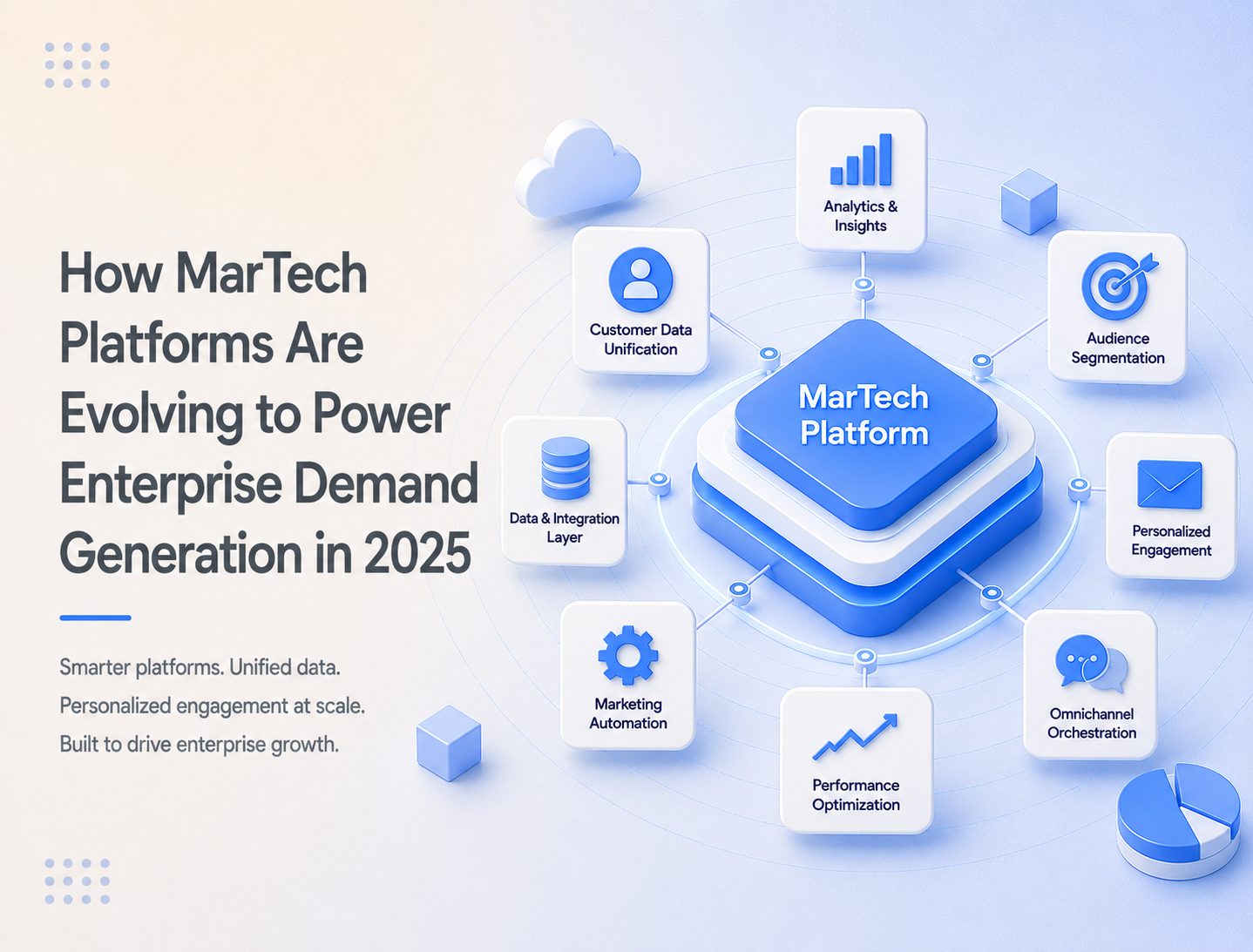
How MarTech Platforms Are Evolving to Power Enterprise Demand Generation in 2025
Demand Generation


Marketing automation is great at capturing and nurturing interest — but it can’t create urgency, handle ambiguity, or secure real sales conversations on its own. In 2025, teams scaling pipeline are pairing automation with accountable, pay-for-performance human engagement to turn signals into director-level meetings.
-
Marketing Automation
Introduction
Marketing automation was supposed to be the great accelerator. Set up the workflows, score the leads, and watch pipeline rise steadily month after month.
But if you’re a demand gen leader in 2025, you know the truth is messier. Automation helps you move faster — until it doesn’t. You can build the perfect nurture, trigger the right email at the right time, and still watch great prospects drift away quietly. Not because your tech is broken, but because buyers don’t behave like workflows.
Today’s B2B funnel doesn’t fail at awareness. It fails in the handoff between interest and action. That gap is exactly where a performance-based human engagement layer changes everything.
What Marketing Automation Means for Demand Generation Marketers and Other Director-Level Targeting Teams
Marketing automation is the operating system of modern demand gen. It collects signals, organizes audiences, delivers nurture streams, and tracks engagement at scale. It’s essential because buyers self-educate long before they respond to sales.
For teams selling into complex tech buying committees, automation is also your early warning system. It tells you which accounts are active, what content is resonating, and where intent is rising.
But automation is descriptive, not decisive. It can tell you what is happening. It can’t force movement when a buyer stalls, gets distracted, or needs a real conversation to progress.
Common Challenges Marketers Face
If you’re running marketing automation at a tech company right now, a few patterns probably sound familiar:
Engagement doesn’t equal readiness.
High-intent activity looks great in the dashboard. But plenty of “hot” leads never convert because interest isn’t the same as commitment. Especially at director level and above.
Follow-up slows down when volume rises.
Automation scales signals. Humans scale slower. As your inbound and nurture-driven lead flow grows, speed-to-lead becomes inconsistent — and the best opportunities cool off before sales ever reaches them.
Nurtures are built for averages, not individuals.
Workflows are great at handling repeatable journeys. Buyers are not repeatable. The more expensive and strategic the purchase, the more the buyer path deviates from your map.
Sales and marketing definitions don’t match reality.
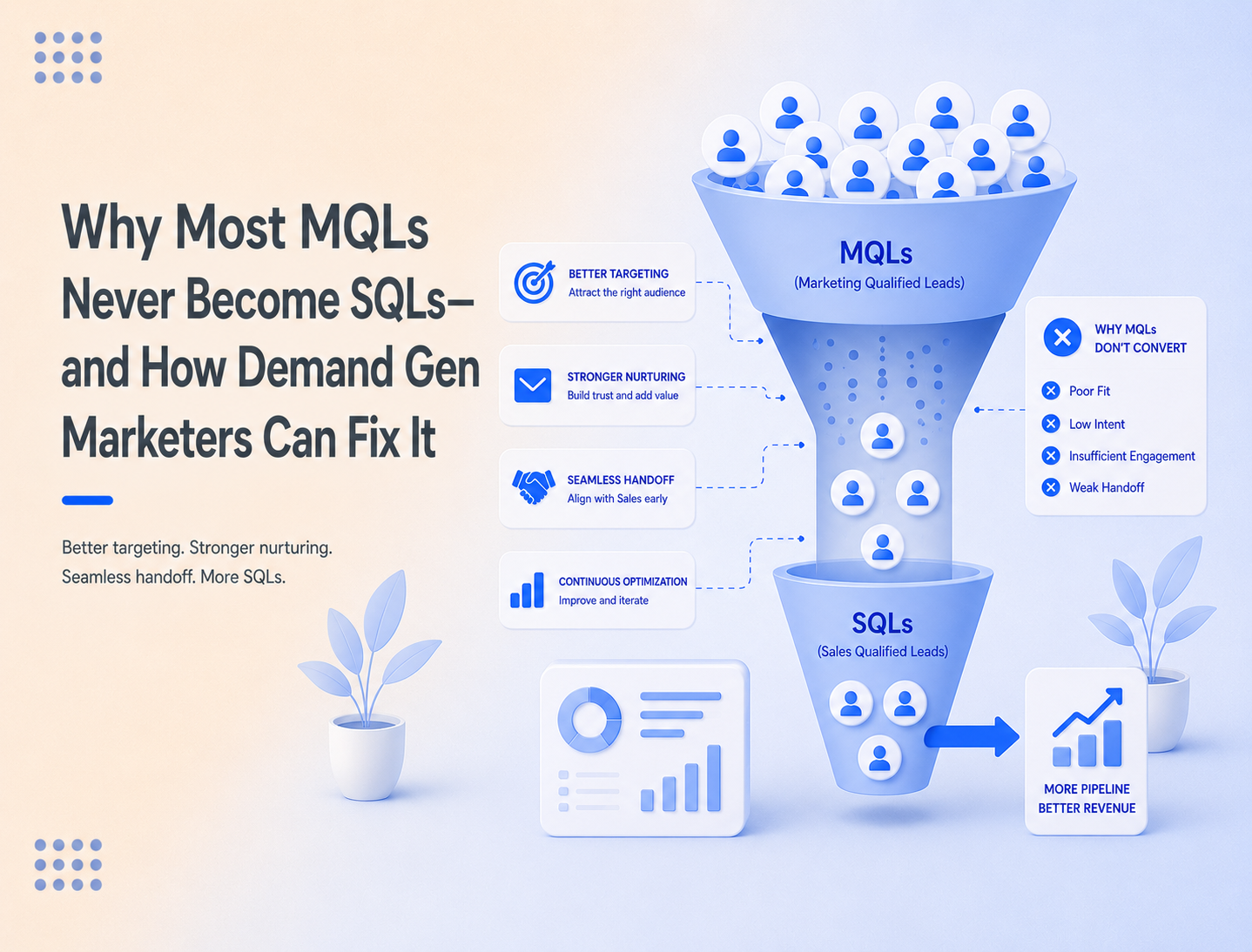
Marketing wants to hand off when behavior spikes. Sales wants to engage when a buyer is willing to meet. Those two moments are related — but they’re not the same moment.
Pipeline looks healthy… until it doesn’t.
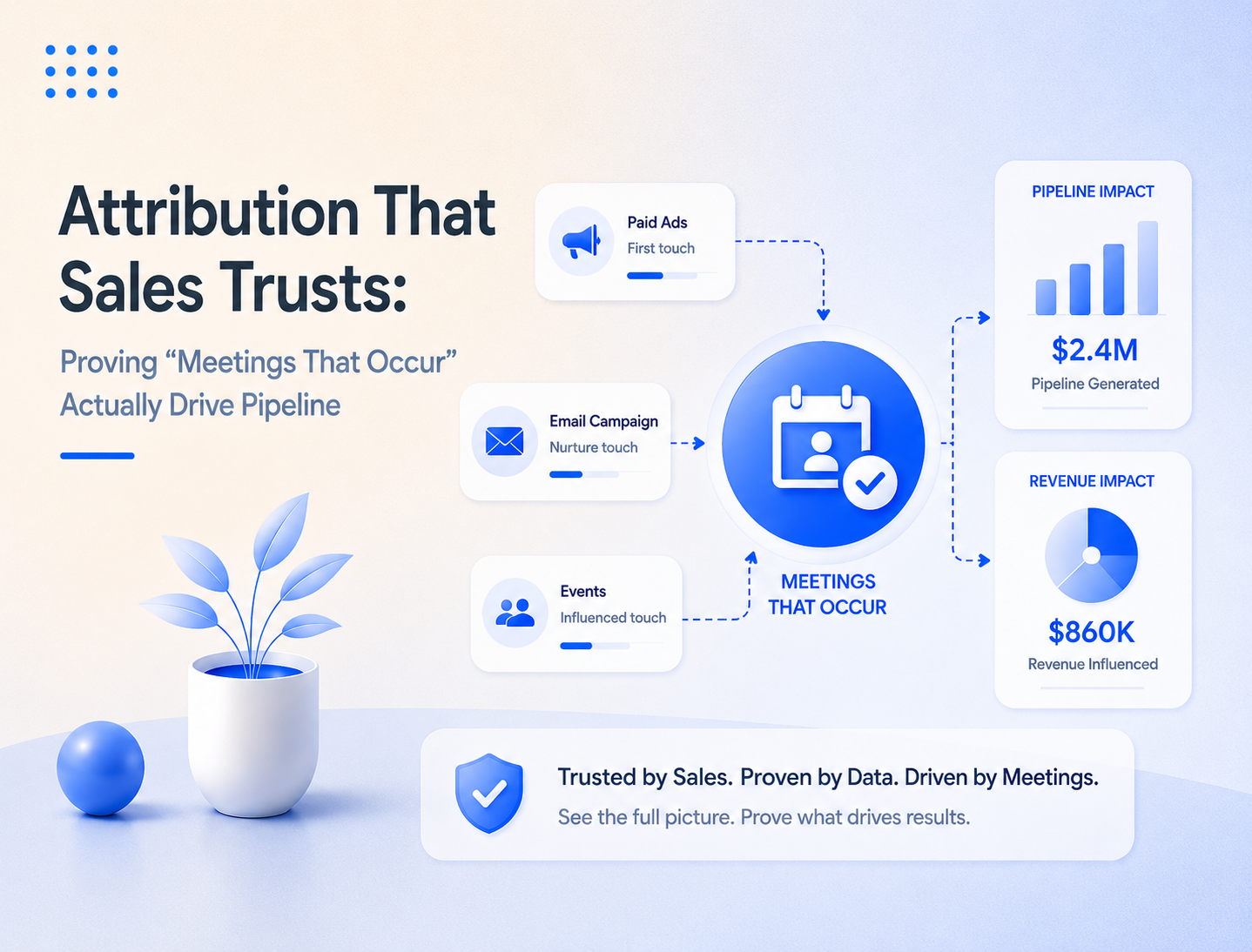
You can have strong MQL volume, solid email performance, and “working” automations, while revenue stays flat. That’s not a tool problem. That’s a conversion problem.



.png)

%201.png)


.png)


Solutions That Work
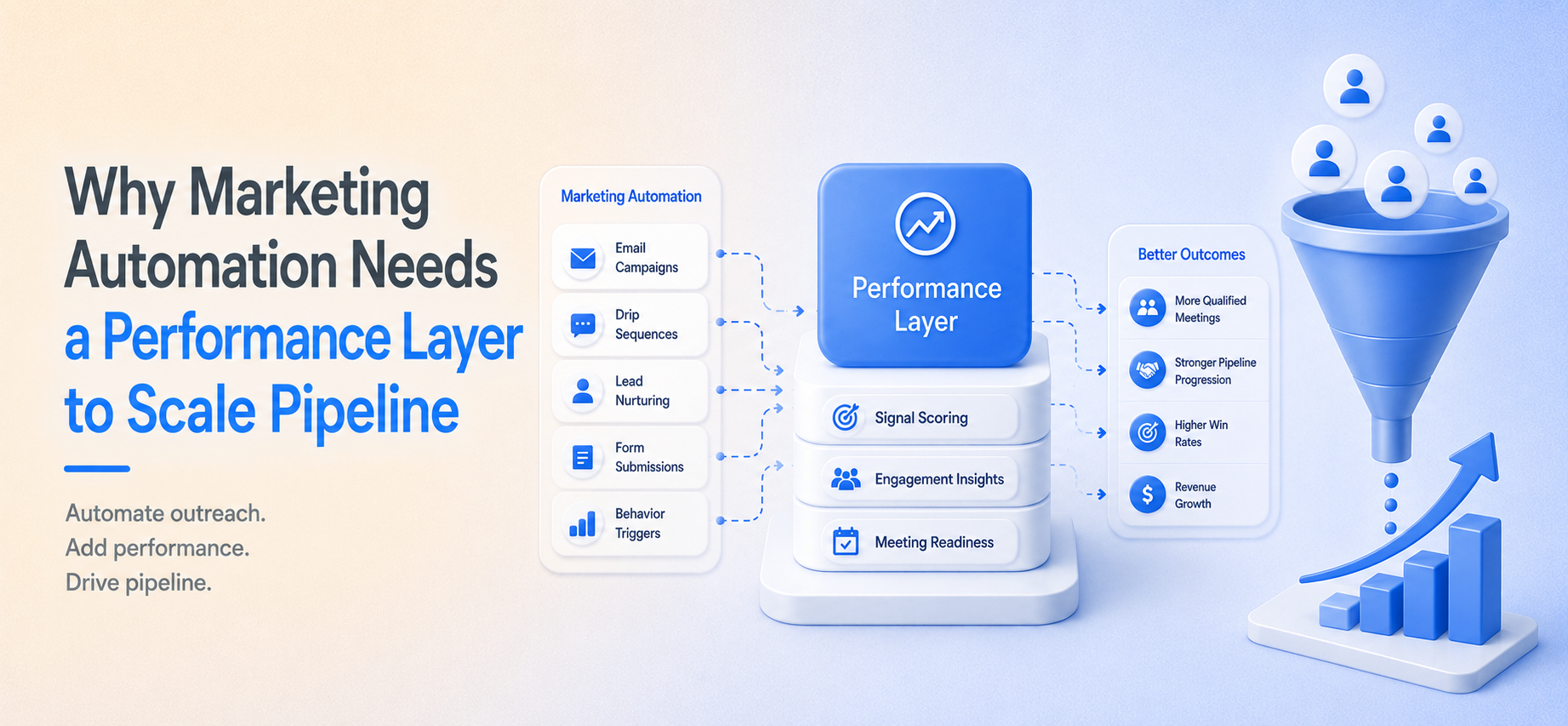
The companies scaling pipeline in 2025 aren’t choosing automation or human engagement. They’re engineering automation plus a performance layer that ensures every real opportunity gets acted on fast.
Here’s what that looks like through Site Ascend’s lens:
Executive Meetings that turn signals into conversations.
Automation surfaces engagement. Site Ascend converts that engagement into 30-minute meetings with director-level and above prospects in your target accounts. It’s the missing bridge between “interested” and “in calendar.”
Lead Qualification that clarifies intent before sales spends time.
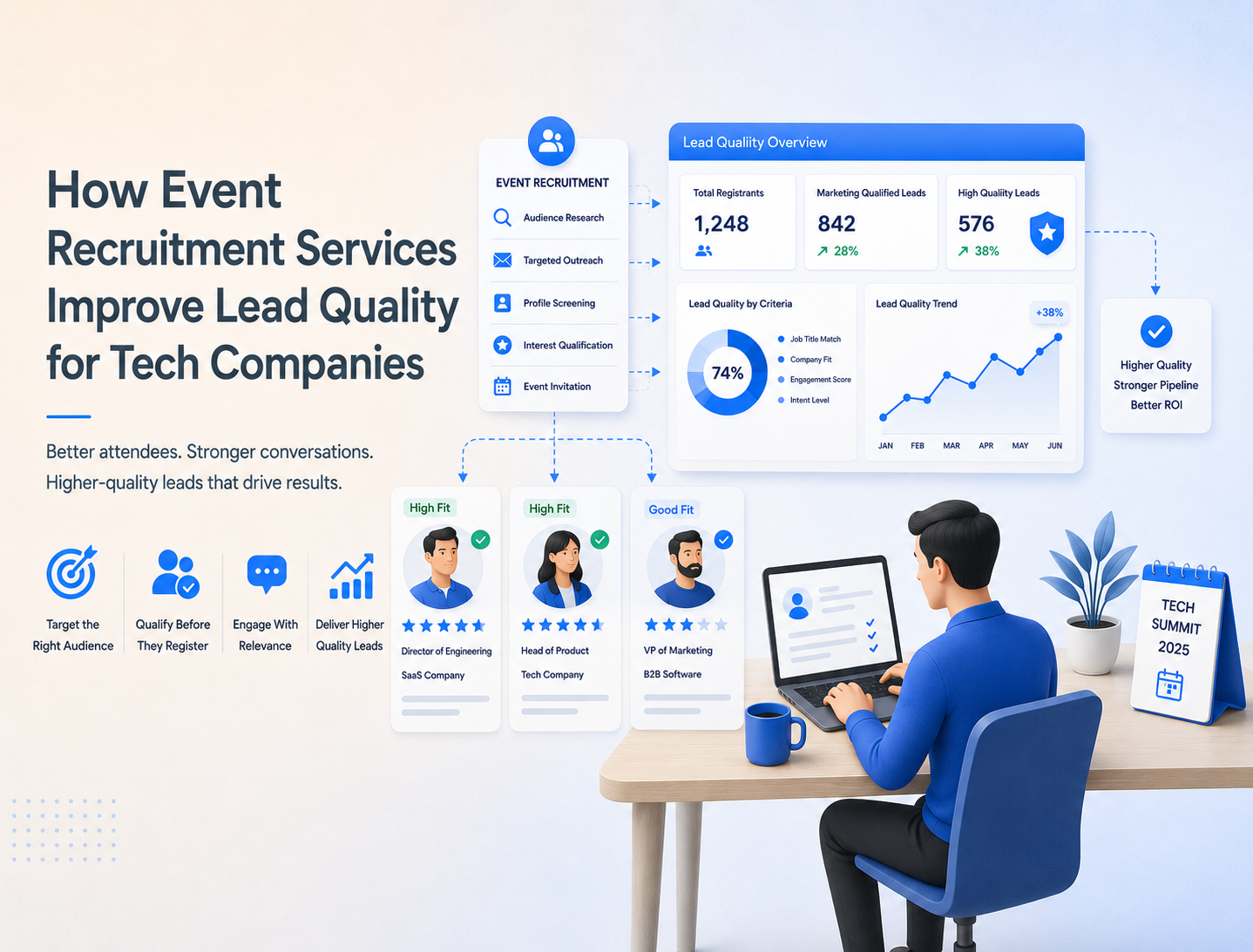
Downloads and webinar clicks are weak predictors of deal movement without context. Site Ascend qualifies opted-in leads through outbound conversations, confirming fit, urgency, and willingness to meet — so your SDRs focus on people, not probabilities.
Channel Marketing that keeps partner funnels from going dark.
Partner-led demand gen depends on timing and follow-through. Site Ascend runs white-labeled outreach on behalf of your partners, funded through MDF, to drive real meetings — not just partner “activity.”
Event Marketing that protects your investment.
Events generate strong intent — but only if registrants show up and engage. Site Ascend drives attendee procurement through outbound dialing and supports registrants through SMS workflows up to the event date. You get the room you paid for, filled with the right people.
Pay-for-performance accountability.
This is the core difference. A performance layer isn’t “extra help.” It’s a system that only gets paid when meetings actually happen. That changes behavior, speed, and outcomes instantly.
Actionable Steps for Marketers
If you want automation to scale pipeline instead of just activity, focus on the moments where buyers require a human nudge.
Start here:
Comparison of Market Solutions
Most teams try to solve the automation gap in one of two ways.
Option one: build bigger in-house follow-up teams.
This offers control, but scaling is slow and expensive. Headcount grows linearly while lead volume grows exponentially. The result is predictable: inconsistent speed-to-lead and uneven meeting quality.
Option two: outsource activity.
Many outsourced models are built around volume, not outcomes. They’ll run sequences, make dials, and report effort — but you still carry the risk if meetings don’t materialize.
Where Site Ascend is different is in how the model aligns with your funnel goals. You only pay for meetings that actually happen. Outreach is white-labeled, director-level targeted, and run by a U.S.-based contact center with real-time reporting. Instead of adding noise to your automation, it turns your best signals into real pipeline movement.
Conclusion
Marketing automation is still a cornerstone of great demand gen. But it’s not a pipeline engine by itself. The teams winning in 2025 are the ones pairing automation with a performance-based human engagement layer that moves buyers when signals spike.
If you’re sitting on strong engagement but soft pipeline, you don’t need a new platform. You need follow-through that converts interest into meetings — consistently, quickly, and with zero wasted spend.
Ready to add that performance layer and see what your automation should be producing?
Contact Site Ascend to start a pilot
If my marketing automation is strong, why do I still need outbound?

Why does marketing automation stop driving results past a certain scale?
If marketing automation is working, why isn’t pipeline growing?


Start your pilot campaign today and explore the full range of Site Ascend's demand generation capabilities. Experience firsthand how we can enhance your efficiency, streamline your processes, and drive growth.
RELATED