Turning Interest into Intent: The Role of SQLs in Sustainable Pipeline Growth
Lead Qualification


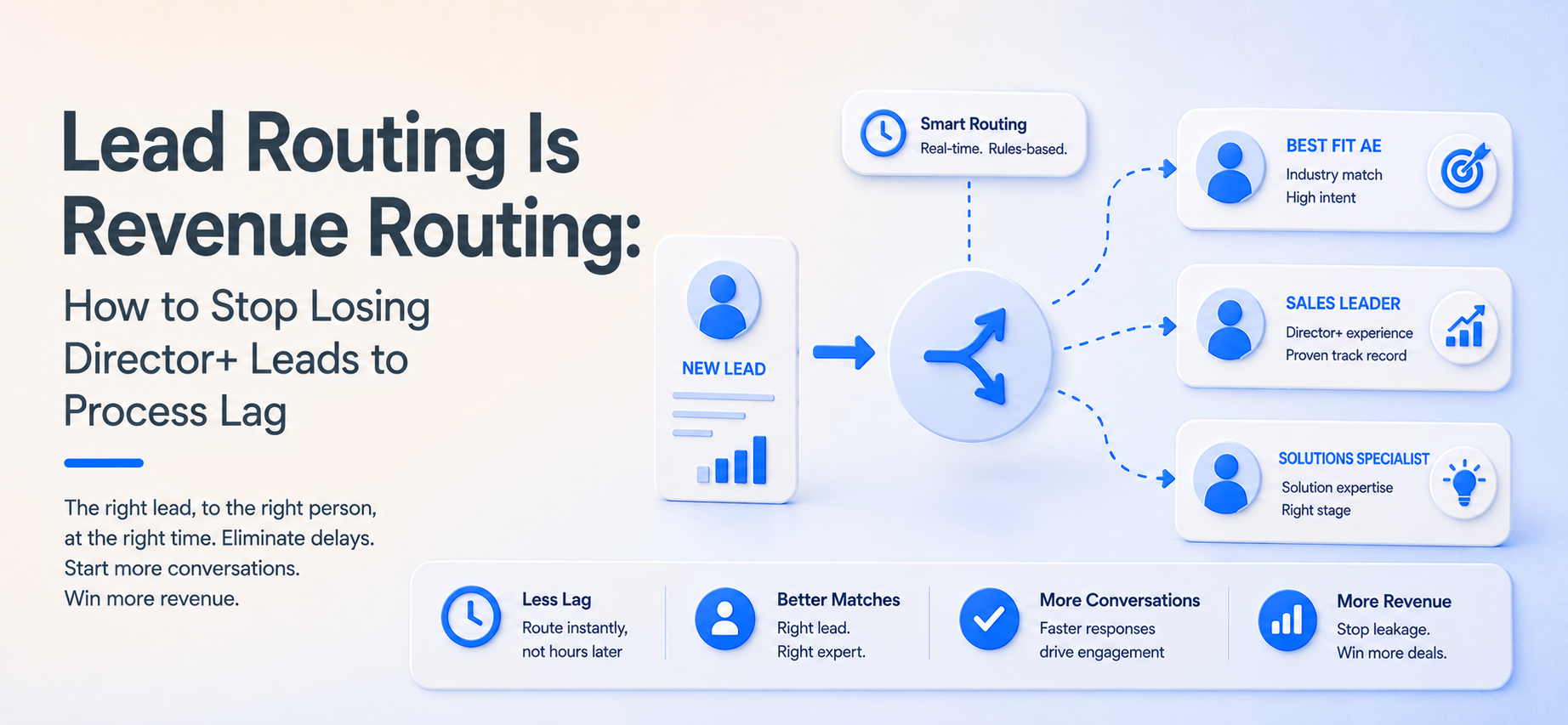
Lead routing is revenue routing—especially when Director+ interest is on the line. Learn where process lag and ownership rules cause high-value leads to stall, what a Director+ “fast lane” looks like, and how Site Ascend improves conversion with lead qualification and meetings that occur (not just meetings booked).
-
Lead Routing
Introduction
Every demand gen leader has seen it happen.
A high-fit lead comes in. The account is on your target list. The title is senior enough to matter. The intent is real.
And then… the lead disappears into your systems.
It sits in a queue. It bounces between territories. It gets assigned to the wrong owner. It arrives with no context. Or it reaches someone who’s too buried to act.
By the time a human follows up, the moment is gone.
In enterprise tech, lead routing isn’t operational hygiene—it’s a revenue control point. Process lag doesn’t just slow response time. It changes who you reach, what gets said, and whether that first touch ever becomes a meeting that occurs.
This blog explains what “good routing” actually means for Director+ leads, where routing breaks in real organizations, and how Site Ascend supports conversion through Lead Qualification and Executive Meetings built around Director+ meetings that occur and progress.
What Lead Routing Means for Demand Generation Marketers and other titles that meet Site Ascend’s ICP
Lead routing is commonly defined as “sending leads to the right rep.”
That’s the technical definition. It’s not the practical one.
For enterprise demand gen, lead routing is:
The system that determines whether high-value interest becomes an actual conversation with the right stakeholder, fast enough to matter.
Routing isn’t just assignment. It’s accountability. It’s the difference between:
And because buying committees move quickly once they start exploring, routing is often the hidden factor behind why pipeline doesn’t match top-of-funnel performance.
Common Challenges Marketers Face
Director+ leads get treated like “normal inbound”
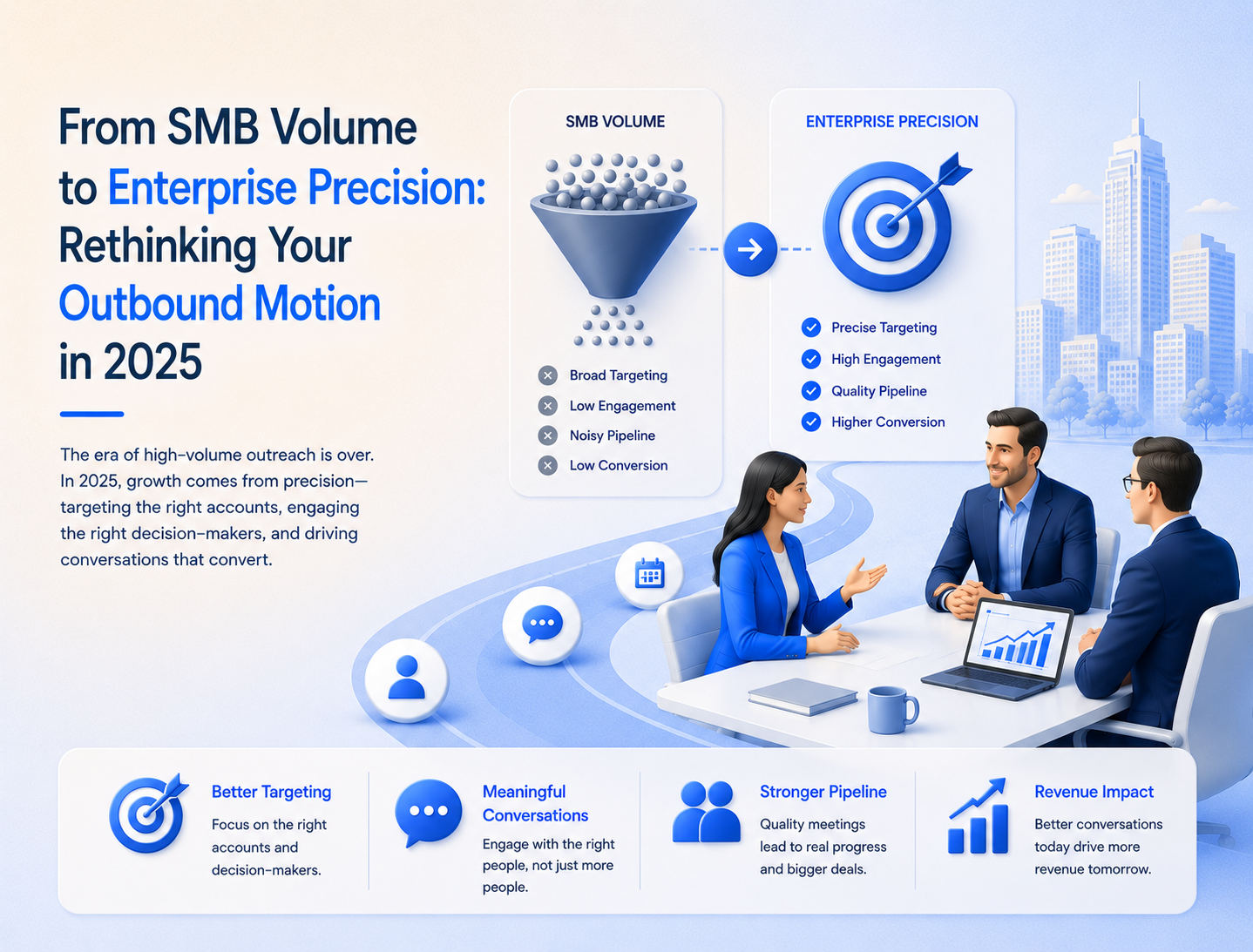
Most routing models are built for volume. Senior stakeholders need a different path—faster response, higher-quality messaging, and often a different owner.
Territory and account ownership rules create delays
A lead can bounce between teams because:
The lead doesn’t care why. They just experience silence.
Wrong owner = wrong outcome
Even when speed is fine, routing to the wrong team can kill conversion:
Handoffs are missing the “why”
Routing often sends records, not narratives. Sales gets:
But not:
Meetings get scheduled but don’t hold
Even if routing results in a booked meeting, poor follow-through can still break the chain:
A scheduled meeting is not the goal. A meeting that occurs is.



.png)

%201.png)


.png)


Solutions That Work
The strongest routing systems do two things:
Build a Director+ fast lane
For enterprise teams, Director+ leads should not go through the same rules as everyone else.
A “fast lane” usually includes:
This is less about fairness and more about economics. A Director+ conversation has a different potential value—and a different decay curve.
Separate routing from readiness
Routing answers: Who should handle this?
Readiness answers: Is this worth a sales conversation right now?
When teams mix those questions, they create waste:
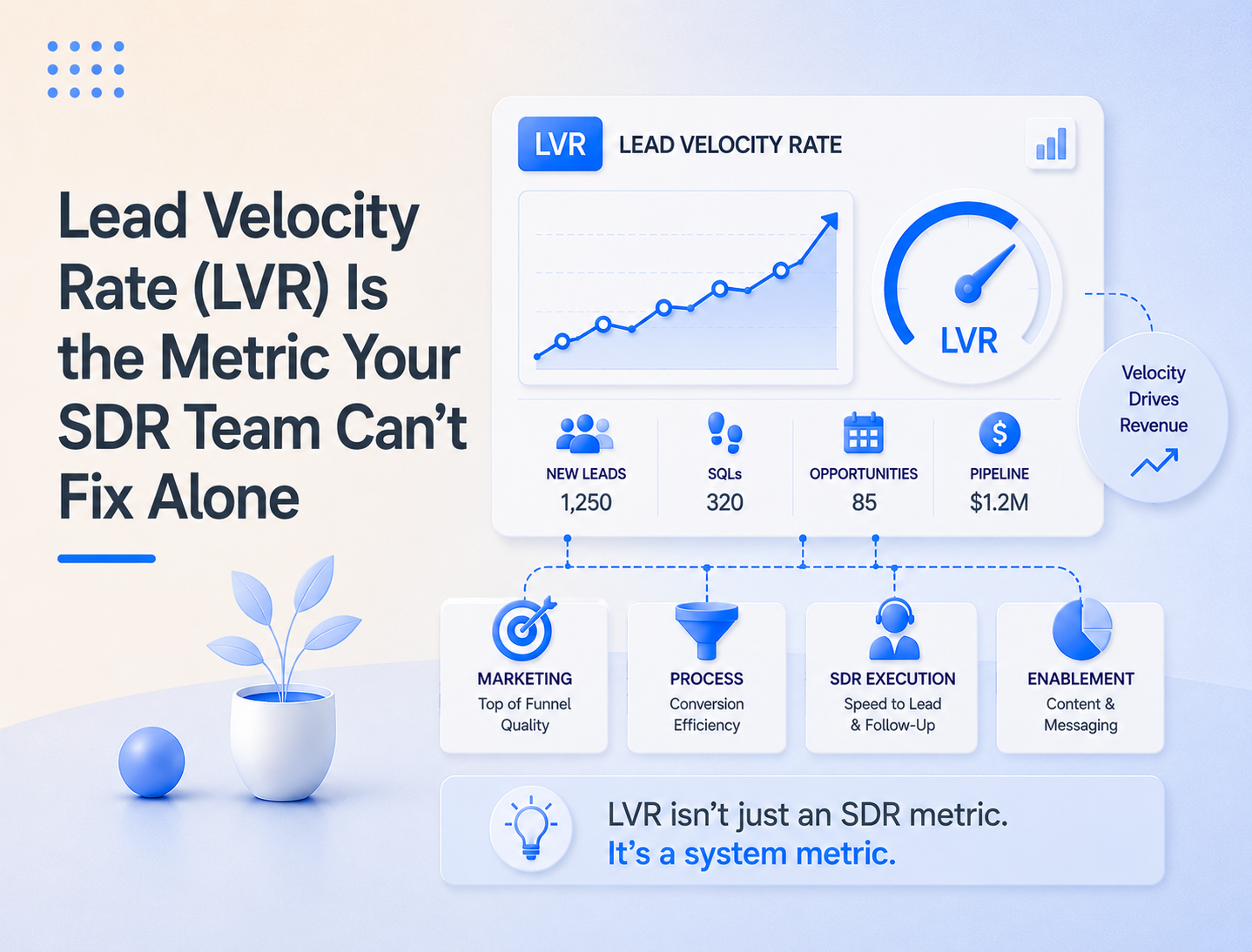
This is where Site Ascend’s Lead Qualification program becomes a practical lever. Instead of forcing sales to discover readiness after the handoff, qualification validates:
Then routing becomes simpler because you’re routing leads that are more clearly actionable.
Prioritize outcomes, not activity
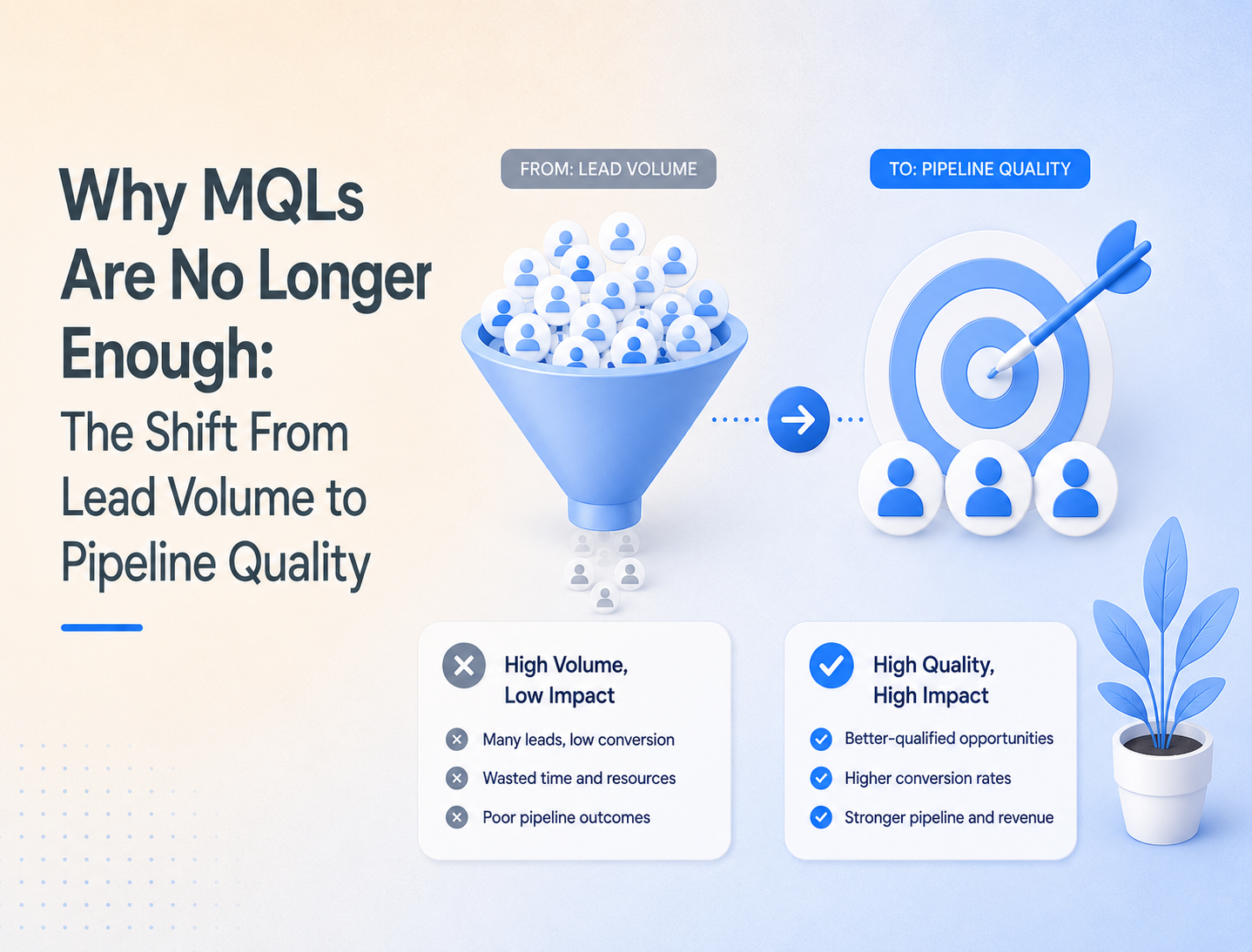
A high-performing routing model isn’t optimized for “speed to assign.” It’s optimized for:
This is where Site Ascend’s Executive Meetings program fits. If your goal is Director+ conversations that hold, Executive Meetings focus on:
Routing for events and channel (where leads commonly stall)
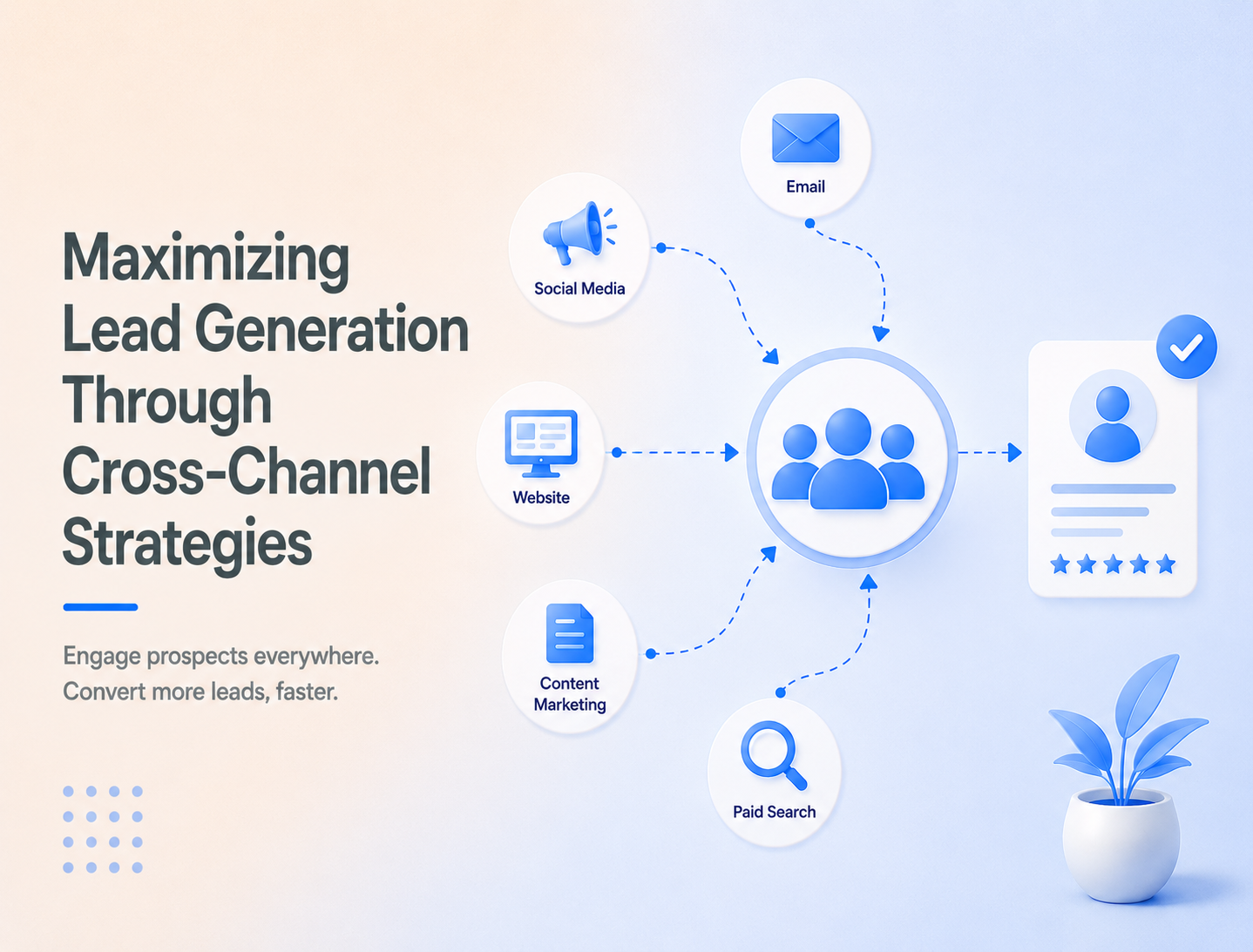
Two lead sources are especially prone to routing decay:
Event leads
Registrations often arrive in bulk with limited context. Without a clear process, they sit untouched until after the event—when the window is already closing.
Site Ascend supports event attendee procurement via outbound dialing, plus SMS workflow support leading up to the event date (not day-of services). The aim is to increase the likelihood that the right people show up—so follow-up has real substance.
Channel/MDF leads
Partner leads often bounce between marketing, partner teams, and sales. White-labeled outreach and clear ownership help prevent MDF-funded demand from getting lost.
Actionable Steps for Marketers
Here’s a practical way to tighten lead routing without rebuilding your entire tech stack.
A simple lead routing audit (what to check first)
Look for lag
Look for bounce
Look for wrong-lane handling
Look for missing context
Look for meeting reality
The Director+ routing checklist
Before a Director+ lead hits sales, ensure you have:
Comparison of Market Solutions
Most routing “fixes” focus on rules and automation. That helps—until you realize routing failures are usually human problems: ownership, context, and follow-through.
Automation-first routing (rules, territories, queues)
This approach is necessary, and it can reduce chaos—especially in complex orgs. But it tends to break down when the lead is valuable enough to deserve exceptions. Director+ leads often need escalation paths, not just rules.
SDR-led follow-up for every routed lead
This can work when SDR capacity is healthy and the ICP is consistent. In reality, enterprise teams often have more leads than SDR time, which forces prioritization. Without a clear standard, high-value leads can still slip.
Qualification + Director+ meeting motions (routing designed for conversion)
This approach treats routing as one part of a conversion system:
That’s where Site Ascend fits: Lead Qualification to reduce uncertainty, and Executive Meetings to drive Director+ meetings that occur—with the operational model and reporting visibility to keep performance transparent.
Conclusion
If Director+ leads are getting lost to process lag, you don’t just have a routing issue—you have a revenue leak.
The fix isn’t just faster assignment. It’s a system that:
If you want to pilot a routing-to-meeting motion that improves held rates, seniority, and progression, contact Site Ascend to discuss a pilot using Lead Qualification and Executive Meetings.
Is routing speed really that important in enterprise?

What’s the biggest routing mistake enterprise teams make?
How do we fix routing if the real issue is lead readiness?


Start your pilot campaign today and explore the full range of Site Ascend's demand generation capabilities. Experience firsthand how we can enhance your efficiency, streamline your processes, and drive growth.
RELATED