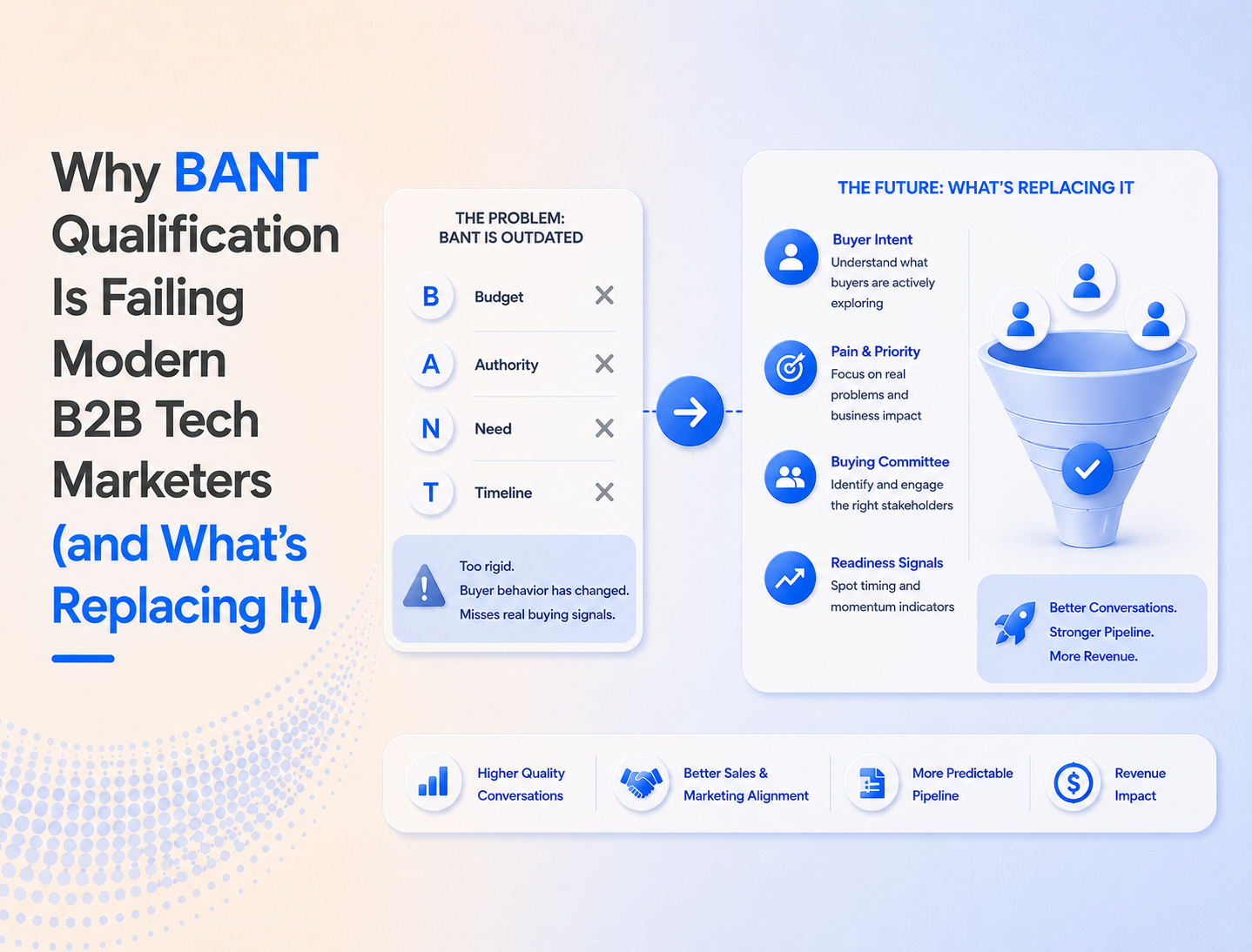
Why BANT Qualification Is Failing Modern B2B Tech Marketers (and What’s Replacing It)
Demand Generation


Turn MDF into booked, sales-ready meetings with a simple execution playbook—plus the outreach layer partners often can’t run consistently.
-
Channel Marketing (MDF)
Introduction
Most MDF doesn’t fail because the offer is bad. It fails because the handoff is fuzzy.
You fund a partner campaign. Leads roll in. A spreadsheet gets emailed. Someone uploads “contacts” to a CRM. Sales sees it as someone else’s list—and the follow-up dies quietly.
If you’re a channel, partner, or demand gen leader at a tech company, you’ve seen this movie. And in 2026, it’s getting harder to justify because finance doesn’t want “leads delivered.” They want pipeline influence—and sales wants meetings that show up.
The good news: MDF can absolutely produce meetings. It just needs a tighter operating model—one designed around conversion, not volume.
Below is a practical playbook you can use to turn MDF into booked conversations, including how Site Ascend helps channel teams execute it without adding headcount.
What “MDF Marketing Best Practices” means (in 2026 terms)
MDF marketing best practices are no longer about running more campaigns. They’re about running partner-funded motions that convert into sales activity—with proof.
In practical terms, “best practices” means:
In other words: MDF isn’t “partner lead gen.” MDF is partner demand creation with an execution layer that makes follow-up real.
Common MDF problems that keep partner pipeline stuck
If MDF results feel inconsistent quarter to quarter, it’s usually because one (or more) of these issues is hiding in the workflow.
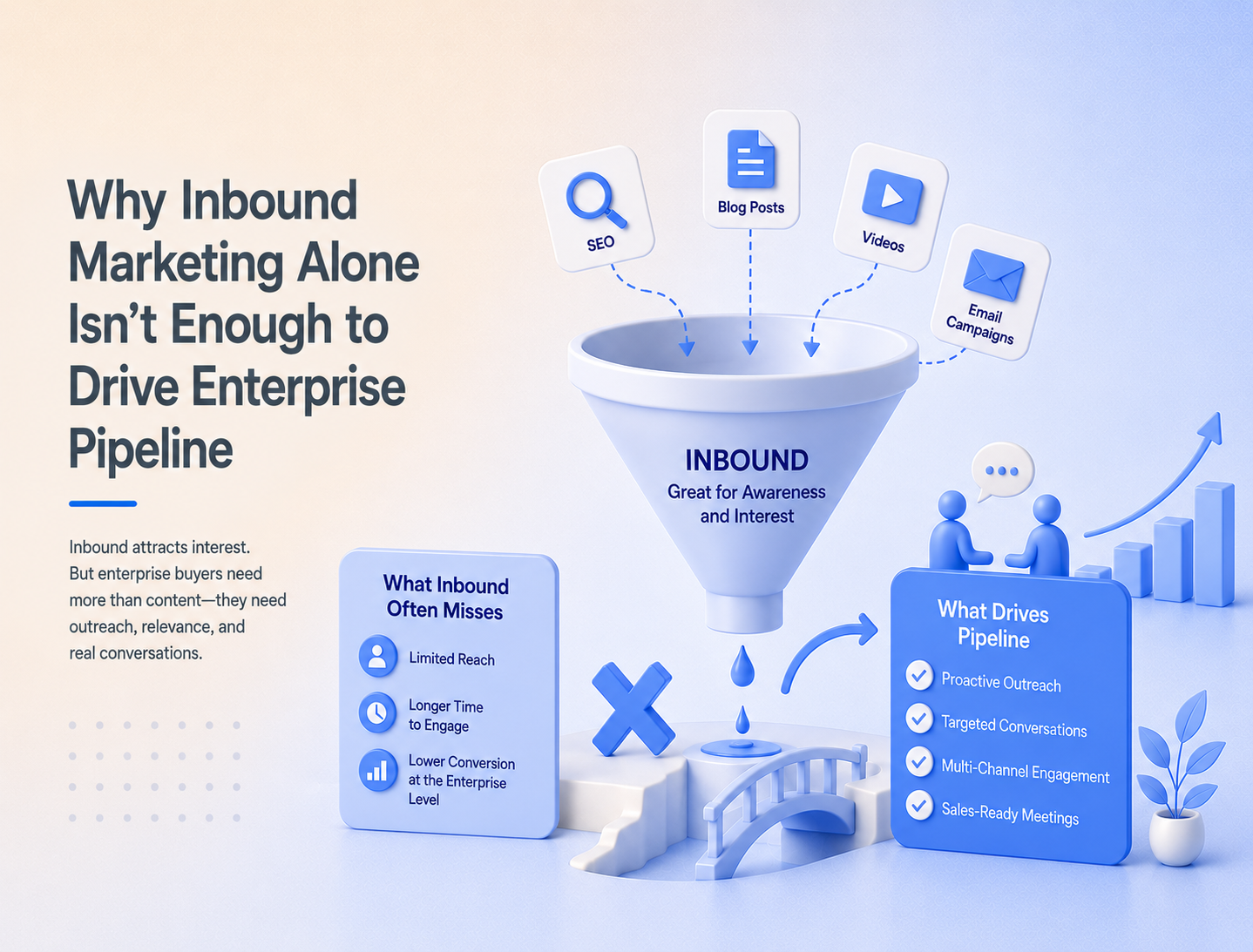
1) MDF creates “activity,” not momentum
Clicks, registrations, and content engagement don’t automatically translate into conversations—especially in B2B. Without a next step built into the program, interest stalls.
2) The partner can’t (or won’t) follow up fast enough
Partners are busy. Even good partners struggle with speed-to-lead and persistence—especially when MDF leads aren’t their top priority.
3) Lead quality is unclear to sales
Sales doesn’t trust “leads” unless someone has validated fit, role, and timing. If the details aren’t there, meetings won’t happen.
4) Reporting shows volume, not outcomes
Many MDF reports show impressions and lead counts. But the question leadership asks is: How many real sales conversations did we create?



.png)

%201.png)


.png)


Solutions that work (when the goal is meetings from MDF)
If your objective is pipeline, the solution isn’t “more MDF.” It’s MDF execution designed to produce meetings.
Here’s what actually works.
A) Fund programs where the CTA is a conversation, not a download
If you want meetings, the offer should point there—webinars, executive roundtables, “meet our experts,” partner-hosted consults, targeted events.
The best MDF-funded CTA is one that creates a reason to talk now.
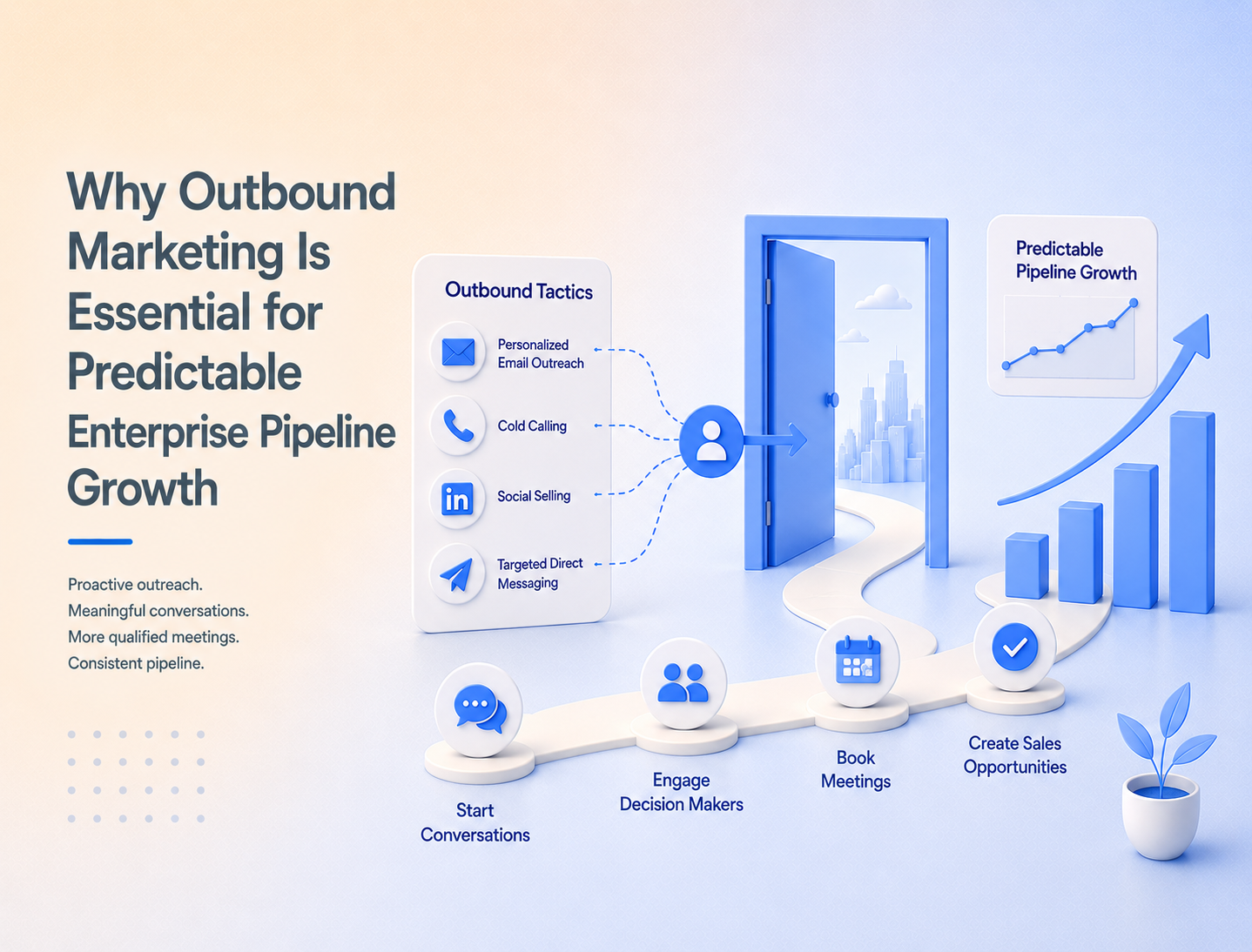
B) Add a real outreach layer to convert interest into a scheduled meeting
This is the missing step in most MDF motions: a dedicated outbound follow-up motion that can turn “interested” into “booked.”
Site Ascend’s Channel Marketing program is built for exactly this: white-labeled outreach on behalf of partners, funded through MDF, with a clear outcome—meetings that occur.
Key elements that matter here:
C) Define a “sales-ready meeting” standard upfront
Instead of “MQL,” define what a partner-sourced meeting must include to count:
When you define that bar and enforce it, sales trust improves fast—because meetings feel intentional, not random.
Actionable MDF playbook (simple, repeatable)
Use this checklist for your next MDF-funded campaign:
MDF Meeting Playbook
If you can’t operationalize that consistently with internal resources, this is where a specialized execution partner can make MDF predictable.
Comparison of market solutions (what most teams do vs what works)
Example 1: The Procurement View (three outcomes)
Outcome 1: Predictable delivery (can we count on it?)
Outcome 2: Quality control (are these the right conversations?)
Outcome 3: Risk + accountability (who owns results?)
Conclusion
If your MDF strategy still ends at “leads delivered,” you’ll keep seeing the same outcome: activity without pipeline.
The smarter move for 2026 is building MDF programs around what sales actually uses:
If you want to pilot an MDF motion that turns partner spend into booked, held meetings, Site Ascend can run the outreach layer white-labeled on behalf of your partners—so your team can prove MDF ROI without adding headcount.
If you’re planning MDF for next quarter, reach out to Site Ascend to launch a short pilot focused on meetings (not leads)—with real-time visibility from day one.
What’s the difference between MDF lead gen and MDF demand gen?

How do you measure MDF success if you stop focusing on leads?
What’s the fastest way to improve MDF ROI?


Start your pilot campaign today and explore the full range of Site Ascend's demand generation capabilities. Experience firsthand how we can enhance your efficiency, streamline your processes, and drive growth.
RELATED