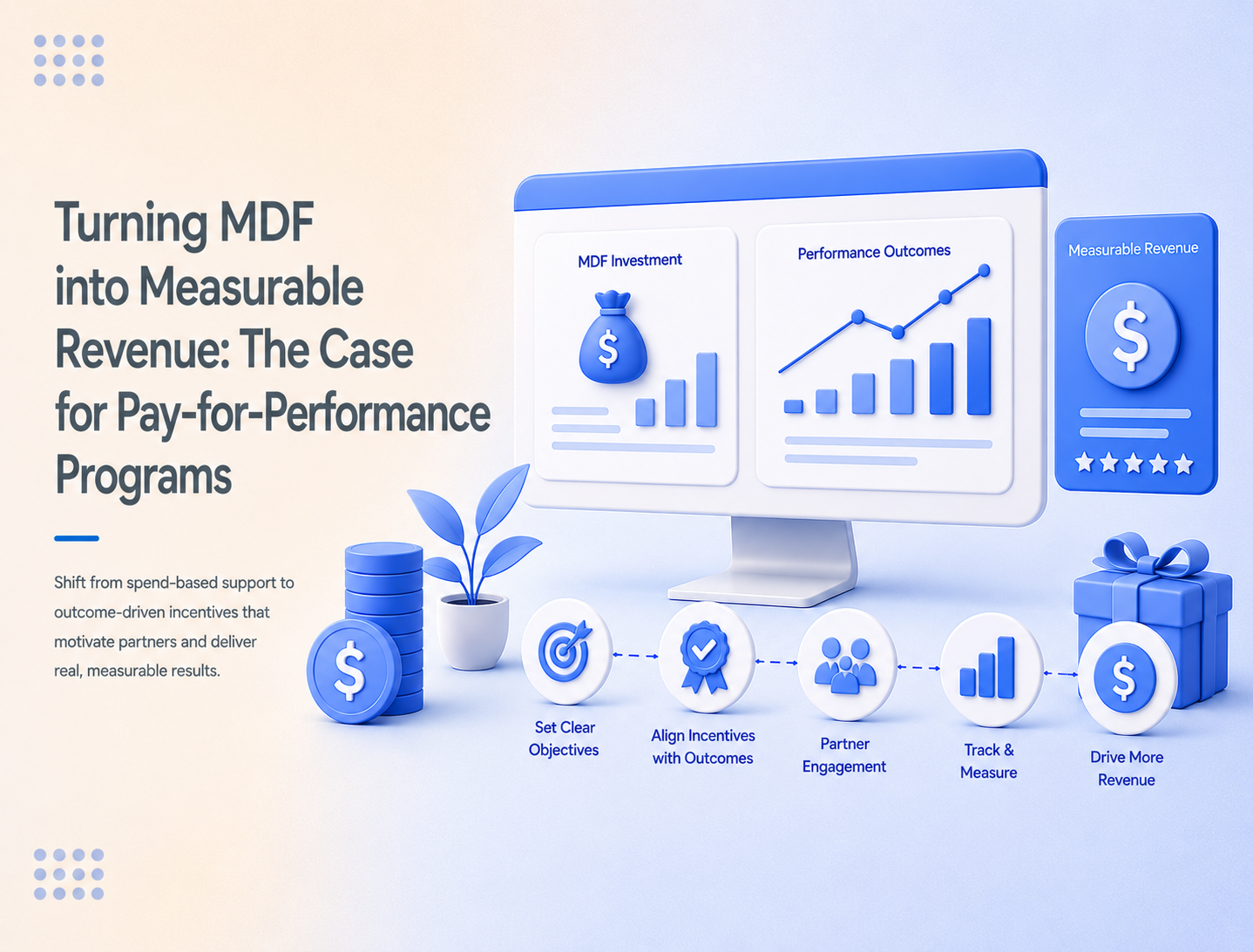
Turning MDF into Measurable Revenue: The Case for Pay-for-Performance Programs
Channel Marketing


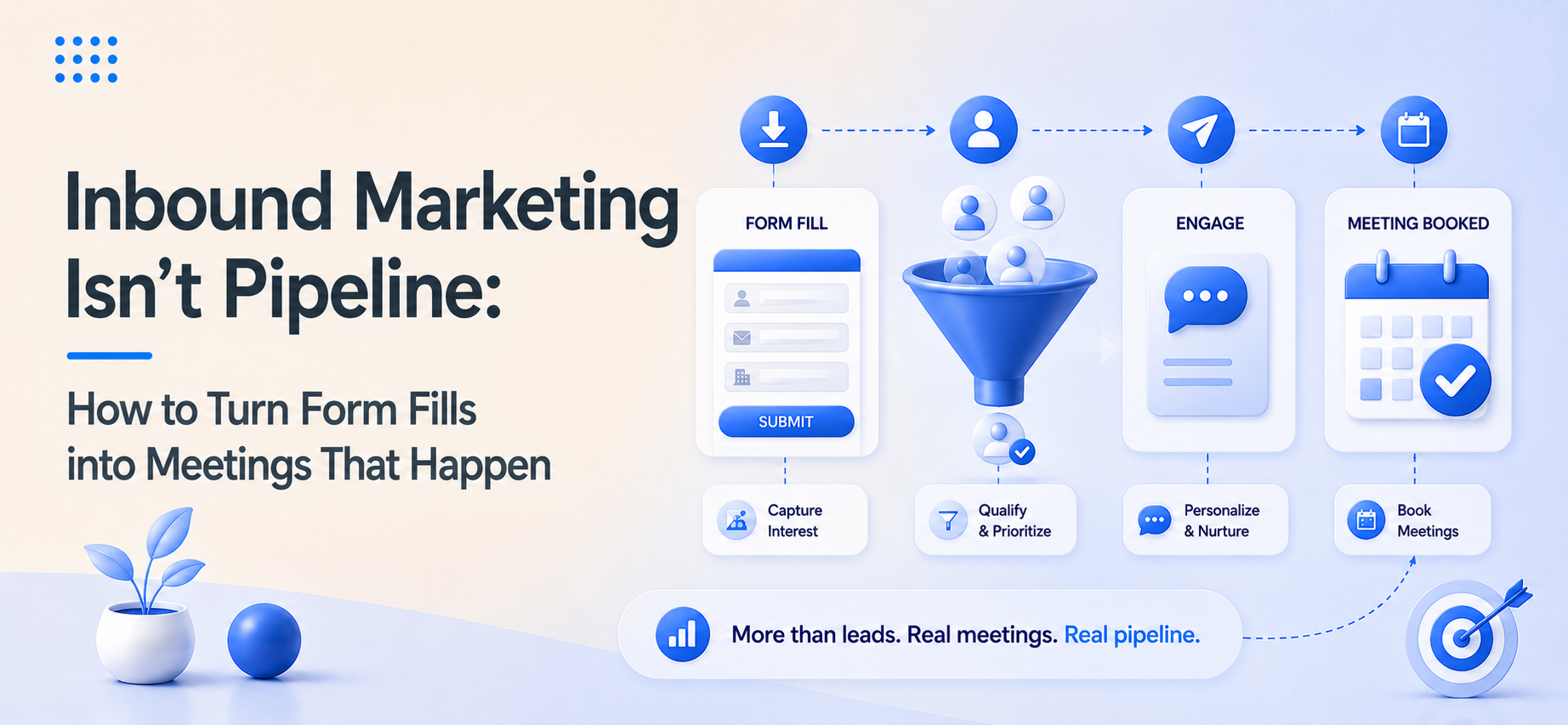
Inbound leads feel like progress—until sales can’t get a real conversation. This post breaks down why form fills stall, what “qualified” actually needs to include, and how demand gen teams turn inbound interest into meetings that occur (with director-level stakeholders) using a pay-for-performance approach.
-
Demand Generation & Pipeline
Introduction
Inbound marketing is supposed to be the cleanest path to pipeline: someone finds you, raises their hand, and the rest should be execution.
But most demand gen leaders have lived the reality: form fills spike, MQL volume looks healthy, and the pipeline report barely moves. Sales says the leads aren’t ready. Marketing says they’re engaged. RevOps says routing is working “as designed.” Everyone is technically right—and the business still misses the number.
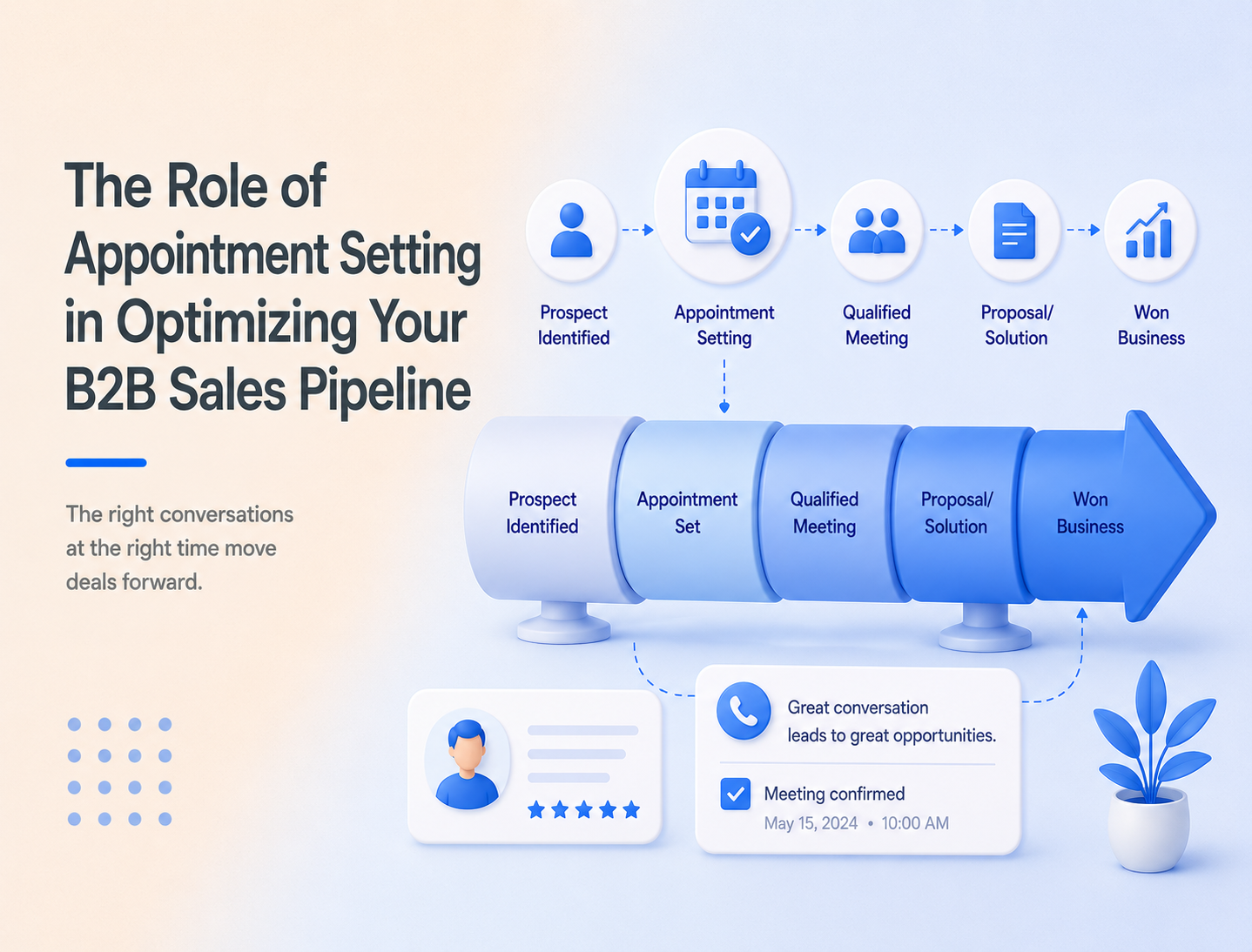
The gap is simple: inbound creates signals. Pipeline requires conversations. And in enterprise, “conversation” doesn’t mean an email reply—it means a meeting that actually occurs with the right stakeholders and a next step sales accepts.
This is the playbook for turning inbound interest into meetings that happen—without burning SDR time, without over-scoring junk engagement, and without paying for activity that never turns into revenue.
What “Inbound Marketing Isn’t Pipeline” Means for Demand Gen Leaders
Inbound marketing is the engine that generates intent indicators: downloads, webinar registrations, demo requests, pricing page visits, chatbot interactions, and contact-us forms.
Pipeline is what happens when those indicators convert into:
In other words, inbound is the spark. Pipeline is the controlled burn.
For demand gen leaders, this matters because “inbound” performance is often reported in volume metrics (leads, MQLs, CPL), while sales performance is reported in outcomes (meetings held, opportunities created, pipeline value). If your hand-raisers don’t reliably become held meetings, you’re optimizing the wrong scoreboard.
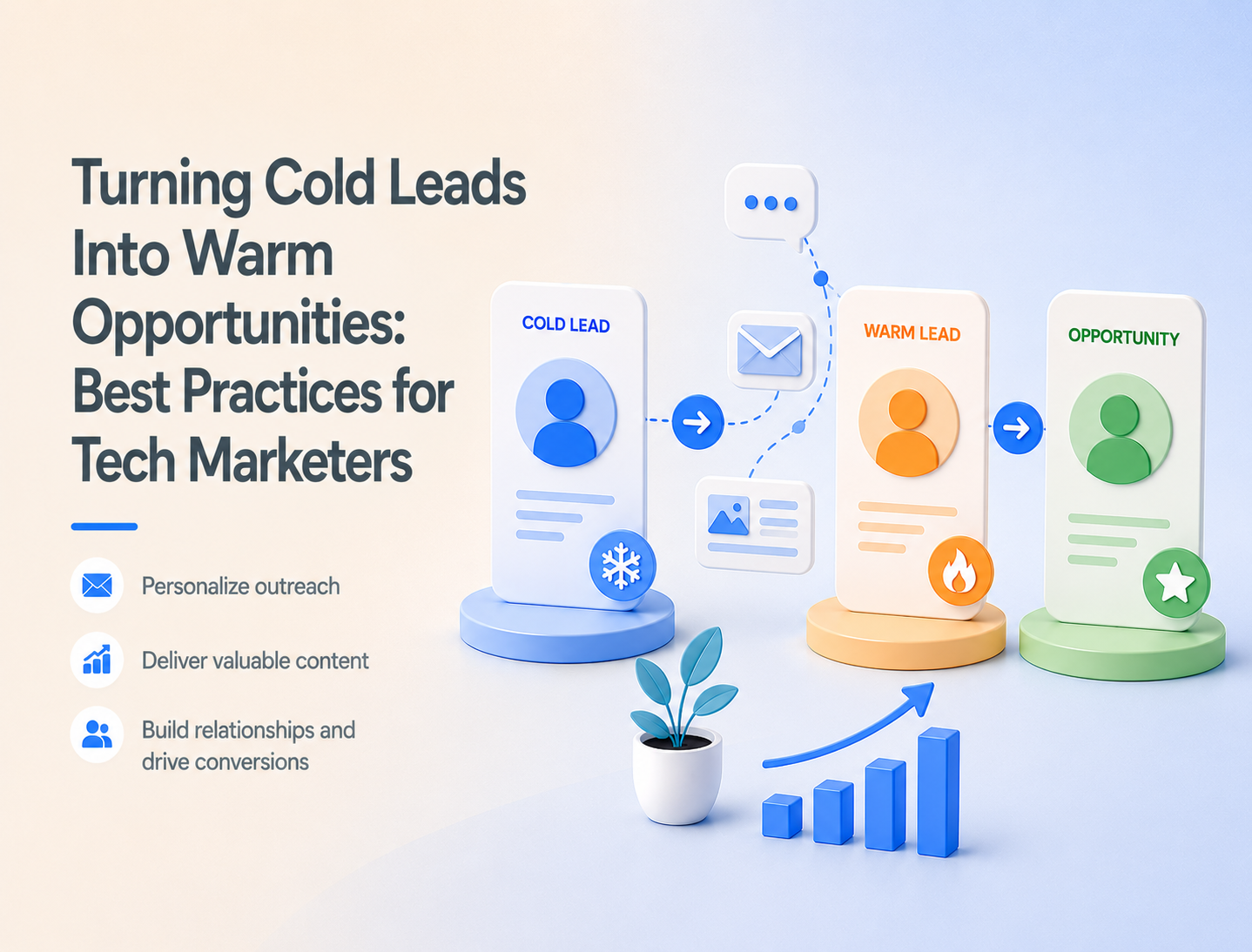
That’s why high-performing teams treat inbound not as a channel to “generate leads,” but as a channel to produce qualified conversations—and they build a system to make that conversion repeatable.
Common Challenges Marketers Face
The “form fill illusion”
A form fill feels like intent, but it often represents curiosity, vendor research, competitive comparison, student traffic, or internal enablement. When those get routed as “ready,” sales learns to ignore inbound.
Time kills inbound
Inbound intent has a shelf life. If a high-value hand-raiser waits hours (or days) for outreach, you’re not “following up”—you’re re-prospecting cold.
Lead qualification becomes a checkbox
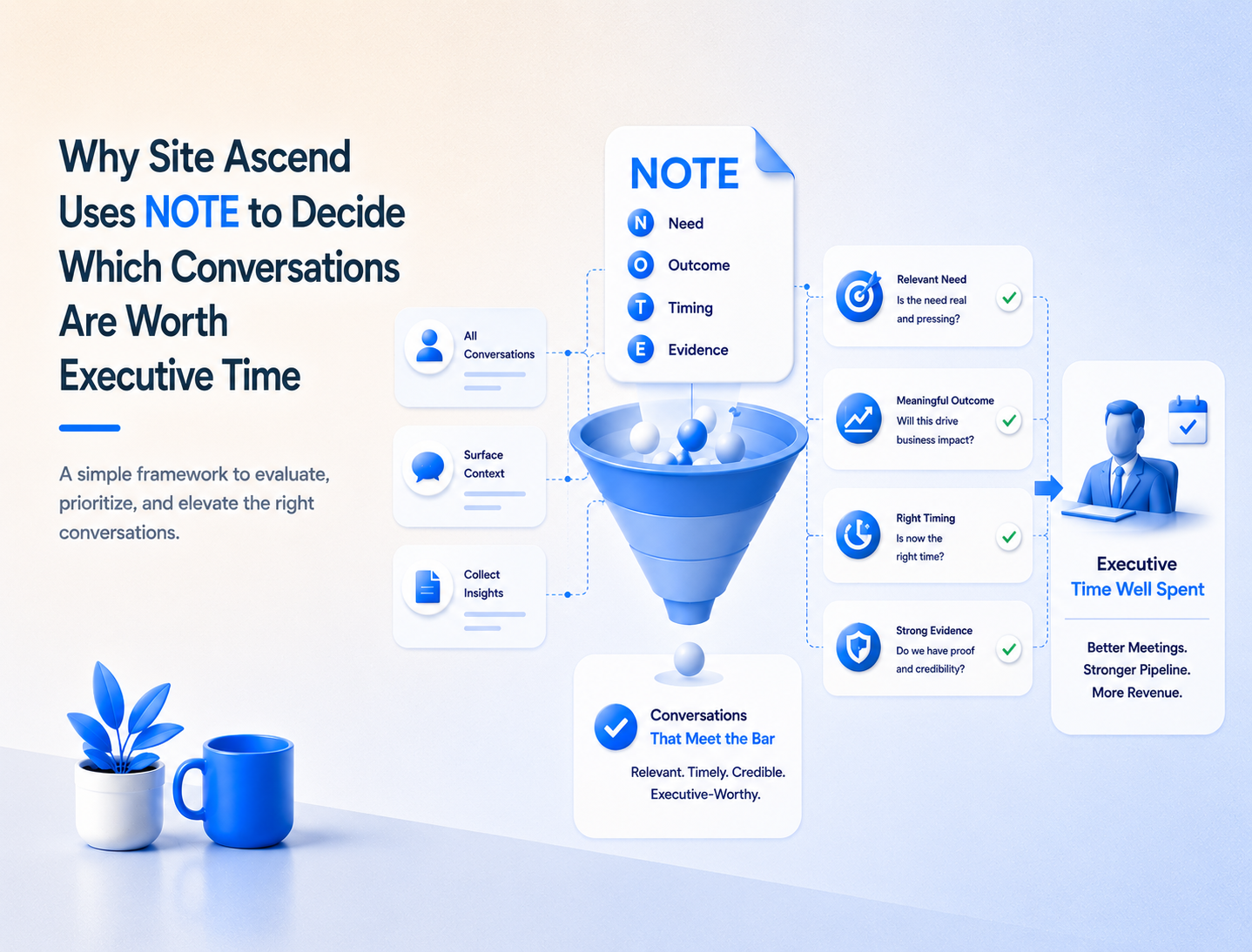
Many teams rely on scoring, titles, or firmographics alone. But enterprise buying committees don’t move because someone downloaded a PDF. They move when urgency, stakeholders, and next steps are real.
SDR time gets consumed by low-return follow-up
When SDRs are assigned to “work inbound,” they often get buried in administrative chasing: call attempts on unresponsive leads, email sequences that stall, and meeting no-shows that look like activity but don’t create outcomes.
Meetings get booked but don’t happen
Even when a meeting lands on the calendar, it can still fail: wrong attendee, unclear agenda, no business problem, or no commitment to a next step.



.png)

%201.png)


.png)


Solutions That Work
A conversion system that consistently turns inbound into held meetings has four parts. This is where Site Ascend fits—because our programs are built around outcomes (meetings that occur), not just outreach effort.
1) Upgrade “speed-to-lead” into “speed-to-conversation”
Fast response matters, but not just fast emails. In enterprise, speed-to-lead needs to be paired with a channel that actually connects.
Site Ascend’s approach uses U.S.-based outbound dialing to reach prospects directly and confirm real buying context. For event marketing support, we pair dialing with an SMS workflow through the event date to reduce drop-off and improve attendance (we focus on driving registrants—not day-of event services).
2) Qualify for a meeting that holds, not a meeting that books
The goal isn’t “get something on the calendar.” The goal is “get the right person to show up and agree on what happens next.”
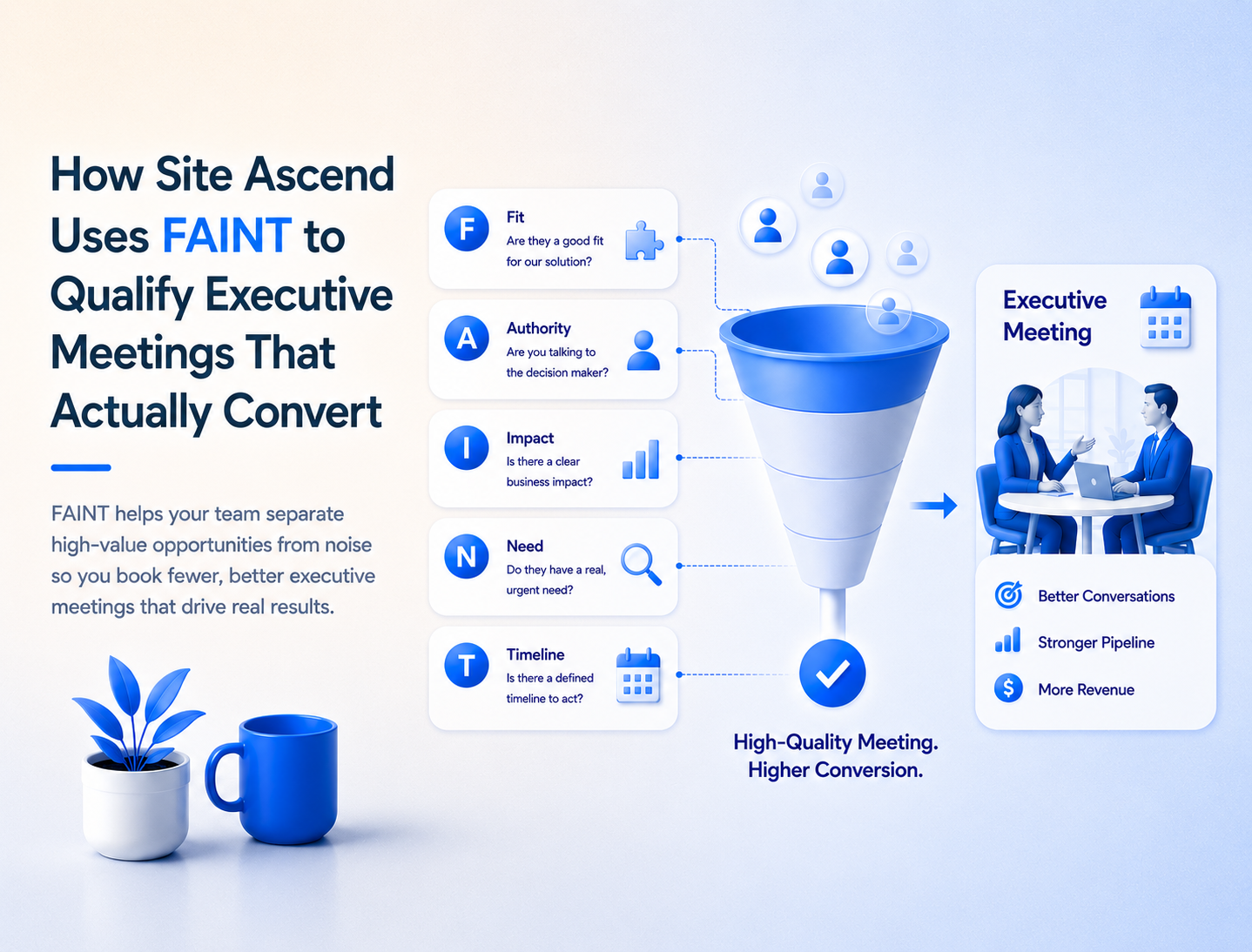
Site Ascend’s Lead Qualification program converts opt-in leads (like inbound form fills) into qualified sales meetings by validating the details that determine whether a second conversation is likely:
3) Put director+ conversations back at the center
Enterprise pipeline doesn’t move when a single contact is “interested.” It moves when someone with scope and ownership engages.
Site Ascend’s Executive Meetings program is built to secure 30-minute virtual meetings with director-level and above stakeholders in target accounts—so demand gen can stop counting “leads” and start producing sales-ready conversations.
4) Measure the right unit of value: meetings that occur
If you pay for activity, you’ll get activity. If you pay for meetings booked, you’ll get calendars filled. If you pay for meetings that occur, you’re aligned to the only unit that can reliably become pipeline.
One of Site Ascend’s core advantages is simple: you only pay for meetings that occur—so your spend tracks outcomes, not promises.
Actionable Steps for Marketers
Here’s a practical checklist you can use to audit your inbound-to-meeting conversion this week:
Inbound-to-Meeting Audit Checklist
If you want to operationalize this without adding headcount, Site Ascend can run the qualification and meeting conversion layer—so your inbound program produces held meetings with the right context attached.
Comparison of Market Solutions
Most teams try to solve the inbound-to-pipeline gap in one of three ways.
Option 1: Handle it entirely in-house
This is the default: SDRs work inbound queues, sales works “hot leads,” and marketing tweaks scoring to increase acceptance.
When it works, it’s because you have:
Where it breaks is predictable: volume spikes, response slows, quality varies by rep, and “inbound” becomes a chore that gets deprioritized behind outbound or active opportunities.
Option 2: Outsource activity
Some teams bring in support that promises a lot of touches—emails sent, calls attempted, sequences launched. You get reporting, but you don’t always get outcomes.
Activity-based outsourcing often struggles with:
Option 3: Outsource outcomes
This is the model Site Ascend is built for.
Instead of paying for attempts, you pay for meetings that occur, with a focus on director-level and above stakeholders. Outreach can be run white-labeled when needed (especially in channel motions), and you can track results in a real-time reporting dashboard.
For demand gen leaders, the advantage is clarity: inbound is no longer “lead volume” you hope sales will work. It becomes a predictable engine that produces held conversations sales can advance.
Conclusion
Inbound marketing is powerful—but only when it’s connected to a system that converts signals into real conversations.
If you want form fills to translate into pipeline, tighten your definition of “qualified,” protect sales time with a conversion layer, and measure success in meetings that occur—not activity.
When you’re ready to turn inbound interest into outcomes, Site Ascend can help you run a pilot that converts your opt-in leads into qualified meetings with the stakeholders that move deals forward.
Why do inbound leads stall after they’re routed to sales?

What’s the difference between a booked meeting and a meeting that occurs?
How can marketing improve inbound-to-pipeline without hiring more SDRs?


Start your pilot campaign today and explore the full range of Site Ascend's demand generation capabilities. Experience firsthand how we can enhance your efficiency, streamline your processes, and drive growth.
RELATED