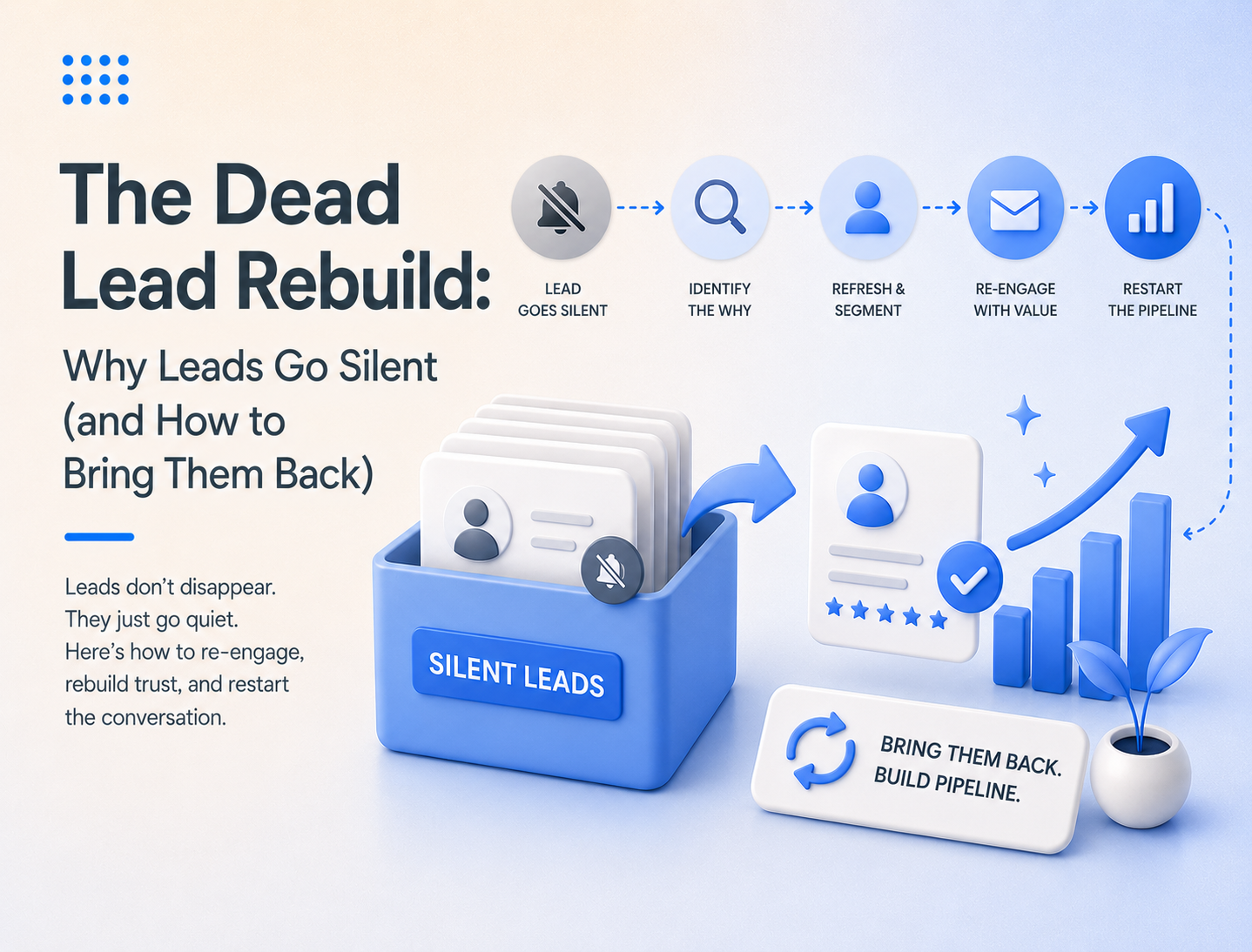
The Dead Lead Rebuild: Why Leads Go Silent (and How to Bring Them Back)
Pipeline Recovery


Why enterprise co-sell programs stall at lead handoffs—and how Site Ascend turns partner intent, MDF, and account alignment into director-level meetings sales teams actually accept.
-
Enterprise Channel & Partner Marketing

Introduction
Enterprise co-sell motions rarely fail because partners lack interest. They fail because interest doesn’t convert into a shared, scheduled next step.
Demand gen teams can generate partner-sourced leads all day—through MDF campaigns, webinars, marketplaces, intent platforms, and ABM plays—yet still get the same feedback from sales: “These aren’t real. They’re not ready. They’re not the right person.” Meanwhile, partners ask for proof of impact, pipeline influence, and repeatable execution—not another “lead list.”
This is where most enterprise co-sell breaks: the operational layer between “signal” and “sales conversation.” Site Ascend exists to run that layer. We don’t sell leads. We deliver outcomes—meetings that occur—with director-level and above stakeholders inside your target accounts. And we do it through a model enterprise revenue teams can actually defend: you only pay for the meetings that happen, supported by real-time reporting and executed by a U.S.-based contact center.
This blog lays out what enterprise co-sell should look like when it’s built for pipeline, not activity—and how to operationalize partner plays with Site Ascend’s Executive Meetings, Channel Marketing, Event Marketing, and Lead Qualification programs.
What “Enterprise Co-Sell” Should Mean for Pipeline-Marketers
In practice, “co-sell” gets used as a catch-all for partner activity. But for enterprise pipeline owners, co-sell should have a narrow definition:
Enterprise co-sell is a repeatable system that converts shared accounts into scheduled conversations with the right decision-makers—without creating friction for sales or the partner.
That definition matters because enterprise deal cycles punish vague outcomes. If marketing can’t convert partner motion into meetings, the program is not a co-sell engine—it’s a reporting exercise.
A co-sell program that works at enterprise scale needs four operational guarantees:
Site Ascend is built to provide those guarantees—especially when your internal SDR capacity is constrained or your partner teams need a white-labeled execution arm.
Common Challenges Marketers Face in Enterprise Co-Sell
1) “Partner-sourced leads” aren’t sales-ready
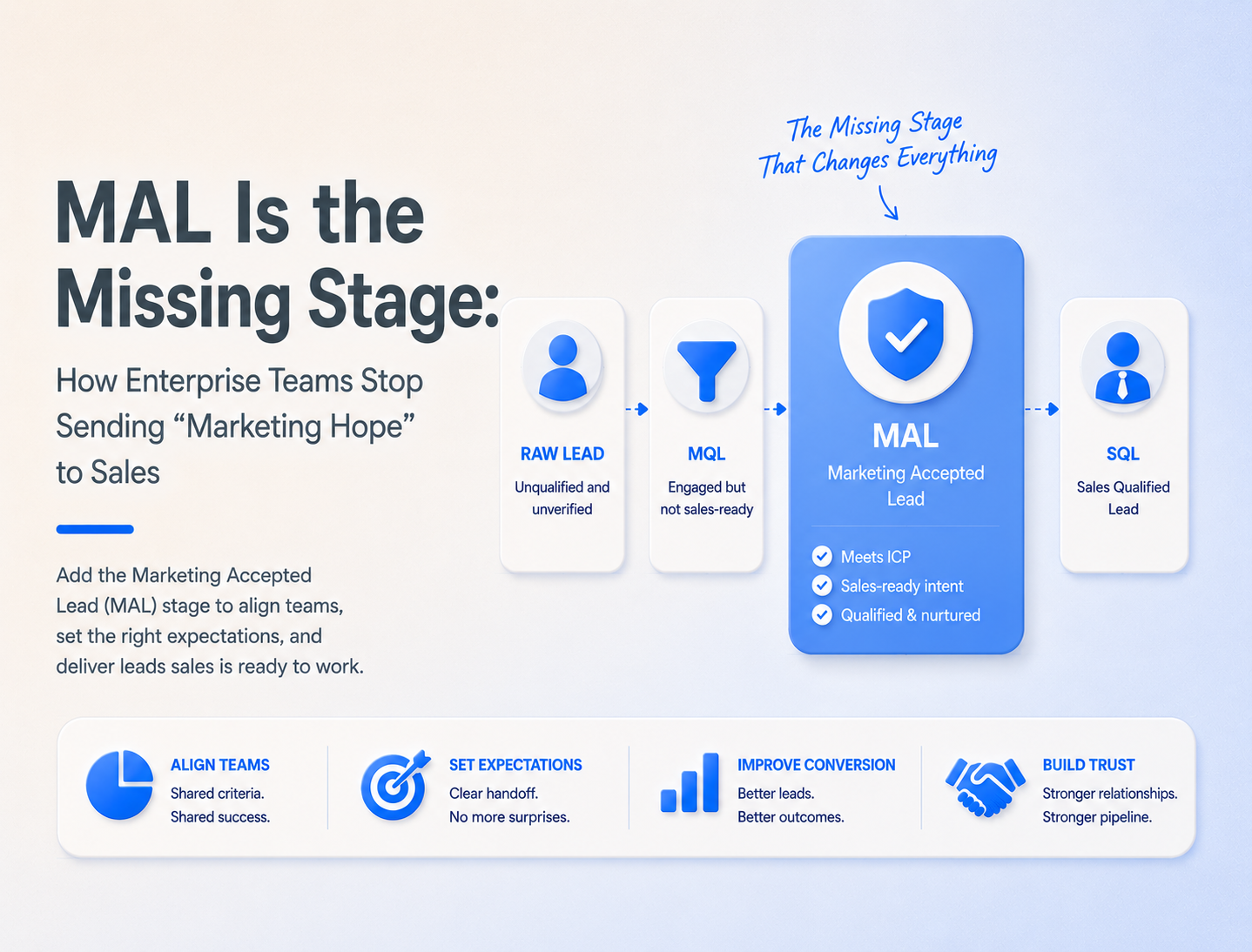
Enterprise partner leads often come in with missing context: no verified stakeholder, unclear project window, and no defined next step. Sales isn’t wrong to hesitate—especially when the title is junior or the account isn’t truly in-market.
What breaks: lead quality, sales confidence, and SLA compliance.
What it costs: time, trust, and partner momentum.
2) There’s no operational bridge between partner signal and meeting
Even when the account is right, most teams lack the outreach engine to take action quickly. The result is predictable: intent decays, interest fades, internal priorities shift.
What breaks: conversion speed.
What it costs: pipeline velocity.
3) Follow-up is inconsistent, especially after events
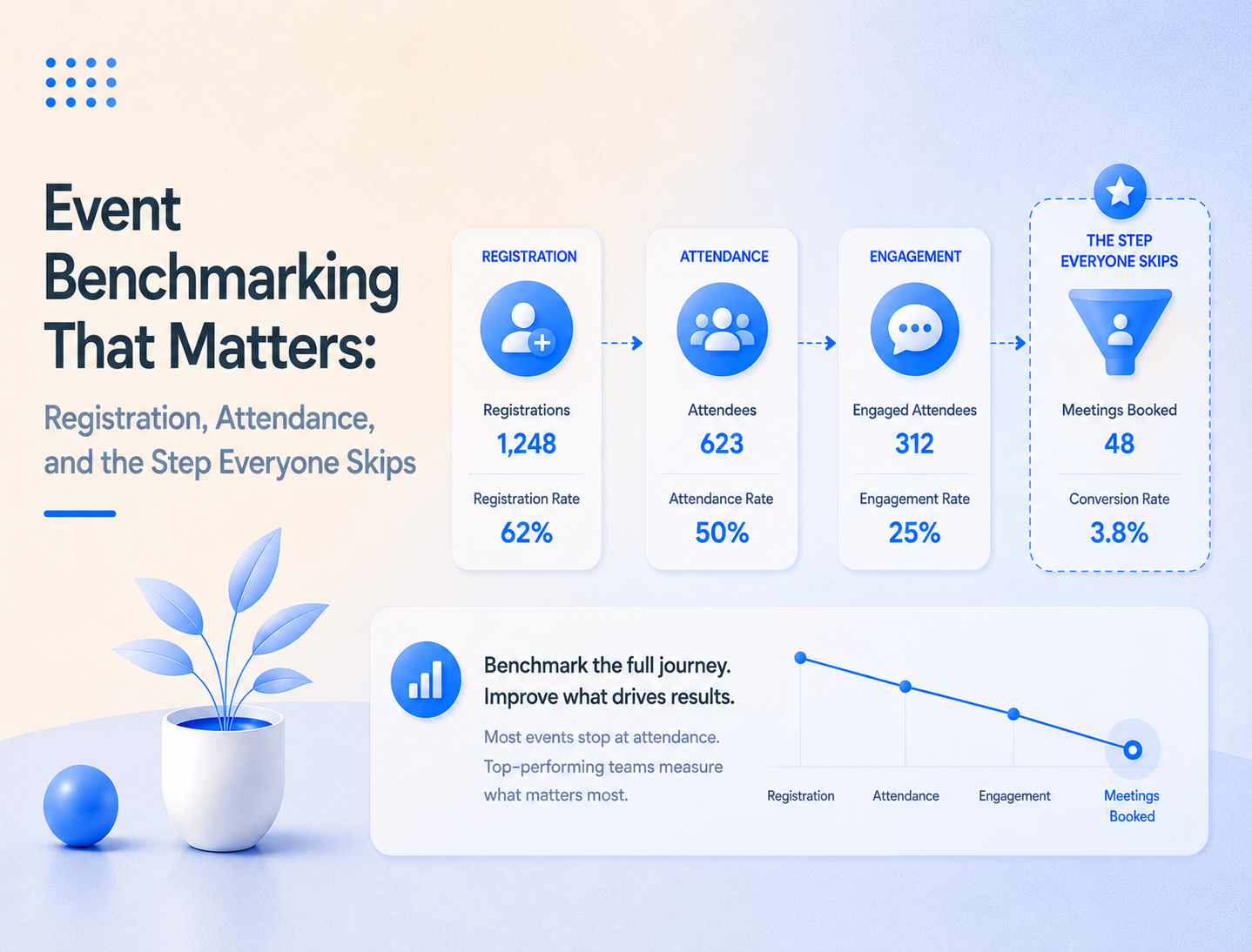
Partner webinars, field events, and sponsored experiences are prime co-sell moments—yet the “post-event” plan is usually a short email sequence and a list handoff. That’s not enough to produce meetings with enterprise stakeholders.
What breaks: attendance-to-meeting conversion.
What it costs: event ROI credibility.
4) Sales friction escalates when the program feels like extra work
If sales has to research every lead, fix routing, chase partners for context, or clean CRM records, they’ll disengage. Co-sell becomes a political program instead of a pipeline lever.
What breaks: internal adoption.
What it costs: program longevity.
5) Partners want outcomes, but most teams can only report activity
Partners don’t renew MDF collaboration based on “emails sent.” They want evidence of market engagement that influences pipeline.
What breaks: partner confidence.
What it costs: future MDF and strategic alignment.



.png)

%201.png)


.png)


Solutions That Work
Site Ascend’s programs map directly to the enterprise co-sell conversion path. Not as “tactics,” but as operational infrastructure that converts partner motion into scheduled conversations.
Executive Meetings: Director+ conversations in target accounts
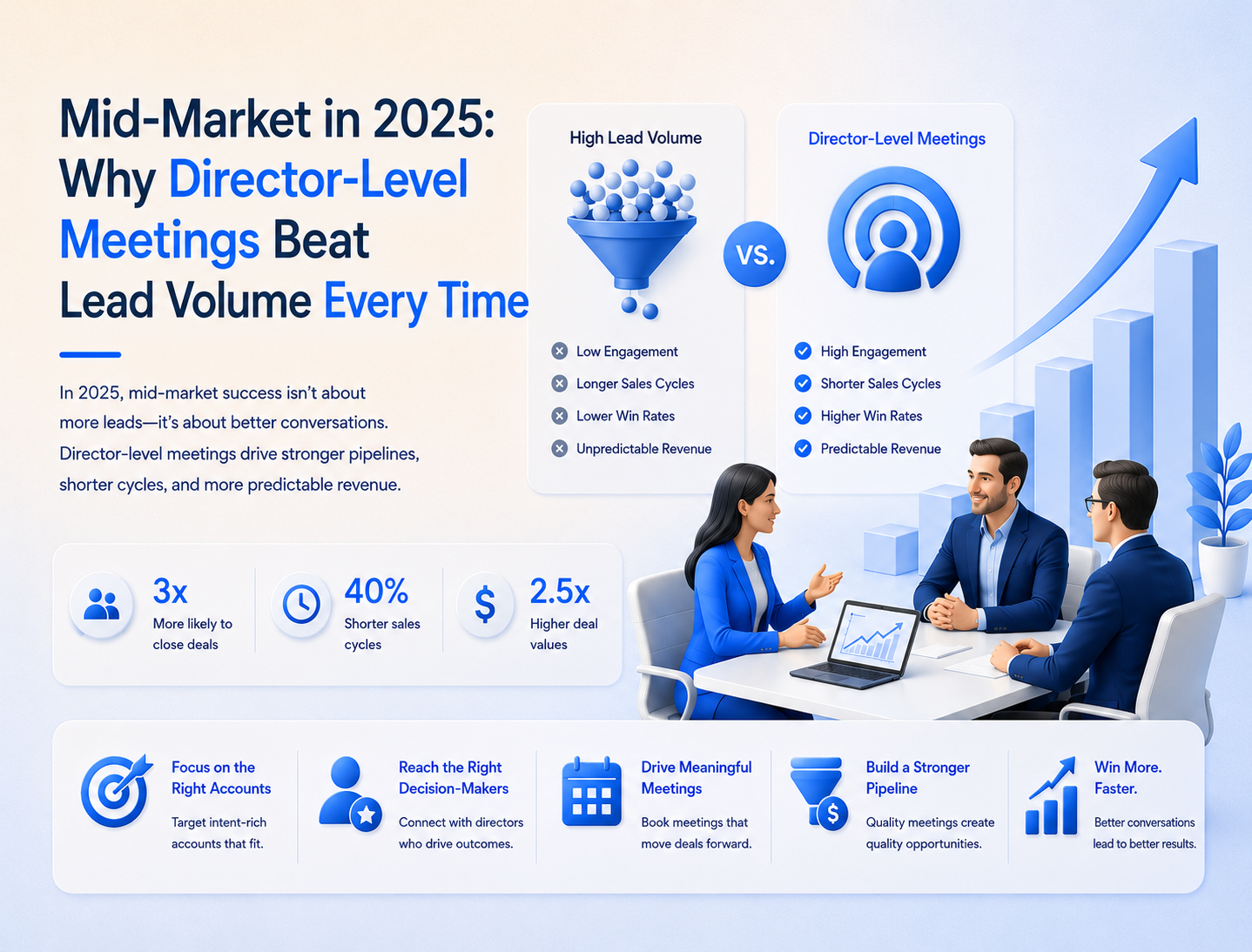
When you need enterprise pipeline, the deliverable that matters is a real conversation—not a lead record. Site Ascend books 30-minute virtual meetings with director-level and above stakeholders inside your target accounts.
How this solves co-sell problems:
Channel Marketing: White-labeled appointment setting funded by MDF
Partner teams often have MDF but limited execution capacity. Site Ascend’s channel marketing program can run white-labeled appointment setting on behalf of your partners, aligning to joint priorities while preserving the partner’s brand and motion.
How this solves co-sell problems:
Event Marketing: Attendee procurement that’s built for conversion
Most “event marketing” vendors focus on day-of services. Site Ascend focuses earlier—on what enterprise marketers actually need: registrants who show up and can progress into pipeline.
What makes this different:
How this supports co-sell:
Lead Qualification: Converting opt-ins into qualified sales meetings
Enterprise teams generate opt-ins constantly—content downloads, webinar registrations, partner referrals. The breakdown happens when those opt-ins aren’t converted into real conversations.
Site Ascend’s lead qualification program focuses on:
How this supports co-sell:
The differentiators that matter in enterprise execution
Site Ascend is not trying to be “another SDR team.” The model is engineered for enterprise accountability:
Actionable Steps for Marketers
If you want partner plays to create enterprise pipeline—not just engagement—use this checklist to pressure-test your execution.
Co-sell conversion checklist (built for meetings)
This is precisely where Site Ascend can be plugged in: as the execution engine that ensures your co-sell program produces meetings—not just workflow.
Comparison of Market Solutions
Enterprise teams usually choose one of three approaches to co-sell execution. Each has tradeoffs.
Example 1: The Procurement View
Outcome #1: Reduce performance risk
Outcome #2: Protect stakeholder time and internal capacity
Outcome #3: Improve auditability and accountability
Conclusion
Enterprise co-sell is not a lead program. It’s a conversion program. And conversion is only real when it produces a scheduled conversation with the right stakeholder.
If your current partner motion generates engagement but stalls before meetings, the issue is not the platform, the partner, or even your targeting. It’s the missing operational layer between signal and conversation: follow-up capacity, stakeholder verification, and outcome-based execution.
Site Ascend provides that layer through Executive Meetings, Channel Marketing, Event Marketing attendee procurement, and Lead Qualification—designed around one deliverable enterprise teams can trust: meetings that occur.
If you want to pilot a co-sell motion that reduces lead risk, increases sales acceptance, and turns partner activity into real pipeline, start with a narrow account set and measure one thing: attended meetings with director-level and above stakeholders. That’s where co-sell becomes scalable. Start a pilot with Site Ascend.
What’s the difference between a partner lead and a co-sell meeting?

How do you prevent sales friction when marketing drives partner outreach?
Where does Site Ascend fit—marketing, sales, or partner teams?


Start your pilot campaign today and explore the full range of Site Ascend's demand generation capabilities. Experience firsthand how we can enhance your efficiency, streamline your processes, and drive growth.