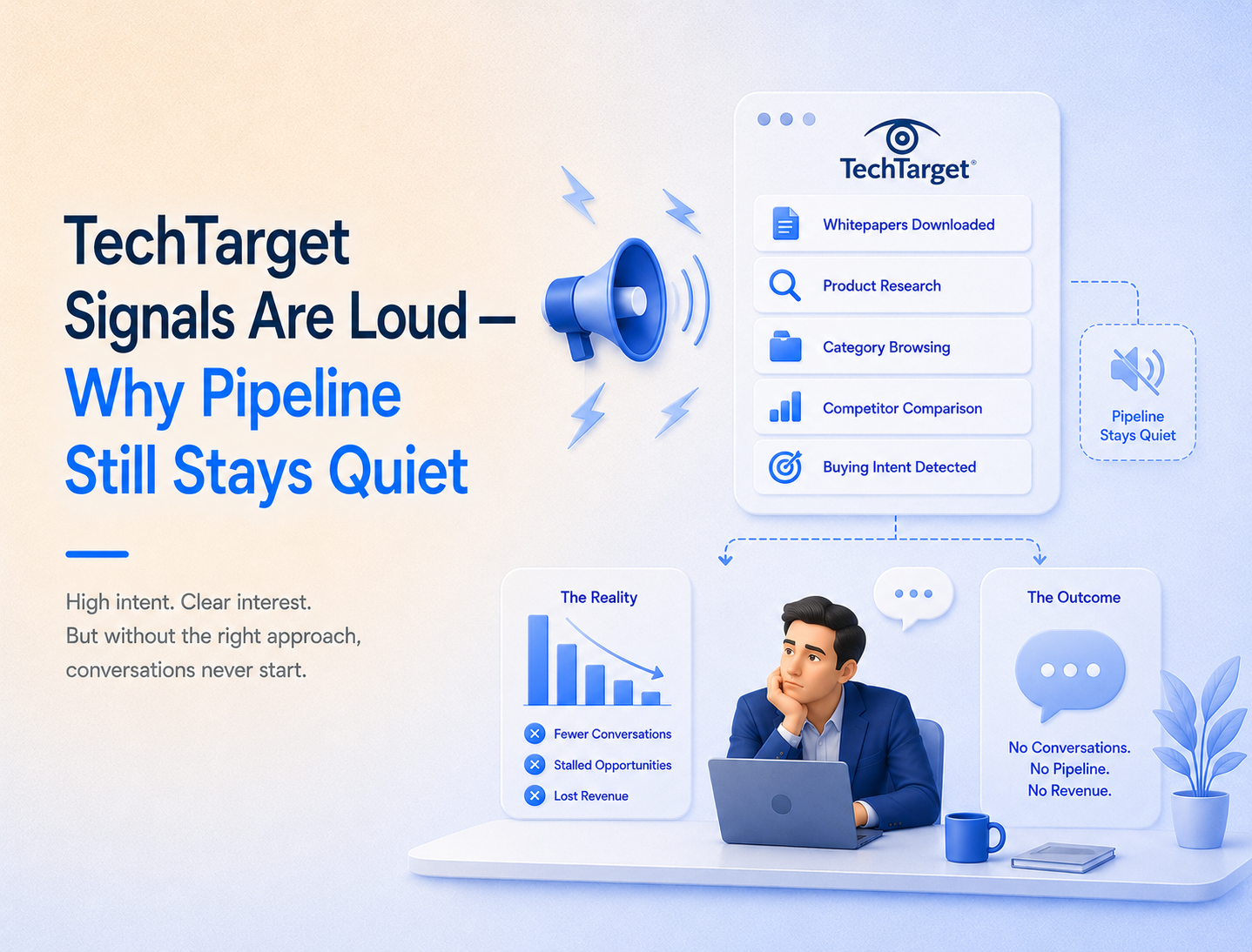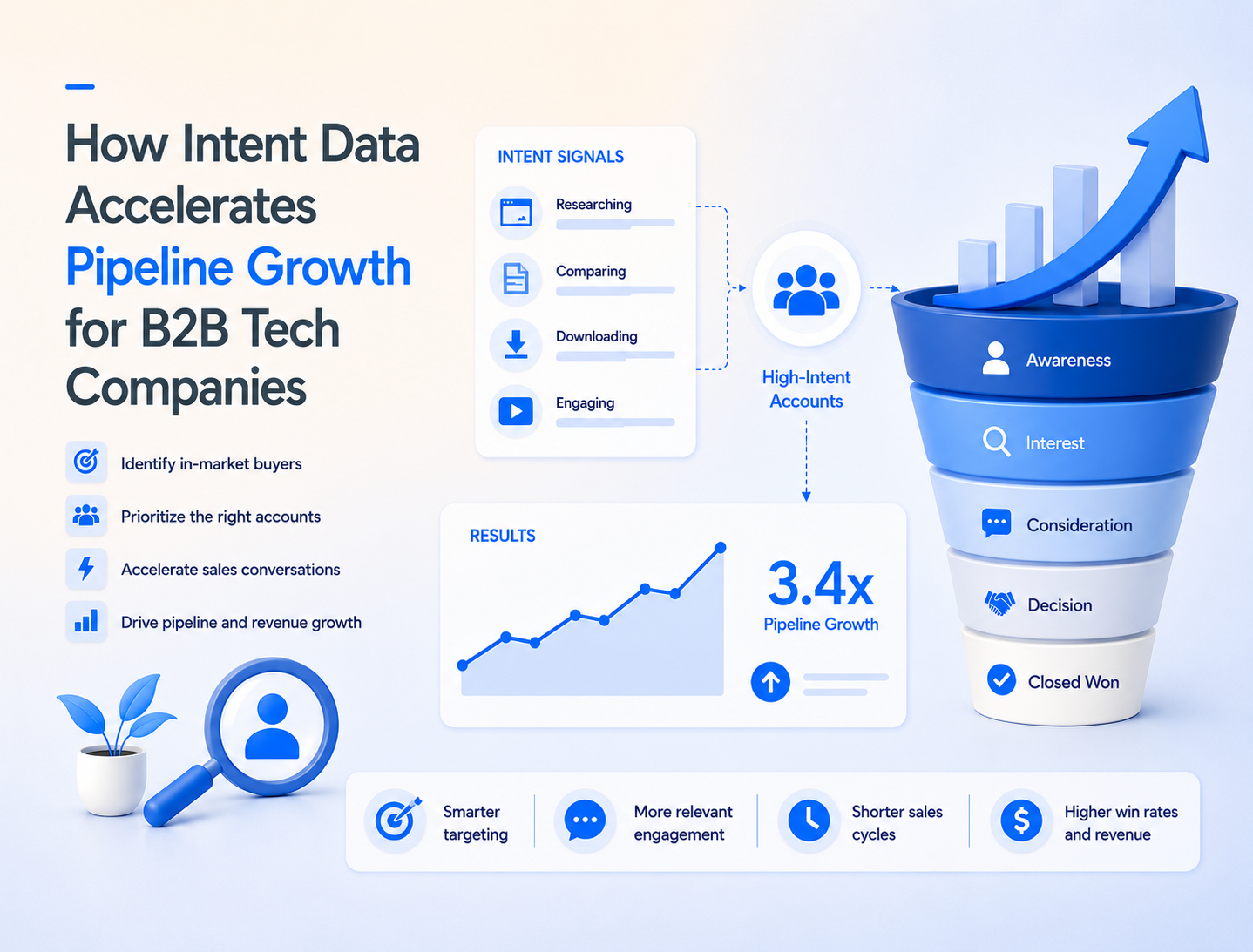
How Intent Data Accelerates Pipeline Growth for B2B Tech Companies
Demand Generation & Pipeline Acceleration


Leadflow only works when it ends in real conversations. This blog breaks down why lead lists and activity metrics fall short—and how Site Ascend turns systemized leadflow into director-level meetings that actually happen.
-
Demand Generation
Introduction
“Leadflow” gets treated like a commodity: more names in, more pipeline out.
But demand gen leaders at tech companies know the truth—especially when you’re chasing director+ buyers. Leadflow isn’t a list. It’s a system. And when the system breaks, you don’t just lose leads—you lose timing, credibility with sales, and the right to ask for more budget.
In 2025, the teams that consistently create pipeline aren’t the ones generating the most inbound activity. They’re the ones that can reliably convert intent—at the account level—into real conversations with decision-makers.
That’s where Site Ascend fits: not as “more outreach,” but as the performance layer that turns leadflow into director-level meetings that actually happen.
What Leadflow Means for Demand Generation Marketers
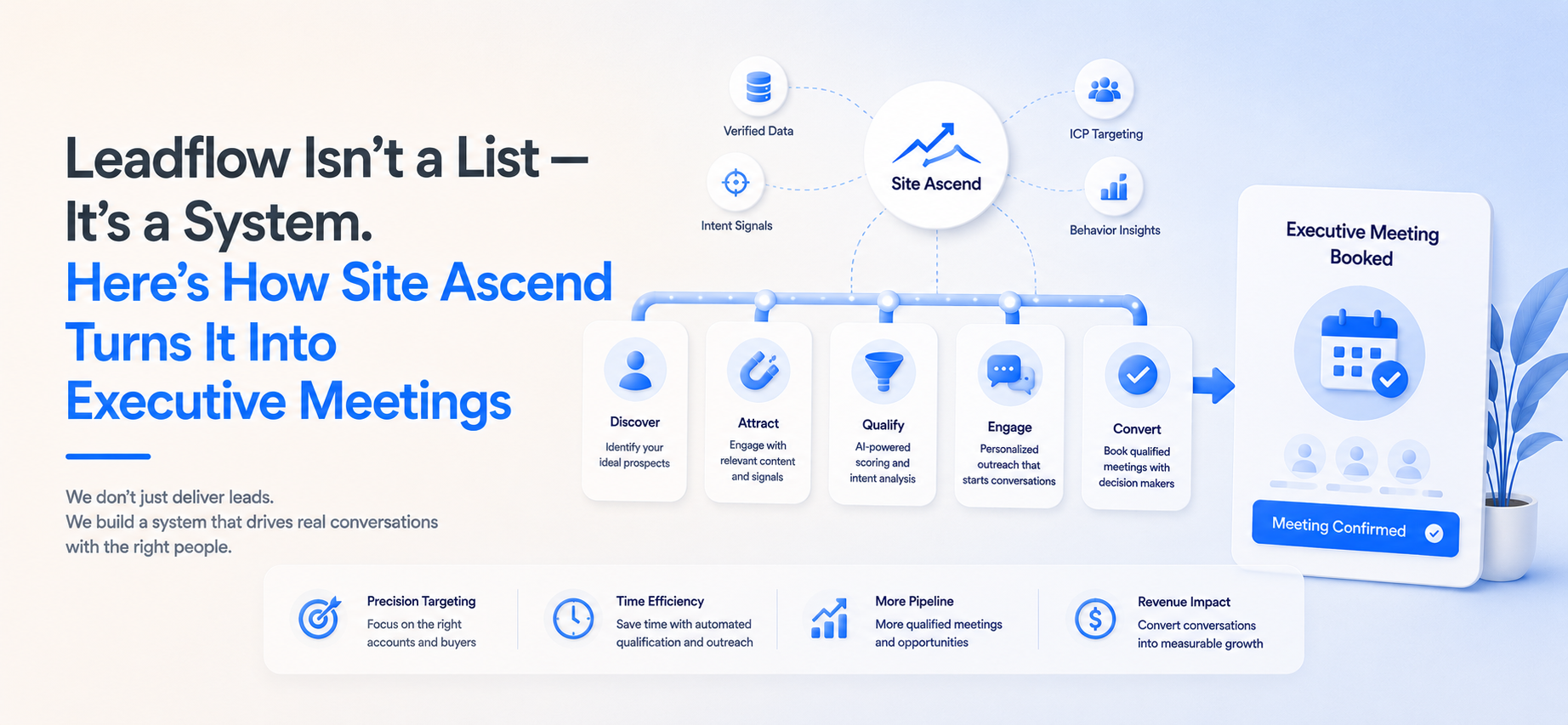
Leadflow is the end-to-end movement of potential buyers from “reachable” to “in a conversation.” Not just captured. Not just scored. Not just routed.
In practice, leadflow is a chain of handoffs:
A target account shows interest → the right person is identified → outreach reaches them → a business conversation happens → a meeting is scheduled → the meeting occurs.
If you’re accountable for pipeline, you don’t get credit for the early links in that chain. You get credit for the last two.
That’s why leadflow matters so much for VP/Director of Demand Gen, ABM, Field, Partner, and Revenue Marketing leaders: it’s the difference between activity and outcome.
Common Challenges Marketers Face
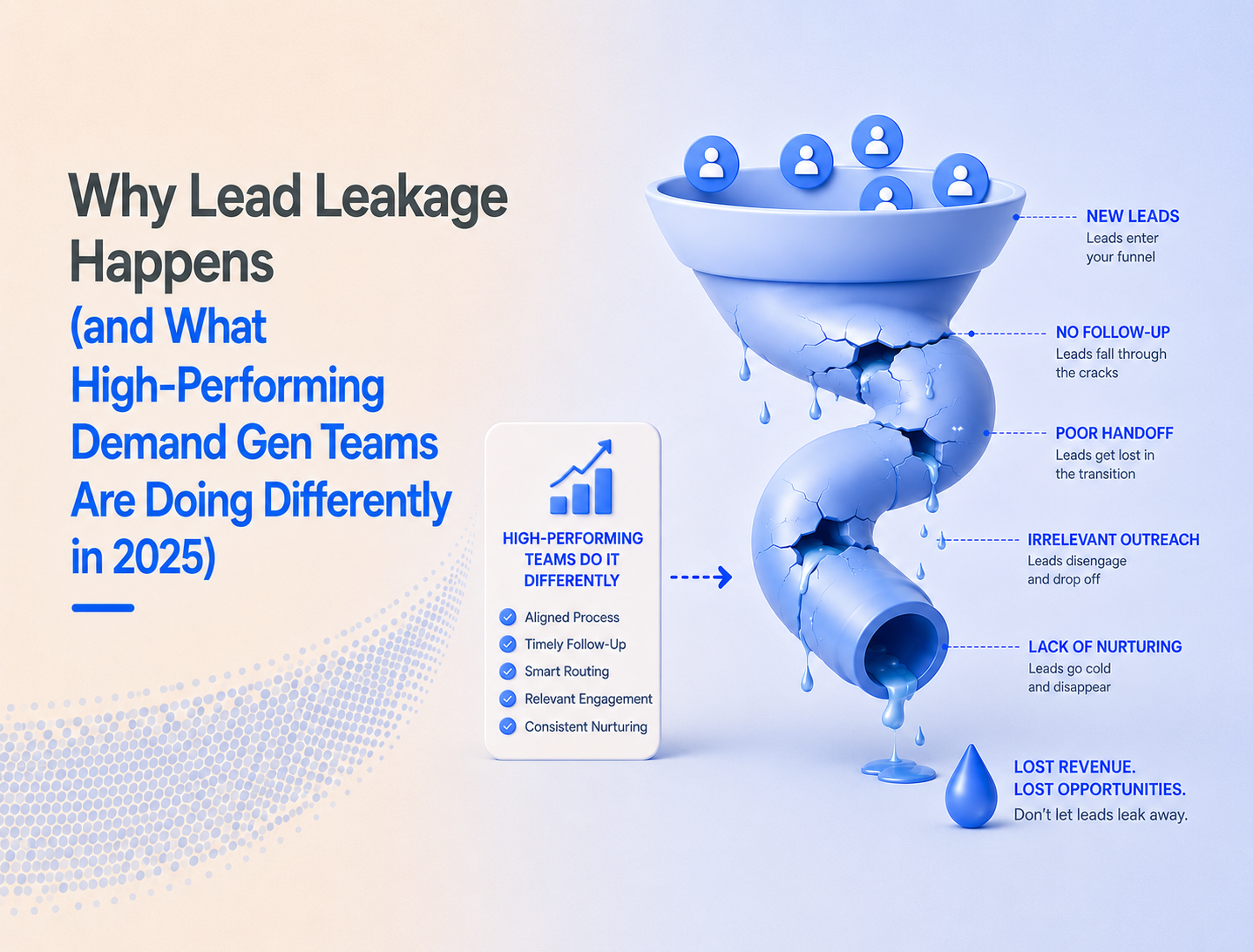
Most “leadflow problems” don’t show up as a single failure. They show up as drift—small breakdowns that compound until your funnel looks active but feels quiet.
Here’s what that looks like in the real world:
Leadflow becomes lead storage
Marketing captures contacts, enriches data, assigns ownership, and logs the activity… but nothing converts because nobody is accountable for turning interest into a scheduled conversation.
Fast follow-up is promised, but not delivered
The most expensive leak in leadflow is time. When the first human touch happens days later—or never—director-level buyers move on, delegate, or disappear.
The wrong people get the first outreach
If your first conversations are happening below the decision layer, you can rack up “connects” and still lose the deal later. Director+ access isn’t a nice-to-have in 2025—it’s the difference between a pipeline opportunity and a stalled evaluation.
Sales doesn’t trust the flow
When meetings don’t hold, or when attendees aren’t actually decision-makers, the system loses credibility. The next time you ask for follow-up, you get less effort and more skepticism.



.png)

%201.png)


.png)


Solutions That Work
Fixing leadflow doesn’t mean adding more tools. It means adding a performance mechanism that makes the last mile predictable.
Site Ascend was built for that last mile.
Executive Meetings that happen
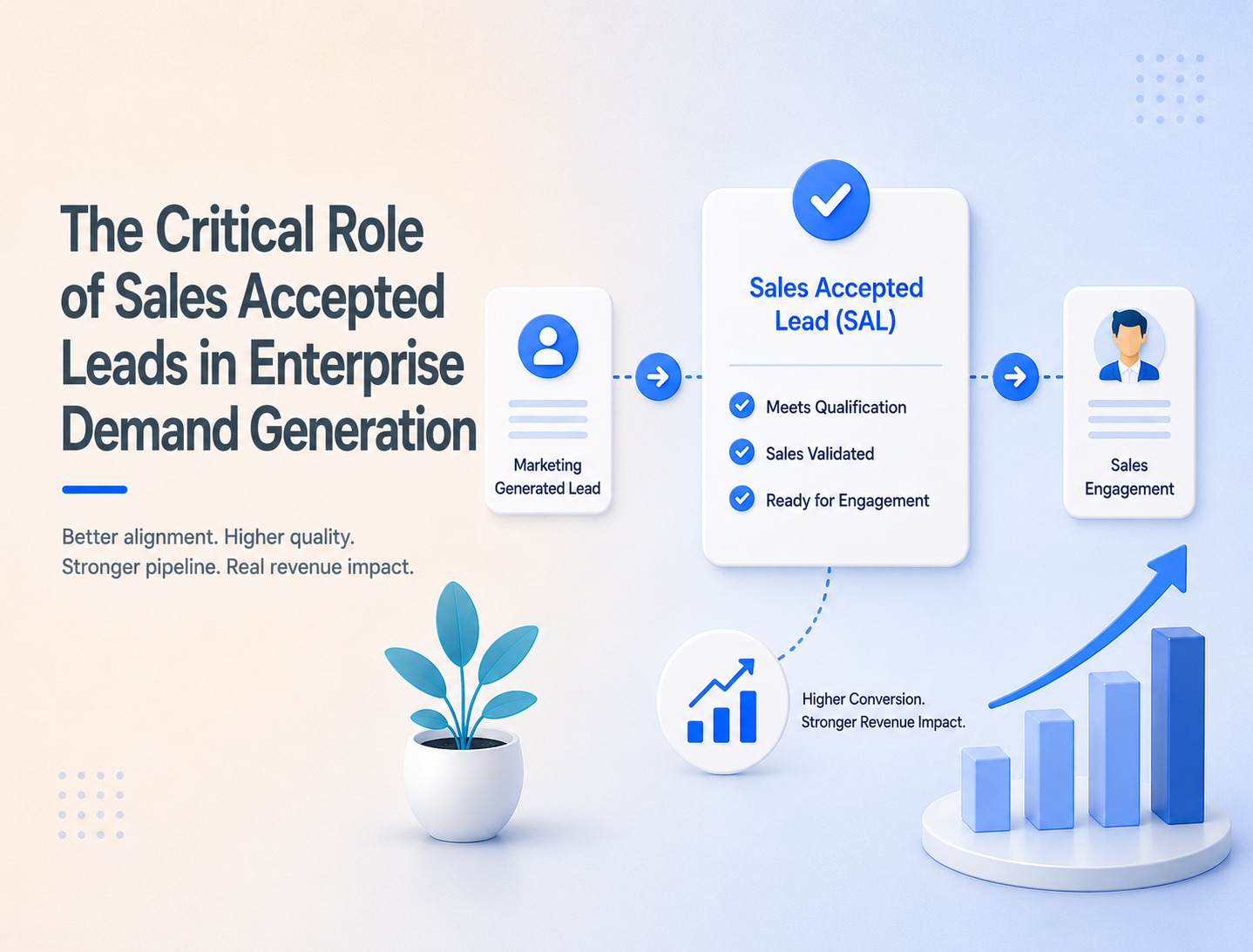
Site Ascend runs a focused motion designed to secure 30-minute virtual meetings with director-level and above contacts inside your target accounts. The emphasis isn’t “set meetings.” It’s meetings that occur—because that’s what demand gen teams are measured on.
Only pay for meetings that occur
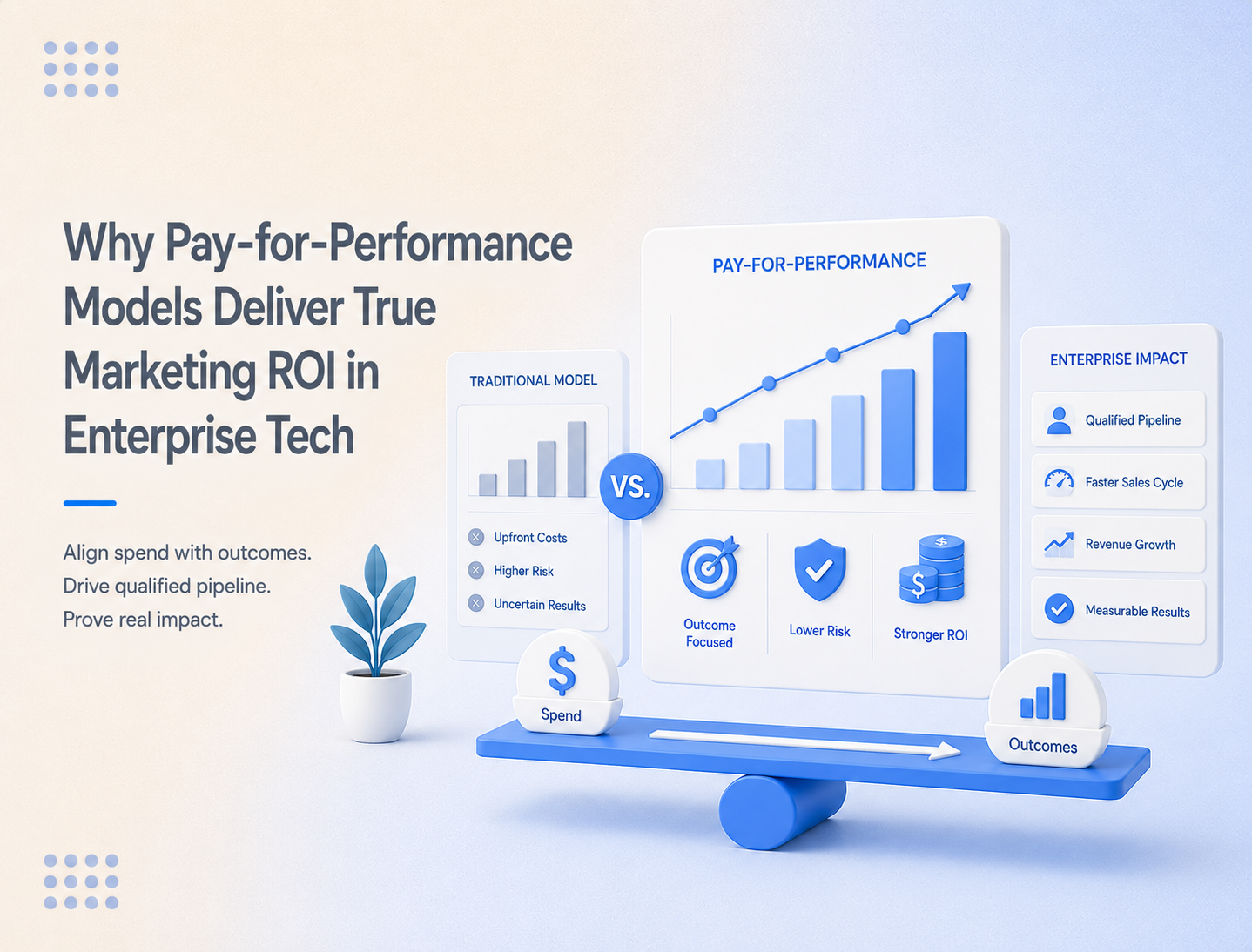
Most leadflow efforts fail because the incentives reward activity, not outcomes. Site Ascend flips that by aligning to what matters: you’re not paying for attempts, or “appointments set.” You’re paying for completed meetings.
U.S.-based contact center, no outsourcing
When you’re calling into complex org charts and hard-to-reach roles, quality matters. Site Ascend operates with an all U.S.-based team and consistent execution—so the outreach feels credible, not transactional.
Director-level targeting as the default
Leadflow often stalls because teams accept “any meeting” as a win. Site Ascend’s model is built around director+ conversations, which keeps your flow aligned with real buying influence.
Real-time reporting you can manage to
If leadflow is a system, you need visibility into the system—what’s working, where friction is building, and what needs to change. Site Ascend provides a real-time reporting dashboard so marketing leaders can manage performance like a pipeline channel, not a black box.
Actionable Steps for Marketers
If you want to improve leadflow without overhauling your entire stack, start with the conversion points that most often break.
Here’s a practical checklist you can apply immediately:
Define leadflow as “conversations,” not “captures”
Set internal language: leadflow = movement to a live conversation, not a form fill or routed lead.
Set a director+ standard for pipeline motions
Make it explicit which titles count as “decision-layer” for your ICP, then audit whether your current meetings hit that bar.
Build a follow-up SLA that matches buyer timing
If your system can’t touch high-intent accounts quickly, leadflow will always lag. Design for speed where it counts most.
Measure meeting integrity, not just meeting count
Track: meeting held rate, title seniority, account fit, and rebook rate. Those are leadflow health metrics.
Add a performance layer when internal capacity can’t keep up
If your team can’t consistently convert the right accounts into director+ conversations, that isn’t a “try harder” problem—it’s a system gap. This is the gap Site Ascend is built to close.
Comparison of Market Solutions
There are plenty of ways teams try to solve leadflow. The differences come down to accountability, execution quality, and what you’re actually paying for.
In-house SDR/BDR teams
Strong when staffed, trained, and stable. But capacity is limited, ramp time is real, turnover is constant, and director-level access requires experience. Many teams end up with inconsistent coverage and uneven conversion.
Traditional appointment setting vendors
Often optimize for “set rate,” not “held rate.” That can produce impressive activity while still leaving marketing accountable for pipeline that never materializes.
Offshore or blended call centers
Cost-efficient on paper, but director+ outreach is a credibility game. When calls feel templated, rushed, or misaligned, connect rates drop—and so does brand trust.
Site Ascend’s approach
Site Ascend is designed around performance and precision: director+ targeting, all U.S.-based outreach, real-time visibility, and a model where you only pay for meetings that occur. In leadflow terms, it’s engineered to strengthen the last mile—where pipeline is won or lost.
Conclusion
In 2025, “more leads” isn’t a growth strategy. A working leadflow system is.
The difference is whether your demand engine can consistently turn target-account interest into director-level conversations—and whether those meetings actually happen.
If your leadflow feels like it’s drifting—high activity, low conversion—Site Ascend can act as the performance layer that closes the gap between engagement and executive meetings.
Ready to turn leadflow into real director-level conversations? Contact Site Ascend to start a pilot.
What’s the difference between leadflow and lead volume?

Why do director-level meetings matter more than “more meetings”?
How does Site Ascend improve leadflow without changing our tech stack?


Start your pilot campaign today and explore the full range of Site Ascend's demand generation capabilities. Experience firsthand how we can enhance your efficiency, streamline your processes, and drive growth.
RELATED