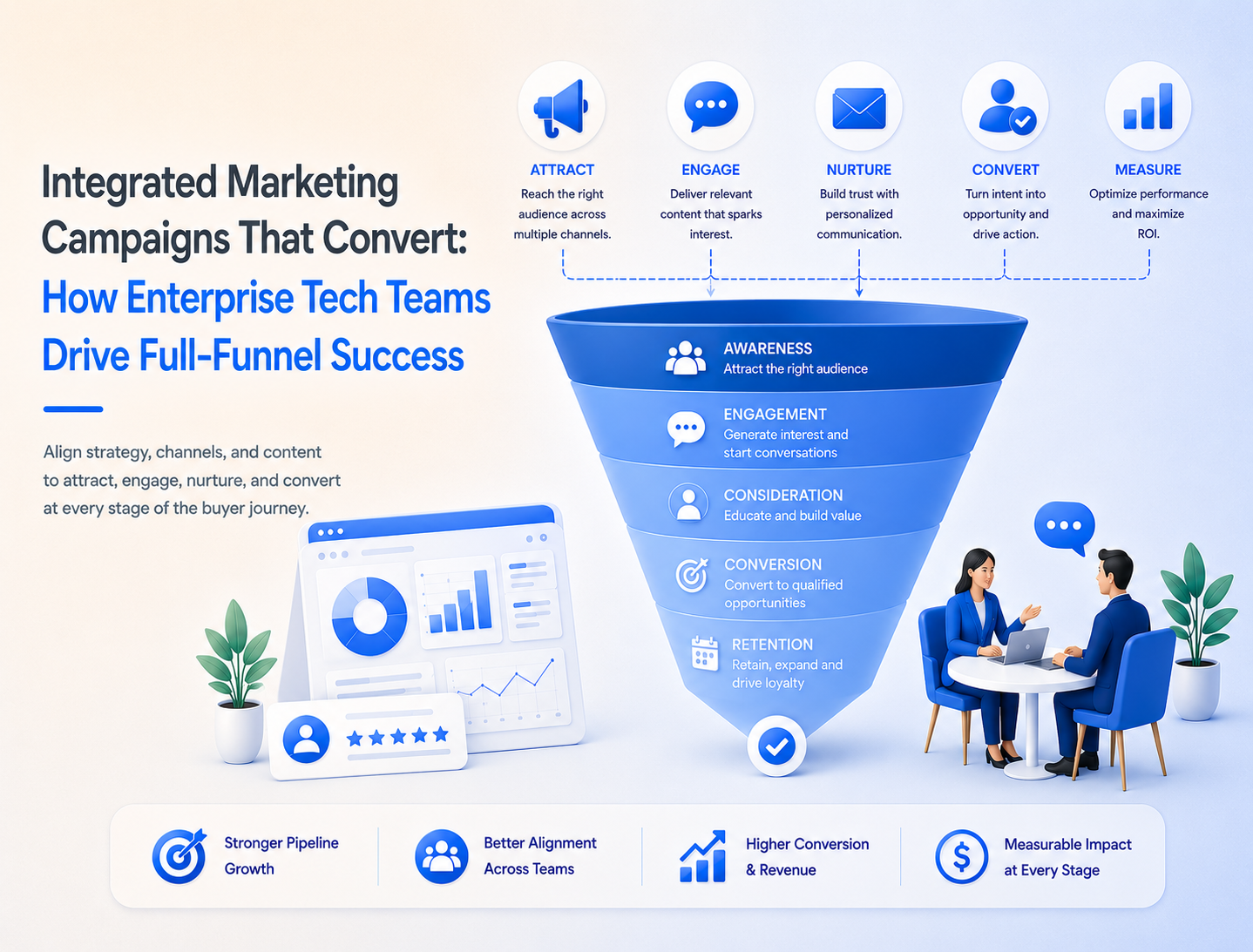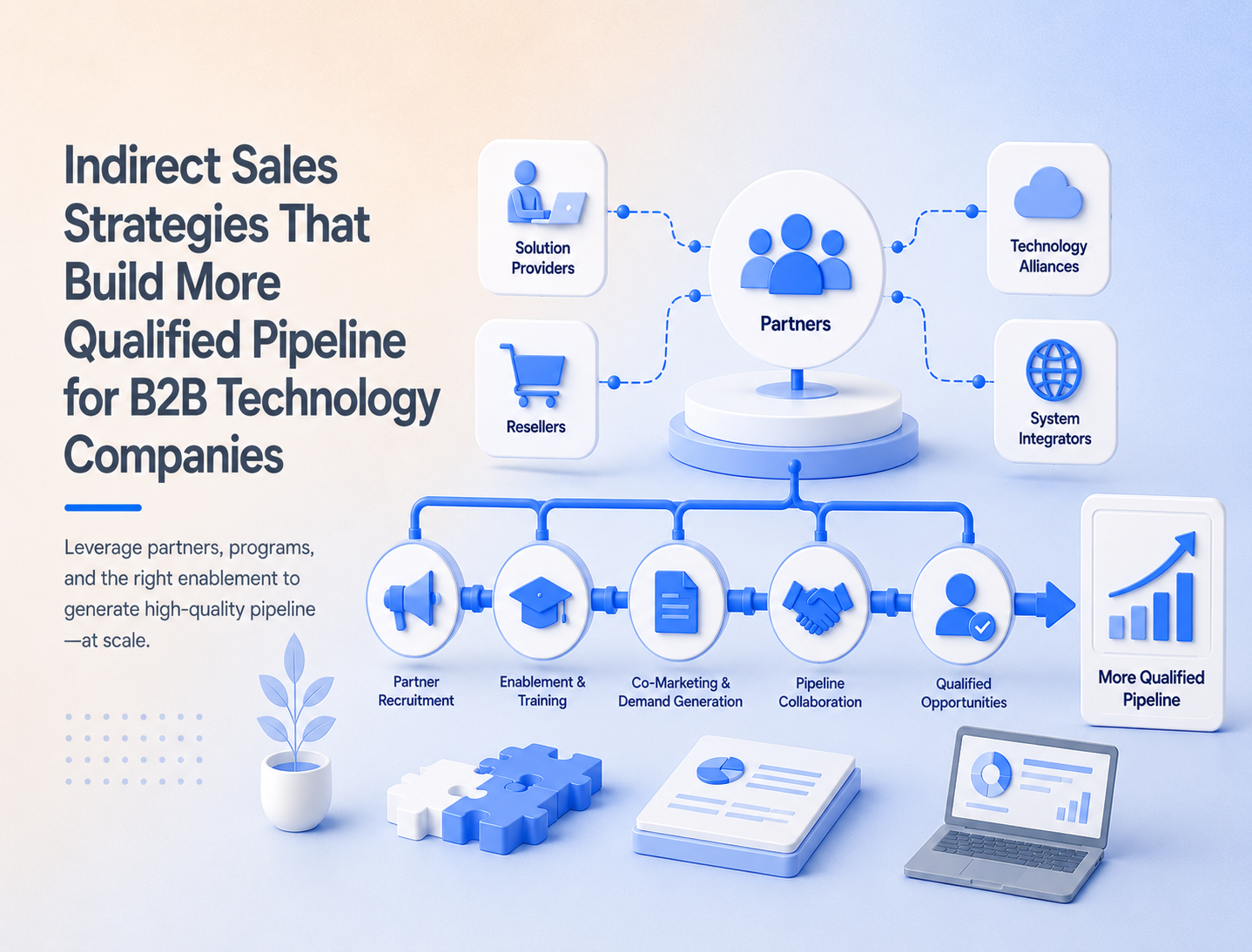
Indirect Sales Strategies That Build More Qualified Pipeline for B2B Technology Companies
Channel Marketing


An SQL isn’t a label—it’s a standard sales trusts. This blog defines what sales needs before they’ll engage (stakeholder seniority, clear need, urgency, buying plausibility, and a next step) and explains how Site Ascend helps teams create SQL-grade Director+ meetings that occur and advance.
-
Demand Generation
Introduction
Most demand gen teams can produce “qualified” leads.
The problem is that sales doesn’t agree.
You’ll see it when:
That’s because an SQL is often treated like a label (“we marked it SQL”) instead of a standard (“this lead meets the conditions for sales effort”).
In enterprise B2B tech, sales engages when the lead reduces risk:
This blog defines the SQL standard demand gen leaders can actually operationalize—and shows how Site Ascend supports that standard through Lead Qualification and Executive Meetings designed to produce Director+ meetings that occur and advance.
What SQL means for demand generation marketers (and why it breaks)
An SQL (Sales Qualified Lead) is supposed to mean:
“Sales should invest time here because there’s a credible path to pipeline.”
In practice, organizations define SQL in wildly different ways:
Those definitions aren’t wrong—they’re just incomplete for modern buying committees.
A modern SQL has to do two things
That’s why the SQL standard should be built around what sales needs to engage—not what marketing can count.
Common challenges marketers face
1) SQL inflation: you hit the number and lose credibility
When pipeline pressure rises, SQL criteria quietly loosen. It’s the fastest way to “deliver,” and the fastest way to lose sales trust.
Outcome: higher SQL volume, lower sales follow-through.
2) Sales doesn’t engage because the stakeholder is too junior
Enterprise deals don’t progress because someone is interested. They progress because someone with authority can sponsor action.
If SQLs are mostly managers or practitioners, sales engagement becomes inconsistent—and next-step conversion suffers.
3) “Qualified” doesn’t include urgency, so everything becomes nurture
A lead can be real and still be too early. Without a timing trigger, reps rationally prioritize accounts with clearer urgency.
4) Lead context isn’t captured in a way sellers can act on
Sales needs a short, usable story:
Without that, SQLs become “research conversations” that die.
5) Meetings get counted as the endpoint
If “SQL = meeting booked,” you’ll still lose pipeline if:



.png)

%201.png)


.png)


Solutions that work
Here’s a practical way to rebuild SQL as a standard—then operationalize it across the motions you already run.
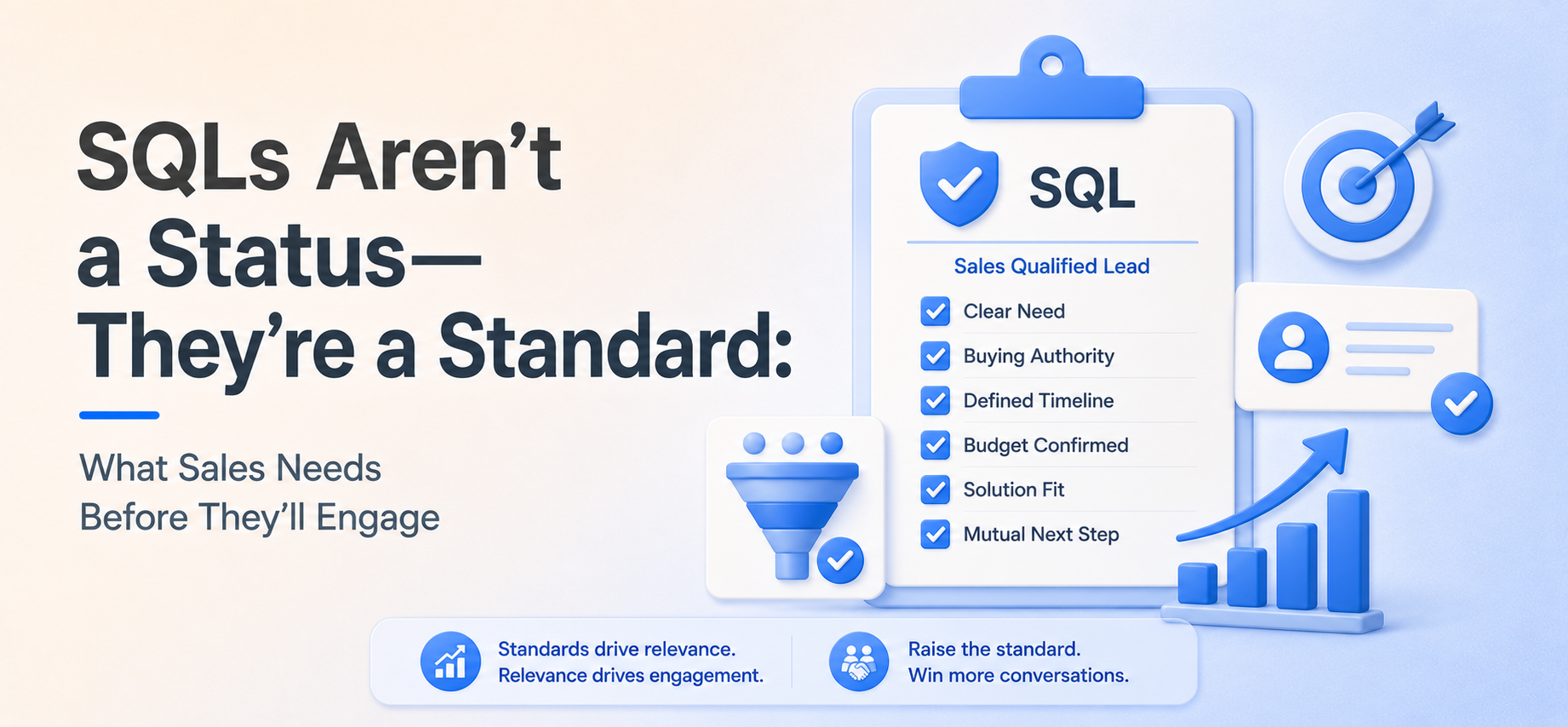
The SQL Standard (what sales needs before they’ll engage)
Standard 1: Decision-relevant stakeholder (or a defined path to one)
Sales engagement improves drastically when the lead is:
Standard 2: Clear problem statement in plain language
Not features. Not “they’re interested.” A one-sentence “what’s broken” statement.
Standard 3: Timing trigger (why now)
At least one credible trigger:
Standard 4: Plausible buying motion
Not “budget approved,” but evidence there’s a realistic path:
Standard 5: A next step sales can execute
A specific follow-up motion—not a vague “send info”:
How Site Ascend helps operationalize the SQL standard
Site Ascend is most directly aligned to this blog’s topic through two programs: Lead Qualification and Executive Meetings. (Channel and events can support SQL creation too, but only when your goal is meetings and pipeline—not just activity.)
Lead Qualification: converting opt-ins into true SQLs
Opt-ins and inbound interest are valuable—but they don’t automatically meet the SQL standard. Site Ascend’s lead qualification motion is designed to validate:
Instead of pushing more “qualified leads,” this approach aims to produce fewer—but stronger—SQLs that sales will actually work.
Executive Meetings: producing SQL-grade conversations with Director+ stakeholders
If you want to remove the biggest SQL failure mode—wrong level—start at the meeting source.
Site Ascend’s executive meetings are built around:
Two differentiators reinforce SQL quality:
When channel and events create SQLs (and when they don’t)
Actionable steps for marketers
Use this checklist to rebuild SQL as a standard and improve sales engagement quickly.
The SQL Standard Checklist (copy/paste for your team)
A lead becomes an SQL only when:
Weekly metrics to prove SQL quality
If these improve, you’re not just increasing SQL volume—you’re increasing sales engagement and pipeline probability.
Comparison of market solutions
Here’s the market landscape through a procurement lens—how organizations typically evaluate SQL creation and qualification solutions.
1) Lowest cost per activity
What you’re buying: touches, dials, contacts, or raw lead volume.
Why teams buy it: unit economics look efficient.
Where it breaks: activity doesn’t guarantee stakeholder seniority, urgency, or next steps—so SQLs inflate and sales engagement drops.
2) Predictable volume
What you’re buying: guaranteed leads, registrations, or booked meetings.
Why teams buy it: forecasting feels easier.
Where it breaks: booked ≠ held, and volume ≠ sales-ready. Without standards for seniority and next-step conversion, the SQL label becomes unreliable.
3) Defensible pipeline impact
What you’re buying: outcomes that map to revenue reality—meetings that occur, decision-relevant stakeholders, and measurable next-step conversion.
Why teams buy it: it aligns with sales behavior and finance scrutiny.
Why Site Ascend fits: Director-level and above targeting, only pay for meetings that occur, U.S.-based execution, and real-time visibility to manage quality.
Conclusion
An SQL isn’t a status your team assigns. It’s a standard sales trusts.
If you want sales to engage consistently, define SQLs around:
If your demand gen team wants to pilot a model that turns opt-ins into true SQLs—and produces Director+ meetings that occur and advance—contact Site Ascend to start a pilot focused on Lead Qualification and Executive Meetings.
What’s the difference between an SQL and a meeting?

Should Director+ be required for every SQL?
How do we raise SQL quality without killing volume?


Start your pilot campaign today and explore the full range of Site Ascend's demand generation capabilities. Experience firsthand how we can enhance your efficiency, streamline your processes, and drive growth.
RELATED