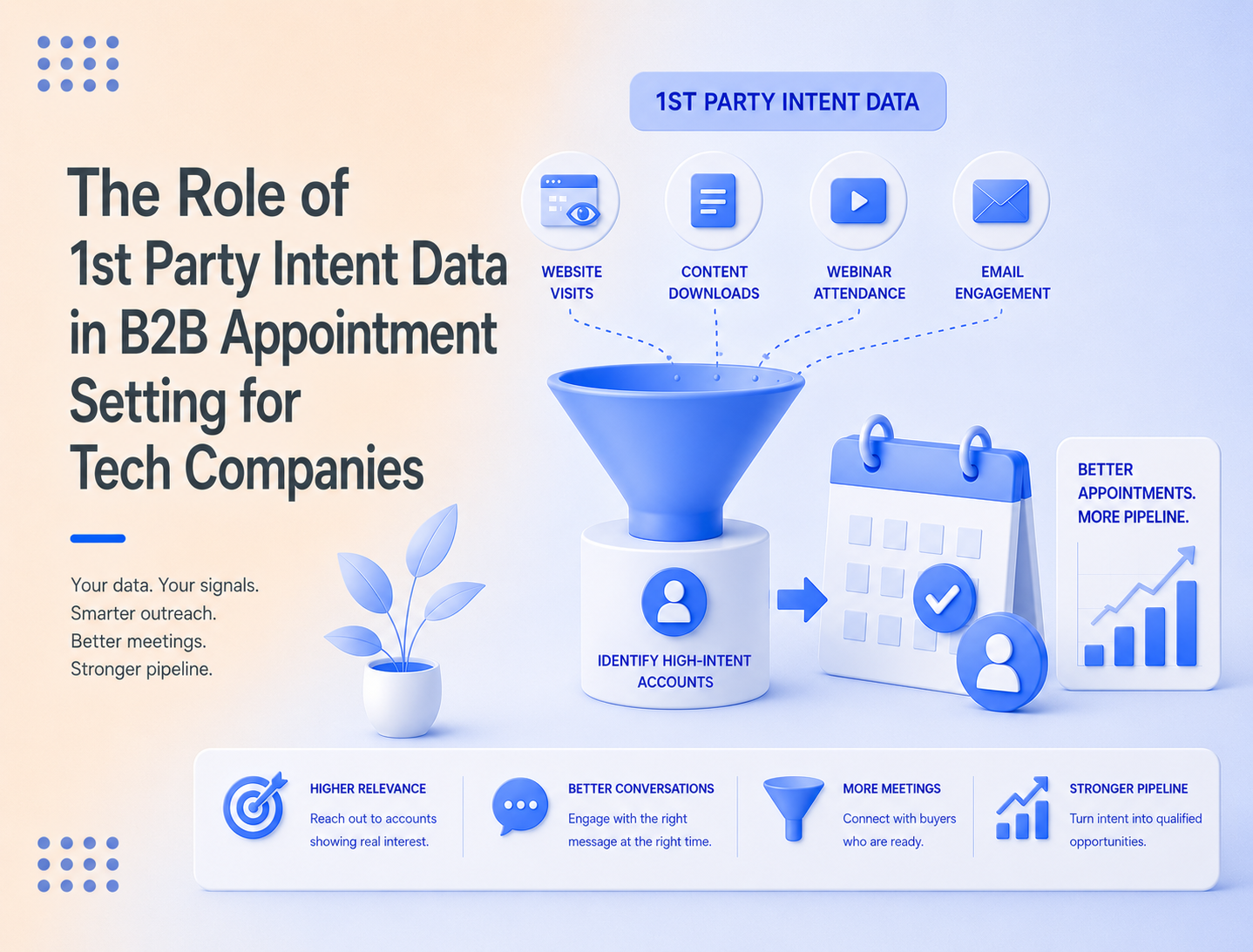
The Role of 1st Party Intent Data in B2B Appointment Setting for Tech Companies
B2B Appointment Setting


Outbound is re-emerging as the most reliable B2B marketing channel for reaching director-level decision-makers. Learn why tech marketers are rethinking their channel mix and how performance-based outbound execution is driving stronger engagement, higher event impact, and more predictable pipeline.
-
Demand Generation
Introduction
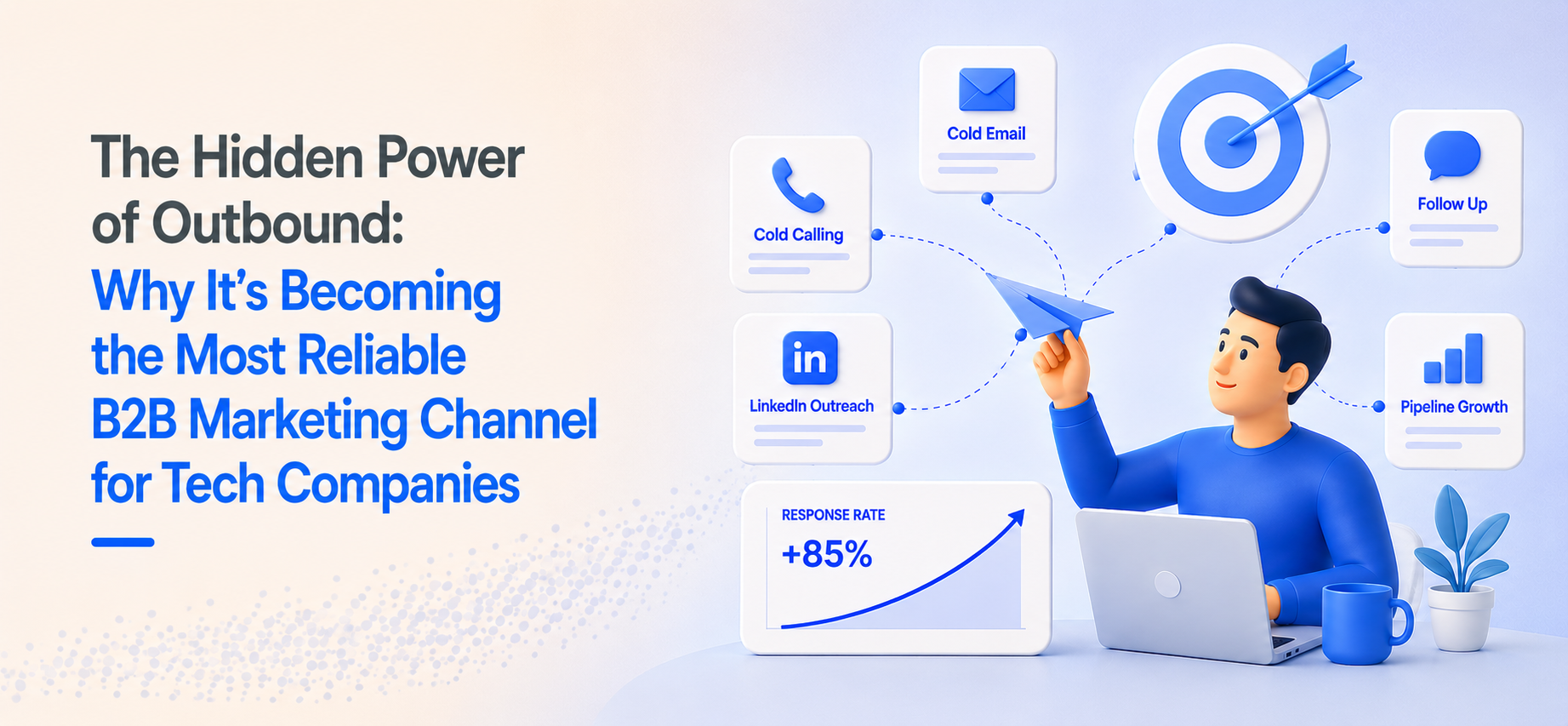
There’s a growing shift happening inside technology companies. While digital channels have become saturated and intent signals increasingly fragmented, one marketing channel is quietly — yet consistently — outperforming the rest: outbound engagement.
For years, outbound was treated as a legacy tactic, overshadowed by automation, content plays, and digital scale. But demand generation leaders are coming to the same conclusion: when it comes to reaching director-level decision-makers inside target accounts, outbound is the only channel that guarantees real human connection.
This resurgence isn’t nostalgia. It’s necessity. In a landscape where buyers ignore emails, block ads, and consume content anonymously, outbound has re-emerged as the most dependable way to spark meaningful conversations that accelerate pipeline.
What Marketing Channels Mean for Demand Generation Marketers
Marketing channels used to be evaluated by volume — impressions, clicks, downloads, subscribers. But B2B tech marketers are now being measured by pipeline and revenue, not activity.
That shift has completely changed how channels are prioritized.
Outbound, once seen as slow or resource-heavy, is now the only channel that:
For demand gen leaders, outbound isn’t just another channel.
It’s the channel that turns strategy into action.
And it’s why teams are reevaluating their channel mix for 2025 and beyond. Not to eliminate digital, but to strengthen it with performance-led human engagement — something automated channels simply can’t replicate.
Common Challenges Marketers Face
Despite outbound’s rising importance, teams often struggle to activate it effectively. Internal SDRs are stretched thin, balancing broad inbound responsibilities with the strategic targeting that outbound requires. Even the most sophisticated ABM programs stall when SDRs cannot dedicate the time needed to pursue director-level contacts with persistence and personalization.
Then there’s the challenge of event-driven motions. Tech companies invest heavily in sponsored events, but without strong outbound follow-up, registrants fail to convert into attendees — and attendees fail to convert into meetings. Outbound is what turns event investment into event ROI.
Lead qualification presents another hurdle. Without outbound engagement, marketing-generated leads remain unvetted, forcing sales teams to sift through cold responses, creating frustration and wasted hours.
And across all channels, visibility remains a problem. When teams outsource to low-cost, offshore firms or spread activity across multiple vendors, marketers lose control and visibility into who is being contacted, how often, and with what outcomes.
Outbound works — but only when it is executed with consistency, precision, and senior-level expertise.



.png)

%201.png)


.png)


Solutions That Work
Modern B2B organizations are rebuilding outbound as a strategic, high-impact channel rather than a background function. They’re doing it by integrating performance-based outbound execution that strengthens every part of their demand generation engine.
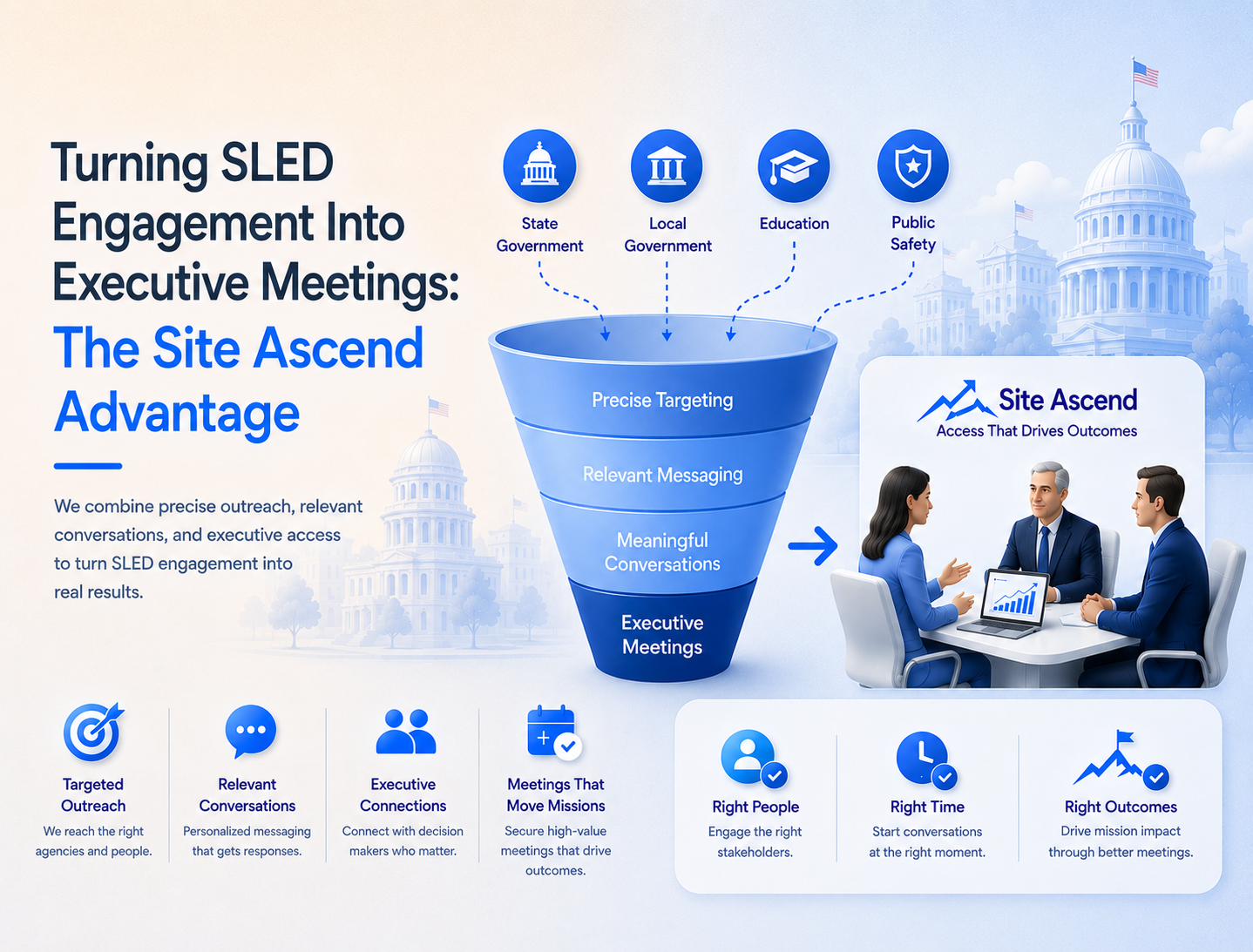
This is where Site Ascend fits naturally into the outbound resurgence. Teams are leaning on Site Ascend’s model because it gives them access to:
Outbound becomes powerful not because it’s “old school,” but because it’s personal, immediate, and grounded in real human conversation. Site Ascend brings the execution layer needed to make outbound scalable, predictable, and deeply aligned with revenue expectations.
Actionable Steps for Marketers
The most effective demand generation teams treat outbound not as a last-mile tactic, but as a core channel that complements and elevates every other motion they run.
They weave outbound into ABM strategies to ensure director-level contacts actually engage. They integrate outbound into event programs so investments translate into pipeline. They use outbound qualification to clean up lead flow and improve sales handoff.
Outbound becomes a multiplier — one that gives every program a stronger chance of producing revenue rather than vanity metrics.
When outbound is fully aligned with demand gen strategy, teams move from hoping for engagement to engineering it.
Comparison of Market Solutions
Many companies attempt to manage outbound through internal SDR teams, but capacity limitations and competing priorities often lead to inconsistent execution. Others turn to traditional outsourced calling firms that prioritize volume over precision — a mismatch for enterprise-level targeting.
The most successful organizations today are choosing performance-based partners who can execute outbound with the right level of quality and accountability. With U.S.-based teams, real-time reporting, and director-level targeting, these partners turn outbound from a manual task into a scalable revenue channel.
In this model, outbound becomes not just one marketing channel among many, but the most reliable channel for influencing senior decision-makers.
Conclusion
The B2B marketing landscape has evolved, but the fundamentals haven’t changed: pipeline moves when people talk. Outbound is the channel that makes those conversations happen — reliably, repeatedly, and with the people who have authority to move deals forward.
If you’re ready to integrate a performance-based outbound engine into your marketing mix, now is the perfect time to act.
Contact Site Ascend to launch a pipeline-ready outbound program built for director-level engagement and measurable impact.
Why is outbound performing better than digital channels today?

Is outbound still scalable?
How does outbound support events and ABM programs?


Start your pilot campaign today and explore the full range of Site Ascend's demand generation capabilities. Experience firsthand how we can enhance your efficiency, streamline your processes, and drive growth.
RELATED