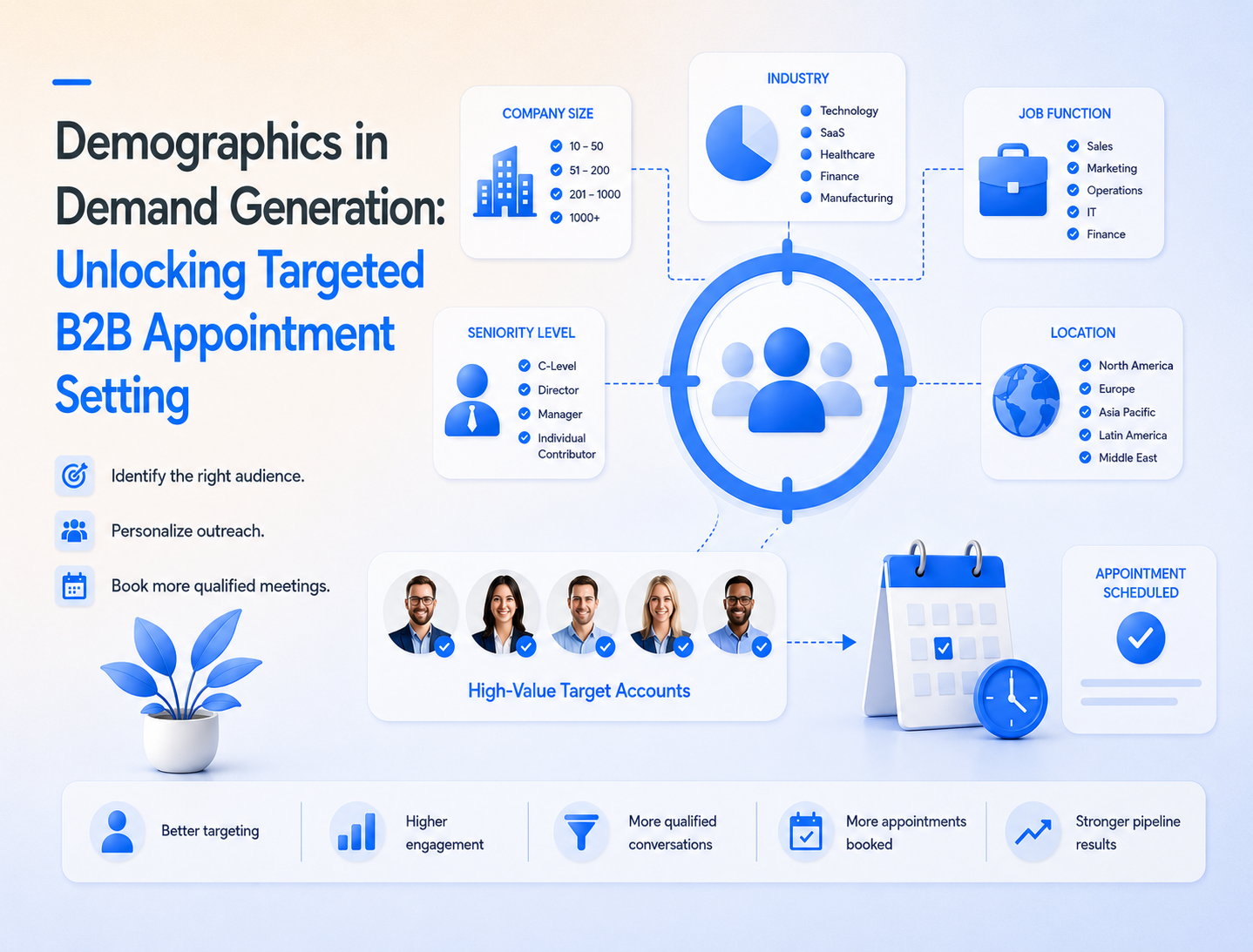
Demographics in Demand Generation: Unlocking Targeted B2B Appointment Setting
B2B Demand Generation / Appointment Setting


Technographics should reduce guesswork—not create routing drama. This framework shows how to turn stack signals into clear prioritization, clean ownership, and sales-accepted meetings without burning SDR time.
-
Demand Generation
Introduction
Technographics are supposed to make targeting easier. In practice, they often create a new kind of mess: marketing launches “tech stack plays,” SDRs get a list that doesn’t convert, sales questions the lead quality, and the routing rules become a political debate instead of a performance lever.
The core issue is that most teams treat technographics like a destination (“they use X, therefore they’re qualified”) instead of a routing input (“they use X, therefore they belong in this motion, with this message, and this sales path”). When you use technographics as a routing layer—paired with clear ownership and pay-for-outcome execution—you reduce internal friction and increase the odds that outreach turns into meetings that happen.
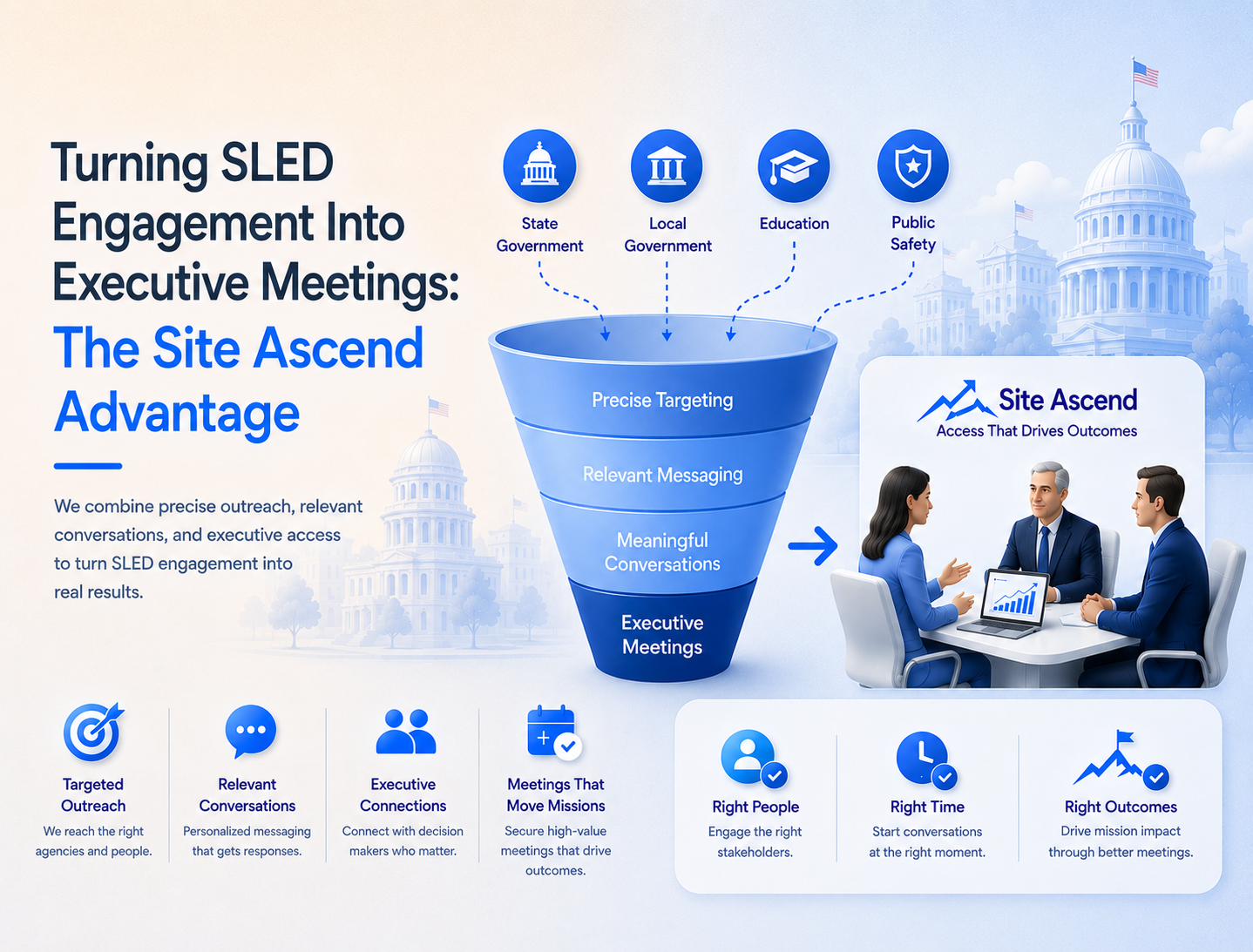
This post lays out a practical framework to use technographics to prioritize accounts without creating channel conflict, SDR burnout, or “accepted but ignored” handoffs—and where Site Ascend fits when you want the output to be director-level conversations, not more dashboard activity.
What Technographics Means for Demand Generation Marketers (and Similar Roles)
Technographics refers to data that describes what technologies a company uses: platforms, tools, cloud providers, security products, data infrastructure, CRM/marketing automation, and more. For demand gen leaders, technographics can be useful because it helps you:
But technographics alone does not tell you timing or internal readiness. A company can run the “right” tools and still be years away from a switch—or the decision might sit with a buying committee you’re not reaching.
That’s why the best technographics programs focus less on “find accounts with X” and more on “route accounts with X into the right motion so sales doesn’t waste cycles.”
Common Challenges Marketers Face
If technographics are in your targeting stack today, you’ve likely felt these problems firsthand:
1) “Good fit” lists that don’t convert
A stack match doesn’t equal urgency. SDRs burn time chasing accounts that look perfect on paper but have no active initiative—or no accessible stakeholders.
2) Routing debates become organizational friction
When technographics drive prioritization, questions follow:
Without a routing model, technographics creates competition, not clarity.
3) Messaging stays generic because teams can’t operationalize the signal
Marketers know “uses X” should inform positioning, but in execution it often collapses into vague copy because the motion isn’t defined.
4) SDR time gets consumed by “research-first” workflows
Technographics often leads to more analysis, more segmentation, more internal alignment meetings—while pipeline creation slows.
5) No clean way to measure outcomes
If technographics powers “activities,” you’ll get activity metrics. If it powers meetings that occur, you can measure what matters.



.png)

%201.png)


.png)


Solutions That Work
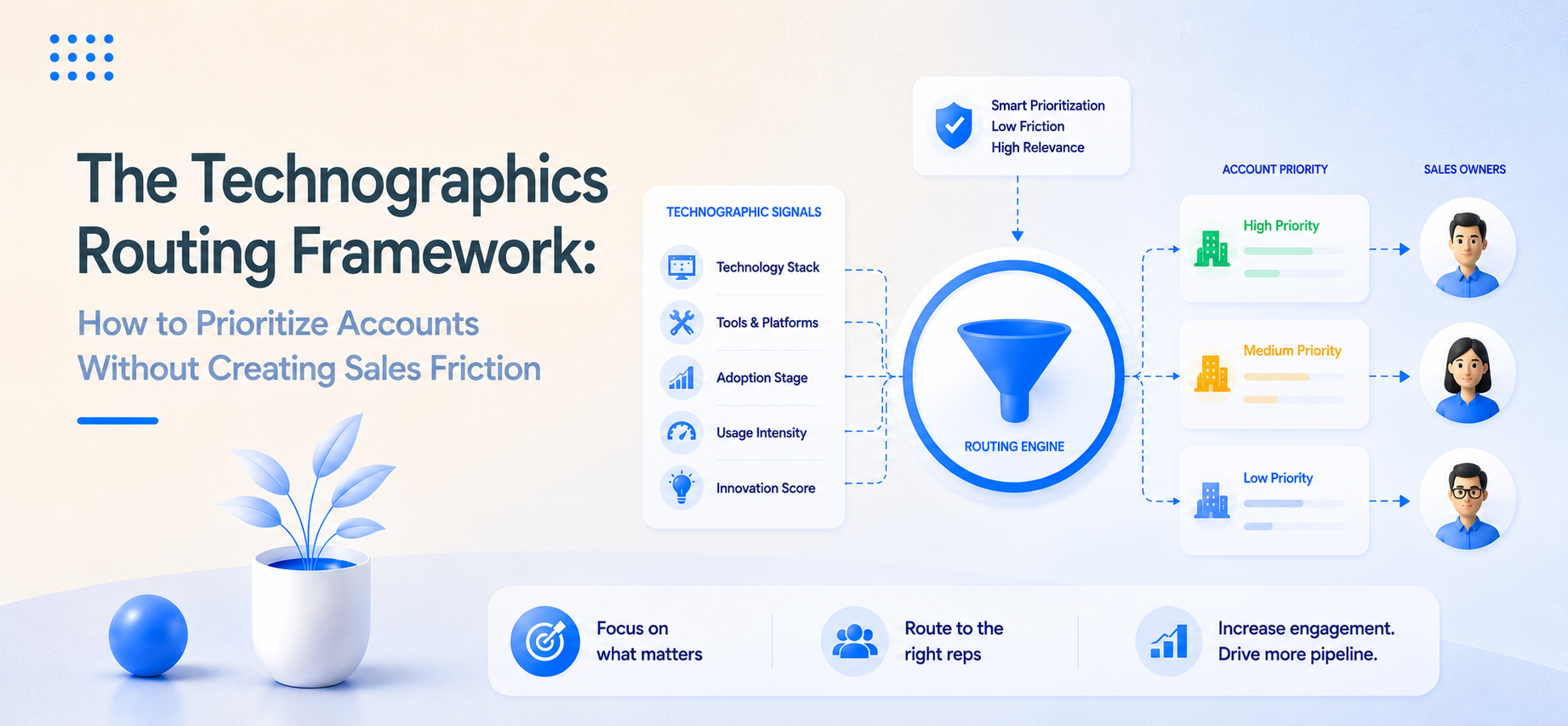
Here’s the routing framework that reduces friction and increases conversion—especially when your goal is sales-accepted conversations, not just engagement.
The Technographics Routing Framework (4 layers)
Layer 1: Signal Type → Decide the Motion
Technographics should dictate how you go to market—not just who you target. Start by mapping common signals to motions:
The mistake: treating all signals as “send to SDR.”
The fix: route by motion before you route by owner.
Layer 2: Priority Rules → Decide the Order
Not every account with the same stack deserves the same urgency. Prioritize with simple rules that sales will accept:
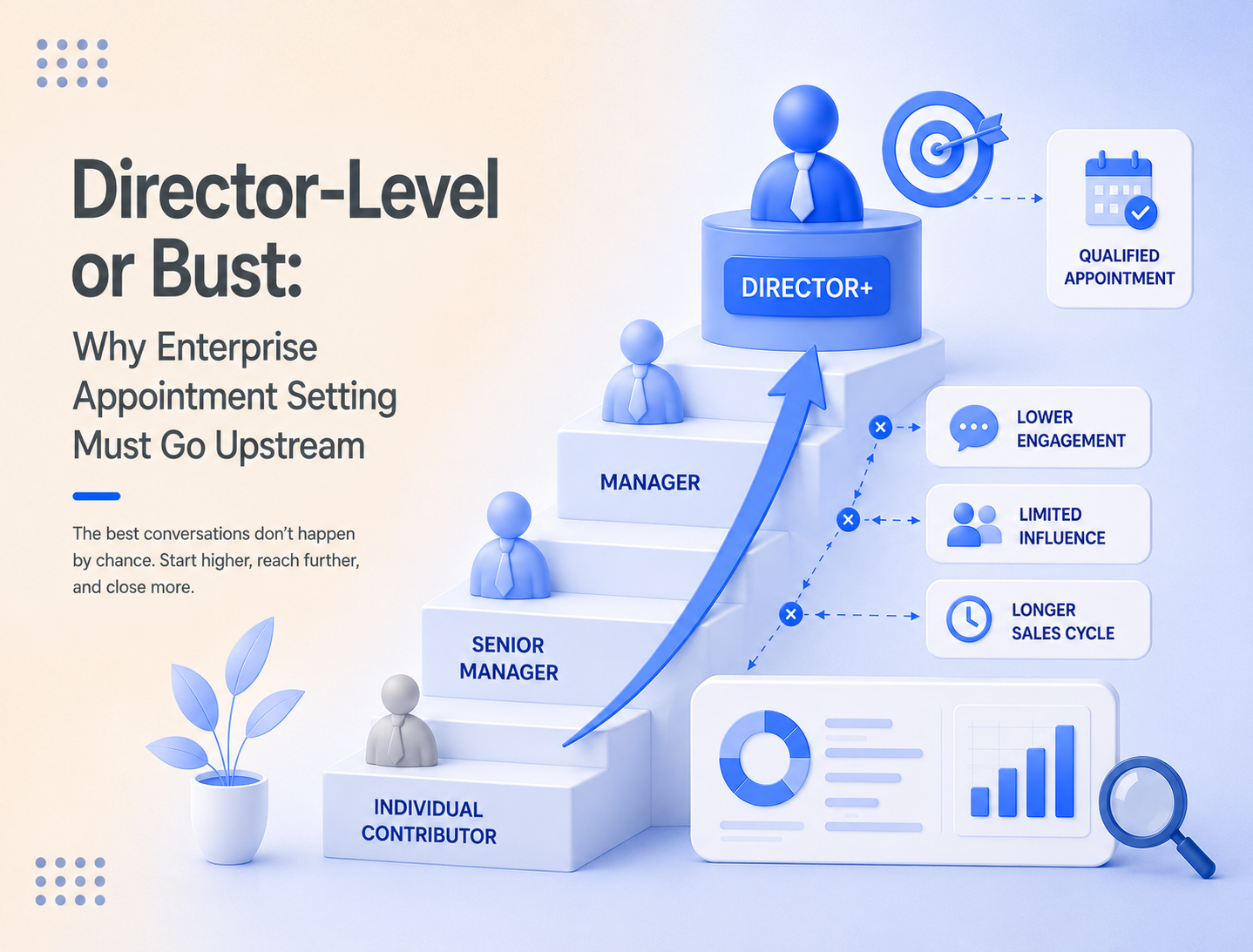
This is where Site Ascend fits naturally: if your priority framework is built around meetings that happen, you can align routing to outcomes. Site Ascend’s model is designed for 30-minute executive meetings with director-level and above contacts, with pay-for-performance tied to meetings that occur—not outreach volume.
Layer 3: Ownership Rules → Prevent Internal Conflict
Most “sales friction” comes from unclear ownership. Fix it with explicit routing rules:
Site Ascend supports this by offering white-labeled outreach for channel motions and a clean “meeting occurred” outcome model that reduces disputes about lead value.
Layer 4: Handoff Standards → Ensure Leads Don’t Die After Acceptance
Routing is only half the battle. If the meeting is accepted but ignored, your system is still leaking.
A clean technographics handoff includes:
This is where real-time reporting matters. Site Ascend’s dashboard visibility helps marketing and sales see what’s happening as it happens—reducing “black box” complaints that create friction.
Actionable Steps for Marketers
Use this checklist to operationalize technographics without creating political or process drag:
Technographics Routing Checklist
Comparison of Market Solutions
Most teams land in one of these approaches:
Option A: In-house SDR/BDR execution
Strengths: tight control, integrated with sales
Tradeoffs: expensive, capacity constrained, prioritization fights show up as “busy but not productive,” and SDR time gets consumed by low-conversion lists.
Option B: Traditional outsourced appointment setting
Strengths: more volume, some cost flexibility
Tradeoffs: variable quality, offshore risk, limited transparency, and “activity-based” delivery that doesn’t reduce lead risk.
Option C: Outcome-based meeting creation with clear targeting and reporting
Strengths: aligned to what marketing and sales actually want—meetings that occur—paired with visibility and director-level focus
Tradeoffs: requires upfront clarity on routing rules, tiering, and what “qualified” means
This is where Site Ascend differentiates: only pay for meetings that occur, all U.S.-based contact center, director-level and above focus, white-labeled outreach, and real-time reporting—which is exactly what you need if your goal is to operationalize technographics without creating internal friction.
Conclusion
Technographics doesn’t have to be another dashboard you defend. When you treat stack signals as routing inputs—mapped to the right motion, owned by the right team, and measured by meetings that occur—you get focus without friction.
If you want to operationalize technographics into director-level conversations without burning SDR time, Site Ascend can help you turn targeting clarity into real meetings with the accounts you care about. Contact Site Ascend to start a pilot program.
Are technographics better than intent data?

What’s the biggest technographics mistake demand gen teams make?
How do you prevent technographics outreach from creating channel conflict?


Start your pilot campaign today and explore the full range of Site Ascend's demand generation capabilities. Experience firsthand how we can enhance your efficiency, streamline your processes, and drive growth.
RELATED