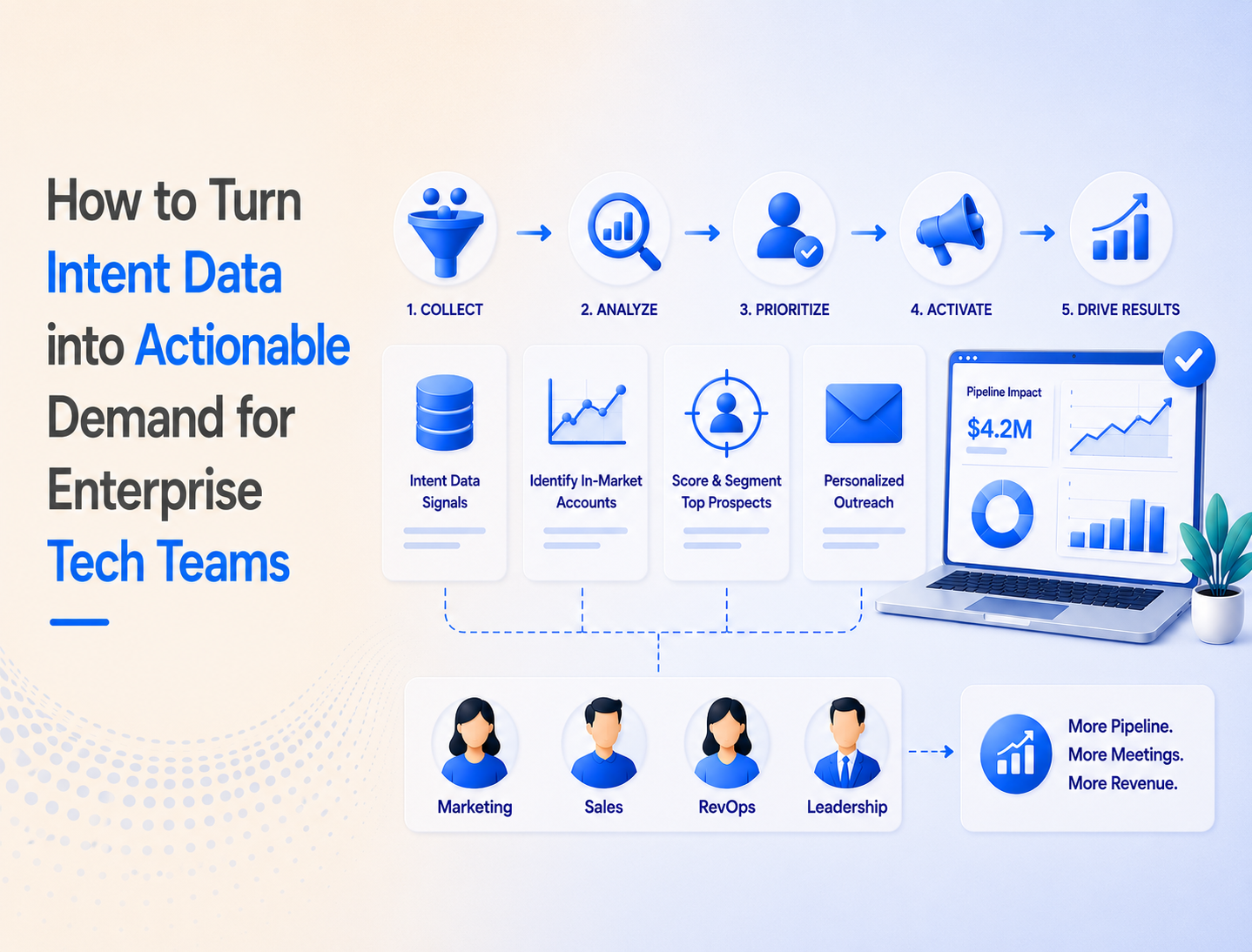
How to Turn Intent Data into Actionable Demand for Enterprise Tech Teams
Demand Generation


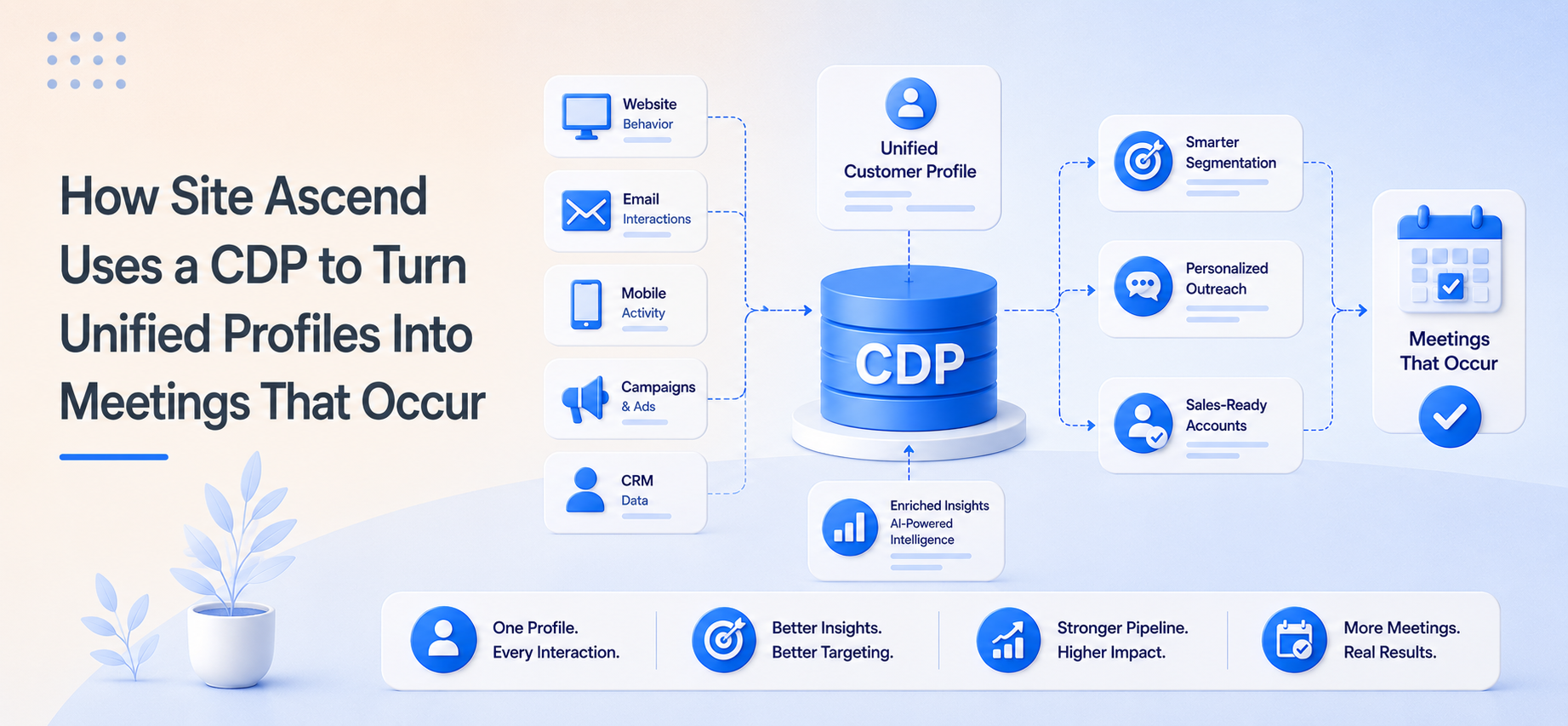
Your CDP can unify profiles, but it can’t close the conversion gap. Here’s how Site Ascend operationalizes CDP audiences into director-level conversations—using outcome-based outreach, lead qualification, and event/partner programs that you only pay for when meetings actually happen.
-
Marketing Operations
Introduction
Most demand gen teams don’t have a “lead volume” problem. They have a conversion problem—specifically, the gap between identifying interest and securing a real conversation. A CDP (Customer Data Platform) can help you unify identities, normalize attributes, and build stronger audiences. But a CDP alone won’t book a meeting, confirm attendance, or recover a stalled follow-up sequence.
That’s where the execution layer matters.
Site Ascend is purpose-built to convert unified CDP profiles into meetings that occur—not “leads delivered,” not “MQLs created,” and not “tasks completed.” If you’re accountable for pipeline, the question isn’t whether your CDP is working. It’s whether your CDP is activating into sales-accepted conversations.
What CDP (Customer Data Platform) Means for Demand Generation Marketers and Site Ascend’s ICP
A CDP’s job is to create a single, coherent view of accounts and contacts by bringing together first-party data (web behavior, form fills, event attendance, product signals, CRM history) and making it usable for segmentation and activation.
For demand gen leaders, a CDP becomes valuable when it enables three things:
But here’s the catch: even a perfect unified profile can still produce pipeline leakage if the “next step” depends on overworked SDRs, slow partner response, or generic nurture streams.
Site Ascend operationalizes CDP audiences into outcome-based programs—Executive Meetings, Channel Marketing, Event Marketing attendee procurement, and Lead Qualification—so marketing can convert “known” into “booked.”
Common Challenges Marketers Face
A CDP can unify profiles, but most teams still run into the same bottlenecks downstream:
1) Unified data, unclear action
You can build 40 audience segments and still have no agreement on what happens next. Without a clear conversion motion, the CDP becomes a reporting layer.
2) Prioritization creates sales friction
Marketing sends “high-intent” or “high-fit” lists, sales calls them “not ready,” and both sides lose confidence in the process.
3) Follow-up gaps kill conversion
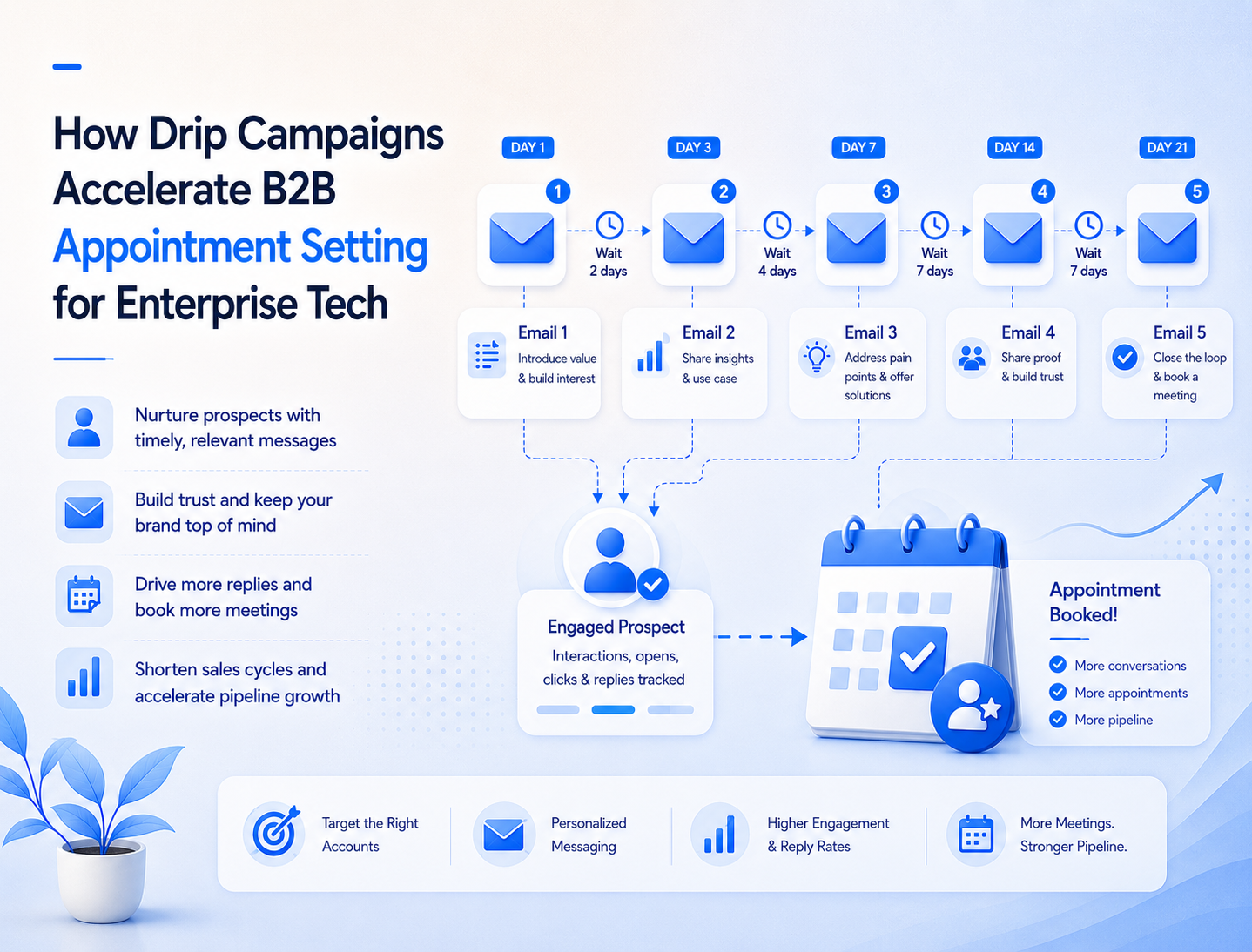
The highest intent moment is often time-bound. If response time stretches to days, conversion rates drop fast—especially for director-level and above.
4) Events underperform because confirmation is weak
Registration does not equal attendance. Attendance does not equal conversation. Most event programs leak in the last mile.
5) Partners generate signals, not meetings
Channel leads frequently arrive incomplete, stale, or poorly routed. Marketing ends up managing exceptions instead of building pipeline.



.png)

%201.png)


.png)


Solutions That Work
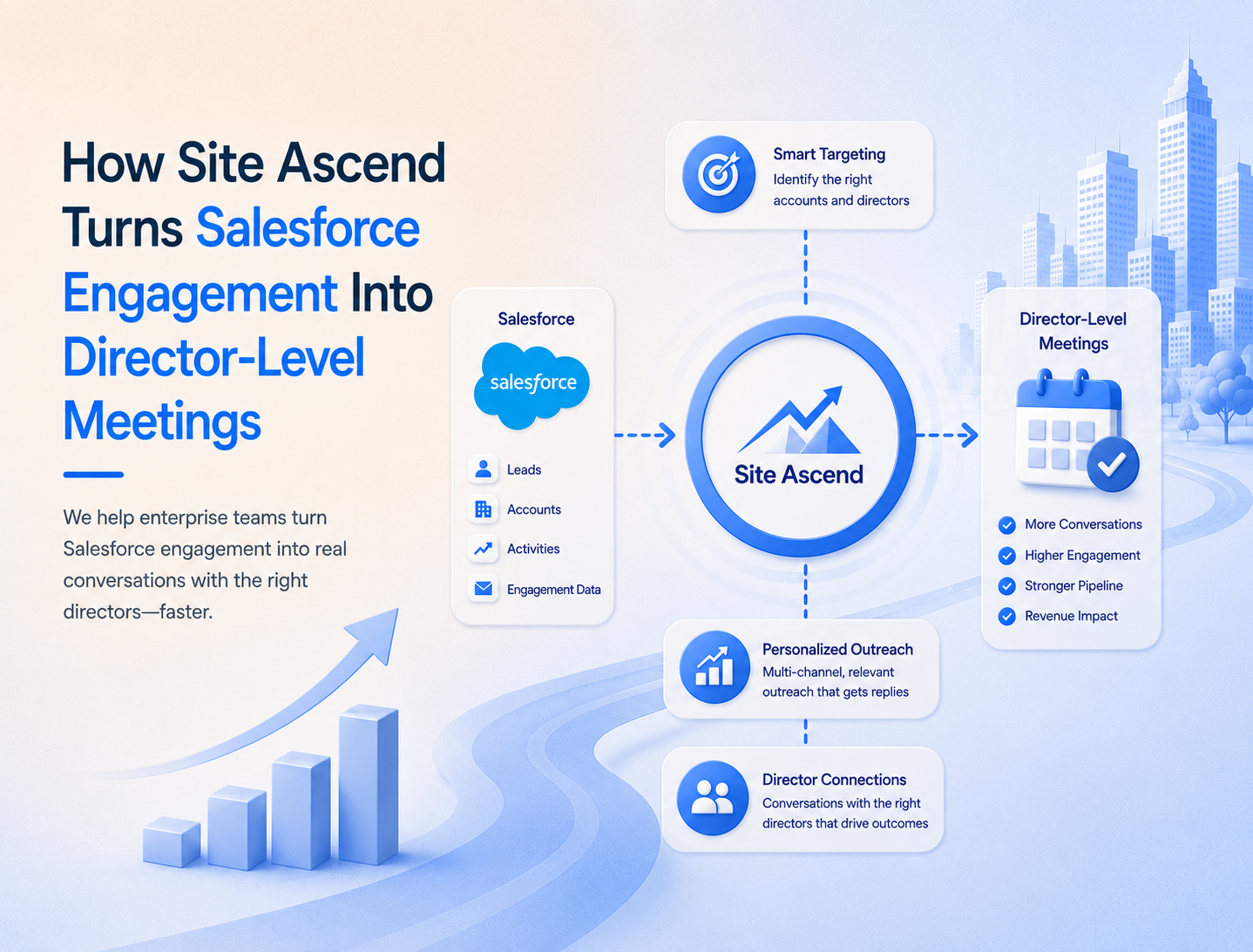
A CDP becomes a revenue asset when it drives a reliable “segment → outreach → meeting” workflow. Site Ascend sits in that workflow as the conversion engine.
1) Executive Meetings: Activate CDP audiences into director-level conversations
When your CDP identifies high-fit accounts and the right personas, Site Ascend turns that data into 30-minute virtual meetings with director+ titles. The goal isn’t “engagement”—it’s a scheduled conversation that your sales team actually takes.
How the CDP helps:
How Site Ascend converts it:
2) Lead Qualification: Turn opt-ins into scheduled meetings
If your CDP is ingesting inbound signals—content downloads, webinar attendance, demo requests, product interest—your biggest risk is assuming those signals mean readiness.
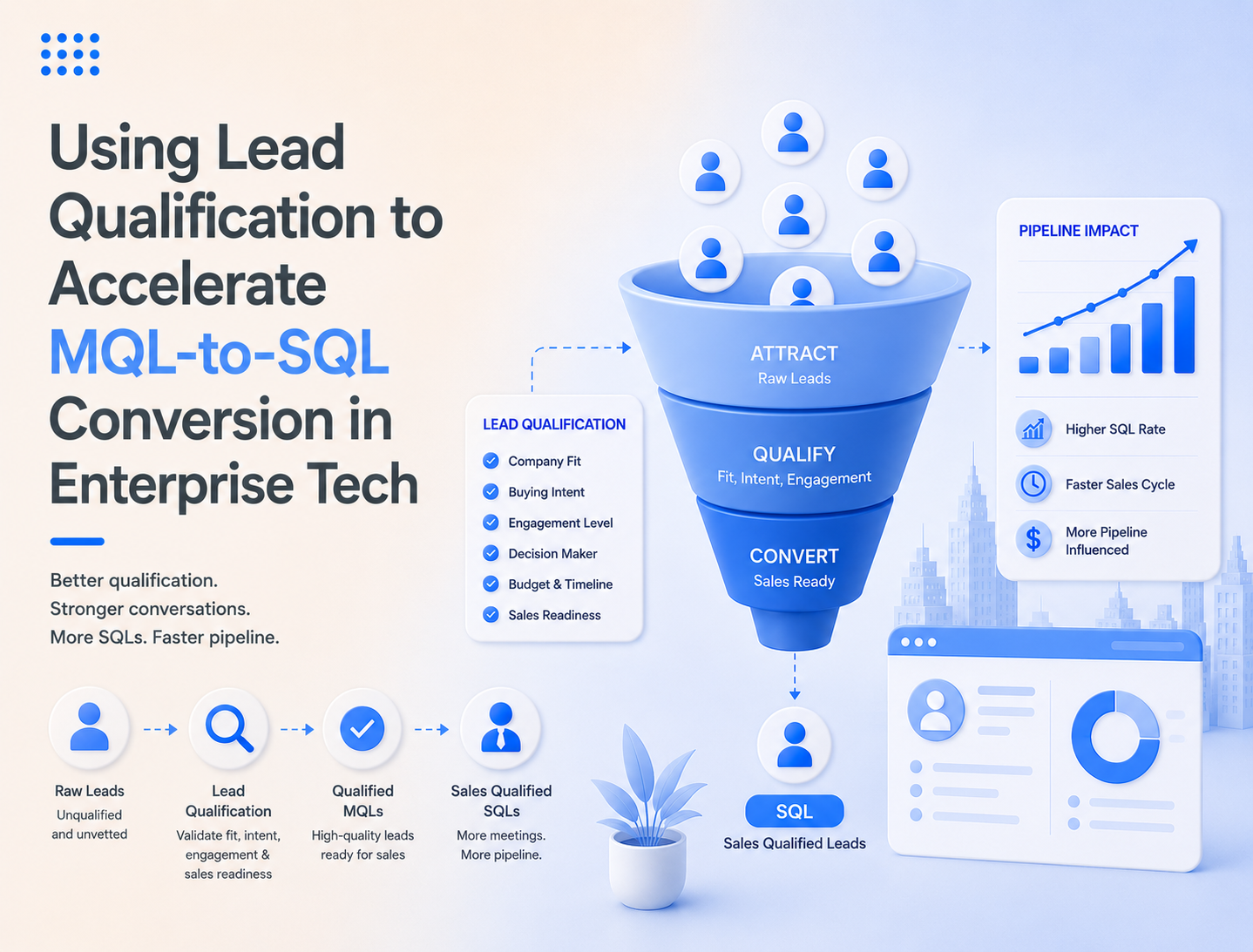
Site Ascend qualifies opt-in leads into qualified sales meetings, applying a consistent standard for what “sales-ready” actually means: clear context, validated fit, confirmed availability, and a meeting that happens.
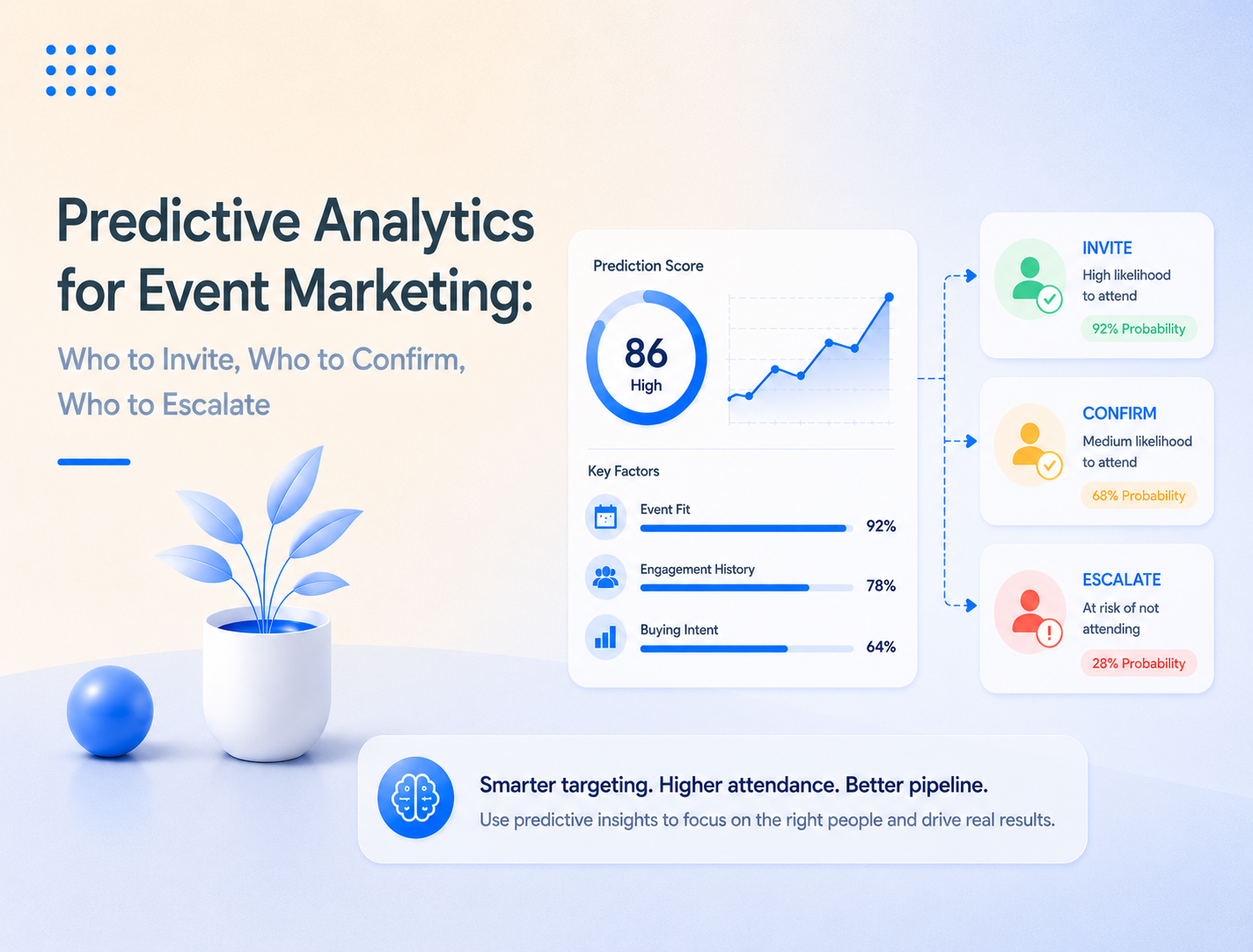
3) Event Marketing: Use unified profiles to drive better registrants and better show rates
Site Ascend focuses on attendee procurement, not onsite services. The CDP gives you cleaner targeting; Site Ascend executes the motion through outbound dialing and an SMS workflow to support attendance through event day.
This closes a common events gap: you can build the perfect invite list, but if you cannot reliably generate registrants and confirm attendance, the program doesn’t produce pipeline.
4) Channel Marketing: White-labeled partner execution using MDF
CDPs often reveal where partners influence pipeline—but partner follow-up is uneven. Site Ascend runs white-labeled appointment setting on behalf of partners funded by MDF, giving you consistent execution without forcing your internal team to chase every referral path.
5) The pay-for-outcome model that restores trust
Many vendors optimize for activity (touches, leads, appointments “set”). Site Ascend optimizes for the outcome: meetings that occur, with director-level and above prospecting, executed by a U.S.-based team.
That accountability reduces lead risk for marketing and reduces friction with sales.
Actionable Steps for Marketers
If you want your CDP to drive more meetings (not just better dashboards), use this checklist to connect unified profiles to conversion.
A CDP-to-Meeting Activation Checklist
Comparison of Market Solutions
Most teams choose between a few common approaches. The tradeoffs are predictable:
Example 1: The Procurement View
Outcome 1: Reduce performance risk
Outcome 2: Improve conversion efficiency
Outcome 3: Increase operational clarity and governance
Conclusion
A CDP is a strategic asset—if it’s connected to execution. Unified profiles should not end their journey as segmented audiences and dashboards. They should become sales-accepted conversations and meetings that occur.
If your CDP is producing better lists but pipeline still isn’t moving, the missing layer is conversion: qualification, outreach, confirmation, and outcome accountability.
If you want to pilot a CDP-to-meeting activation program—Executive Meetings, Lead Qualification, Channel Marketing, or Event Marketing attendee procurement—Site Ascend will help you turn unified profiles into real conversations your sales team will take.
What’s the difference between a CDP and a CRM for demand generation?

Why do CDP-driven campaigns still fail to produce meetings?
How does Site Ascend use CDP data without creating sales friction?


Start your pilot campaign today and explore the full range of Site Ascend's demand generation capabilities. Experience firsthand how we can enhance your efficiency, streamline your processes, and drive growth.
RELATED