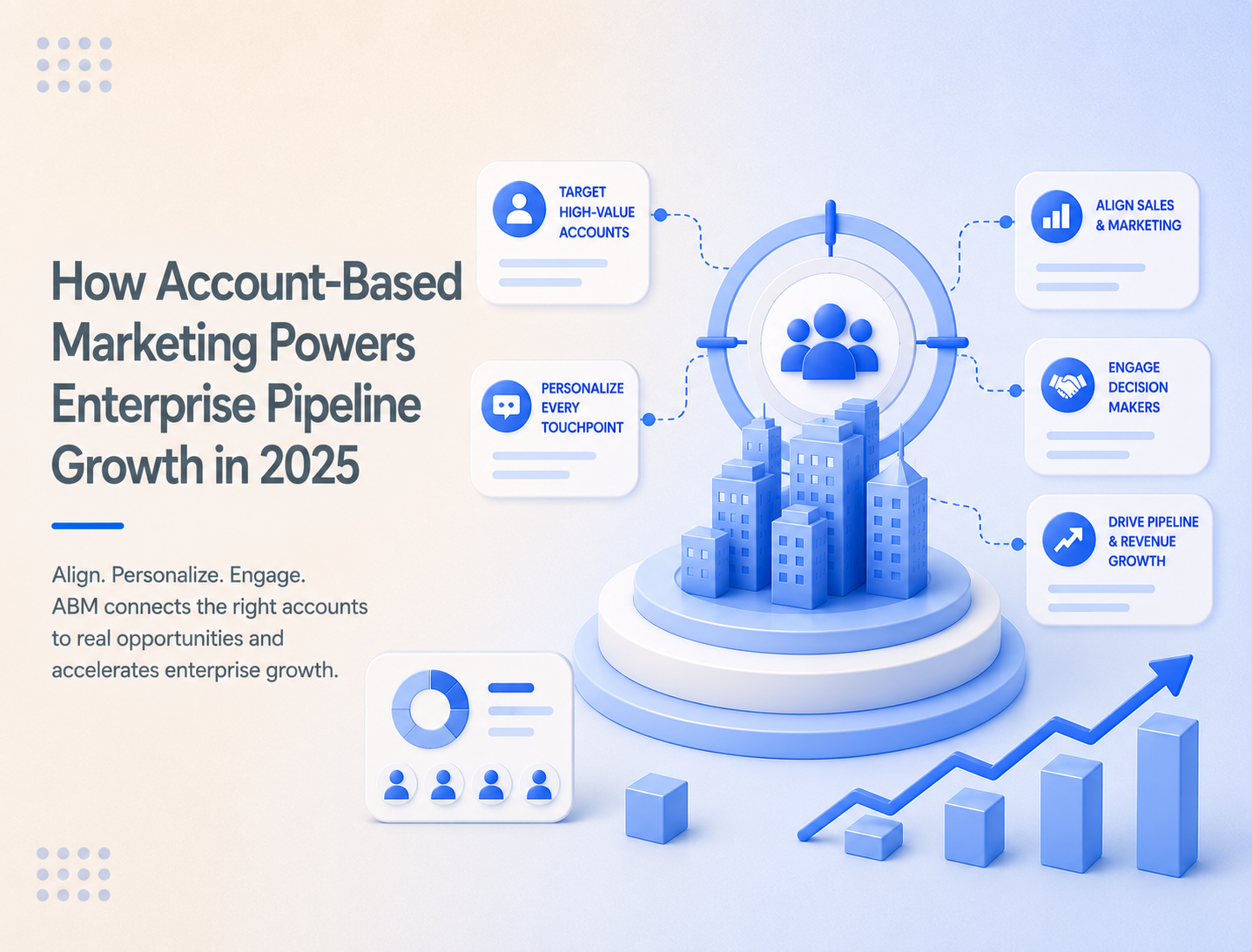
How Account-Based Marketing Powers Enterprise Pipeline Growth in 2025
Account-Based Marketing


Your MarTech stack can surface signals and automate touchpoints, but it can’t create real conversations on its own. Here’s how tech demand gen teams are adding outbound human engagement to turn platform activity into director-level meetings and measurable pipeline.
-
Demand Generation

Introduction
MarTech platforms have never been more powerful. Your stack can track engagement across channels, score leads in real time, orchestrate nurture flows, and surface intent signals before a buyer ever fills out a form.
And yet—pipeline still stalls.
If that feels familiar, you’re not alone. Demand generation leaders in tech are increasingly seeing a tension between what the platforms promise and what the funnel actually delivers. More automation. More data. More “engaged leads.” But not enough qualified meetings. Not enough momentum past the click. Not enough opportunities moving with urgency.
The problem isn’t your platform. It’s the gap between digital signals and human action.
In 2025, teams that close that gap aren’t adding more tools. They’re adding the one layer MarTech can’t replicate: real outbound engagement that converts interest into scheduled conversations.
Let’s break down why that gap exists, where funnels quietly fall apart, and how outbound meeting-based programs are becoming the simplest way to make your platform investment pay off.
What MarTech Platforms Means for Demand Generation Marketers and other titles that meet Site Ascend’s ICP
MarTech platforms are the infrastructure of modern B2B marketing. They’re your campaign engine, your reporting layer, your routing logic, your nurture machine. For demand gen teams, the platform is where strategy becomes execution:
At their best, platforms create scale. They let a small team orchestrate thousands of touchpoints without manual effort.
But scale isn’t the same as conversion—and platforms are only as effective as what happens after they surface the moment of interest.
For director-level and above buyers, that moment is short. It’s often invisible. And it rarely turns into pipeline without a fast, credible human follow-up.
Common Challenges Marketers Face
Here’s what demand gen leaders keep running into—even with a stacked MarTech ecosystem.
Signals inflate, but intent stays unverified.
Platforms capture activity, but activity isn’t commitment. A director can download a whitepaper, attend a webinar, or browse your pricing page for five minutes and still not be “in market.” Without a human layer, those leads stay stuck in a maybe-state.
Lead follow-up is too slow to matter.
Most stacks are built around automated nurture, not real-time conversation. If a high-fit account spikes in engagement on Tuesday and sales doesn’t reach them until next week, you’ve lost the window. In fast-moving categories, speed is qualification.
Sales queues don’t prioritize marketer-sourced leads.
Even when the platform routes a lead correctly, it lands in a world of competing priorities. SDRs chase what’s urgent, not what’s “scored.” Good leads decay waiting for attention.
Director-level buyers don’t convert through nurture alone.
Executives skim. They don’t drip. They don’t click every CTA, and they definitely don’t “raise their hand” just because a workflow says it’s time. The platform can keep them informed, but it can’t create urgency or trust.
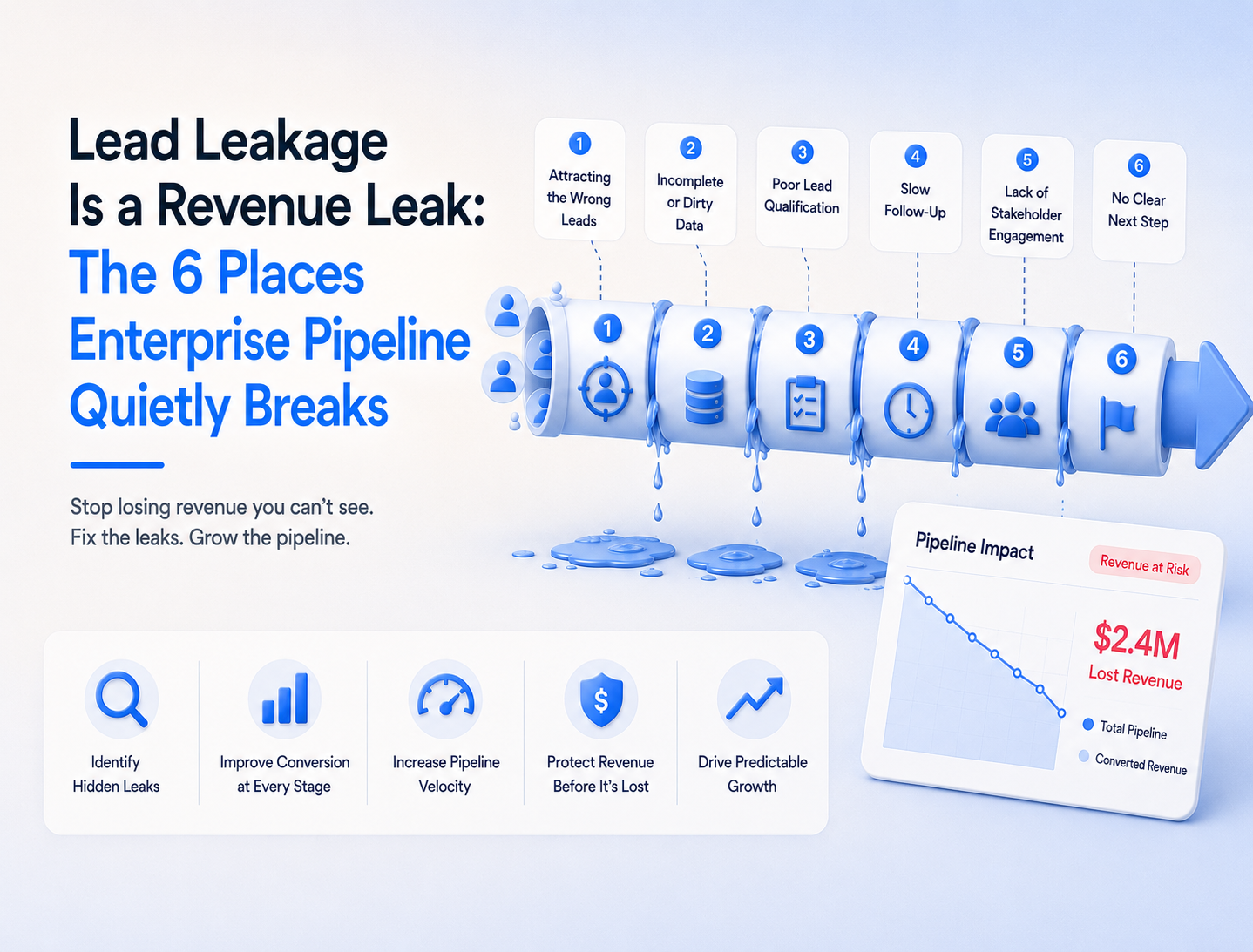
The funnel looks healthy until it doesn’t.
Dashboards show volume, engagement rates, and MQL flow. But downstream, the pipeline tells a different story: low meeting rates, slow velocity, too many “no-shows,” and opportunities that never quite start.
This is the MarTech paradox: you can optimize activity all day and still not optimize outcomes.



.png)

%201.png)


.png)


Solutions That Work
The fix isn’t ripping out your platform or adding another intent tool. The fix is attaching the platform to a performance-based outbound engagement layer that converts interest into real conversations.
Here’s what that looks like in practice.
1. Turn platform signals into meetings—fast.
When a target account shows engagement, outbound is the shortest path to qualification. Instead of waiting for a nurture path to mature, a human follow-up can validate intent in days, not weeks.
Site Ascend’s Lead Qualification program is built for this moment: you bring the opt-in leads and engagement signals, and their onshore team converts them into director-level meetings—only when those meetings actually happen.
2. Extend campaigns beyond the inbox.
Platforms are great at email, retargeting, and digital orchestration. But director-level buyers live behind filters, assistants, and calendar pressure. A phone-based outbound layer creates a channel your platform can’t access.
That’s the core of Site Ascend’s Executive Meetings engine: targeted outbound calling to director+ contacts in your ICP, with meetings booked on your calendar, not a spreadsheet.
3. Make partner and event motions perform like core demand gen.
Many MarTech stacks struggle most in two areas: channel campaigns and events. That’s because these motions depend on human coordination, not just automated workflows.
Site Ascend supports both with performance-first programs:
The platform tracks the journey. The outbound layer makes the journey real.
4. Remove risk from pipeline creation.
Traditional outbound vendors charge for activity: dials, leads, “contacts,” or hours. Great for their revenue. Not always great for yours.
Site Ascend runs a simpler model: you only pay for meetings that occur. That aligns your MarTech investment to outcomes, not inputs.
Actionable Steps for Marketers
If you want your MarTech platform to drive pipeline—not just reporting—start here:
Audit your “signal-to-meeting” time.
How long does it take from high-intent engagement to a real sales conversation? If it’s longer than a week, you’re bleeding value.
Identify your highest-leak segments.
Look for the point where platform momentum drops: after form fills, post-webinar, after demo requests, or inside partner campaigns. That leak is your outbound opportunity.
Create a director-level follow-up path.
Automated nurture is fine for managers. For director+ buyers, add a human step: call outreach, meeting invites, or direct qualification.
Use outbound to validate intent—not just push demos.
The goal is not “book anything.” It’s confirm fit, urgency, and stakeholder reality. Better 15 qualified meetings than 50 polite no-shows.
Commit to performance-based pilots.
If you’re testing outbound as a missing layer, avoid long retainers. Choose models tied to held meetings so you can measure impact cleanly.
Comparison of Market Solutions
Most teams try to solve the MarTech-to-pipeline gap in one of three ways:
Option 1: Build more automation into the stack.
This usually means adding tools, branching workflows, and more scoring logic. It can improve efficiency, but it rarely improves meetings. Automation can’t create trust, urgency, or qualification at the executive level. It scales what already works; it doesn’t fix what doesn’t.
Option 2: Rely on internal SDR/BDR teams.
In-house teams can be effective, but they’re expensive and often spread thin across priorities. They don’t always move fast on marketing-sourced leads, and they’re not typically optimized for held-meeting outcomes. You get effort—but not guaranteed pipeline.
Option 3: Outsource outbound through traditional vendors.
Outsourcing works when it’s aligned to results. But many vendors charge for leads or activity, use off-shore teams, or focus on volume over seniority. That creates a mismatch: marketing pays for motion, sales gets inconsistent meetings.
A performance-based human layer (Site Ascend’s model).
This approach combines the best parts of outsourcing with the accountability in-house teams rarely deliver. You get:
In other words: your platform stays the brain. Outbound becomes the hands.
Conclusion
MarTech platforms are essential. But they don’t close pipeline on their own—especially not with director-level buyers who move fast, skim digital touchpoints, and expect real engagement when interest spikes.
The teams winning in 2025 aren’t choosing between automation and outbound. They’re connecting them. They’re using MarTech to surface the right moments, and outbound to turn those moments into meaningful meetings.
If you want to see what that looks like for your funnel—whether it’s executive meetings, channel campaigns, event attendee procurement, or lead qualification—Site Ascend can run a performance-based pilot tied directly to held meetings.
When you’re ready, contact Site Ascend to start a pilot and close the gap between platform activity and pipeline reality.
What’s the difference between MarTech engagement and real intent?

How do I know if my MarTech stack is driving pipeline or just activity?
What’s the biggest reason MarTech-heavy funnels stall in 2025?


Start your pilot campaign today and explore the full range of Site Ascend's demand generation capabilities. Experience firsthand how we can enhance your efficiency, streamline your processes, and drive growth.
RELATED