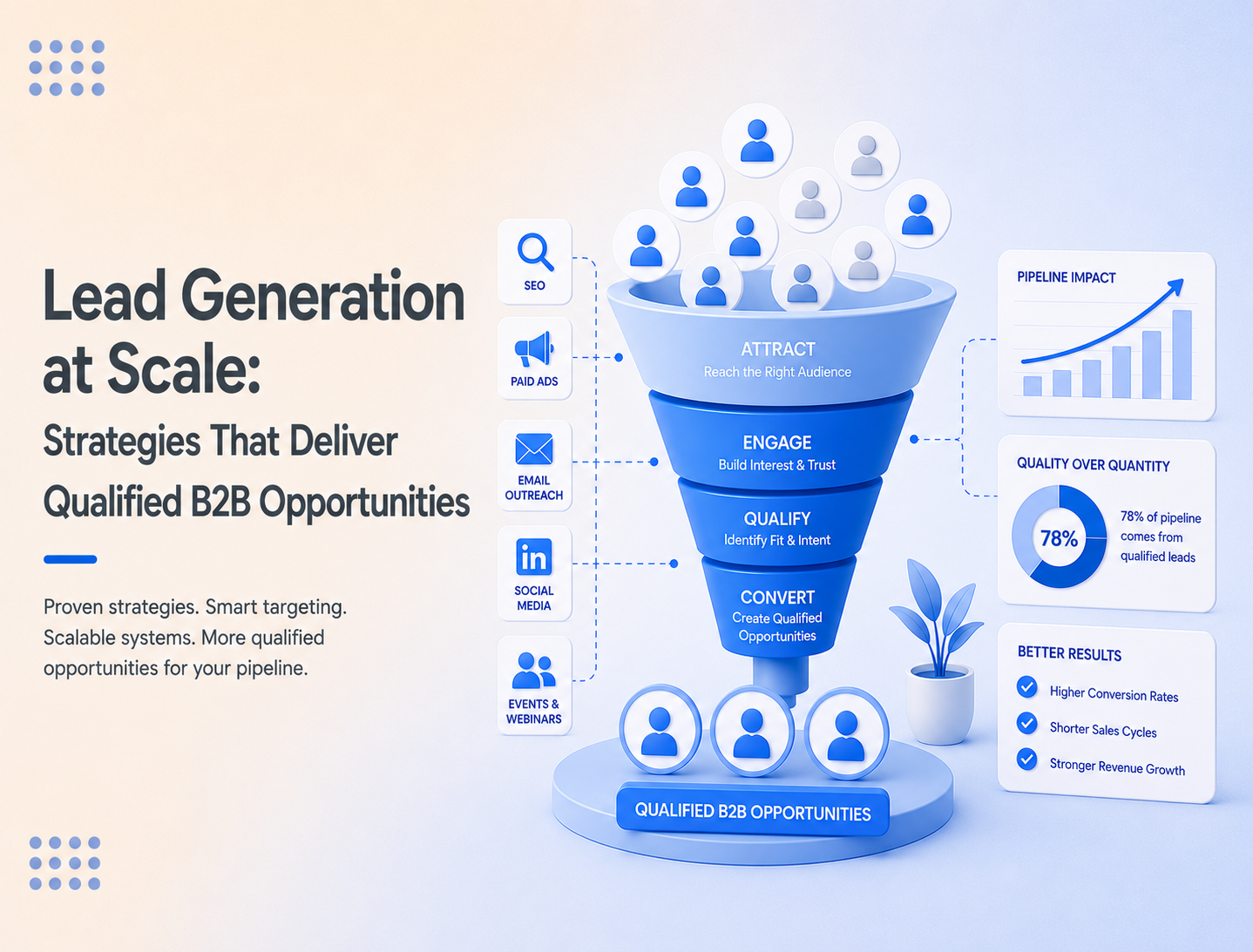
Lead Generation at Scale: Strategies That Deliver Qualified B2B Opportunities
Demand Generation


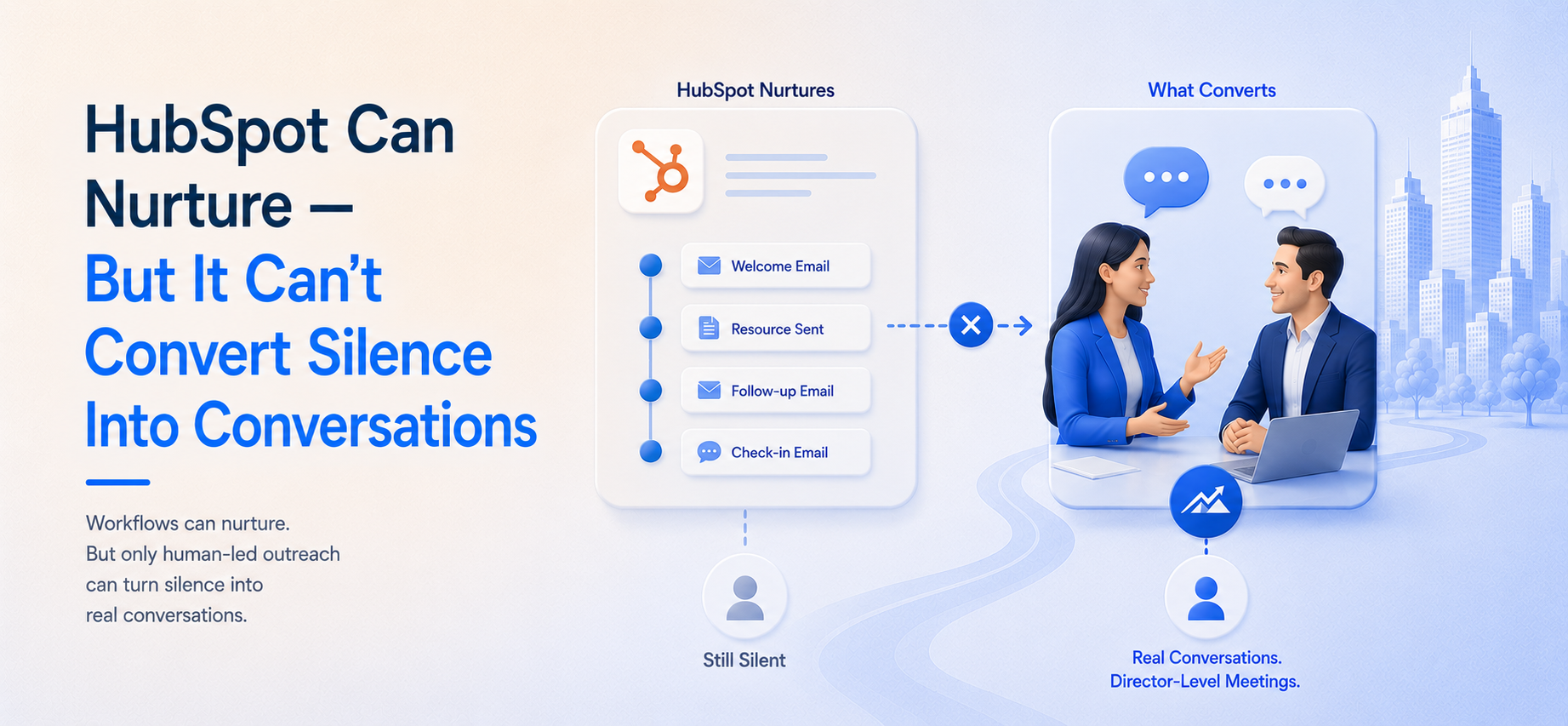
HubSpot is a powerful engine for nurturing interest—but even the best automation can’t turn quiet intent into real human conversations. Here’s how demand gen teams add a performance layer that converts engagement into director-level meetings and measurable pipeline.
-
Demand Generation
Introduction
HubSpot has earned its spot in modern demand generation stacks. It organizes data, powers workflows, scores leads, and keeps campaigns moving. But in 2025, a lot of B2B tech teams are discovering something uncomfortable:
Your HubSpot instance can be humming—and pipeline can still be stalled.
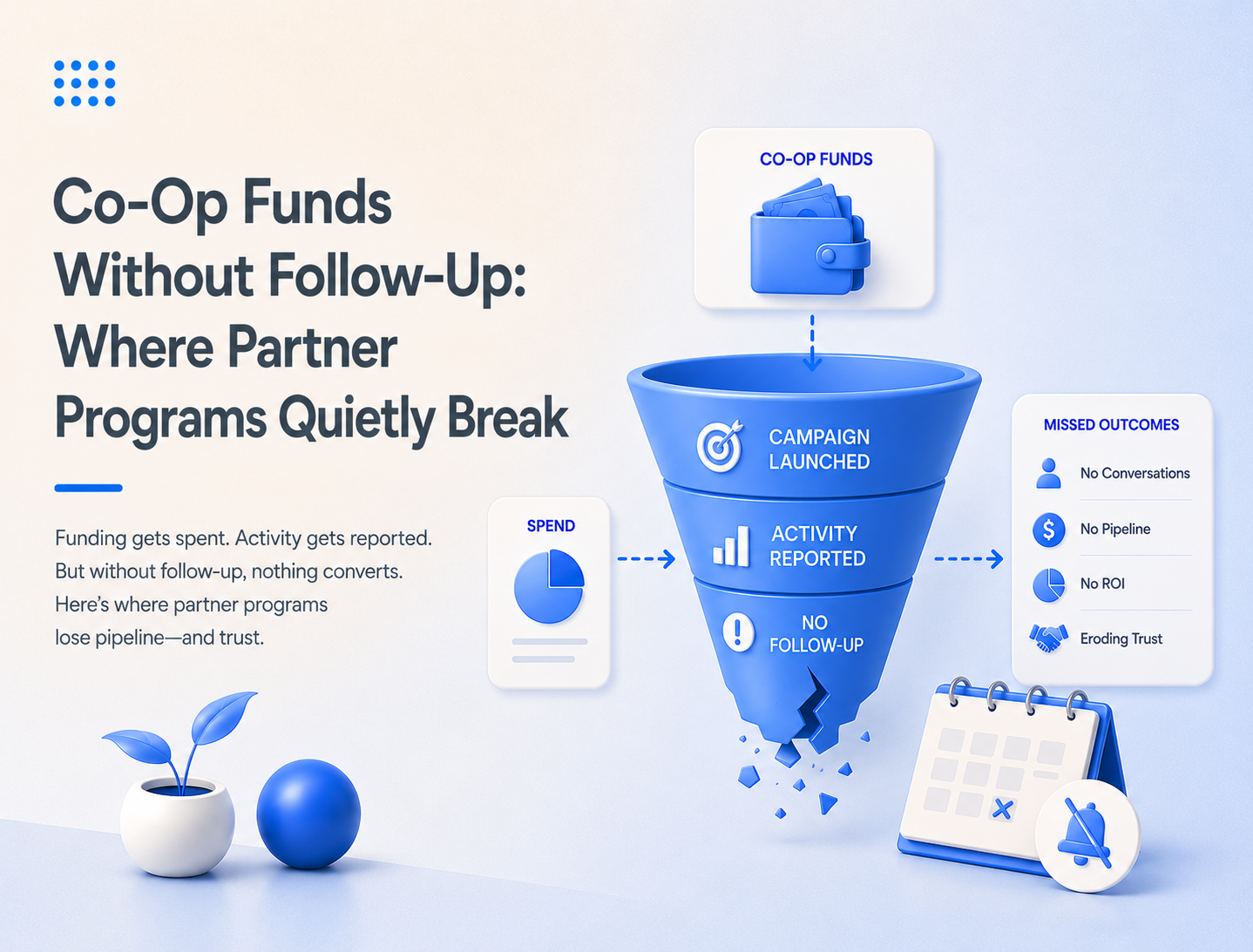
Leads enter. They get nurtured. They click, download, revisit pages, even light up intent dashboards. And then… nothing happens. No meetings. No momentum. Just a quiet funnel filled with “engaged” contacts who never convert into conversations.
This isn’t a HubSpot problem. It’s a human engagement gap—the space between marketing signals and sales action. And it’s where pipeline quietly dies.
What HubSpot Means for Demand Generation Marketers
In demand gen, HubSpot is the control center:
For Marketing Campaigns Managers, Demand Gen Directors, and RevOps leaders, HubSpot is essential because it creates consistency and scale.
But there’s a limit to what any automation platform can do. HubSpot excels at nurturing behavior. It’s not built to create dialogue.
In B2B—especially enterprise tech—pipeline doesn’t move because someone hit MQL. It moves because someone had a real conversation at the right moment.
Common Challenges Marketers Face
Even with excellent HubSpot hygiene, most teams hit the same wall:
1. Engagement doesn’t equal readiness
A director downloading a whitepaper may be curious, exploring, or benchmarking. HubSpot can score the behavior. It can’t interpret urgency.
2. Speed-to-lead breaks down fast
Signals decay fast in 2025. The longer a lead sits in an automated flow with no human follow-through, the colder it gets.
3. Sales follows the wrong signals
Marketing sees intent. Sales sees a long list of half-qualified MQLs. Without a human performance layer, the loudest signals don’t become the best opportunities.
4. Director-level buyers don’t “self-convert”
Senior buyers rarely fill out a second form to “talk to sales.” They need a timely, credible nudge into a conversation—not another email.
5. The funnel looks healthy on dashboards—but isn’t
Clicks, opens, and scores go up. Pipeline doesn’t. The problem isn’t nurturing. It’s conversion to meetings.



.png)

%201.png)


.png)


Solutions That Work
Fixing the HubSpot-to-pipeline gap doesn’t mean replacing your platform. It means finishing what automation starts.
This is where Site Ascend fits—specifically through two high-leverage programs designed for the moment when HubSpot signals go quiet:
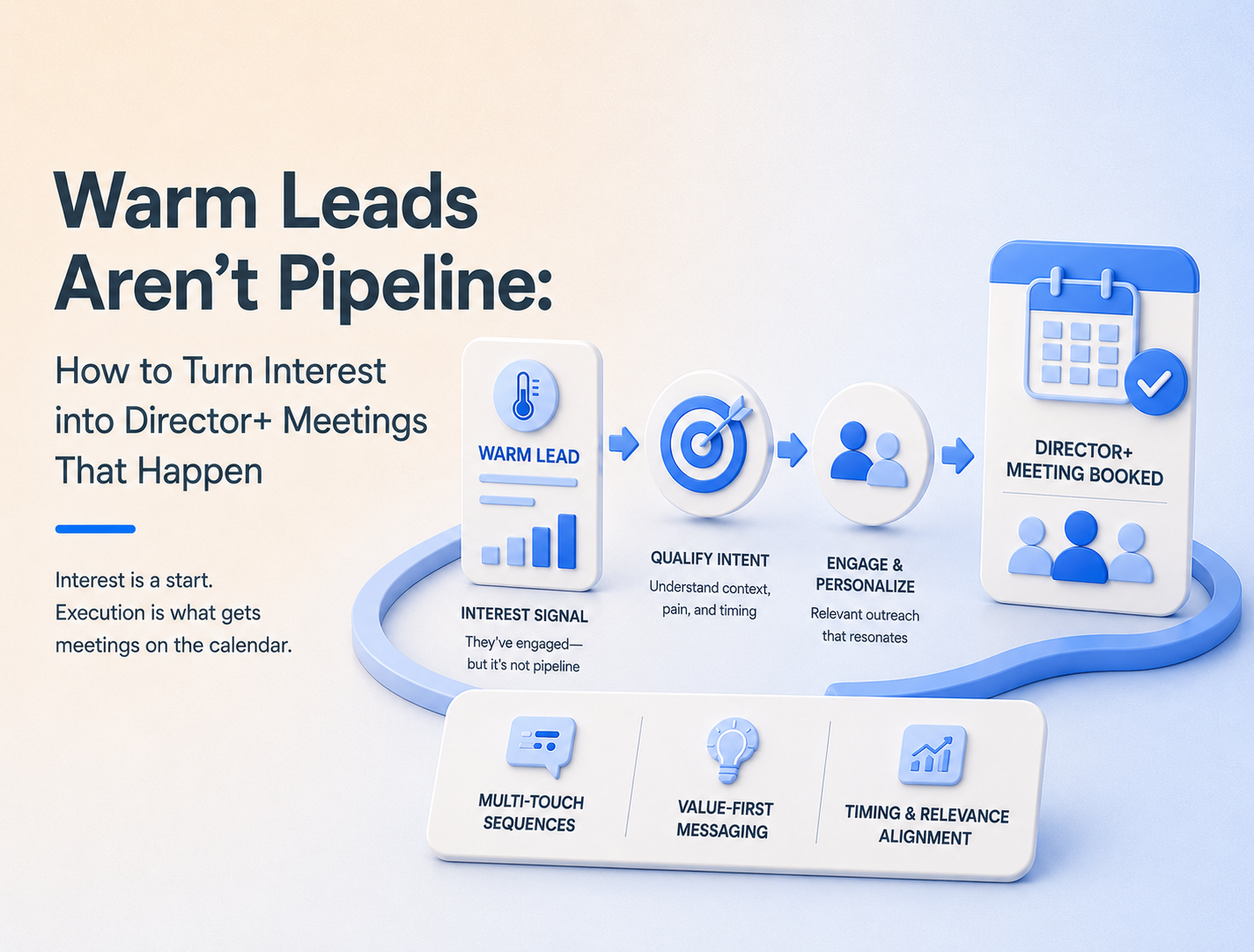
1) Lead Qualification that turns interest into meetings
HubSpot is great at collecting opt-ins. But opt-in leads are not qualified conversations.
Site Ascend follows up with outbound dialing to validate:
Instead of sending “warm” leads to sales and hoping for the best, you convert engagement into qualified director-level meetings.
2) Executive Meetings that revive silent funnels
When HubSpot engagement spikes but buyers don’t respond, your funnel is telling you what it needs: human contact.
Site Ascend runs targeted outreach to director+ buyers inside your priority accounts, using your HubSpot context as fuel:
The result: real conversations booked with decision-makers, not more activity reports.
HubSpot nurtures the interest.
Site Ascend converts the silence into dialogue.
Actionable Steps for Marketers
Here’s a quick playbook to close the gap:
Checklist: Turning HubSpot Engagement Into Meetings
Comparison of Market Solutions
Most teams try one of three approaches:
Option A: Rely on HubSpot automation alone
Pros: scalable, low effort.
Cons: produces passive nurturing and silent funnels.
Option B: Build everything in-house with SDR/BDR teams
Pros: control, internal alignment.
Cons: expensive, hard to staff, inconsistent performance, and often skewed toward volume over quality.
Option C: Outsource appointment setting broadly
Pros: adds capacity.
Cons: many providers optimize for booked meetings, not held meetings, and often chase lower titles to inflate output.
Site Ascend is different in ways that matter to demand gen leaders:
It’s not more noise. It’s a performance layer designed to convert HubSpot engagement into sales conversations.
Conclusion
HubSpot is doing its job: nurturing, organizing, and surfacing interest. If your pipeline is still quiet, it’s not because your platform failed—it’s because automation can’t do the last mile.
In 2025, the teams winning pipeline aren’t sending more nurture. They’re adding a human engagement layer that turns signals into scheduled, qualified director-level meetings.
If you want to test what that looks like in your funnel, Site Ascend can pilot a performance layer alongside your HubSpot engine—so nurturing finally turns into conversations, and conversations turn into pipeline.
If HubSpot already has sequences, why add outbound follow-up?

What types of HubSpot leads benefit most from human qualification?
How fast should I follow up on a HubSpot intent spike?


Start your pilot campaign today and explore the full range of Site Ascend's demand generation capabilities. Experience firsthand how we can enhance your efficiency, streamline your processes, and drive growth.
RELATED