HubSpot Can Nurture — But It Can’t Convert Silence Into Conversations
Demand Generation


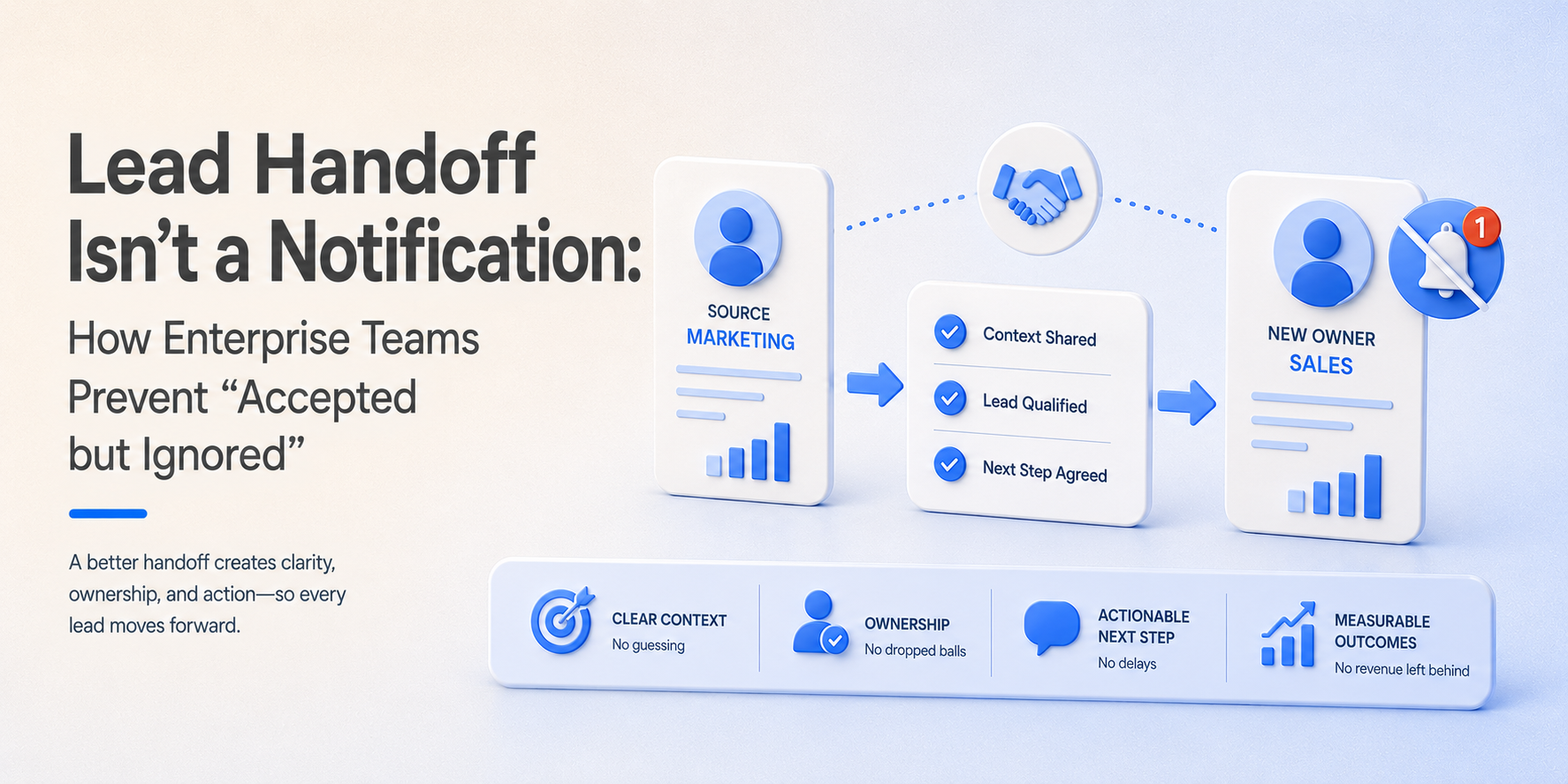
In enterprise demand gen, lead handoff isn’t a notification—it’s a motion that transfers actionability. Learn why leads get “accepted but ignored,” the handoff context sales needs (stakeholder level, problem, timing trigger, and next-step design), and how Site Ascend improves follow-through with lead qualification and Director+ meetings that occur.
-
Lead Handoff
Introduction
If you’ve ever watched a “qualified” lead get accepted…and then quietly die, you already know the dirty secret of enterprise demand gen:
A lead handoff is not a moment. It’s a motion.
Most orgs treat handoff like a technical event: a lead gets routed, a stage changes, an SLA clock starts. That’s necessary—but it’s not sufficient. Because sales doesn’t work leads based on status. Sales works leads based on confidence.
Confidence that:
When that confidence isn’t present, leads become “accepted but ignored.” And you end up in the same argument every quarter: marketing blames follow-up, sales blames quality, and pipeline blames everyone.
This blog breaks down what a modern enterprise lead handoff should include, where the most common leaks happen, and how Site Ascend helps teams operationalize handoff through Lead Qualification and Executive Meetings that create Director+ meetings that occur and progress.
What Lead Handoff Means for Demand Generation Marketers and other titles that meet Site Ascend’s ICP
Lead handoff is typically defined as “passing a lead from marketing to sales.”
In enterprise, a better definition is:
Lead handoff is the transfer of actionability—delivering a lead in a form that makes follow-up the obvious next move.
That includes three components:
When any one of these is missing, “handoff” becomes a glorified notification.
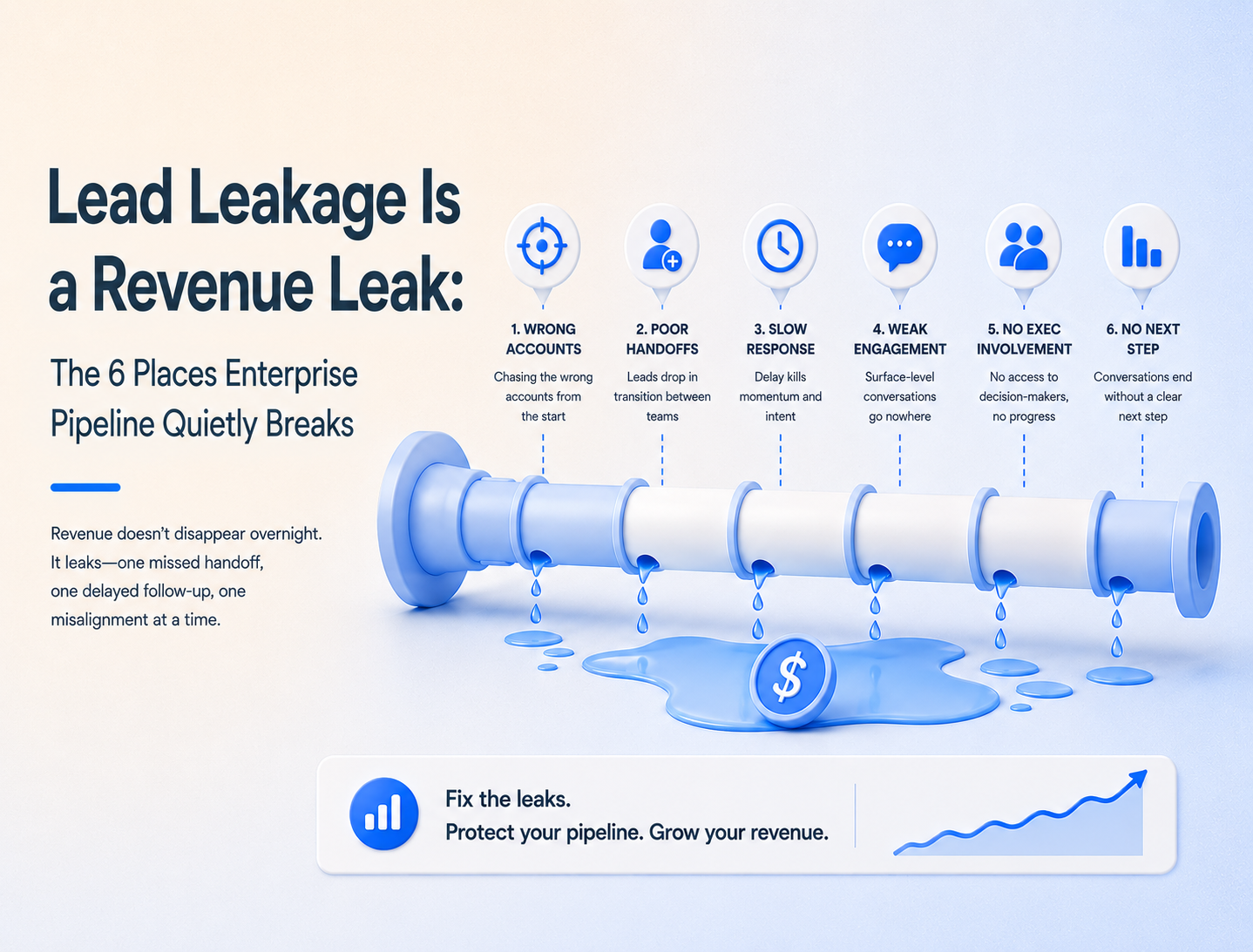
Common Challenges Marketers Face
The lead arrives with metadata, not meaning
Sales receives a form fill, a score, and a campaign name. What they need is a short narrative:
Sales acceptance becomes compliance
A lead gets accepted to satisfy SLAs or avoid conflict—but there’s no actual intent to pursue it because the rep doesn’t believe it will convert.
Wrong level, wrong outcome
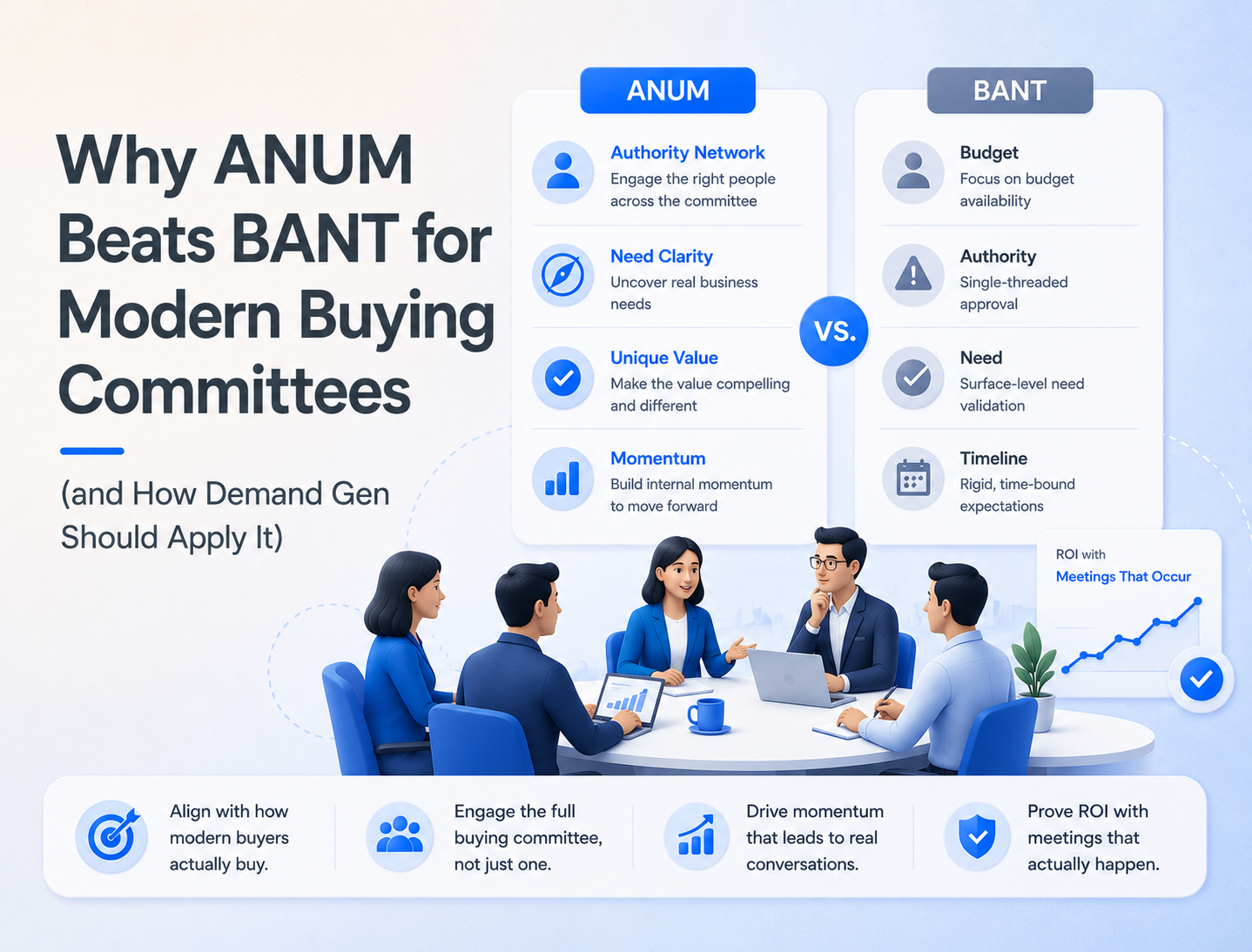
Enterprise pipeline doesn’t progress on interest alone. It progresses when Director+ stakeholders engage, or when there’s a clear path to them. Handoffs that don’t address seniority create busywork.
No timing trigger, no priority
Even strong-fit leads go nowhere without “why now.” Sales will always chase urgency first.
Meetings are booked but don’t hold
A handoff that produces “meeting scheduled” can still fail if there’s no confirmation motion and no stakeholder alignment. Held meetings are the real conversion point.



.png)

%201.png)


.png)


Solutions That Work
If you want to prevent “accepted but ignored,” your handoff has to do two jobs:
Build a handoff that includes a decision-ready snapshot
The best enterprise handoffs are short and structured. They don’t overwhelm. They answer the questions a rep would ask in the first 60 seconds.
A “decision-ready snapshot” should include:
Stakeholder and role
Problem statement
Timing trigger
Recommended next step
This turns a handoff into a play—not a guess.
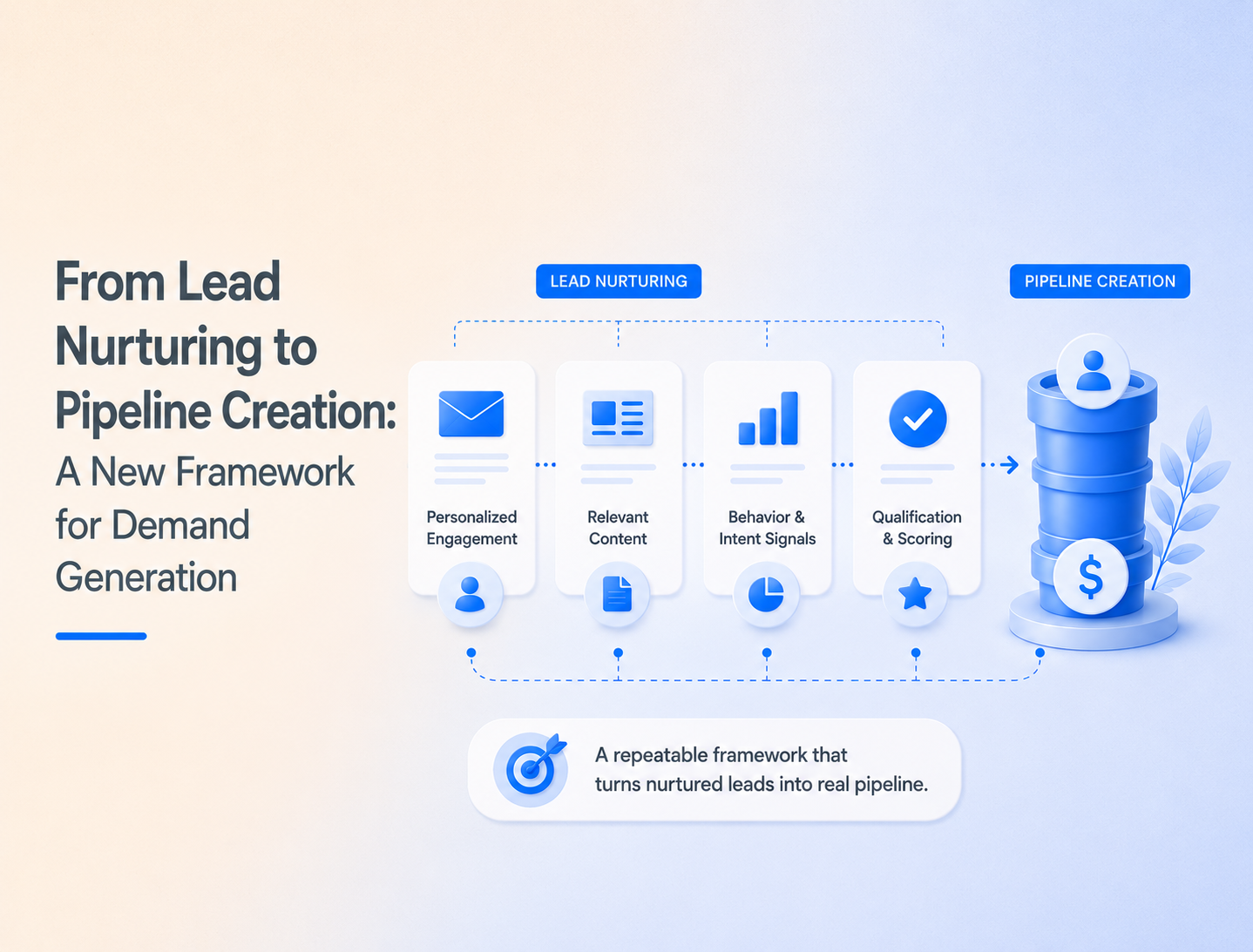
Use Lead Qualification to make the handoff real
A lot of handoff conflict happens because marketing is forced to pass leads before readiness is clear. That’s how “hope” gets shipped.
Site Ascend’s Lead Qualification program is designed to convert opt-in engagement into sales-actionable leads by validating:
Instead of pushing uncertain leads into sales queues, qualification creates a clearer “go / not yet / no” decision—so handoff becomes cleaner and sales follow-up becomes more consistent.
Deliver Director+ conversations through Executive Meetings
When the biggest handoff leak is stakeholder level, there’s a more direct solution: stop relying on junior engagement to climb the org chart.
Site Ascend’s Executive Meetings focus on:
This helps eliminate the most common handoff failure: “We had interest, but not from someone who could move it forward.”
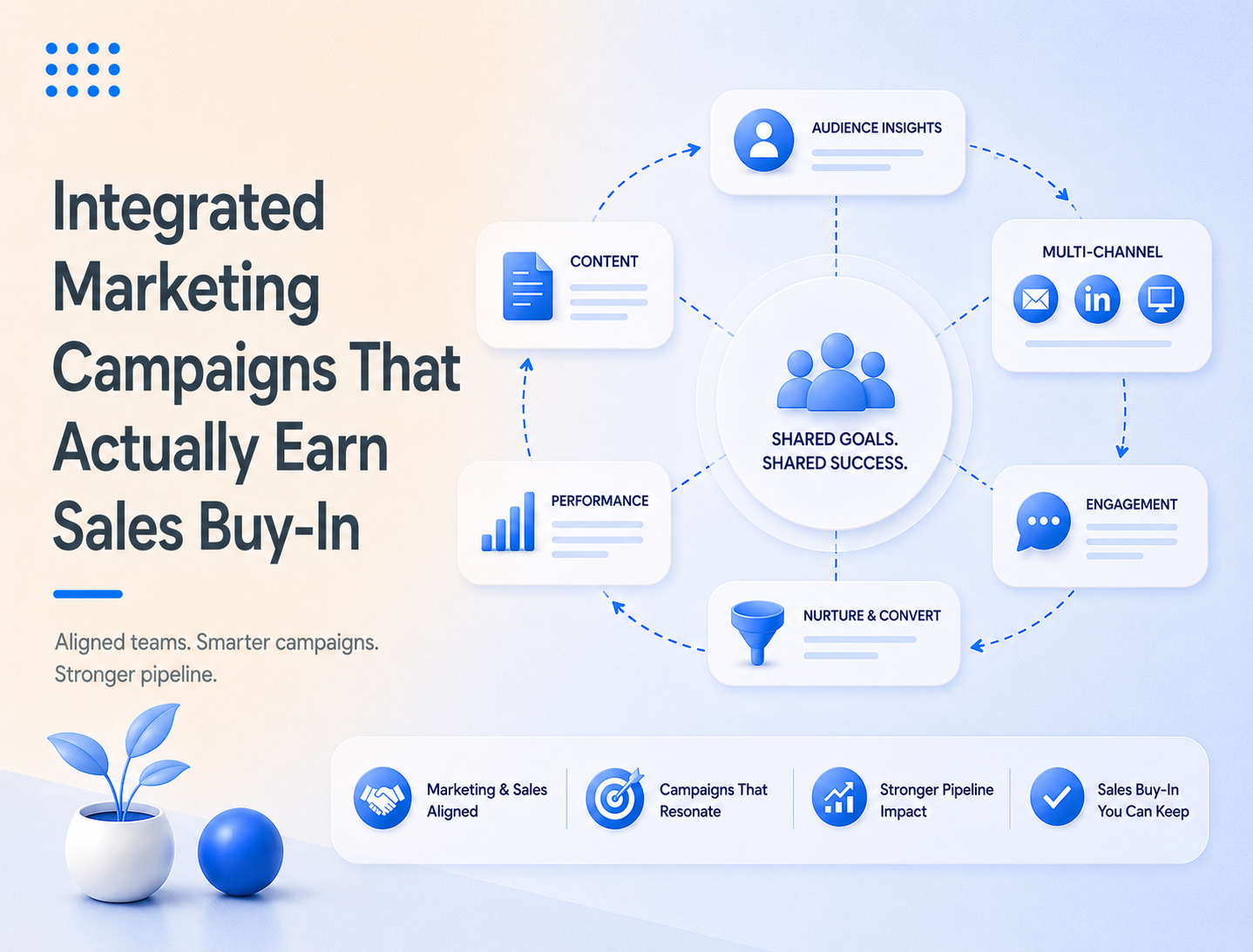
When handoff includes events or channel, protect the momentum
Event and partner leads are especially prone to handoff decay because they often arrive in bulk and with limited context.
Actionable Steps for Marketers
You can improve handoff without changing your whole funnel. Start by changing what “complete” looks like.
The “Accepted but Ignored” prevention checklist
Before a lead moves to sales, confirm you can answer:
Who
Why
Why now
What next
Build two lanes instead of one
Not every lead should be handed off the same way.
Lane 1: Sales-ready
Meets the checklist above → route with urgency and a defined next step.
Lane 2: Not yet
Missing authority or trigger → keep in a controlled motion until the missing piece is validated.
This prevents sales queues from becoming a graveyard and preserves trust.
Comparison of Market Solutions
Most lead handoff “solutions” focus on one lever—process, headcount, or automation. In enterprise, you usually need a blend that reduces uncertainty and protects next steps.
Tighten the internal process (SLAs, routing logic, scoring)
This improves consistency and can reduce obvious waste. But it doesn’t guarantee progression. If readiness isn’t validated and Director+ involvement isn’t addressed, handoffs can still stall—just faster and more neatly.
Add more SDR follow-up
More capacity can help, but it’s the most expensive way to solve a quality problem. Without a consistent handoff narrative (problem, trigger, next step), SDR effort gets spread thin and results become highly variable.
Use a qualification layer + Director+ meeting motion
This approach treats handoff as a conversion system:
That’s where Site Ascend fits—using Lead Qualification to convert opt-ins into sales-actionable conversations, and Executive Meetings to drive Director+ meetings that occur with clear accountability and visibility.
Conclusion
If your leads are being accepted but ignored, you don’t have a follow-up problem—you have a handoff problem.
Fixing it means transferring actionability, not just a record:
If you want to pilot a handoff motion that improves sales engagement, held meetings, and next-step conversion, contact Site Ascend to discuss a pilot using Lead Qualification and Executive Meetings.
What’s the difference between lead handoff and lead routing?

Why do leads get accepted but not worked?
How do we measure handoff quality?


Start your pilot campaign today and explore the full range of Site Ascend's demand generation capabilities. Experience firsthand how we can enhance your efficiency, streamline your processes, and drive growth.
RELATED