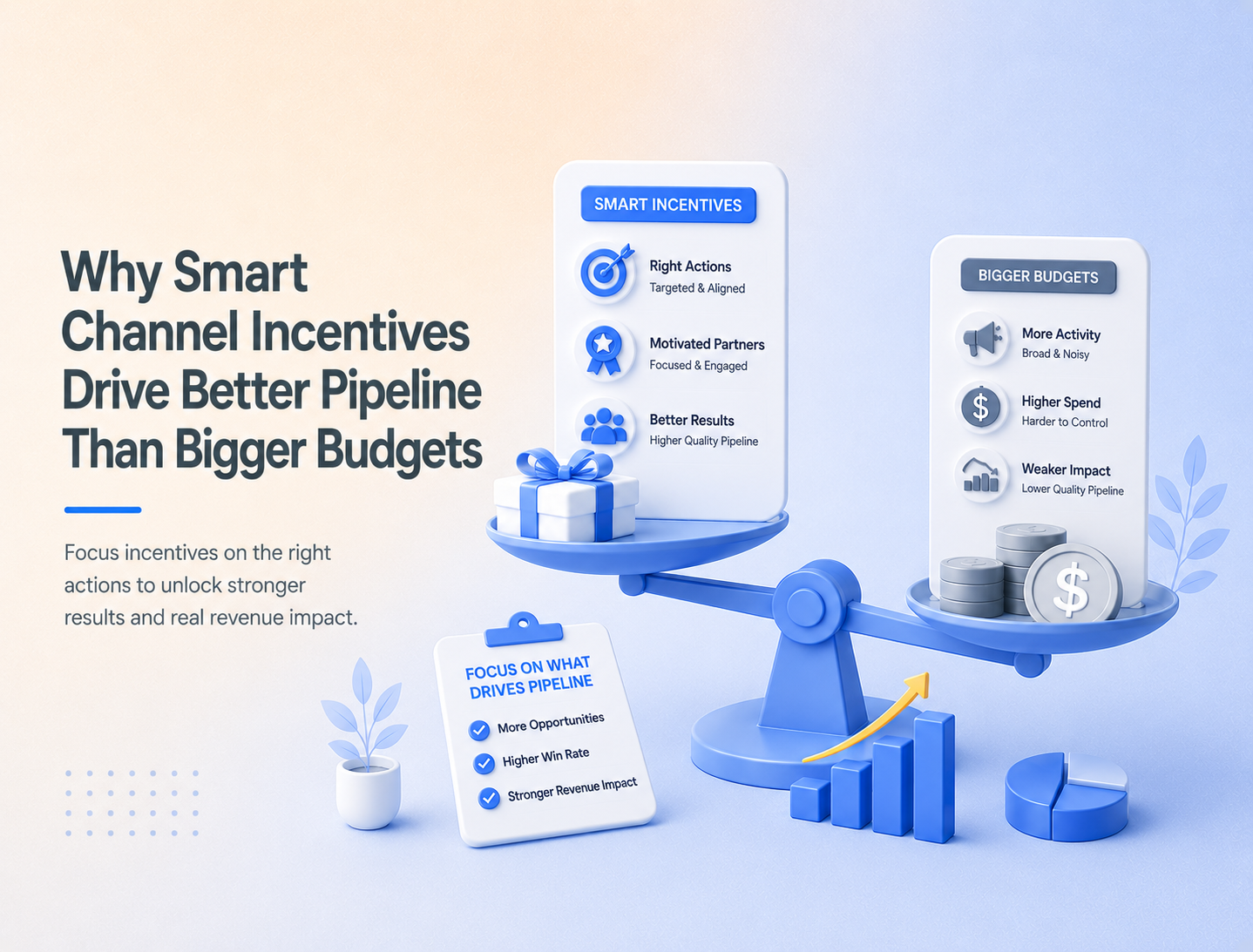
Why Smart Channel Incentives Drive Better Pipeline Than Bigger Budgets
Channel Marketing


Marketing automation can score, route, and nurture leads—but it can’t validate intent or secure calendar commitment. This blog breaks down where pipeline leaks after the click and outlines the missing conversion layer: qualification and meeting-setting that sales accepts, backed by a pay-for-outcome model focused on meetings that actually occur.
-
Demand Generation
Introduction
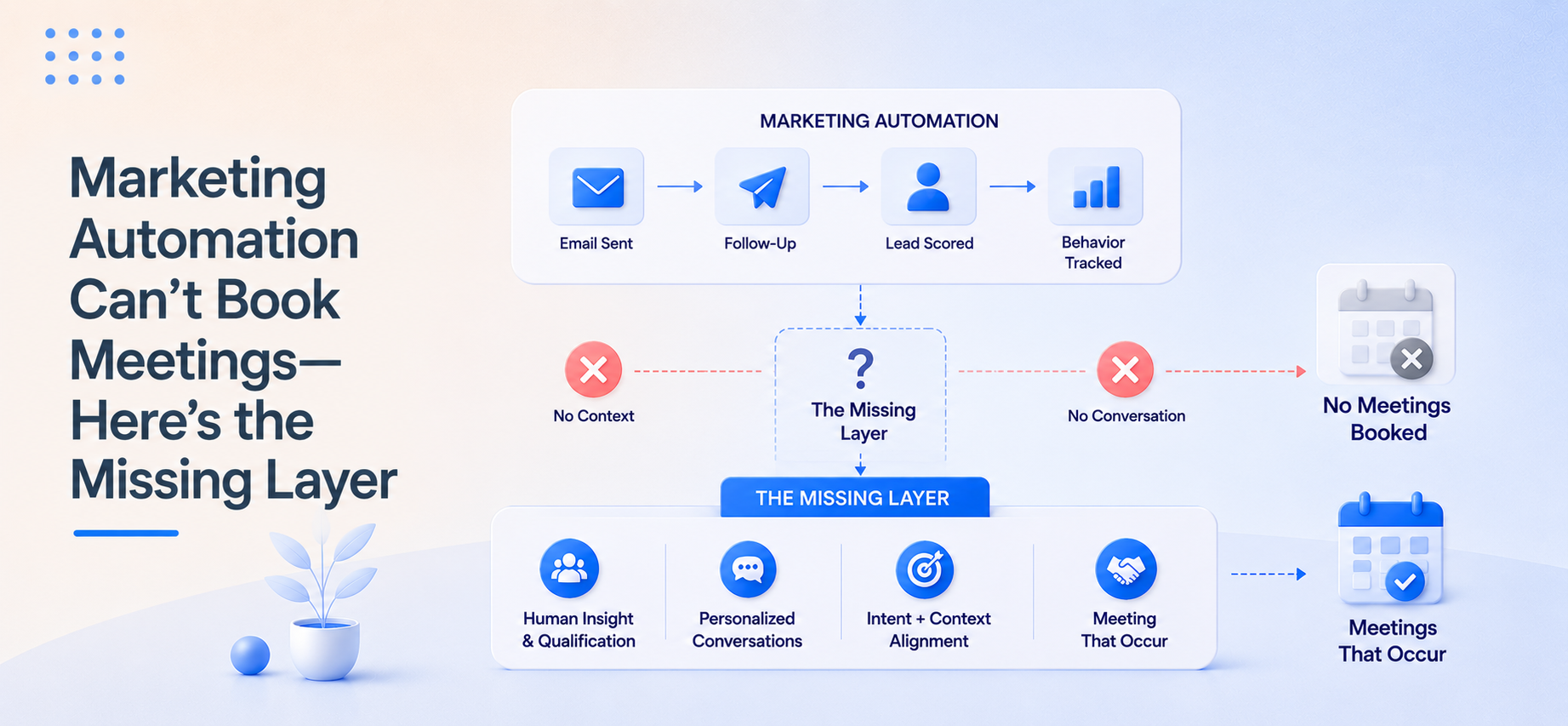
Marketing automation is great at one thing: scaling communication. It can trigger follow-ups, route leads, score engagement, and keep your database “warm.” But if you’re accountable for pipeline, you already know the uncomfortable truth: marketing automation doesn’t book meetings.
The gap isn’t your MAP. The gap is what happens after the signal—when a real person needs to validate intent, align next steps, and get a meeting on the calendar that actually occurs. That missing layer is where most funnel leakage happens, and it’s exactly where Site Ascend is built to operate: converting activity into conversations with the right people.
What Marketing Automation Means for Demand Generation Marketers and Similar Roles
In demand gen, marketing automation typically means a system of workflows that:
For enterprise demand gen teams, automation is table stakes. The challenge is that “automated” too often becomes “unowned.” It’s easy to generate engagement, harder to create sales-accepted next steps—and hardest to do it consistently across inbound, partners, and events.
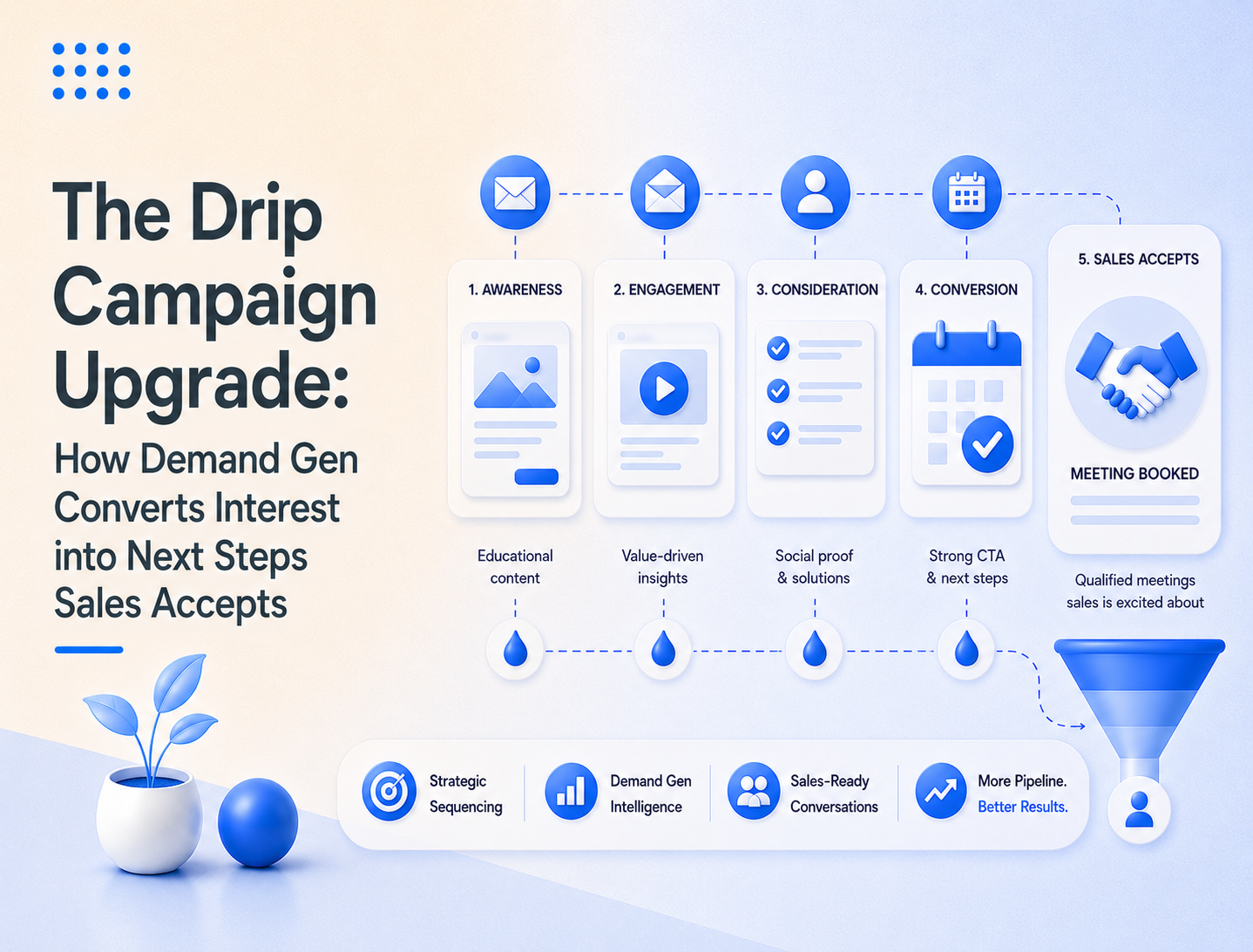
Automation is a signal engine. Pipeline requires a conversion engine.
Common Challenges Marketers Face
Most teams don’t struggle to create leads. They struggle to convert leads into meetings that hold.
Here’s where marketing automation most often breaks down:
1) Engagement gets mistaken for intent
High opens, clicks, and downloads can look promising, but those signals don’t automatically translate into urgency, authority, or willingness to meet.
2) Lead scoring becomes a routing argument
Marketing thinks the lead is hot. Sales disagrees. The result is delay, rejection, or no follow-up. Meanwhile, the buyer moves on.
3) Speed-to-lead is inconsistent
Even if your workflows are instant, human follow-up isn’t. SLAs slip, SDR queues build, and the most time-sensitive leads cool off.
4) Event and partner leads are especially fragile
Partners submit “leads” that aren’t ready. Event registrants no-show. Automation can nurture them, but it usually can’t confirm intent, attendance, and next steps fast enough.
5) SDR time becomes the bottleneck
SDRs get pulled into reactive work: chasing low-quality form fills, reworking partner lists, and trying to resurrect stalled leads—often at the expense of outbound prospecting.



.png)

%201.png)


.png)


Solutions That Work
If marketing automation is the system, the missing layer is the execution that turns signals into booked conversations—with accountability tied to outcomes.
This is where Site Ascend fits into a modern demand gen stack:
1) Lead Qualification that Converts Interest into Sales-Accepted Meetings
When leads opt in (downloads, registrations, demos), your MAP can route them—but it can’t qualify them. Site Ascend’s lead qualification program turns opt-in interest into real conversations by validating:
The outcome isn’t “leads worked.” The outcome is “meetings that occur.”
2) Executive Meetings that Create Pipeline Acceleration
For target-account outreach, automation isn’t the best lever—precision is. Site Ascend books 30-minute virtual meetings with director+ titles in your target accounts, using a pay-for-performance model that aligns spend to actual held meetings.
3) Channel Marketing that Protects Partner Relationships
Partner leads often fail because follow-up is inconsistent or handled in a way that creates channel conflict. Site Ascend supports channel marketing through white-labeled appointment setting funded by MDF—so partners look good, your team stays aligned, and meetings get booked cleanly.
4) Event Marketing that Focuses on Registrants (and Attendance Support)
Site Ascend drives event registrants via outbound dialing, then uses an SMS workflow to support attendance through the event date. This is not onsite execution—it’s attendee procurement and confirmation discipline that reduces no-show risk and increases the odds that post-event follow-up converts into meetings.
5) Real-Time Reporting That Makes the Funnel Visible
Automation reporting can tell you what happened inside campaigns. Site Ascend’s real-time dashboard focuses on what demand gen leadership actually needs to manage: outreach volume, conversion, and meetings that occur.
Actionable Steps for Marketers
Here’s a practical checklist to close the automation-to-meeting gap without rebuilding your stack:
Step 1: Redefine “conversion” as a meeting that occurs
If your success metric stops at MQL, you’ll keep optimizing for volume. Tie performance to sales-accepted conversations and held meetings.
Step 2: Separate scoring from scheduling
Lead scoring should prioritize. It should not decide the outcome. Put a human qualification layer between “signal” and “calendar.”
Step 3: Build a 24–72 hour follow-up motion for every high-intent trigger
Downloads, event registrations, demo requests, partner referrals—each should have a defined path to a real conversation, not just another nurture.
Step 4: Create a “reject-proof” meeting definition with sales
Align on what qualifies as a good meeting: persona, intent, timing, and next step expectations. Then enforce it consistently.
Step 5: Use a pay-for-outcome program to remove lead risk
If you’re investing budget, reduce risk by aligning cost to outcomes—especially when SDR time is limited and sales buy-in matters.
Comparison of Market Solutions
Example 1: The Procurement View
Procurement Outcome #1: Lower financial risk per pipeline result
Procurement Outcome #2: Clear ownership and fewer internal handoff failures
Procurement Outcome #3: Brand and relationship protection at scale
Conclusion
Marketing automation is not the enemy—it’s just not the finish line. Automation can generate signals and scale communication, but it can’t replace the conversion layer that turns interest into sales-accepted conversations.
If your team is generating leads but not meetings, or nurturing engagement without pipeline movement, the fix isn’t another workflow. It’s adding the missing layer: a performance-based program that qualifies and books meetings that actually occur.
If you want to reduce lead risk, protect SDR time, and convert your best signals into real conversations, Site Ascend can help you pilot a pay-for-outcome motion across inbound, channel, event, or executive meeting programs.
Why doesn’t marketing automation translate directly into pipeline?

What’s the best way to improve sales acceptance from automated leads?
How does Site Ascend fit with marketing automation tools?


Start your pilot campaign today and explore the full range of Site Ascend's demand generation capabilities. Experience firsthand how we can enhance your efficiency, streamline your processes, and drive growth.
RELATED