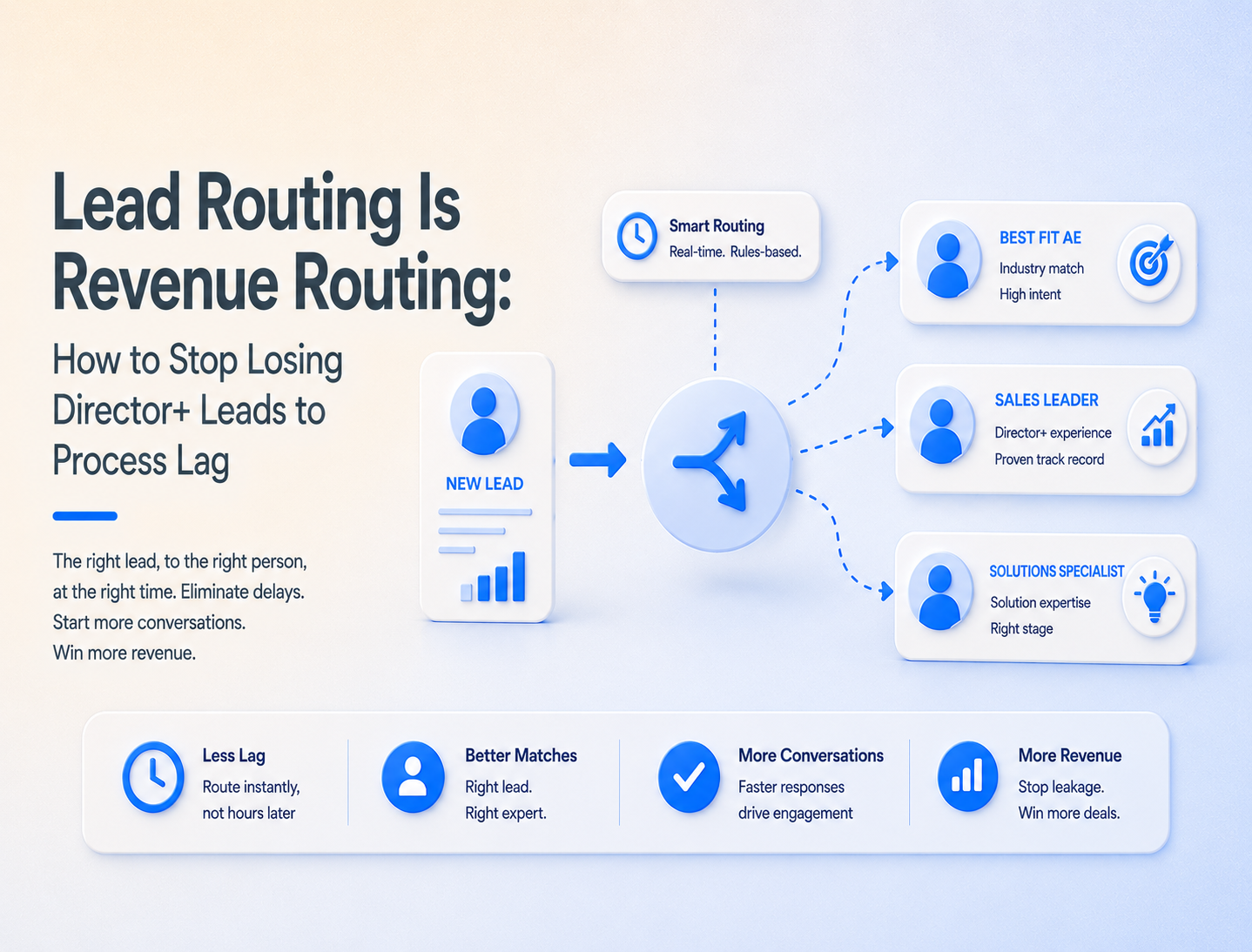
Lead Routing Is Revenue Routing: How to Stop Losing Director+ Leads to Process Lag
Lead Routing


Demographics can tighten your ICP, but they don’t guarantee follow-through. This post breaks down how pay-for-meeting demand gen reduces lead risk, improves sales acceptance, and converts on-profile targets into held conversations—without burning SDR time.
-
Demand Generation
Introduction
If your pipeline math depends on “good leads,” demographics can feel like the safest lever you have. Tighten the target. Raise the bar. Route only the right titles, industries, company sizes, and geographies. The logic is sound—until Sales still doesn’t accept what you send.
Because in enterprise demand gen, demographics reduce fit risk, but they don’t reduce follow-through risk. A lead can be perfectly on-profile and still go nowhere if it lands in the wrong queue, arrives without context, or requires too much SDR time to validate.
That’s why more enterprise teams are shifting from lead volume toward pay-for-meeting demand gen: a model designed to convert demographic “fit” into sales-accepted conversations that actually happen.
Site Ascend sits directly in that gap—turning demographic targeting into held meetings with director-level and above contacts, with an operating model built for acceptance: U.S.-based calling, white-labeled outreach, real-time reporting, and “only pay for meetings that occur.”
What Demographics Means for Demand Generation Marketers and Other Titles That Meet Site Ascend’s ICP
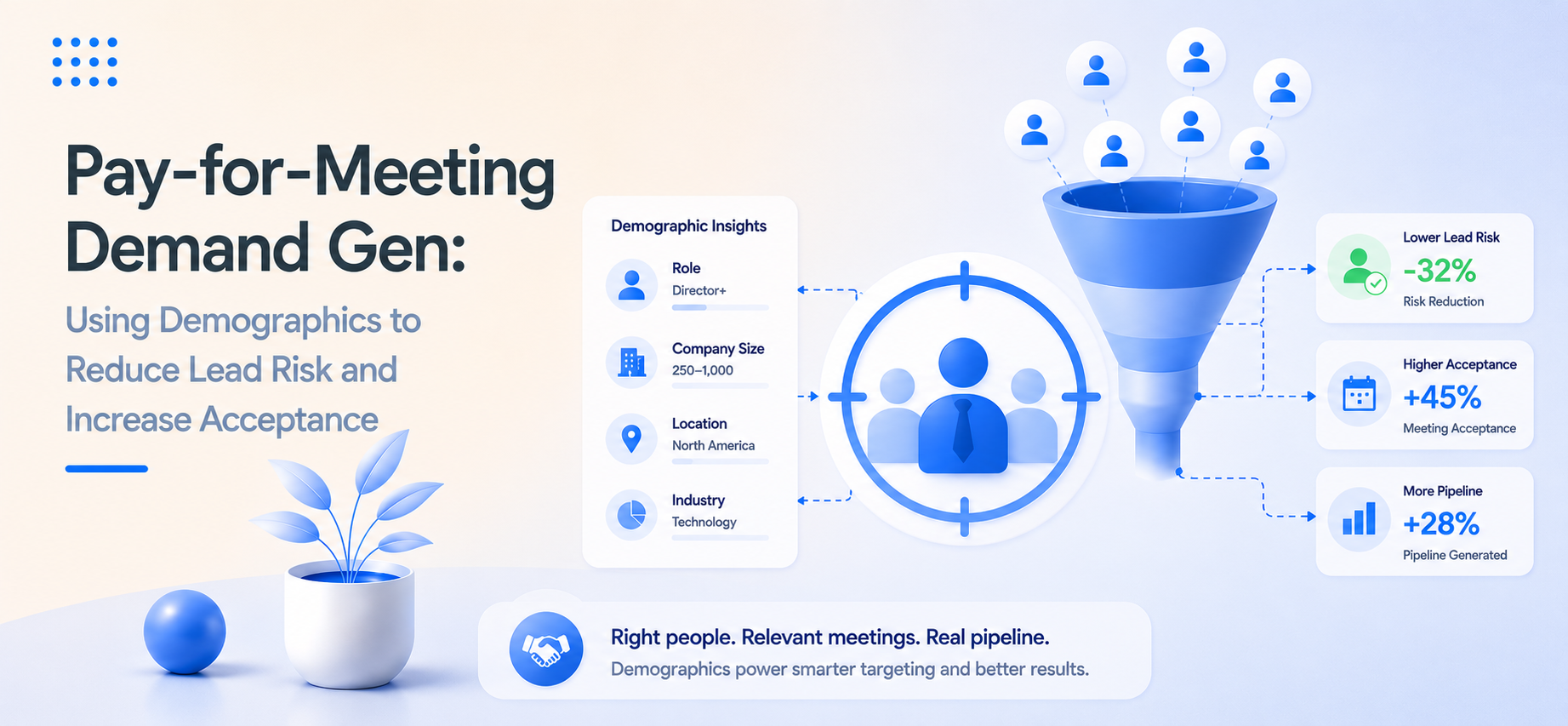
In this context, demographics are the account and contact attributes you use to define “who counts”:
For demand gen leaders, demographics are foundational because they:
But demographics aren’t a qualification outcome. They’re an input filter. The moment you treat them as proof of readiness, you start shipping what Sales experiences as “marketing hope.”
Common Challenges Marketers Face
Even with strong demographic targeting, enterprise teams run into the same failure modes:
1) “Fit” leads still aren’t sales-ready
A director-level title doesn’t mean urgency, openness to a meeting, or a defined initiative. If Sales has to discover all of that from scratch, acceptance rates drop.
2) SDR bandwidth gets consumed by verification work
When leads need enrichment, outreach, follow-up, and calendar coordination, you’re spending expensive SDR cycles to find out whether a lead was worth sending in the first place.
3) Handoff and routing delays kill momentum
If an inbound demo request or event registrant waits too long for outreach—or goes to the wrong owner—you lose the moment when the lead is most responsive.
4) Sales distrust becomes the default
Once a team gets burned by “perfect on paper” leads that don’t convert to conversations, they start ignoring everything that looks like marketing-sourced demand.
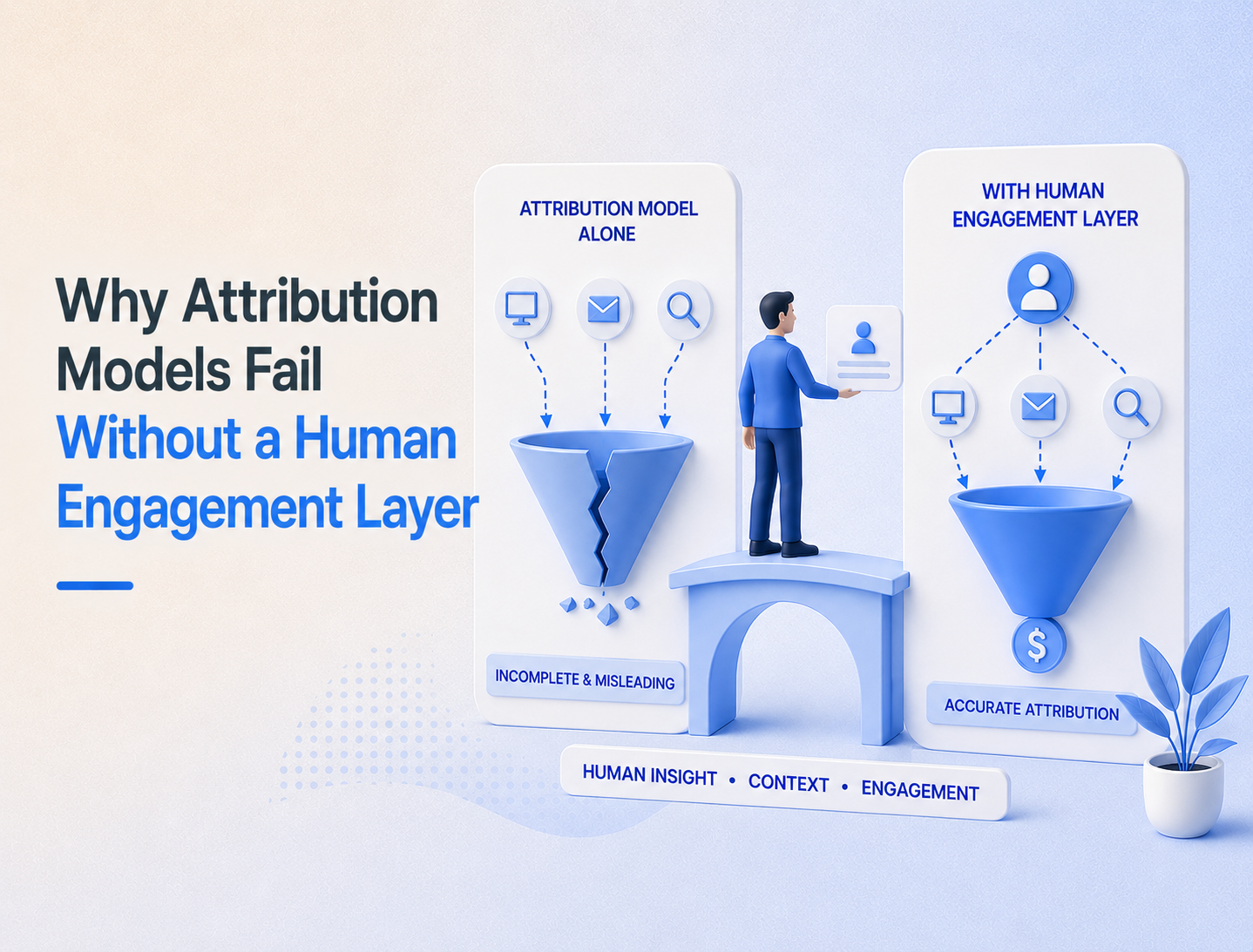
5) Reporting measures the wrong thing
If success is defined by MQL volume or response rate, you can “win” reporting while losing pipeline.



.png)

%201.png)


.png)


Solutions That Work
If demographics reduce fit risk, the missing piece is a system that reduces conversion risk—the risk that a lead doesn’t turn into a sales-accepted conversation.
This is where Site Ascend’s model is structurally different: it’s built around meeting outcomes, not activity outputs.
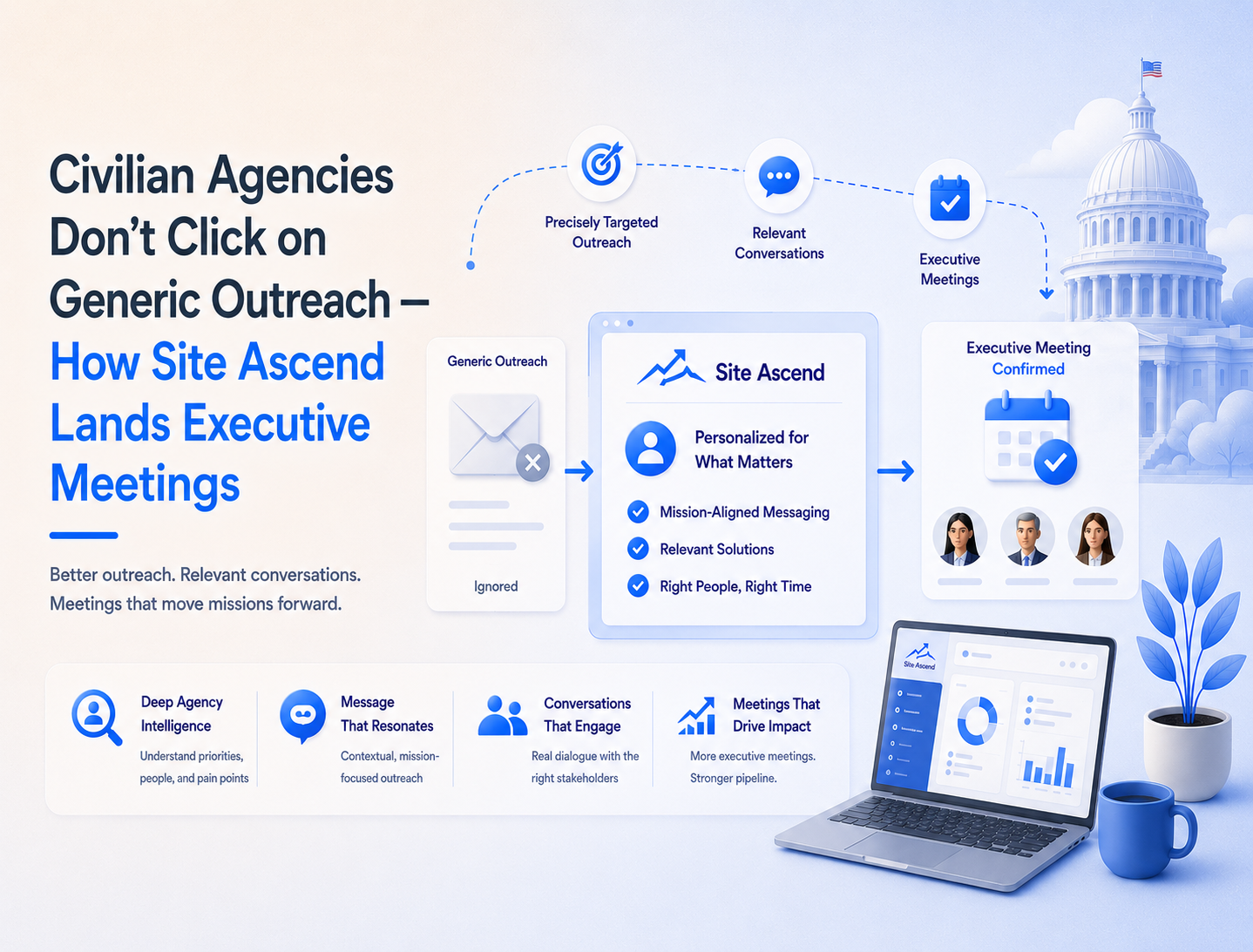
1) Executive Meetings: Convert demographic “fit” into held conversations
Site Ascend’s Executive Meetings program focuses on 30-minute virtual meetings with director-level and above contacts in target accounts. Instead of sending Sales a lead and hoping someone works it, the motion is designed to produce a scheduled, held conversation.
Key advantage: you only pay for meetings that occur, which shifts risk away from Marketing.
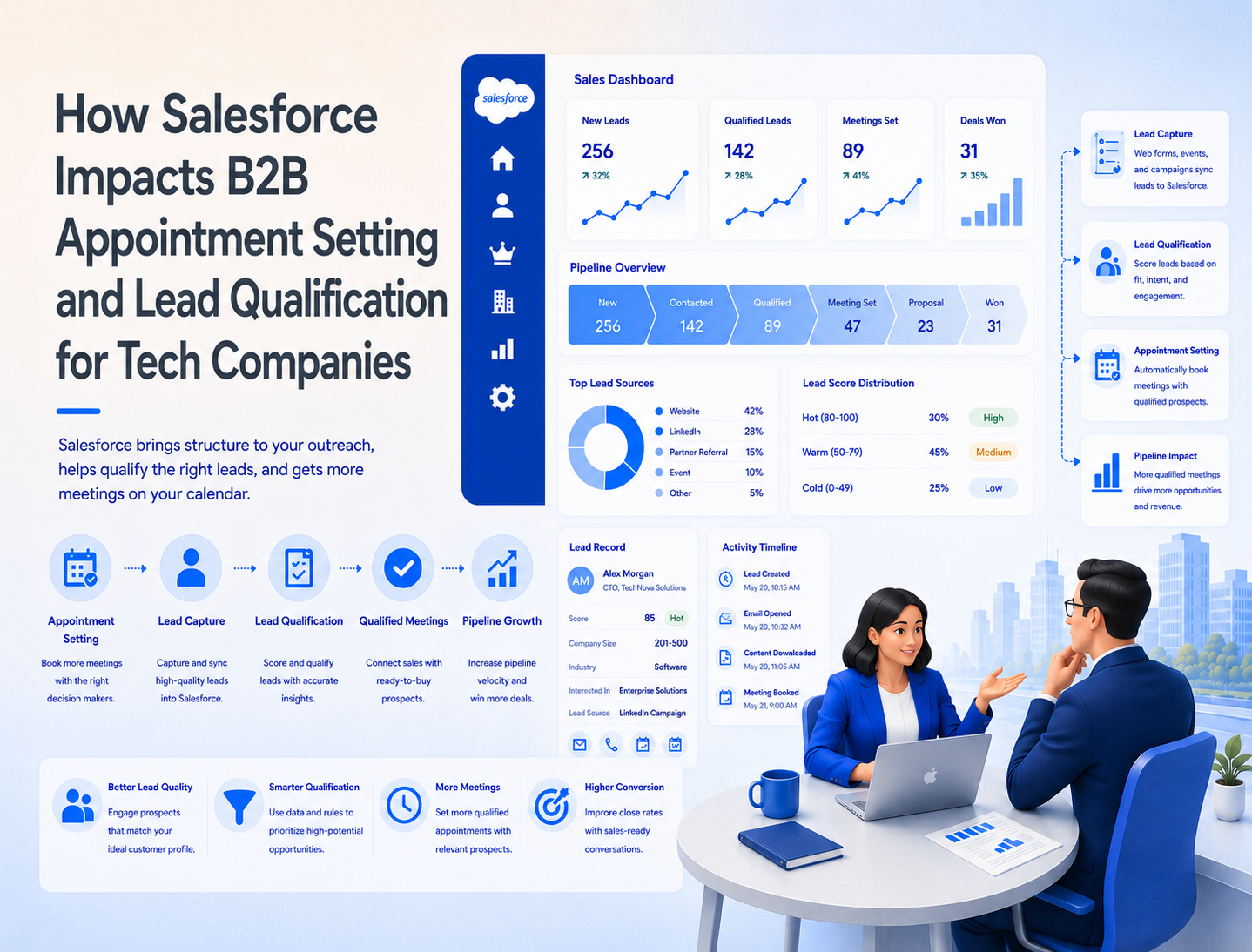
2) Lead Qualification: Validate the lead before it hits Sales
If your lead source is opt-in (whitepaper downloads, webinar registrations, event sign-ups), the real question is not “Are they the right demographic?”—it’s “Is there a credible next step worth Sales time?”
Site Ascend’s lead qualification converts opt-ins into qualified sales meetings, reducing the “accepted but ignored” issue because Sales receives a next step, not a name.
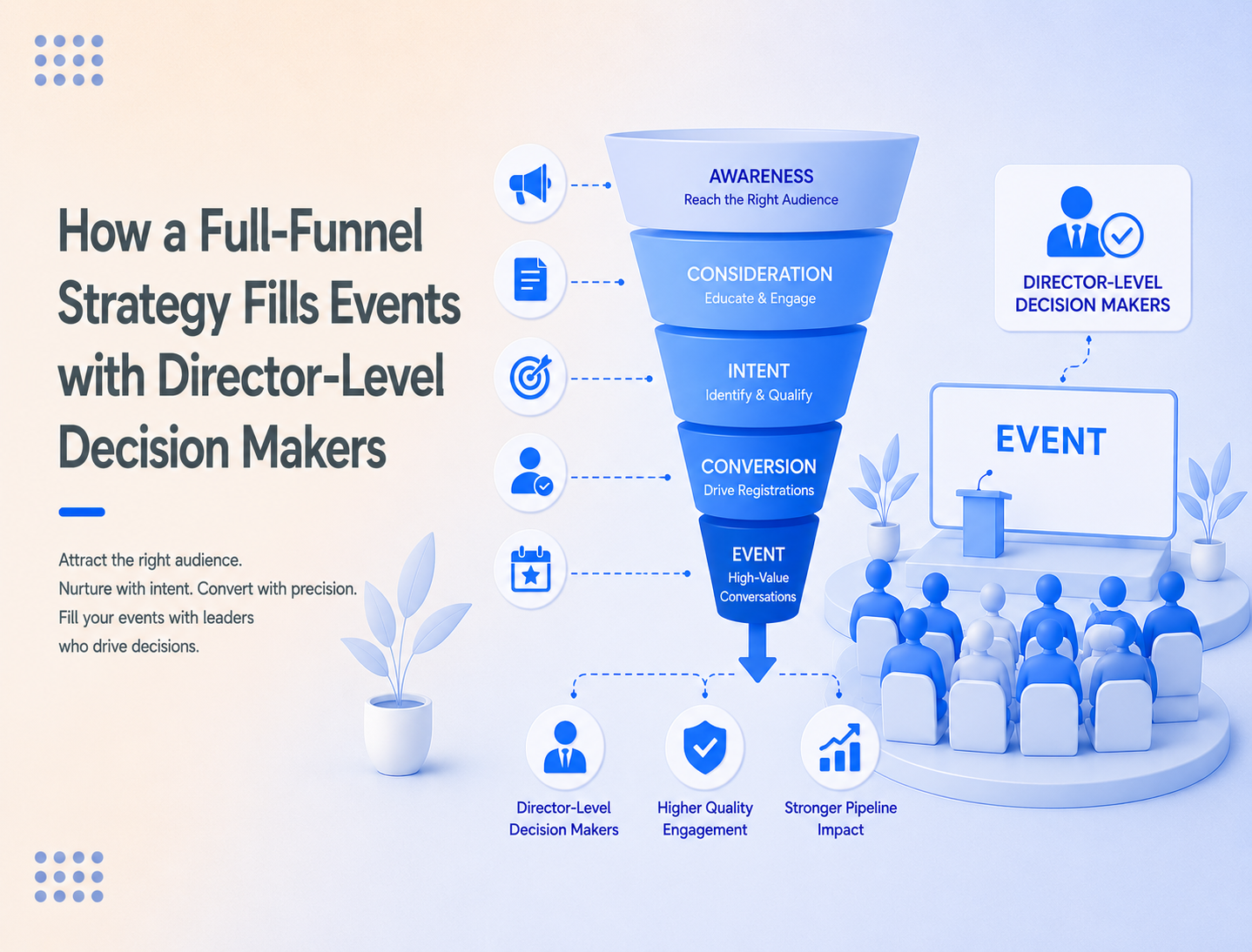
3) Event Marketing: Drive the right registrants—then support attendance
Site Ascend is focused on driving registrants to in-person or digital sponsored events using outbound dialing, then supporting attendance with an SMS workflow through the event date. (No on-site engagement or day-of-event services.)
For demographics, this matters because the biggest event failure isn’t registration volume—it’s registering the wrong audience and then watching attendance and follow-up decay.
4) Channel Marketing: White-labeled execution with outcome alignment
For partner and MDF-funded programs, Site Ascend provides white-labeled appointment setting on behalf of partners. This helps solve two common channel problems: activity without pipeline, and lead disputes caused by unclear ownership.
With clear demographic rules and outcome-based execution, channel activity becomes measurable pipeline contribution—not partner-sourced noise.
5) Operational advantages that reduce Sales friction
Site Ascend’s delivery model is designed to remove acceptance blockers:
Actionable Steps for Marketers
Use this checklist to turn demographics into higher acceptance—without asking SDRs to carry the full burden.
A Demographics-to-Acceptance Checklist
If your team lacks capacity to execute the outreach and coordination required to operationalize this, that’s exactly where Site Ascend fits: converting demographic fit into scheduled, held meetings.
Comparison of Market Solutions
Most enterprise teams land in one of these approaches:
Option 1: In-house SDR/BDR team runs demographic outreach
Option 2: Lead vendors and list-based programs
Option 3: Outsourced appointment setting priced on activity
Option 4: Pay-for-meeting outcome model (Site Ascend)
Conclusion
Demographics are necessary—but they’re not sufficient. If your goal is pipeline, you need a model that converts “fit” into accepted conversations without loading every step onto SDRs or hoping Sales follows up.
If you want to reduce lead risk and increase sales acceptance, Site Ascend helps you operationalize a meeting-first approach across executive meetings, lead qualification, event attendee procurement, and channel programs—backed by U.S.-based outreach and real-time reporting.
Ready to pilot a pay-for-meeting program that produces held meetings with the right accounts? Contact Site Ascend to start a pilot.
Are demographics still useful if we’re moving toward pay-for-meeting demand gen?

What’s the difference between lead qualification and demographic targeting?
How do you prevent Sales from ignoring marketing-sourced meetings?


Start your pilot campaign today and explore the full range of Site Ascend's demand generation capabilities. Experience firsthand how we can enhance your efficiency, streamline your processes, and drive growth.
RELATED