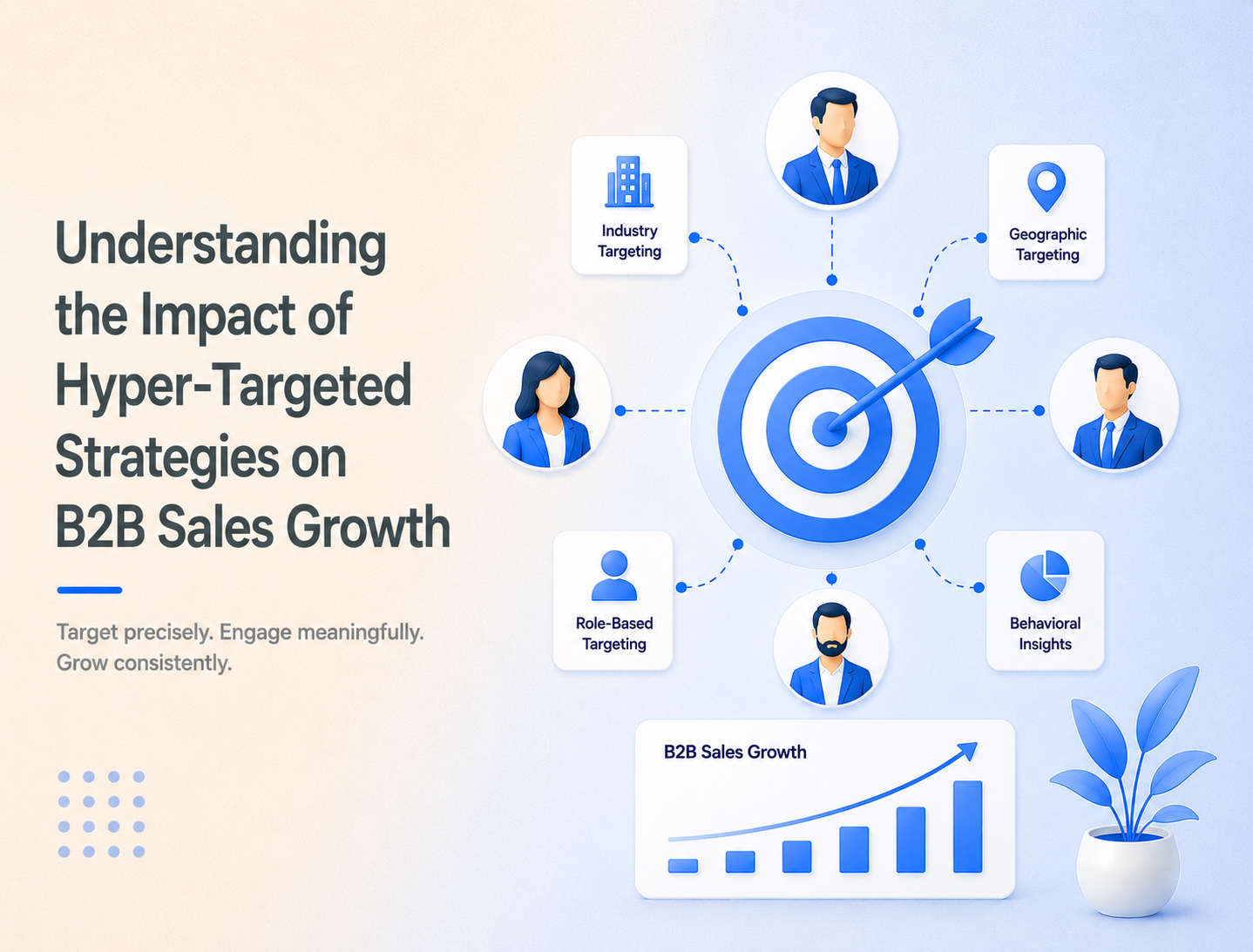
Understanding the Impact of Hyper-Targeted Strategies on B2B Sales Growth
b2b sales boost


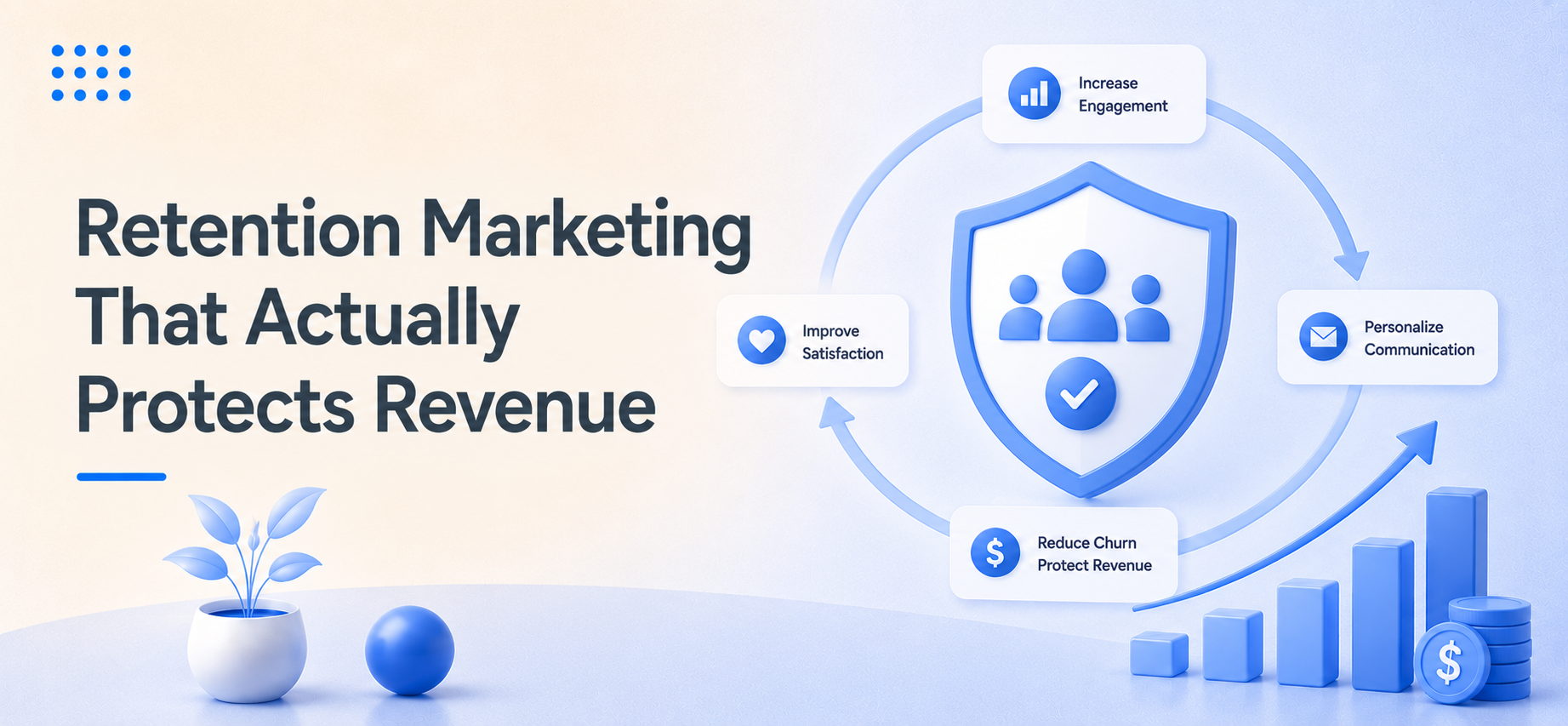
Retention marketing only protects revenue when signals turn into action. This post breaks down the retention motion enterprise teams need—clear ownership, real qualification, and meetings that happen—so renewals stay on track and expansion doesn’t rely on hope.
-
Revenue Marketing
Introduction
Most enterprise teams don’t lose revenue because they ignored retention. They lose it because retention becomes a set of “good customer marketing activities” that never turns into owned next steps—the kind Sales and Customer Success can act on with confidence.
If your retention program is driving engagement but renewals still feel fragile (or expansions are stuck in “we’ll revisit next quarter”), the issue usually isn’t messaging. It’s handoff and conversion: who follows up, how fast, and what qualifies as a real signal worth a live conversation.
That’s where Retention Marketing should evolve in 2026: away from “keep customers warm” and toward a measurable motion that protects revenue by creating sales-accepted conversations with the right stakeholders at the right time.
What Retention Marketing Means for Demand Gen Leaders (and Other Titles in Site Ascend’s ICP)
Retention marketing is the set of programs that reduce churn risk and increase expansion likelihood by driving adoption, multi-threading relationships, and surfacing buying signals inside existing accounts.
For enterprise demand gen, revenue marketing, ABM, field marketing, and partner marketing leaders, retention marketing isn’t just “customer comms.” It’s a pipeline discipline with three outcomes:
The challenge: those outcomes don’t happen just because customers consume content or attend a webinar. They happen when your team can operationalize signals into meetings that occur—and that’s exactly where most retention motions break.
Common Challenges Marketers Face
1) “Signals” don’t turn into conversations
Enterprise teams have no shortage of signals—product adoption changes, new leadership hires, support trends, event attendance, partner activity. But signals aren’t outcomes. Without a clean conversion path, you end up with dashboards full of “engagement” and a renewal forecast full of surprises.
2) Ownership is unclear after the close
Retention marketing often lives between teams:
3) You’re multi-threaded on paper, not in reality
Many accounts look healthy until the champion leaves or priorities shift. If your relationships are shallow, the first time you hear “we’re evaluating alternatives” is too late.
4) SDR time gets burned on low-probability follow-up
When internal teams chase every customer signal, they burn cycles on accounts that aren’t in motion—and miss the ones that are. Retention programs need qualification, not just outreach.
5) Renewals and expansions stall because you’re not reaching the right level
In enterprise, renewal protection and expansion approval often requires director+ alignment across multiple groups. If your follow-up stays too tactical, you’ll get polite conversations that don’t change outcomes.



.png)

%201.png)


.png)


Solutions That Work
Retention marketing protects revenue when it’s built like a conversion engine—signal → qualification → meeting → next step. That’s where Site Ascend fits: we help enterprise teams turn customer and partner signals into director+ conversations that actually happen.
1) Executive Meetings: convert retention moments into real alignment
A renewal doesn’t “slip” overnight. The risk builds quietly: new priorities, a re-org, a budget squeeze, a competitor showing up in the account. Executive meetings give your team a controlled way to:
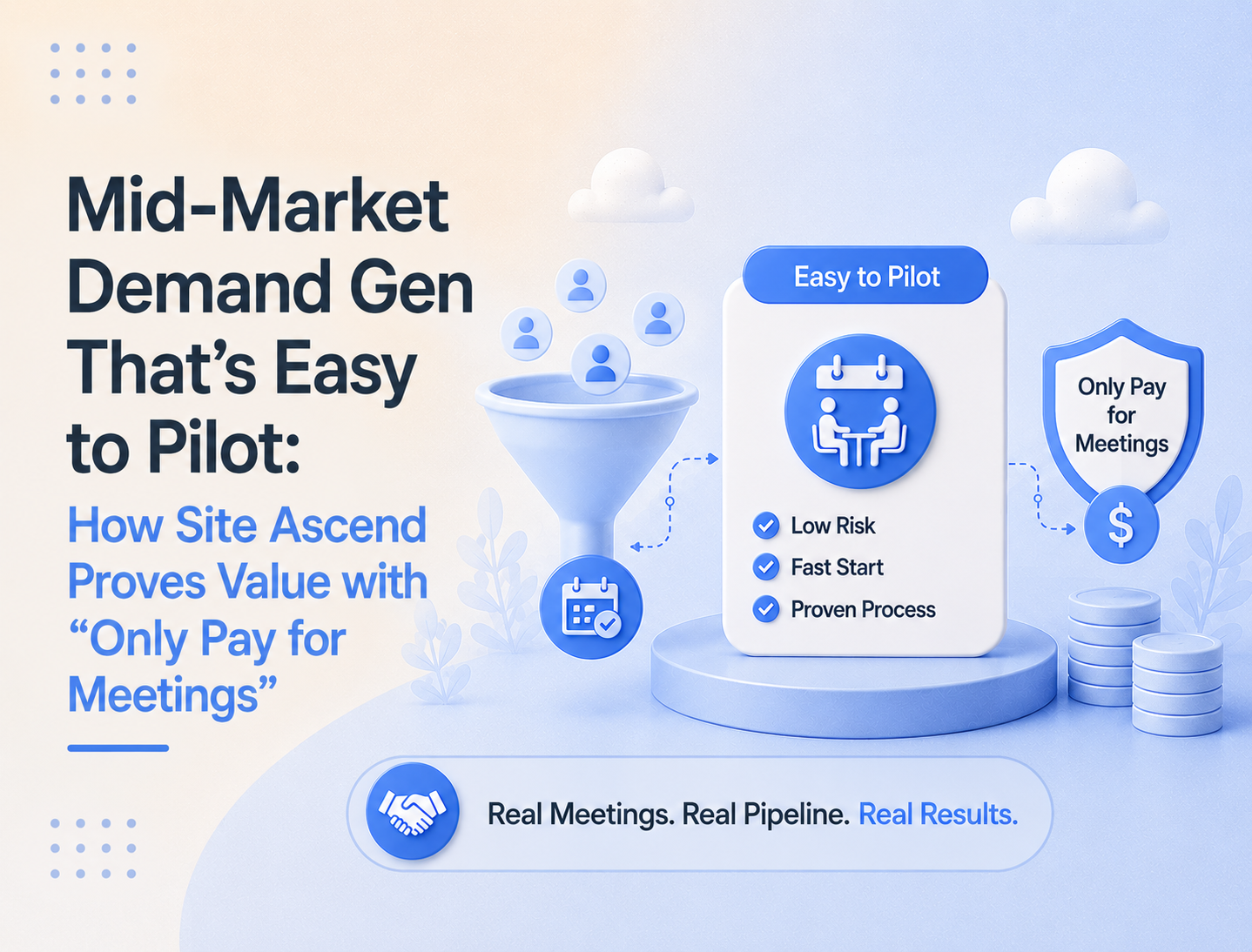
Site Ascend’s approach: 30-minute virtual meetings, director-level and above only, with a pay-for-performance model—so you’re not funding activity, you’re funding outcomes.
2) Lead Qualification: turn customer interest into sales-accepted next steps
Retention marketing produces “maybes” constantly:
Those are not pipeline events until they’re qualified. Site Ascend converts opt-in and engagement signals into qualified meetings by validating timing, stakeholder involvement, and next-step readiness—so Sales/CS gets opportunities they will actually take seriously.
3) Event Marketing: use customer and partner events for pipeline—not attendance
Customer events, partner roadshows, and regional meetups can be powerful—if you can actually procure the right attendees. Site Ascend focuses on driving registrants via outbound dialing and supporting attendance with an SMS workflow through the event date.
Important distinction: Site Ascend is not a day-of-event staffing vendor. We’re built to solve the hard part: getting the right people to show up so your team can have meaningful conversations after.
4) Channel Marketing: protect revenue by activating partners the right way
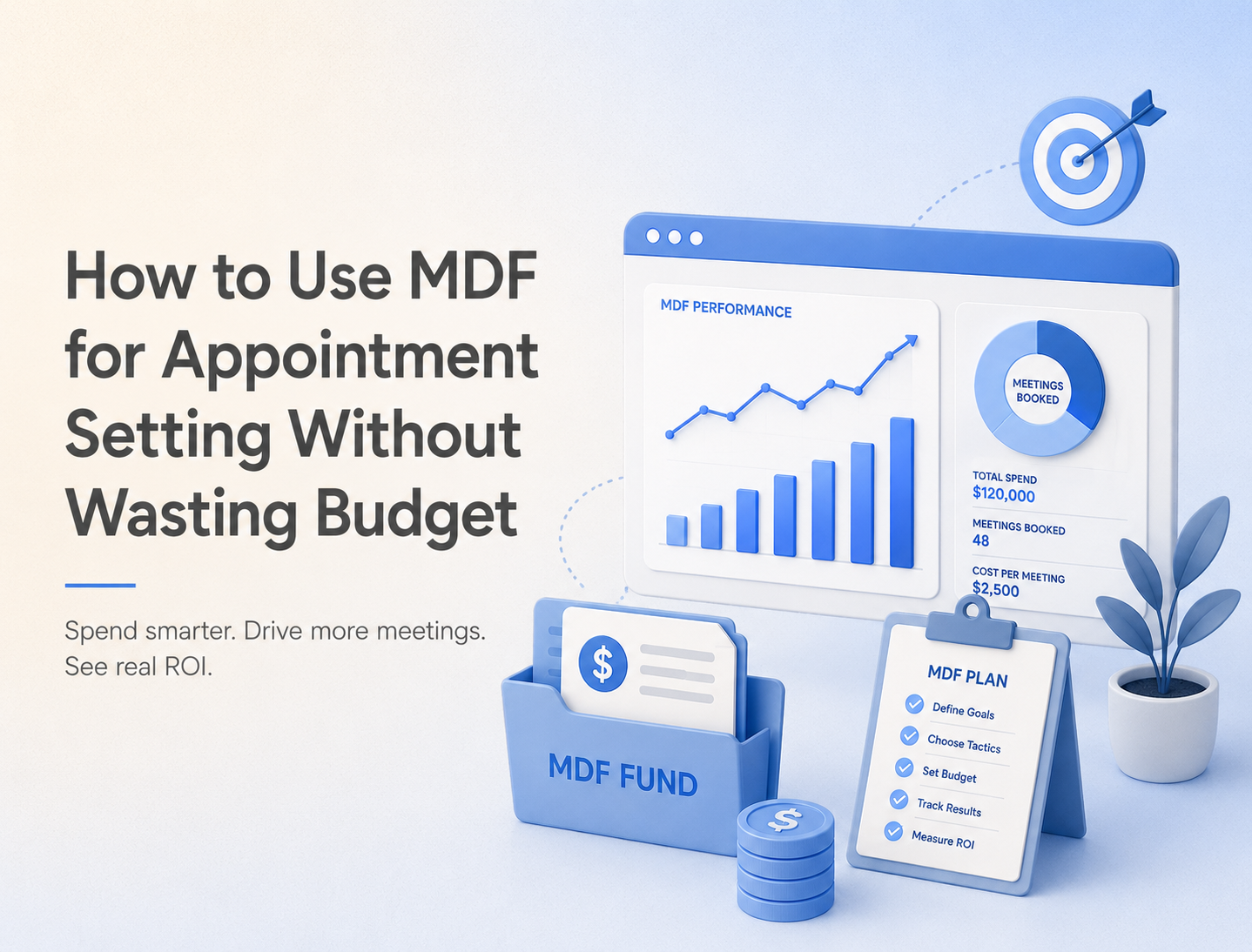
For partner-led ecosystems, retention risk and expansion opportunity often sit inside partner relationships (services partners, VARs, alliances). Channel marketing works when you can run white-labeled appointment setting that helps partners contribute to pipeline without channel conflict—funded by market development funds where appropriate.
Actionable Steps for Marketers
Here’s a practical checklist to make retention marketing “revenue-protective,” not just “engagement-positive.”
A Retention Marketing Scorecard You Can Implement This Week
1) Define your “conversion moment” (one sentence).
Examples:
2) Pick the 4–6 signals that deserve live follow-up.
Keep it tight. Examples:
3) Assign ownership by signal type.
Don’t let “routing rules” replace decision-making. Decide:
4) Create a qualification standard (what Sales/CS will accept).
A simple standard works:
5) Build a meeting-first conversion path for high-value accounts.
For strategic accounts, don’t over-automate. The goal is a conversation—especially when renewals and expansions require alignment.
6) Instrument the one metric that matters: meetings that occur.
Not clicks. Not attendance. Not “engagement.”
If the goal is revenue protection, the operational output is real conversations with accountable stakeholders.
Comparison of Market Solutions
Most enterprise teams land in one of three approaches. Each can work—until it hits a scaling limit.
Option 1: Fully in-house follow-up (CSMs, AEs, SDRs do it all)
Strengths: tight account context, easy internal alignment.
Where it breaks: capacity and consistency. The best teams still struggle to maintain follow-up SLAs across hundreds of accounts—especially when priorities shift to new logo.
Option 2: Tools-first retention (intent dashboards, automation, scoring models)
Strengths: visibility and scale.
Where it breaks: tools don’t create conversations. Scoring can tell you what’s “hot,” but it doesn’t secure the meeting, qualify the stakeholder, or solve the “who owns the follow-up” problem.
Option 3: Outsourced outreach (varied quality and models)
Strengths: added capacity, faster execution.
Where it breaks: when you pay for activity instead of outcomes—or when the outreach team can’t credibly reach the senior stakeholders needed for enterprise renewal/expansion alignment.
Where Site Ascend is different
Site Ascend is purpose-built around outcomes enterprise teams actually need:
Conclusion
Retention marketing protects revenue when it stops being a set of disconnected activities and becomes a measurable conversion motion: signal → qualification → meeting → next step.
If you want to reduce renewal risk, create expansion opportunities, and stop losing revenue to slow follow-up and unclear ownership, Site Ascend can help you operationalize retention outcomes through executive meetings, lead qualification, event attendee procurement, and partner-ready channel programs.
If you want to see this work in your target accounts, start a pilot with Site Ascend.
Isn’t retention marketing mostly a Customer Success responsibility?

What makes a retention signal “sales-accepted”?
How does Site Ascend fit without replacing SDRs or CS teams?


Start your pilot campaign today and explore the full range of Site Ascend's demand generation capabilities. Experience firsthand how we can enhance your efficiency, streamline your processes, and drive growth.
RELATED