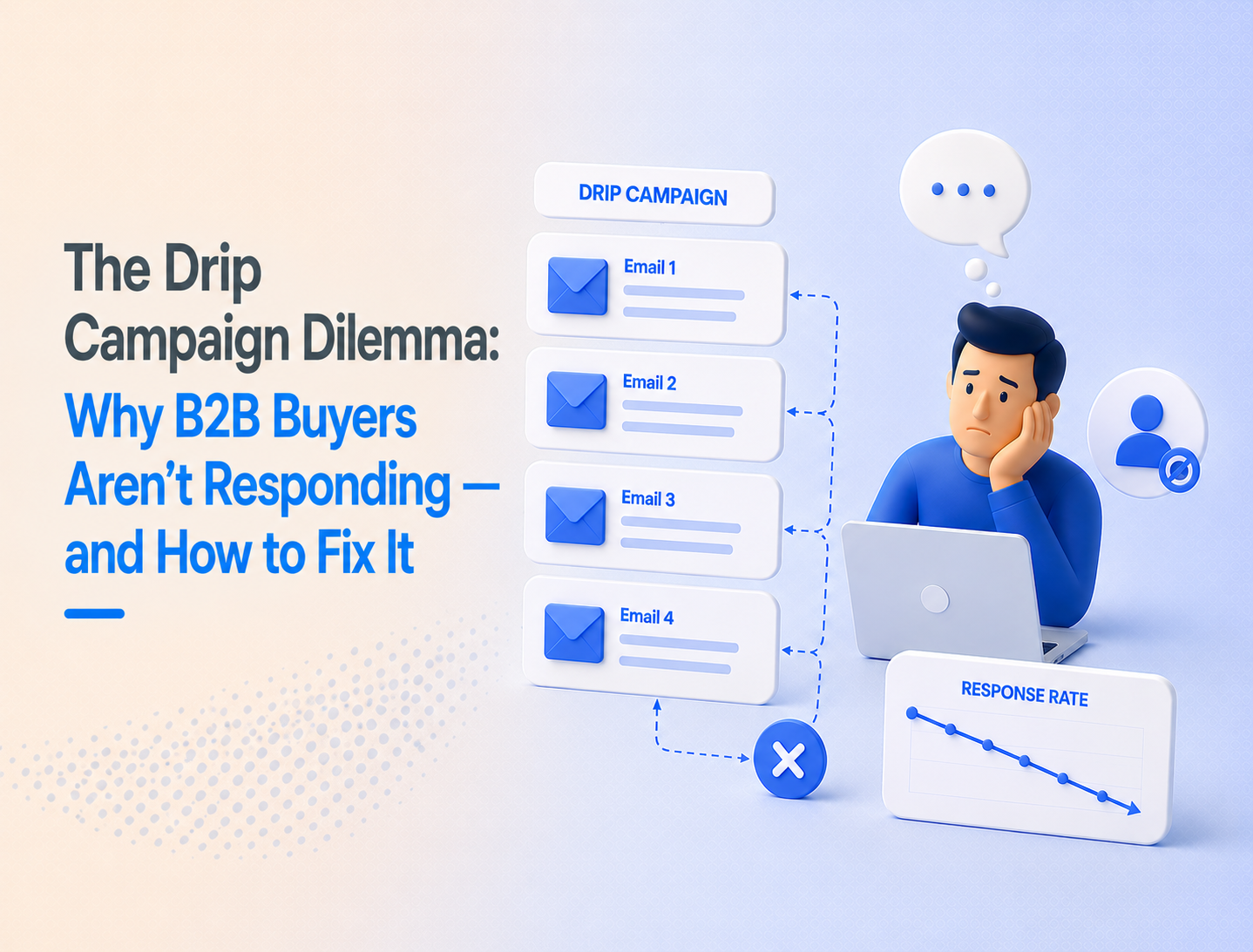
The Drip Campaign Dilemma: Why B2B Buyers Aren’t Responding — and How to Fix It
Demand Generation


HubSpot can capture intent—but it can’t validate it, prioritize it, or secure the next step. This guide shows how Site Ascend turns opt-in leads into director-level meetings that actually occur using U.S.-based outreach, real-time reporting, and a pay-for-outcome model that reduces pipeline risk.
-
Lead Qualification
Introduction
HubSpot is excellent at capturing interest. It can route form fills, score leads, trigger workflows, and keep your team organized. But it cannot do the part that determines whether pipeline actually happens: converting opt-in engagement into a scheduled conversation that sales will accept—and that the prospect will attend.
That conversion gap is where most demand generation teams lose time, credibility, and forecast accuracy. The fix is not “more automation.” It’s a tighter handoff, stronger qualification, and a reliable mechanism to secure next steps with the right titles—without burning SDR capacity or inflating lead volume.
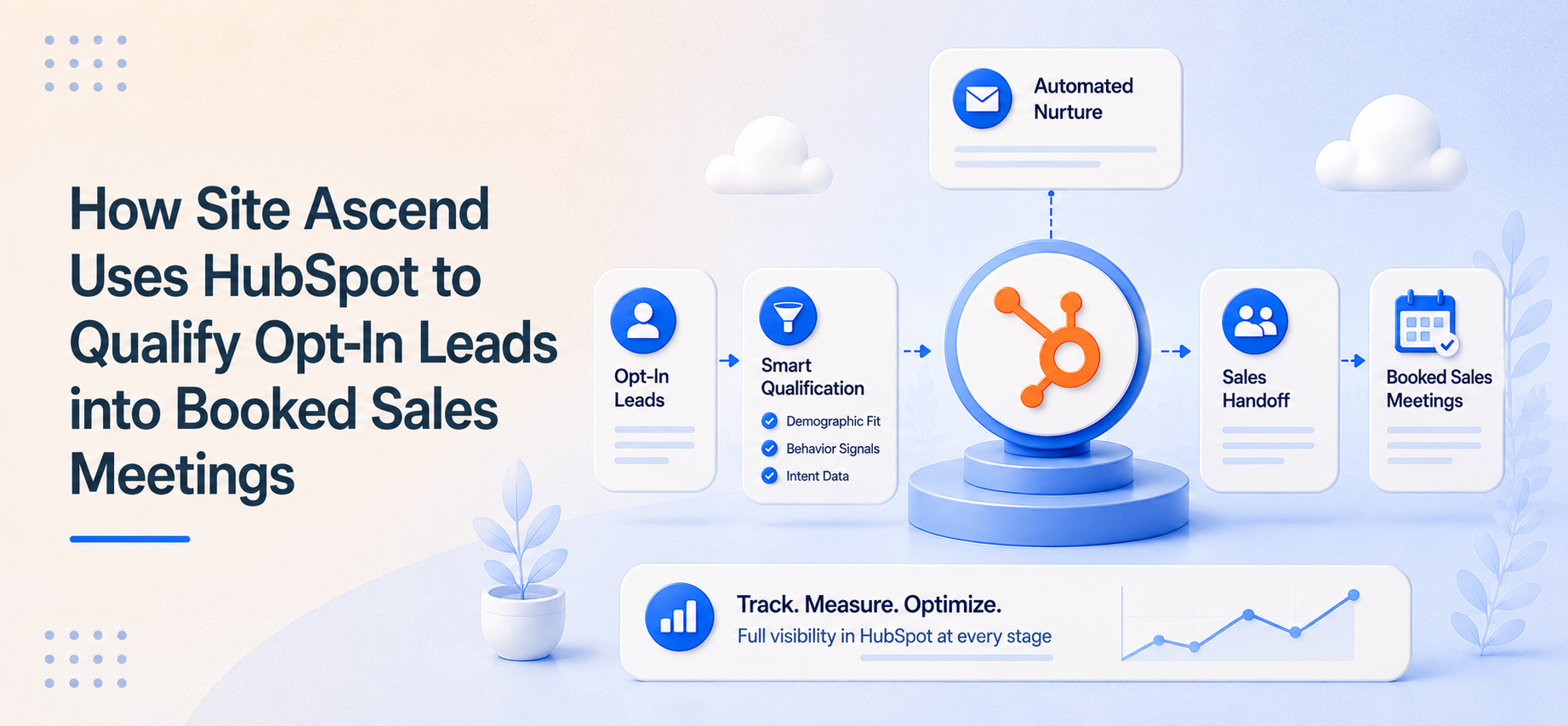
This is where Site Ascend fits: we use HubSpot as the system of record for inbound engagement, then add the missing execution layer—U.S.-based outbound dialing and structured qualification—to turn opt-in interest into meetings that occur.
What HubSpot Means for Demand Generation Marketers (and other roles in Site Ascend’s ICP)
HubSpot is a marketing automation + CRM platform that typically sits at the center of inbound capture and early-funnel operations: landing pages, forms, nurture, scoring, lifecycle stages, and handoffs to sales.
For demand gen leaders, integrated marketers, ABM teams, event marketers, and revenue marketing operators, HubSpot’s value is straightforward:
But HubSpot is still a platform. It helps you manage demand; it does not create acceptance. When sales pushes back with “these leads aren’t real,” the problem usually isn’t the form fill—it’s the lack of credible qualification and the absence of a scheduled next step with the right buyer.
Common Challenges Marketers Face
1) Opt-in leads ≠ sales-ready conversations
A form fill often signals curiosity, not urgency. Without confirmation of role, initiative, timeline, and willingness to meet, sales will treat inbound as “maybe later.”
2) The “speed to lead” myth (without the “quality to meeting”)
Many teams optimize for rapid routing from HubSpot to SDRs. But speed alone doesn’t secure a meeting—especially when the prospect is director-level and above, multitasking, and hard to reach.
3) Lead scoring creates false confidence
HubSpot scoring is useful for prioritization, but it cannot validate identity, confirm intent, or negotiate time on calendar. High scores can still produce no-shows and low acceptance.
4) SDR time becomes the bottleneck
When SDR teams are responsible for every lead, every follow-up, every reschedule, and every “try again next week,” lead velocity becomes capped by headcount—not by market demand.
5) Reporting looks healthy while pipeline lags
Dashboards show MQLs, conversion rates, and workflow performance—yet opportunities don’t grow. The gap is execution: real conversations, not process compliance.



.png)

%201.png)


.png)


Solutions That Work
The winning pattern is: use HubSpot for capture and orchestration, then use Site Ascend for conversion into meetings that occur.
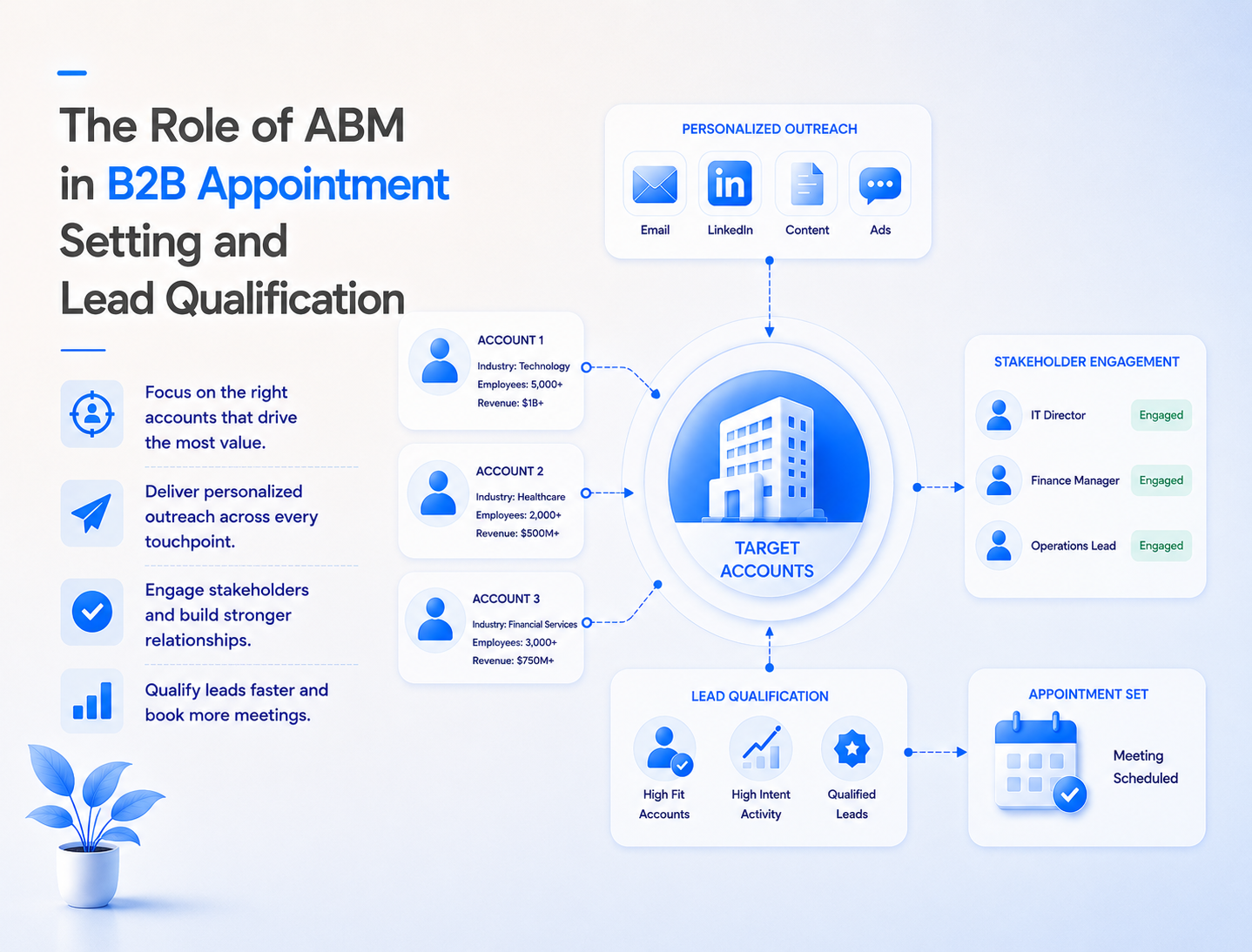
1) Lead Qualification that converts opt-ins into booked meetings
Site Ascend takes opt-in leads from HubSpot (form fills, content downloads, webinar registrants, event interest) and runs structured qualification to determine:
Instead of pushing raw opt-ins to sales, you deliver qualified meetings.
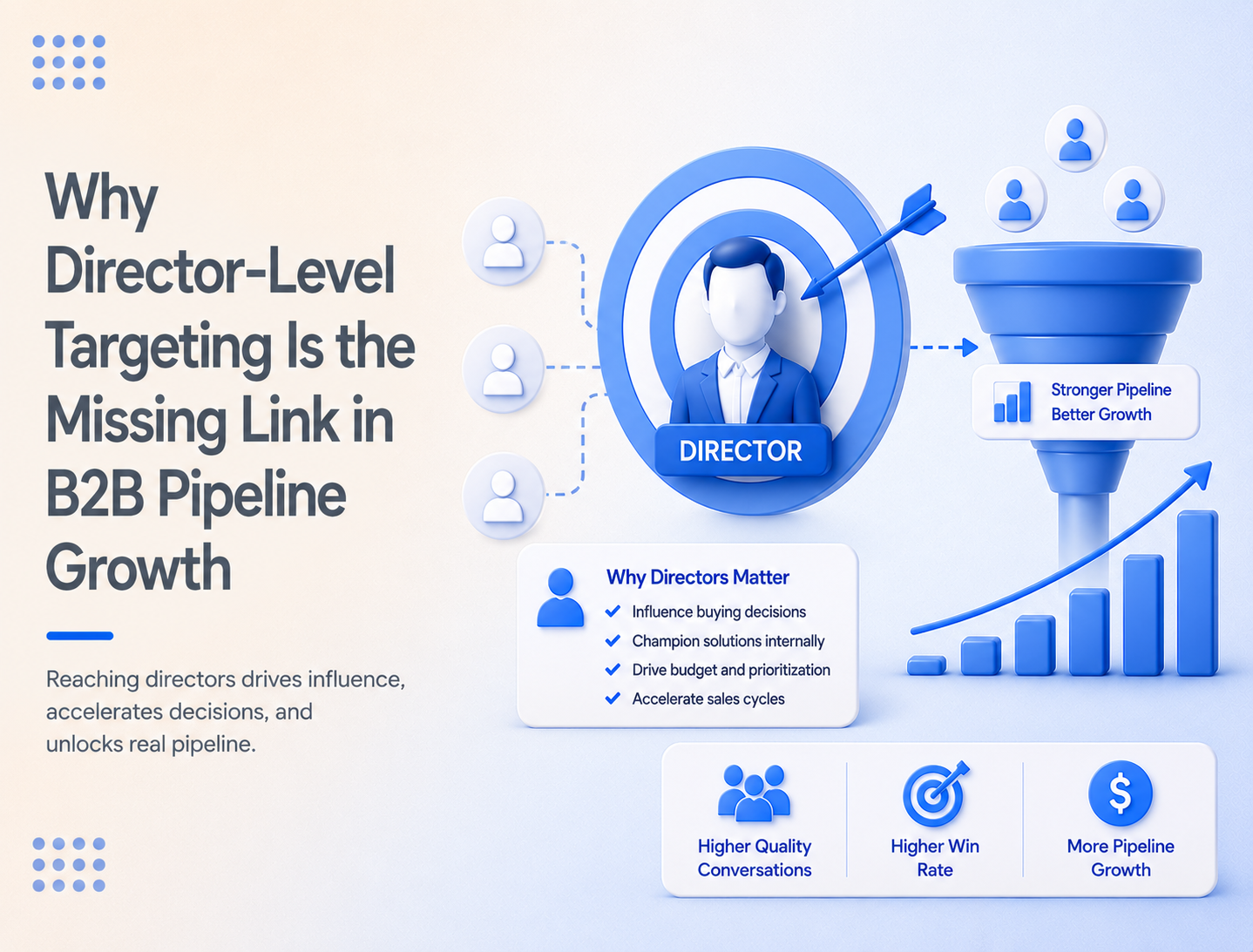
2) Executive Meetings for director-level and above
If your ICP requires senior stakeholders, the outreach motion must match that reality. Site Ascend focuses on director+ meetings—a key reason sales teams take the output seriously.
3) Appointment setting that’s measured by outcomes, not activity
Plenty of providers sell “leads delivered,” “touches,” or “appointments set.” Site Ascend is built for what matters: only pay for meetings that occur. That shifts risk away from marketing and reduces internal friction when you report results.
4) Event Marketing that drives registrants (and supports attendance)
If you’re using HubSpot for event promotion and registration tracking, Site Ascend can drive registrants via outbound dialing, then support attendance with an SMS workflow through the event date. (Note: Site Ascend focuses on driving registrants and attendance support—not onsite/day-of services.)
5) Channel Marketing that scales partner outcomes
HubSpot is often used to manage partner campaigns, MDF-funded initiatives, and co-marketing lists. Site Ascend can white-label the outreach and appointment-setting motion on behalf of partners—so the partner pipeline story is clean and consistent.
6) Real-time reporting that sales and marketing can align around
When conversion happens outside HubSpot, visibility matters. Site Ascend provides a real-time reporting dashboard so marketing can show progress, conversion, and outcomes without forcing sales to “trust the process.”
Actionable Steps for Marketers
Use this checklist to turn HubSpot capture into meetings sales accepts—without overloading SDRs.
The HubSpot-to-Meeting Conversion Checklist
Comparison of Market Solutions
Most teams evaluate three broad approaches when HubSpot produces leads but pipeline lags.
Example 1: The Procurement View
Outcome 1: Reduce performance risk
Outcome 2: Protect brand and partner experience
Outcome 3: Improve sales acceptance and conversion
Conclusion
HubSpot can unify your funnel—but it can’t carry the most important conversion: turning opt-in engagement into scheduled meetings that sales will accept and prospects will attend. If your team is generating leads but struggling to produce consistent, credible next steps, the answer is to add an execution layer built for outcomes.
Site Ascend helps demand gen teams do exactly that through lead qualification, executive meetings, event registrant procurement, and channel marketing—backed by U.S.-based outreach, real-time reporting, and a model where you only pay for meetings that occur.
If you want to prove this quickly, start with a pilot: choose one inbound segment in HubSpot (high-fit form fills, webinar registrants, event prospects, or partner leads) and measure the only metric that ultimately matters—meetings that happen.
If we already have HubSpot workflows, why do we still need a qualification layer?

What types of HubSpot leads are best suited for Site Ascend lead qualification?
How does “Only Pay for Meetings That Occur” reduce risk for marketing?


Start your pilot campaign today and explore the full range of Site Ascend's demand generation capabilities. Experience firsthand how we can enhance your efficiency, streamline your processes, and drive growth.
RELATED