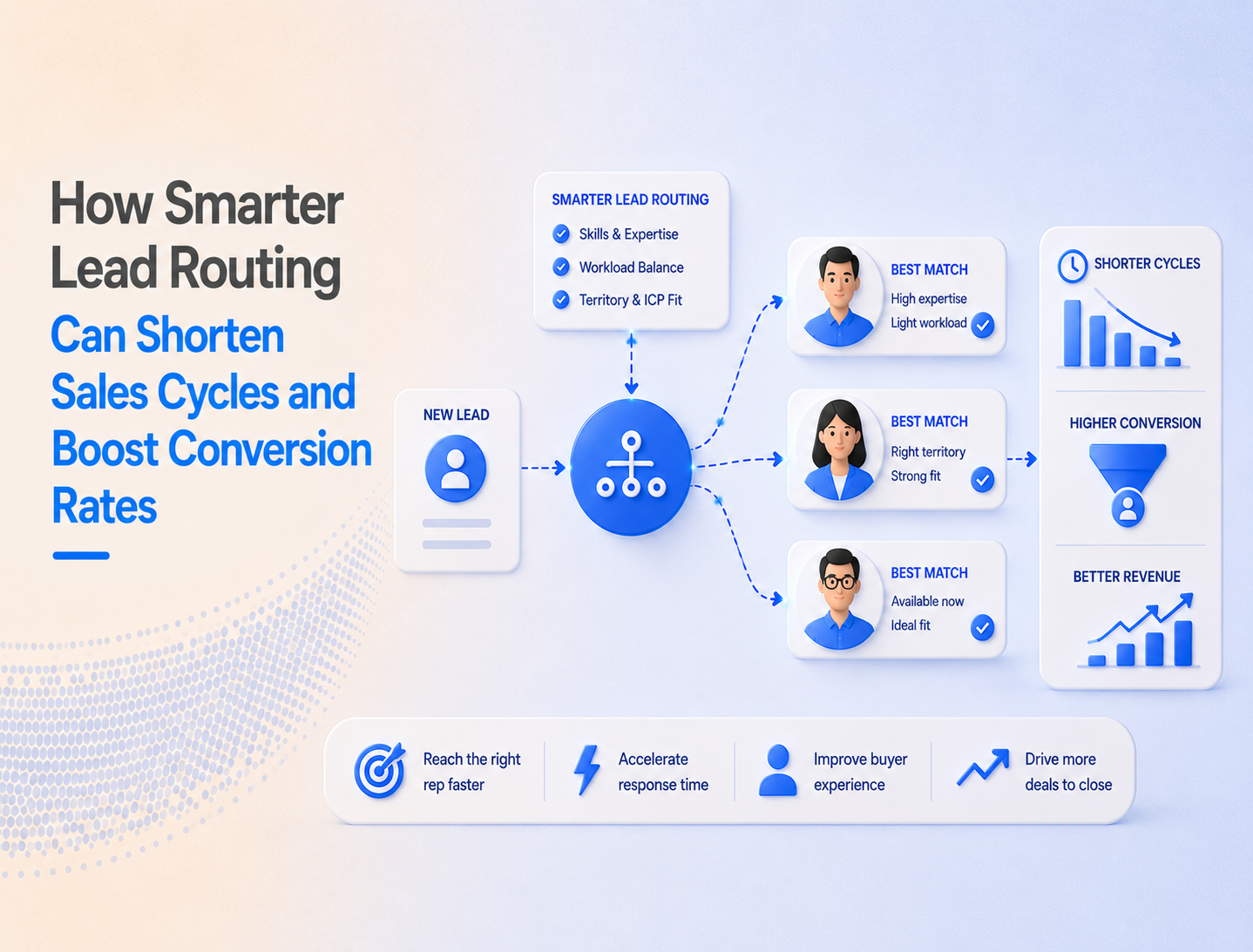
How Smarter Lead Routing Can Shorten Sales Cycles and Boost Conversion Rates
Lead Management & Conversion Strategy


“Dead” leads usually aren’t dead—they’re unrecovered. Learn why enterprise leads go silent (timing, seniority mismatch, context loss, meeting friction), how to diagnose what broke, and how to rebuild momentum through re-qualification and Director+ meetings that occur and progress.
-
Pipeline Recovery
Introduction
Every enterprise demand gen team has the same uncomfortable spreadsheet somewhere:
A list of “dead” leads.
Form fills that looked promising. Event registrants who disappeared. Replied once, then ghosted. Accounts that engaged, went quiet, and never turned into pipeline.
Most teams treat that list like a graveyard—something to revisit when pipeline is light.
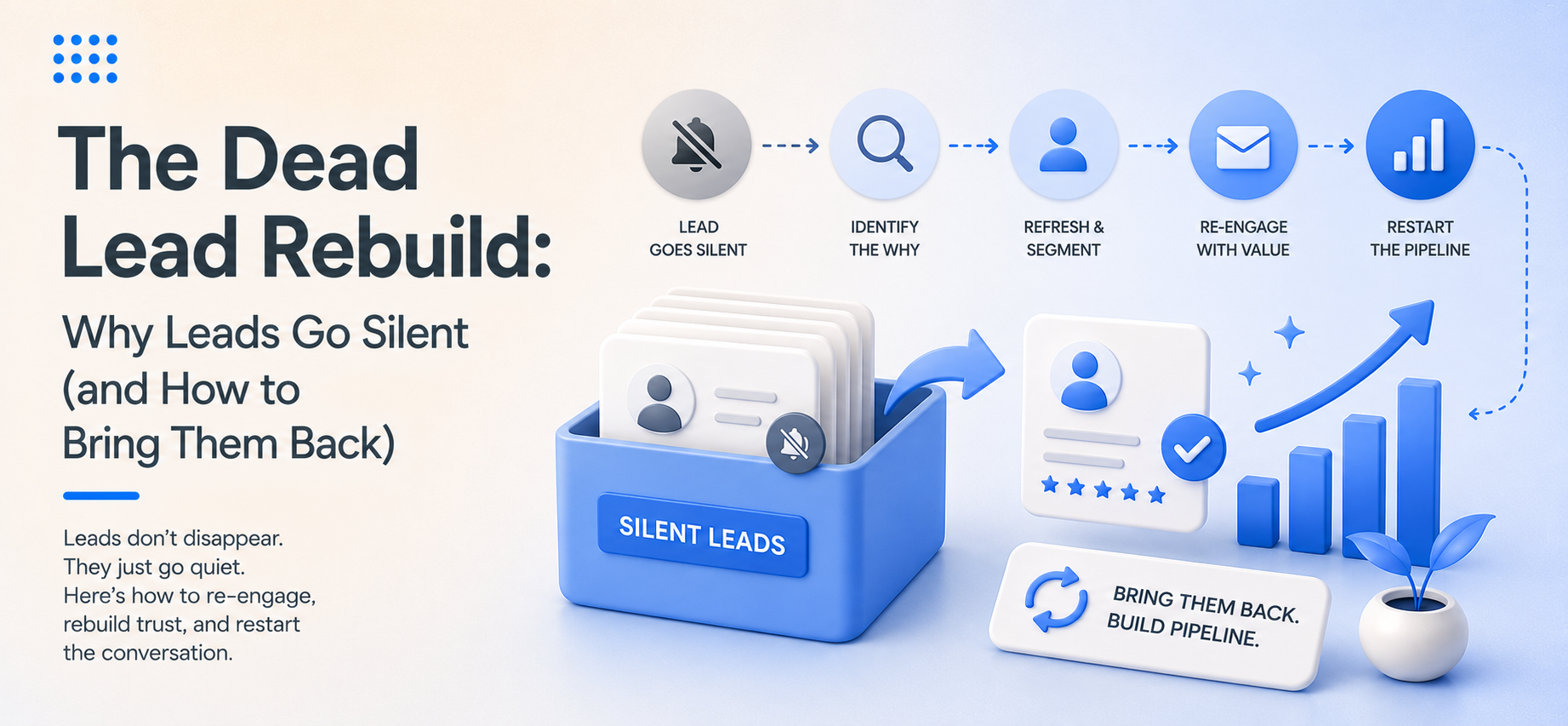
But dead leads usually aren’t dead. They’re unrecovered.
In enterprise, silence rarely means “never.” It usually means:
A dead lead rebuild isn’t about blasting sequences or “checking in.” It’s about rebuilding relevance, seniority, and next-step clarity until a meeting is worth taking—and worth showing up for.
This post breaks down why enterprise leads go silent, how to diagnose what kind of “dead” you’re dealing with, and how Site Ascend helps bring the right leads back to life through Lead Qualification and Executive Meetings.
What “Dead Lead” Means for Demand Generation Marketers and other titles that meet Site Ascend’s ICP
A dead lead is often defined as “no response.”
That definition is too shallow for enterprise.
A better definition:
A dead lead is an account-contact thread that has lost momentum—without a clear reason, owner, or next step.
Enterprise buying committees move in fits and starts. People change roles. Priorities shift. Budgets move. Initiatives get paused and then restarted under a different sponsor.
So the real question isn’t “Is this lead dead?” It’s:
What broke in the progression system—and what would make a conversation worth resuming?
Common Challenges Marketers Face
Silence caused by timing, not fit
Many leads go quiet because the problem is real but not urgent. They engaged out of curiosity, then got pulled back into current priorities.
Silence caused by seniority mismatch
Practitioners engage. Directors decide. When the wrong level is driving the thread, it dies at the exact moment you need sponsorship.
Silence caused by “context loss” at handoff
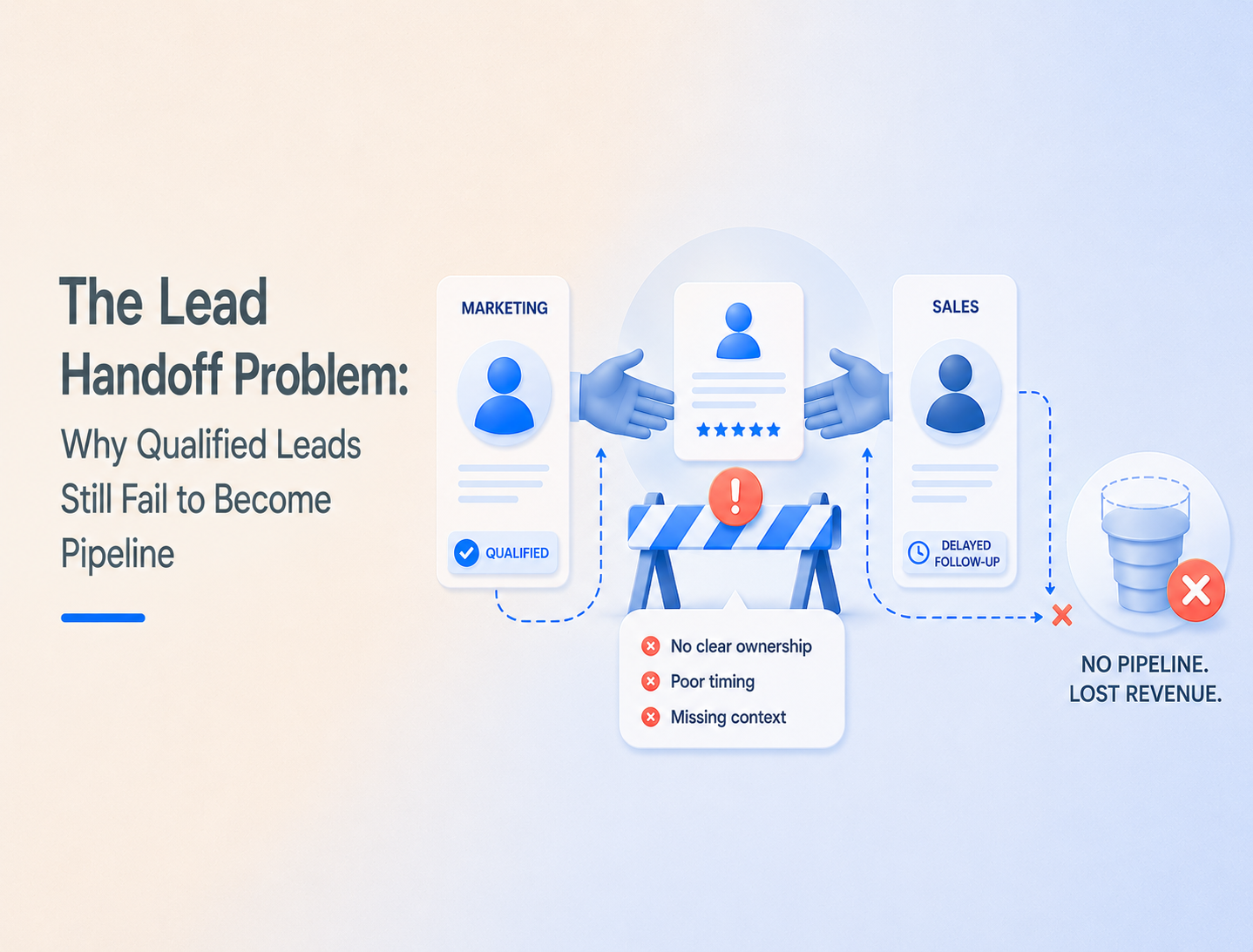
Marketing passes “engaged lead.” Sales receives a record without a story. The outreach becomes generic. The lead disengages.
Silence caused by friction
The meeting ask is vague. The invite doesn’t feel necessary. There’s no clear outcome. So the lead deprioritizes it—and then avoids the awkward reschedule conversation.
Silence caused by over-contacting the wrong people
When teams keep “recycling” dead leads without improving targeting, the lead doesn’t revive—it becomes resistant.



.png)

%201.png)


.png)


Solutions That Work
A dead lead rebuild works when it does two things at the same time:
Here’s how to do that in a way that’s built for enterprise buying committees.
Step one: classify the dead lead before you touch it
“Dead lead” is not one category. You’ll rebuild faster if you identify what kind of dead you’re dealing with:
Each type needs a different recovery motion.
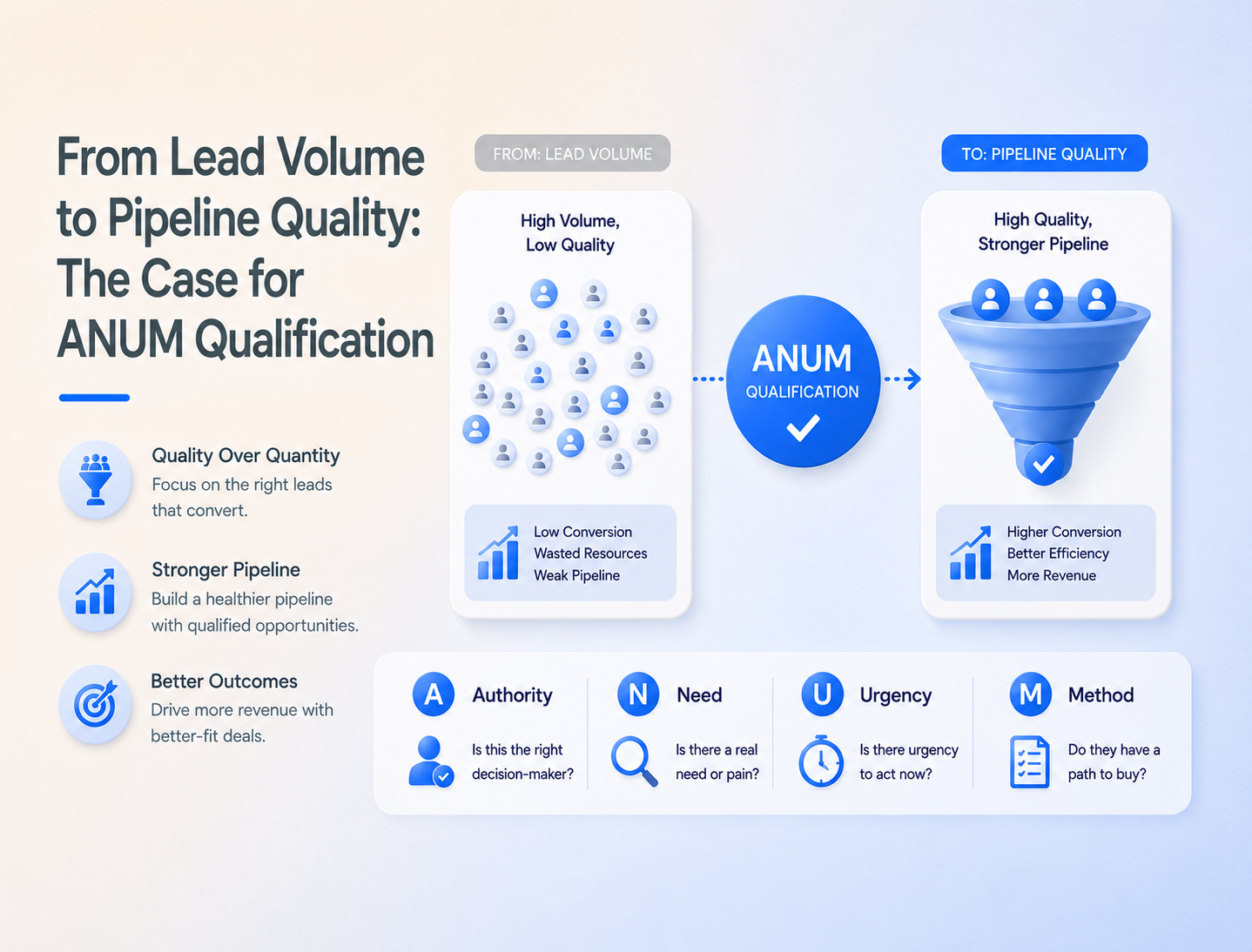
Step two: re-qualify instead of re-blasting
If the lead has gone silent, your job isn’t to “follow up.”
Your job is to re-confirm:
This is where Site Ascend’s Lead Qualification program fits. It’s designed to convert opt-in leads (old form fills, past event registrants, prior inbound interest) into qualified sales meetings by validating the fundamentals that often caused the lead to go silent in the first place.
Step three: rebuild momentum with Director+ meetings that occur
Once the thread is credible again, the fastest way to stop re-leakage is to move the conversation to the stakeholder level that can drive next steps.
Site Ascend’s Executive Meetings focus on:
In other words: you’re not just “getting it on the calendar.” You’re designing for a meeting that happens and can progress.
Actionable Steps for Marketers
The Dead Lead Rebuild checklist
Use this as a practical sequence for recovery without wasting SDR time.
Start with a quick diagnosis
Rebuild the narrative
Protect seniority
Design the next step
Measure the right conversion
A simple dead lead rule that reduces waste
If you can’t answer “who owns this and what changes if they don’t act,” it’s not a lead rebuild yet. It’s just recycled activity.
Comparison of Market Solutions
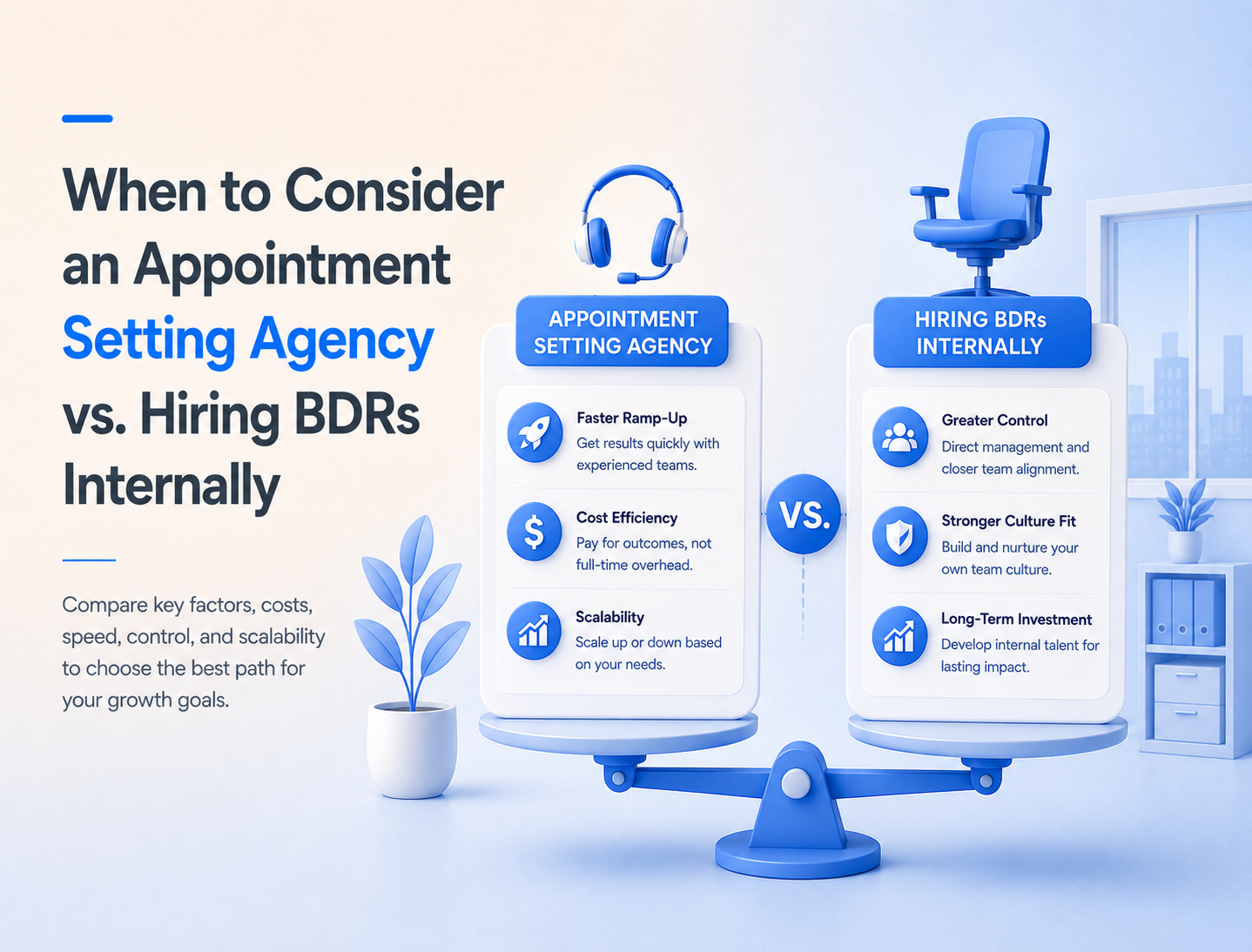
There are a few common ways teams try to “fix dead leads.” Some produce activity. Fewer produce pipeline.
The “recycle the list” approach
This is the default: run old leads through another sequence, hope something bites, move on.
It can generate replies, but it doesn’t solve why the lead died—so you often end up with the same outcomes:
The SDR-heavy approach
Throw more SDR cycles at the problem: more calls, more touches, more persistence.
This can work when the issue is simple timing. But if the lead died because it lacked a sponsor path or clear initiative, SDR time gets consumed without producing Director+ progression.
The rebuild approach: re-qualify → elevate → hold
This is the approach enterprise teams adopt when they’re serious about conversion standards:
This is where Site Ascend fits best. Lead Qualification rebuilds actionability from old opt-ins, and Executive Meetings turn rebuilt momentum into Director+ meetings that occur—with outcomes tied to performance, not promises.
Conclusion
Dead leads aren’t a failure. They’re a signal.
They tell you where your system loses momentum—timing clarity, seniority, handoff context, meeting design, or next-step conversion.
If you rebuild the right way, dead leads can become one of the most efficient sources of enterprise pipeline—because the hard part (initial engagement) already happened. What’s missing is a credible path to a Director+ conversation that occurs and progresses.
If you want to pilot a dead lead rebuild motion that turns silent leads into qualified sales meetings and Director+ meetings that happen, contact Site Ascend to start a pilot using Lead Qualification and Executive Meetings.
How long should we wait before labeling a lead “dead”?

What’s the biggest mistake teams make when reviving dead leads?
How do we revive dead leads without burning SDR time?


Start your pilot campaign today and explore the full range of Site Ascend's demand generation capabilities. Experience firsthand how we can enhance your efficiency, streamline your processes, and drive growth.
RELATED
.jpg)