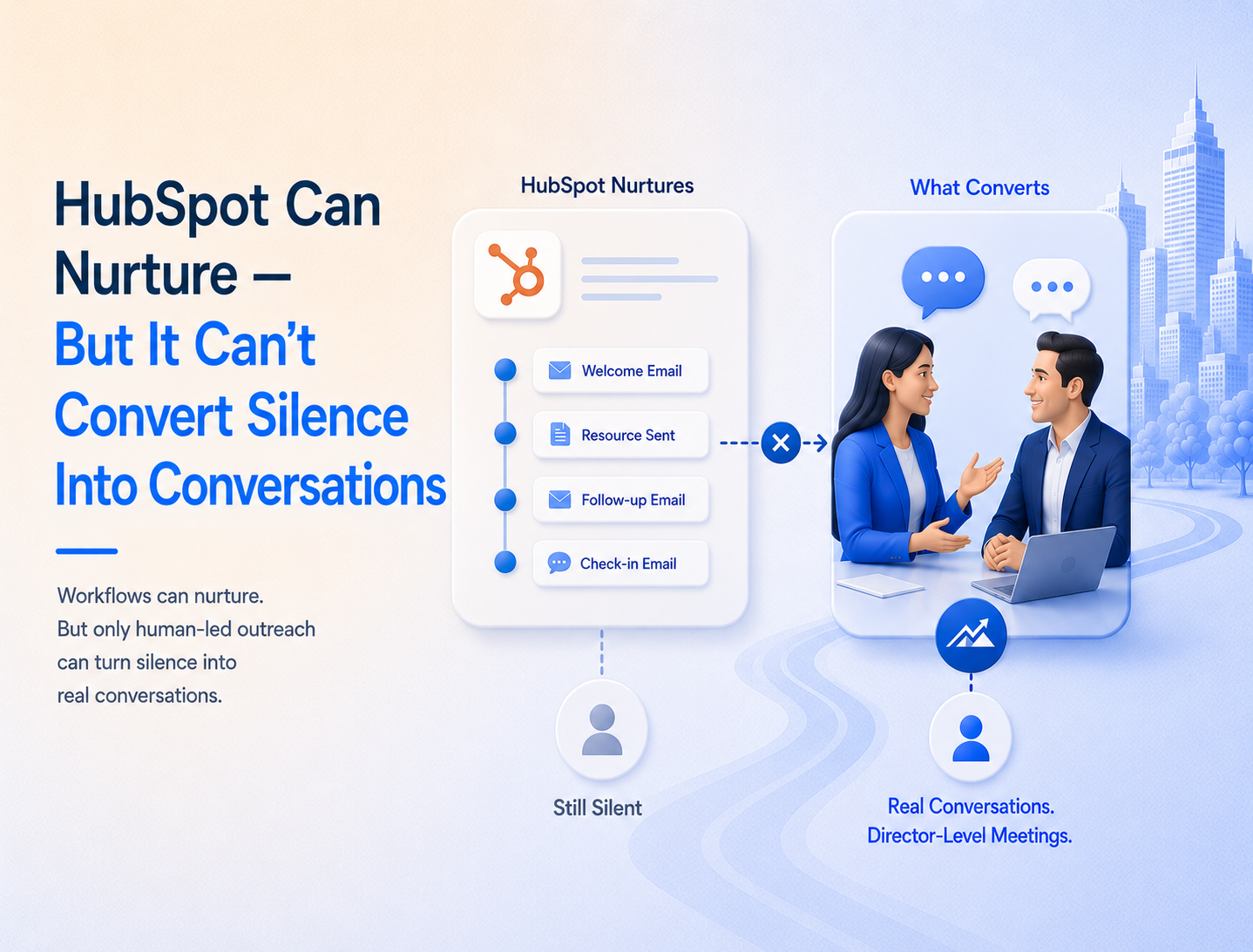
HubSpot Can Nurture — But It Can’t Convert Silence Into Conversations
Demand Generation


Automation can’t cut through the noise anymore — but human outbound can. Explore why outbound marketing is making a comeback in 2025 and how real human engagement is helping tech marketers reach director-level decision-makers and convert activity into pipeline.
-
B2B Demand Generation
Introduction
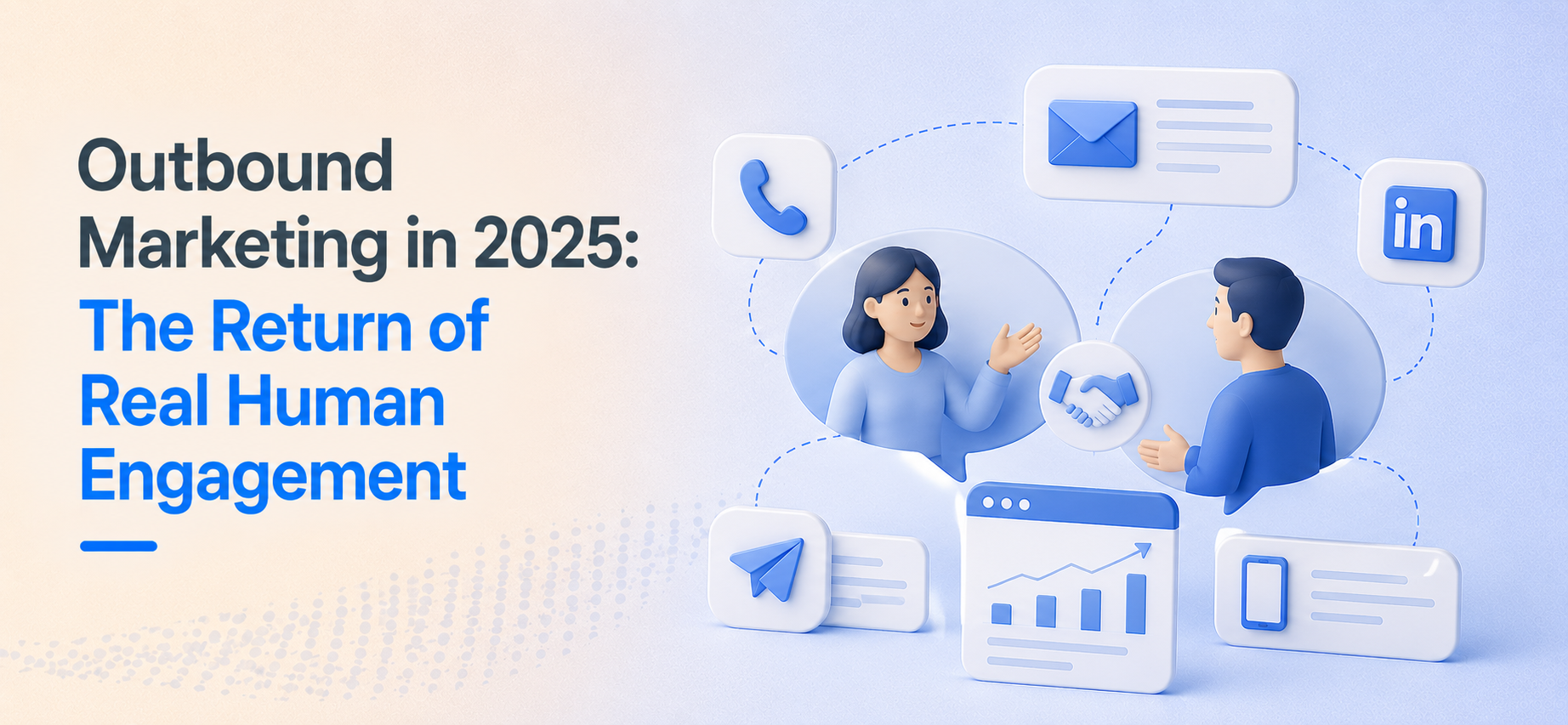
For a decade, B2B marketing teams were told that automation would replace outbound. Digital channels scaled, inbound pipelines grew, and every martech innovation promised a future where buyer engagement required fewer human touchpoints. But the industry has now swung full circle — not because automation failed, but because buyers evolved faster than automation could keep up.
In 2025, tech buyers are oversaturated with content, algorithmically filtered from outreach, and increasingly selective with where they invest their time. The channels that once created reliable engagement now produce noise, not conversations. As a result, the most effective demand generation teams are rediscovering a truth the industry temporarily forgot:
Real human engagement is the most powerful outbound channel in B2B marketing.
Outbound hasn’t just returned — it has become the differentiator.
What Outbound Marketing Means for Demand Generation Marketers
Outbound marketing today looks nothing like the “spray and pray” tactics of the past. For modern demand gen leaders, outbound means something much more precise: human-to-human engagement at the exact moments digital channels fall short.
Outbound is no longer a volume play — it’s a relevance strategy.
It’s the channel teams turn to when they need:
• director-level conversations
• event attendance activation
• qualified meetings
• follow-up on inbound signals
• real-time confirmation of buyer intent
Outbound sits at the intersection of interest and action. Where inbound sparks awareness, outbound creates momentum. Where automation drives impressions, outbound drives decisions. And where digital nurtures for weeks or months, outbound often compresses timelines to days.
For demand gen leaders under pressure to influence pipeline, outbound now represents the most reliable path to meaningful engagement.
Common Challenges Marketers Face
Despite advancements in technology, outbound solves several persistent challenges tech marketers struggle with.
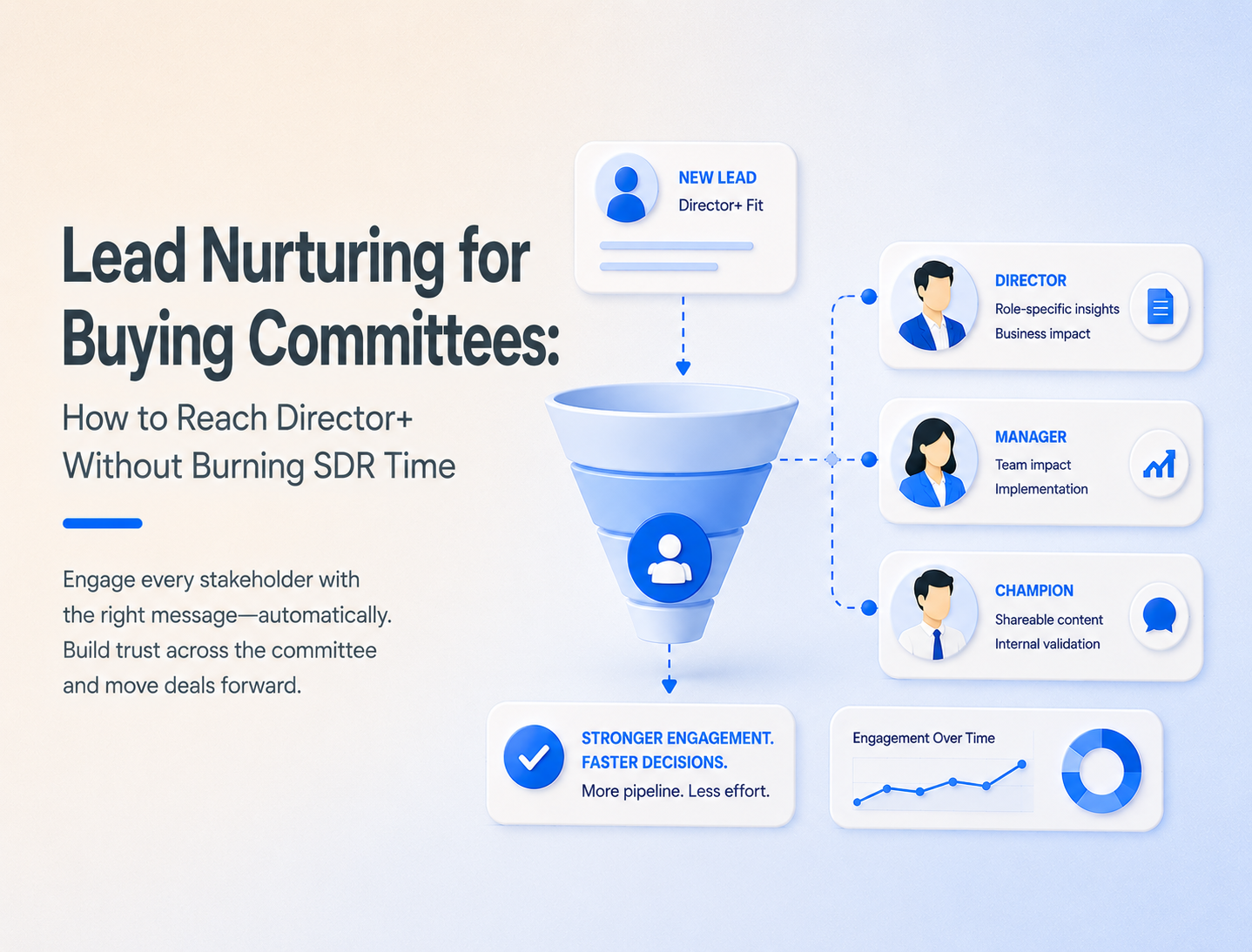
Digital fatigue is making automated sequences easier to ignore, causing response rates to fall even as tech stacks expand. Buying committees have grown, but it’s harder than ever to reach director+ decision makers through digital-only channels.
Inbound marketing creates interest — but interest decays quickly without human follow-up. SDR teams, already stretched thin, cannot consistently chase every high-intent signal or every event registrant. Event teams report strong registration numbers but lack the human support needed to drive confirmations and attendance.
These challenges create a gap between marketing influence and sales pipeline — a gap that only real human engagement can close.



.png)

%201.png)


.png)


Solutions That Work
The most effective demand generation organizations aren’t choosing between inbound and outbound — they’re combining them. They treat outbound as the activation layer that makes every marketing channel stronger.
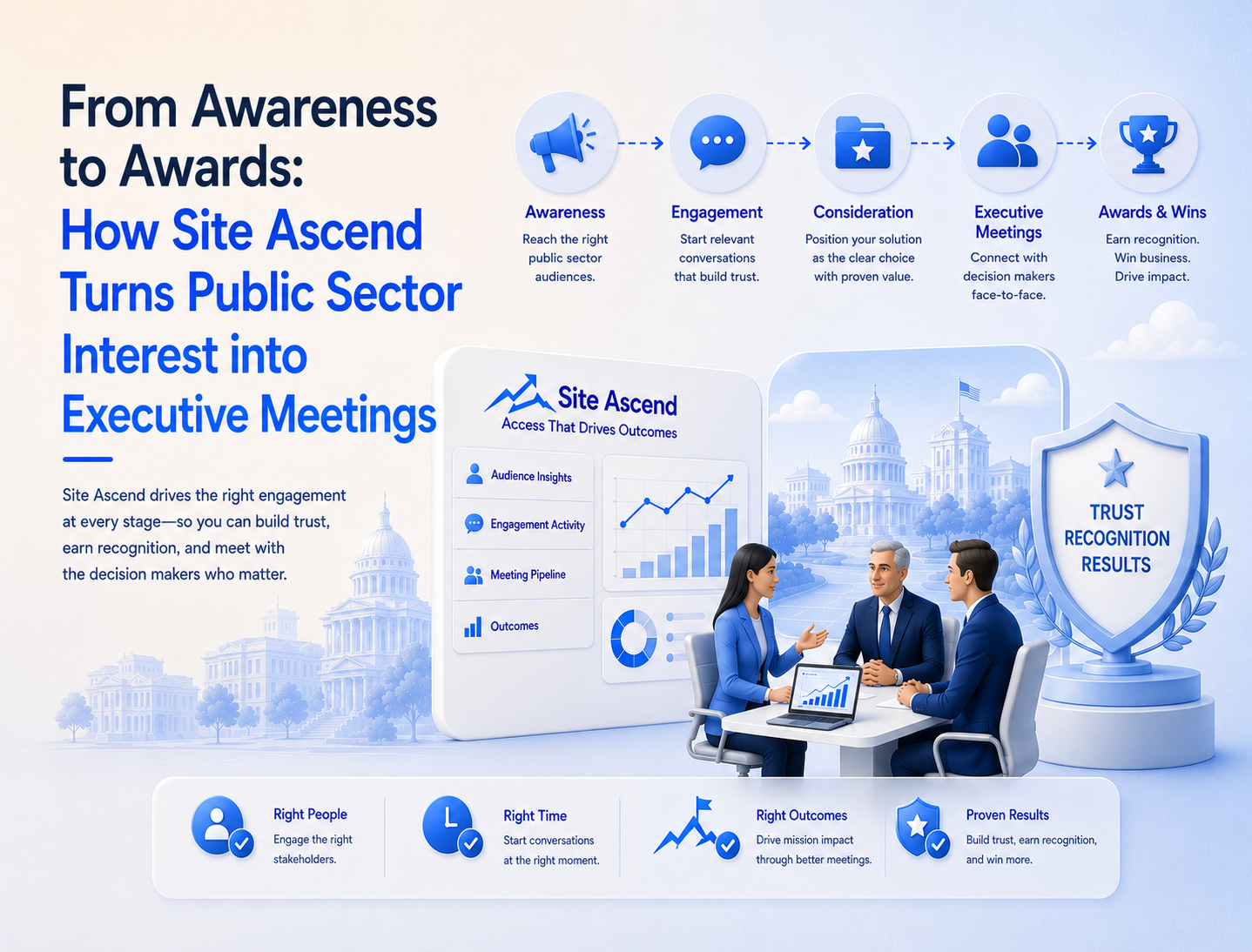
This is where Site Ascend naturally integrates with modern outbound strategy. Marketing teams leverage Site Ascend’s U.S.-based outreach to engage director-level prospects, confirm event attendance, and convert inbound interest into real pipeline movement.
Outbound calling cuts through digital clutter, ensuring the prospects marketing has worked hard to reach actually hear the message. SMS workflows reinforce event and webinar engagement. White-labeled outreach maintains alignment with brand voice and campaign objectives. And the pay-per-meeting model brings accountability into a space historically dominated by activity-based metrics.
Outbound marketing in 2025 isn’t just about dialing. It’s about creating the human connection digital channels can’t. Site Ascend strengthens every campaign by being the human layer that technology can’t automate.
Actionable Steps for Marketers
Reintroducing human engagement into outbound doesn’t require a full rebuild of your demand gen strategy — it requires strategic placement.
Marketers are identifying key inflection points where a human touch dramatically increases outcomes: right after a content download, immediately following a webinar registration, during an active buying cycle, or when intent signals spike. These touchpoints are assigned to outbound, not automation, so the timing matches buyer interest rather than workflow schedules.
The result is a modern, hybrid outbound approach: one where automation warms the ground and human connection secures the conversation.
Comparison of Market Solutions
Organizations typically evaluate three options: internal teams, traditional outsourced providers, and performance-based partners. Internal SDRs are capable but constrained by competing priorities, bandwidth issues, and rising operational costs. Traditional outsourcing provides volume but often lacks precision, senior-level targeting, and brand alignment.
Performance-based outbound — supported by U.S.-based specialists, white-labeled outreach, and director-level focus — offers a modern alternative. Instead of paying for attempts, companies only pay for outcomes, making the model ideal for demand gen leaders seeking predictable performance.
Outbound excellence now comes from precision, personalization, and accountability — the defining pillars of performance-based engagement.
Conclusion
Outbound marketing hasn’t just returned — it has been reinvented. In an era where buyers demand more authenticity and less automation, human engagement is the channel that cuts through the clutter, creates meaningful conversations, and accelerates pipeline.
Digital channels drive awareness. Inbound sparks interest. But outbound — real, human outbound — is what drives action.
If you’re ready to add human engagement to your 2025 demand gen strategy, it’s time to explore a performance-led approach.
Contact Site Ascend to unlock outbound marketing that delivers real conversations with decision makers — and real revenue impact.
Is outbound marketing still relevant in 2025?

How does outbound fit into a modern demand generation strategy?
What makes human engagement more effective than automated outreach?


Start your pilot campaign today and explore the full range of Site Ascend's demand generation capabilities. Experience firsthand how we can enhance your efficiency, streamline your processes, and drive growth.
RELATED