Lead Qualification Process B2B: The 7-Step Framework Sales Actually Accepts
Lead Qualification


Sales commits to a second call when the first meeting proves Budget plausibility, real Authority, a clear Need, and an actionable Timeline. This blog outlines the BANT meeting standard and how Site Ascend operationalizes it to improve Director+ meeting quality, show rates, and next-step conversion.
-
Demand Generation
Introduction
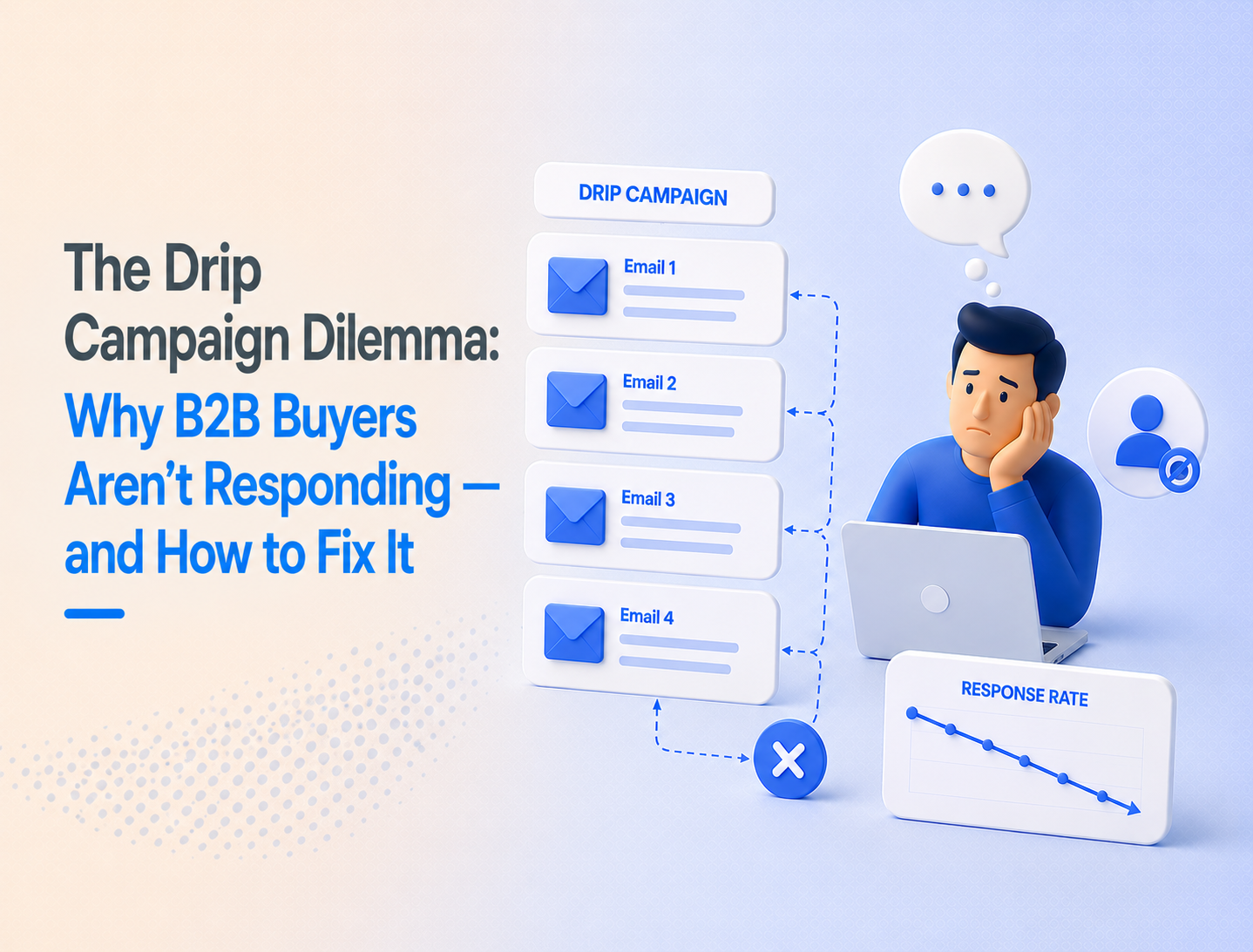
Demand gen teams rarely struggle to create meetings. The real struggle is getting sales to treat those meetings like the start of a deal—not a polite conversation that dies after 30 minutes.
If you’ve ever heard:
…you’re already living the problem BANT was built to solve.
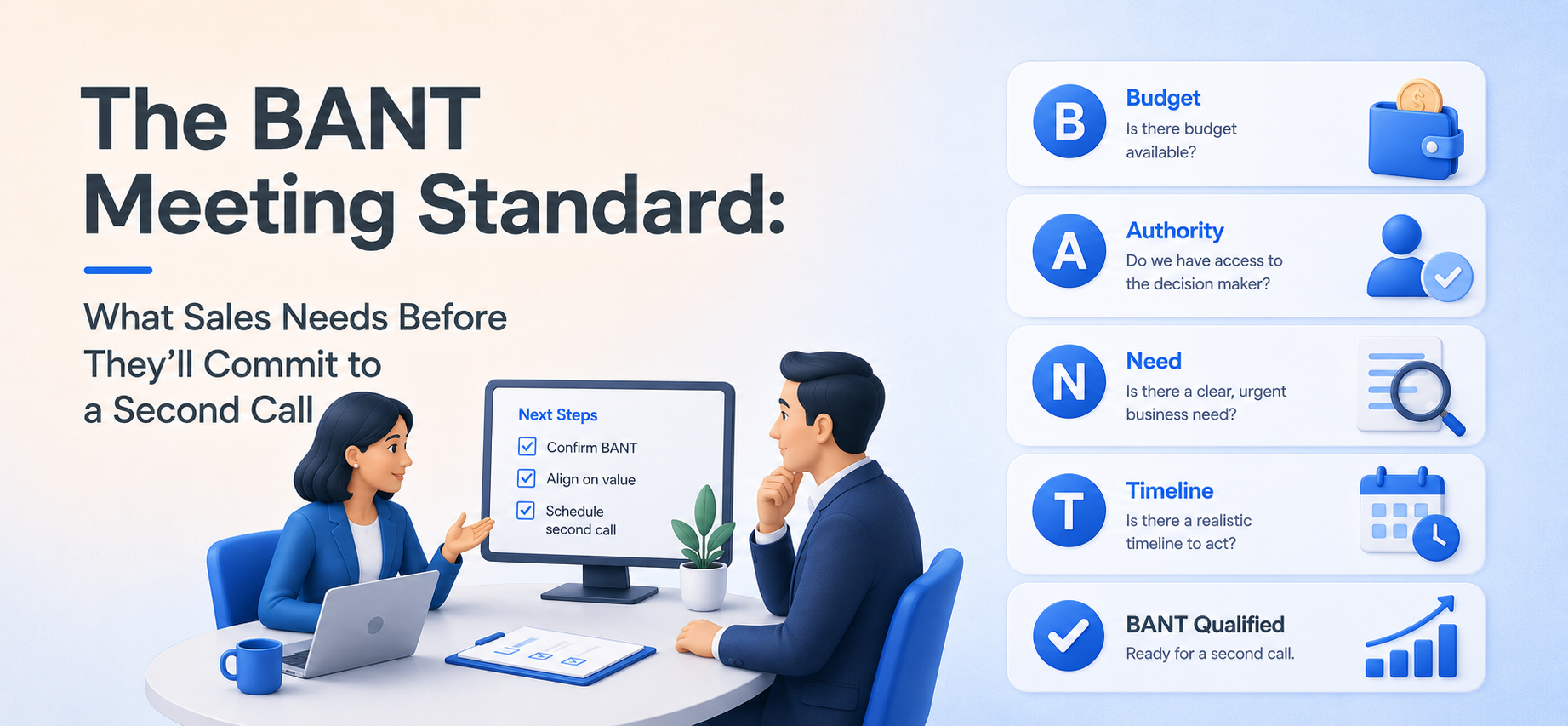
BANT (Budget, Authority, Need, Timeline) isn’t outdated. What’s outdated is using it as a rigid checklist after the meeting happens. The modern approach is to treat BANT as a meeting standard—the minimum context required for sales to confidently commit to a second call.
This post breaks down what “good” looks like, where meeting programs fail, and how Site Ascend operationalizes BANT across Executive Meetings, Lead Qualification, Channel Marketing, and Event Marketing to produce Director+ meetings that happen and advance.
What BANT Qualification means for demand generation marketers
BANT stands for:
For demand gen leaders, BANT isn’t about interrogating a prospect. It’s about reducing second-call risk for sales.
Sales commits to a second call when they believe three things are true:
That is BANT—translated into modern meeting reality.
Common challenges marketers face
1) Authority gets lost when meeting programs optimize for volume
When pipeline pressure rises, meeting programs drift toward whoever will say yes. The result: meetings that feel productive in marketing dashboards, but stall because the attendee can’t sponsor next steps.
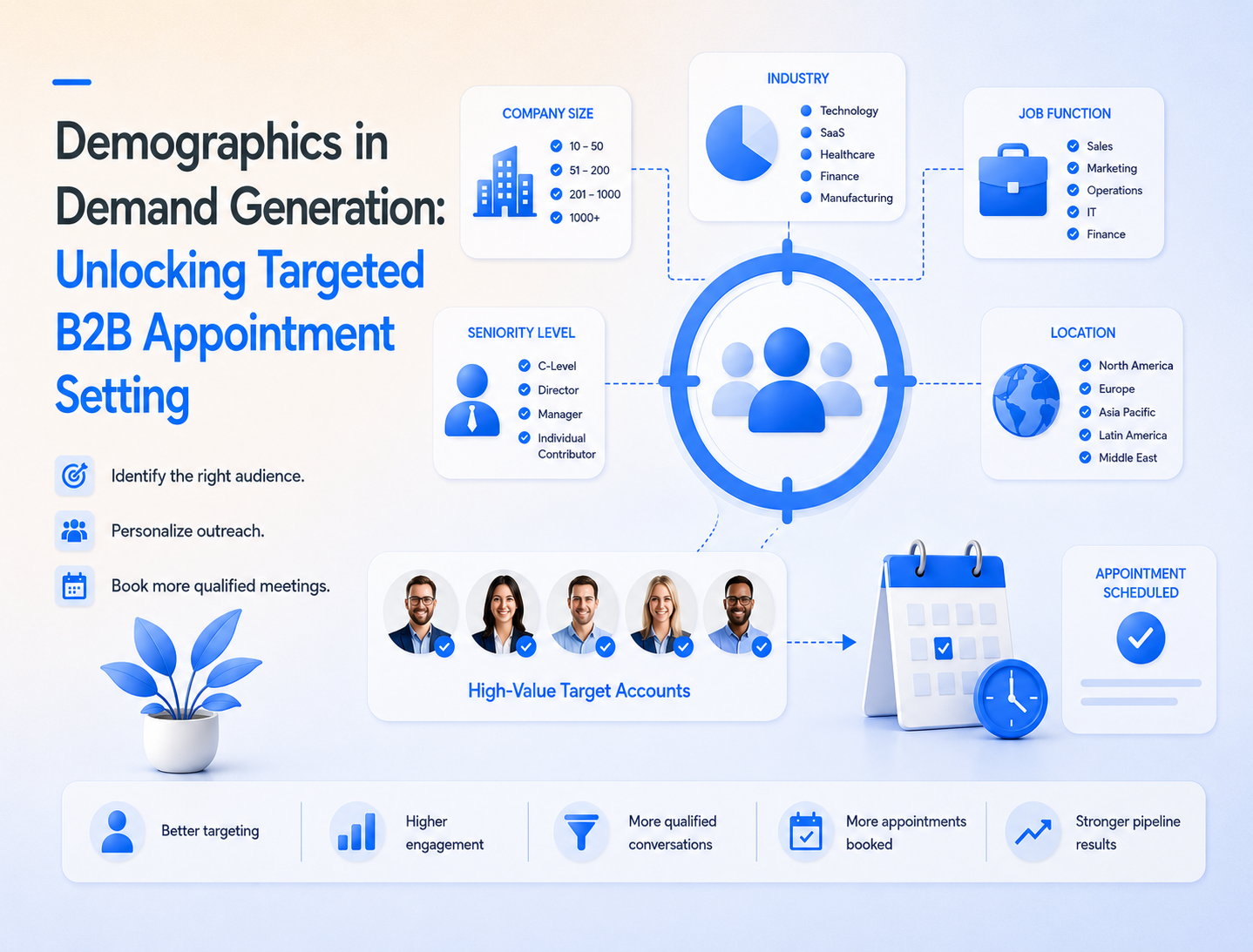
This is why Site Ascend’s meeting programs prioritize Director-level and above stakeholders—because seniority is a leading indicator of second-call viability.
2) Need is implied instead of confirmed
Opt-ins, event registrations, and partner engagement can signal interest—but interest isn’t need. If need isn’t made explicit, the meeting becomes a general intro, and the second call becomes optional.
3) Budget is treated like a yes/no gate
Enterprise budget rarely shows up as a clean “yes” in the first conversation. What matters early is budget plausibility:
If none of that is visible, sales assumes the account is in research mode.
4) Timeline is missing—so the meeting goes to nurture
Without a trigger (renewal, deadline, mandate, migration, audit, initiative kickoff), sales can’t justify urgency. “Follow up next quarter” is how deals disappear.
5) Meeting handoffs are inconsistent across sources
Most organizations struggle to apply one quality standard across:
When standards vary, “meeting quality” becomes a debate instead of a system.



.png)

%201.png)


.png)


Solutions that work
BANT becomes powerful when it’s operationalized before and around the meeting, not retroactively. Here’s how Site Ascend executes each element of BANT across the motions demand gen teams rely on most.
Executive Meetings: BANT-led meetings with Director+ stakeholders
What it fixes: low-quality meetings, seniority drift, weak second-call conversion.
How Site Ascend operationalizes BANT here:
It’s also reinforced by a core differentiator: you only pay for meetings that occur, aligning incentives around held meetings, attendance, and quality—not just booking activity.
Lead Qualification: turning opt-ins into second-call-ready meetings
What it fixes: “marketing passed leads” that sales won’t touch.
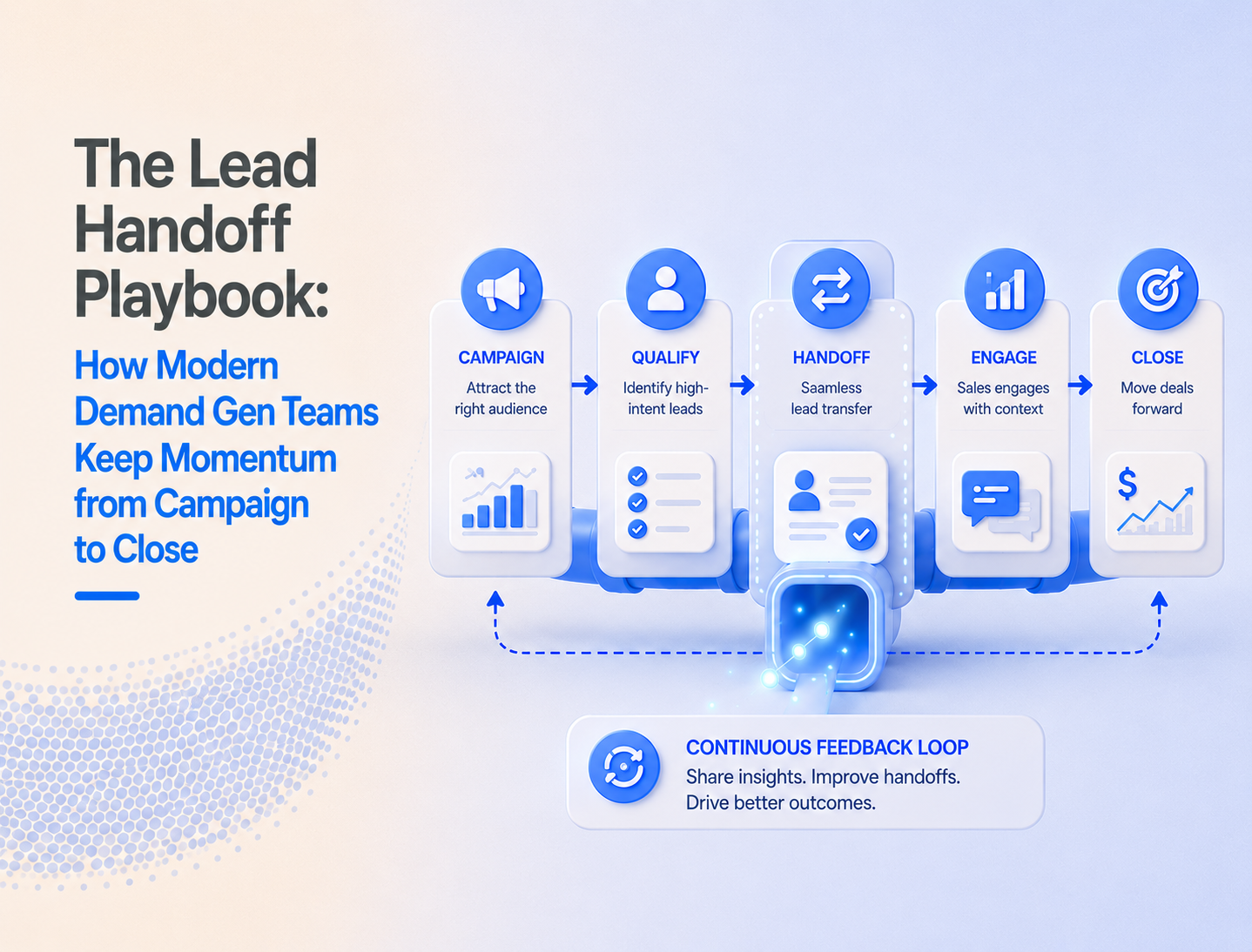
Site Ascend’s lead qualification motion is built to convert opt-ins into sales meetings only when BANT fundamentals are present.
Outcome: fewer “nice conversations,” more meetings that sales will advance.
Channel Marketing: making MDF defensible with BANT consistency
What it fixes: MDF spend that creates activity instead of pipeline.
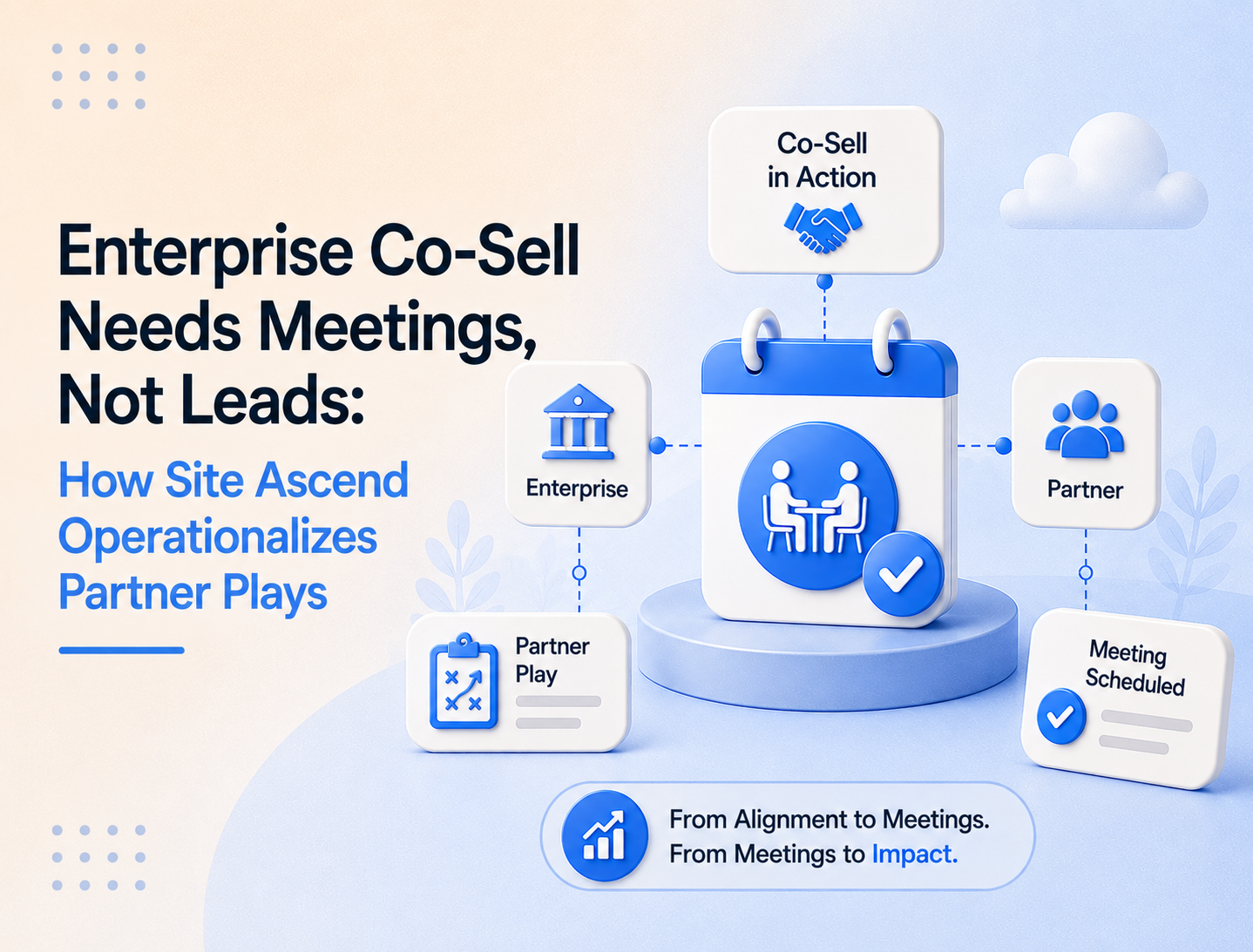
Channel programs often struggle because meetings arrive without consistent context, and partners aren’t aligned on what “qualified” means.
Site Ascend’s channel motion uses white-labeled outreach to deliver meetings partners can convert, with a consistent BANT standard:
This is how MDF shifts from “we ran a campaign” to “we produced meetings with the right people that can move forward.”
Event Marketing: improving event-to-meeting conversion with BANT
What it fixes: registrations that don’t translate into sales conversations.
Site Ascend’s Event Marketing focuses on attendee procurement using outbound dialing, supported by SMS workflows leading up to the event date. (No day-of-event onsite services.)
BANT improves event ROI by protecting quality upstream:
Outcome: stronger attendance quality and higher post-event next-step conversion.
Actionable steps for marketers
Use this short checklist to turn BANT into an operational meeting standard across your programs.
The BANT Meeting Standard Checklist
Before a meeting is considered “qualified,” capture:
Weekly health metrics (minimum):
If these improve, you’re building a BANT-aligned system—not just creating activity.
Comparison of market solutions
Most market solutions are optimized for one of three procurement outcomes:
1) Lowest cost per activity
Great for broad coverage. Weak when you need Director+ engagement and next steps.
2) Predictable volume
Great for filling calendars. Weak when “booked” doesn’t equal “held,” and sales follow-up drops.
3) Defensible pipeline impact
Great when your CFO asks, “What did we get?” Requires held-meeting accountability, seniority standards, and clean reporting.
Why Site Ascend is different: it’s structured for defensible impact (meetings that occur + Director+ focus + real-time visibility).
Conclusion
Sales commits to a second call when the first meeting contains enough truth to justify momentum.
That truth is BANT—captured in a modern way:
If your programs are generating meetings but not next steps, a BANT-based pilot with Site Ascend can raise show rates, protect seniority, and improve second-call conversion—without requiring your team to add headcount.
Contact Site Ascend to start a pilot focused on Director+ meetings that occur and convert into clear next steps.
Is BANT still relevant for enterprise demand gen?

Which BANT element matters most for getting a second call?
How do we apply BANT without slowing pipeline?


Start your pilot campaign today and explore the full range of Site Ascend's demand generation capabilities. Experience firsthand how we can enhance your efficiency, streamline your processes, and drive growth.
RELATED