Why Cold Leads Still Matter: Turning Untapped Prospects Into Pipeline
Pipeline Generation


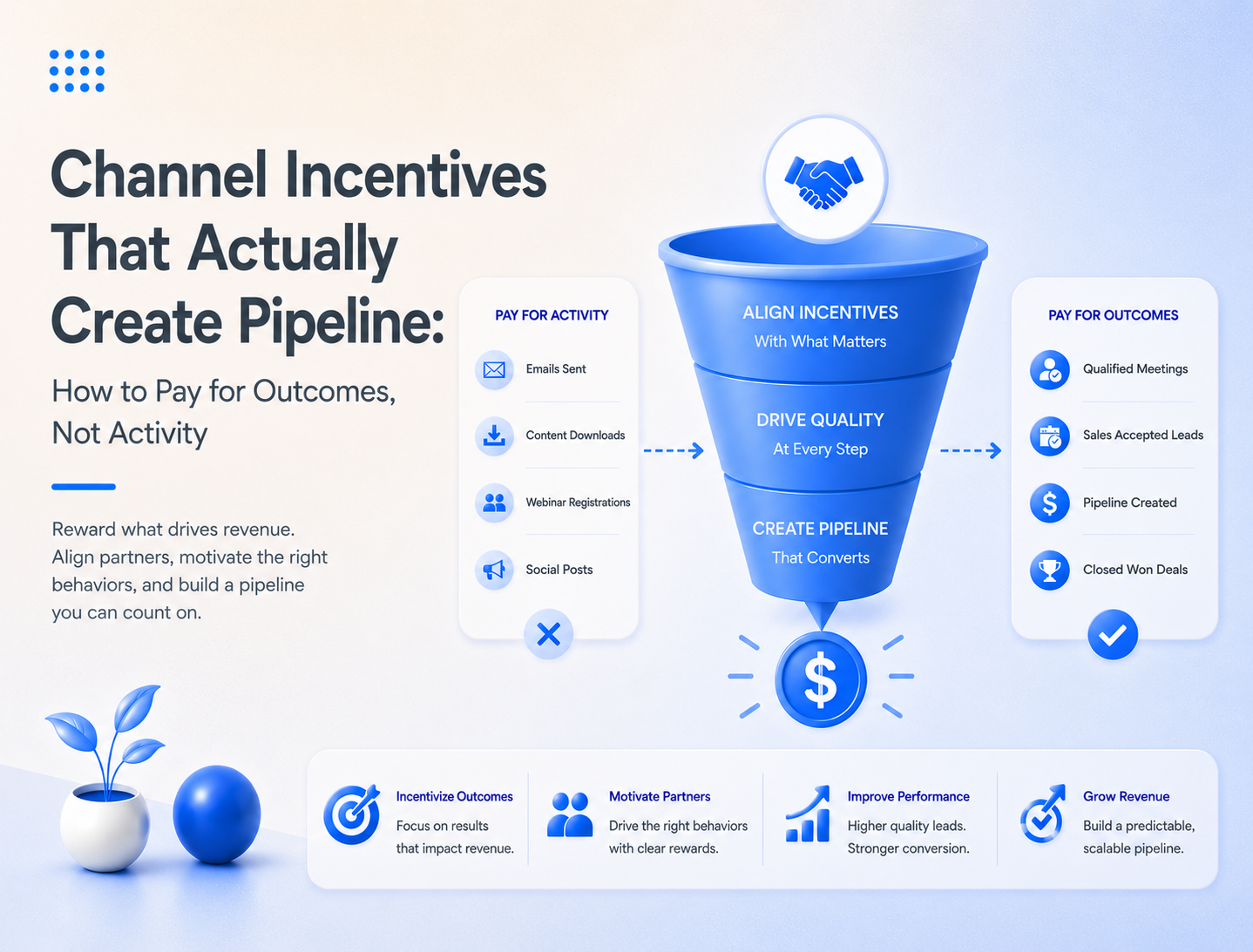
Successful channel campaigns aren't measured by clicks, registrations, or lead volume—they're measured by the qualified pipeline they create. Learn how leading B2B technology marketers align partner campaigns with revenue goals, executive engagement, and measurable business outcomes.
-
Channel Marketing
Introduction
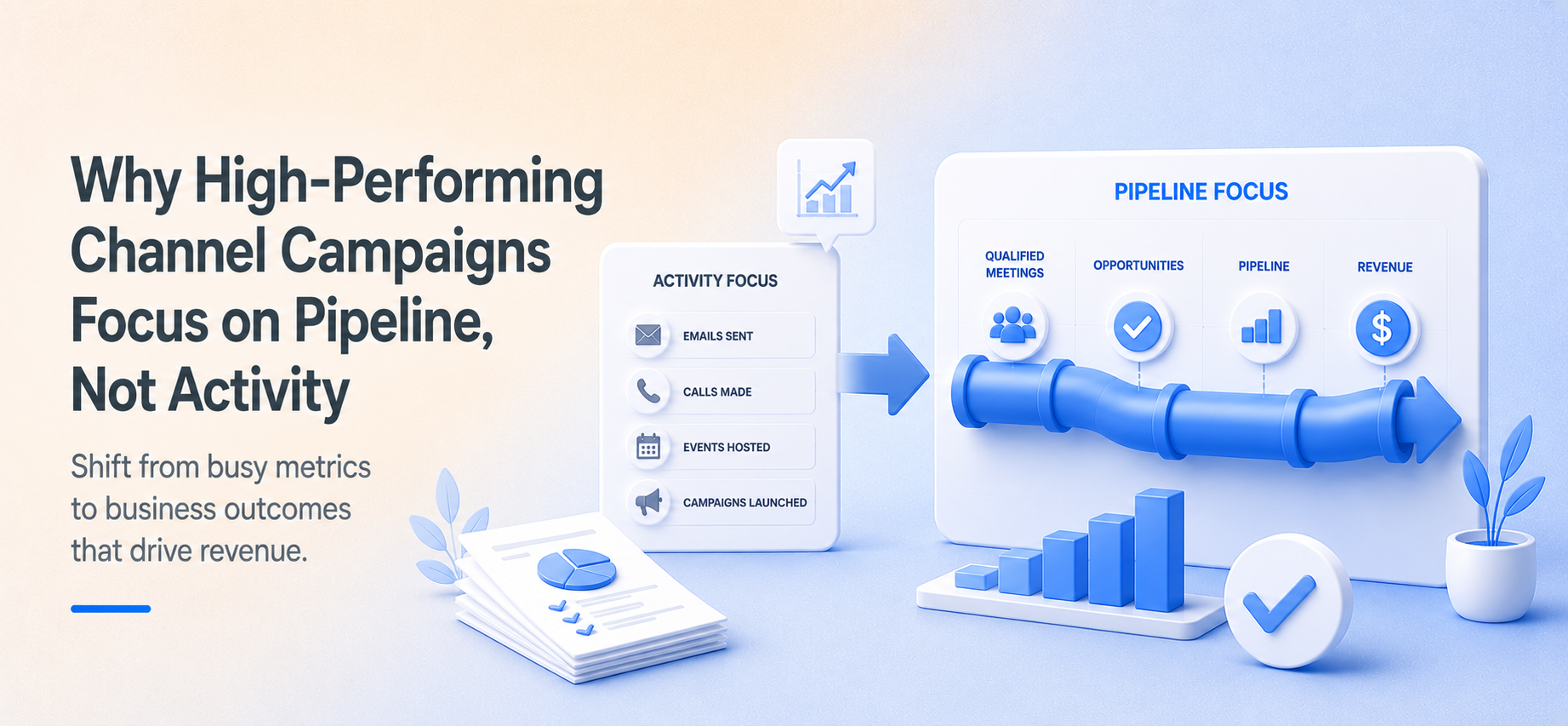
For years, channel campaign success has been measured by familiar marketing metrics: impressions, clicks, email open rates, event attendance, and lead volume. While these indicators can provide useful insight into campaign reach, they rarely answer the question executives care about most:
Did this campaign generate pipeline?
As pressure grows on demand generation and channel marketing leaders to demonstrate measurable revenue impact, organizations are rethinking how channel campaigns are planned, executed, and evaluated. Rather than celebrating activity alone, leading technology companies are designing partner campaigns that prioritize qualified buying conversations, sales engagement, and opportunity creation.
This shift represents more than a reporting change—it requires a different operating philosophy. High-performing channel campaigns begin with revenue objectives and work backward, ensuring every marketing investment contributes to measurable business outcomes.
What Channel Campaigns Mean for Demand Generation Marketers
A channel campaign is a coordinated marketing initiative executed with or through partners to generate awareness, engage target accounts, and create qualified sales opportunities. These campaigns can include executive outreach, virtual events, webinars, account-based initiatives, appointment setting, partner events, and industry-specific programs.
For modern demand generation leaders, however, channel campaigns should no longer be viewed as isolated marketing activities. Instead, they should function as revenue programs that align vendor investments, partner execution, and sales objectives around shared pipeline goals.
When designed effectively, channel campaigns can:
The strongest channel organizations don't ask whether a campaign generated enough leads—they ask whether it generated enough qualified opportunities to influence revenue.
Common Challenges Marketers Face
Many channel campaigns fail to meet expectations not because of poor execution, but because they're built around the wrong success metrics.
Campaigns Prioritize Activity Instead of Outcomes
Organizations often celebrate campaign performance based on registrations, clicks, or downloads. While these metrics indicate engagement, they don't necessarily reflect buying intent or revenue impact.
Misaligned Objectives Between Vendors and Partners
Vendors may prioritize pipeline creation while partners focus on increasing brand visibility or meeting activity requirements. Without shared goals, campaigns often produce inconsistent results.
Inconsistent Qualification Standards
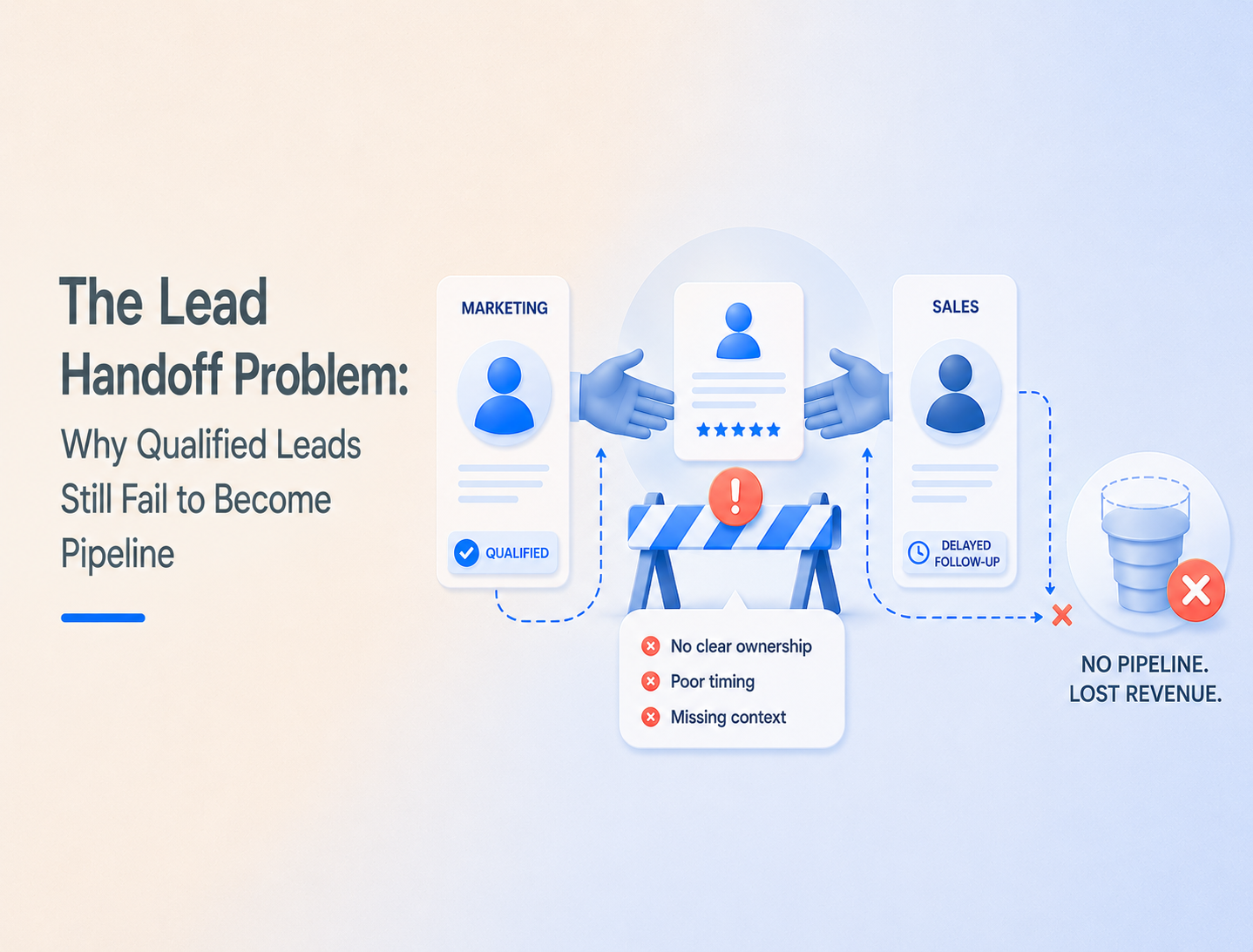
Each partner may define a qualified lead differently, making it difficult to compare campaign performance across regions or partner ecosystems.
Limited Executive Engagement
Many campaigns generate responses from junior contacts while failing to reach directors, vice presidents, or decision-makers capable of advancing purchasing decisions.
Poor Visibility Into Revenue Contribution
Without standardized reporting and attribution, marketing teams struggle to determine which campaigns genuinely influenced opportunities and which simply generated marketing activity.



.png)

%201.png)


.png)


Solutions That Work
Build Every Campaign Around Revenue Objectives
The strongest channel campaigns begin by defining pipeline goals before selecting marketing tactics. Establishing clear revenue targets helps every stakeholder understand what success looks like and ensures campaign decisions remain focused on business outcomes rather than activity metrics.
Standardize Success Metrics Across Partners
High-performing organizations create shared definitions for qualified meetings, opportunity creation, pipeline attribution, and campaign success. Consistent measurement enables better comparisons across partners while making future investment decisions significantly easier.
Prioritize Executive Engagement
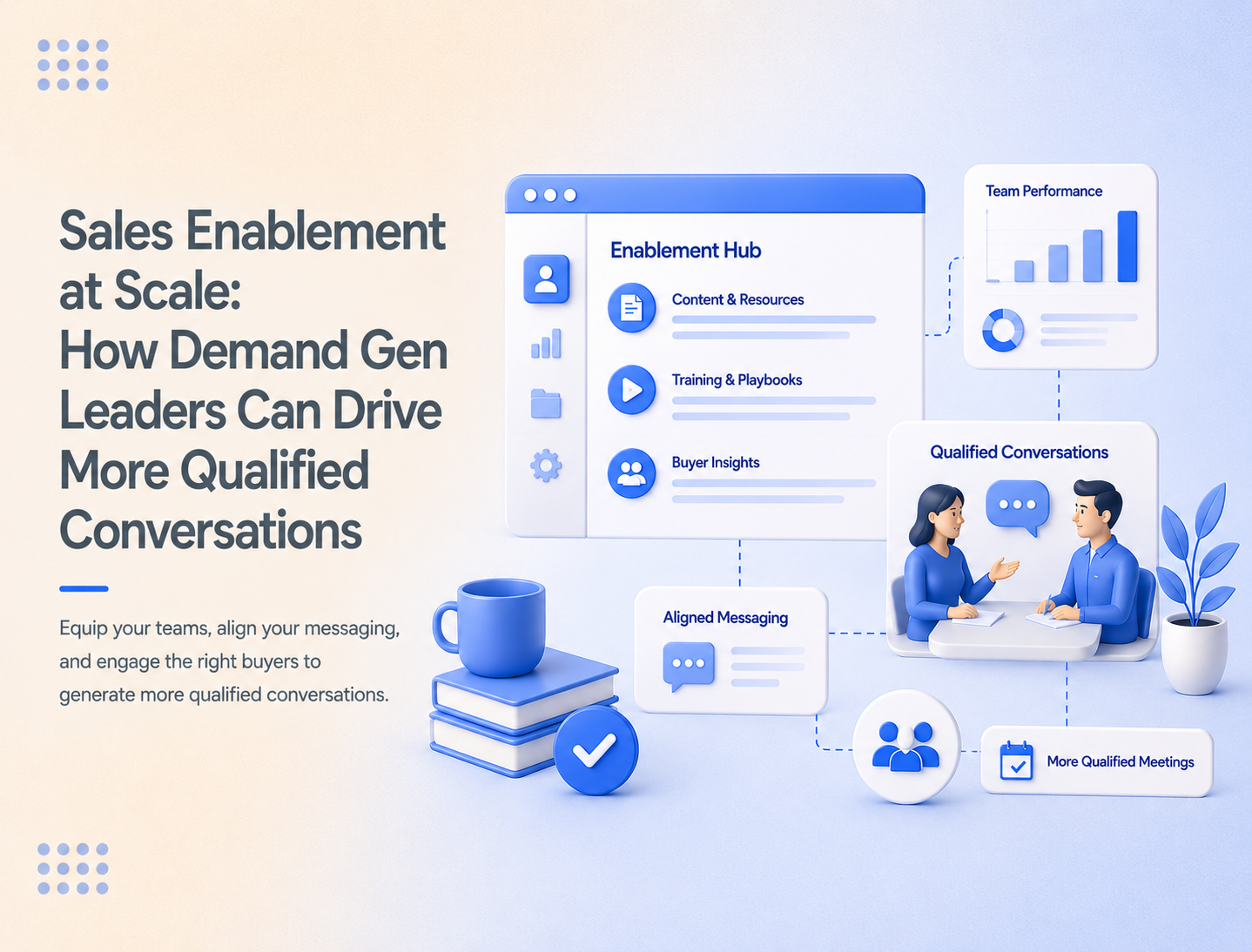
Rather than maximizing campaign volume, successful channel teams prioritize meaningful conversations with director-level and executive decision-makers. Higher-quality engagement consistently produces stronger sales outcomes than broader, lower-intent outreach.
Continuously Optimize Using Pipeline Insights
Every campaign should produce operational learnings—not just performance reports. Reviewing conversion rates, sales feedback, qualification quality, and opportunity progression helps marketing teams continuously improve future channel initiatives.
Where Site Ascend Fits
Once a pipeline-first strategy is established, execution becomes critical. Site Ascend helps technology companies scale channel campaigns through white-labeled Channel Marketing programs, Executive Meetings with director-level decision-makers, Lead Qualification services that validate buyer intent, and Event Marketing programs focused on procuring qualified registrants through outbound dialing and SMS support. Rather than replacing internal strategy, Site Ascend helps organizations consistently execute proven channel marketing practices that produce measurable business outcomes.
Actionable Steps for Marketers
Complete the Channel Campaign Pipeline Readiness Review
Before launching your next partner campaign, evaluate it using these five questions:
1. Revenue Alignment
Can you clearly define how this campaign contributes to pipeline generation rather than marketing activity?
2. Executive Targeting
Does the campaign intentionally engage decision-makers who influence purchasing decisions?
3. Partner Readiness
Are all participating partners using consistent messaging, qualification standards, and reporting processes?
4. Measurement Strategy
Will success be measured using qualified meetings, opportunity creation, and pipeline contribution instead of registrations or impressions?
5. Continuous Improvement
Have you incorporated lessons learned from previous channel campaigns into this initiative?
If any answer is "no," address those gaps before launch. Small operational improvements at the planning stage often lead to significantly better revenue outcomes.
Comparison of Market Solutions
Organizations execute channel campaigns in several different ways, and the right approach depends on internal resources, partner maturity, and revenue objectives.
An internal execution model offers the greatest control over messaging, planning, and brand consistency. This approach works well for organizations with experienced channel marketing teams but can become difficult to scale across large partner ecosystems.
Technology platforms improve campaign coordination, partner communication, and reporting while making it easier to manage distributed marketing efforts. However, they support execution rather than replacing the strategic work required to engage buyers and create qualified opportunities.
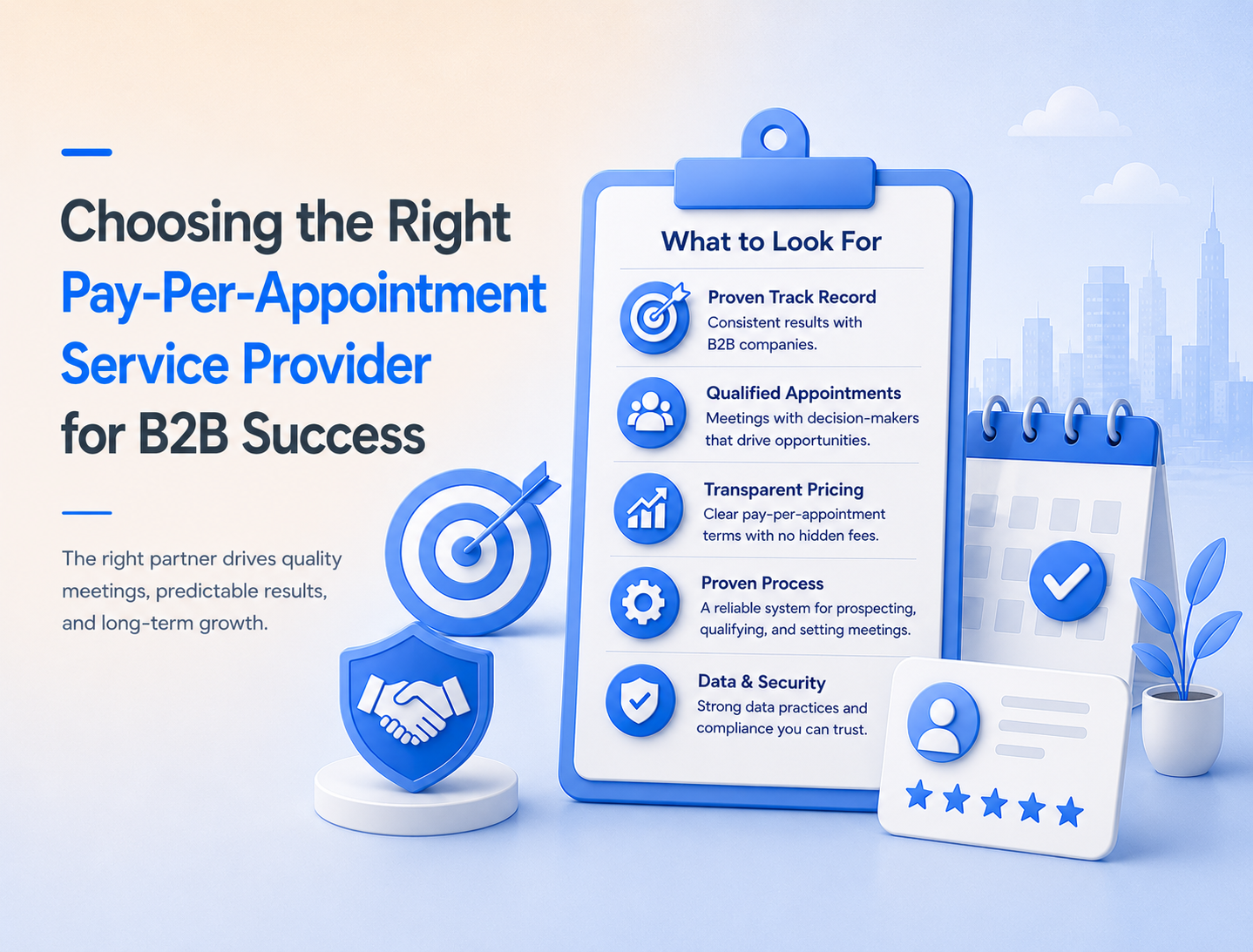
Some organizations choose outsourced marketing providers to increase execution capacity. While this can reduce operational workload, success often depends on the provider's ability to maintain qualification standards, understand complex technology offerings, and engage executive-level buyers.
Performance-based execution partners emphasize measurable business outcomes by focusing on qualified meetings, executive engagement, and pipeline contribution. This model is often attractive to organizations seeking greater accountability and stronger alignment between channel marketing investments and revenue generation.
Many enterprise technology companies combine internal strategy, marketing technology, and specialized execution partners to build scalable channel campaigns that consistently support pipeline growth.
Conclusion
High-performing channel campaigns aren't measured by how much activity they generate—they're measured by the quality of the conversations they create and the pipeline they influence.
Organizations that consistently outperform their peers align every campaign with revenue objectives, standardize qualification across partners, prioritize executive engagement, and optimize future initiatives using pipeline insights rather than marketing activity alone.
As expectations for marketing accountability continue to rise, adopting a pipeline-first approach to channel campaigns can improve partner relationships, strengthen sales alignment, and create more predictable business growth.
If you're looking to build channel campaigns that generate qualified meetings instead of just marketing activity, contact Site Ascend.
What makes a channel campaign successful?

Should channel campaigns focus on lead volume or lead quality?
How should marketing leaders measure channel campaign performance?


Start your pilot campaign today and explore the full range of Site Ascend's demand generation capabilities. Experience firsthand how we can enhance your efficiency, streamline your processes, and drive growth.
RELATED