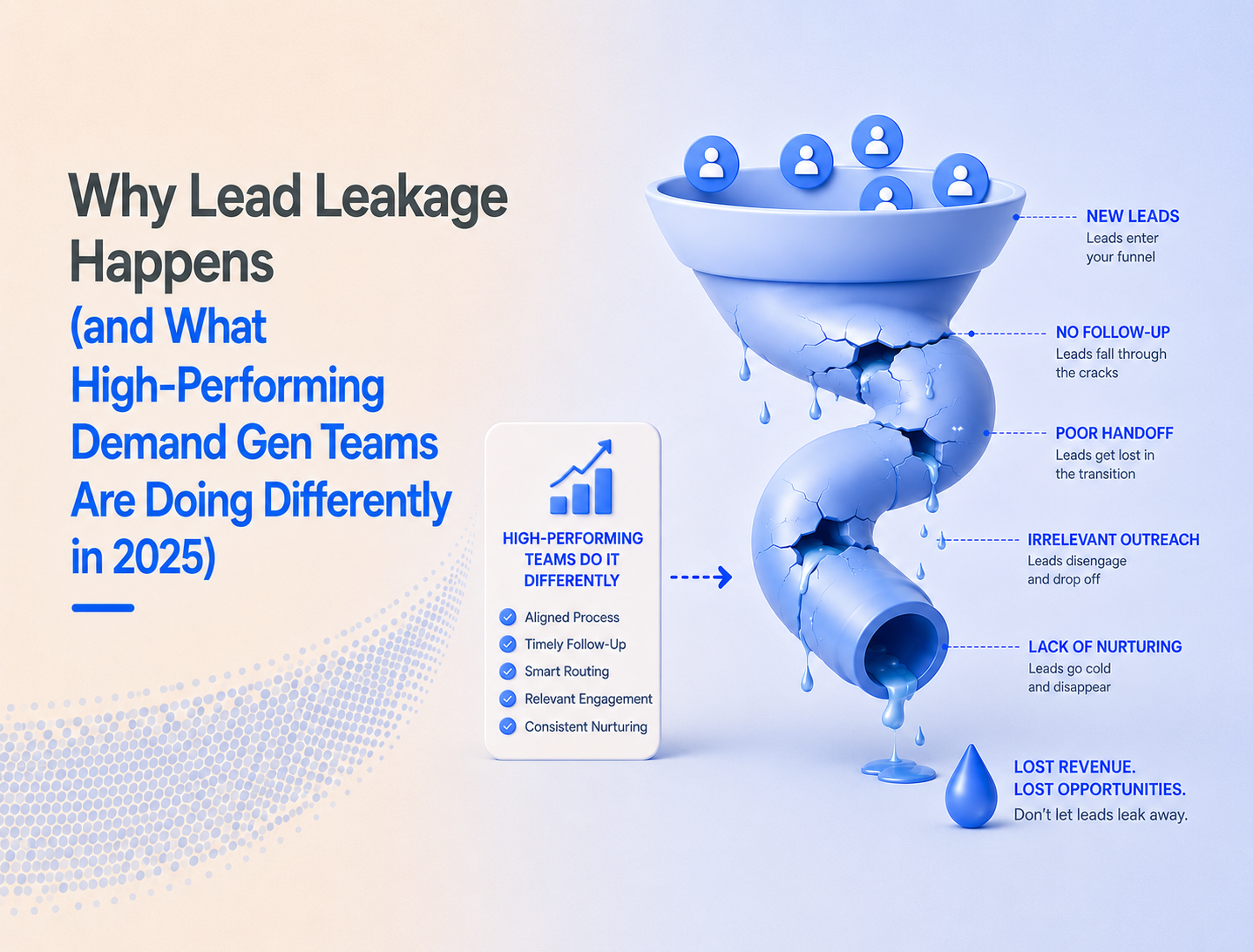
Why Lead Leakage Happens (and What High-Performing Demand Gen Teams Are Doing Differently in 2025)
Demand Generation Strategy


Inbound marketing is a powerful way to attract and educate potential buyers, but generating traffic and leads is only the beginning. Learn why B2B technology companies must combine inbound strategies with buyer engagement, lead qualification, and sales alignment to consistently build qualified enterprise pipeline.
-
Inbound Marketing
Introduction
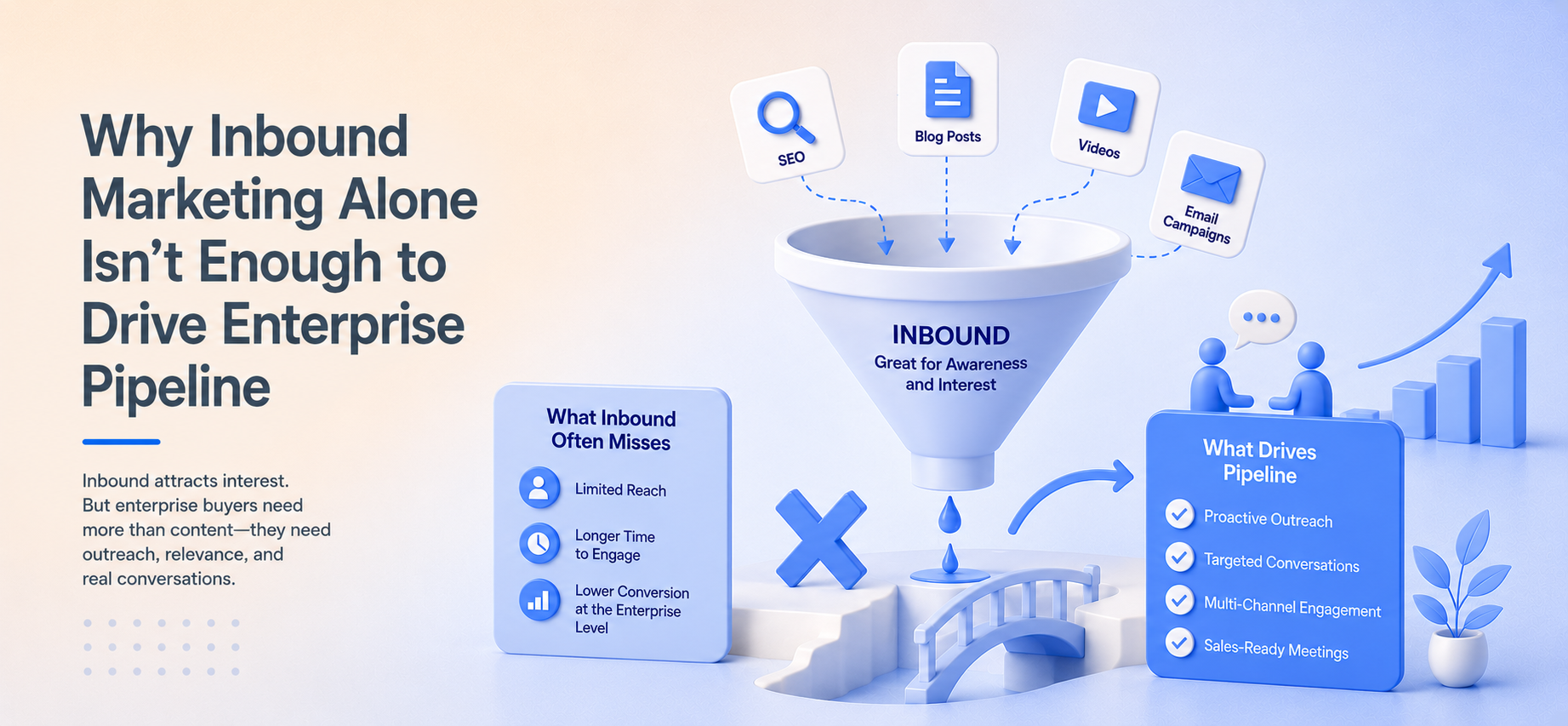
Inbound marketing has transformed how B2B technology companies attract prospective buyers. Educational content, webinars, research reports, and thought leadership help organizations build credibility long before a buyer is ready to speak with sales. But while inbound marketing excels at generating awareness and interest, many demand generation teams discover an uncomfortable reality: website traffic and inbound leads don't automatically become qualified pipeline.
Enterprise buying journeys are longer, involve more stakeholders, and require greater trust than ever before. Buyers often consume content for months before engaging with sales, and many disappear after downloading a single asset—not because they aren't qualified, but because they haven't yet reached a decision point.
For today's demand generation leaders, inbound marketing should be viewed as the beginning of the pipeline journey—not the finish line. Organizations that consistently generate enterprise revenue build systems that move inbound interest toward meaningful sales conversations rather than waiting for buyers to raise their hands.
What Inbound Marketing Means for Demand Generation Marketers
Inbound marketing is the practice of attracting prospective buyers by providing valuable educational resources that help them solve business problems. Rather than interrupting prospects with unsolicited outreach, inbound marketing earns attention through relevant content and useful insights.
For demand generation teams, inbound marketing serves several purposes. It creates brand awareness, establishes credibility, educates buying committees, and generates interest among organizations actively researching potential solutions.
However, its greatest value isn't simply generating leads—it's identifying organizations showing buying intent. Once that interest exists, marketing and sales must work together to determine which accounts are most likely to become qualified opportunities and how to continue moving them through the buying process.
Common Challenges Marketers Face
Many organizations assume inbound marketing ends once someone submits a form. In reality, downloading a whitepaper or registering for a webinar rarely indicates purchase readiness. Treating every inbound lead as sales-ready often overwhelms sales teams with prospects who are still in the research phase.
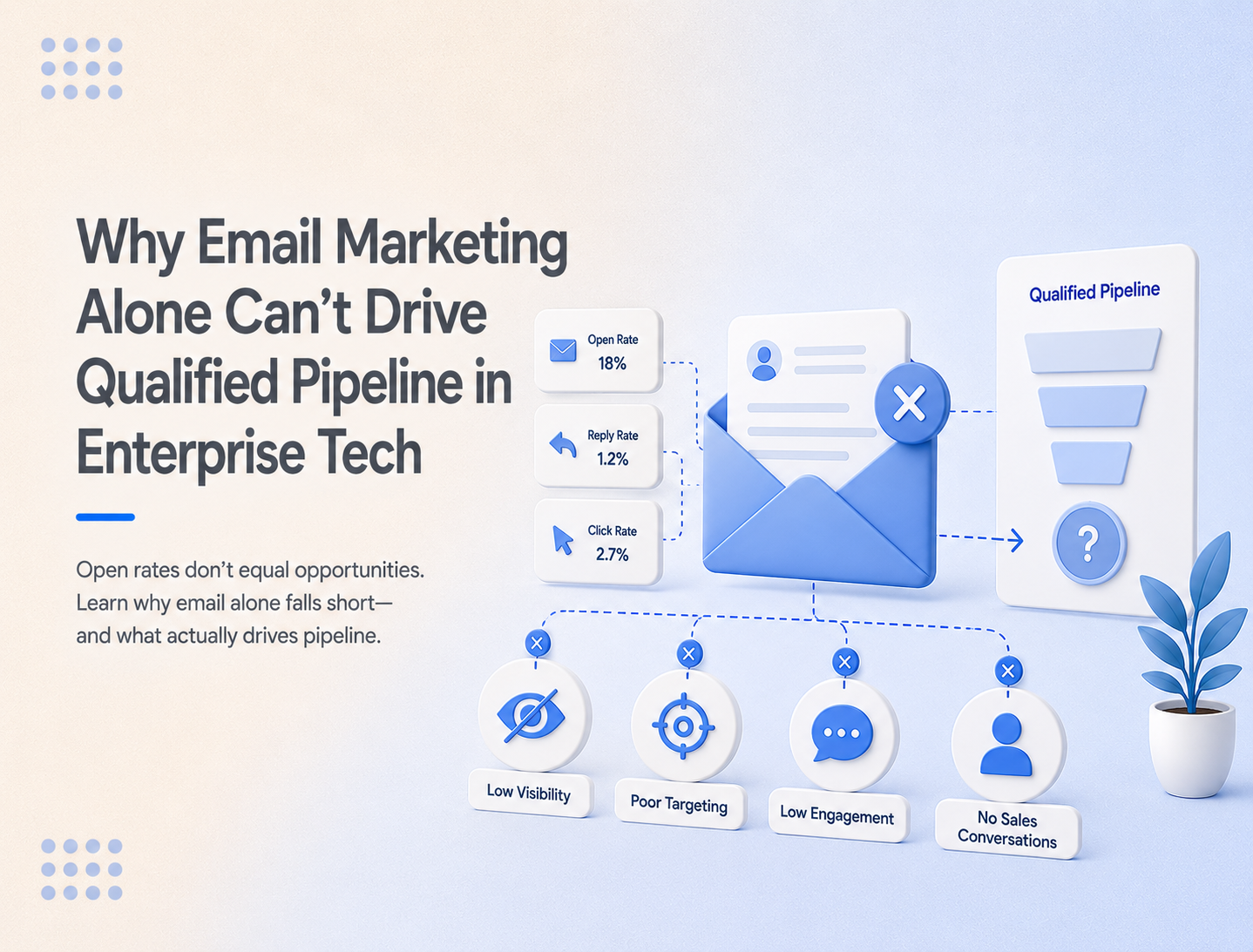
Another challenge is relying too heavily on inbound activity alone. Enterprise buyers don't always return after their first interaction, even when genuine interest exists. Without a plan for continued engagement, many promising opportunities quietly fade away.
Marketing teams also struggle with lead prioritization. When every inbound conversion is treated equally, high-value accounts become difficult to distinguish from casual researchers or students gathering information.
Finally, many organizations evaluate inbound marketing using traffic, downloads, and form fills instead of business outcomes like qualified meetings, opportunity creation, and pipeline contribution. These activity metrics provide useful visibility but don't necessarily indicate revenue impact.



.png)

%201.png)


.png)


Solutions That Work
Prioritize Buying Intent Over Lead Volume
Not every inbound lead deserves immediate sales attention. Evaluate engagement patterns, account fit, buying signals, and stakeholder involvement to determine which prospects are most likely to become qualified opportunities. This improves sales productivity while creating a better buyer experience.
Extend Engagement Beyond the First Conversion
An inbound conversion should begin a relationship, not end it. Continue educating prospects with relevant resources, personalized follow-up, and timely outreach that aligns with their stage in the buying journey. Consistent engagement helps maintain momentum until buyers are ready for meaningful conversations.
Align Sales and Marketing Around Qualification Standards
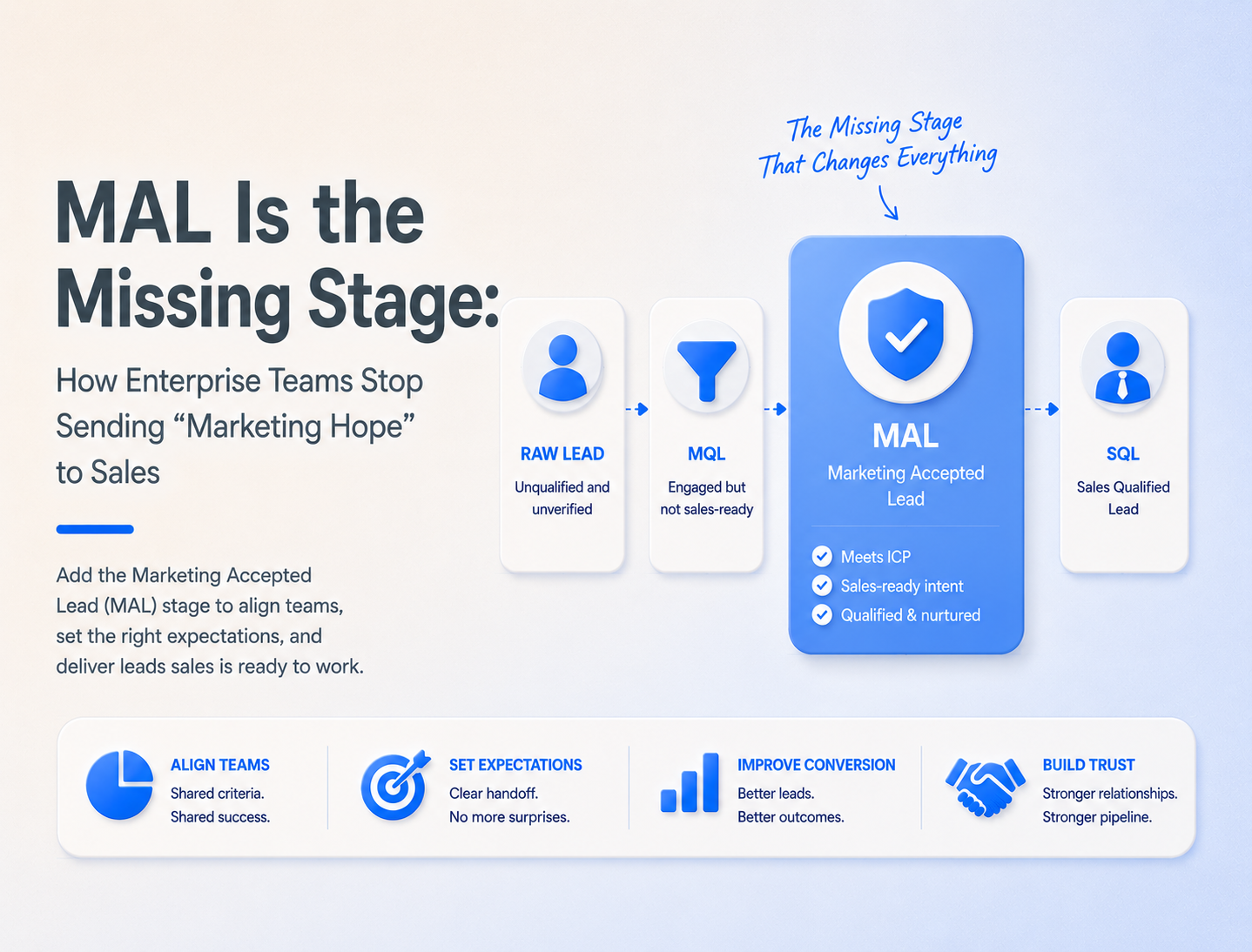
Marketing and sales should share a clear definition of what constitutes a qualified opportunity. Establishing common qualification criteria improves lead prioritization, reduces unnecessary follow-up, and creates smoother handoffs between teams.
Measure Revenue Contribution Instead of Activity
Track how inbound marketing influences qualified meetings, opportunity creation, pipeline progression, and revenue rather than relying exclusively on traffic or conversion metrics. Measuring business outcomes provides a more accurate picture of marketing effectiveness and supports better investment decisions.
Where Site Ascend Fits
Inbound marketing creates valuable buying interest, but converting that interest into qualified pipeline often requires additional execution. Site Ascend helps technology companies bridge this gap through Lead Qualification that validates buyer readiness, Executive Meetings that connect sales teams with director-level decision-makers, Event Marketing that deepens buyer engagement, and Channel Marketing programs that extend partner-led outreach. Rather than replacing inbound marketing, these services help organizations convert existing interest into measurable sales opportunities.
Actionable Steps for Marketers
Perform an Inbound-to-Pipeline Assessment
Many organizations know how many leads inbound marketing generates but have limited visibility into how those leads become revenue. Use this assessment to identify where opportunities are slowing down.
Step 1: Map the Complete Buyer Journey
Document what happens after an inbound conversion. Identify every stage between initial engagement, qualification, sales outreach, meetings, opportunities, and pipeline creation. Look for delays or unnecessary handoffs.
Step 2: Review Lead Qualification Criteria
Determine whether your current qualification process identifies true buying intent or simply measures engagement. Refine qualification standards to prioritize fit, buying signals, and account value.
Step 3: Analyze Follow-Up Timing
Evaluate how quickly inbound leads receive meaningful follow-up. Long response times often reduce engagement, particularly when buyers are actively evaluating solutions.
Step 4: Measure Pipeline Conversion Rates
Track how many inbound leads progress to qualified meetings, opportunities, and revenue. Identifying where conversion rates decline helps prioritize operational improvements.
Step 5: Identify High-Value Accounts
Review whether your inbound strategy consistently attracts organizations that match your ideal customer profile. If high-value accounts aren't progressing, investigate whether messaging, qualification, or follow-up requires adjustment.
Regularly reviewing these areas helps marketing leaders strengthen the connection between inbound marketing activity and measurable pipeline growth.
Comparison of Market Solutions
Organizations use several approaches to maximize the value of inbound marketing.
Some focus almost exclusively on attracting more website visitors and increasing content downloads. Although this strategy can generate substantial lead volume, it often creates a disconnect between marketing activity and pipeline if qualification and follow-up processes are underdeveloped.
Others invest heavily in marketing automation platforms that improve lead scoring, segmentation, and nurture workflows. These tools enhance efficiency but still require strong operational processes and collaboration with sales to convert engagement into qualified opportunities.
Many enterprise organizations strengthen their inbound strategy by combining educational marketing with specialized execution support for lead qualification, executive outreach, partner engagement, or event recruitment. This blended approach helps ensure that interested buyers continue progressing after their initial conversion instead of becoming inactive contacts within the CRM.
The strongest inbound programs don't measure success by how many people enter the funnel—they measure success by how many qualified opportunities emerge from it.
Conclusion
Inbound marketing remains one of the most valuable ways to attract enterprise buyers, but generating interest is only one part of demand generation. Sustainable pipeline growth depends on what happens after prospects engage.
Organizations that prioritize buying intent, strengthen lead qualification, align sales and marketing, and measure revenue outcomes instead of marketing activity consistently achieve better business results than those relying on inbound marketing alone.
If your organization is looking to transform inbound engagement into qualified enterprise pipeline, contact Site Ascend.
Is inbound marketing enough to generate enterprise pipeline?

Why do many inbound leads never become sales opportunities?
How should inbound marketing success be measured?


Start your pilot campaign today and explore the full range of Site Ascend's demand generation capabilities. Experience firsthand how we can enhance your efficiency, streamline your processes, and drive growth.