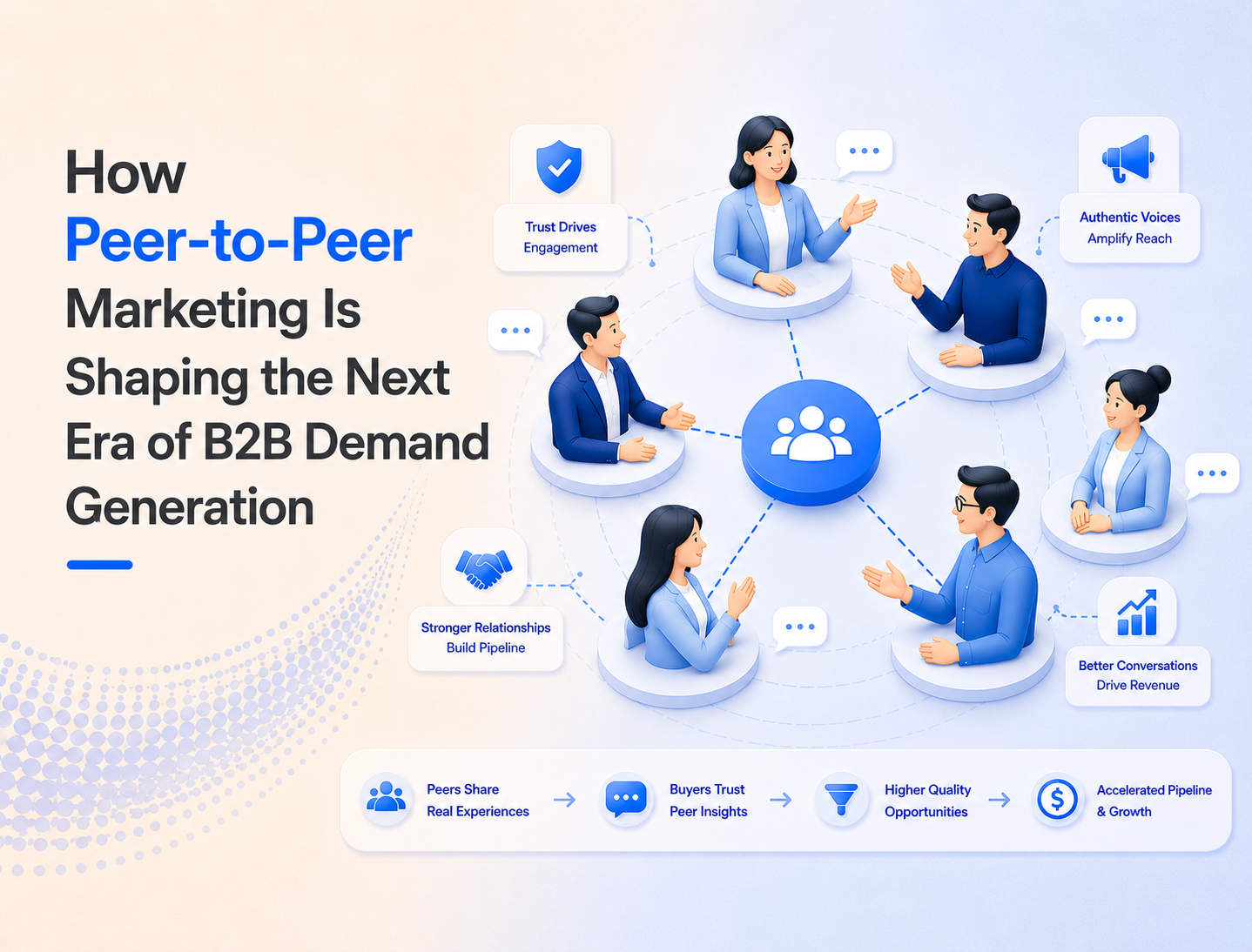
How Peer-to-Peer Marketing Is Shaping the Next Era of B2B Demand Generation
B2B Demand Generation


Warm leads often represent the highest-value opportunities in your funnel, yet many never become pipeline due to inconsistent qualification and follow-up. Discover how demand generation leaders can identify true buying intent, prioritize high-potential prospects, and convert warm engagement into qualified sales opportunities.
-
Lead Qualification
Introduction
Every demand generation team celebrates generating new leads, but not every lead deserves the same level of attention. While organizations invest heavily in creating awareness and filling the top of the funnel, many overlook one of the most valuable assets already sitting inside their CRM: warm leads.
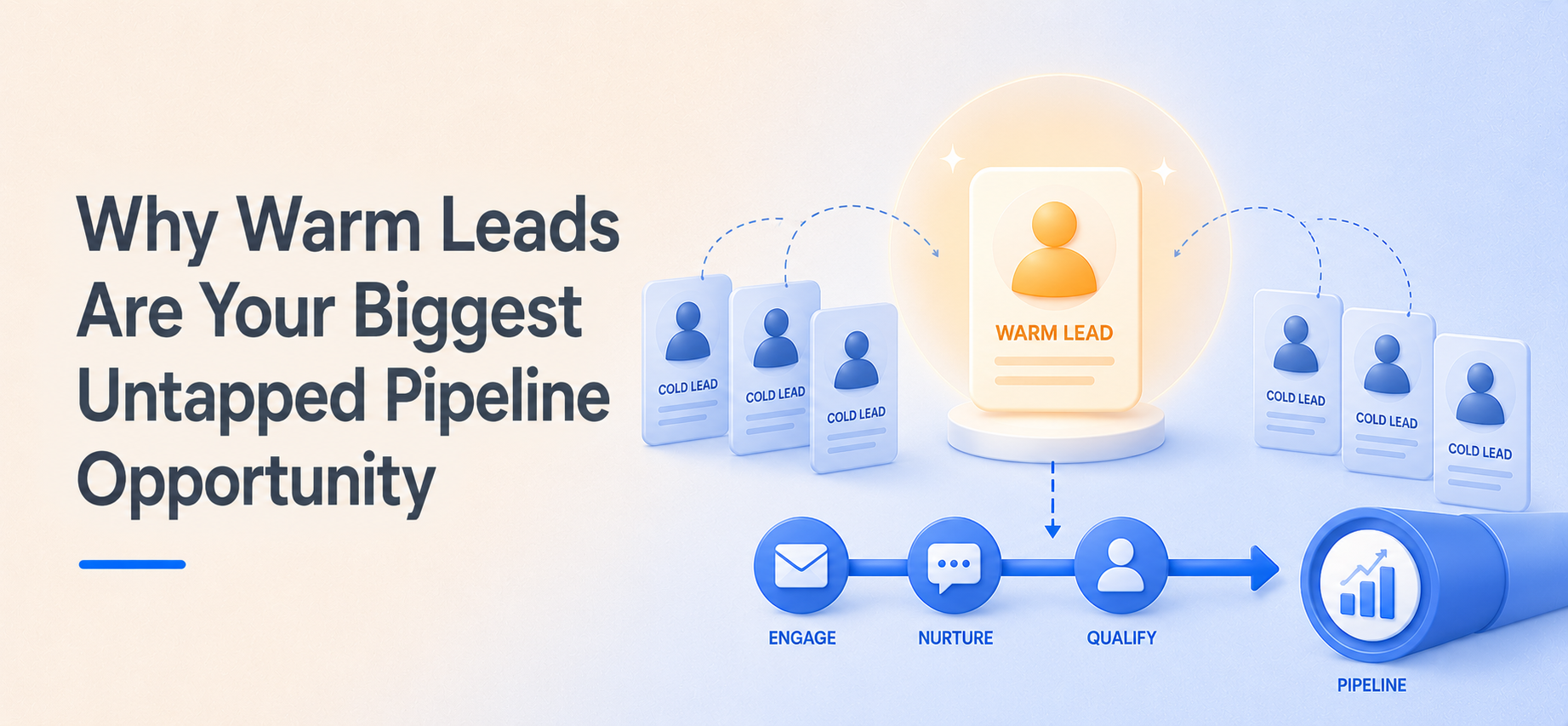
Warm leads represent prospects who have demonstrated meaningful interest but haven't yet reached the point where sales is ready to engage. They downloaded a resource, attended a webinar, responded to outreach, visited key product pages, or interacted with marketing campaigns. They know your brand—but they haven't yet become pipeline.
For B2B technology companies, this stage often determines whether marketing investments translate into revenue. Organizations that consistently outperform their competitors don't simply generate more warm leads—they develop disciplined processes that recognize buying intent, deepen engagement, and convert interest into qualified sales conversations.
The opportunity isn't generating another thousand leads. It's maximizing the value of the warm leads you already have.
What Warm Leads Mean for Demand Generation Marketers
A warm lead is a prospect who has demonstrated legitimate engagement with your organization but has not yet met your agreed-upon qualification criteria for sales.
Unlike cold prospects, warm leads have already invested some level of attention. Unlike sales-qualified opportunities, they still require additional education, validation, or buying intent before entering the sales pipeline.
For marketing leaders, warm leads represent an operational opportunity because they typically offer:
The challenge isn't identifying warm leads—it's determining which ones are genuinely progressing toward a buying decision.
Common Challenges Marketers Face
Many organizations unintentionally waste their highest-potential prospects because they treat all warm leads the same.
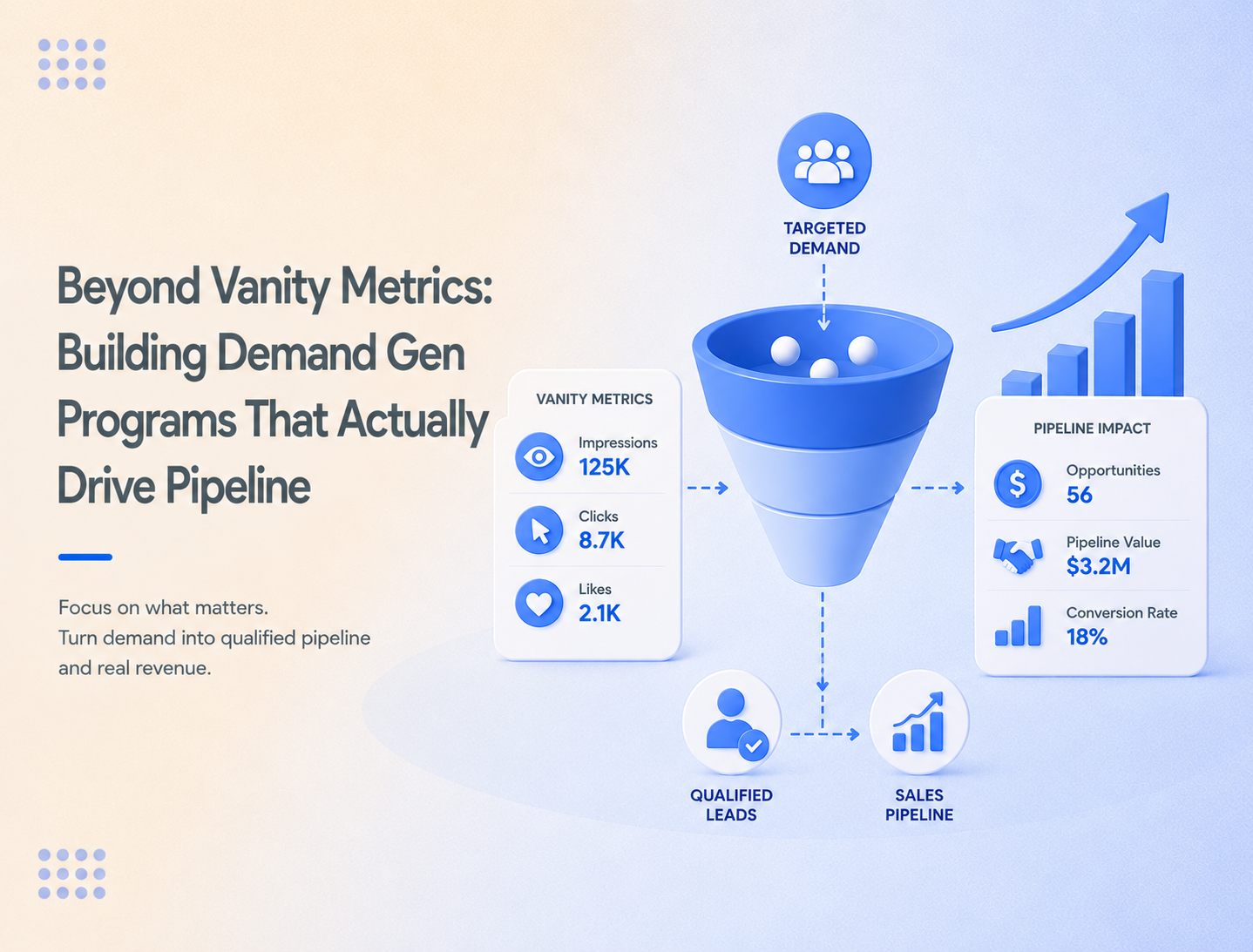
Engagement Is Mistaken for Intent
Downloading a whitepaper and requesting pricing both indicate interest—but they represent very different buying signals.
Without distinguishing between engagement and purchase intent, marketing teams often prioritize the wrong prospects.
Inconsistent Definitions
Different departments frequently define "warm" differently.
Marketing automation platforms may score engagement.
Sales teams evaluate readiness.
Revenue operations focus on conversion probability.
Without shared definitions, warm leads move inconsistently through the funnel.
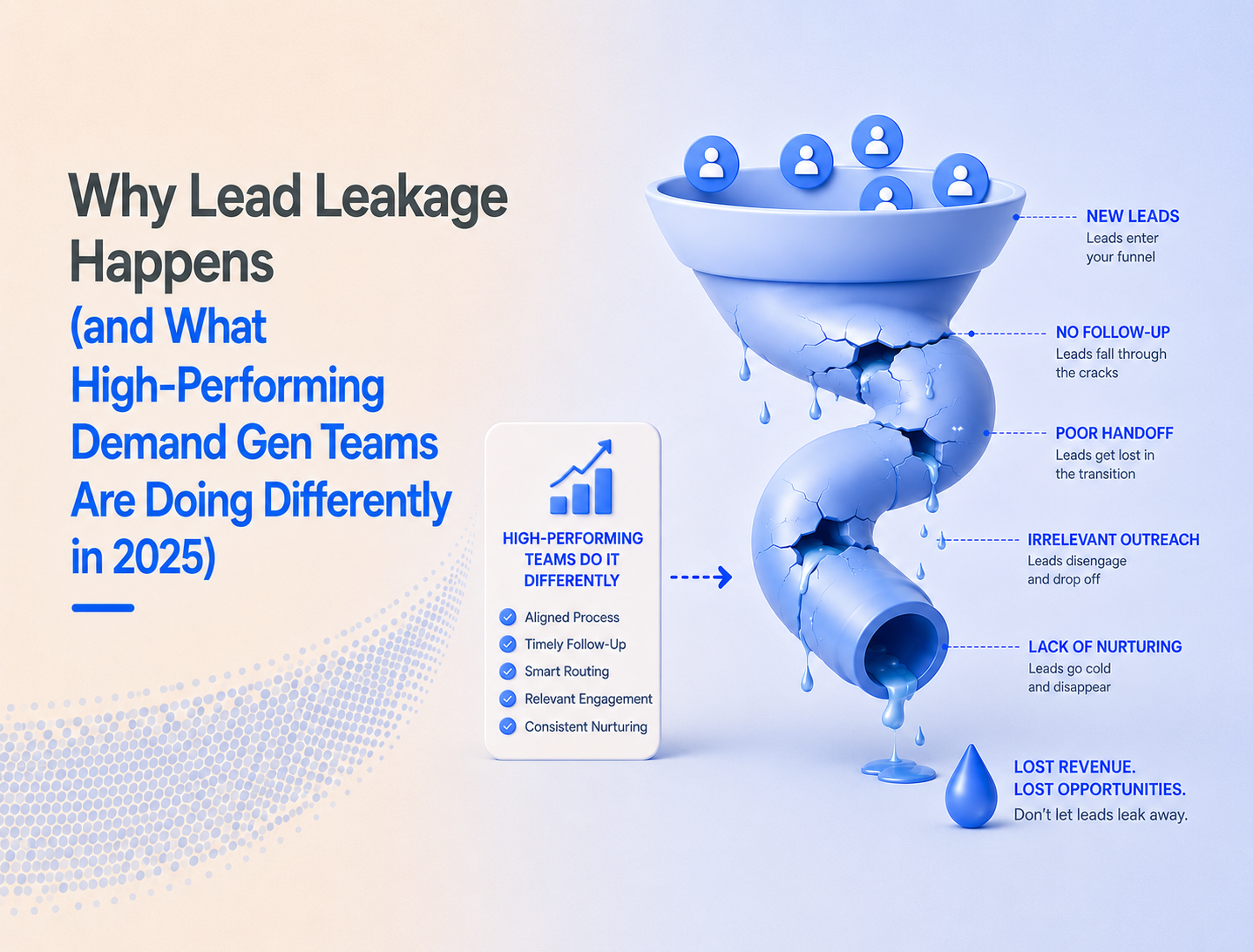
Lead Aging
Many warm leads receive initial follow-up but then remain inactive for weeks or months.
Interest fades, priorities shift, competitors engage, and opportunities disappear—not because the lead wasn't qualified, but because momentum was lost.
Limited Context
Sales representatives often receive activity histories but lack meaningful context explaining why a lead may actually be worth pursuing.
Behavior without interpretation rarely drives effective conversations.



.png)

%201.png)


.png)


Solutions That Work
Turning warm leads into pipeline requires more than automated nurturing. It demands operational discipline, behavioral intelligence, and coordinated decision-making across marketing and sales.
1. Differentiate Engagement From Buying Intent
Not every interaction deserves the same weight.
Organizations should classify behaviors into categories such as:
This helps marketing prioritize resources while giving sales greater confidence in qualified opportunities.
2. Build Progressive Qualification Instead of One-Time Qualification
Qualification should evolve as buyers learn.
Instead of asking whether someone is qualified today, ask:
Progressive qualification creates a more accurate picture of readiness than static scoring models.
3. Monitor Buying Momentum
One of the strongest predictors of conversion isn't total engagement—it's accelerating engagement.
Multiple high-value interactions within a short period often indicate increasing purchase intent.
Organizations that monitor momentum can engage prospects before interest begins to decline.
4. Align Marketing and Sales Around Readiness
Warm leads shouldn't be transferred simply because they reached a numerical score.
Instead, marketing and sales should define shared readiness indicators, including:
These indicators produce more productive sales conversations and stronger pipeline quality.
Where Site Ascend Fits
Once organizations establish clear qualification criteria and readiness standards, consistent execution becomes critical.
Site Ascend helps technology companies operationalize these strategies through lead qualification programs, executive meeting campaigns, channel marketing initiatives, and event marketing support. Rather than replacing internal teams, Site Ascend extends marketing and sales capacity with U.S.-based outreach, director-level targeting, and performance-based engagement models that help warm leads progress into qualified sales conversations.
Actionable Steps for Marketers
The Warm Lead Opportunity Scorecard
Evaluate your current process using these five dimensions.
1. Engagement Quality
Do you distinguish educational engagement from buying intent?
2. Momentum Tracking
Can your team identify whether engagement is accelerating, slowing, or remaining static?
3. Qualification Consistency
Do marketing and sales use the same definition of readiness?
4. Follow-Up Timing
How quickly are high-potential warm leads contacted after meaningful buying signals appear?
5. Conversion Visibility
Can leadership identify which warm lead sources consistently become qualified pipeline?
Organizations scoring highly across these areas typically achieve stronger pipeline efficiency without increasing lead acquisition costs.
Comparison of Market Solutions
Organizations take several approaches to managing warm leads.
Internal marketing teams provide strong brand knowledge but may lack dedicated capacity to consistently qualify growing volumes of engaged prospects.
Technology platforms automate lead scoring and workflows but rely on accurate data, well-designed processes, and consistent governance.
Traditional outsourced providers can expand outreach capacity, although qualification consistency and executive-level engagement often vary.
Performance-based execution partners combine human qualification with measurable business outcomes, helping organizations validate buying intent before opportunities reach sales.
The most effective strategy often combines technology, internal expertise, and operational support to ensure warm leads continue progressing toward pipeline rather than becoming stagnant records in the CRM.
Conclusion
Warm leads represent one of the largest untapped sources of pipeline growth for B2B technology organizations. The difference between average and high-performing demand generation teams isn't simply the number of leads they generate—it's how effectively they recognize buying intent, maintain engagement, and convert interest into qualified sales opportunities.
By improving qualification standards, monitoring buying momentum, and aligning marketing and sales around shared readiness criteria, organizations can unlock significantly more value from existing demand generation investments.
For organizations looking to scale these efforts, Site Ascend helps operationalize proven lead qualification, executive meeting, channel marketing, and event marketing strategies that transform warm leads into qualified sales conversations.
If you're ready to maximize the value of your warm leads and improve pipeline quality, contact Site Ascend or start a pilot program.
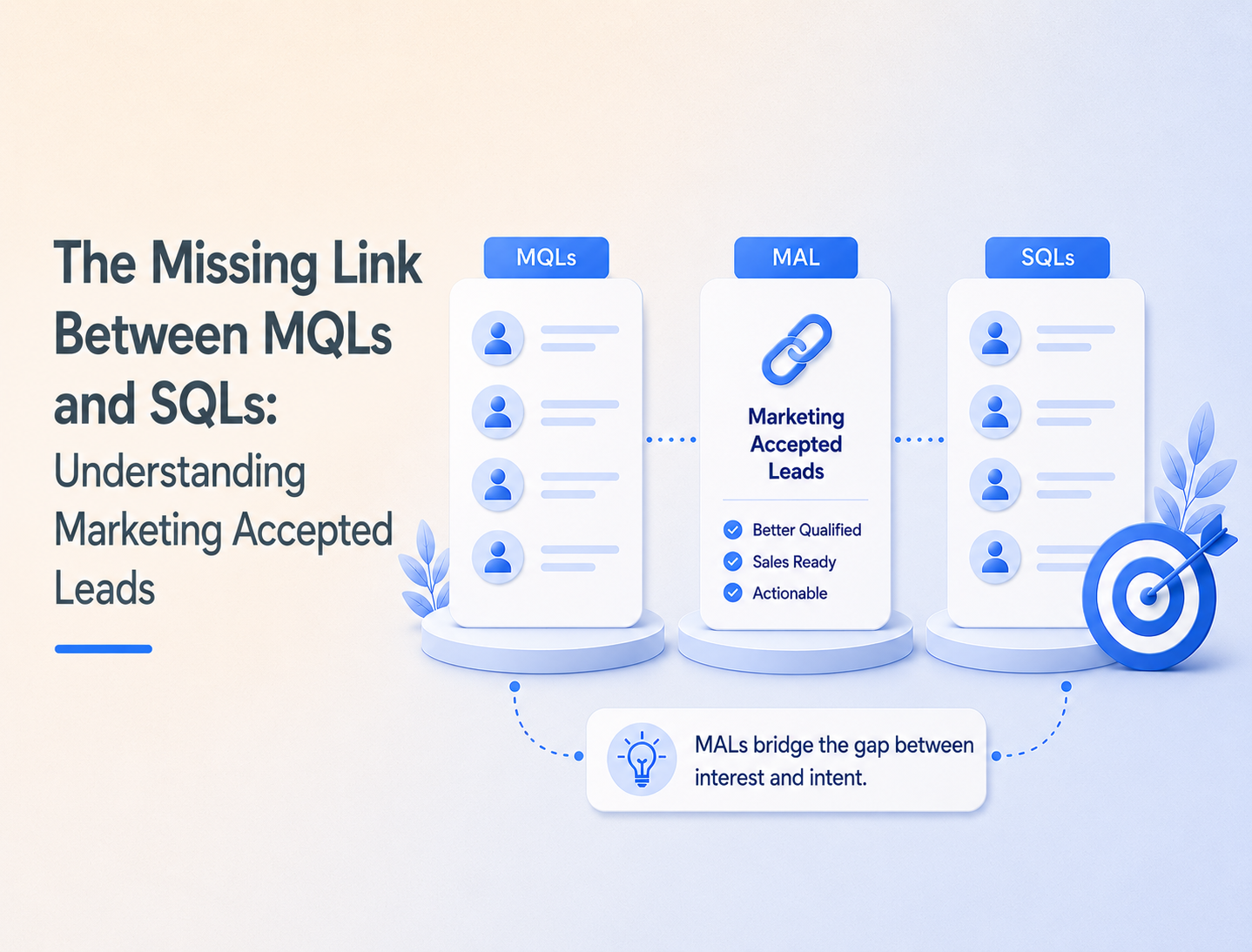
What's the difference between a warm lead and a marketing qualified lead (MQL)?

Should every warm lead be contacted by sales?
Which metric best measures warm lead performance?


Start your pilot campaign today and explore the full range of Site Ascend's demand generation capabilities. Experience firsthand how we can enhance your efficiency, streamline your processes, and drive growth.
RELATED