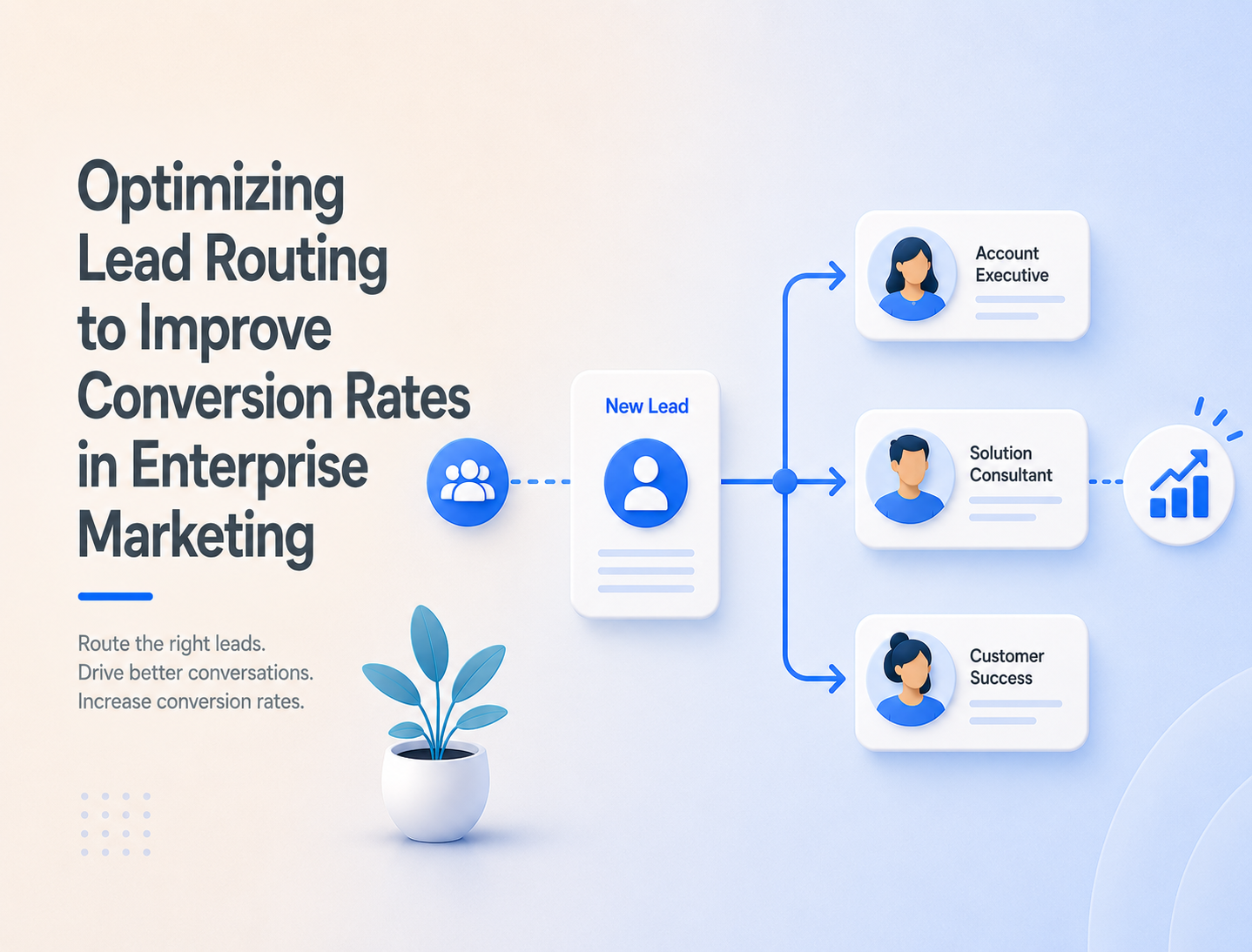
Optimizing Lead Routing to Improve Conversion Rates in Enterprise Marketing
Enterprise Marketing


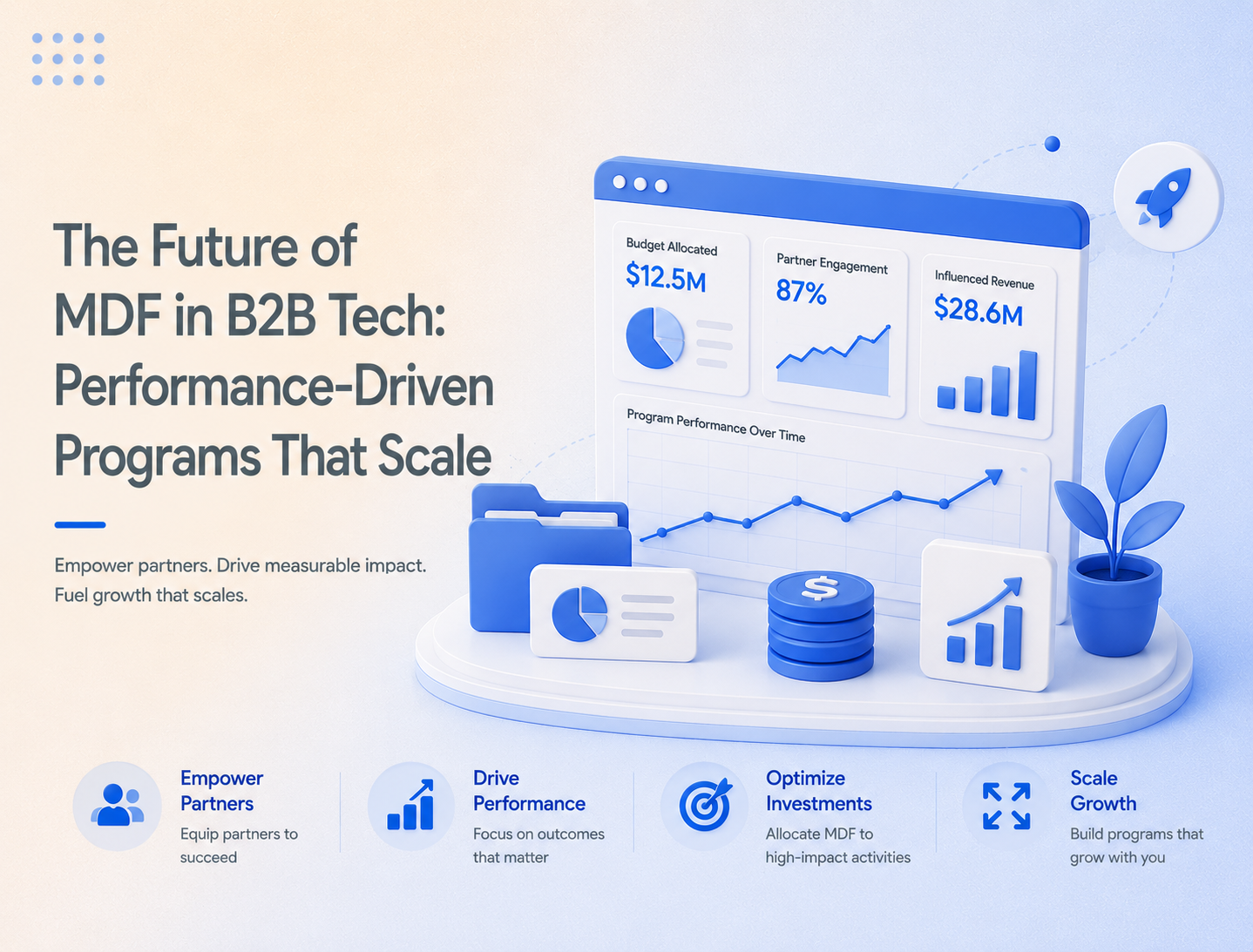
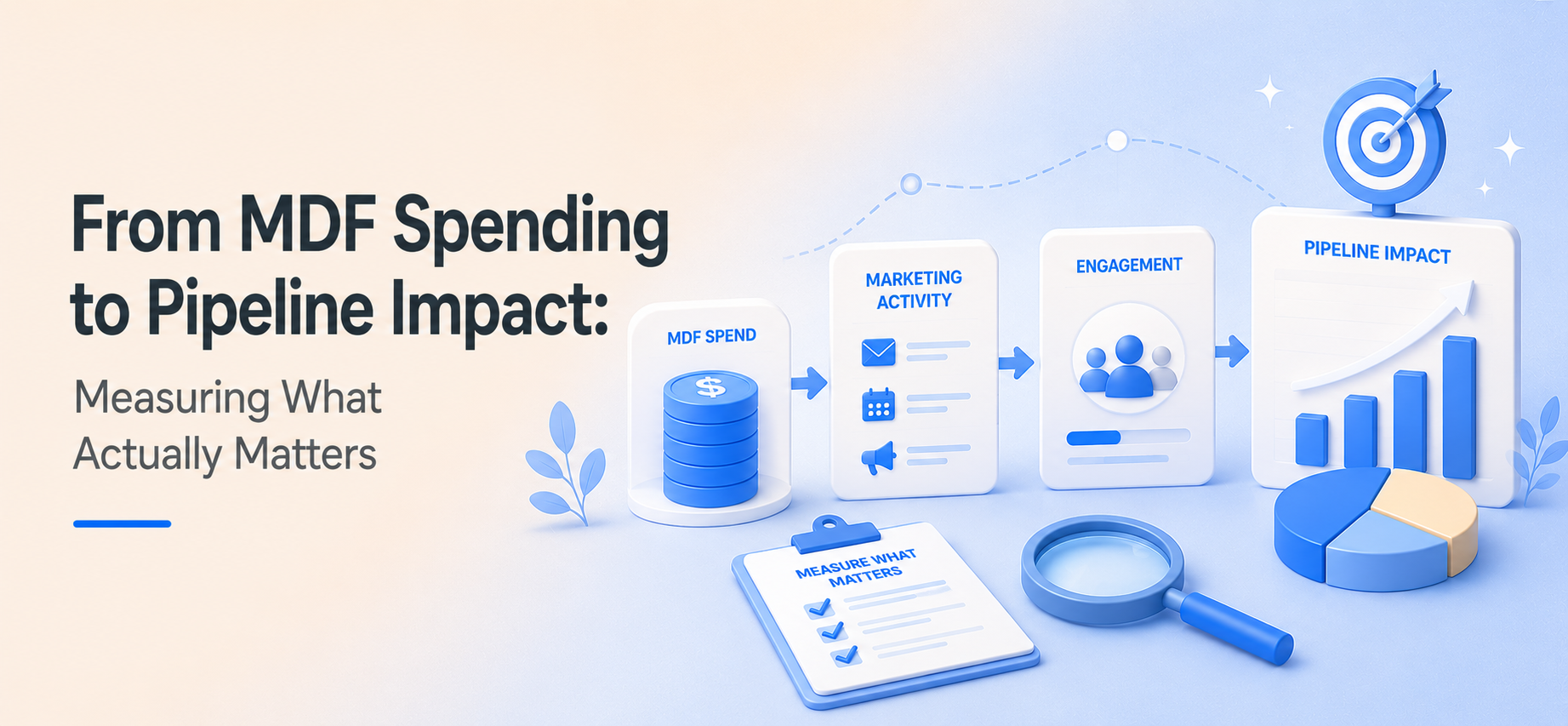
Market Development Funds are only valuable when they generate measurable business outcomes. Learn how demand generation and channel marketing leaders can shift MDF strategies from campaign activity to qualified pipeline, stronger partner performance, and revenue growth.
-
Channel Marketing
Introduction
Market Development Funds (MDF) represent one of the largest marketing investments made by technology vendors and their channel partners. Every year, millions of dollars are allocated to help generate awareness, accelerate demand, and support joint go-to-market initiatives.
Yet despite the significant investment, one question continues to challenge marketing leaders:
Is MDF actually creating pipeline—or simply funding marketing activity?
Too often, MDF success is measured by campaign completion, event attendance, content downloads, or budget utilization instead of qualified sales opportunities and revenue contribution. As executive teams demand greater accountability from every marketing dollar, demand generation leaders are shifting their focus from activity metrics to business outcomes.
Organizations that consistently maximize MDF performance don't necessarily spend more—they measure differently, align more closely with sales, and prioritize programs that create qualified pipeline rather than just lead volume.
What Market Development Funds (MDF) Mean for Demand Generation Marketers
Market Development Funds are financial resources provided by vendors to channel partners for joint marketing initiatives designed to increase product awareness, generate demand, and support revenue growth.
Traditionally, MDF has funded activities such as:
However, modern demand generation leaders increasingly view MDF not as a marketing budget—but as a revenue investment.
Instead of asking:
"Did we spend the MDF allocation?"
High-performing organizations ask:
"How much qualified pipeline did this investment create?"
That shift fundamentally changes how MDF programs are planned, executed, and evaluated.
Common Challenges Marketers Face
Although MDF programs are widespread throughout the technology industry, many struggle to produce measurable business outcomes.
Activity Becomes the Goal
Marketing teams often prioritize executing approved campaigns before funding deadlines rather than selecting initiatives with the greatest revenue potential.
Success Metrics Don't Reflect Revenue
Campaigns are frequently evaluated based on:
While useful indicators, these metrics rarely demonstrate actual contribution to sales pipeline.
Weak Sales Alignment
Partners and vendors may have different definitions of campaign success, leading to disconnects between marketing execution and sales expectations.
Inconsistent Lead Qualification
Many MDF-funded campaigns generate contacts but lack structured qualification processes that determine whether prospects are genuine buying opportunities.
Limited Visibility After Campaign Completion
Once an MDF campaign ends, organizations often lose visibility into how generated leads progress through the sales pipeline, making long-term ROI difficult to measure.



.png)

%201.png)


.png)


Solutions That Work
Organizations generating the highest returns from MDF consistently share several operational characteristics.
Shift Measurement From Activities to Business Outcomes
Every MDF initiative should begin by defining the business result it is expected to produce.
Instead of measuring campaign success through marketing outputs, establish KPIs such as:
When success is tied to revenue metrics, campaign planning becomes more strategic.
Actionable Steps for Marketers
The MDF Pipeline Impact Scorecard
Use this assessment to determine whether your MDF investments are producing measurable business value.
1. Evaluate Objectives
Ask:
2. Measure Conversion Points
Track:
Understanding each conversion stage reveals where investments create—or lose—value.
3. Assess Partner Readiness
Review whether partners have:
Strong execution matters as much as strong funding.
4. Optimize Future Investments
After each campaign, identify:
Use those findings to guide future MDF allocations instead of repeating historical spending patterns.
Comparison of Market Solutions
Organizations generally take different approaches to managing and measuring MDF investments, each with its own advantages and tradeoffs.
Activity-Focused MDF Programs
Some organizations prioritize spending available funds before they expire. While this ensures budgets are utilized, it can result in campaigns that generate marketing activity without creating measurable business impact. Success is often defined by execution rather than revenue contribution.
Technology-Led Measurement
Marketing automation and partner management platforms improve visibility into campaign performance and attribution. These tools help standardize reporting but still depend on strong planning, lead qualification, and sales follow-up to demonstrate meaningful ROI.
Revenue-Focused MDF Programs
Leading organizations treat MDF as a strategic investment rather than a marketing budget. They establish pipeline goals before campaigns launch, align marketing and sales around shared success metrics, and continuously evaluate performance based on qualified opportunities and revenue outcomes instead of activity metrics alone.
Where Site Ascend Fits
For organizations looking to improve the return on their MDF investments, Site Ascend provides the execution needed to transform strategy into measurable results. Through U.S.-based outreach, white-labeled channel marketing programs, executive meeting generation, and structured lead qualification, Site Ascend helps vendors and partners maximize the pipeline impact of MDF-funded initiatives while maintaining brand consistency and transparent reporting.
Conclusion
As accountability for marketing investment continues to grow, MDF can no longer be evaluated by budget utilization or campaign activity alone.
The organizations achieving the strongest results are those that connect every MDF dollar to measurable business outcomes—from qualified conversations and sales-ready meetings to pipeline creation and revenue growth.
By aligning marketing and sales, focusing on high-intent engagement, and measuring what truly matters, demand generation leaders can transform MDF from a funding mechanism into a strategic driver of predictable pipeline.
If your organization is looking to maximize the impact of its MDF investments, Site Ascend can help execute channel marketing programs that generate qualified executive conversations, improve lead quality, and deliver measurable pipeline results. Contact Site Ascend.
How should MDF success be measured?

Which MDF activities typically generate the strongest pipeline?
How often should MDF programs be evaluated?


Start your pilot campaign today and explore the full range of Site Ascend's demand generation capabilities. Experience firsthand how we can enhance your efficiency, streamline your processes, and drive growth.
RELATED