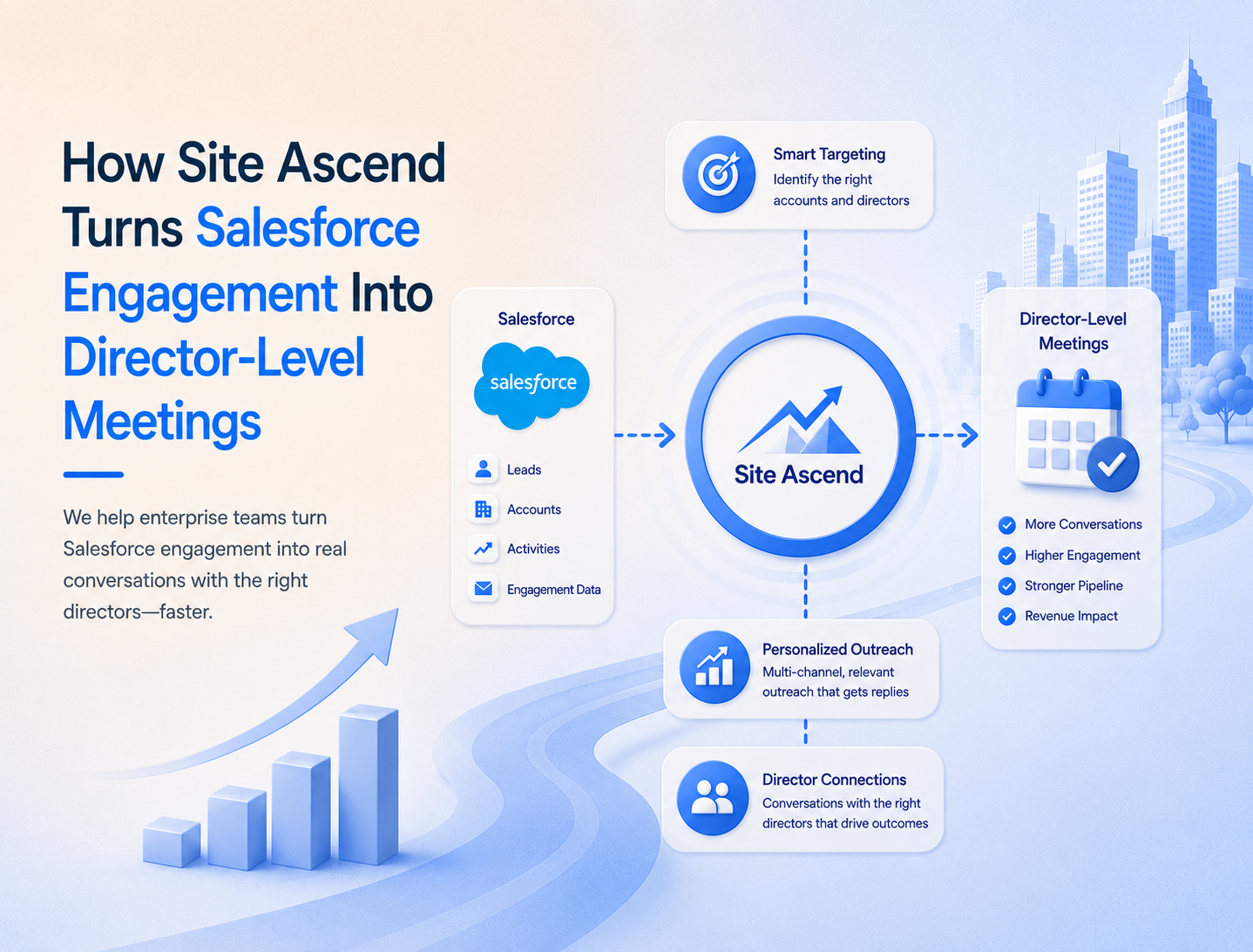
How Site Ascend Turns Salesforce Engagement Into Director-Level Meetings
Demand Generation


Peer-to-peer marketing is redefining how tech companies build trust, create engagement, and drive qualified pipeline. Learn how demand generation teams can use peer influence to accelerate results and improve meeting quality in 2025.
-
B2B Demand Generation
Introduction
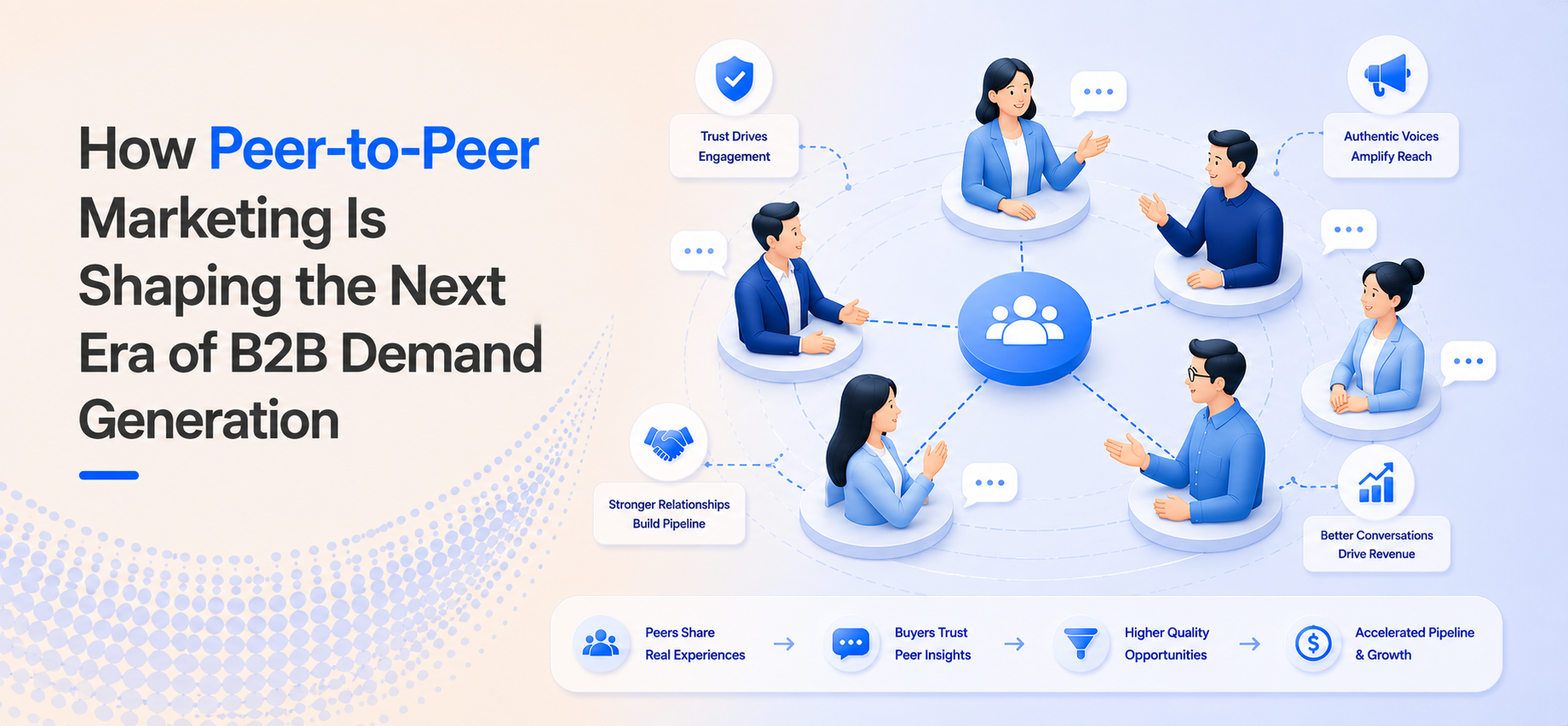
In 2025, the most powerful marketing channel isn’t a campaign—it’s a conversation. Demand generation teams across the tech industry are realizing that the most effective way to accelerate pipeline isn’t through more content or automation—it’s through trust. That’s where peer-to-peer (P2P) marketing comes in.
Peer-to-peer engagement, once considered a community or advocacy play, is now a critical strategy for driving high-intent conversations in enterprise and mid-market sales. For demand gen leaders, the opportunity is clear: leverage the voices of existing customers, industry experts, and decision-maker networks to shorten sales cycles and fill calendars with qualified meetings.
What Peer-to-Peer Marketing Means for Demand Generation Marketers
At its core, peer-to-peer marketing harnesses the credibility of real professionals—your customers, users, and partners—to influence buying decisions. In the B2B tech space, where deals are complex and stakes are high, this form of trust-based engagement helps prospects validate solutions before ever talking to sales.
For demand generation teams, peer-to-peer marketing offers a bridge between awareness and conversion. When a CISO hears about your platform from another CISO—or a Director of IT learns about your offering from a peer—it cuts through the noise of traditional outreach. These are not cold conversations. They are trusted introductions that convert faster and more predictably.
Common Challenges Marketers Face
Even though peer-to-peer influence is powerful, most B2B marketers struggle to operationalize it. Common hurdles include:
Demand generation leaders are looking for a way to bring peer credibility into their broader demand engine—without sacrificing data, process, or results.



.png)

%201.png)


.png)


Solutions That Work
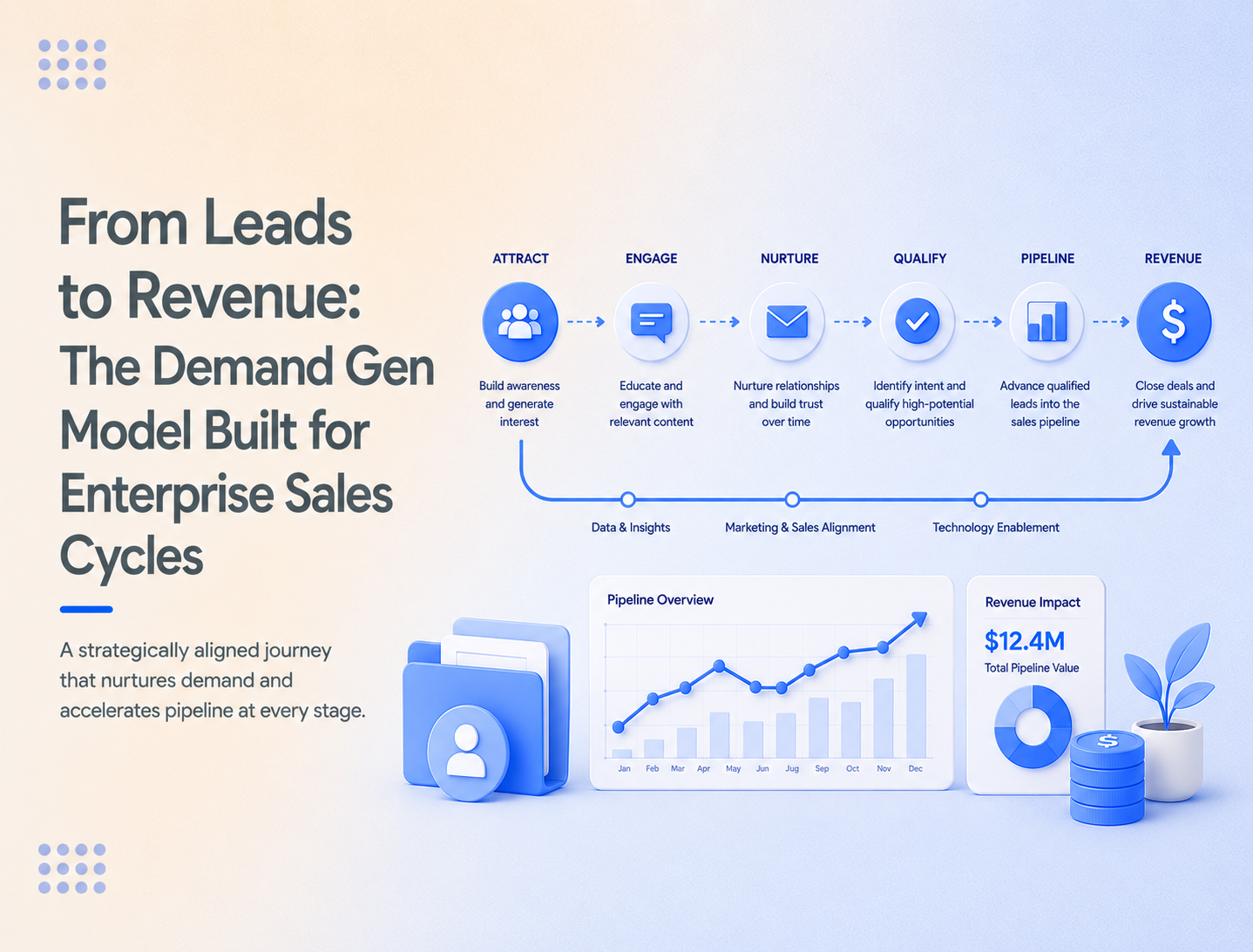
To turn peer-to-peer marketing into measurable pipeline, teams need to pair influence with precision. This means aligning trusted voices with structured outbound programs designed to reach decision-makers and secure qualified meetings.
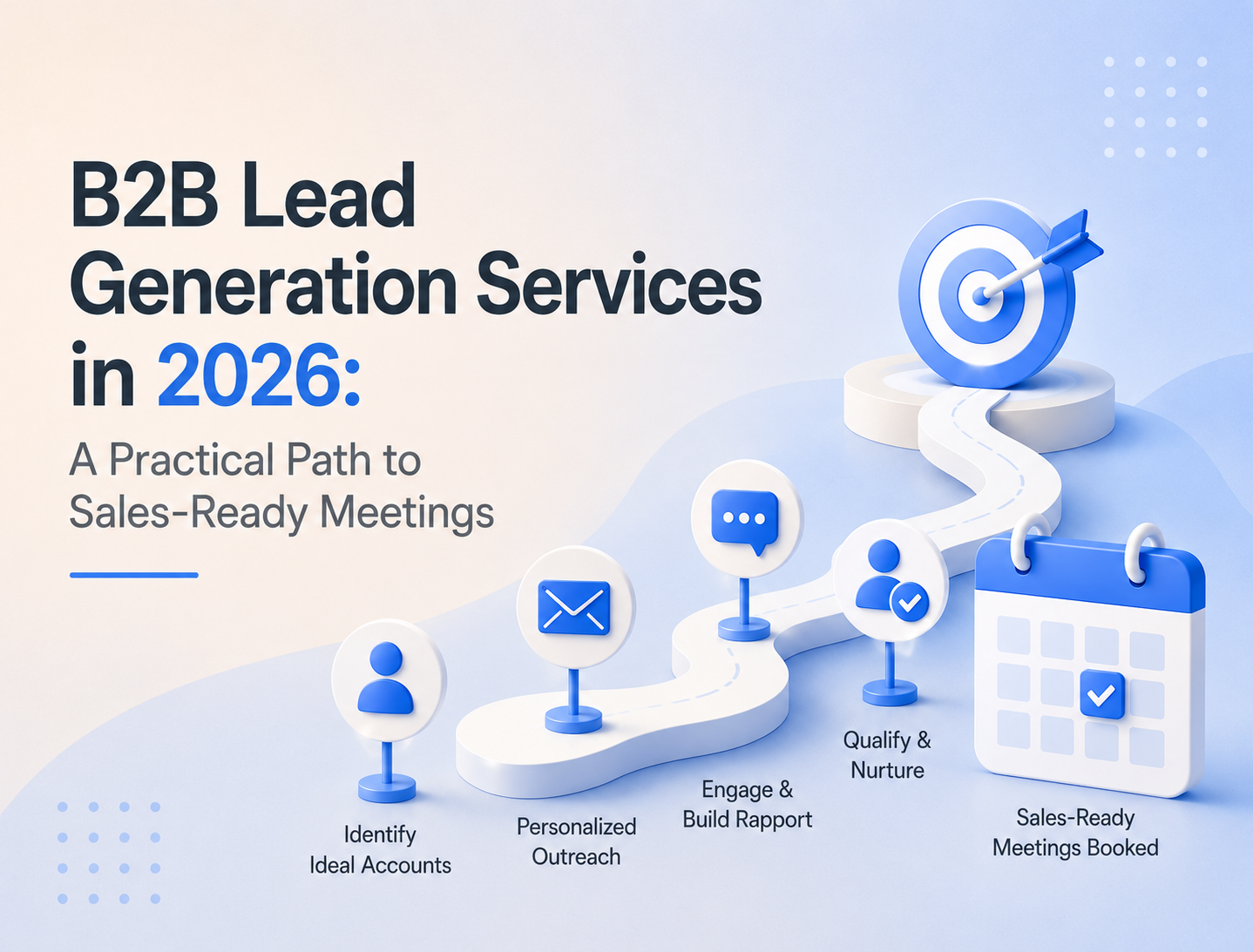
For example, by integrating peer-led narratives into B2B appointment setting and event marketing, demand gen teams can amplify authenticity while maintaining control over targeting and outcomes. Rather than depending solely on digital word-of-mouth, marketers can use peer credibility to strengthen outbound invitations for executive meetings or event registrations.
This hybrid approach ensures the message resonates while the motion remains measurable—leading to stronger conversion rates and shorter sales cycles.
Actionable Steps for Marketers
If you’re ready to integrate peer-to-peer marketing into your demand strategy, start with these steps:
Comparison of Market Solutions
Most marketing teams rely on either internal referral programs or paid influencer campaigns to capture peer trust—but both come with limitations. Internal teams lack the bandwidth to scale outreach, while influencer programs often miss the mark with authentic engagement.
By contrast, a structured performance-based demand model enables marketers to operationalize peer-to-peer influence within controlled, measurable campaigns. Combining credibility with conversion creates a scalable framework that consistently drives meetings with qualified decision-makers.
Conclusion
The next evolution of demand generation is built on authenticity, not automation. Peer-to-peer marketing gives tech companies the trust advantage they need to win in competitive markets—but it’s only truly effective when combined with precision execution.
By merging peer influence with performance-driven demand programs, marketing teams can create a repeatable engine for qualified engagement, accelerating pipeline while building brand credibility.
Now is the time to rethink your strategy. Start a pilot program with Site Ascend and see how performance-based demand generation can turn peer influence into measurable growth.
How does peer-to-peer marketing fit into enterprise demand generation?

Can peer-to-peer marketing scale for enterprise tech teams?
What results can demand gen teams expect?


Start your pilot campaign today and explore the full range of Site Ascend's demand generation capabilities. Experience firsthand how we can enhance your efficiency, streamline your processes, and drive growth.
RELATED