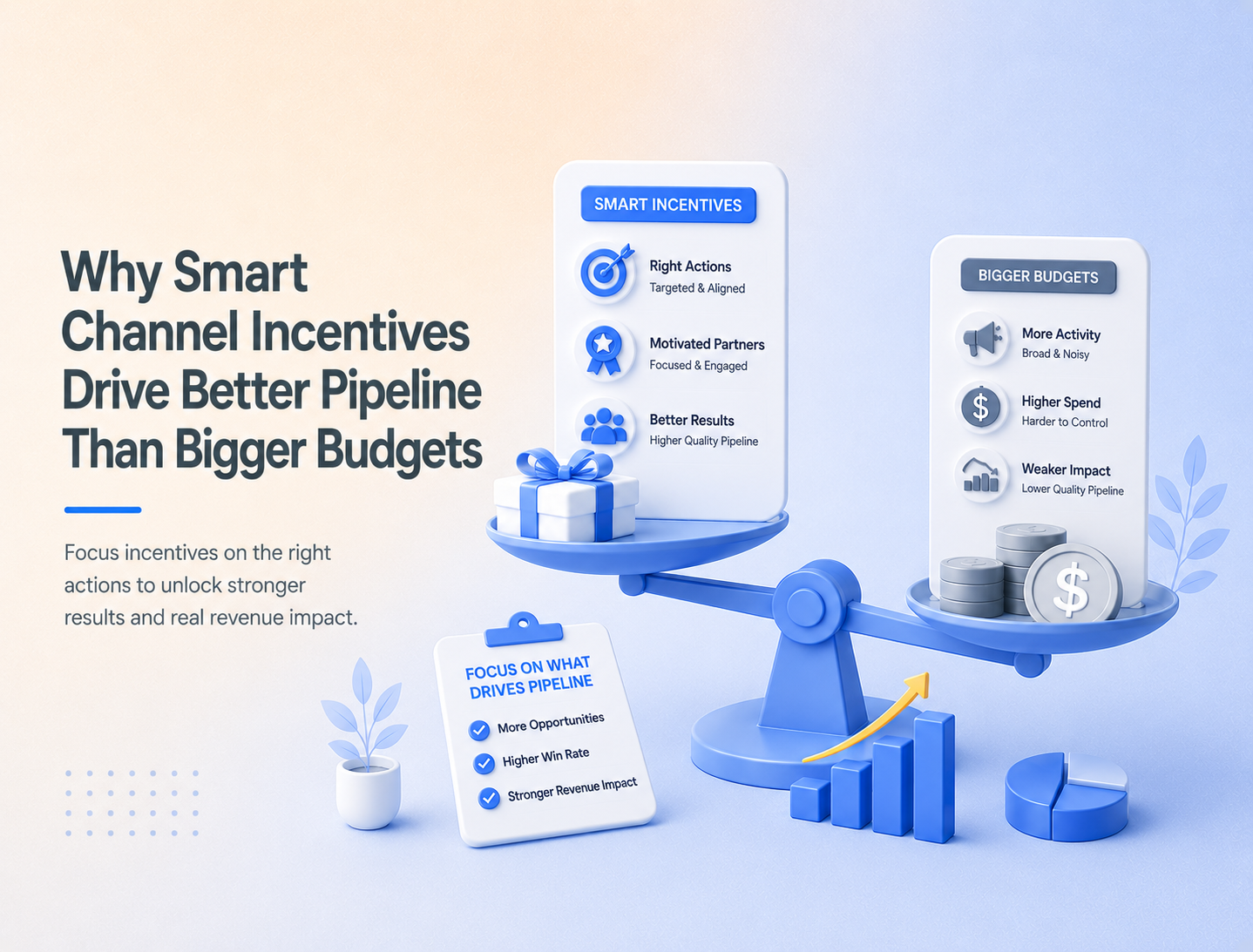
Why Smart Channel Incentives Drive Better Pipeline Than Bigger Budgets
Channel Marketing


LVR can look healthy while pipeline stalls. This post breaks down why SDR capacity isn’t the bottleneck—and how to increase Lead Velocity Rate by converting interest into qualified, director-level meetings that actually occur through pay-for-performance execution.
-
Demand Generation
Introduction
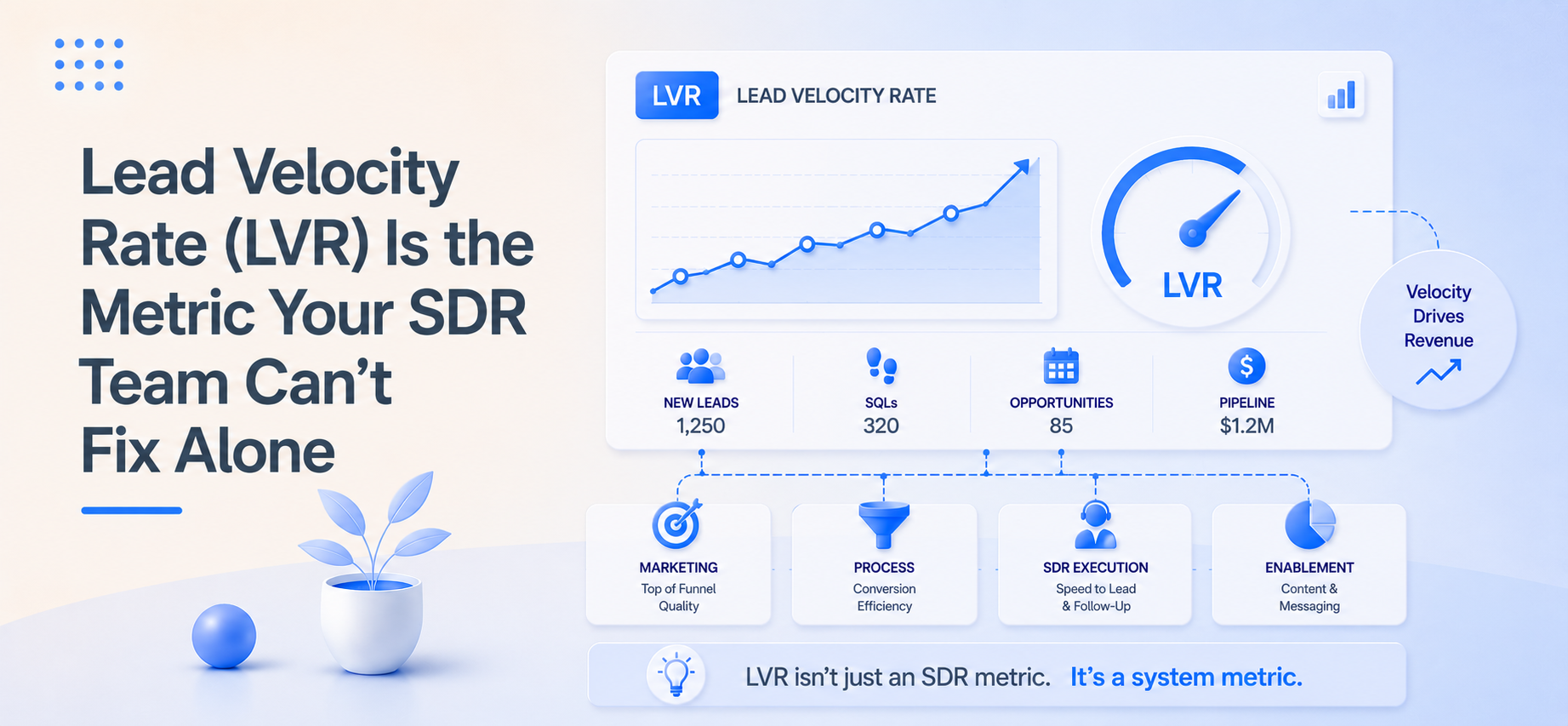
If Lead Velocity Rate (LVR) is up and to the right, most dashboards will tell you you’re winning. More leads created month-over-month should mean more pipeline created month-over-month.
Except it often doesn’t.
The reason is simple: LVR measures volume growth—not conversion quality. And in enterprise B2B, the gap between “lead created” and “meeting that occurs” is where programs quietly die. SDR teams inherit that gap, but they can’t fix it alone—because the constraint isn’t just activity. It’s handoffs, qualification standards, contactability, and sales acceptance.
If you’re accountable for pipeline, LVR is still worth tracking—but only if you pair it with an operating model that turns lead growth into sales-accepted conversations. That’s where Site Ascend fits: we help demand gen teams convert lead motion into outcomes—executive meetings, channel-sourced appointments, event registrants, and qualified sales meetings—while you only pay for meetings that occur.
What Lead Velocity Rate (LVR) Means for Demand Generation Marketers and Similar Titles
Lead Velocity Rate (LVR) is the month-over-month growth rate in qualified leads created—commonly calculated on MQLs, SALs, or opportunities depending on how mature your funnel is.
In practice, demand gen leaders use LVR for three reasons:
But LVR becomes misleading when it’s disconnected from the downstream reality:
In 2026 buyer behavior, LVR is only valuable if it correlates with meeting velocity—the rate at which leads become real conversations with the right seniority and intent.
Common Challenges Marketers Face
LVR rises while pipeline stays flat
This usually happens when your lead growth is driven by sources that inflate volume but don’t produce conversations. If your MQL definition favors engagement signals, you can increase LVR without improving sales outcomes.
SDR time gets consumed by “administrative lead loss”
Before an SDR ever has a meaningful conversation, they spend time on:
That work is real—but it’s not pipeline creation. It’s lead triage.
Sales acceptance becomes subjective
When the lead flow is inconsistent, sales creates informal rules:
Once this happens, LVR becomes a marketing-only metric. The business starts managing by pipeline and meetings, while marketing optimizes lead volume.
Follow-up SLAs break down across channels
Most teams run multiple motions—events, partner activity, inbound, outbound, content opt-ins. The handoff logic gets messy fast:
If your follow-up is inconsistent, leads decay—even when LVR is strong.



.png)

%201.png)


.png)


Solutions That Work
The fix isn’t “work SDRs harder.” It’s designing a conversion model where lead growth becomes meetings that occur—with clear standards, clear ownership, and measurable outcomes.
Here’s how Site Ascend supports that outcome, across the programs that typically influence LVR.
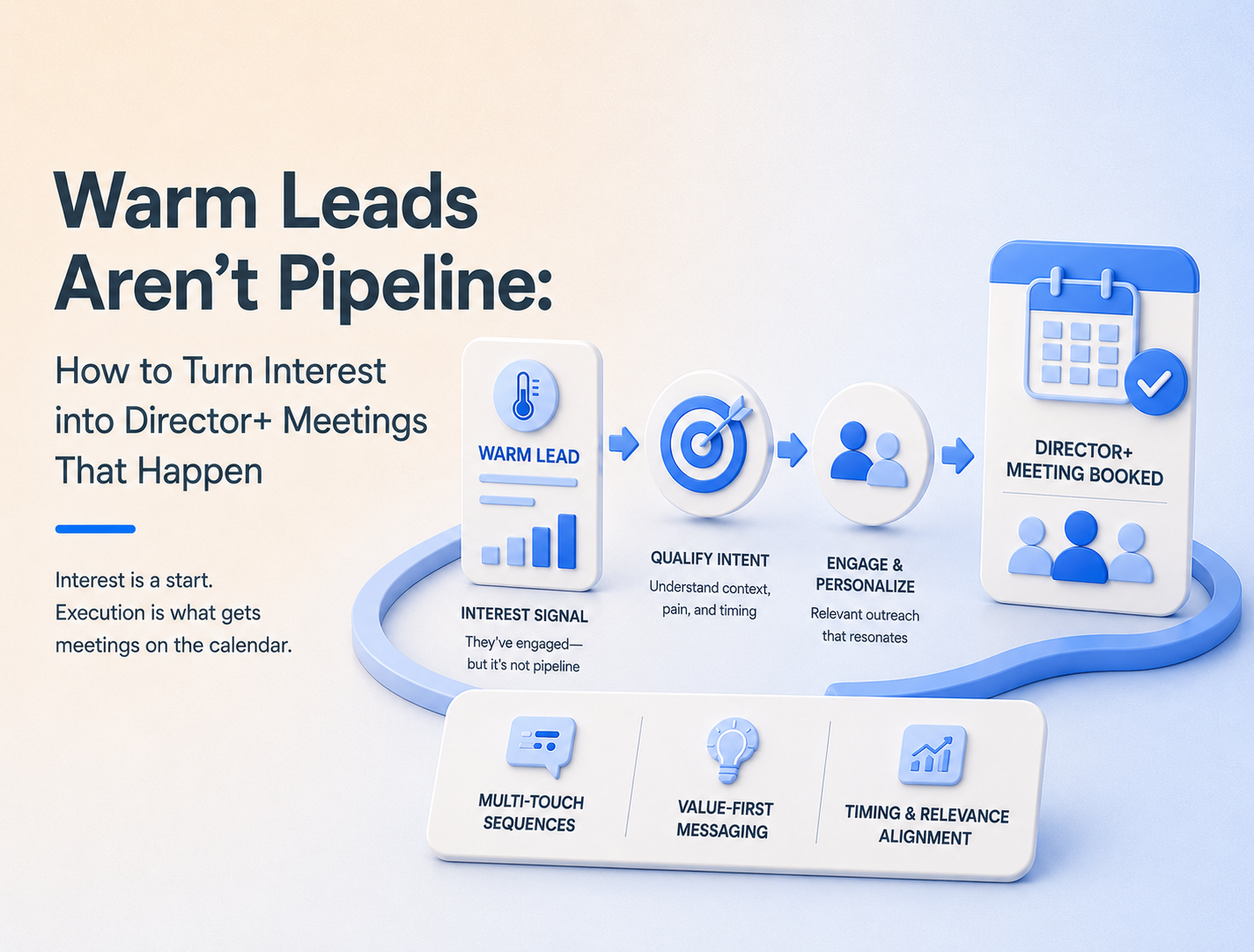
Lead Qualification: turn opt-ins into sales meetings (not nurture purgatory)
When LVR is driven by opt-ins (downloads, webinar registrations, partner referrals), the most common failure mode is waiting too long to qualify live.
Site Ascend’s lead qualification program converts opt-in leads into qualified sales meetings by:
The difference is operational: your SDR team stops doing cleanup and starts doing pipeline work.
Executive Meetings: create director-level conversations in target accounts
If your LVR is strong but skewed toward lower-intent leads, you need a parallel motion that creates high-quality conversations without waiting for an inbound trigger.
Site Ascend runs 30-minute virtual executive meetings with director-level and above stakeholders in target accounts—helping demand gen teams build predictable meeting volume where sales actually wants to show up.
Channel Marketing: make partner motion measurable and repeatable
Partner-sourced LVR often looks great on paper and collapses at follow-up. The problem isn’t the partner—it’s the execution layer.
Site Ascend supports channel marketing by providing white-labeled appointment setting on behalf of your partners, typically funded through market development funds. This gives you a clean way to:
Event Marketing: measure events by what matters (registrants, confirmations, attendance-ready)
Events are notorious for “LVR spikes” that never translate. You get registrations, but sales sees no meetings.
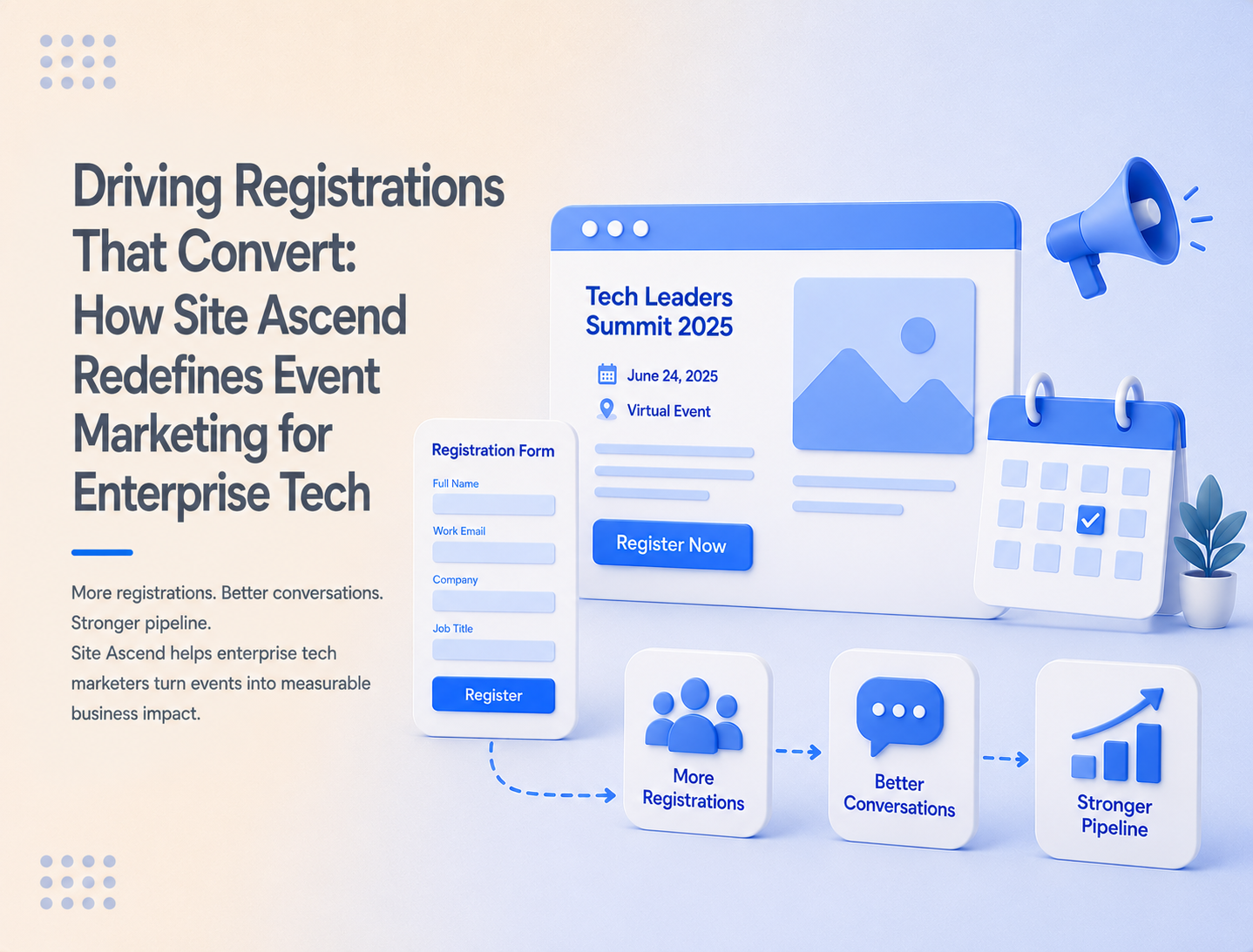
Site Ascend focuses on driving registrants via outbound dialing and then supports attendance with an SMS workflow until the event date. We do not provide day-of-event services; we focus on the part most teams struggle to operationalize: getting the right people to commit to attending.
When events contribute to LVR, this approach makes them more reliable and less risky.
Actionable Steps for Marketers
Use this checklist to make LVR more predictive of pipeline—without relying on SDR heroics.
The LVR-to-Meetings Checklist
1) Redefine “qualified lead” in meeting terms
If a lead can’t reasonably become a meeting, it shouldn’t inflate LVR. Align on the minimum standard that sales will accept.
2) Add a “contactability” gate
Separate leads into:
3) Create a handoff map per source
Inbound opt-ins, events, partners, outbound responses—each should have explicit ownership and escalation rules. Ambiguity is where velocity dies.
4) Measure meeting conversion by stage, not just volume
Track:
5) Offload conversion work that doesn’t require SDR quota capacity
If your SDRs are stuck qualifying and cleaning, you will never scale LVR into pipeline. Use an outcome-based model to convert volume into meetings that happen.
Comparison of Market Solutions
Example 1: The Procurement View
Outcome #1: Predictable meeting delivery, not “lead delivery”
Many solutions optimize for lead volume, sequences, or activity metrics. Procurement ends up paying for inputs (hours, dials, contacts) rather than outcomes. Site Ascend’s model is outcome-based: only pay for meetings that occur, which reduces lead risk.
Outcome #2: Brand-safe execution that works for enterprise teams
Some approaches rely on outsourced labor, inconsistent QA, or non-transparent reporting. Site Ascend uses an all U.S.-based contact center, with real-time reporting, and supports white-labeled outreach when needed—important when you’re operating across partner and field motions.
Outcome #3: Seniority and relevance by design
In-house SDR teams are expensive to scale, and outsourced providers often optimize for quantity at the expense of seniority. Site Ascend targets director-level and above for executive meeting programs, and applies consistent qualification across lead qualification, channel, and event motions—so “velocity” doesn’t mean “noise.”
Conclusion
LVR is a useful metric—until it becomes a substitute for pipeline truth. If your SDR team is overloaded, your follow-up is inconsistent, or sales doesn’t trust what marketing is producing, LVR will rise while outcomes stall.
The fix is to stop asking SDRs to absorb every conversion problem and start building an operating model that turns lead growth into sales-accepted meetings that actually occur—across inbound, channel, events, and targeted executive outreach.
If you want to improve LVR in a way that sales will feel, Site Ascend can help you pilot an outcome-based program and start converting lead flow into meetings that happen.
What is Lead Velocity Rate (LVR), and how is it calculated?

Why does LVR go up while pipeline stays flat?
Should we measure LVR on MQLs, SALs, SQLs, or opportunities?


Start your pilot campaign today and explore the full range of Site Ascend's demand generation capabilities. Experience firsthand how we can enhance your efficiency, streamline your processes, and drive growth.
RELATED