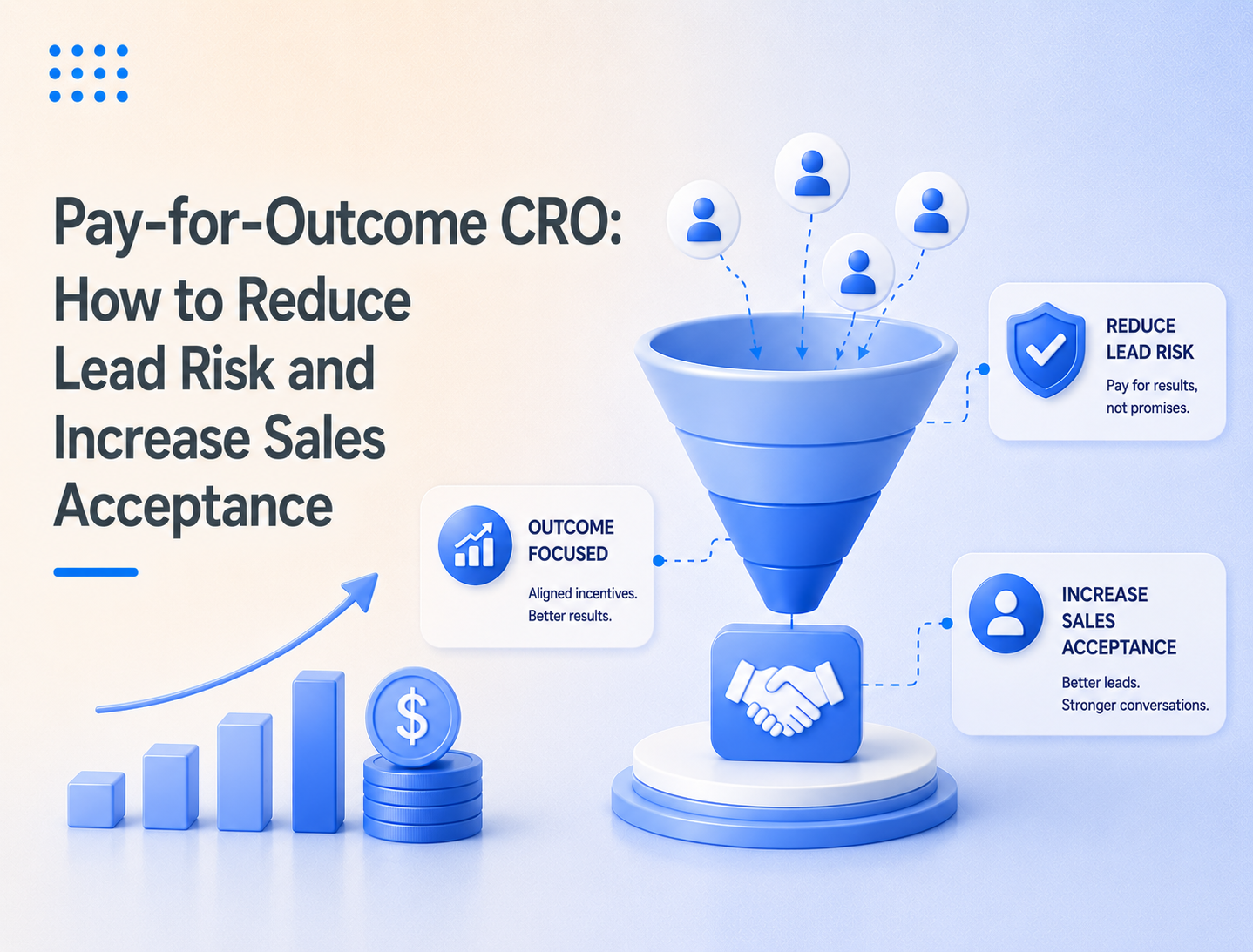
Pay-for-Outcome CRO: How to Reduce Lead Risk and Increase Sales Acceptance
Demand Generation


Technographics can tell you which companies fit—but in 2025, stack insight alone won’t create pipeline. Discover why relevance isn’t readiness, how persona-level human engagement closes the gap, and what demand gen leaders are doing to turn stack-fit accounts into director-level meetings.
-
Demand Generation
Introduction
Technographics have become one of the most trusted tools in the modern demand gen toolkit. In a world where B2B buyers move quietly, stacks speak loudly. If your target accounts are using a certain CRM, cloud platform, security layer, or partner ecosystem, you can infer budget maturity, internal priorities, and even where competitive pressure might be forming.
On paper, it’s a dream. You know the tech. You know the fit. You know where you should win.
But in 2025, a surprise is hitting even the best-targeted teams: technographic fit is not translating into buying motion the way it used to.
Demand gen leaders are watching perfect-stack accounts sit idle. They’re seeing campaigns land with users but not decision makers. They’re generating engagement that doesn’t become pipeline.
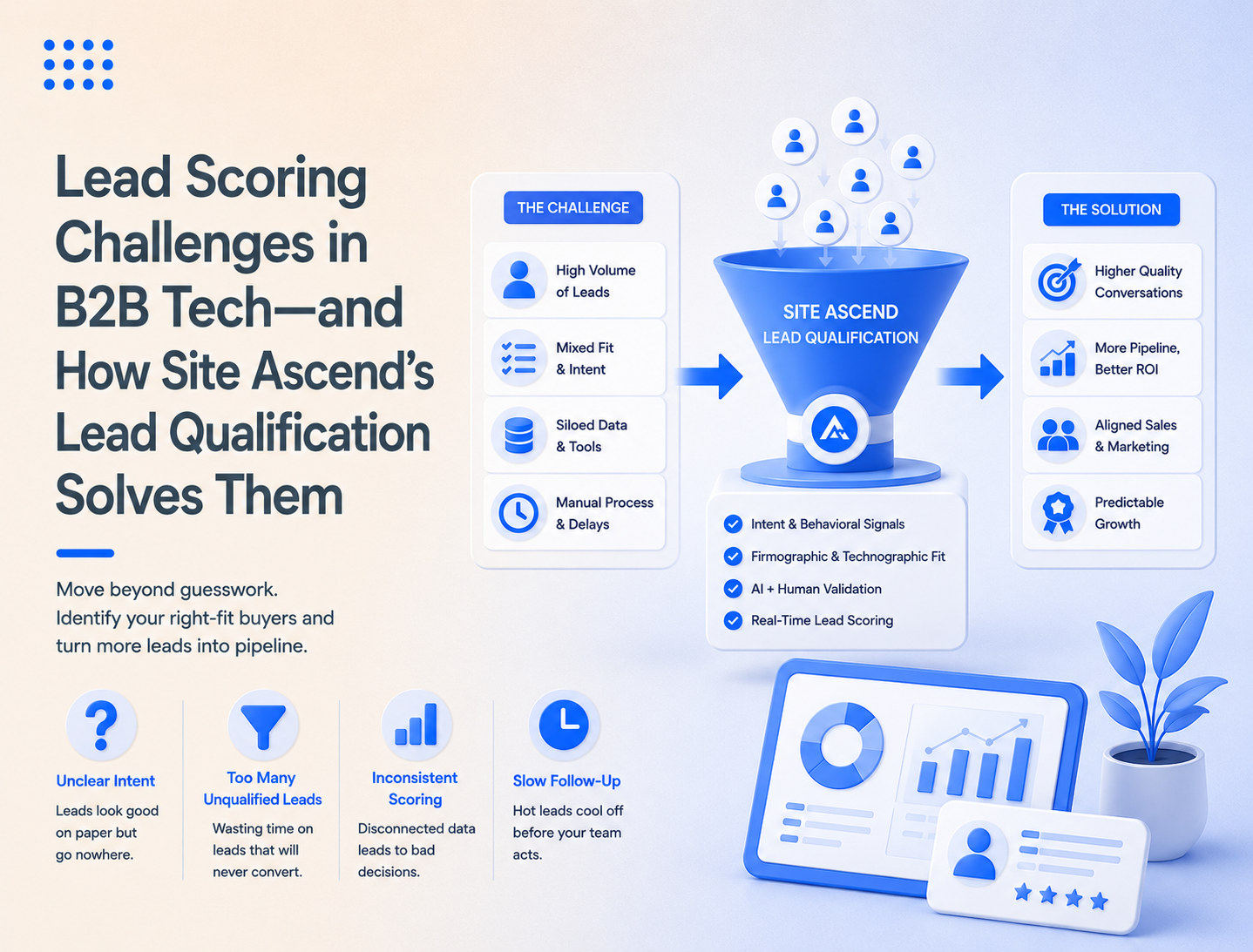
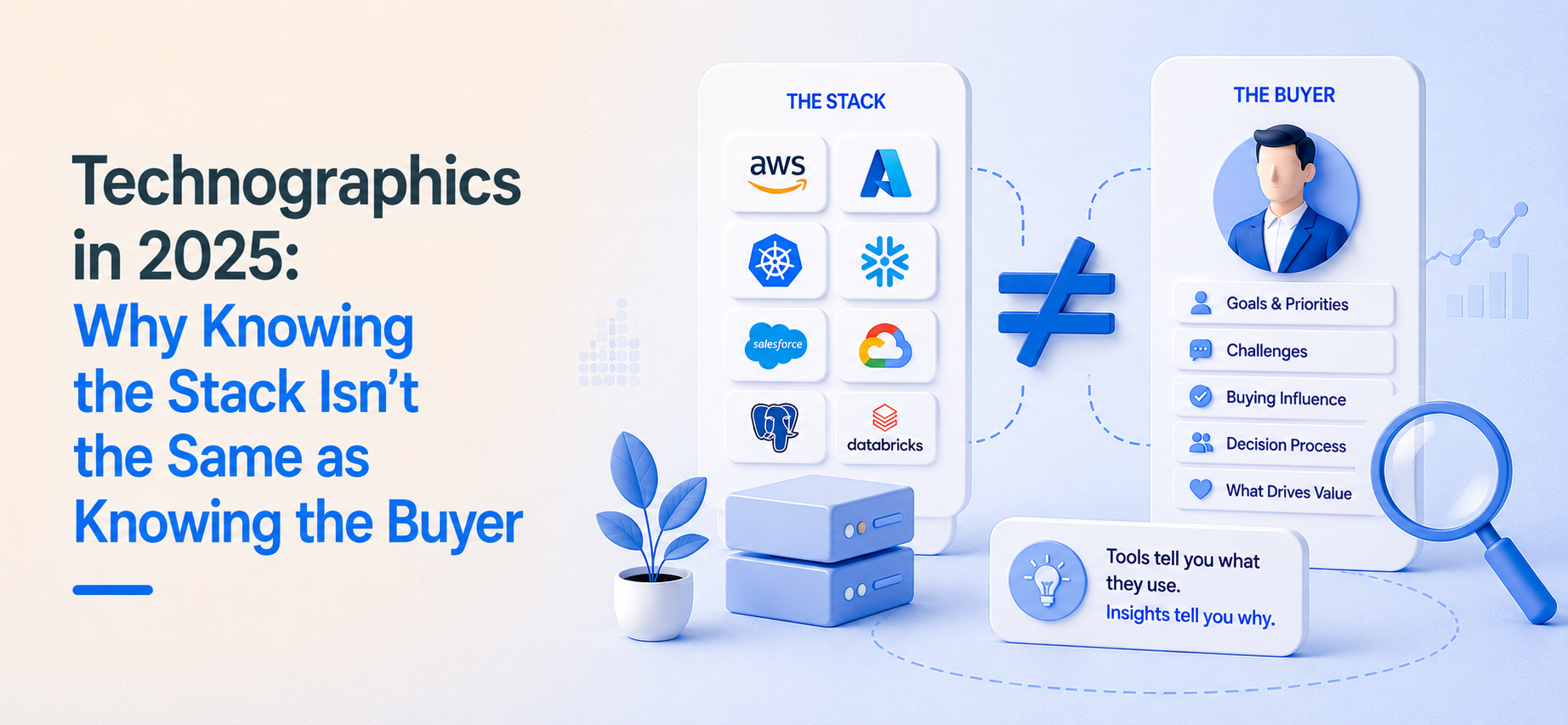
Because technographics answer a very specific question: Does this company look like a fit for what we sell?
They don’t answer the more important question now: Does this company have a buyer ready to act — and are we engaging the people who can move a deal forward?
Knowing the stack is helpful. Knowing the buyer is everything.
What Technographics Means for Demand Generation Marketers and other titles that meet Site Ascend’s ICP
Technographics are the signals that describe a company’s technology environment — what tools they use, how those tools are layered, and how their stack evolves over time.
For demand gen teams, technographics help sharpen targeting in ways firmographics can’t. They reveal:
When used well, technographics improve ICP accuracy and keep ABM lists current. They help you prioritize accounts where the product story is naturally relevant.
But in 2025, technographics aren’t the finish line. They’re the qualifying filter. They tell you where to focus, but not how to win.
The teams pulling pipeline from technographic lists today are the ones pairing stack-fit insight with human activation that reaches the right senior stakeholders at the right moment.
Common Challenges Marketers Face
Technographics can create a false sense of certainty.
One of the hardest realities in 2025 is that stack fit doesn’t guarantee urgency. A company might use the exact tools you complement, and still not be ready to buy. They might have a multi-year contract, a stable internal workaround, or a strategic initiative that’s on pause. Technographics show relevance, not readiness.
Then there’s the internal structure problem. Technographics help you map the environment, but they don’t tell you who owns the decision. A stack might be used by one department while budget authority lives elsewhere. Demand gen campaigns hit the users; the buyers stay silent.
That leads directly to persona drift. The more precise your targeting becomes at the account level, the more painful it is when engagement happens at the wrong level. In B2B tech, deals move when directors and VPs are aligned. Technographics don’t automatically bring those people into the funnel.
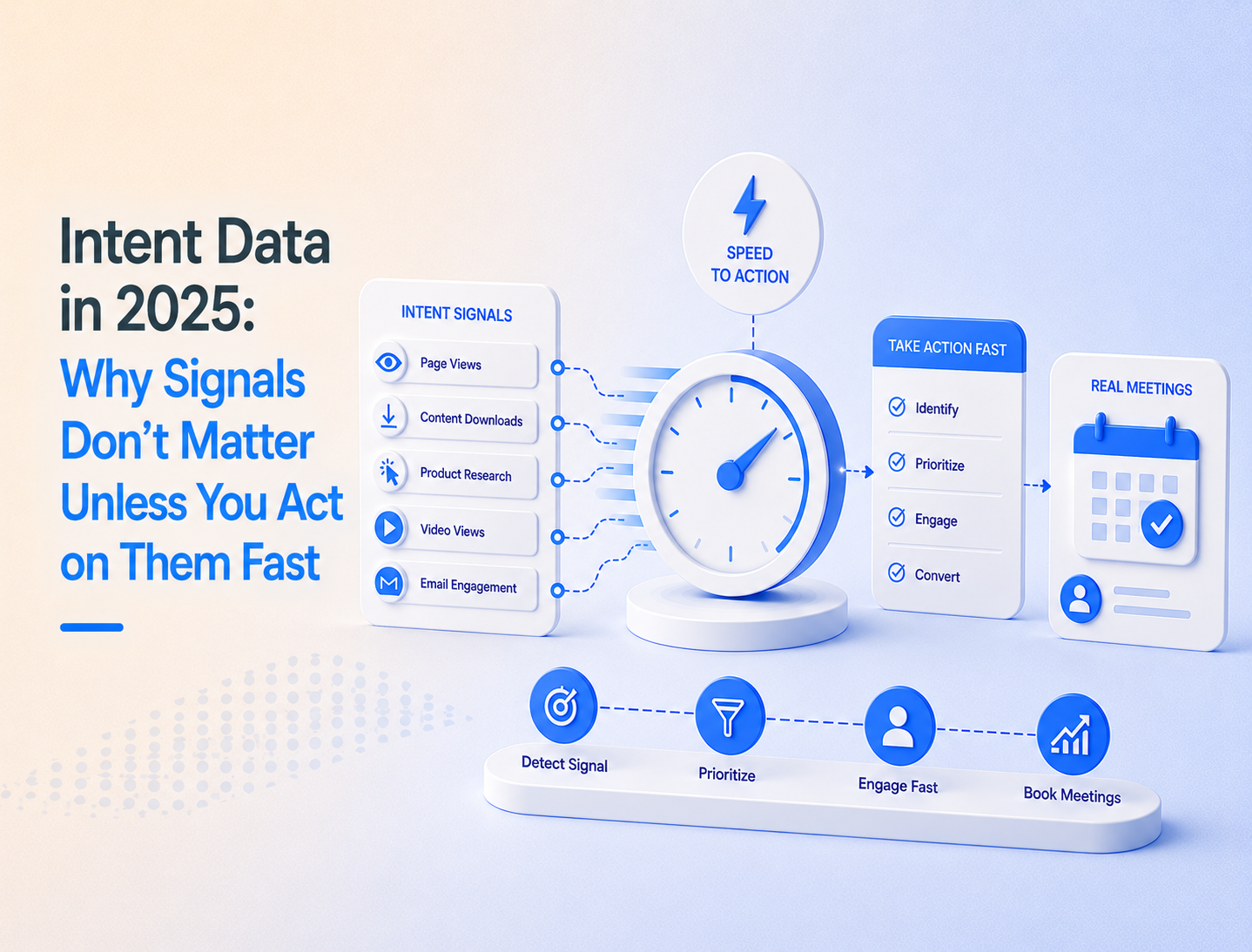
And finally, there’s activation speed. A stack signal might correlate with a buying window — a rollout, integration plan, migration, or renewal cycle. But those windows are short, and internal teams rarely have the bandwidth to engage every “fit-and-timed” account with fast, human follow-up.
So you end up with a familiar pattern: clean technographic targeting, decent engagement… and pipeline that doesn’t move.



.png)

%201.png)


.png)


Solutions That Work
The demand gen teams making technographics work in 2025 are doing something simple but powerful: they treat stack fit as a starting signal, then activate it with human engagement.
They don’t wait for technographic relevance to “convert naturally.” They use it to guide proactive conversations — especially with director-level stakeholders.
This is where Site Ascend fits into a modern technographic motion.
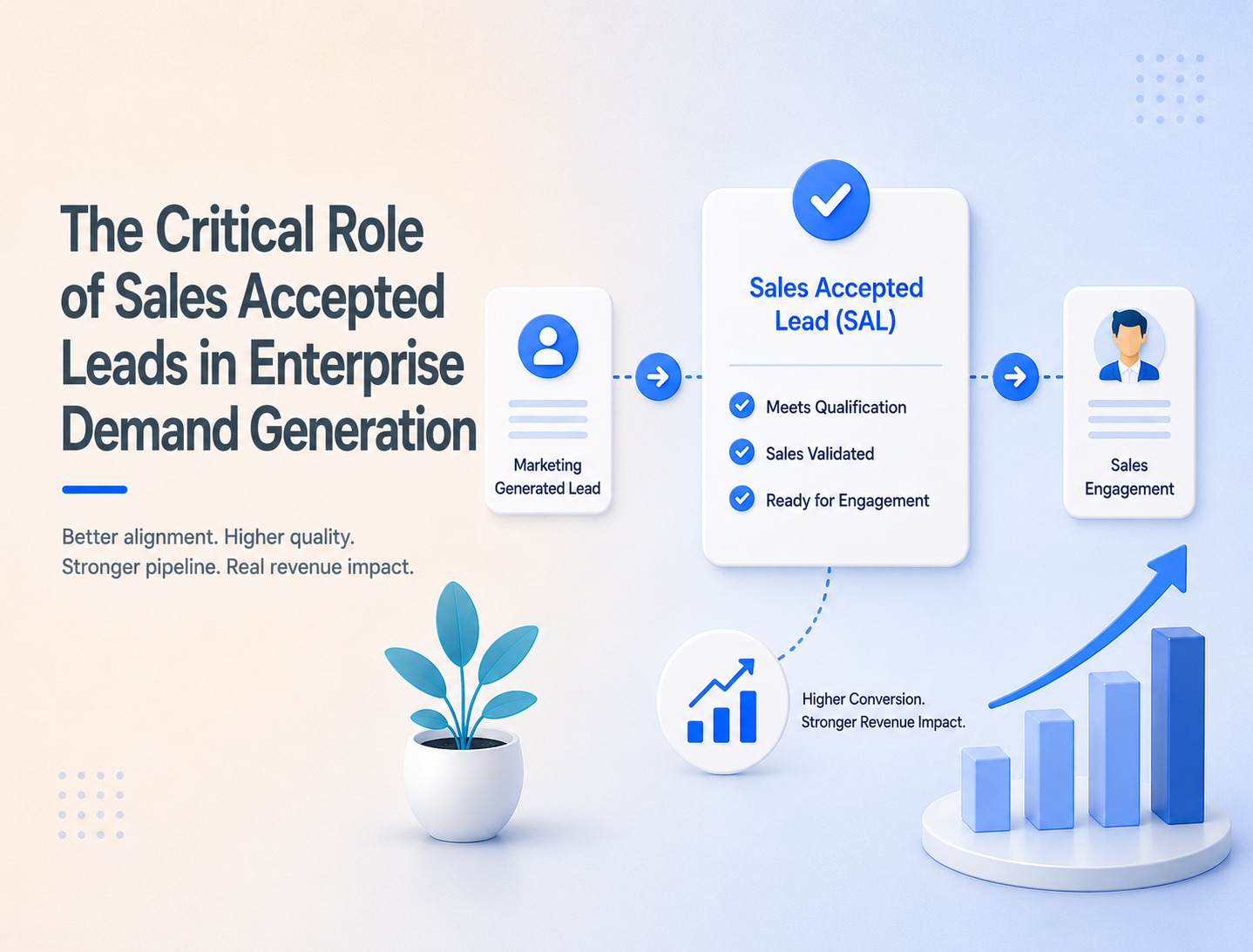
Once stack-fit accounts are identified, Site Ascend helps demand gen teams turn relevance into meetings through performance-based human outreach. Instead of relying on passive nurture or slow internal SDR queues, Site Ascend’s U.S.-based team engages the right senior personas quickly, validates urgency, and converts technographic fit into real conversations that happen.
The same applies in partner and event motions. Technographics can signal which accounts should respond to a co-sell webinar or sponsored event. Site Ascend reinforces those signals by ensuring the right decision makers actually register, attend, and stay engaged through outbound dialing and SMS support. That creates pipeline momentum instead of letting stack-fit interest fade out mid-funnel.
Technographics open the door. Human engagement gets the buyer to walk through it.
Actionable Steps for Marketers
If your technographic targeting is strong but pipeline isn’t following, the upgrade isn’t a new data vendor. It’s a new activation mindset.
High-performing teams are using technographics to narrow focus, then going deeper into buying committees. They’re prioritizing senior personas early, not hoping they show up later. They’re linking stack signals to real-life triggers — migrations, renewals, compliance shifts, integration expansions — and acting quickly when those moments appear.
Most importantly, they build a reliable human follow-through layer that scales with their technographic list. Because the size of your fit list doesn’t matter if your engagement layer can’t support it.
In 2025, technographics are only valuable to the extent that they lead to conversations.
Comparison of Market Solutions
Many teams lean on internal SDRs to activate technographic lists, which can work when SDR capacity is stable and the list is narrow. But in most high-growth tech orgs, technographic targeting produces more fit accounts than internal teams can engage quickly. That creates follow-up delays and missed buying windows.
Traditional outsourced outreach models may add scale, but they often emphasize touch volume instead of confirmed meetings, and they may not consistently prioritize director-level engagement.
Performance-based engagement approaches are increasingly preferred for technographic activation because they align to outcomes. When outreach is onshore, persona-focused, and accountable to meetings that occur, stack fit becomes pipeline motion — without adding headcount.
Conclusion
Technographics are still a powerful advantage in 2025 — but not because they tell you who fits.
They’re powerful because they tell you where relevance exists right now.
The difference between a technographic list that sits still and one that drives revenue comes down to what happens next: speed, persona precision, and human engagement that converts fit into meetings.
If your technographics are sharp but your pipeline isn’t moving, the missing piece isn’t more data. It’s better activation.
Contact Site Ascend to add performance-led human engagement to your technographic strategy and start turning stack fit into director-level meetings — and meetings into real pipeline.
Are technographics still worth using if they don’t guarantee readiness?

How do you turn technographic fit into meetings?
What technographic signals matter most for demand gen in 2025?


Start your pilot campaign today and explore the full range of Site Ascend's demand generation capabilities. Experience firsthand how we can enhance your efficiency, streamline your processes, and drive growth.
RELATED