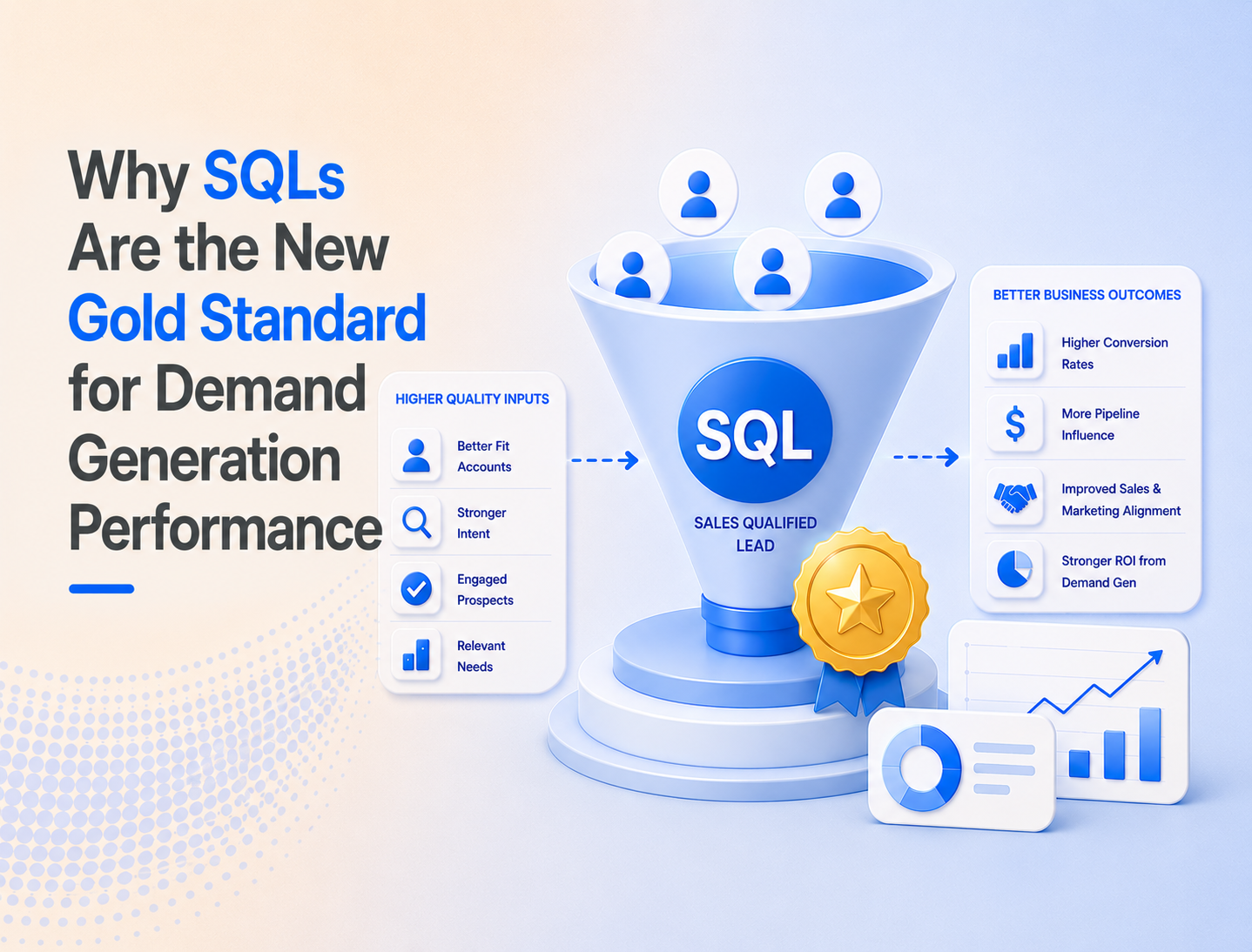
Why SQLs Are the New Gold Standard for Demand Generation Performance
Demand Generation Strategy


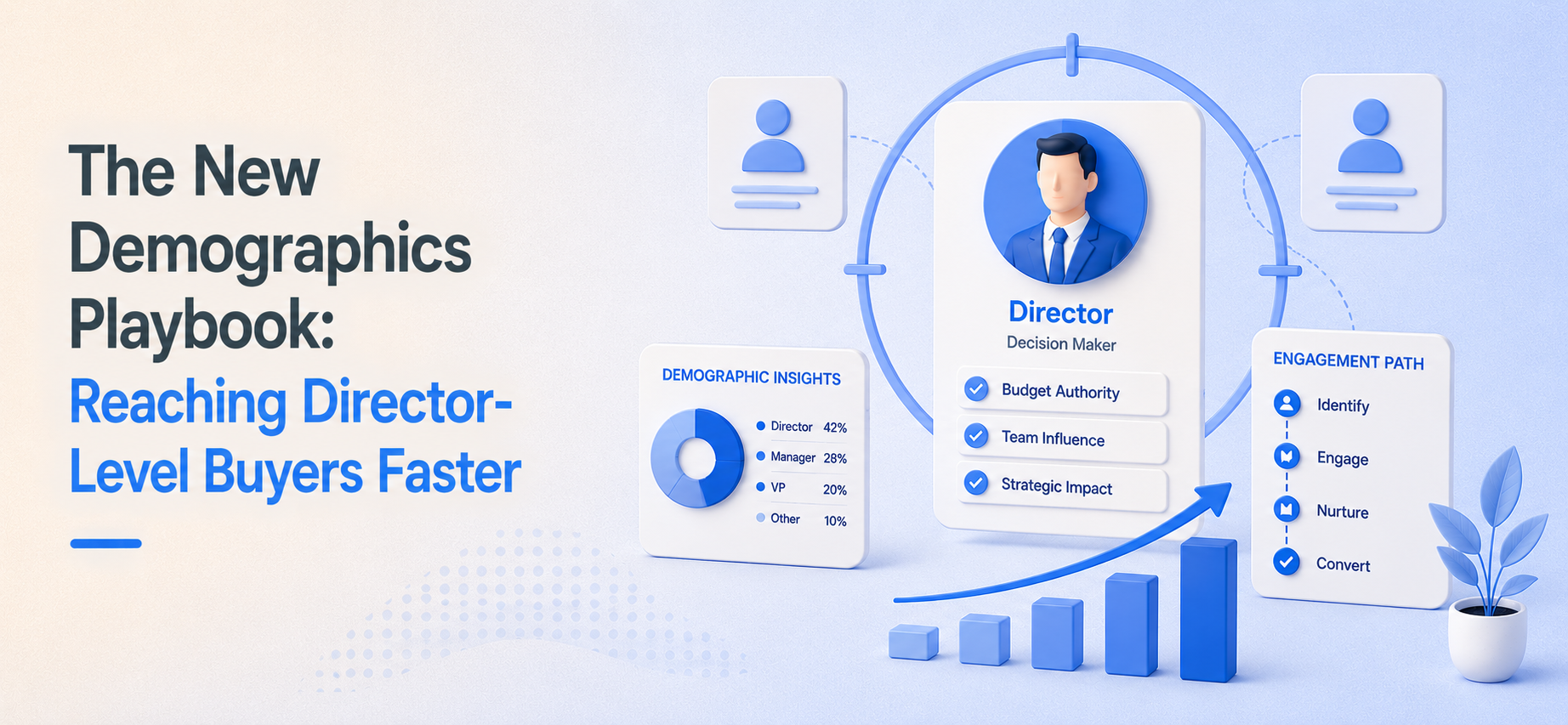
In 2025, demographic targeting isn’t the hard part—reaching director-level buyers early is. Learn why persona fit doesn’t guarantee persona access, how buying committees are reshaping demographic strategy, and why fast, human engagement is now the key to turning the right titles into real meetings and pipeline.
-
Demand Generation
Introduction
Demographics used to be the easy part of demand generation. Pick the right personas, map them to your ICP accounts, tailor your messaging, and watch the funnel fill.
In 2025, that formula isn’t broken — but it is incomplete.
B2B tech buyers have more inputs, more stakeholders, and more reasons to move slowly. At the same time, marketing teams are under more pressure to deliver measurable pipeline faster. That tension creates a harsh reality: even when you’re targeting the right demographics, you’re not necessarily reaching the right buyers at the right moment.
That’s why demographics are getting a new job in the modern playbook.
They don’t just define “who we want.”
They define who we must engage early to move deals forward.
In B2B tech, pipeline doesn’t accelerate because the funnel is bigger. It accelerates because director-level decision makers are pulled into real conversations sooner — before deals stall, before champions get stuck, and before competitors create momentum you can’t reclaim.
What Demographics Means for Demand Generation Marketers and other titles that meet Site Ascend’s ICP
Demographics in B2B demand generation aren’t about age or lifestyle. They’re about role, authority, responsibility, and influence inside target accounts.
Titles, seniority bands, functional ownership, and buying committee structure are demographic signals. They tell you who’s likely to:
For demand gen leaders, demographics are the bridge between ICP accounts and real pipeline. Firmographics tell you the right companies. Technographics tell you relevance. Intent tells you timing. But demographics tell you who inside the account actually moves the deal.
The playbook shift in 2025 is that demographics aren’t treated as a downstream segmentation tool anymore. They’re treated as a frontloaded execution strategy.
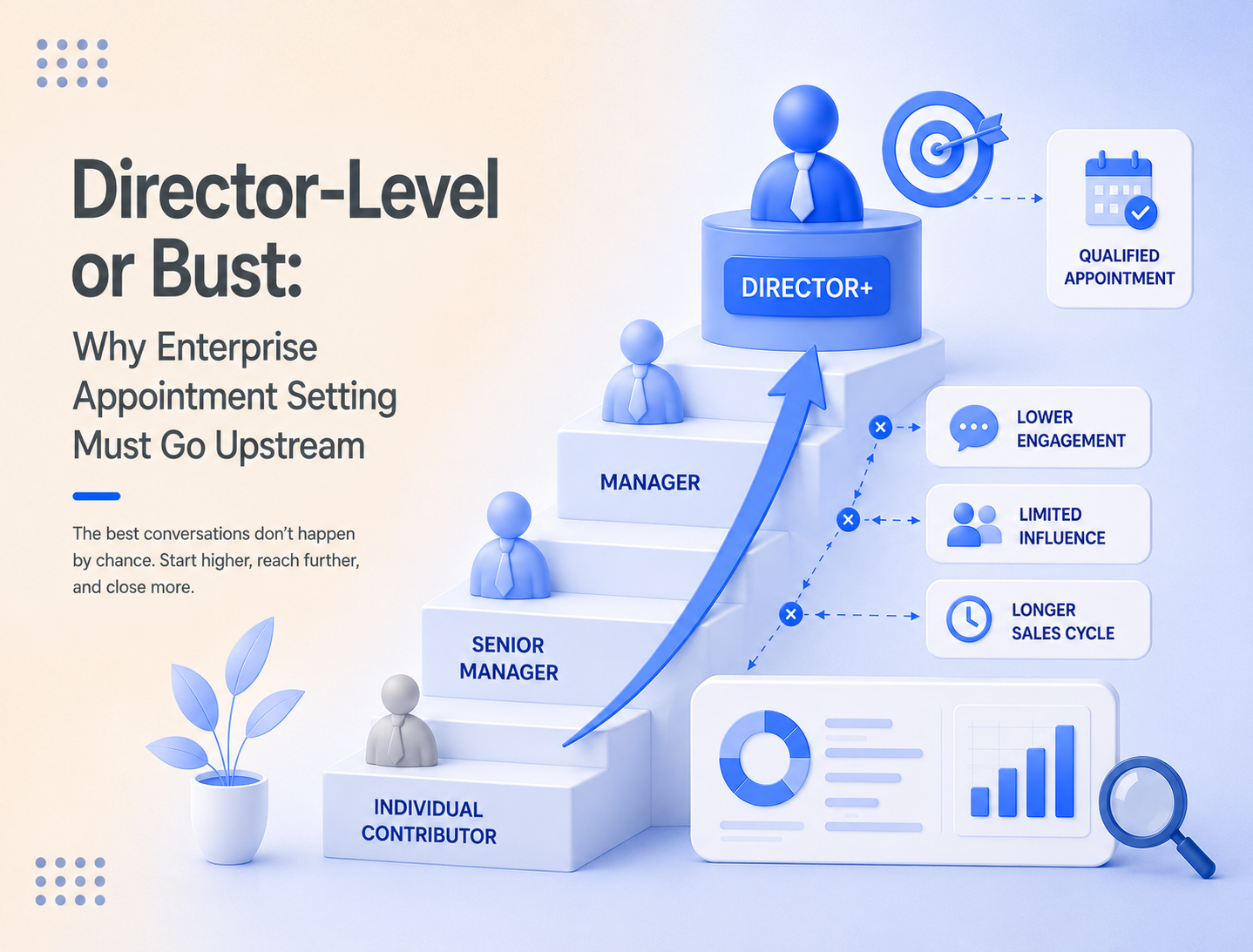
Because if director-level and above stakeholders don’t enter the funnel early, the funnel doesn’t matter.
Common Challenges Marketers Face
There’s a reason demographic targeting feels harder now: buyer behavior changed faster than most funnels did.
One issue is that demographic fit doesn’t guarantee demographic reach. You can build perfect personas, but your campaigns still get consumed by whoever is most active — often junior evaluators, researchers, or internal coordinators. Engagement looks healthy in dashboards, but authority stays out of the conversation.
Another challenge is the growing complexity of buying committees. Tech deals are no longer single-threaded. Even mid-market purchases can involve IT, finance, security, operations, and line-of-business leaders. If your demographic net is too narrow, you miss the committee. If it’s too broad, you dilute focus and waste follow-up.
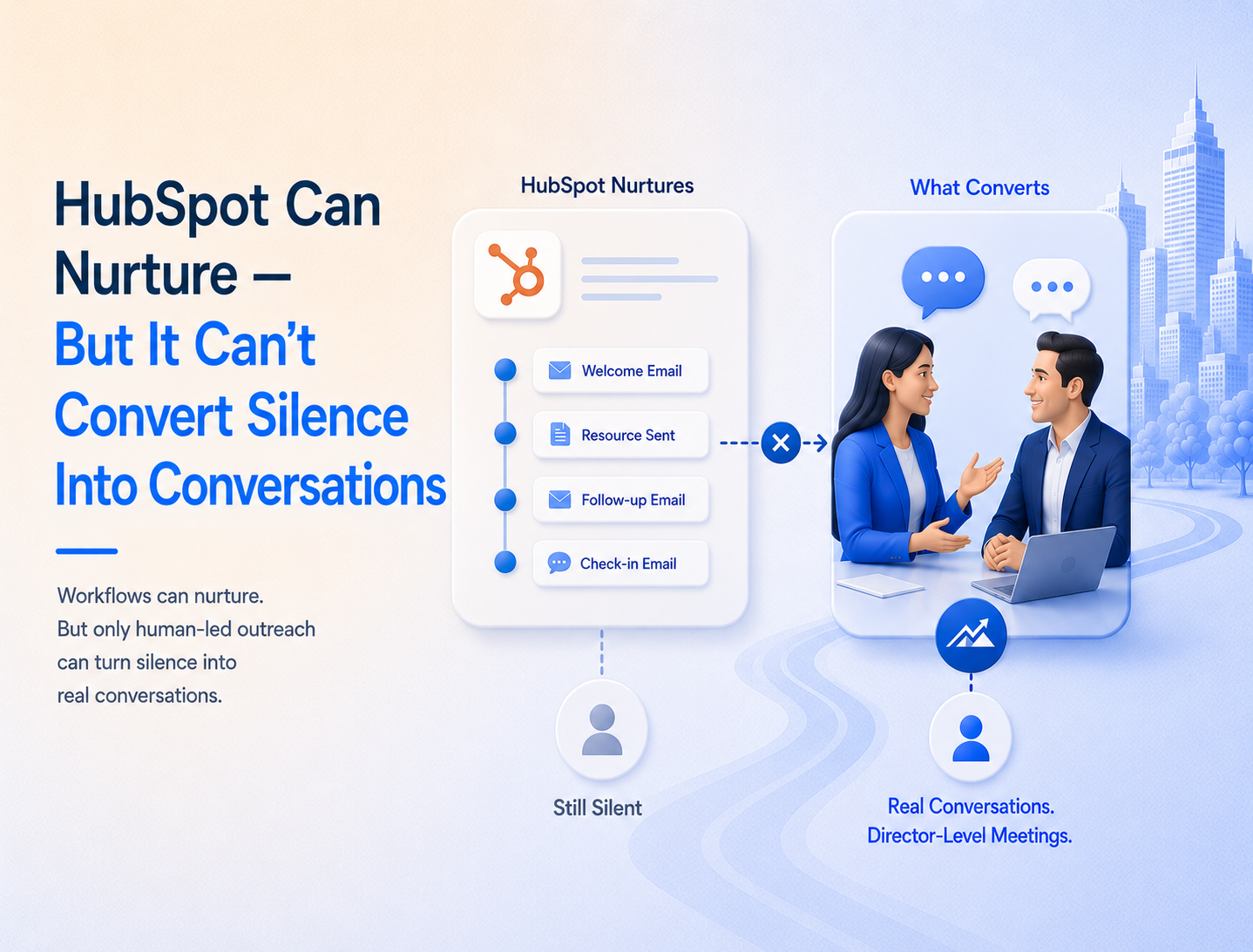
Then there’s speed. Director-level buyers don’t sit in nurture flows waiting to be convinced. They move when a conversation clarifies impact, urgency, and risk. But internal SDR and marketing teams are often stretched thin. That means demographic signals show up — a high-fit download, a webinar registration, a partner click — and follow-up happens days or weeks later.
By then, the moment has shifted. The buyer is already aligned with someone else, or the urgency faded.
So teams keep running into the same frustrating pattern: the personas are right, the accounts are right, the engagement is real… and deals still don’t move.



.png)

%201.png)


.png)


Solutions That Work
The teams winning with demographics in 2025 are doing fewer things, faster, and more deliberately.
They don’t wait for director-level buyers to surface on their own.
They orchestrate ways to bring those buyers into conversations early, while attention is still live.
This is where Site Ascend fits into the demographic equation — not as an add-on, but as the activation layer.
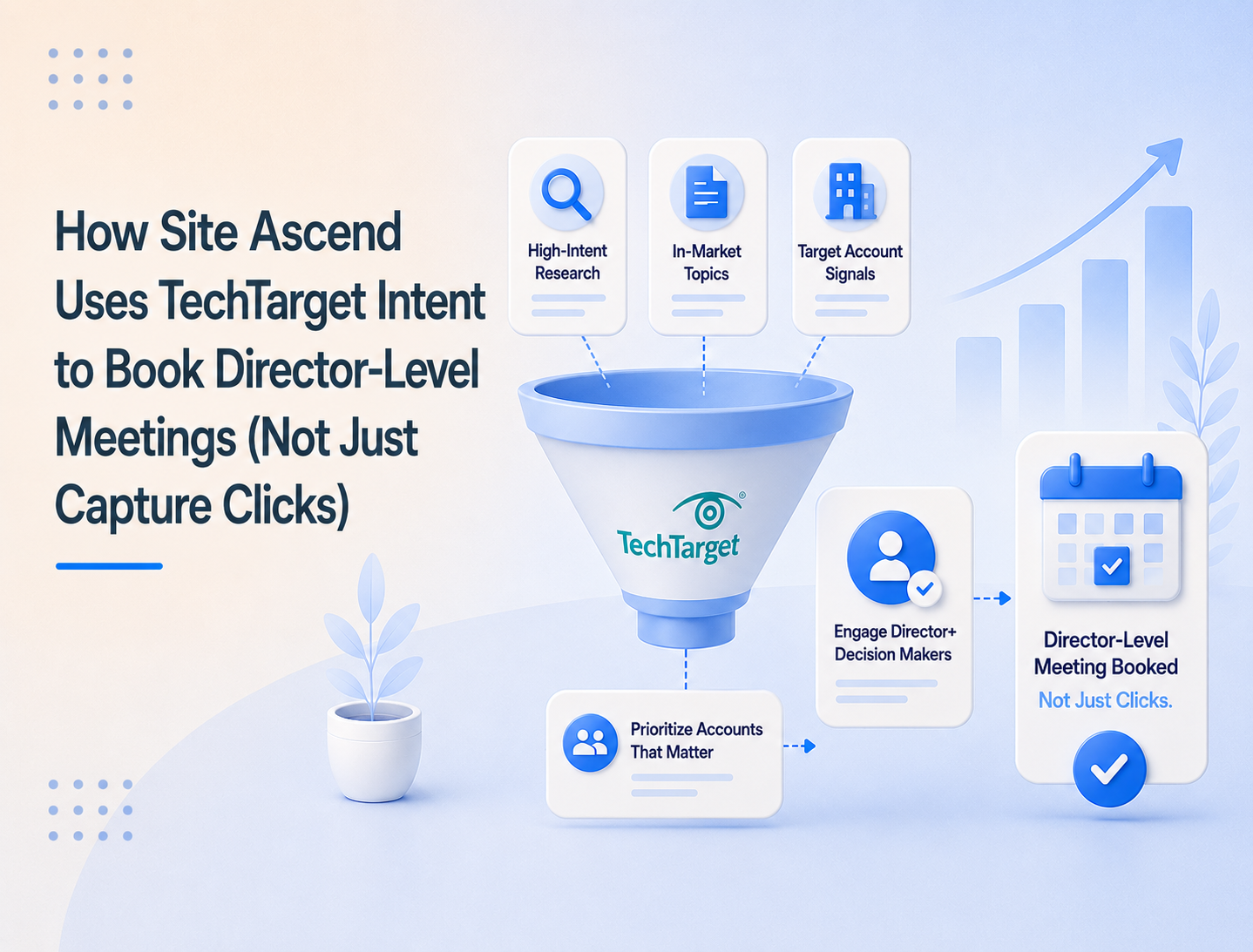
Once demand gen teams identify the demographic targets that matter most — directors and above in key functions — Site Ascend helps convert engagement into actual meetings with those stakeholders. When a high-intent touch happens (an opt-in, a registration, a partner click, a return visit), Site Ascend’s U.S.-based outbound team follows up quickly, validates authority and readiness, and secures real conversations that occur.
That matters because digital engagement is not a reliable path to senior access anymore. Human engagement is.
In demographic-led event programs, Site Ascend ensures that the right titles don’t just register — they attend, and they show up with the right context. In partner-led programs, white-labeled outreach keeps brand alignment intact while accelerating demographic reach inside high-fit accounts.
The result is demographic clarity that turns into pipeline motion instead of pipeline waiting.
Actionable Steps for Marketers
If you want demographics to work better in 2025, the shift isn’t to target more titles. It’s to prioritize the titles that accelerate deals.
Start by asking a sharper question of your personas:
Which roles create movement when they engage?
Most demand gen teams already know this intuitively. Directors and VPs who own real outcomes. Leaders who feel the pain directly, approve spend, and bring committees with them.
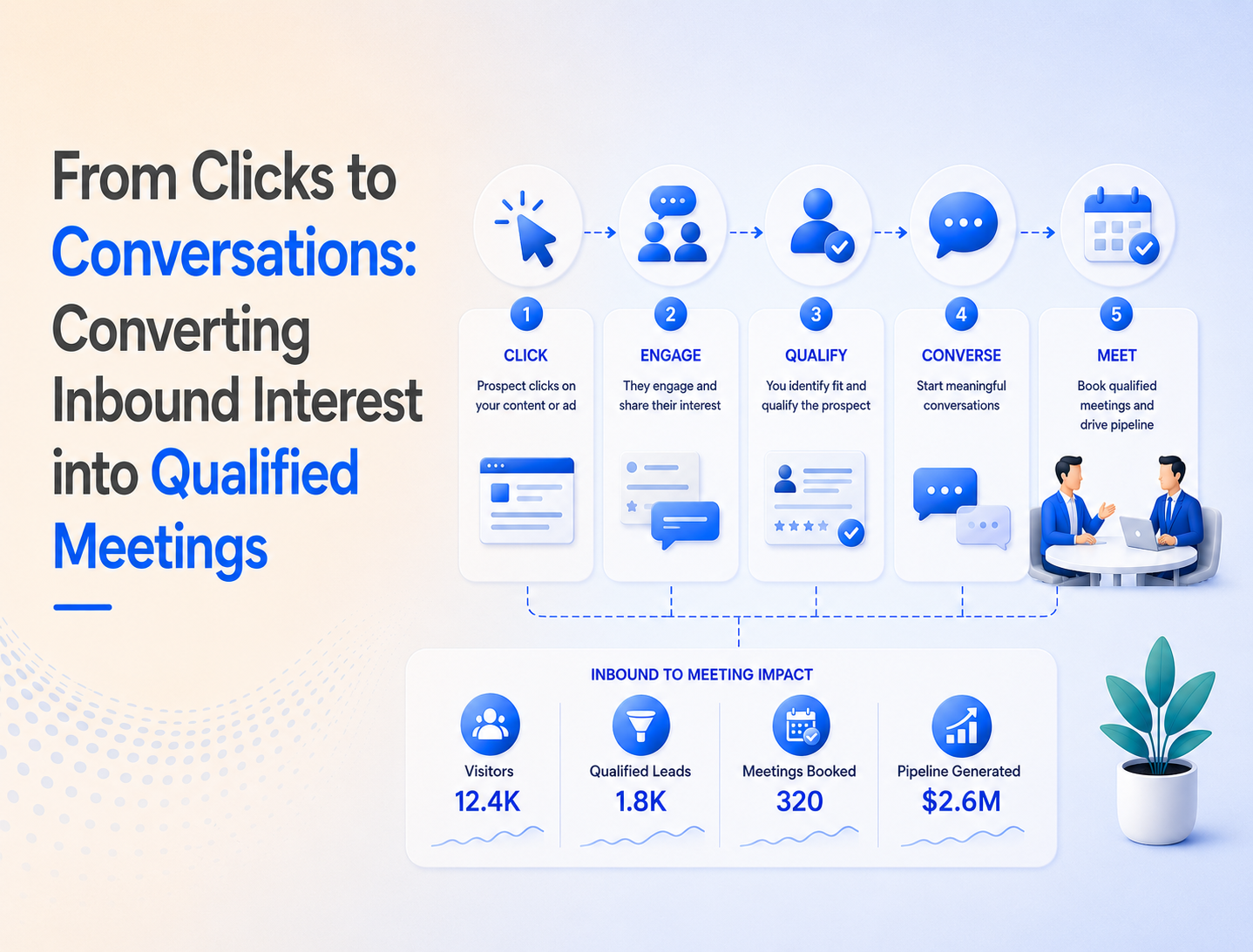
Build your funnel to pull those people in early, not after weeks of nurture. When you see demographic-fit engagement, act quickly with a human path to conversation. Your goal isn’t to add another touchpoint — it’s to shorten the distance between interest and a meeting.
Once that path is reliable, scale it. Because a demographic strategy that can’t be activated at speed isn’t a strategy. It’s a list.
Comparison of Market Solutions
Many tech companies rely on internal SDR teams to activate demographic-fit engagement. That approach can work in narrow segments, but senior-persona outreach is often the first thing to slow down when SDR bandwidth gets stretched. Demographic moments go stale waiting in queues.
Other outsourced outreach models add scale, but they often optimize for activity rather than confirmed meetings, and may not consistently prioritize director-level access or brand-aligned messaging.
Performance-based engagement approaches are increasingly preferred in 2025 because they align execution to outcomes that matter: meetings that occur with senior decision makers. With onshore teams, director-level focus, and accountability tied to real conversations, this model turns demographic targeting into pipeline velocity without adding headcount.
Conclusion
Demographics are still the foundation of demand generation — but in 2025, the winners aren’t the teams who define personas best.
They’re the teams who reach the right personas fastest.
If director-level buyers aren’t entering your funnel early, pipeline will stay slow no matter how perfect your targeting looks on paper. The answer isn’t more nurture. It’s a more reliable human path from engagement to meeting.
Contact Site Ascend to add performance-led human engagement to your demographic strategy and start pulling director-level decision makers into real conversations — faster, consistently, and with accountability tied to meetings that happen.
How do you tell if demographic engagement is coming from decision makers or junior roles?

What’s the biggest demographic mistake demand gen teams make in 2025?
What demographic signals matter most for pipeline acceleration?


Start your pilot campaign today and explore the full range of Site Ascend's demand generation capabilities. Experience firsthand how we can enhance your efficiency, streamline your processes, and drive growth.
RELATED