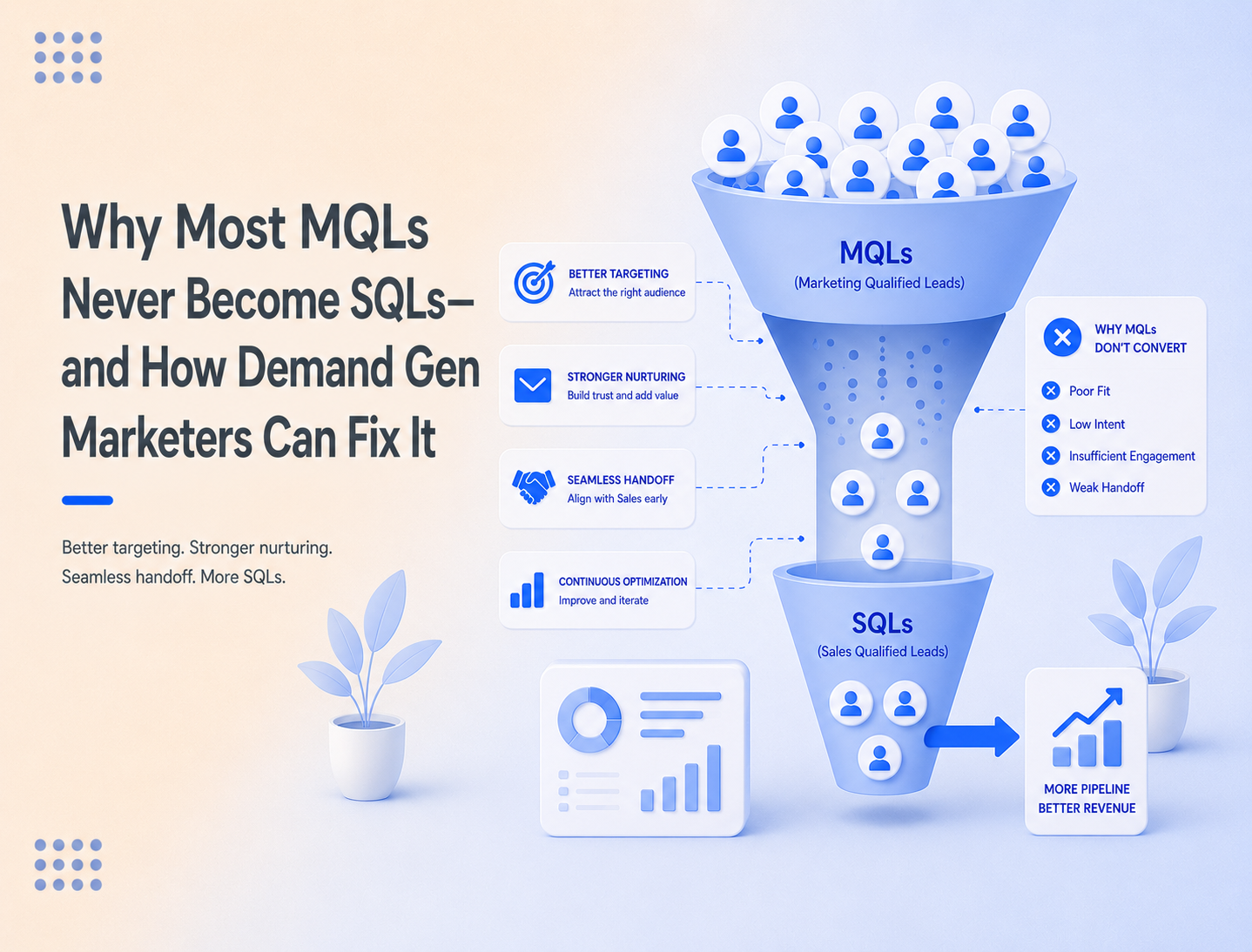
Why Most MQLs Never Become SQLs—and How Demand Gen Marketers Can Fix It
Lead Qualification & Pipeline Growth


MarTech can capture interest—but it can’t guarantee follow-up. This guide shows how to close the conversion gap between “leads generated” and “meetings that occur” with an outcomes-based execution layer that Sales will actually trust.
-
Demand Generation
Introduction
Most demand gen teams don’t have a lead problem anymore—they have a conversion problem.
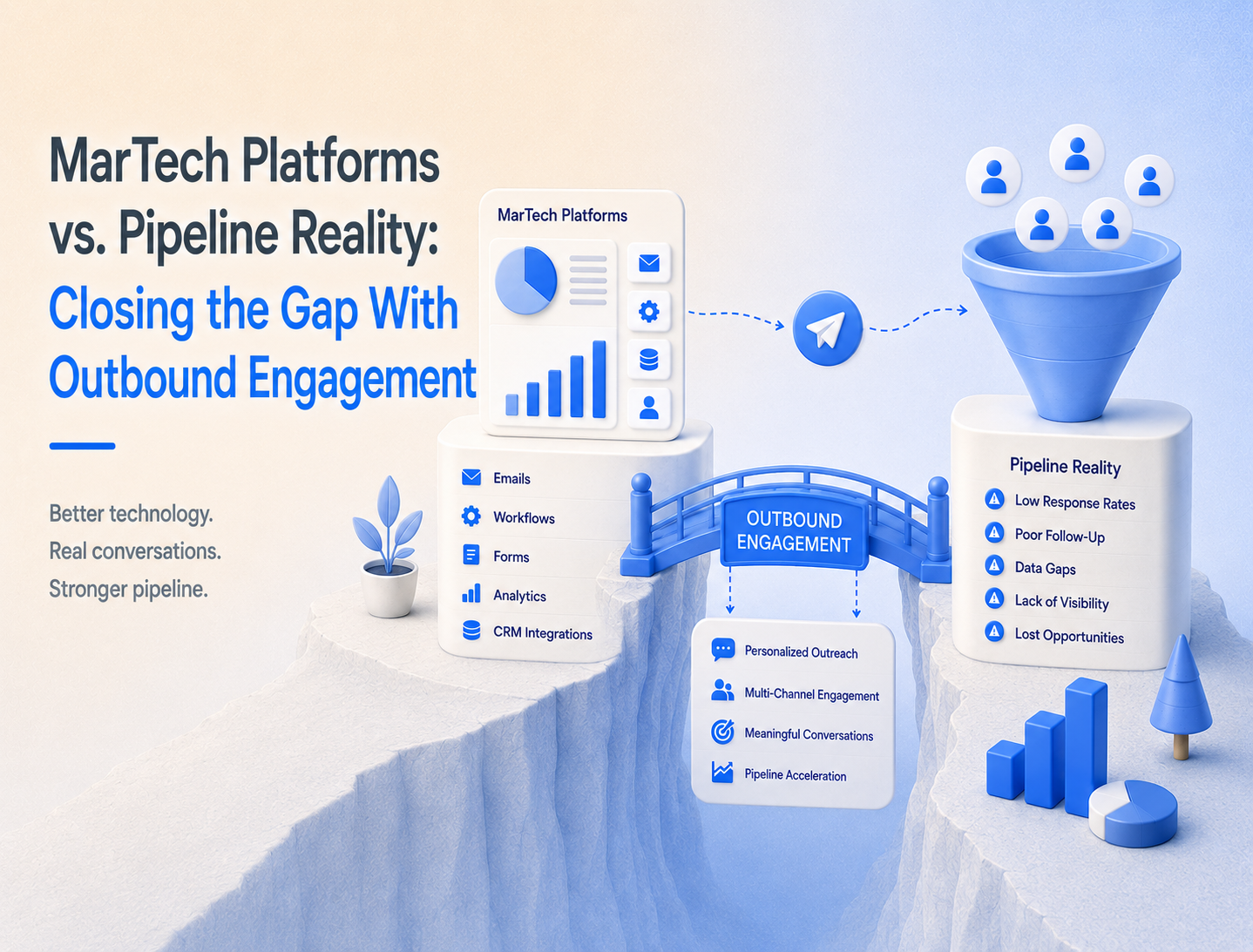
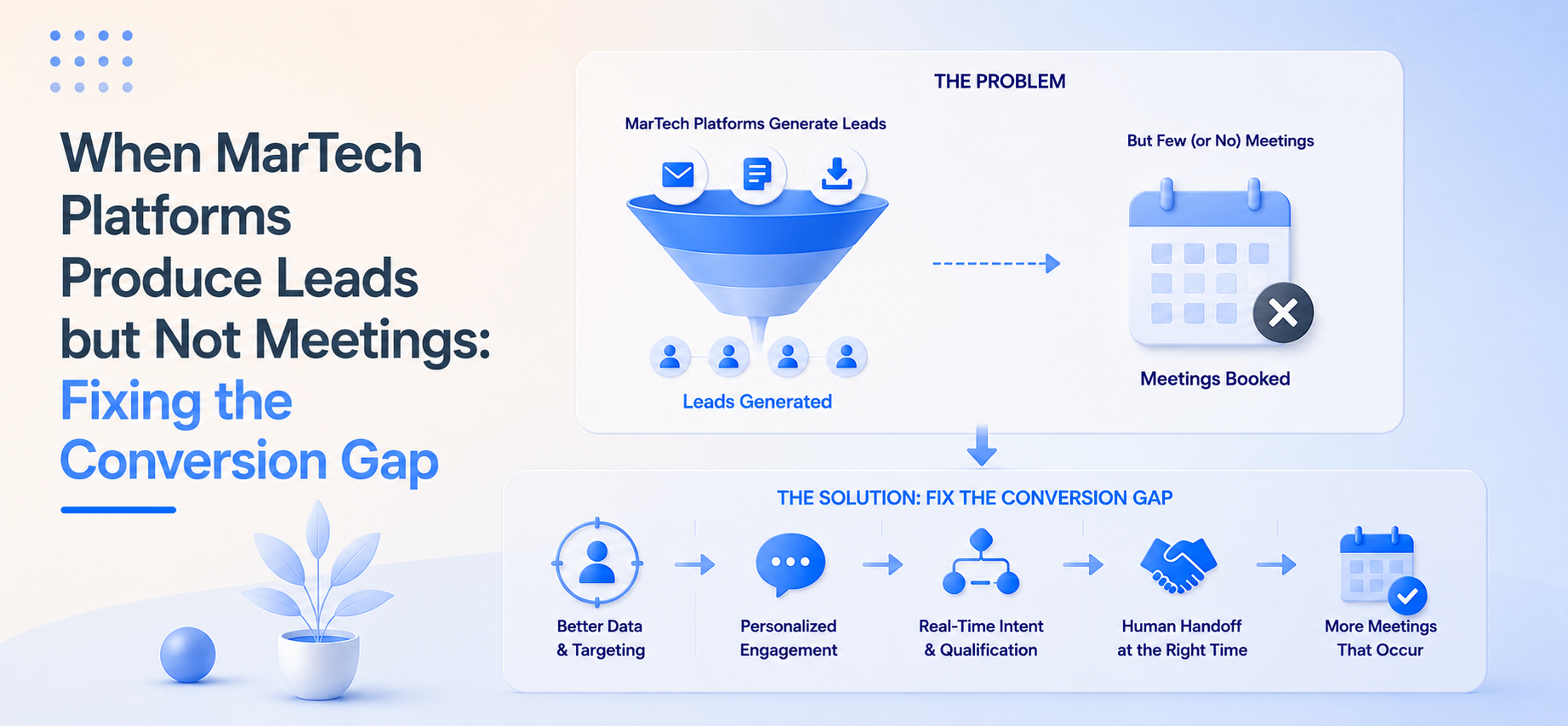
MarTech platforms are excellent at capturing signals: form fills, webinar registrations, content downloads, retargeting clicks, nurture engagement, even intent spikes tied to an account list. Dashboards light up. MQL volume looks healthy. And then… pipeline doesn’t.
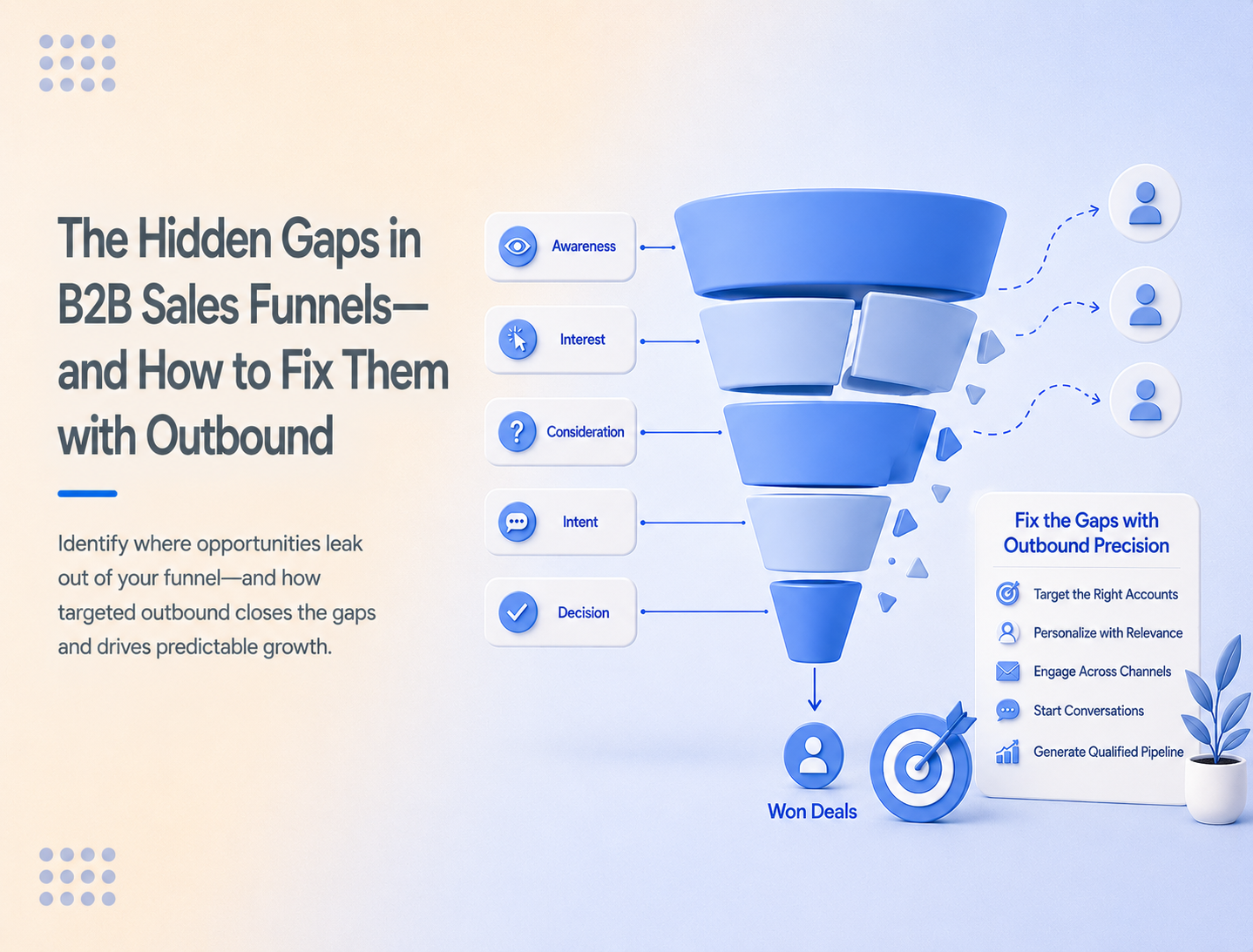
The gap usually shows up in one place: the handoff between “interest” and “a booked conversation.” That’s where follow-up slows down, qualification gets inconsistent, and Sales loses trust in what Marketing is sending.
This post breaks down why MarTech platforms frequently produce leads but not meetings—and a practical framework for closing the conversion gap using outcomes-based execution. The goal isn’t more activity. It’s more conversations that actually happen.
What MarTech Platforms Means for Demand Generation Marketers and other titles that meet Site Ascend’s ICP
When marketers say “MarTech platforms,” they’re typically referring to the systems that manage acquisition, engagement, and routing—tools like marketing automation, CRM, intent platforms, webinar/event platforms, ABM orchestration, and conversation intelligence.
For demand generation leaders, MarTech platforms promise three things:
And those promises are real—up to the point where the funnel needs a human decision.
Because MarTech platforms don’t “convert” a lead. They surface it. The actual conversion moment—the step where someone confirms need, confirms role, and agrees to a time—still lives in execution. Most teams treat that as an SDR problem, a sales problem, or a “someone will get to it” problem.
That’s why the system is optimized for lead volume instead of sales outcomes.
Common Challenges Marketers Face
If your dashboards look strong but your meetings calendar doesn’t, the breakdown usually looks like one (or several) of these:
1) Engagement is mistaken for readiness
Downloads and event signups are treated as buying signals. But a lead can be “interested” and still be completely unusable for Sales. Typical reasons:
If Marketing sends these into Sales workflows without qualification, Sales learns quickly to ignore them.
2) Follow-up SLAs exist in theory, not in practice
Most teams define follow-up SLAs (5 minutes, 2 hours, 24 hours). Then reality happens:
When speed and consistency drop, conversion drops.
3) Lead routing creates friction instead of ownership
Even good routing rules can create a bad outcome if ownership isn’t clean. Common issues:
If the lead’s next step depends on internal alignment, pipeline dies in follow-up.
4) Qualification is too light—or too subjective
Some teams pass leads with minimal gates (“fit + interest”). Others require deep discovery before Sales sees anything. Both approaches fail differently:
The right bar is a meeting-quality standard: enough validation that Sales will show up and the buyer will too.
5) Measurement stops at delivery, not outcomes
If success is defined as “leads delivered,” the system will produce leads. If success is defined as “meetings that occur,” the system will behave differently—because execution and accountability change.



.png)

%201.png)


.png)


Solutions That Work
Closing the MarTech conversion gap requires a shift from tool-centric thinking to outcome-centric execution. Here’s what works, and where Site Ascend fits.
1) Redefine the primary conversion unit: meetings that occur
If your marketing engine is optimized for MQLs, you’ll get MQLs. If it’s optimized for held conversations, your entire program gets sharper:
Site Ascend’s model aligns to this directly: Only pay for meetings that occur. That’s not a pricing gimmick—it’s a delivery standard that forces the operational layer to work.
2) Put an execution layer between MarTech and Sales
Most stacks move leads straight from platform → routing → SDR queue. That’s the problem.
A better model is:
MarTech signal → qualification → scheduling → Sales
Site Ascend functions as that execution layer through:
Instead of flooding Sales with “activity,” you deliver calendar outcomes.
3) Use channel and event motions as conversion engines—not just awareness
MarTech platforms often treat channel and events as top-of-funnel plays. That’s why they underperform.
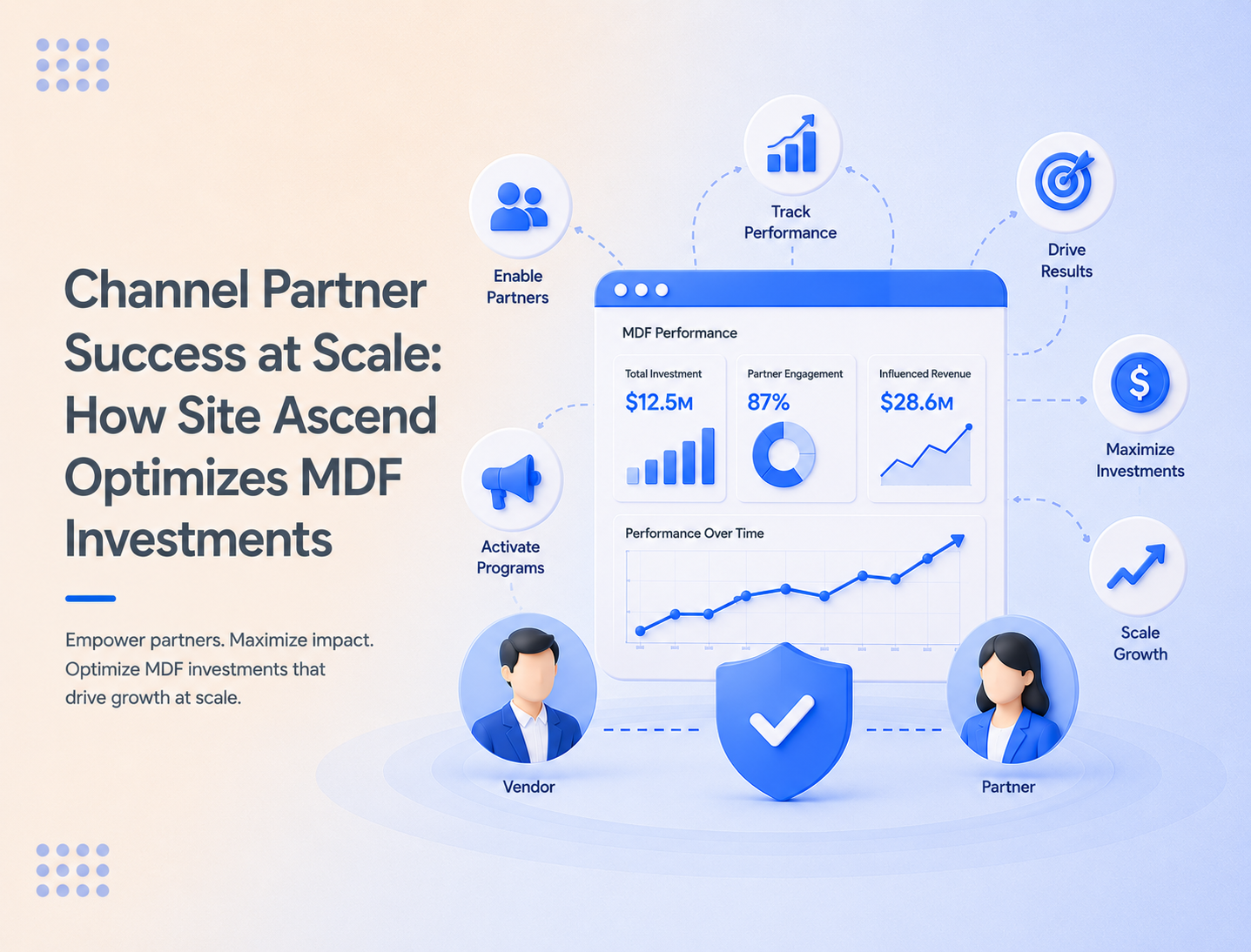
Site Ascend’s core programs convert these motions into measurable pipeline actions:
This approach turns “campaign participation” into a scheduled next step.
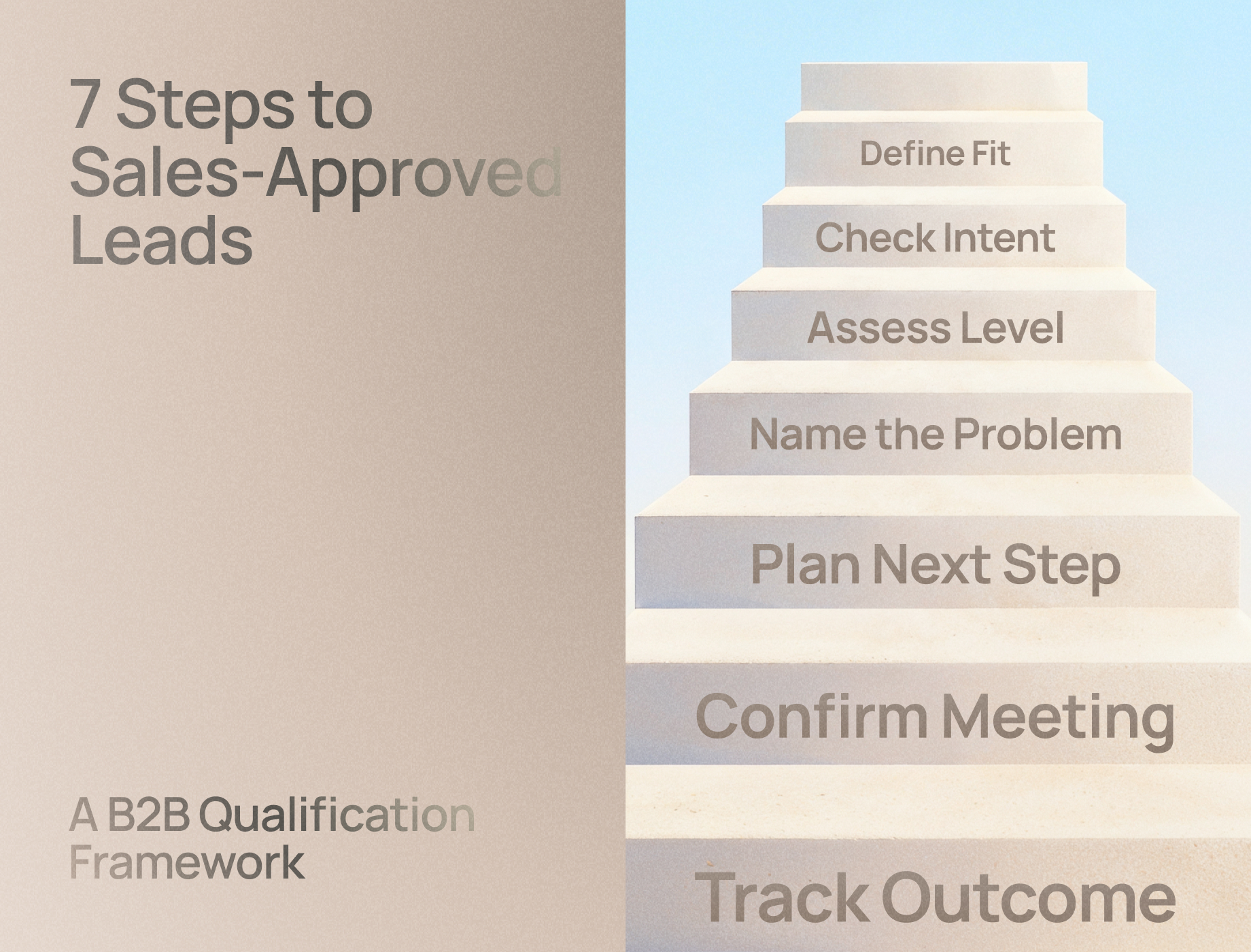
4) Standardize qualification around sales acceptance
A conversion gap is often a standards gap.
The fix is a clear, shared standard that answers:
Site Ascend operationalizes this by focusing on director-level and above and building meeting confirmation into the process, so Sales receives conversations—not guesses.
Actionable Steps for Marketers
If you want to reduce the MarTech-to-meeting gap immediately, use this checklist to audit your system.
The Conversion Gap Checklist
1) Identify where leads die.
Pick one campaign type (inbound content, webinar, partner MDF, event) and map:
signal → routing → follow-up → meeting booked → meeting held.
2) Measure speed-to-contact and time-to-meeting.
If you can’t report these reliably, your funnel is already leaking.
3) Create a “meeting-quality” definition.
Not MQL. Not SQL. Define what Sales will accept—and what counts as a win.
4) Add a qualification layer before Sales queues.
If Sales is your filter, you’re paying the most expensive labor to do the messiest work.
5) Align incentives to outcomes.
Stop measuring success by “leads delivered.” Start measuring by:
6) Pilot an outcomes-based conversion motion.
If you want faster proof, run a pilot where the deliverable is meetings that occur—not activity.
Comparison of Market Solutions
Most teams try to fix the conversion gap using one of three approaches:
Example 1: The Procurement View
Outcome 1: Reduce performance risk
Outcome 2: Improve stakeholder alignment
Outcome 3: Protect internal capacity
This is where Site Ascend differentiates: onshore execution, white-labeled channel support, event registrant procurement via outbound dialing, lead qualification, and executive meeting delivery—paired with a model that only charges for meetings that happen.
Conclusion
MarTech platforms aren’t failing you—they’re doing exactly what they’re built to do: capture engagement and route leads. The pipeline shortfall happens in the step platforms can’t own: qualification, scheduling, confirmation, and clean handoff to Sales.
If you want to close the conversion gap, stop optimizing for lead volume and start optimizing for meetings that occur—with a system designed to deliver outcomes, not activity.
If your team wants to pilot an outcomes-based motion that turns MarTech-generated interest into booked conversations, Site Ascend can help you prove it quickly with executive meeting delivery, lead qualification, channel marketing support, and event registrant procurement—backed by real-time reporting and a pay-for-performance model. Start a pilot with Site Ascend.
Why do MarTech platforms generate leads but not meetings?

What’s the best way to increase sales acceptance from marketing-generated leads?
Do we need more SDRs, better automation, or a different routing model?


Start your pilot campaign today and explore the full range of Site Ascend's demand generation capabilities. Experience firsthand how we can enhance your efficiency, streamline your processes, and drive growth.
RELATED