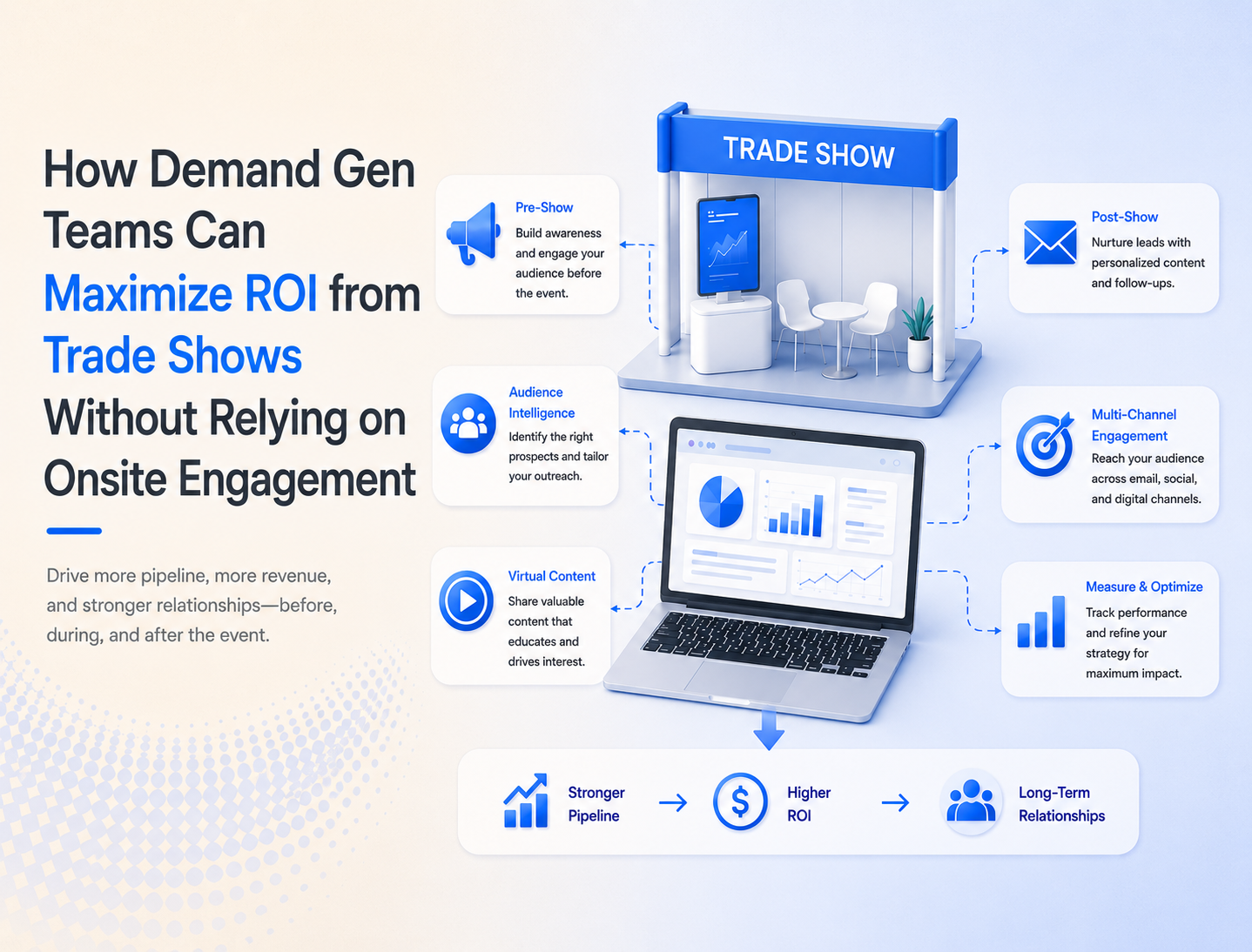
How Demand Gen Teams Can Maximize ROI from Trade Shows Without Relying on Onsite Engagement
Demand Generation


The best channel incentive programs don't succeed because they offer larger budgets—they succeed because they reward the behaviors that create qualified pipeline. Learn how B2B technology marketers can design incentive strategies that align partners, sales, and marketing around measurable revenue outcomes.
-
Channel Marketing
Introduction
When channel marketing performance falls short, the first instinct is often to increase funding. More MDF, larger rebates, higher rewards, or additional promotional dollars are expected to motivate partners and improve results.
But more budget rarely solves the underlying problem.
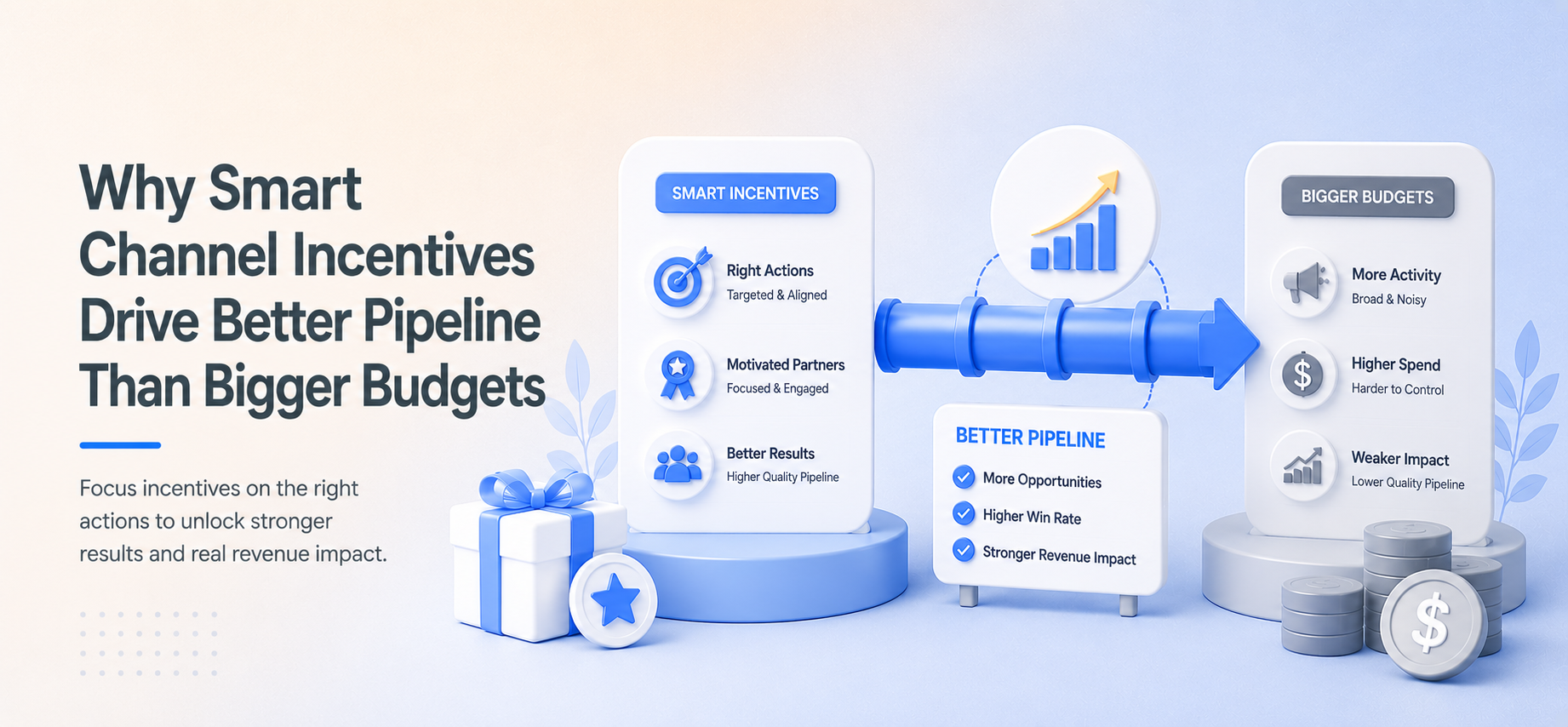
The highest-performing channel organizations don't necessarily invest more—they invest smarter. They design channel incentive programs that encourage the behaviors most likely to create qualified pipeline rather than simply rewarding marketing activity or sales volume.
As demand generation becomes increasingly accountable for revenue, channel incentives are evolving from financial rewards into strategic tools for influencing partner behavior, strengthening sales alignment, and accelerating pipeline growth.
The question is no longer "How much should we spend?" It's "What behaviors are we rewarding?"
What Channel Incentives Mean for Demand Generation Marketers
Channel incentives are structured programs designed to encourage partners to prioritize specific marketing or sales activities. They may include financial rewards, rebates, MDF, SPIFFs, performance bonuses, enablement support, or exclusive marketing opportunities.
For demand generation leaders, however, effective incentives are less about compensation and more about influencing partner priorities.
Well-designed incentive programs encourage partners to:
When incentives reinforce strategic business objectives, they become one of the most powerful levers in a channel marketing program.
Common Challenges Marketers Face
Many incentive programs fail—not because partners lack motivation, but because the incentives encourage the wrong behaviors.
Some organizations reward campaign execution instead of campaign outcomes, creating pressure to maximize activity without measuring business impact.
Others build incentive structures around sales volume alone, unintentionally discouraging partners from investing in earlier-stage demand generation activities that create future pipeline.
Complex qualification rules, inconsistent communication, and administrative burdens can also reduce participation. If partners don't clearly understand how incentives are earned, adoption quickly declines.
Finally, many incentive programs operate independently from broader marketing strategies. When incentives aren't aligned with pipeline goals, organizations often see increased activity but little measurable improvement in qualified opportunities.



.png)

%201.png)


.png)


Solutions That Work
Reward Revenue-Creating Behaviors
The most effective incentive programs encourage activities that contribute directly to pipeline creation, such as executive engagement, qualified meetings, opportunity development, and account progression. Rewarding these behaviors aligns partner efforts with business outcomes instead of marketing activity alone.
Keep Incentive Programs Simple and Transparent
Partners are far more likely to participate when incentive criteria are easy to understand. Clear qualification rules, straightforward reporting, and predictable rewards reduce friction while increasing program adoption and long-term engagement.
Align Incentives Across Marketing and Sales
Marketing and sales should define success together before launching an incentive program. Shared objectives, consistent qualification standards, and common performance metrics create stronger collaboration and prevent conflicting priorities between teams.
Continuously Measure and Refine Program Performance
High-performing organizations treat incentive programs as evolving strategies rather than fixed initiatives. Regularly reviewing participation, opportunity quality, pipeline contribution, and partner feedback helps identify which incentives drive meaningful business outcomes and which should be adjusted.
Where Site Ascend Fits
A well-designed incentive strategy still requires consistent execution. Site Ascend helps technology companies translate channel incentive programs into measurable demand generation outcomes through white-labeled Channel Marketing, Executive Meetings with director-level decision-makers, Lead Qualification services that validate buyer intent, and Event Marketing programs that drive qualified event registrants through outbound outreach. By supporting partner execution and providing measurable reporting, Site Ascend helps organizations maximize the return on their channel incentive investments.
Actionable Steps for Marketers
Complete a Channel Incentive Effectiveness Assessment
Before expanding your incentive budget, evaluate whether your current program encourages the behaviors that actually create revenue.
Business Alignment
Partner Motivation
Program Simplicity
Measurement
Organizations that periodically assess these areas often improve partner participation while increasing the overall business impact of their channel investments.
Comparison of Market Solutions
Organizations approach channel incentive programs in different ways depending on their partner ecosystem, available resources, and strategic priorities.
Some companies manage incentives internally, giving them complete control over program design and partner relationships. While this offers flexibility, it can require significant operational resources to maintain consistency across multiple partners and regions.
Others rely on channel management platforms to automate incentive administration, reporting, and partner communications. These platforms improve visibility and efficiency but still require a strong strategy to ensure incentives drive meaningful business outcomes rather than activity alone.
Some organizations also work with specialized execution partners that help partners convert incentive-backed marketing initiatives into qualified buyer engagement. This model can improve consistency, increase executive-level conversations, and provide stronger accountability for pipeline outcomes.
Rather than choosing a single approach, many enterprise technology companies combine internal strategy, technology platforms, and execution partners to create scalable incentive programs that consistently influence revenue generation instead of simply increasing partner activity.
Conclusion
The most successful channel incentive programs don't reward spending—they reward outcomes.
Organizations that consistently outperform their peers build incentive strategies around qualified pipeline, executive engagement, and long-term partner success instead of marketing activity alone. By aligning incentives with revenue objectives, simplifying participation, and continuously optimizing performance, marketing leaders can transform channel programs into predictable growth engines.
If your organization is looking to increase the business impact of its partner marketing investments, contact Site Ascend.
What are channel incentives?

Should channel incentives focus on lead volume or pipeline?
How do you measure the success of a channel incentive program?


Start your pilot campaign today and explore the full range of Site Ascend's demand generation capabilities. Experience firsthand how we can enhance your efficiency, streamline your processes, and drive growth.
RELATED