From Benchmarking to Breakthrough: What Top Tech Teams Do Differently
Pipeline Acceleration


Traditional lead scoring models are failing to keep pace with today’s complex B2B buying journey. Discover why static point systems no longer predict true intent — and how performance-based qualification models are helping enterprise tech marketers convert real interest into booked meetings and measurable pipeline growth.
-
Lead Qualification & Performance Marketing
Introduction
For years, B2B marketers have relied on lead scoring as the heartbeat of their demand generation strategy. A well-structured model promised to separate hot prospects from casual browsers — helping marketing and sales align around “qualified” opportunities.
But in 2025, that system is breaking down.
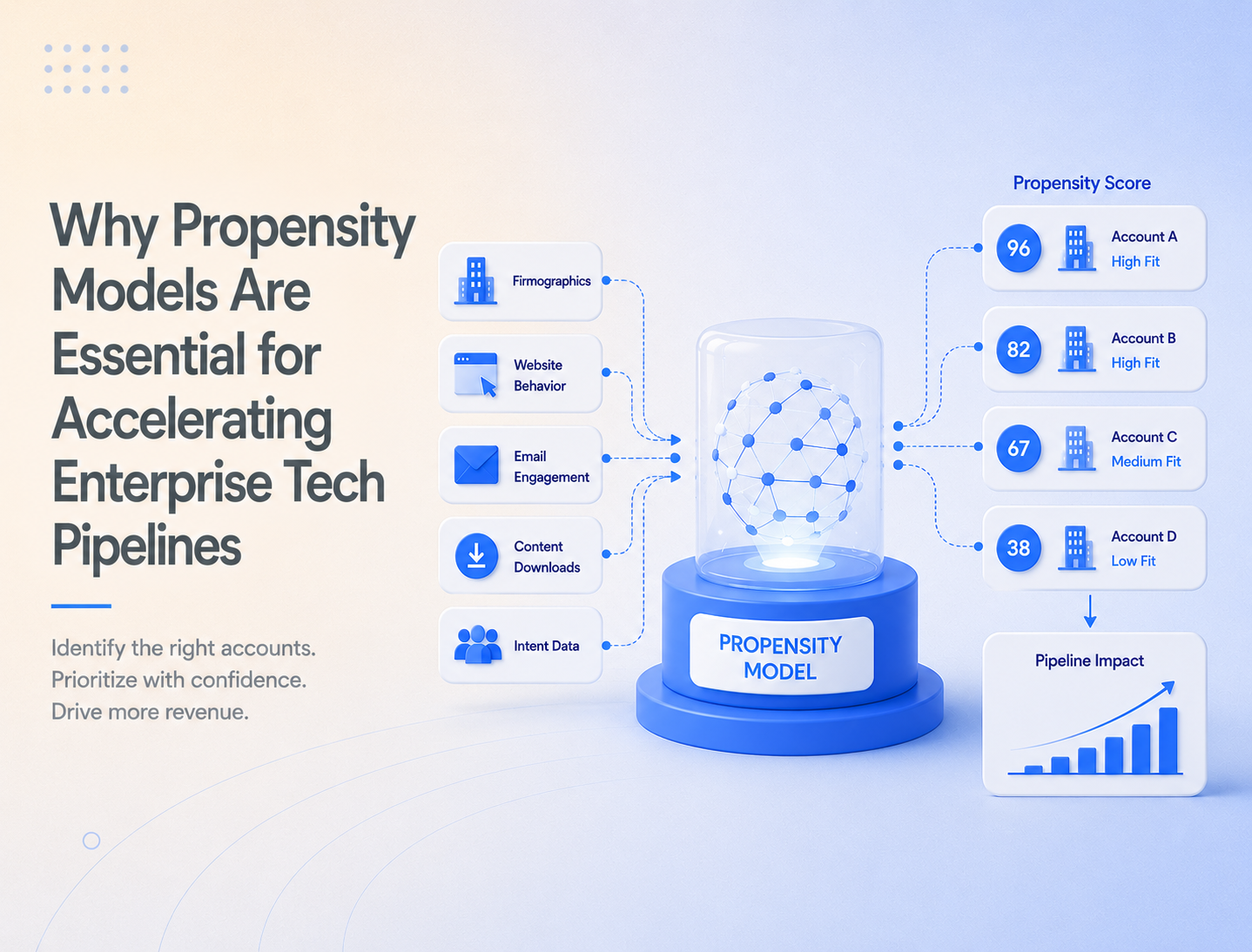
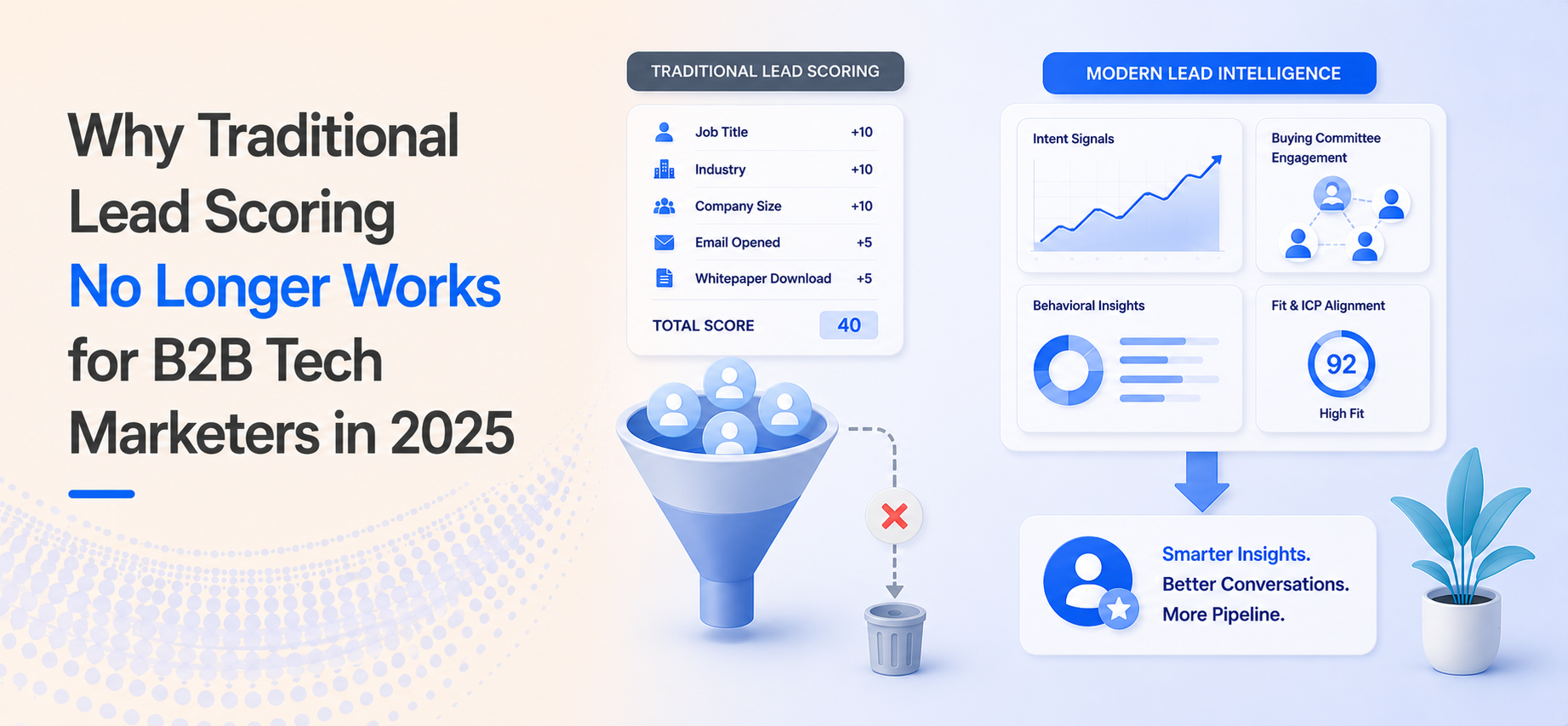
Today’s buyers don’t move linearly through the funnel, and intent data, automation, and AI have changed the way engagement happens. Traditional lead scoring — the kind that rewards form fills, website visits, and email opens — is struggling to predict true purchase intent. For enterprise and mid-market tech marketers, that’s a costly gap.
What Lead Scoring Really Means for Demand Generation Marketers
At its core, lead scoring is about prioritization — assigning points to prospects based on actions and firmographic data to identify who’s most likely to convert. It works in theory, but in practice, it often rewards activity, not intent.
For example, a lead downloading three whitepapers may seem engaged, but if that person lacks buying authority or budget, their “score” means little. Meanwhile, a director-level decision-maker who briefly visits your pricing page may never hit your threshold — even though they’re far closer to a buying decision.
The result? Marketing teams overinvest in nurturing unqualified leads while missing high-value opportunities already signaling readiness.
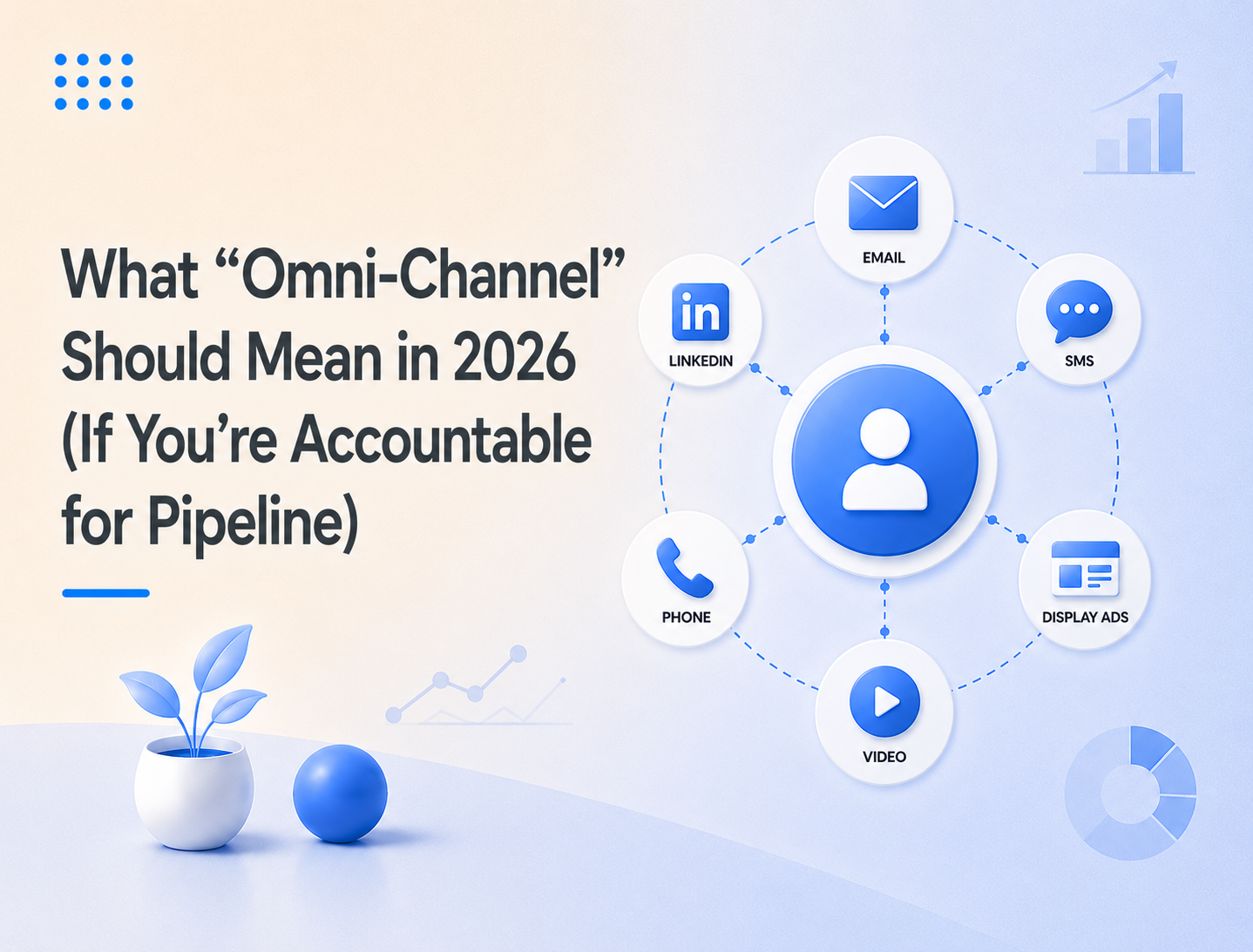
In today’s environment, marketers need real buying signals — not just engagement proxies — to drive qualified meetings and accelerate pipeline.
Common Challenges Marketers Face with Traditional Lead Scoring
Misaligned Signals: Most models weigh form submissions or email clicks more heavily than meaningful actions like event registrations or intent data triggers. This creates a false sense of progress.
Static Models in Dynamic Markets: Traditional lead scoring doesn’t adapt quickly enough to changing buyer behavior. In enterprise tech, purchase cycles shift rapidly, and static models can’t keep up.
Lead Handoff Breakdown: Sales teams often dismiss “qualified” leads that don’t align with real-world buying behavior, leading to friction, wasted resources, and declining trust between marketing and sales.
Data Overload Without Clarity: With multiple data sources feeding into CRMs, marketers are buried in noise — making it harder to distinguish real signals from superficial engagement.
In short, lead scoring has become too rigid for today’s fluid, multi-channel B2B buying journey.



.png)

%201.png)


.png)


Solutions That Work
The future of B2B marketing isn’t about scoring leads — it’s about qualifying conversations.
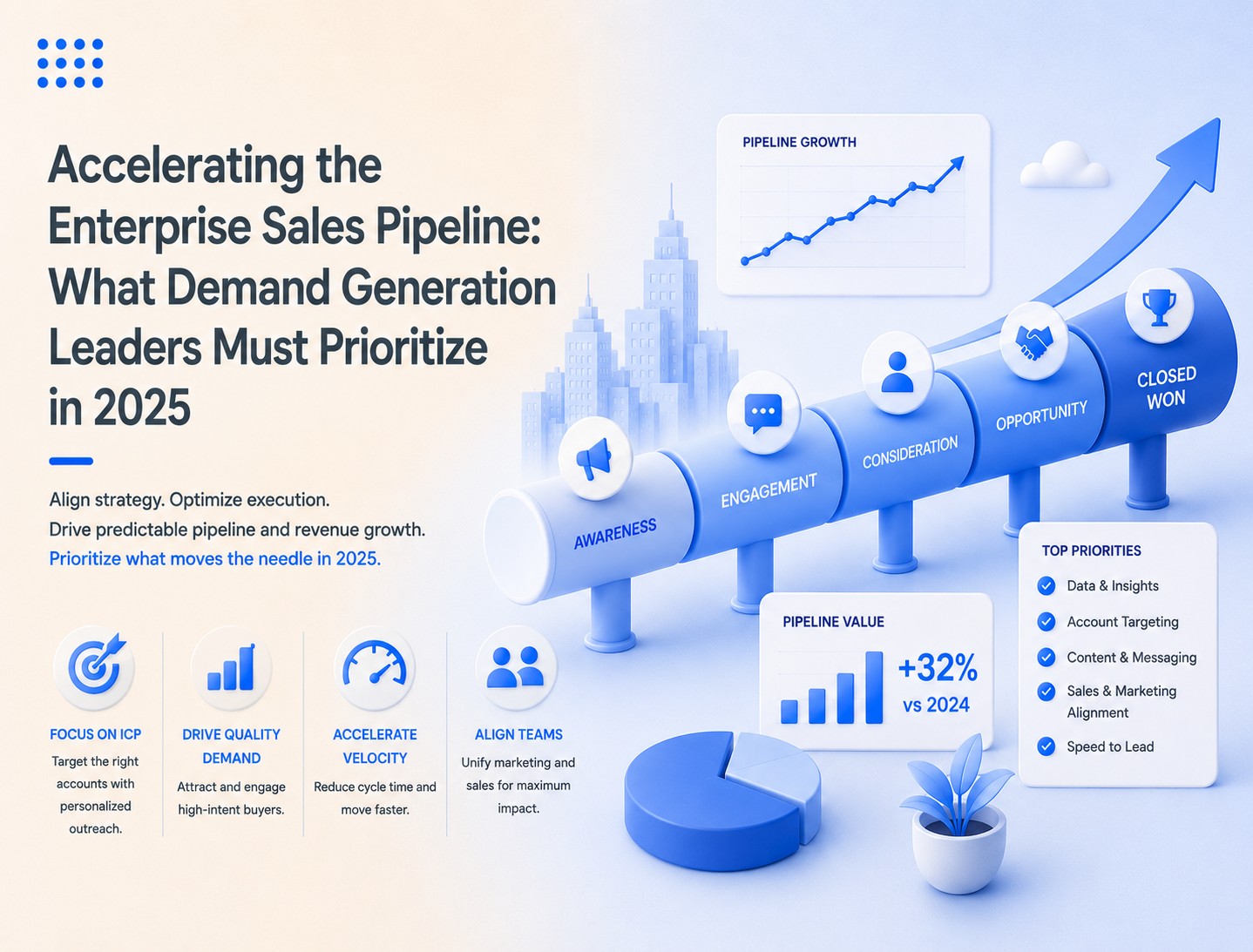
In 2025, high-performing demand generation teams are moving toward performance-based models that focus on outcomes, not activities. Instead of assigning arbitrary scores, they’re measuring real engagement by whether it leads to meetings with decision-makers.
Partnering with pay-for-performance demand generation providers allows marketers to move beyond lead scoring entirely. By outsourcing qualification and validation to an experienced U.S.-based team, brands can ensure that every meeting placed on the calendar is with a director-level or above contact actively exploring solutions.
This approach eliminates the ambiguity of traditional scoring models, helping marketers spend less time analyzing data — and more time driving pipeline.
Actionable Steps for Marketers
Here’s how marketing leaders can modernize their approach to lead qualification:
The goal isn’t to abandon scoring altogether — it’s to evolve it into something measurable, actionable, and directly tied to revenue outcomes.
Comparison of Market Solutions
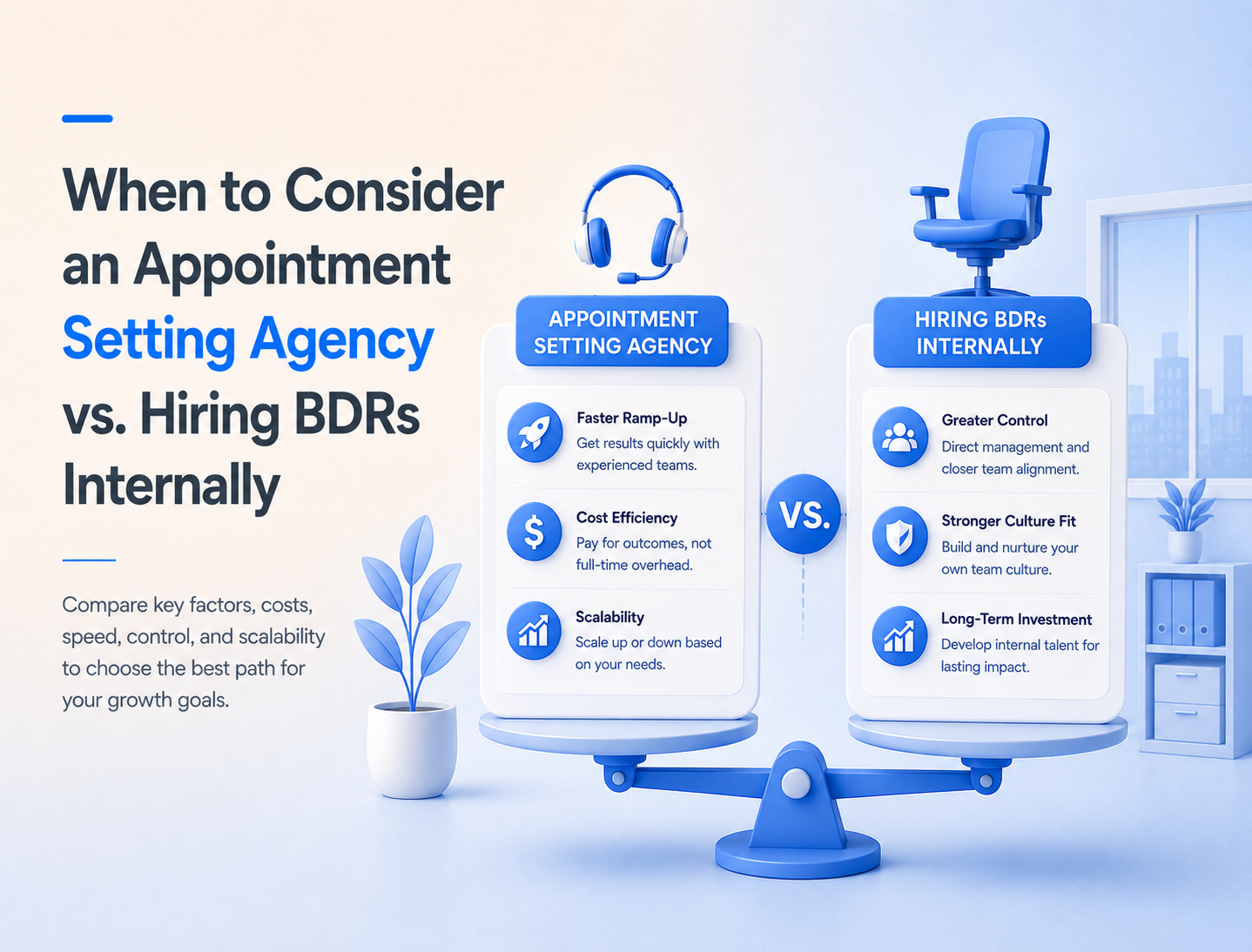
Many marketers still rely on internal SDR teams or outsourced call centers for lead qualification — but both come with tradeoffs. Internal teams are expensive to scale and often struggle with bandwidth, while traditional outsourced models charge per lead, not per meeting.
A pay-for-performance approach aligns incentives between marketing and vendor. You only pay when a meeting occurs with a qualified prospect, ensuring accountability, transparency, and tangible ROI. It’s a smarter evolution of lead scoring — one that rewards results, not assumptions.
Conclusion
Lead scoring had its moment — but in 2025, success depends on something stronger: Leadflow — the seamless movement of qualified decision-makers into meaningful sales conversations.
B2B marketers who evolve their strategies toward verified, outcome-based qualification models will not only improve efficiency but also drive measurable revenue impact.
If you’re ready to modernize your demand generation strategy and replace arbitrary scores with real meetings, start a pilot with Site Ascend today.
Contact Site Ascend to explore how pay-for-performance demand generation can redefine your lead quality in 2025.
Is lead scoring still useful in 2025?

What’s replacing traditional lead scoring?
How can marketing teams transition away from lead scoring?


Start your pilot campaign today and explore the full range of Site Ascend's demand generation capabilities. Experience firsthand how we can enhance your efficiency, streamline your processes, and drive growth.
RELATED