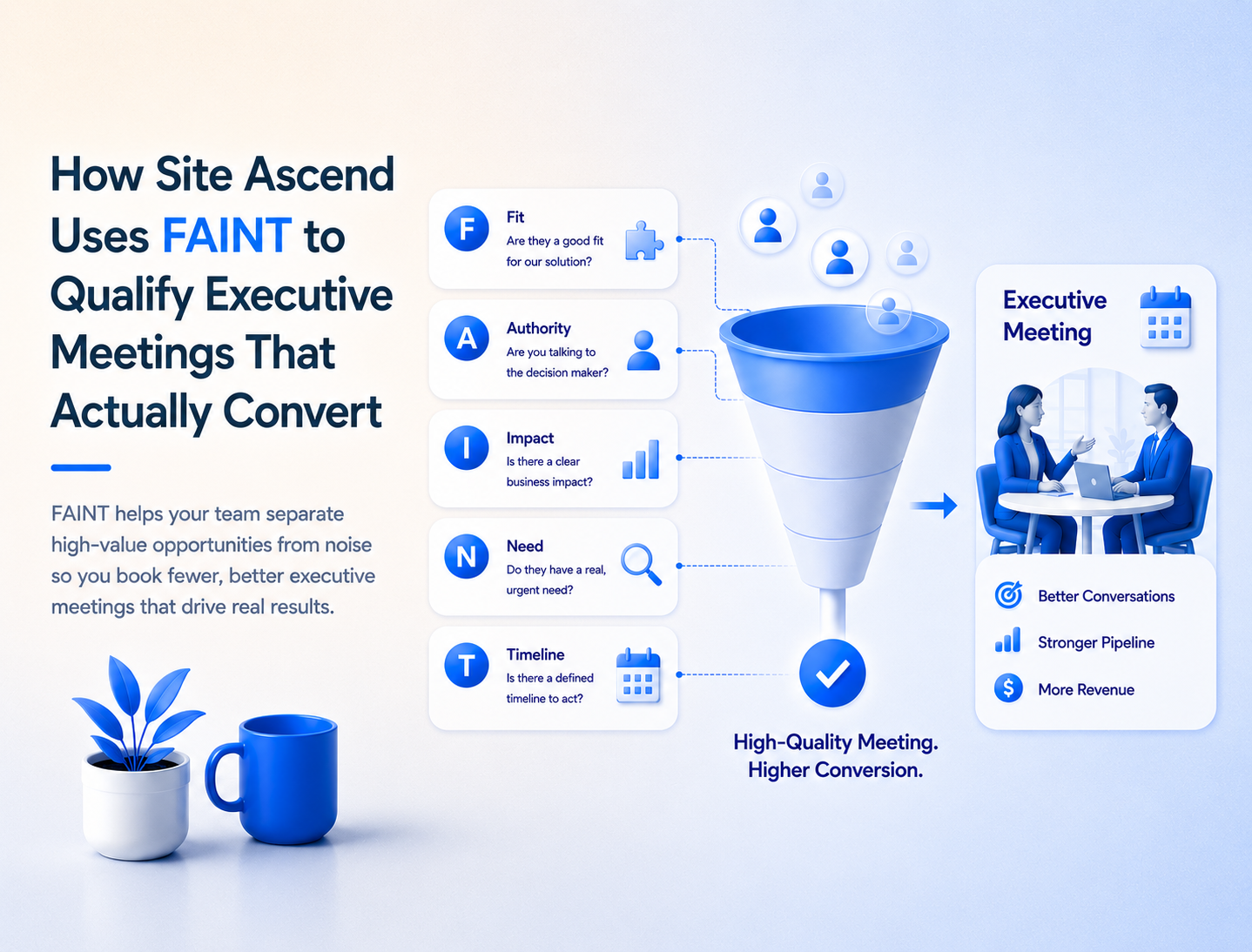
How Site Ascend Uses FAINT to Qualify Executive Meetings That Actually Convert
Demand Generation


Converting MQLs into SQLs remains one of the biggest challenges in demand generation. Discover how technology marketers can improve lead qualification, align with sales, and generate more qualified opportunities that contribute to pipeline growth.
-
Demand Generation
Introduction
For many B2B technology organizations, generating Marketing Qualified Leads (MQLs) is no longer the challenge.
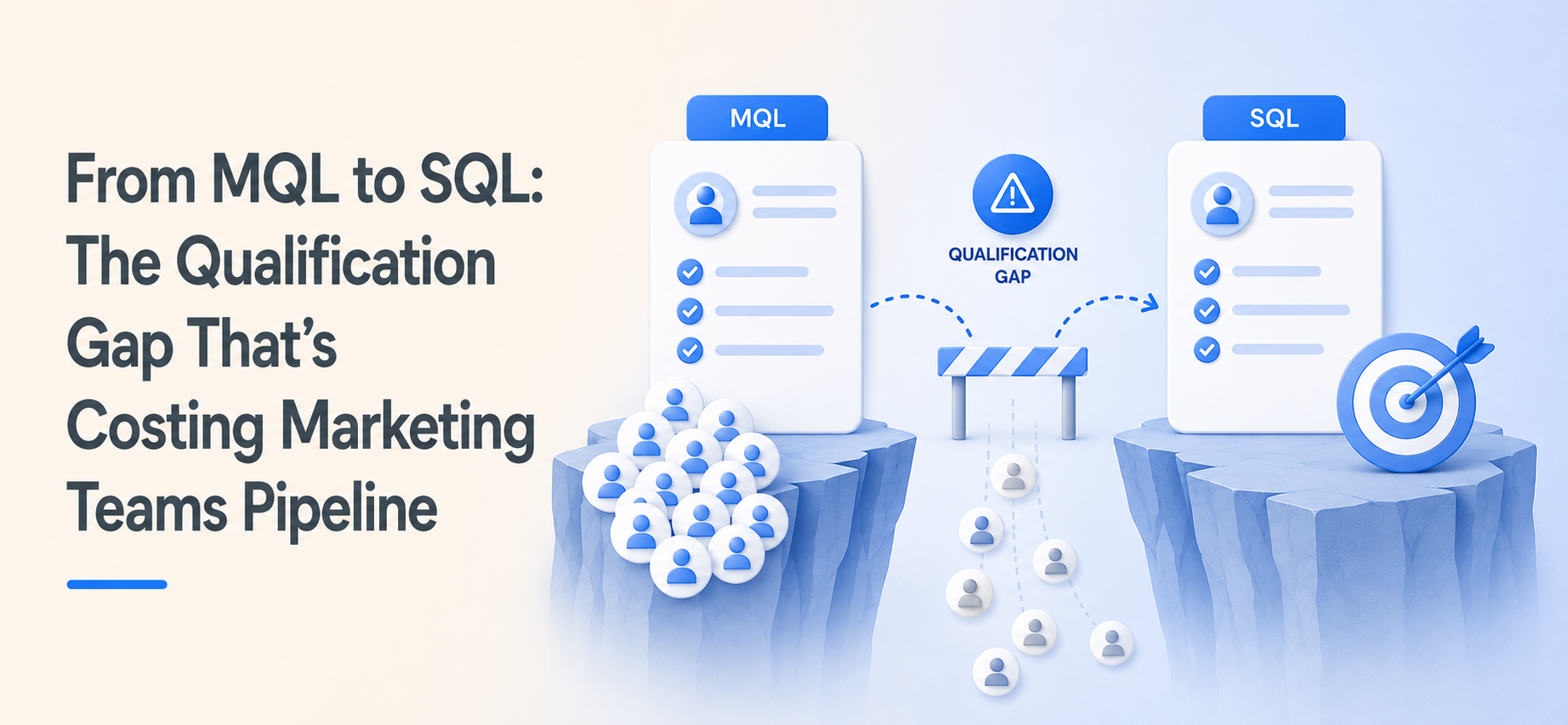
The challenge is turning those MQLs into Sales Qualified Leads (SQLs).
Demand generation teams invest significant resources into campaigns, partner programs, sponsored events, and content initiatives designed to drive engagement. These efforts often succeed in producing large volumes of inquiries and MQLs.
Yet when sales teams begin follow-up, a troubling reality frequently emerges: many of those leads aren't ready for meaningful sales conversations.
The result is a qualification gap that slows pipeline creation, frustrates sales teams, reduces marketing credibility, and ultimately impacts revenue performance.
As modern marketing organizations become increasingly accountable for pipeline contribution, closing the gap between MQLs and SQLs has become one of the most important priorities in demand generation.
In this article, we'll explore why the MQL-to-SQL transition remains a challenge, what it means for technology marketers, and how organizations can improve conversion rates through executive meetings, channel marketing, event marketing, and lead qualification programs.
What SQLs Mean for Demand Generation Marketers
A Sales Qualified Lead (SQL) is a prospect that has demonstrated enough buying intent, qualification, and readiness to warrant active sales engagement.
While MQLs are typically identified through engagement signals, SQLs represent a higher level of qualification.
Examples of SQL indicators include:
For demand generation leaders, SQLs provide a stronger connection to pipeline creation than MQLs.
An MQL may indicate interest.
An SQL indicates opportunity potential.
This distinction is becoming increasingly important as executive teams evaluate marketing performance based on revenue contribution rather than lead volume.
Why the MQL-to-SQL Gap Exists
Most organizations recognize the value of SQLs.
The challenge is consistently producing them.
Marketing Measures Engagement, Sales Measures Readiness
Marketing teams often define success through campaign engagement and lead generation metrics.
Sales teams evaluate prospects based on qualification and purchase readiness.
Without a shared framework, MQLs may be viewed as successful by marketing but rejected by sales.
Buying Committees Are More Complex
Technology purchases rarely involve a single decision-maker.
Many MQLs originate from researchers, practitioners, or influencers who are interested in learning more but cannot directly influence purchasing decisions.
Without access to authority, opportunities frequently stall.
Event Registrations Are Not the Same as Opportunities
Sponsored events remain a powerful demand generation channel.
However, registration activity alone does not guarantee purchase intent.
Many attendees are gathering information rather than actively evaluating solutions.
Lead Scoring Has Limitations
Traditional lead-scoring systems often rely heavily on engagement behavior.
While useful, engagement does not always correlate with buying intent.
This creates situations where highly engaged contacts receive MQL status despite lacking sales readiness.
Common Challenges Marketers Face
Organizations attempting to improve SQL creation often encounter several recurring obstacles.
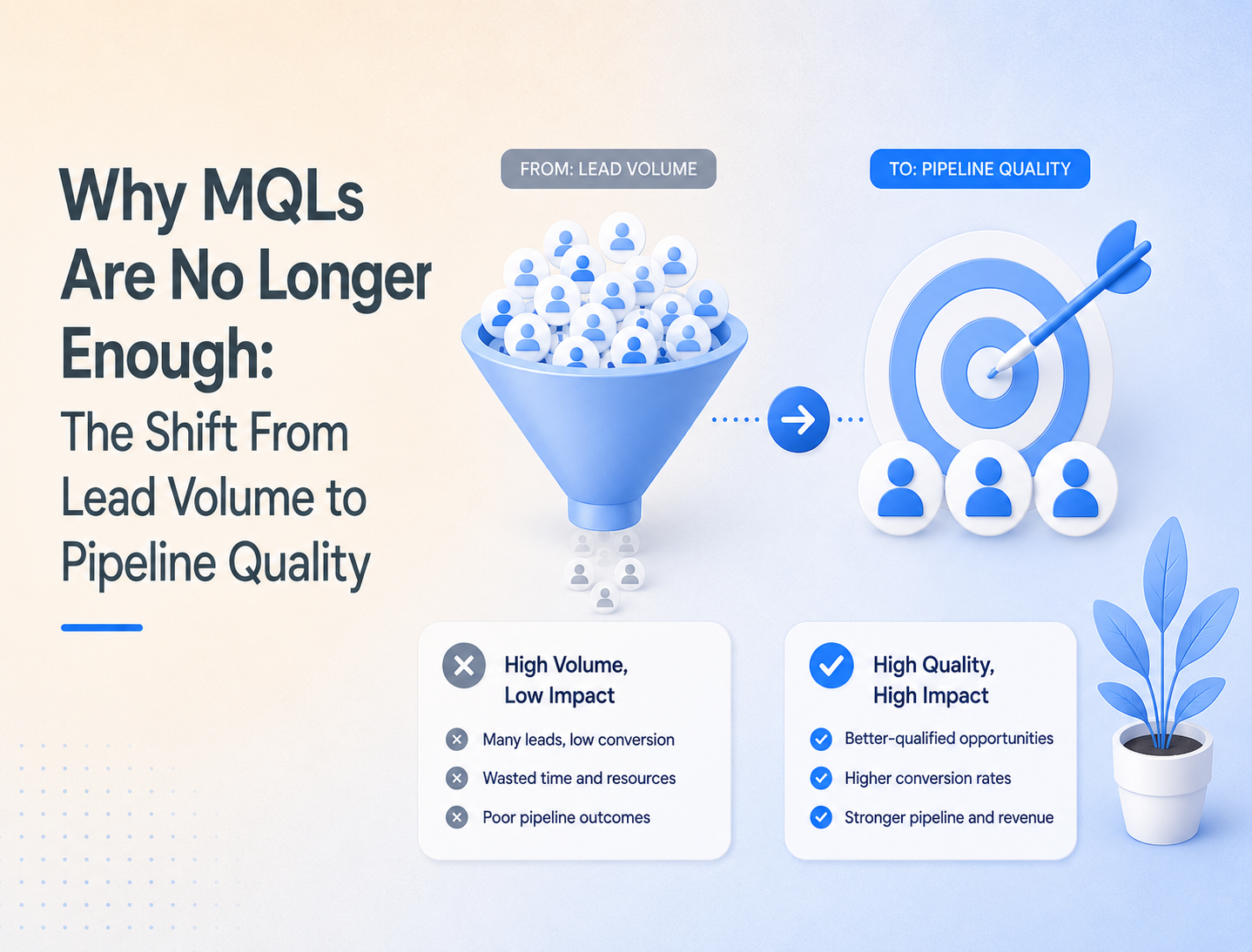
High MQL Volume, Low SQL Conversion
Marketing programs generate leads, but relatively few become sales opportunities.
This often creates tension between marketing and sales organizations.
Long Sales Cycles
Poor qualification early in the funnel frequently results in extended sales cycles.
Sales teams spend time pursuing prospects who are not actively evaluating solutions.
Limited Executive Access
Many B2B purchases require approval from directors, vice presidents, or executive stakeholders.
Without conversations involving these decision-makers, opportunities may struggle to progress.
Inconsistent Qualification Standards
Different teams often apply different definitions of qualification.
As a result, marketing and sales may disagree on what constitutes a legitimate opportunity.
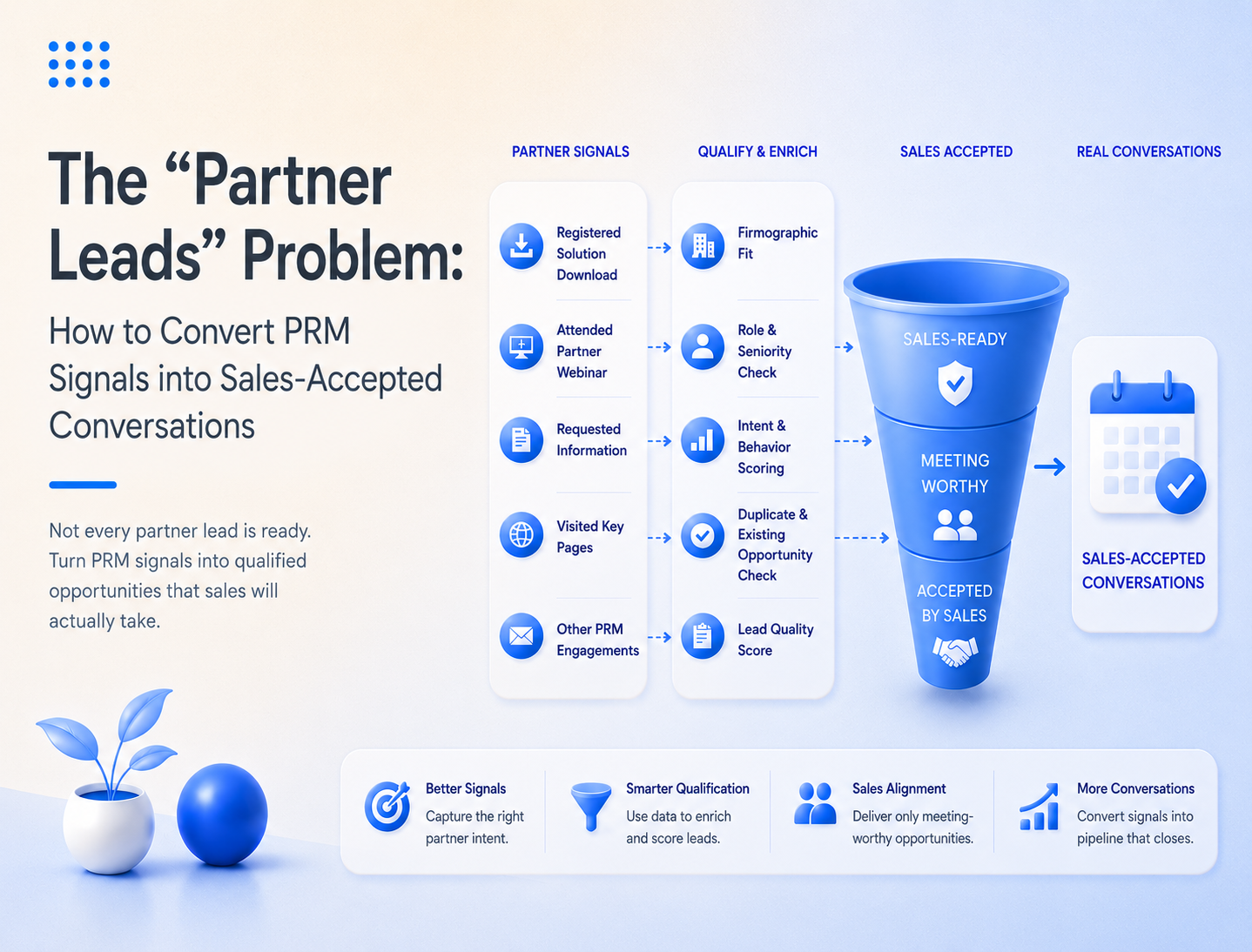
Channel and Partner Lead Variability
Partner ecosystems can create valuable opportunities.
However, qualification quality often varies significantly across partner-generated leads.



.png)

%201.png)


.png)


Solutions That Work
Organizations that consistently create SQLs typically focus on qualification strategies that prioritize conversations rather than engagement metrics alone.
Executive Meetings That Accelerate SQL Creation
One of the fastest ways to close the MQL-to-SQL gap is through direct engagement with decision-makers.
Site Ascend's Executive Meetings program delivers 30-minute virtual meetings with director-level and above contacts inside target accounts.
These conversations help validate:
Rather than relying solely on engagement signals, marketers can connect sales teams directly with qualified decision-makers.
Learn more about Executive Meetings:
Lead Qualification That Converts Interest Into Opportunities
Many MQLs require additional validation before they become sales-ready.
Site Ascend's Lead Qualification services transform opt-in inquiries into qualified sales meetings through live qualification conversations.
This process helps determine whether a prospect is ready for sales engagement before handoff.
As a result, sales teams spend less time pursuing unqualified leads and more time engaging viable opportunities.
Channel Marketing That Improves Partner-Sourced Pipeline
Partner programs can be powerful drivers of growth.
However, qualification consistency remains a challenge.
Site Ascend's Channel Marketing programs provide white-labeled outreach on behalf of partners while maintaining consistent qualification standards.
These programs can leverage market development funds (MDF) and focus on creating qualified conversations rather than simply generating responses.
Learn more:
Event Marketing Focused on Opportunity Creation
Event success should not be measured exclusively by registration numbers.
It should be measured by the quality of attendees and the opportunities generated afterward.
Site Ascend's Event Marketing programs help technology companies procure attendees through outbound dialing campaigns focused on ideal customer profiles and target accounts.
Registrants are supported through event day with SMS workflows designed to maximize attendance.
This creates stronger opportunities for meaningful sales engagement after the event.
Learn more:
Actionable Steps for Marketers
Marketing leaders can improve SQL conversion rates by implementing stronger qualification standards.
The MQL-to-SQL Conversion Checklist
Before routing a lead to sales, confirm:
- The lead fits your ideal customer profile
- A business challenge or use case has been identified
- A decision-maker is involved or accessible
- A realistic project timeline exists
- Qualification has been validated through a live conversation
- Sales and marketing agree on qualification criteria
- The prospect has demonstrated willingness to engage with sales
Organizations that consistently follow these steps often experience improvements in:
Comparing Market Solutions for SQL Creation
Organizations generally use several approaches to improve lead qualification and SQL generation.
Internal Qualification Teams
Internal teams offer direct oversight and control.
However, scaling qualification efforts often requires substantial investments in hiring, training, technology, and management.
Traditional Lead Generation Providers
Many providers focus primarily on generating lead volume.
While these programs can increase awareness, they may not consistently produce sales-ready opportunities.
Offshore Qualification Models
Offshore teams can provide scale but may create challenges around executive engagement, qualification consistency, and buyer experience.
Performance-Based Meeting Generation Partners
Performance-based providers align outcomes with business goals by focusing on completed meetings and qualified conversations.
Site Ascend differentiates itself through:
For marketing leaders focused on pipeline creation, these capabilities create stronger alignment between marketing investment and business outcomes.
Close the Gap Between MQLs and SQLs
Generating MQLs is important.
But MQLs alone don't create pipeline.
The organizations that consistently outperform their peers are those that successfully convert engagement into qualified opportunities and qualified opportunities into revenue.
Closing the gap between MQLs and SQLs requires better qualification, stronger alignment between sales and marketing, and greater access to decision-makers.
That's where Site Ascend can help.
Whether you're looking to improve executive meeting generation, strengthen partner-sourced pipeline, increase qualified event attendance, or convert more MQLs into SQLs, Site Ascend provides the expertise and execution needed to accelerate results.
Ready to improve SQL conversion rates and generate more qualified meetings?
What's the difference between an MQL and an SQL?

Why do so many MQLs fail to become SQLs?
How can marketing teams improve SQL conversion rates?


Start your pilot campaign today and explore the full range of Site Ascend's demand generation capabilities. Experience firsthand how we can enhance your efficiency, streamline your processes, and drive growth.