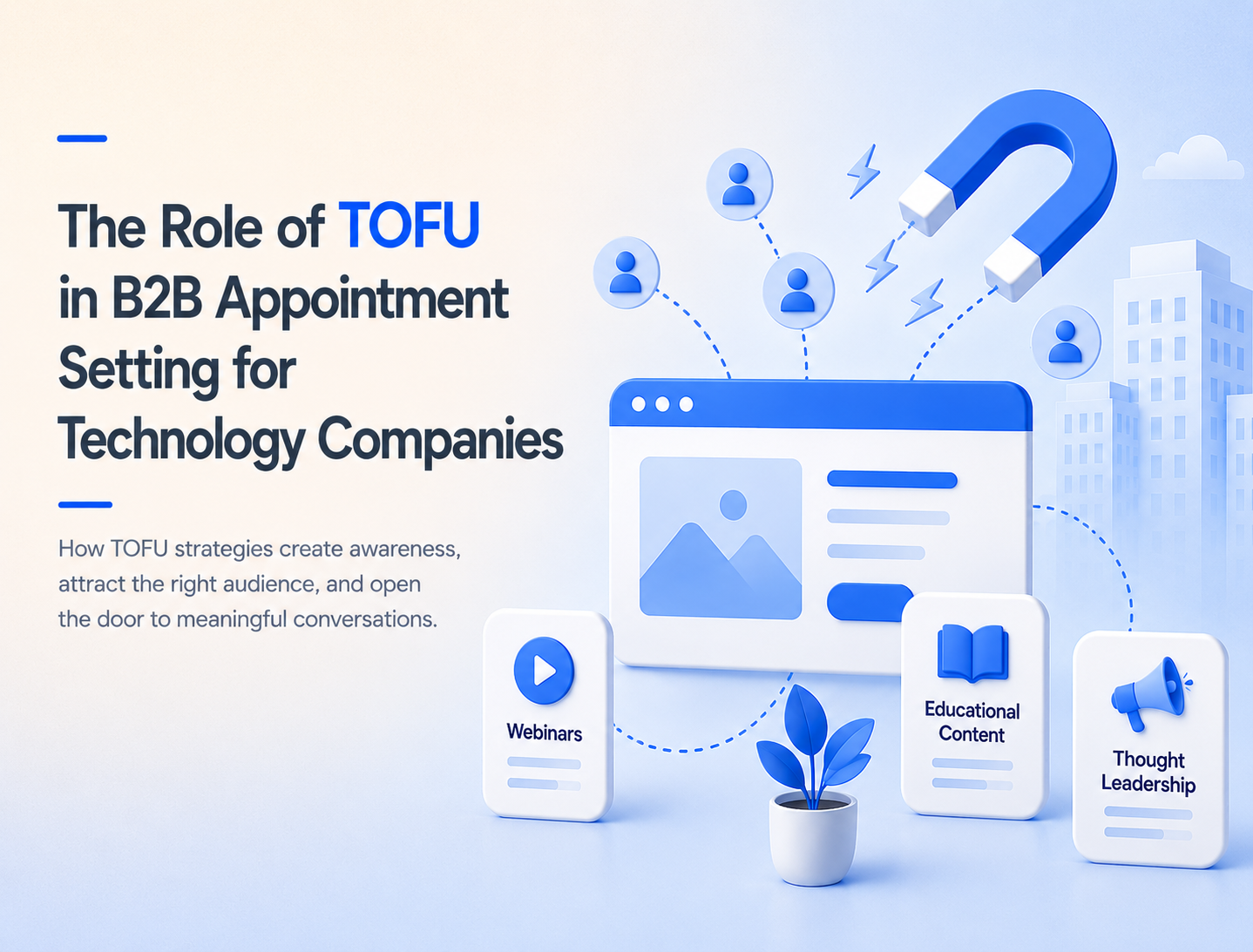
The Role of TOFU in B2B Appointment Setting for Technology Companies
Demand Generation Strategy


Gartner’s Magic Quadrant shapes how buyers evaluate technology vendors—but conversion depends on execution. Learn how Site Ascend uses the Magic Quadrant as an evaluation lens to turn market credibility into qualified, director‑level sales conversations.
-
Demand Generation
Introduction
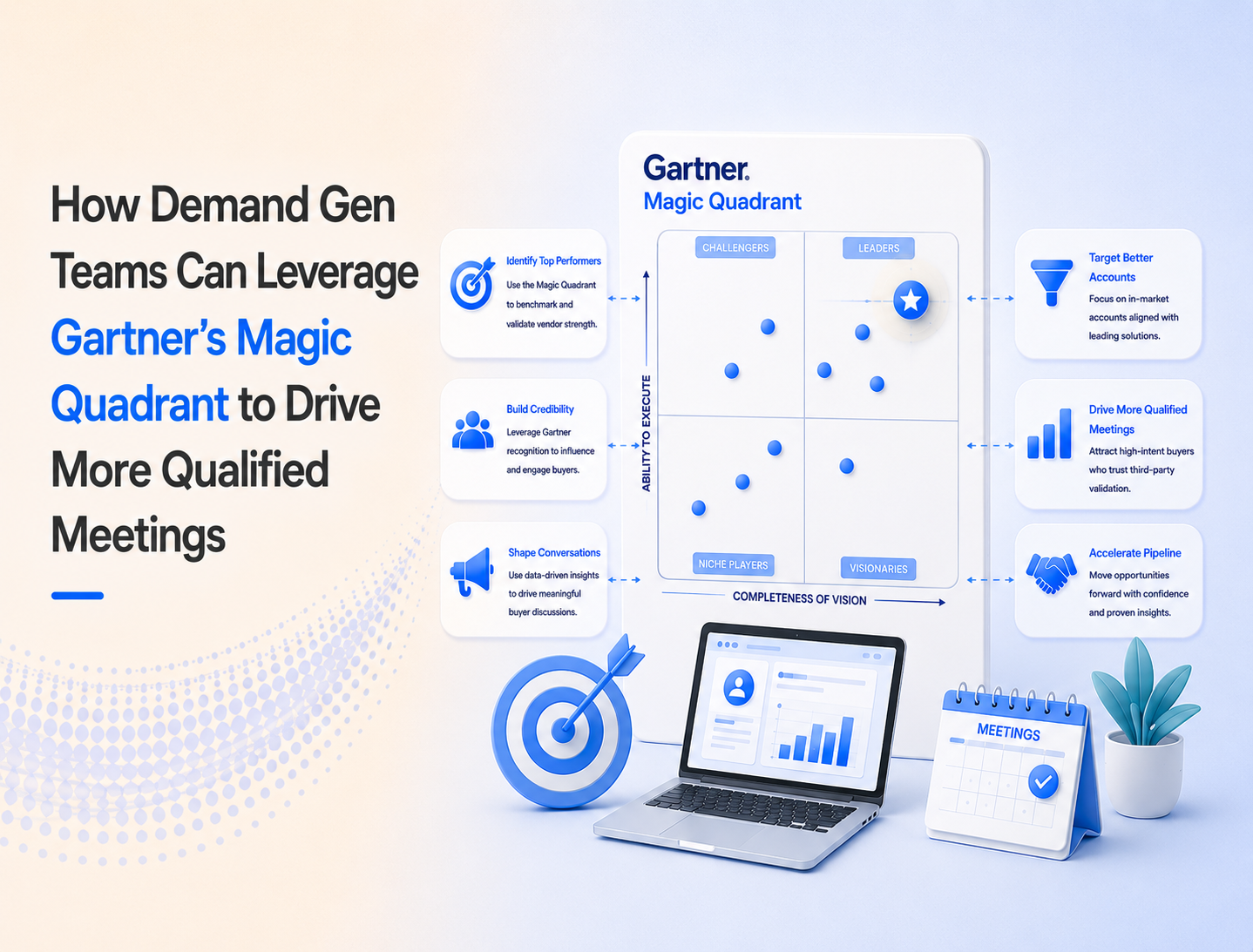
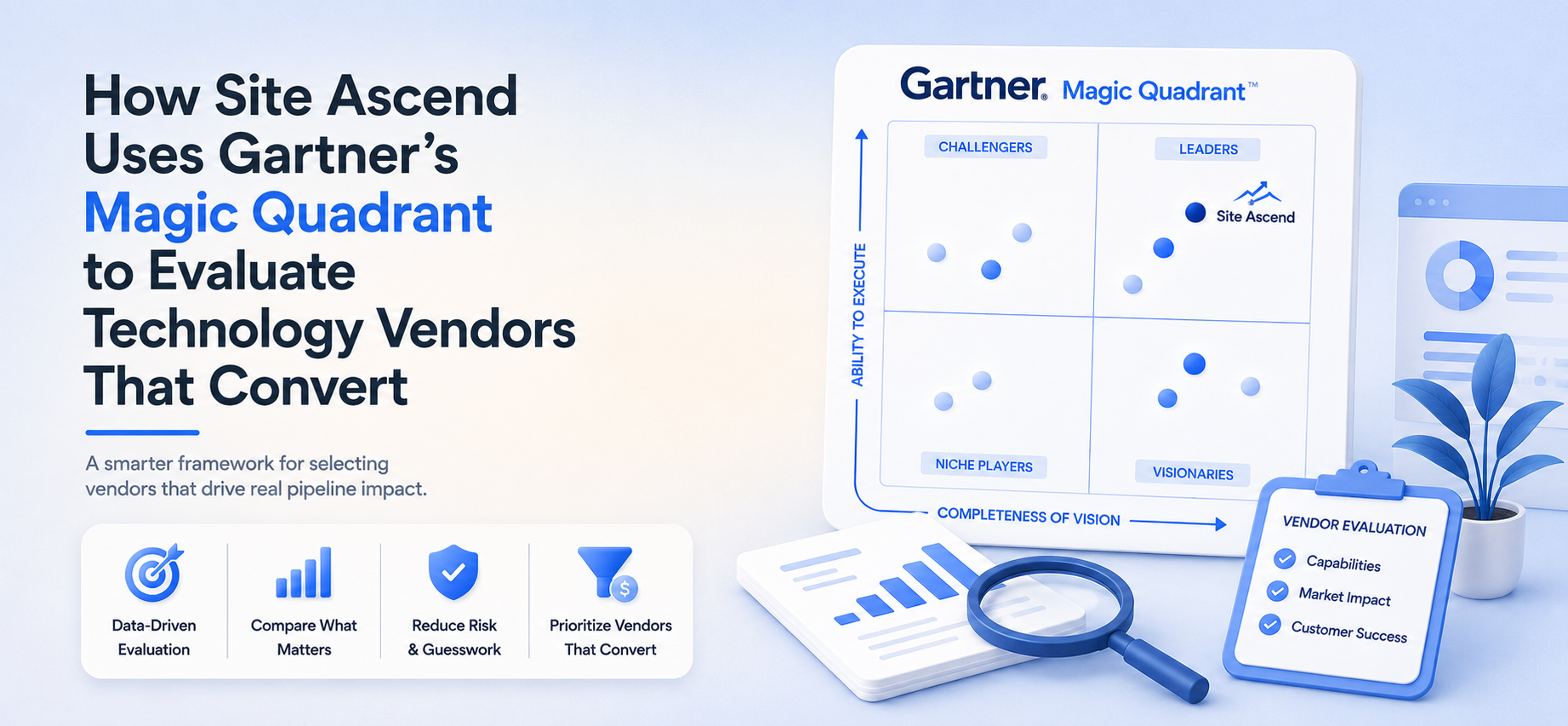
Gartner’s Magic Quadrant is one of the most influential buyer shortcuts in B2B technology. It compresses a complex market into a single visual that leadership teams, procurement, and evaluation committees can reference in minutes.
For demand generation marketers, that visibility can be a tailwind—or a trap.
It’s a tailwind when it helps you earn credibility fast and get into more evaluations. It’s a trap when the organization assumes “we’re on the chart” is enough to create pipeline, or when attention spikes but sales conversations don’t.
At Site Ascend, we treat Gartner’s Magic Quadrant as a useful input—not an outcome.
We use it to evaluate how a technology vendor is likely to be perceived in-market, what objections will show up in early conversations, and which demand motions will convert attention into director-level engagement. The goal isn’t more activity. It’s more meetings that move revenue.
What Gartner’s Magic Quadrant Means for Demand Generation Marketers and Site Ascend’s ICP
Gartner’s Magic Quadrant is a research framework that assesses vendors in a given category based on criteria commonly described as “ability to execute” and “completeness of vision.” In practice, it’s often used as a market credibility signal during evaluation and shortlist creation.
Demand gen leaders see its influence show up in predictable places:
For CMOs, VPs of Demand Generation, ABM leaders, event marketers, and partner/channel marketers, the Magic Quadrant impacts two things that matter operationally:
Perception and access.
Perception determines whether you’re treated as a “safe” vendor or an “interesting” vendor. Access determines whether you can secure time with director-level stakeholders who influence selection.
Most teams focus on perception. The stronger lever is access.
Site Ascend uses Gartner’s Magic Quadrant as part of an evaluation lens to answer a practical question: What will it take for this vendor’s message to convert into qualified conversations?
That question stays relevant whether a vendor is in the Leaders quadrant, elsewhere on the grid, or not included at all.
Common Challenges Marketers Face
The Magic Quadrant creates awareness and credibility. But it also introduces friction that demand gen teams must plan for.
Interest spikes, but lead quality doesn’t
When Gartner-related content drives registrations or form fills, the volume can look strong. The conversion rate into sales conversations often isn’t.
Marketing ends up with a surge of opt-ins that are difficult to qualify, difficult to route, and hard to defend as pipeline-contributing.
“We’re on the Quadrant” becomes a substitute for execution
Leadership wants results quickly after a Magic Quadrant moment—especially around major announcements, competitive shifts, or category momentum.
But the Quadrant doesn’t solve the hard part: getting target accounts to agree to a meeting and move forward.
Sales still struggles to reach director-level stakeholders
Even with a strong market position, decision-makers don’t automatically accept outreach. Many are overwhelmed, guarded, or already evaluating alternatives.
This is where demand gen teams see the gap between marketing signals and real conversations.
Event attendance can become misaligned with sales priorities
Gartner visibility often pushes teams toward high-visibility event activity. The risk is filling sponsored events with broad audiences that don’t match the buying committee sales needs.
Attendance becomes a metric. Conversion becomes a mystery.
Vendor narratives drift from what buyers actually want to hear
Buyers don’t just ask “where are you on the chart?” They ask:
Demand gen teams need messaging that can withstand those conversations—not just headlines.



.png)

%201.png)


.png)


Solutions That Work
This is where Site Ascend’s approach becomes practical. We use Gartner’s Magic Quadrant as a diagnostic layer, then operationalize the right demand motion to produce meetings and qualified pipeline.
1) Use the Magic Quadrant to forecast buyer objections before outreach starts
Different market positions tend to trigger different questions. Site Ascend uses that reality to shape talk tracks and qualification logic, not to debate the research.
Examples of how the Quadrant changes buyer behavior:
When demand teams anticipate these patterns, outreach becomes more credible. Qualification becomes faster. Meetings become more productive.
2) Convert Gartner-driven interest into qualified conversations with Lead Qualification
A common failure mode is treating Gartner-related opt-ins like standard leads.
They aren’t.
Prospects interacting with Gartner-driven messaging are often earlier in evaluation but higher intent. The job is to validate fit and urgency quickly—then convert to sales conversations.
Site Ascend’s Lead Qualification program focuses on converting opt-in leads into qualified sales meetings by confirming the fundamentals that matter to sales:
This is where demand gen teams stop arguing about MQL definitions and start creating opportunities sales recognizes.
3) Secure director-level conversations through Executive Meetings
Once you understand the buyer narrative and have a clear qualification standard, the next constraint is access.
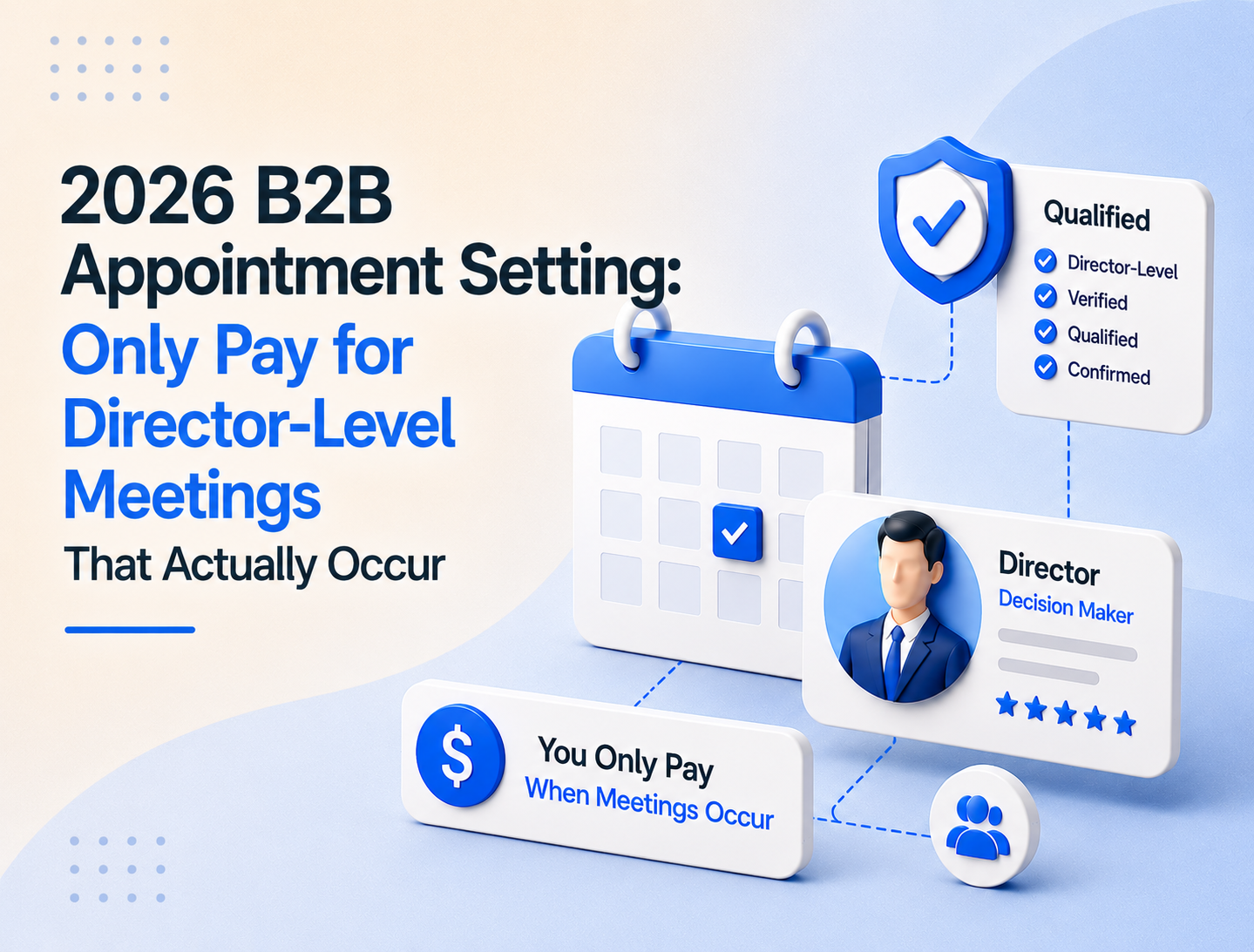
Site Ascend’s Executive Meetings program is designed for 30-minute virtual meetings with director-level and above stakeholders in your target accounts.
This matters because director-level participants are typically:
Site Ascend executes this with a few differentiators that demand gen leaders care about operationally:
4) When Gartner visibility becomes an event motion, control attendee quality through outbound attendee procurement
Gartner moments often push teams into sponsored event activity: executive roundtables, webinars, partner sessions, regional gatherings.
The risk is building an event pipeline that optimizes for registration volume instead of buying-committee relevance.
Site Ascend’s Event Marketing service focuses on attendee procurement using outbound dialing, with an SMS workflow to support registrants through the event date.
Two important clarifications, because execution details matter:
If Gartner positioning is part of your event narrative, outbound attendee procurement gives you more control over who is in the room.
Actionable Steps for Marketers
If you want to use Gartner’s Magic Quadrant as a practical conversion tool—not a branding moment—use this checklist.
A conversion-oriented Gartner’s Magic Quadrant checklist
If you want this operationalized quickly, Site Ascend can run a pilot that turns Gartner-driven interest into qualified meetings, with visibility into what’s working in real time.
Comparison of Market Solutions
Most demand gen teams try to turn Magic Quadrant momentum into pipeline through one of three approaches.
In-house execution
In-house teams can be effective, but they often run into constraints:
Volume-based outsourced lead delivery
Many outsourced models optimize for activity volume and “leads delivered.” This can create friction when sales teams receive contacts that aren’t ready, aren’t influential, or aren’t aligned with target accounts.
The result is predictable: marketing reports output, sales reports disappointment.
Meeting-based execution with accountability
Site Ascend is designed for demand gen leaders who want outcomes tied to real conversations:
This approach fits the reality of Gartner-influenced buying: credibility helps, but conversations close the gap.
Conclusion
Gartner’s Magic Quadrant can open doors. It can validate your category. It can change how buyers perceive you.
But it won’t do the operational work required to convert that momentum into pipeline.
Site Ascend uses Gartner’s Magic Quadrant as an evaluation lens to anticipate buyer objections, sharpen qualification, and choose the right conversion motion—then executes the outreach and attendee procurement required to produce director-level engagement.
If you’re ready to move from market credibility to meetings that convert, Contact Us.
Does Gartner’s Magic Quadrant guarantee pipeline conversion?

If we’re not placed favorably (or not included), should we avoid using the Magic Quadrant in demand?
How does Site Ascend use Gartner’s Magic Quadrant in practice?


Start your pilot campaign today and explore the full range of Site Ascend's demand generation capabilities. Experience firsthand how we can enhance your efficiency, streamline your processes, and drive growth.
RELATED