From Benchmarking to Breakthrough: What Top Tech Teams Do Differently
Pipeline Acceleration


TechTarget intent can show who’s researching—but it can’t book the meeting. Here’s how Site Ascend converts intent signals into director-level meetings that actually occur.
-
Intent Data & Account-Based Demand Generation
Introduction
TechTarget intent can tell you who’s researching—but it can’t tell you who will actually take a meeting. And for demand generation teams accountable for pipeline, that gap matters. Too many programs confuse engagement with availability, then wonder why “hot accounts” stall after the form fill.
In 2026, the winners aren’t the teams with the most intent dashboards. They’re the teams that translate intent into next steps sales accepts, with a process that holds up under enterprise buying behavior: multiple stakeholders, long cycles, crowded calendars, and high scrutiny.
That’s where Site Ascend fits. We don’t sell clicks or “leads delivered.” We operationalize TechTarget intent into meetings that occur—with director-level and above prospects in your target accounts—through a pay-for-outcome model that reduces lead risk.
What TechTarget Intent Means for Demand Gen Marketers (and Site Ascend’s ICP)
TechTarget intent is best understood as a research signal: a set of behaviors that suggest an account—or a person at that account—is consuming relevant content and exploring a problem space.
For demand gen leaders, it’s useful because it helps answer three questions:
What it doesn’t solve on its own:
Site Ascend’s model assumes intent is inputs, not outcomes. Intent helps you prioritize. Site Ascend helps you convert.
Common Challenges Marketers Face
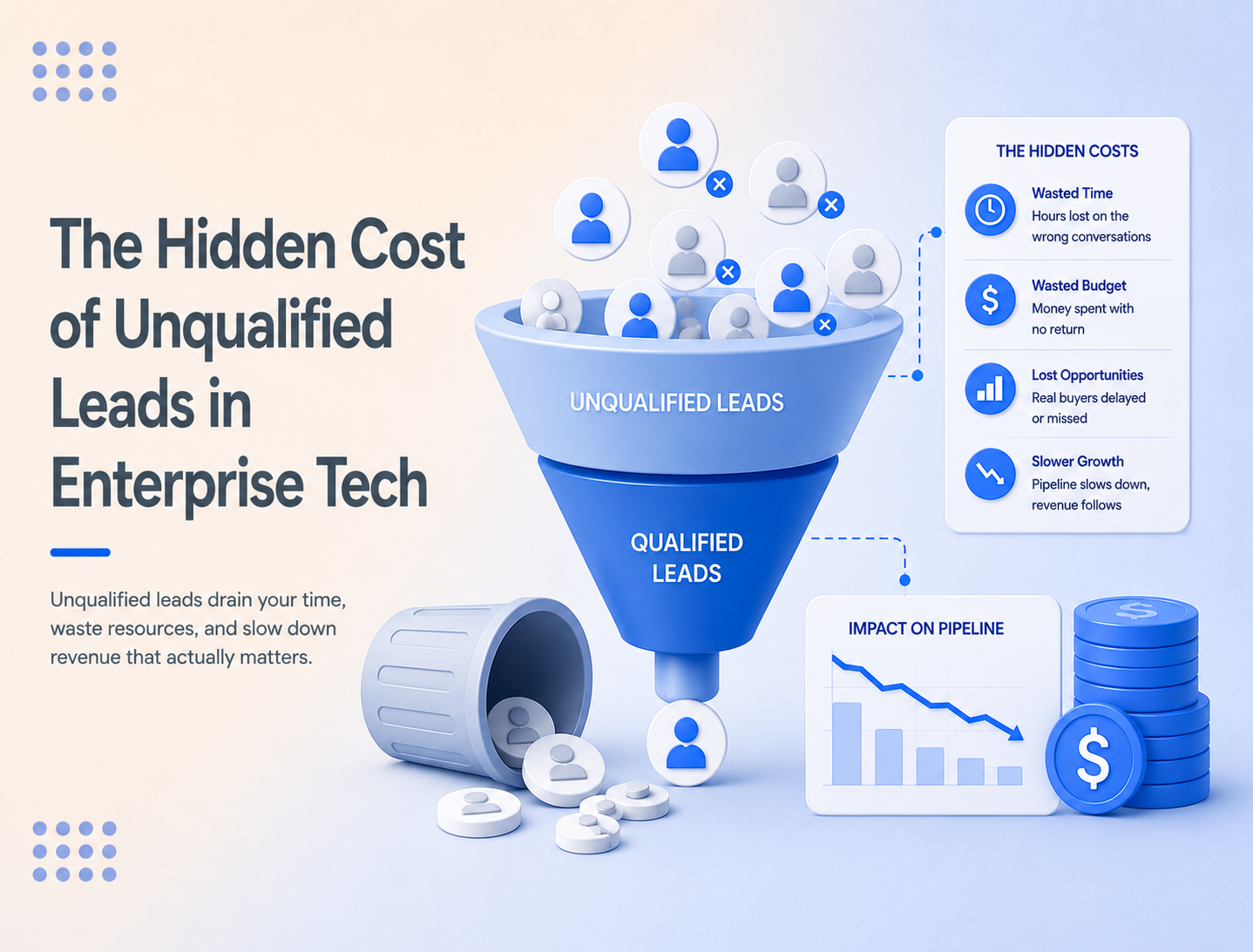
Most TechTarget-enabled programs run into predictable failure points—not because intent “doesn’t work,” but because execution breaks between signal and meeting.
1) Intent dashboards don’t equal reachable contacts
Knowing “the account is researching” doesn’t mean you have the right names, direct lines, or a path to director+ stakeholders.
2) SDR bandwidth gets swallowed by low-conversion follow-up
If reps are chasing dozens (or hundreds) of “warm” accounts with inconsistent pickup rates and unclear next steps, the program becomes expensive fast.
3) Sales distrusts the handoff
When “qualified” means interested instead of available and relevant, sales learns to treat intent leads as noise—especially in enterprise.
4) Meetings get scheduled, then disappear
Even when a meeting is booked, show rates can suffer if confirmation workflows are weak or if the meeting value isn’t clear to the prospect.
5) Channel and event motions stall without an execution engine
Intent can inform which partner accounts to target or who to invite to events—but it can’t run the outreach, confirm attendance, or qualify responses into meetings.



.png)

%201.png)


.png)


Solutions That Work
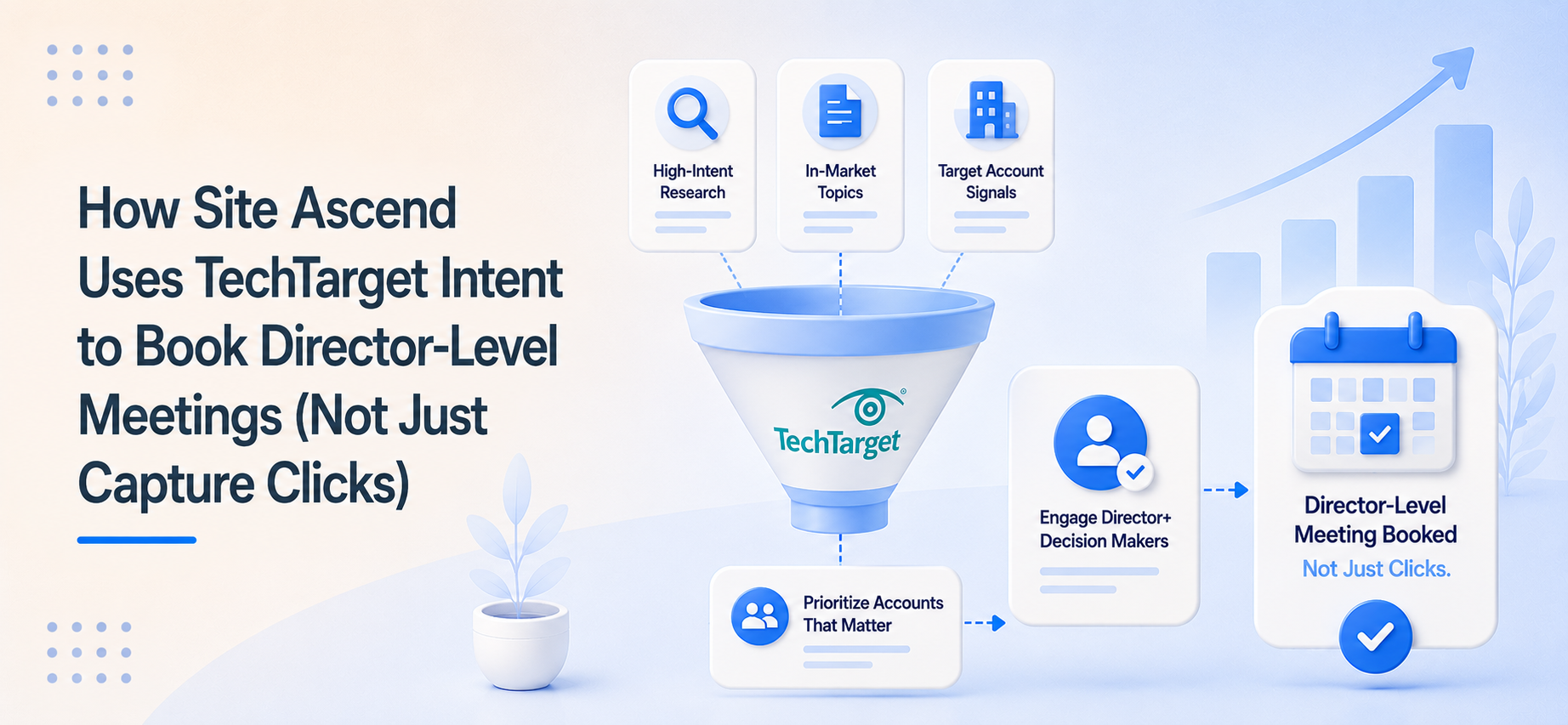
Site Ascend solves the conversion gap by treating TechTarget intent like a routing layer into four outcome programs—each designed around one core principle: only pay for meetings that occur.
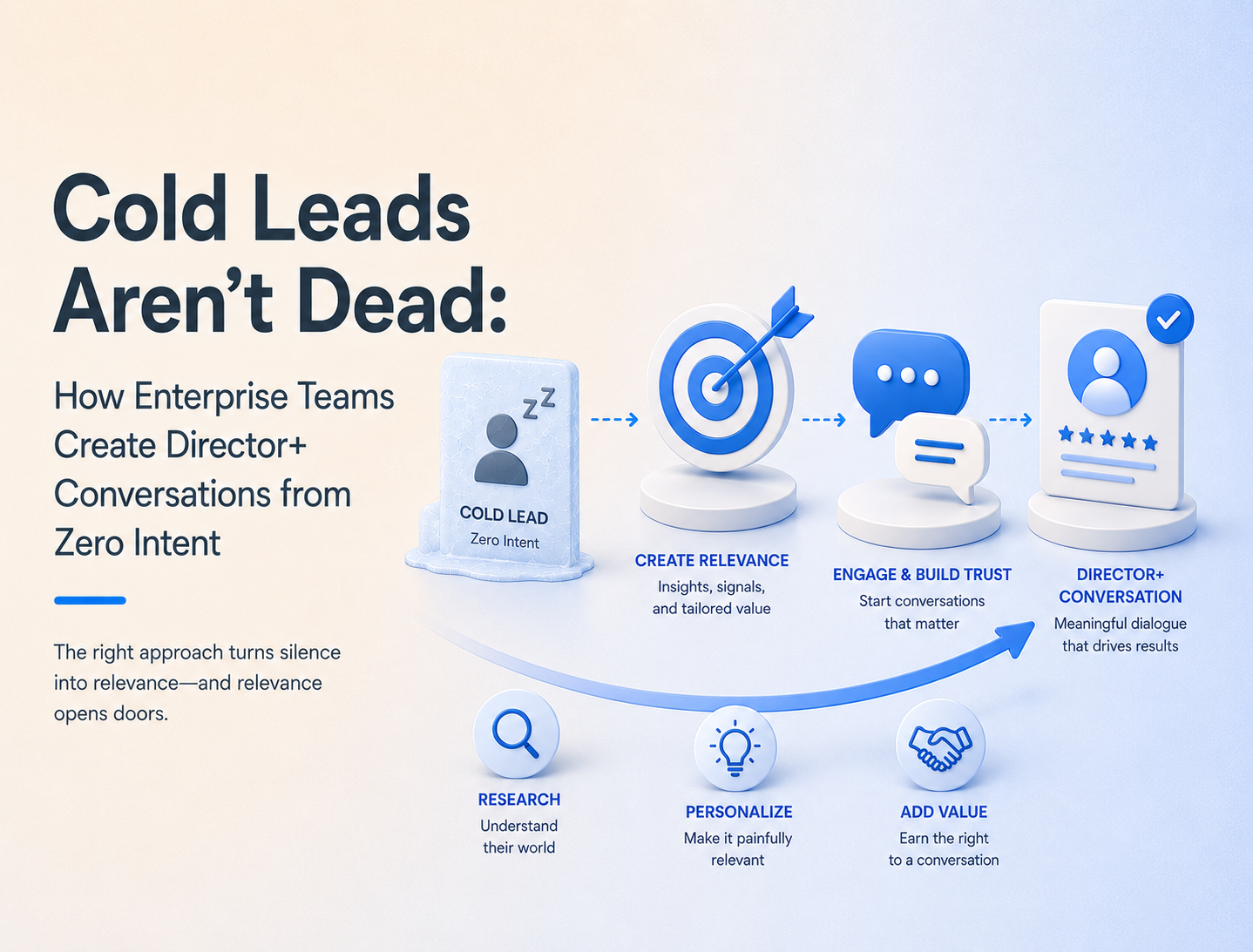
1) Executive Meetings: Convert intent into director+ conversations
When TechTarget flags accounts showing relevant research behavior, Site Ascend can operationalize that priority list into 30-minute virtual executive meetings with director-level and above contacts at your target accounts.
What’s different operationally:
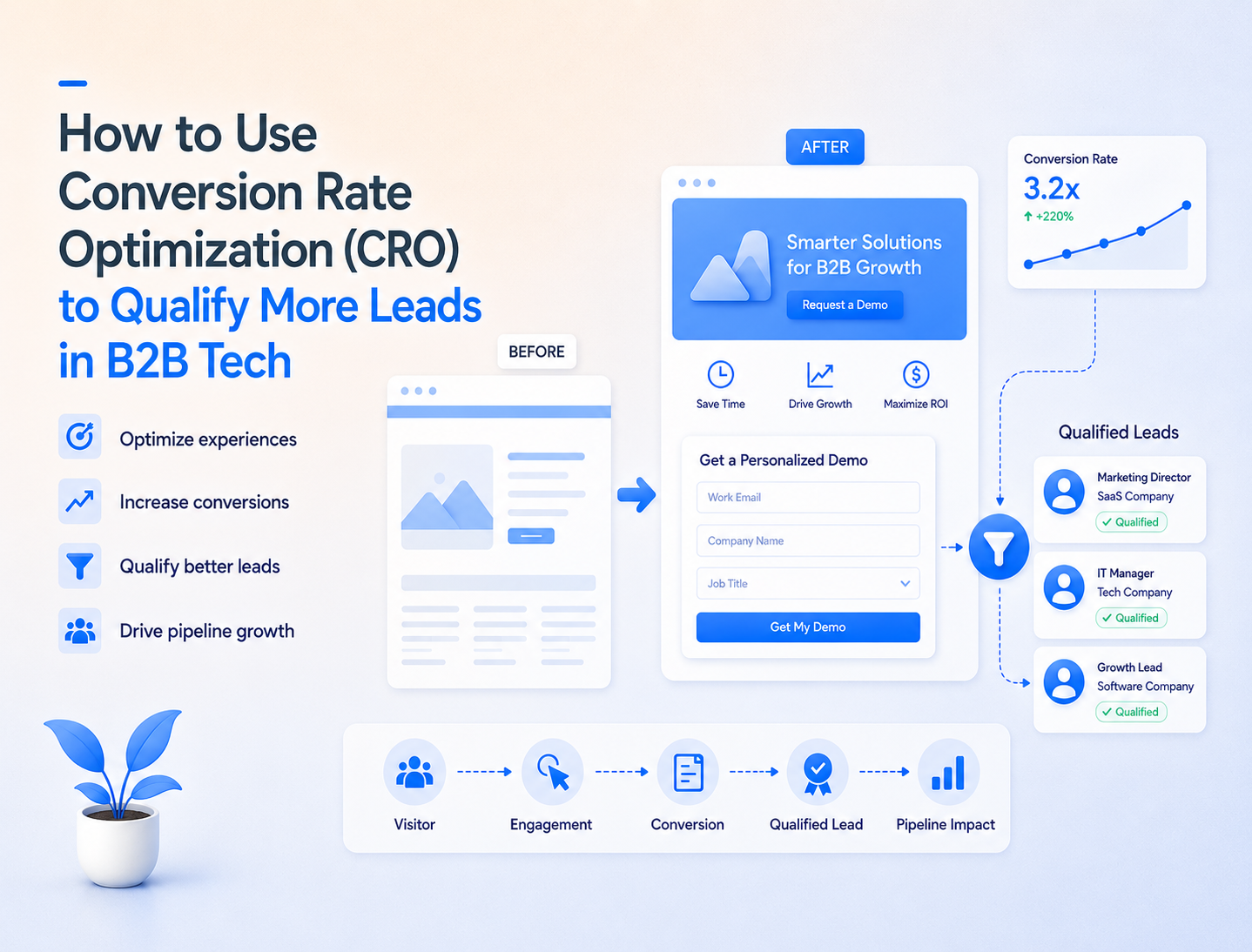
2) Lead Qualification: Turn opt-ins into sales-accepted next steps
TechTarget-driven responses often include opt-ins: content requests, downloads, or webinar registrations. Site Ascend converts those opt-ins into qualified sales meetings by running structured outreach that clarifies:
3) Event Marketing: Use intent to invite smarter—and confirm harder
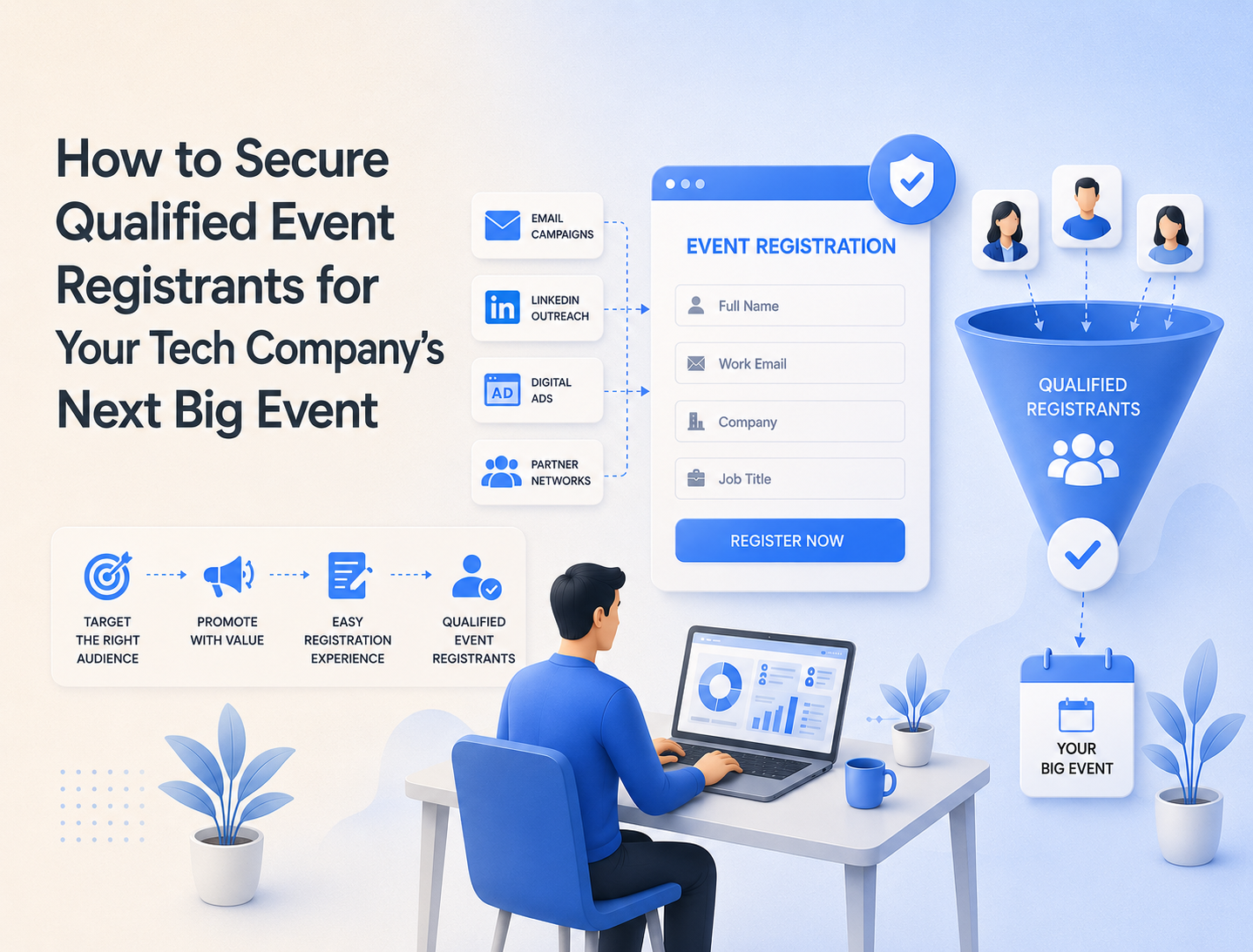
For sponsored events, intent is valuable for deciding who to invite. But event success depends on who actually registers and shows up. Site Ascend focuses on driving registrants via outbound dialing, then uses an SMS workflow for support through the event date.
Important guardrails (by design):
4) Channel Marketing: White-labeled execution for partner-led demand
If TechTarget signals are being shared into partner ecosystems, Site Ascend supports channel motions with white-labeled appointment setting, often funded via MDF—so partners see outcomes while you maintain brand continuity and control.
Competitive advantages that matter in intent conversion
Across these programs, Site Ascend is built for the outcomes demand gen teams get measured on:
Actionable Steps for Marketers
Use this checklist to turn TechTarget intent into meetings—not just activity.
A practical TechTarget-to-meeting conversion checklist
If you want to operationalize this without draining SDR capacity, Site Ascend can run the conversion layer end-to-end and report on it in real time.
Comparison of Market Solutions
Most teams try to solve the TechTarget conversion gap in one of three ways. Each can work—but the tradeoffs are real.
Example 1: The Procurement View
When procurement evaluates “intent-to-meeting” solutions, they’re typically measuring three outcomes:
Outcome 1: Lower financial risk per pipeline outcome
Outcome 2: Higher reliability and compliance in execution
Outcome 3: Better stakeholder quality for sales acceptance
Conclusion
TechTarget intent is a powerful signal—but it’s not pipeline. Pipeline happens when a qualified stakeholder shows up for a real conversation and sales agrees it’s worth continuing.
If your TechTarget program is generating activity but not meetings, the fix isn’t another dashboard. It’s an execution layer that converts research into meetings that occur, without burning SDR time or inflating lead risk.
If you want to test this approach, run a short pilot with Site Ascend: route a defined set of TechTarget intent accounts into an outcome-based meeting motion, measure acceptance and show rates, and scale what works.
Should TechTarget intent go to SDRs or marketing?

What’s the biggest reason intent-driven leads don’t convert to meetings?
How does Site Ascend reduce “lead risk” from intent programs?


Start your pilot campaign today and explore the full range of Site Ascend's demand generation capabilities. Experience firsthand how we can enhance your efficiency, streamline your processes, and drive growth.
RELATED