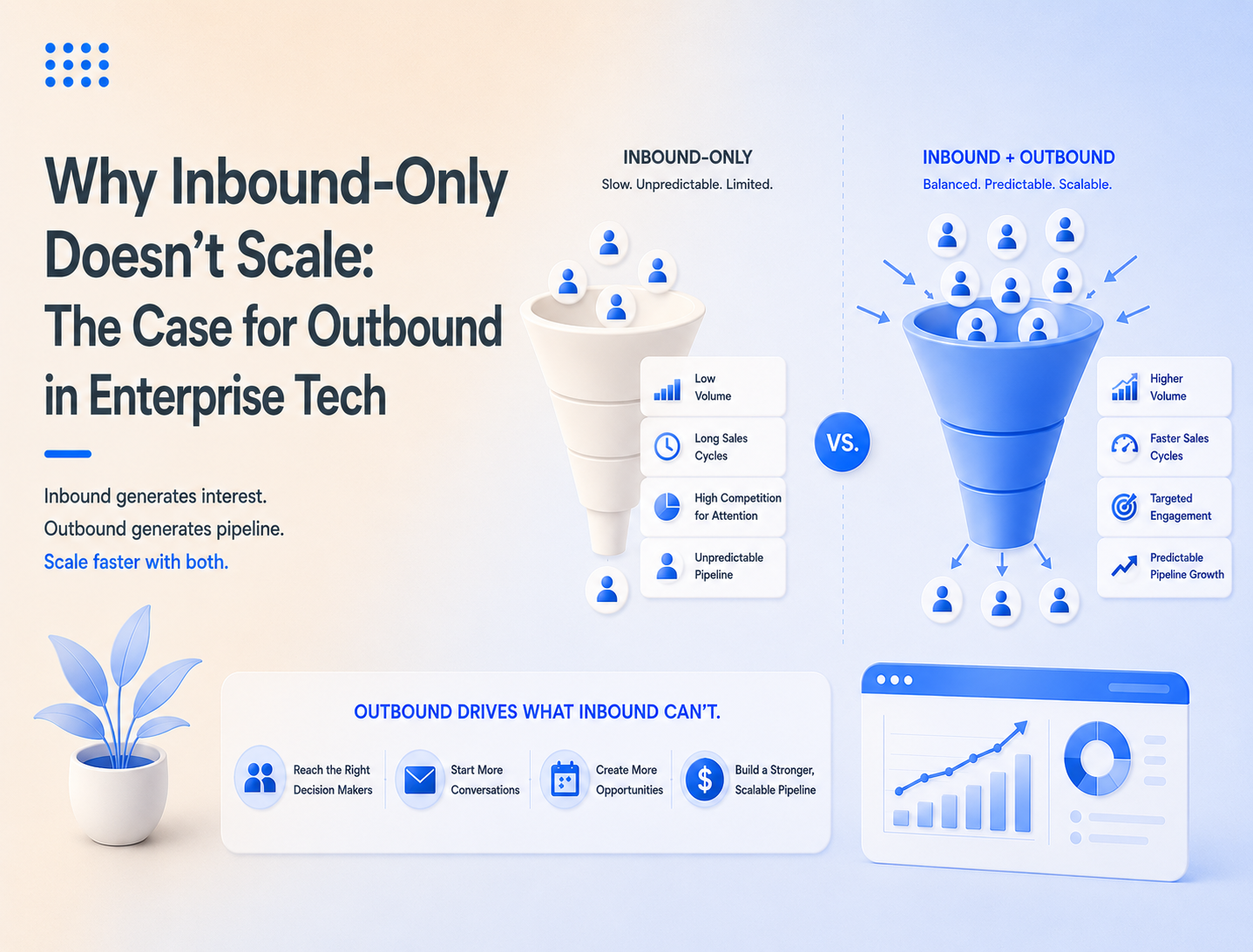
Why Inbound-Only Doesn’t Scale: The Case for Outbound in Enterprise Tech
Demand Generation Strategy


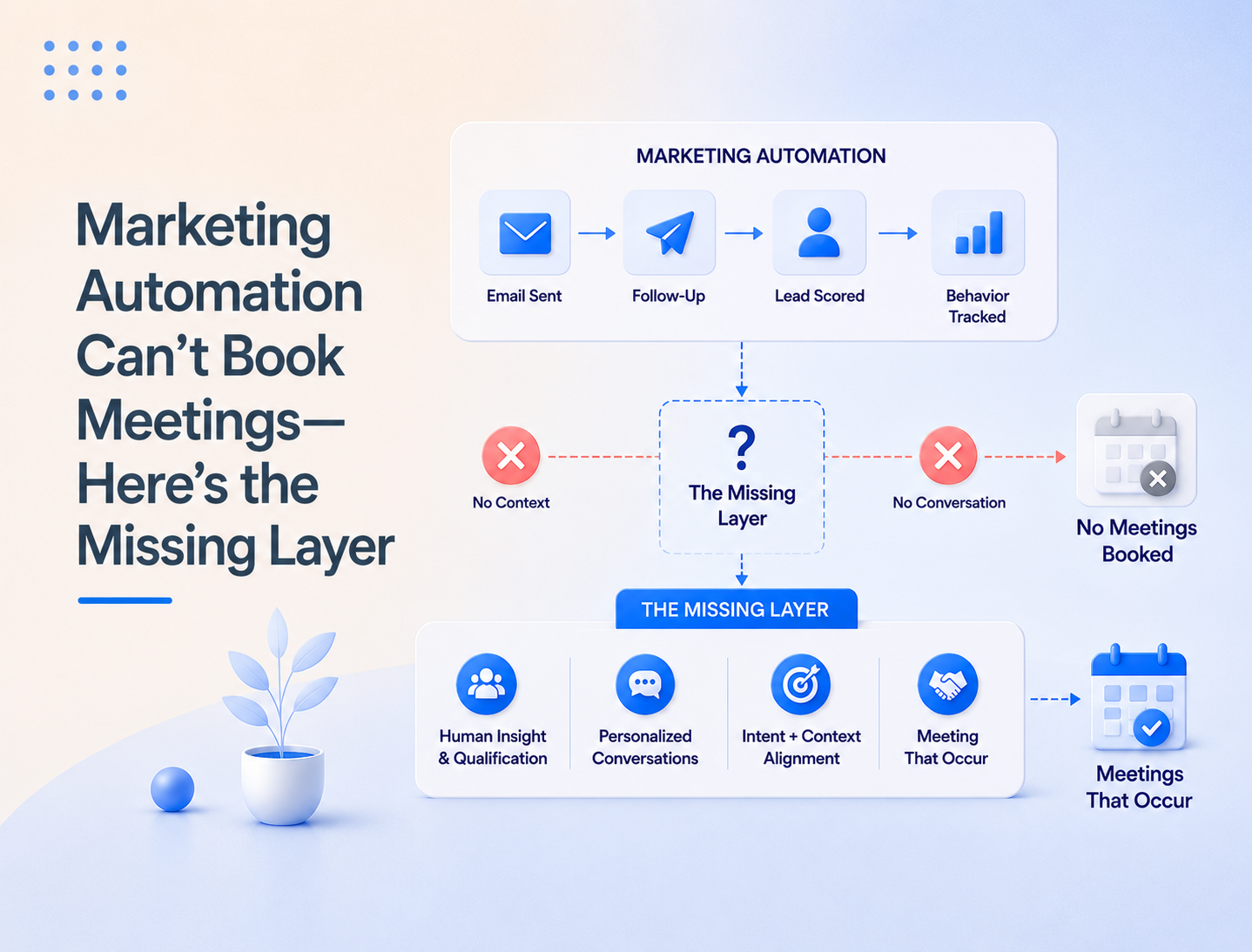
BOFU doesn’t fail because you didn’t generate enough leads—it fails because the last mile breaks. This post shows why paying for “leads delivered” keeps the risk on your team, and how an outcomes model built around meetings that occur improves sales acceptance, reduces no-shows, and creates pipeline you can actually forecast.
-
Demand Generation
Introduction
BOFU is where most demand gen teams feel the most confident—and where the most expensive mistakes happen.
At the bottom of the funnel, you’re not trying to manufacture awareness. You’re trying to convert late-stage interest into the one outcome that actually moves pipeline forward: a real sales conversation that happens. Yet many teams still measure BOFU success the same way they measure TOFU—by volume. More “leads delivered.” More “MQLs created.” More “handoffs completed.”
The problem is that BOFU doesn’t fail because you didn’t generate enough records. BOFU fails because the last mile breaks: the wrong persona, unclear next step, weak scheduling discipline, poor confirmation, no-show risk, and sales skepticism about what marketing is sending.
This is exactly why Site Ascend is built differently: only pay for meetings that occur, with director-level and above targeting, supported by an all U.S.-based contact center, white-labeled outreach, and real-time reporting. BOFU is not the place to pay for activity. It’s the place to pay for outcomes.
What BOFU Means for Demand Generation Marketers (and Site Ascend’s ICP)
In theory, BOFU means “ready to buy.” In practice, BOFU means something narrower and more operational:
BOFU = ready to take a meeting and progress to a second call.
That definition matters because modern B2B buying is committee-driven and asynchronous. “Interest” can be real without being scheduled. “Intent” can be present without being prioritized. And “a lead” can exist without any commitment to next steps.
For demand gen leaders—VP/Director of Demand Gen, ABM, Revenue Marketing, Field, Partner, or Event Marketing—BOFU performance is judged on two standards:
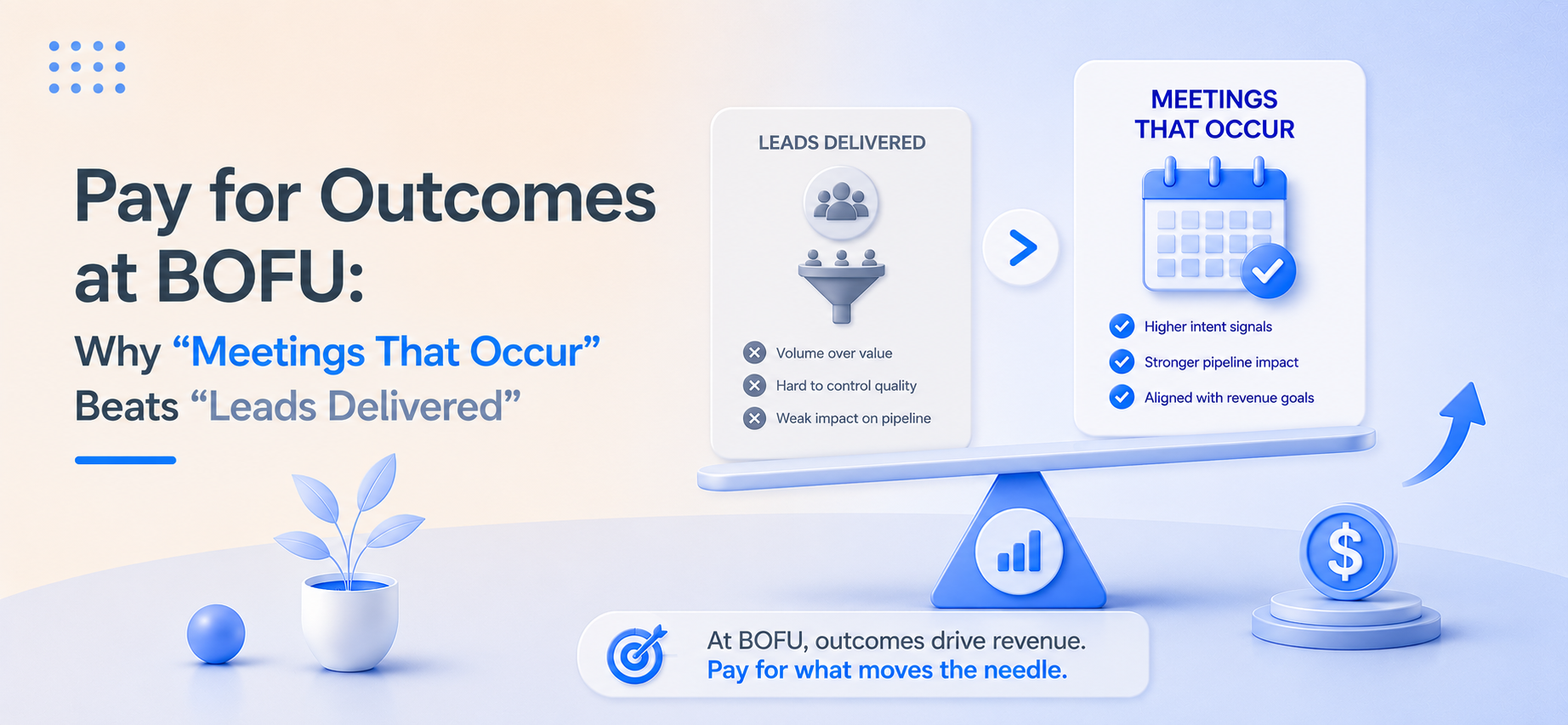
A “lead delivered” is, at best, a signal. A meeting that occurs is an outcome.
Common Challenges Marketers Face
1) Late-stage leads are “high intent” but low commitment
Plenty of BOFU leads will take a demo request, download a pricing guide, or attend a webinar—then disappear when it’s time to meet. The signal was real. The scheduling path was weak.
2) Sales distrusts marketing’s BOFU definition
If sales has been burned by no-shows, mismatched personas, or “booked” meetings that weren’t actually validated, they’ll stop treating BOFU as BOFU. You’ll feel it immediately in slower follow-up and lower acceptance.
3) The last mile is operationally heavy
BOFU conversion is not one touch. It’s multiple touches, timing discipline, confirmation workflows, and rescheduling recovery. Most SDR teams don’t have spare capacity to run that operational layer consistently—especially when they’re also expected to prospect.
4) Channel and event BOFU leaks quietly
Partner-sourced and event-sourced leads often arrive with ambiguity: ownership, follow-up SLAs, and unclear qualification criteria. That ambiguity is where leads go stale.
5) “Leads delivered” hides the real risk
Counting leads treats all records as equal. But BOFU risk lives in the variance: the 30–60% that never connect, the 20–40% that never schedule, and the no-show layer that wrecks trust.



.png)

%201.png)


.png)


Solutions That Work
The fix is not “more nurture” or “more content.” BOFU is where motion matters: targeting, outreach, qualification, scheduling, confirmation, and accountability.
Executive Meetings: outcome-based BOFU conversion
Site Ascend’s Executive Meetings program is designed for the BOFU reality: you’re converting late-stage interest into scheduled conversations with director+ stakeholders—and you only pay when the meeting occurs.
What changes when you pay for meetings that occur?
Lead Qualification: turning opt-ins into sales-accepted next steps
For inbound BOFU signals—demo requests, event registrations, content opt-ins—Site Ascend focuses on the step most teams under-resource: qualification that produces a credible next step.
This is not generic “lead scoring.” It is conversion work:
Event Marketing: attendee procurement that supports BOFU outcomes
Events are often treated as a top-of-funnel play. But for enterprise demand gen, events can be BOFU accelerators—if the right people attend and show.
Site Ascend supports event outcomes by focusing on what drives attendance:
Importantly, Site Ascend is focused on driving registrants and attendance, not day-of-event services.
Channel Marketing: white-labeled outreach that converts partner demand into outcomes
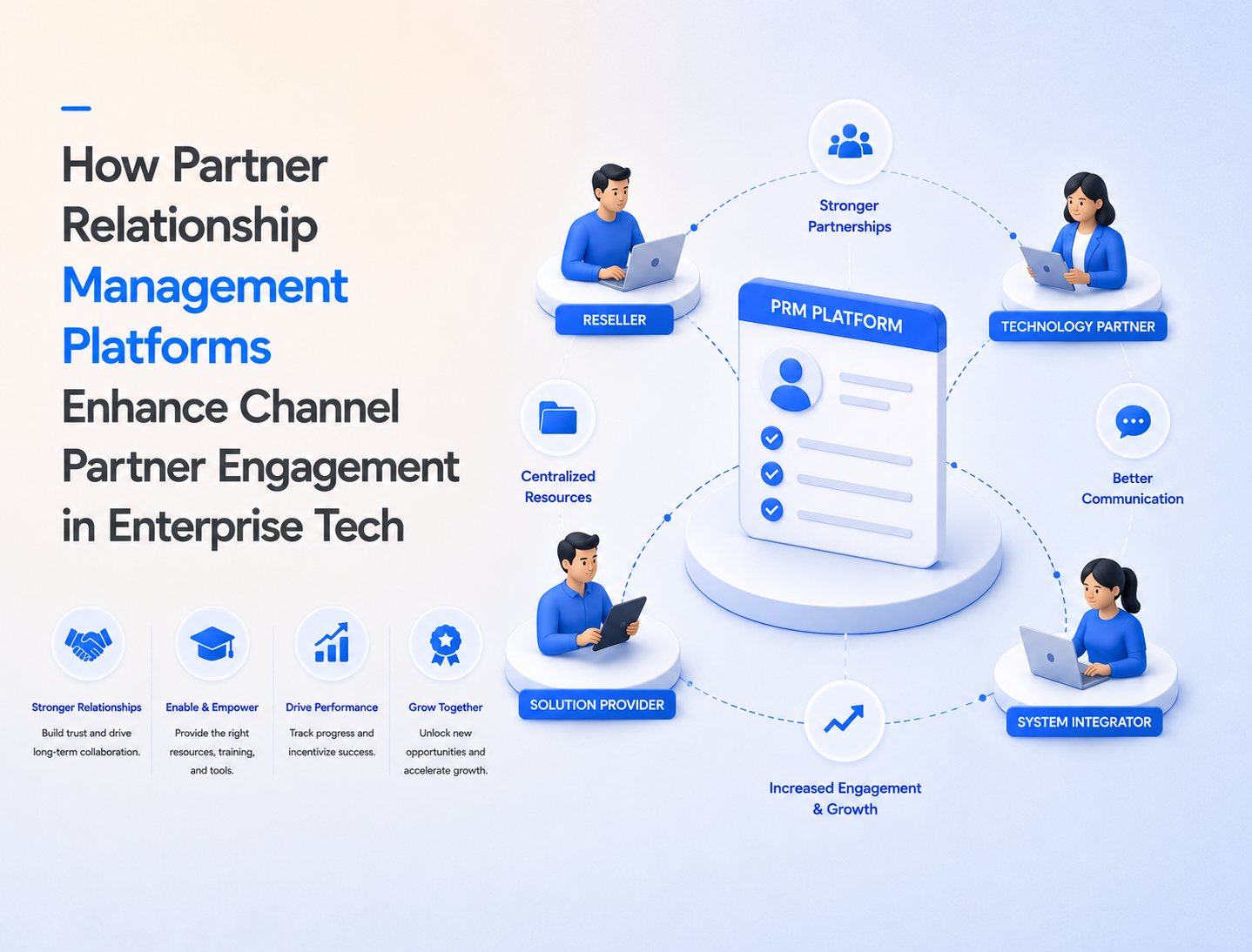
Channel programs frequently generate “leads delivered” that never turn into meetings because follow-up ownership is unclear. Site Ascend solves this by providing white-labeled appointment setting, often supported by MDF, so partner demand is converted into real conversations—without confusing the end customer or introducing channel conflict.
Real-time reporting: stop managing BOFU in hindsight
BOFU failure is usually visible early—if you have operational visibility. Site Ascend’s real-time reporting supports faster intervention:
Actionable Steps for Marketers
Use this checklist to upgrade BOFU from “lead delivery” to “meeting outcomes.”
The BOFU Outcome Checklist
1) Define BOFU as a meeting standard—not a lead status
2) Split BOFU into three operational stages
3) Build a no-show prevention workflow
4) Standardize handoff requirements to sales
5) Choose a partner who is accountable to outcomes
If your provider is paid on leads, they’ll optimize for volume. If they’re paid on meetings that occur, they’ll optimize for conversion discipline.
Comparison of Market Solutions
Most BOFU approaches fall into three buckets. Here’s how to evaluate them using procurement outcomes that matter.
Example 1: The Procurement View
Outcome 1: Reduce performance risk
Outcome 2: Improve operational efficiency
Outcome 3: Increase forecastable pipeline contribution
This is why Site Ascend’s model (pay only for meetings that occur, director+ targeting, U.S.-based outreach, white-labeled execution, and real-time reporting) maps cleanly to BOFU priorities: risk reduction, efficiency, and predictable outcomes.
Conclusion
BOFU is not a volume game. It’s an outcomes game.
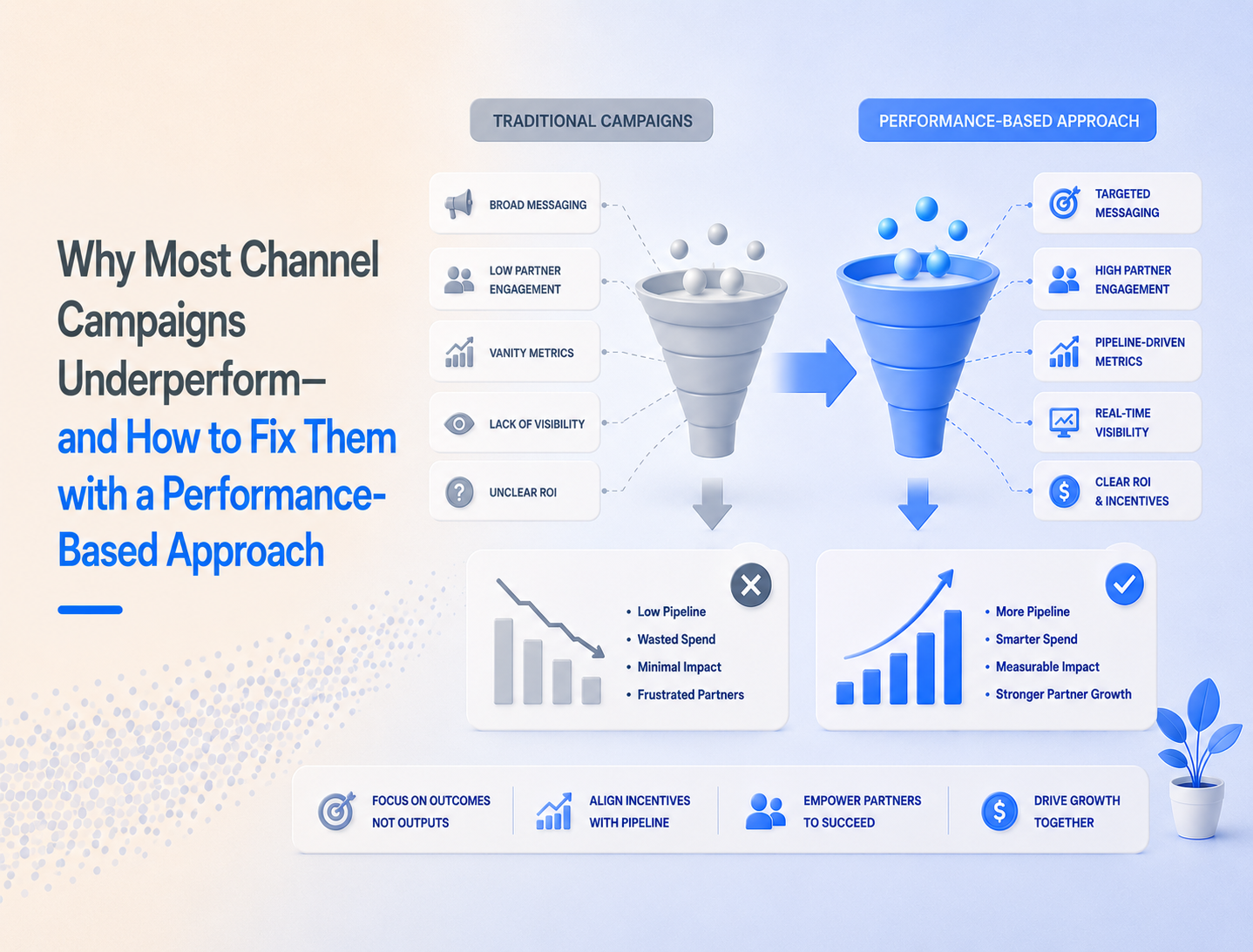
If your current BOFU motion optimizes for “leads delivered,” you’re paying for activity and inheriting all the risk: low connect rates, weak commitment, no-shows, and sales skepticism. When you shift the model to meetings that occur, incentives align around the only metric that matters at the bottom of the funnel: real conversations with the right stakeholders.
If you want BOFU performance that sales trusts and pipeline math that holds up, run a pilot built around outcomes—not activity. If you’re ready to start a pilot, Site Ascend will build the program around meetings that occur.
What’s the difference between “booked meetings” and “meetings that occur”?

Why does sales reject BOFU leads that look “high intent”?
How do you protect BOFU conversion without overloading SDRs?


Start your pilot campaign today and explore the full range of Site Ascend's demand generation capabilities. Experience firsthand how we can enhance your efficiency, streamline your processes, and drive growth.
RELATED