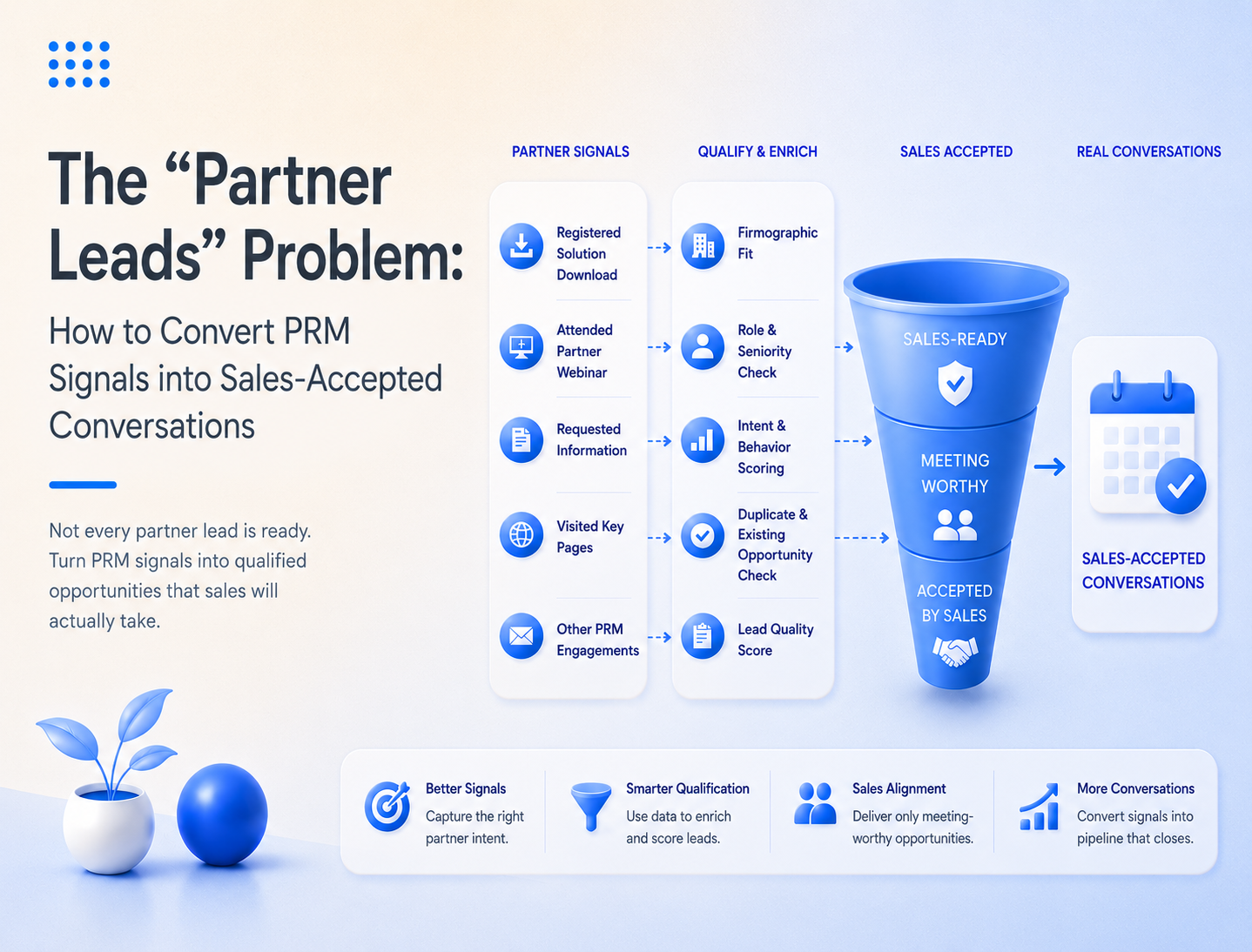
The “Partner Leads” Problem: How to Convert PRM Signals into Sales-Accepted Conversations
Channel Marketing


Lead volume is rising, but pipeline speed is slowing. Explore why deals stall in the mid-funnel and how demand gen leaders are closing the pipeline acceleration gap with fast, human engagement that turns signals into director-level meetings and real momentum.
-
Pipeline Acceleration
Introduction
Most demand generation teams at tech companies know this feeling too well: the dashboard says leads are up, engagement is healthy, and campaigns are doing their job. But the pipeline tells a different story. Opportunities aren’t advancing. Sales cycles are stretching. Forecasts feel squishy.
It’s not that demand gen stopped working. It’s that the market changed underneath it.
In 2025, the biggest threat to pipeline isn’t awareness or even lead flow — it’s momentum. Buyers move in short bursts. Buying committees are larger and more cautious. And attention is harder to earn at every stage, especially once an account is “in motion” but not yet committed.
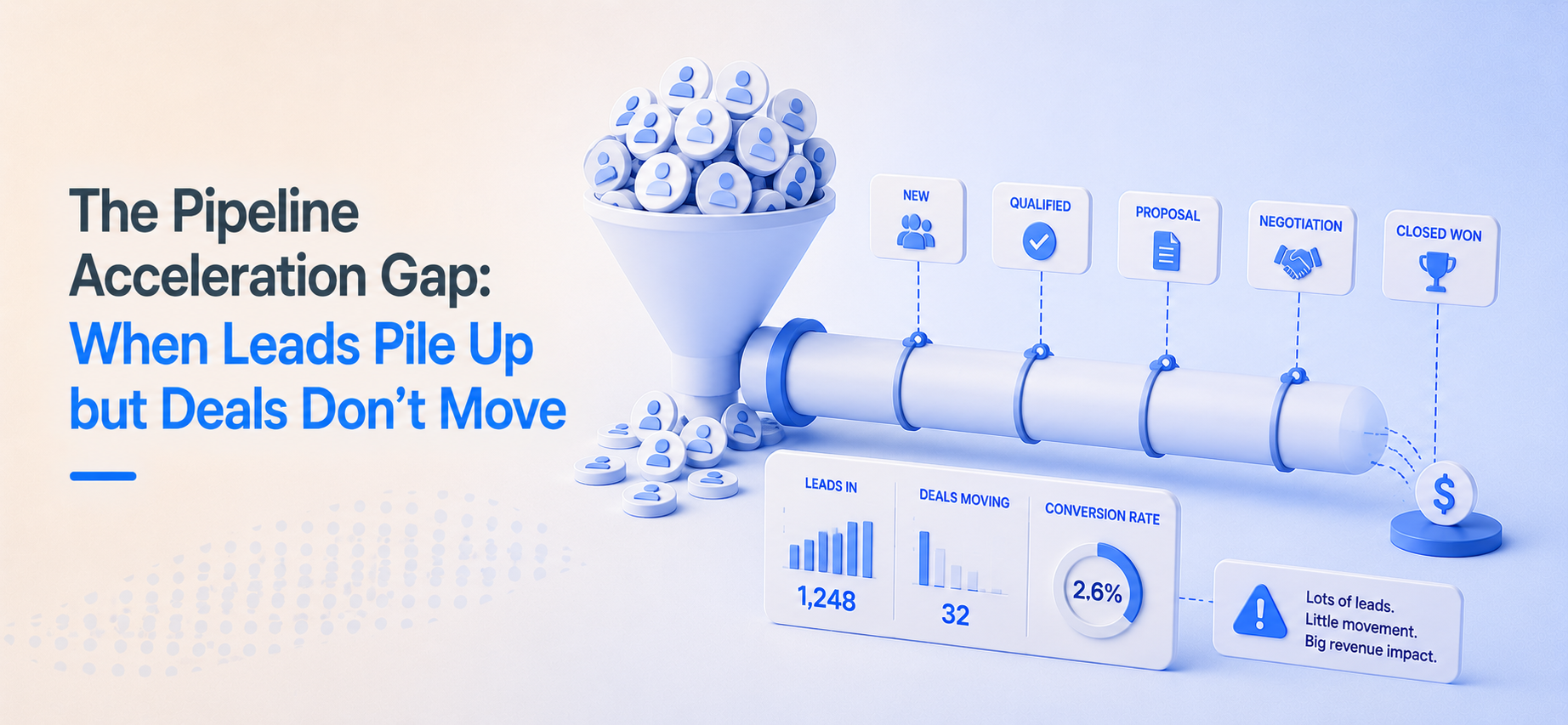
That’s the pipeline acceleration gap: the widening space between interest and action, where leads pile up and deals slow down.
The teams cracking this gap aren’t running wildly new strategies. They’re reinforcing the funnel with something modern demand gen has underweighted for too long: fast, human engagement that turns signals into conversations and conversations into movement.
What Pipeline Acceleration Means for Demand Generation Marketers and other titles that meet Site Ascend’s ICP
Pipeline acceleration isn’t a single tactic. It’s the ability to compress time between stages — from first touch to qualified conversation, from conversation to opportunity, from opportunity to close.
For demand gen leaders, acceleration means your engine doesn’t just create volume at the top. It creates forward motion all the way through the funnel, especially in the mid-funnel where most speed is lost.
In practice, pipeline acceleration looks like:
Acceleration is not about pushing buyers. It’s about meeting them at the moment they’re ready to move — and having the human bandwidth to act while that moment is still alive.
Common Challenges Marketers Face
Pipeline stalls for a few predictable reasons, and most of them have nothing to do with marketing creativity.
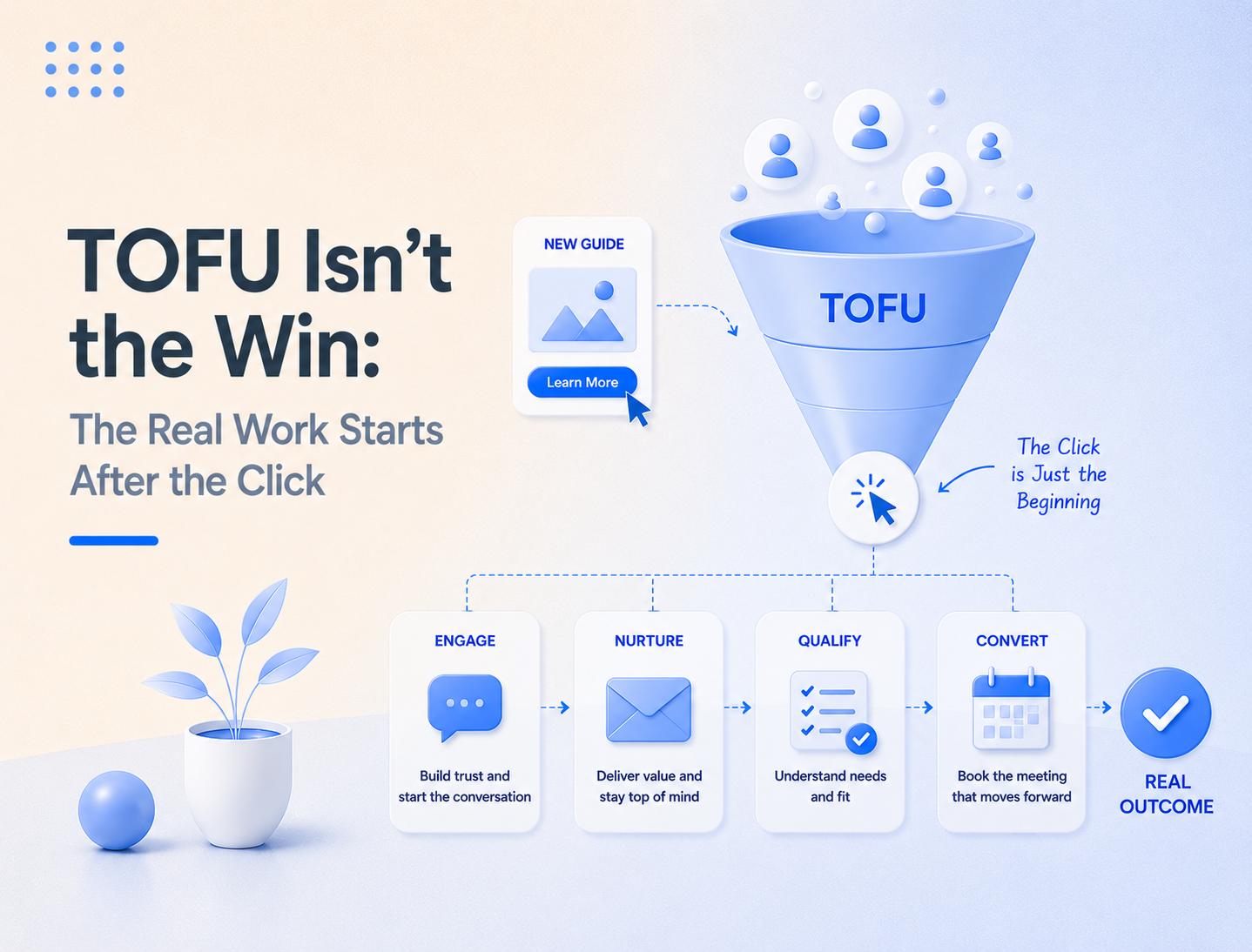
The first is mid-funnel decay. Campaigns generate engagement, but follow-up is slow or inconsistent. A buying signal comes in, a lead downloads a high-intent asset, a director-level prospect shows interest — and then nothing happens quickly enough to capitalize. Internal SDR teams can’t chase every moment, so buyers cool off in the gap.
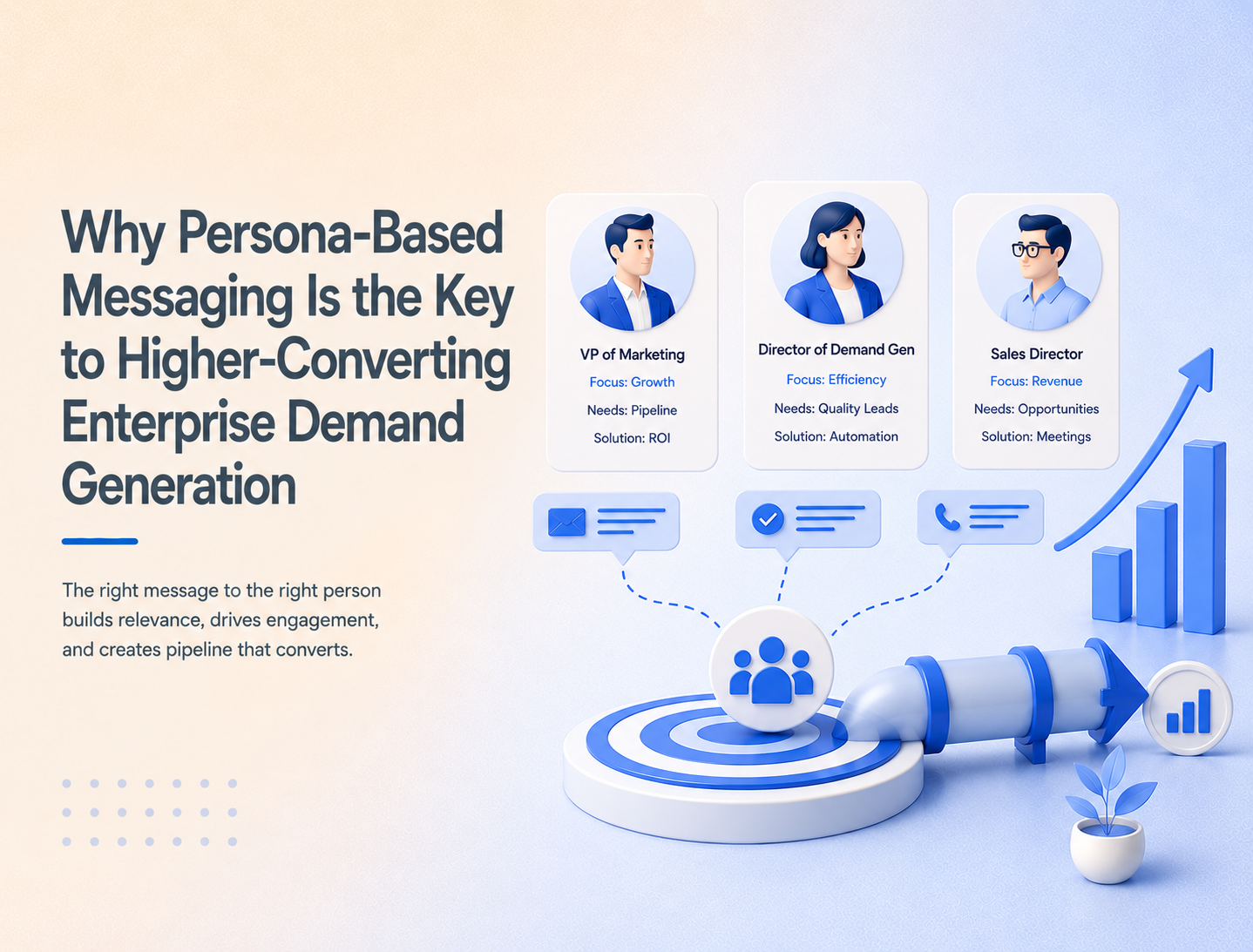
The second is persona mismatch. Lead volume grows, but seniority doesn’t. Marketing gets conversions, event registrations, and inbound activity — yet too many are from non-decision makers. Sales inherits the burden of sorting, which slows velocity and creates friction across teams.
Events create another acceleration trap. Registration is treated as conversion, but attendance and post-event meetings are the real velocity drivers. Without human confirmation and follow-through, event leads get stuck in limbo.
Partner programs face a similar issue. Partners can generate interest, but they often don’t have the operational depth to sustain follow-up. Interest turns into delayed action, delayed action turns into stalled opportunities.
Across all of it, the same pattern repeats: signals arrive faster than teams can act on them.



.png)

%201.png)


.png)


Solutions That Work
The teams accelerating pipeline in 2025 are building a performance layer into their funnel — a human engagement engine that operates at the speed buyers require.
This is where Site Ascend fits naturally. Instead of letting leads sit in nurture or waiting for internal bandwidth to free up, demand gen teams use Site Ascend to activate buying signals quickly and consistently.
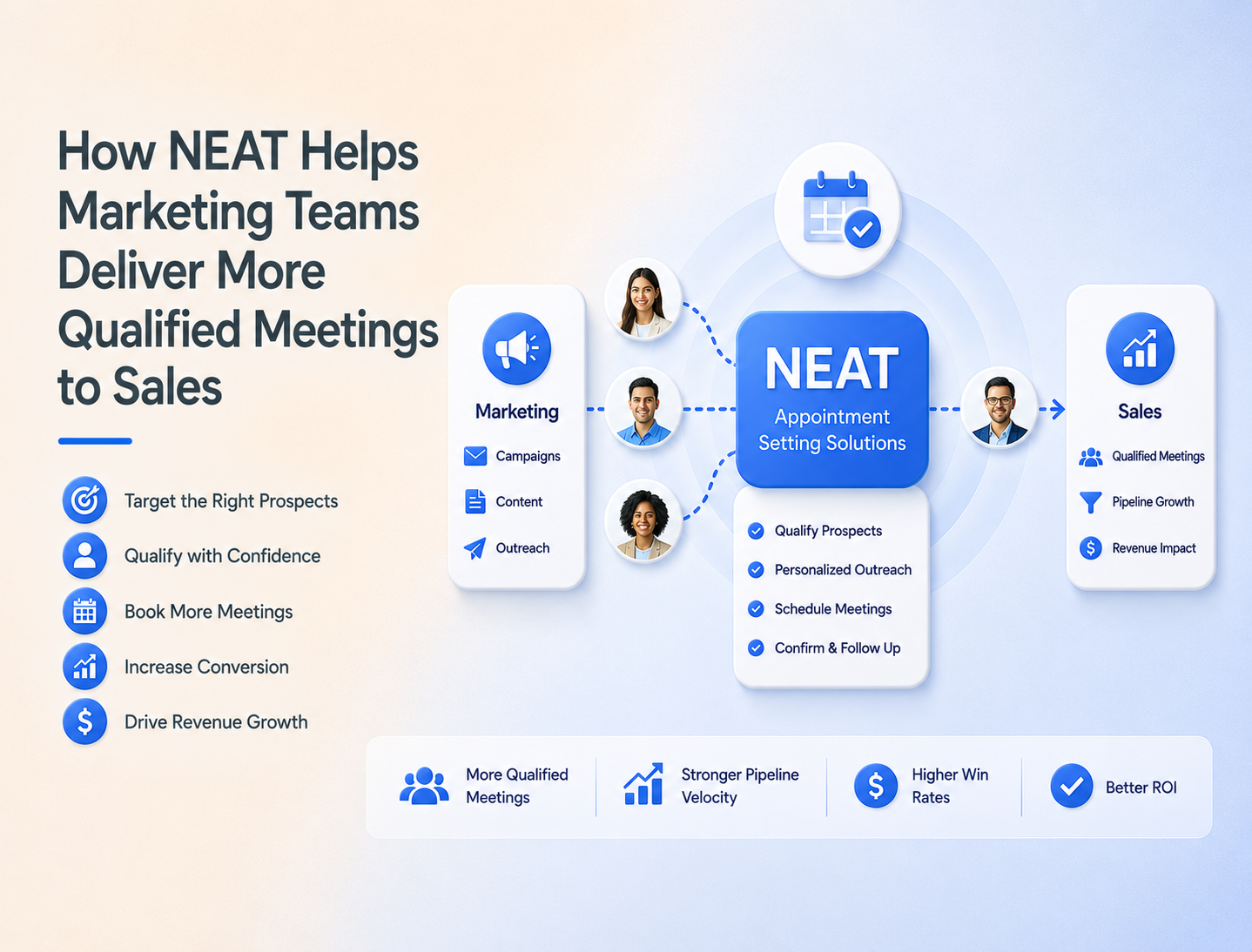
When a high-intent lead converts, Site Ascend engages the prospect through U.S.-based outreach to confirm fit, urgency, and readiness, then converts that engagement into a director-level meeting. That’s acceleration in its most literal form: shrinking the distance between interest and conversation.
For event-led pipeline, Site Ascend prevents the most common velocity leak — the drop between registration and attendance. Outbound confirmation and SMS support ensure registrants actually show up ready to engage, which is where events begin to influence real opportunities.
In channel motions, Site Ascend’s white-labeled outreach helps partners follow through with consistency and senior-level focus, keeping co-sell interest moving instead of stalling in partner queues.
The shift here is subtle but powerful: pipeline acceleration doesn’t come from more activity. It comes from reliable human execution at the right moments.
Actionable Steps for Marketers
Closing the pipeline acceleration gap starts by reframing your funnel around speed and activation, not just volume.
The most effective demand gen teams treat high-intent moments as fleeting. When a prospect signals readiness — through a download, a response, a registration, a surge in intent — they trigger human follow-up immediately, not weeks later. They design campaigns with conversion paths that end in conversations, not just nurturing loops.
They also stop measuring acceleration only by top-funnel KPIs. They track how quickly engaged accounts reach meetings, how many director-level conversations happen per campaign, and where speed consistently breaks down. Then they reinforce those points with performance-based support that scales with demand.
Acceleration is a system. It works when every stage is built to move.
Comparison of Market Solutions
Some organizations try to solve acceleration purely with internal SDR teams. That approach can work, but only if SDR capacity reliably matches campaign volume — which is rare in high-growth tech environments. When internal bandwidth collapses under competing priorities, follow-up slows and pipeline momentum fades.
Traditional outsourced solutions can add activity, but they often emphasize volume over outcome. Without director-level targeting, brand-aligned outreach, and proof of meetings held, these models struggle to accelerate real opportunities.
Performance-based engagement models are emerging as the most reliable acceleration companion. They align to the same metric demand gen leaders care about: meetings that actually happen. By pairing onshore outreach, senior-level focus, white-labeled execution, and real-time visibility, this approach keeps momentum alive across every stage.
Conclusion
Pipeline doesn’t stall because marketing lacks ideas. It stalls because the moment between interest and action is getting shorter — and most funnels don’t have the human execution to keep up.
In 2025, acceleration belongs to teams that can act fast, qualify precisely, and bring director-level buyers into conversations before intent fades. That’s how leads stop piling up. That’s how deals start moving again.
If your funnel is generating demand but not velocity, it’s time to close the acceleration gap.
Contact Site Ascend to add a performance-led human engagement layer to your demand gen engine and start turning interest into meetings — and meetings into pipeline movement.
What causes pipeline to slow even when lead volume is strong?

Is pipeline acceleration mainly a sales responsibility?
How does human engagement speed up pipeline?


Start your pilot campaign today and explore the full range of Site Ascend's demand generation capabilities. Experience firsthand how we can enhance your efficiency, streamline your processes, and drive growth.
RELATED