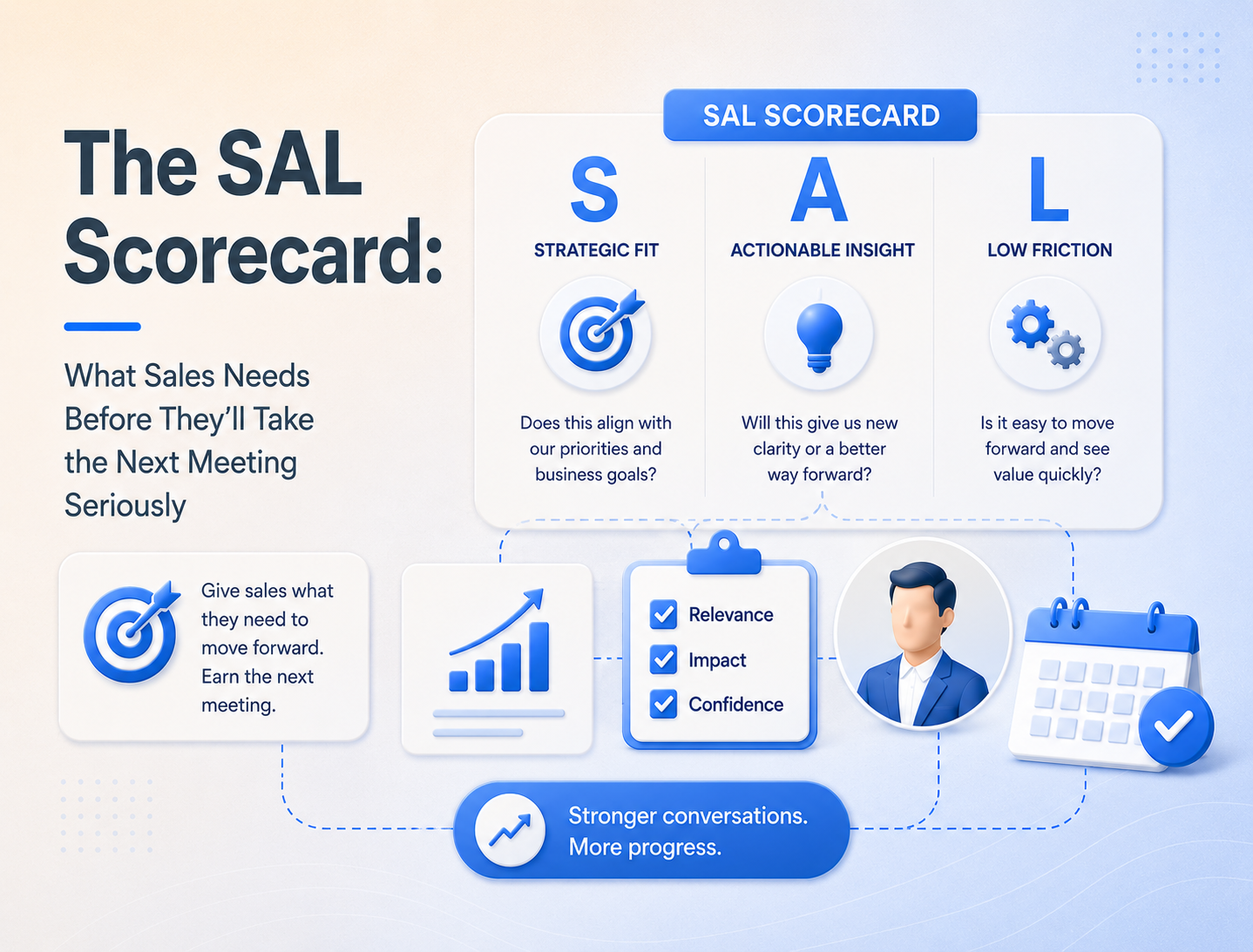
The SAL Scorecard: What Sales Needs Before They’ll Take the Next Meeting Seriously
Demand Generation


Funnel leakage isn’t a lead problem — it’s a follow-through problem. Here’s why B2B demand drifts after the click, where tech funnels break in 2025, and how adding fast, performance-based human engagement turns high-intent leads into real director-level meetings.
-
Demand Generation
Introduction
You can feel funnel leakage long before you see it in a dashboard.
It shows up as a growing gap between what marketing generates and what sales actually works. The webinar that “crushed it” on registrations but produced no meaningful conversations. The content syndication leads that look busy in the CRM and then quietly go cold. The ABM ads that drive the right clicks… but never translate into director-level meetings.
In 2025, demand gen teams aren’t struggling to create interest. They’re struggling to hold onto it long enough to turn it into pipeline. And that’s where funnel leakage becomes the difference between a funnel that performs on paper and one that performs in revenue.
Let’s break down what funnel leakage really means today, why it happens even in well-run programs, and what demand gen leaders can do to stop demand from drifting into nothing.
What Funnel Leakage Means for Demand Generation Marketers and other titles that meet Site Ascend’s ICP
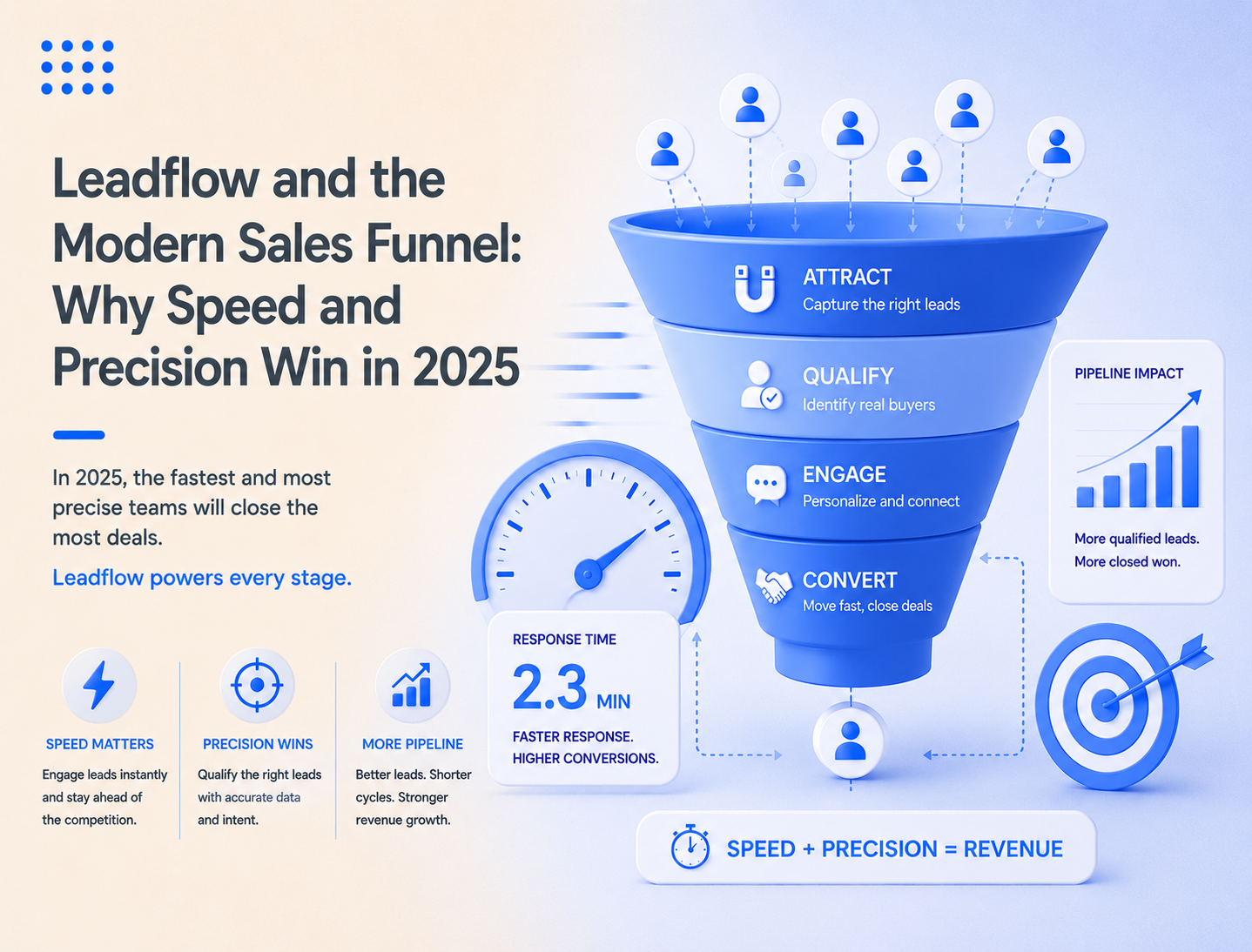
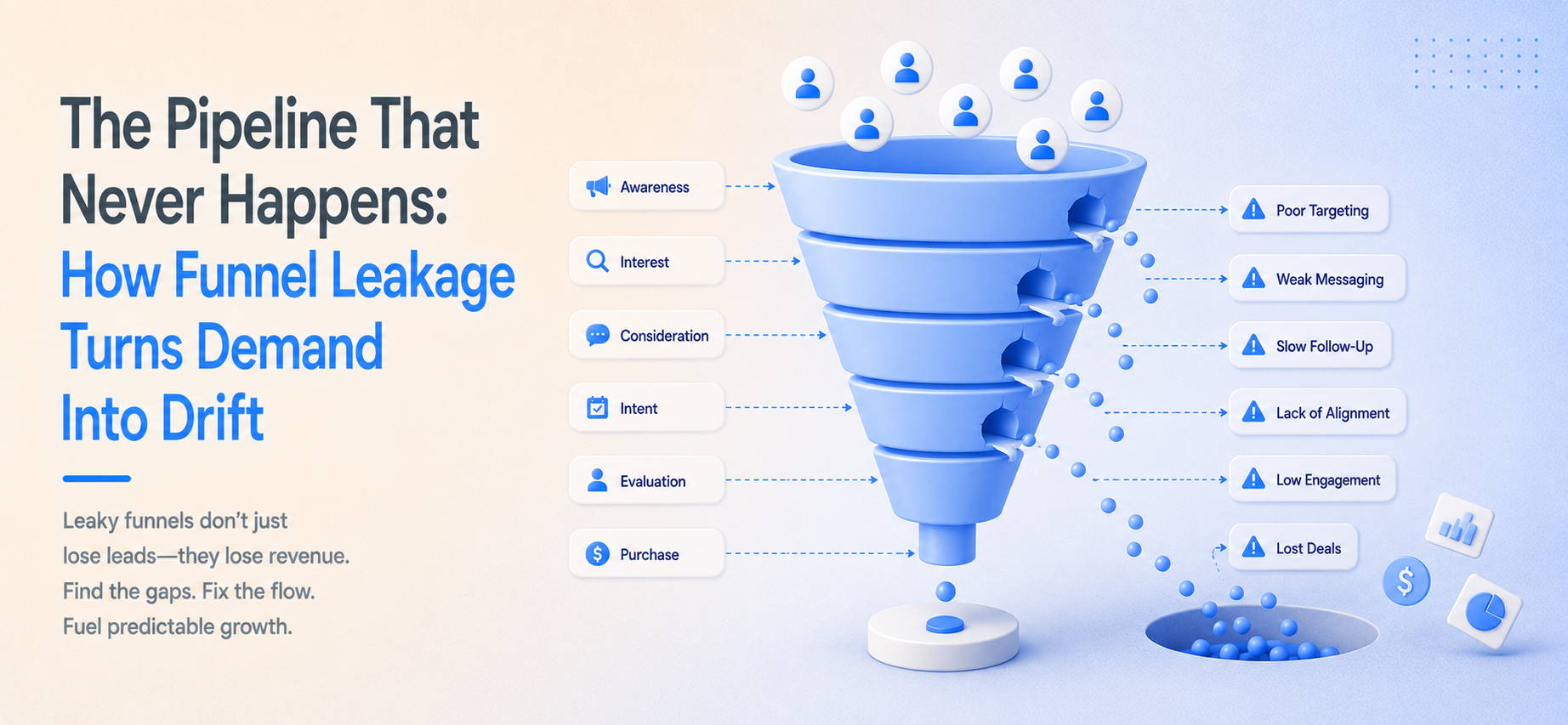
Funnel leakage is the drop-off that happens between stages of your funnel—especially the moments after a buyer raises a hand and before a real sales conversation occurs.
It’s not the same as “low conversion.” Conversion implies the buyer decided not to move forward. Leakage implies something else: they might have moved forward if the follow-through had matched their intent.
For demand generation leaders, funnel leakage often happens in high-stakes zones:
In other words: you’re generating demand—but the system around that demand isn’t designed to catch it in time.
Common Challenges Marketers Face
Funnel leakage is rarely caused by a single mistake. It’s usually the compound effect of a few realities that are getting tougher in 2025.
1. Speed-to-lead is still too slow for modern B2B buyers
Director-level buyers don’t wait around. Their attention windows are short, and their schedules are packed. If the first real outreach happens days after an opt-in, you’re not “nurturing”—you’re missing the moment.
And the more expensive your ICP, the more lethal that delay becomes.
2. Automated follow-up isn’t persuasive when stakes are high
Buyers do want relevance and personalization. But at mid- and late-funnel stages, they also want clarity, confidence, and a human read on their situation.
A five-email drip might maintain brand presence, but it rarely creates urgency. When a buyer is evaluating risk, a human conversation beats another generic touch.
3. Lead volume keeps rising, but qualification keeps falling
Many teams are generating more leads than ever. The problem is which leads, and how they’re being triaged.
When qualification thresholds are soft or inconsistent, sales sees noise. Marketing sees activity. The funnel leaks because neither side trusts the handoff.
4. Channel and event leads are especially vulnerable
Partner and event programs often look strong on cost-per-lead—but lead ownership is fragmented.
Result: a funnel full of names, and a pipeline full of nothing.
5. Sales and marketing are aligned on goals, but not on motion
Even when both teams agree on targets, they often disagree on how a lead becomes a meeting.
Marketing thinks in stages. Sales thinks in conversations. Leakage grows in the seam between the two.



.png)

%201.png)


.png)


Solutions That Work
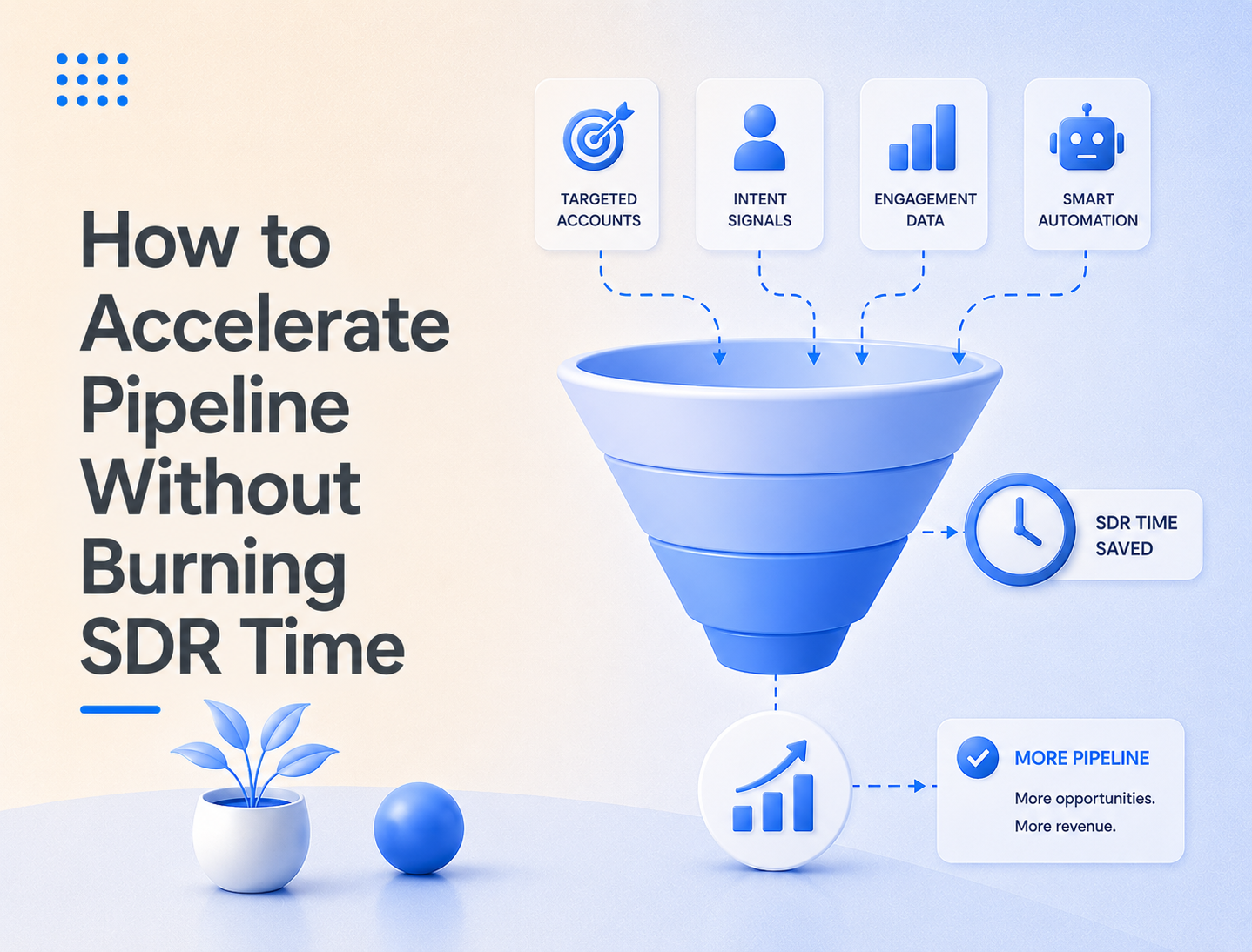
Fixing funnel leakage isn’t about adding more tools or generating more content. It’s about closing the gap between intent and action—fast, confidently, and with the right human touch.
Here’s what consistently works for teams that stop demand from drifting:
Human engagement at the moment intent peaks
When a buyer opts in, attends, clicks, or spikes on intent—there’s a short window where a real human follow-up can move them forward.
The key is meeting them there before inertia sets in.
This is exactly where Site Ascend’s model fits best: live outbound engagement that converts opt-ins and signals into actual director-level meetings. Not as a replacement for your funnel, but as the layer that prevents it from leaking at its most valuable point.
Qualification that protects sales time and amplifies marketing impact
The fastest way to stop leakage is to stop sending sales leads that aren’t ready.
Not by lowering volume, but by inserting a real qualification step that filters for:
When qualification happens through direct conversation, it clarifies intent in a way no scoring model can.
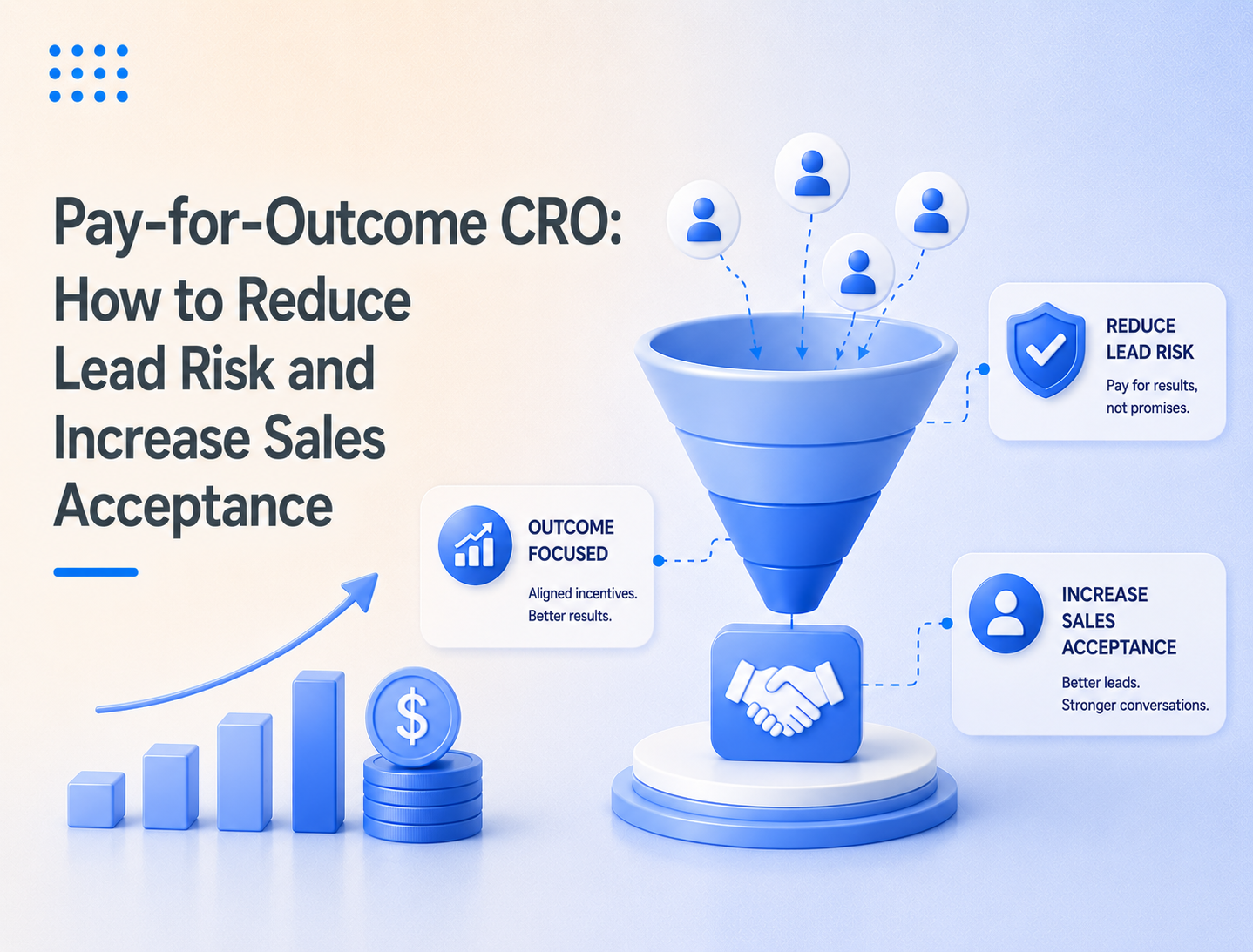
Performance-based meeting generation
Most solutions charge for activity: dials, leads, hours, or “appointments set.”
That’s not aligned with what demand gen teams actually need.
Site Ascend’s approach is different: you only pay for meetings that occur. That changes the incentives entirely. It means the focus stays on outcomes, not output—on meetings that translate to pipeline, not names that inflate reports.
White-labeled partner and event follow-through
If leakage is happening inside your channel or event programs, it’s often because follow-up is inconsistent or off-brand.
A white-labeled human outreach layer solves that without disrupting partner relationships or internal workflows. It ensures that every registrant or shared lead gets timely, professional contact that moves them toward a meeting—not toward a quiet fade-out.
Real-time visibility into what’s working
Leakage is hard to fix when it’s invisible.
Real-time reporting that shows who was contacted, what happened, and where momentum is building lets demand gen teams tune their motion while programs are still live—not after the quarter closes.
Actionable Steps for Marketers
Here’s a practical way to diagnose and reduce funnel leakage this quarter—without rebuilding your whole funnel.
A quick Funnel Leakage Fix checklist:
This isn’t about doing more. It’s about making sure the demand you already generate doesn’t evaporate before it becomes real pipeline.
Comparison of Market Solutions
Most demand gen teams try to solve funnel leakage using one of three paths.
In-house SDR or BDR teams
This can work well if you have the headcount, training bandwidth, and operational maturity to keep response times fast and messaging consistent. But most teams face capacity limits, turnover, and competing priorities. In-house teams often get pulled in too many directions to act quickly on every high-intent lead.
Traditional outsourced appointment setting
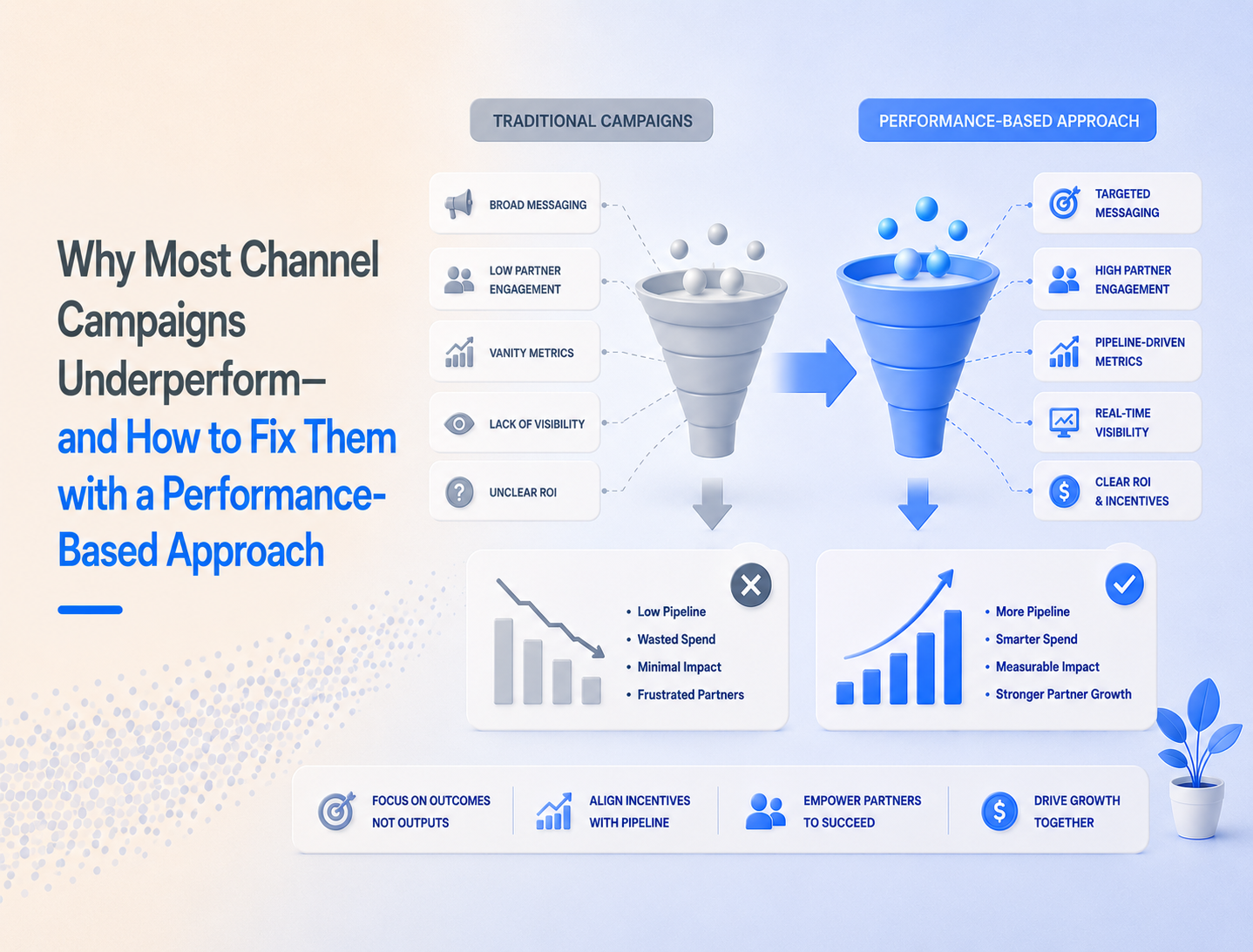
Outsourcing can solve the bandwidth issue, but often introduces new problems: inconsistent quality, off-brand messaging, rigid contracts, or payment tied to activity rather than outcomes. When you’re paying per lead or per hour, you take on the risk of whether those efforts turn into real meetings.
Performance-based, director-level human engagement
This is the model more tech demand gen leaders are adopting in 2025 because it aligns incentives with what matters: meetings that happen, with the right buyers, quickly.
It’s also the cleanest way to add human follow-through without rebuilding internal teams or forcing sales to sift through borderline leads.
Site Ascend sits firmly in this third lane: onshore outreach, director+ targeting, and payment tied to actual meetings—not assumptions of value.
Conclusion
Funnel leakage isn’t a mystery anymore. It’s what happens when buyer intent outpaces your ability to engage it.
In 2025, demand gen wins don’t come from generating more leads. They come from catching the demand you already create—fast, human, and meeting-focused.
If you want to see what funnel leakage looks like when it’s fixed—without adding headcount or betting on activity-based vendors—Site Ascend can help you pilot a performance-based human engagement layer designed to turn demand into real director-level meetings.
What are the earliest signs of funnel leakage?

Is funnel leakage more of a marketing problem or a sales problem?
Can automation alone fix funnel leakage?


Start your pilot campaign today and explore the full range of Site Ascend's demand generation capabilities. Experience firsthand how we can enhance your efficiency, streamline your processes, and drive growth.
RELATED