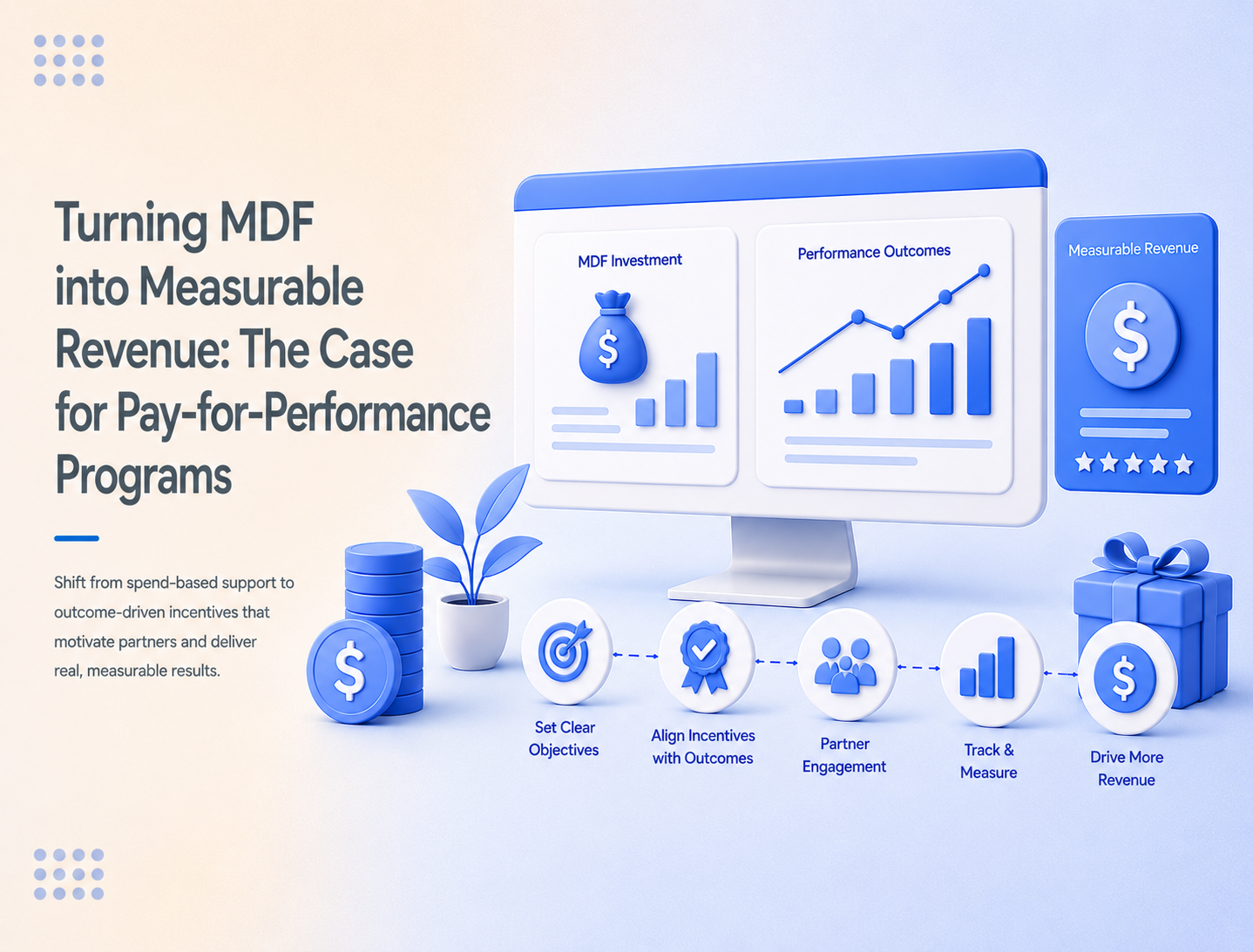
Turning MDF into Measurable Revenue: The Case for Pay-for-Performance Programs
Channel Marketing


Even the coldest leads can warm up fast—with the right outreach engine behind them. Discover how Site Ascend helps demand gen teams reignite pipeline and turn dormant contacts into real revenue.
-
Demand Generation Strategy
Introduction
In the world of B2B tech marketing, “cold leads” have long been written off as wasted spend or dead data. But in 2025, that mindset is outdated. The reality is that cold leads are not a sign of failure—they’re a sign of opportunity.
With longer buying cycles, tighter budgets, and more complex purchasing committees, demand generation teams can’t afford to ignore the contacts already in their funnel. The challenge isn’t that these leads are cold—it’s that they haven’t been warmed with the right timing, context, or human engagement.
Re-engaging cold leads is no longer just a nice-to-have strategy. It’s a critical part of any demand generation engine built for efficiency and measurable pipeline impact.
What “Cold Leads” Really Mean for Demand Generation Marketers
A cold lead is not necessarily uninterested—it’s simply unready. Often, these are prospects who downloaded a whitepaper last quarter, attended a webinar months ago, or interacted with your brand before priorities shifted internally.
For tech marketers, especially those selling into enterprise or mid-market segments, this is common. Buying cycles can stretch across quarters, decision-makers change roles, and budget approvals stall. The result? Leads that go quiet—not because they’ve opted out, but because they’ve gone cold.
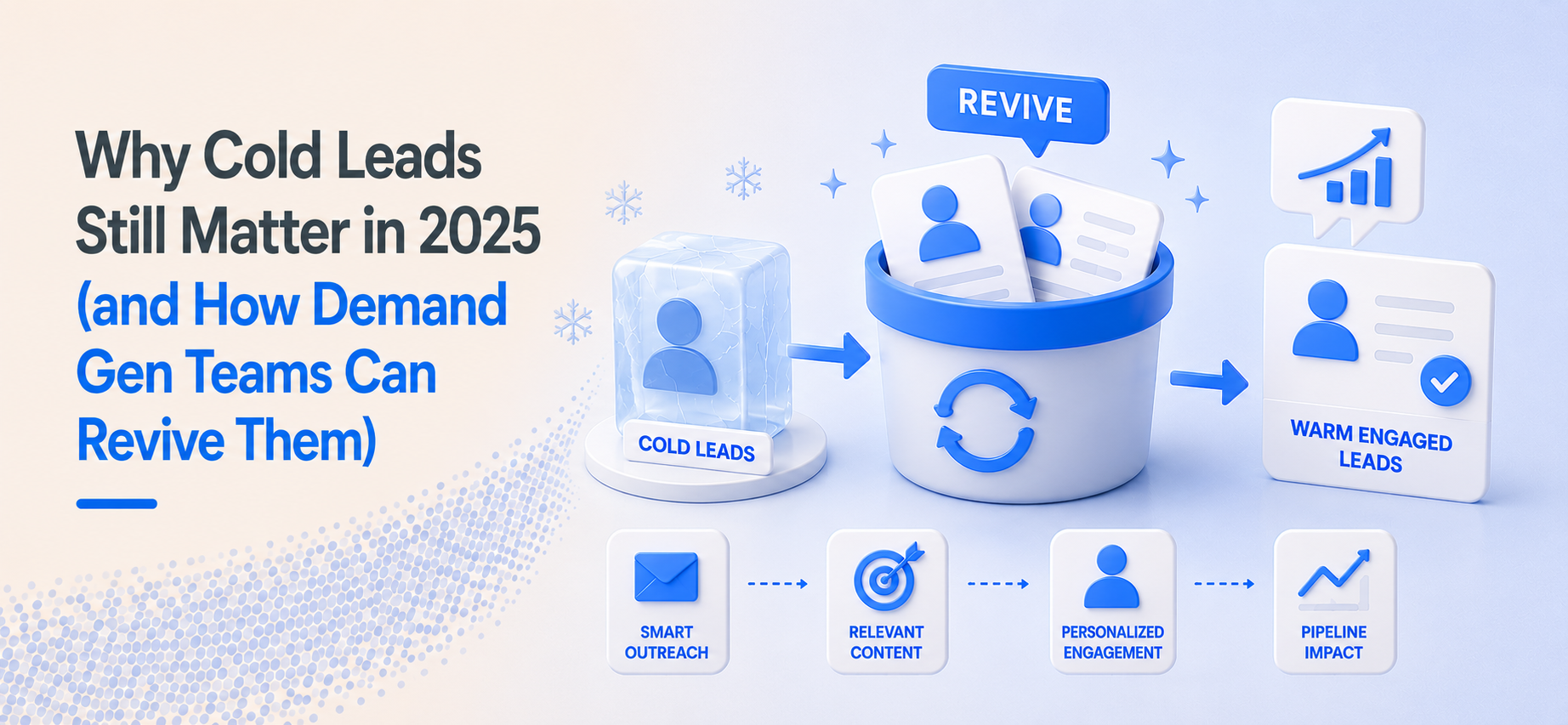
Here’s the good news: reactivation is possible, and it often delivers a higher ROI than net-new acquisition. Warm leads may fill your short-term pipeline, but reactivated cold leads can drive long-term revenue growth when nurtured with intent-based outreach and qualification.
Common Challenges Marketers Face with Cold Leads
Even high-performing demand gen teams struggle with cold leads for three key reasons:
The cost of ignoring these challenges isn’t just lost pipeline—it’s also wasted campaign spend and an incomplete picture of total addressable opportunity.



.png)

%201.png)


.png)


Solutions That work
The best approach to reviving cold leads is surgical, not scattershot: segment dormant contacts by prior intent and recency, prioritize those with the strongest buying signals, then run a short, human-led requalification campaign that combines a personalized call + a concise, high-value proposition (an executive briefing, peer roundtable, or a time-limited demo). Use multi-channel touches—phone and SMS supported by one targeted email—so outreach is noticeable without being spammy. Keep scripts context-rich (referencing the lead’s original interaction), shorten the decision friction (clear next steps, flexible meeting times), and treat reactivation as an experiment: run small batches, measure conversion to meetings and pipeline velocity, then scale the sequences that prove out. This disciplined, intent-driven cadence turns “lost” contacts into actionable opportunities without blowing budget on volume-based tactics.
Actionable Steps for Marketers
Here’s a simple checklist for turning cold leads into pipeline:
Audit your database. Identify contacts who engaged within the last 6–18 months but never converted.
Segment by intent. Categorize by prior activity (event attendance, asset downloads, or sales touchpoints).
Re-engage with human outreach. Automated nurture alone won’t work—combine it with outbound calls or SMS.
Create new value. Don’t recycle the same content—offer something new, like a peer discussion or executive briefing.
Measure performance. Track reactivation rates and downstream conversions to prove pipeline impact.
Pro Tip: Demand gen teams that pair internal automation with Site Ascend’s outbound engagement consistently see shorter sales cycles and higher conversion from “cold” to “meeting booked.”
Comparison of Market Solutions
Many companies attempt to revive cold leads internally or through outsourced vendors, but both approaches come with trade-offs.
Site Ascend’s model is different.
This combination helps demand gen leaders turn dormant contacts into revenue-driving meetings—without wasting budget on low-value activity.
Conclusion
In 2025, the difference between average and high-performing demand gen teams won’t come down to who has the most leads—it’ll come down to who re-engages them best.
Cold leads still matter because they represent potential realized later. With Site Ascend’s performance-based approach, marketing teams can turn once-silent contacts into qualified pipeline—faster, smarter, and with full transparency.
Ready to see how Site Ascend can help your team revive cold leads and accelerate pipeline?
Can cold leads really convert at the same rate as new ones?

What’s the ideal cadence for re-engaging cold leads?
How does Site Ascend ensure quality when re-engaging cold leads?


Start your pilot campaign today and explore the full range of Site Ascend's demand generation capabilities. Experience firsthand how we can enhance your efficiency, streamline your processes, and drive growth.
RELATED