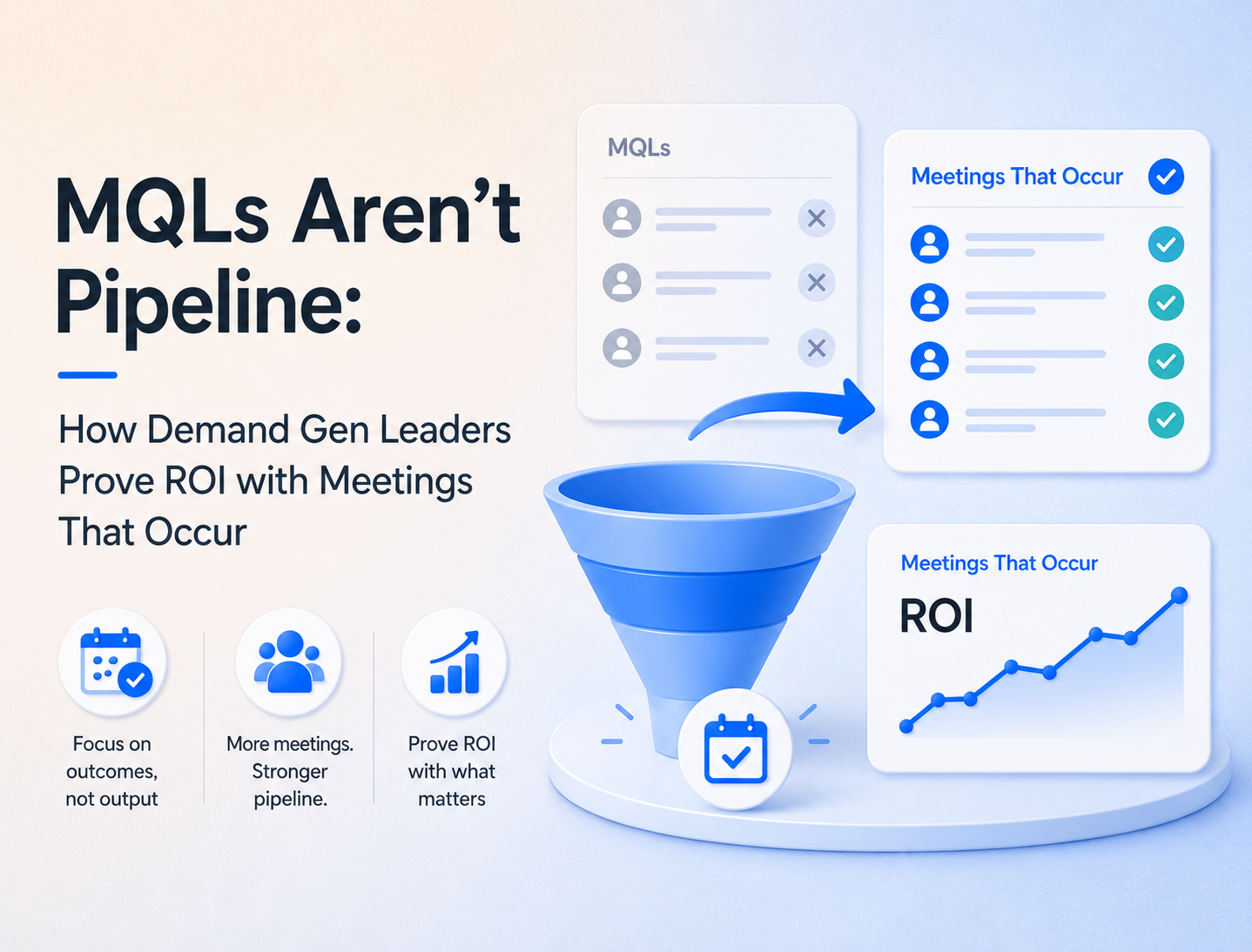
MQLs Aren’t Pipeline: How Demand Gen Leaders Prove ROI with Meetings That Occur
Demand Generation


Discover how Sales Accepted Leads (SALs) are redefining success for B2B tech marketers—proving marketing’s real impact on pipeline through qualified, sales-approved opportunities.
-
Enterprise Demand Generation
Introduction
In B2B technology marketing, success is no longer measured by how many leads you generate—it’s measured by how many of those leads translate into meaningful pipeline. That’s where the Sales Accepted Lead (SAL) has become a critical metric for demand generation marketers. As marketing teams face increasing pressure to prove ROI, SALs offer the clarity and alignment that Marketing Qualified Leads (MQLs) no longer provide.
For marketing leaders looking to demonstrate impact beyond engagement metrics, SALs bridge the gap between marketing activity and sales outcomes—proving that your campaigns don’t just drive interest, but real revenue opportunities.
What Sales Accepted Leads (SALs) Mean for Demand Generation Marketers
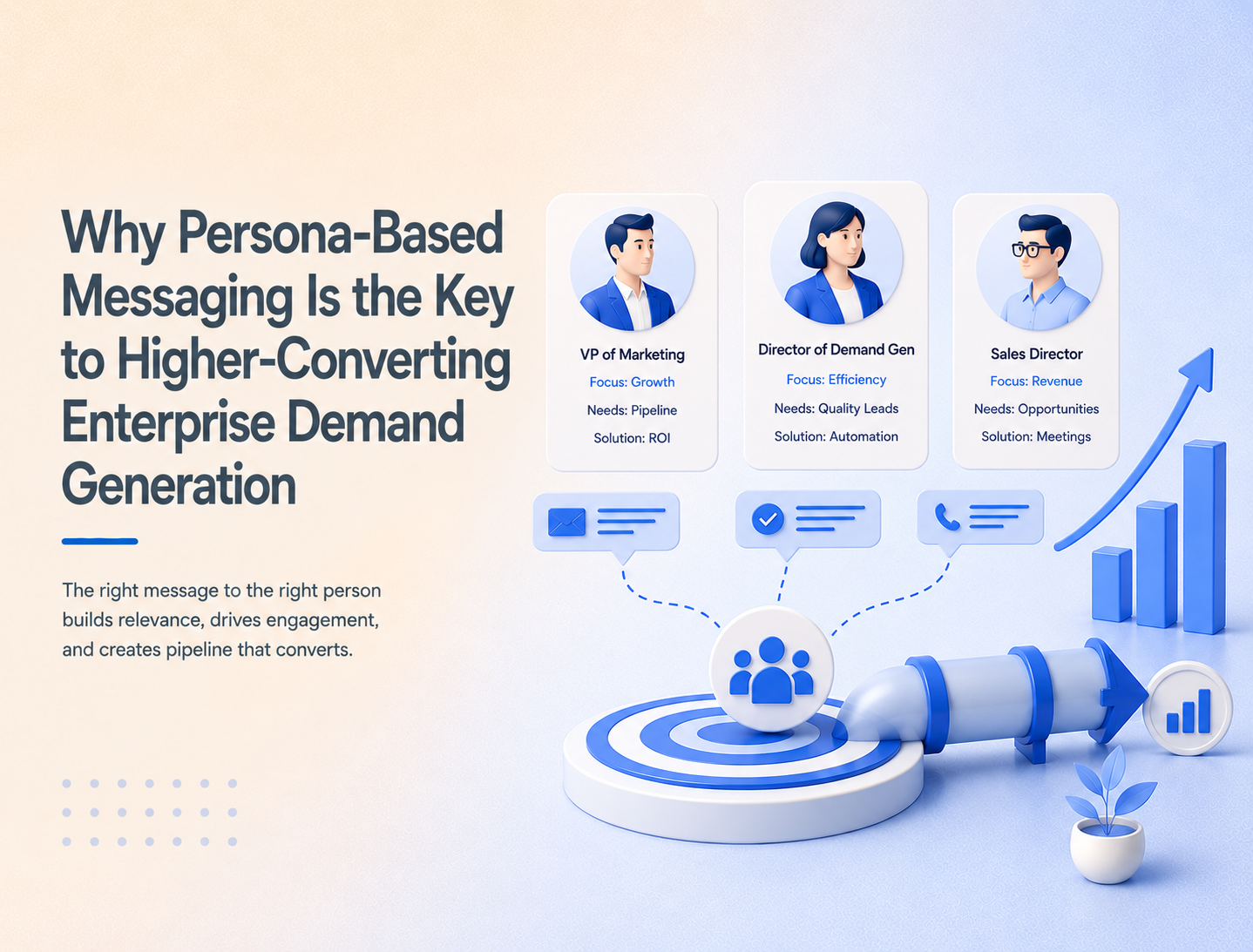
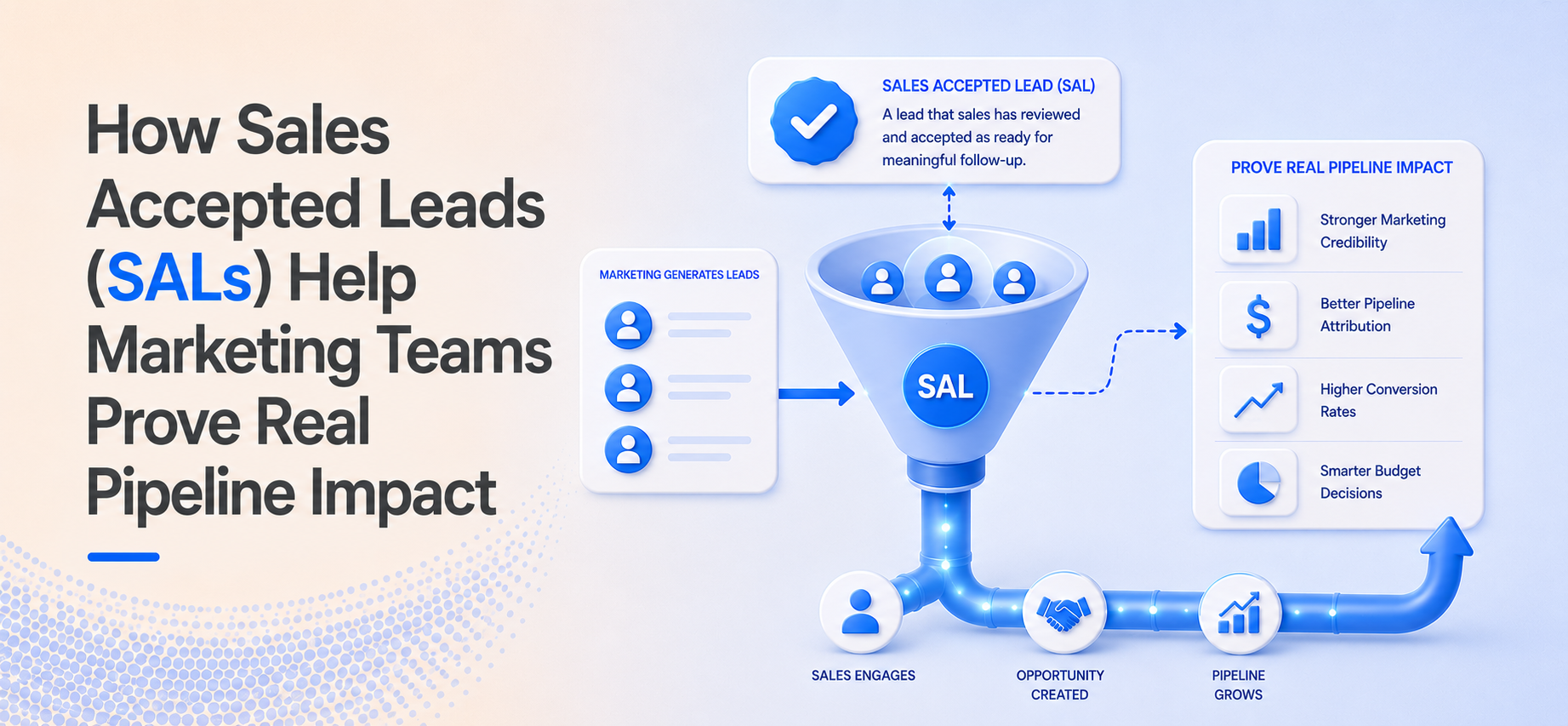
A Sales Accepted Lead represents a qualified prospect that has been vetted by marketing and formally accepted by sales as worthy of pursuit. Unlike MQLs, which are often based on behavioral data (like downloads or form fills), SALs indicate a direct handoff and alignment between marketing and sales teams.
For demand gen marketers, this means the difference between being seen as a lead factory and being recognized as a revenue driver. SALs confirm that marketing is not only filling the funnel but fueling conversations that have a clear path to conversion.
In 2025, where marketing attribution and sales velocity matter more than ever, SALs give tech marketers the visibility they need to prove that their strategies generate measurable pipeline impact.
Common Challenges Marketers Face
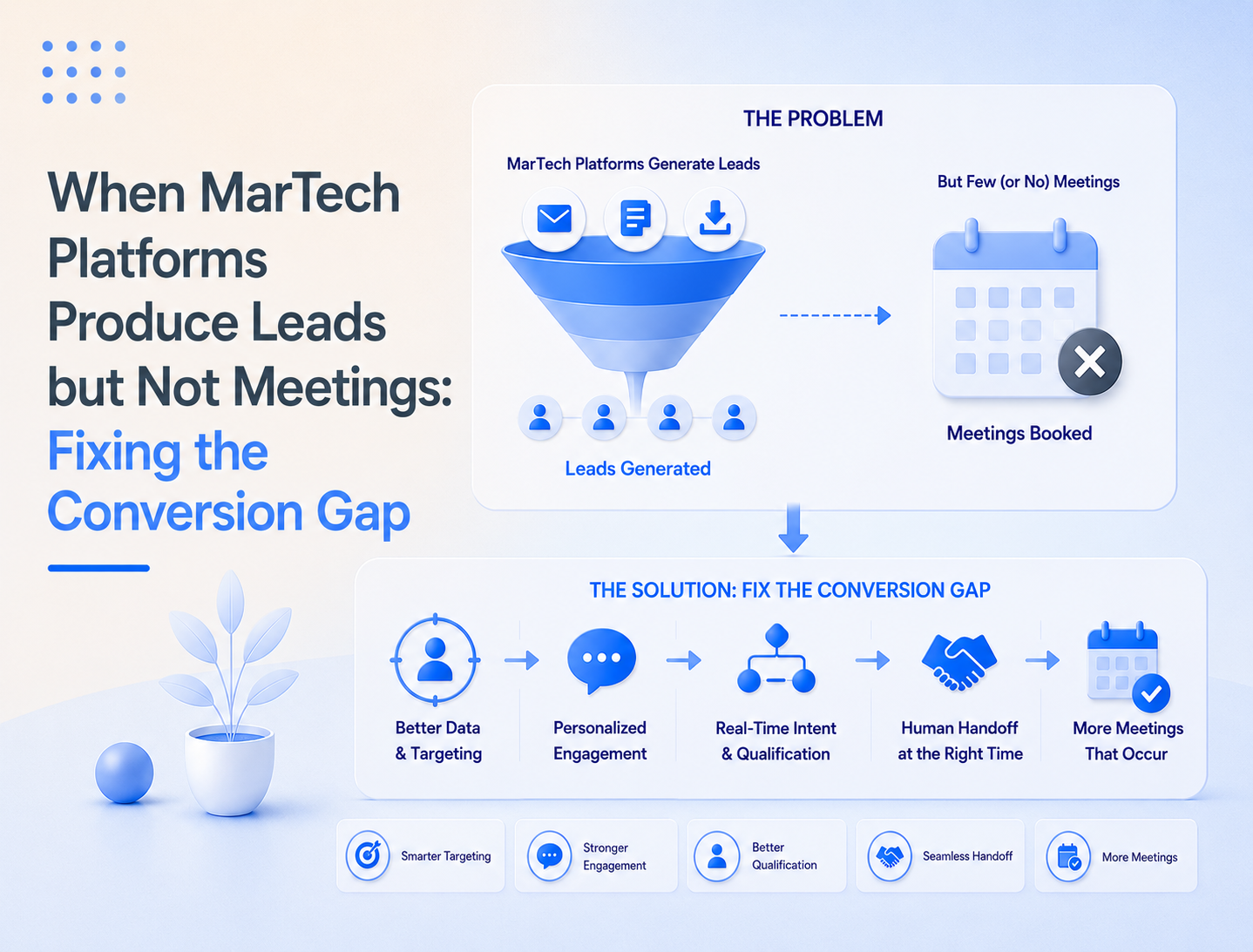
Even the most sophisticated demand generation teams struggle with turning engagement into pipeline. The issues often stem from:
These challenges create friction between marketing and sales teams—making it harder to justify marketing budgets and prove value.



.png)

%201.png)


.png)


Solutions That Work
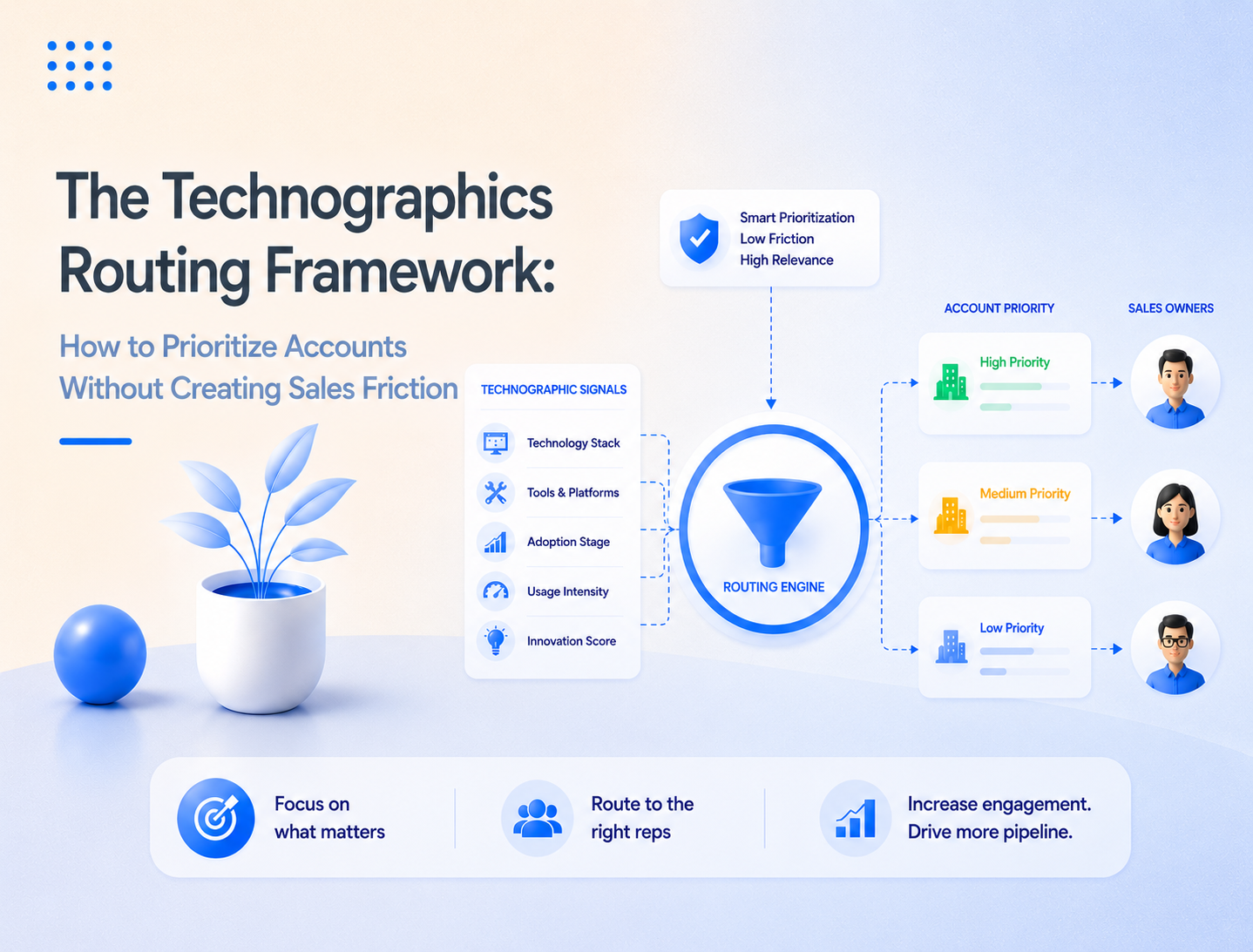
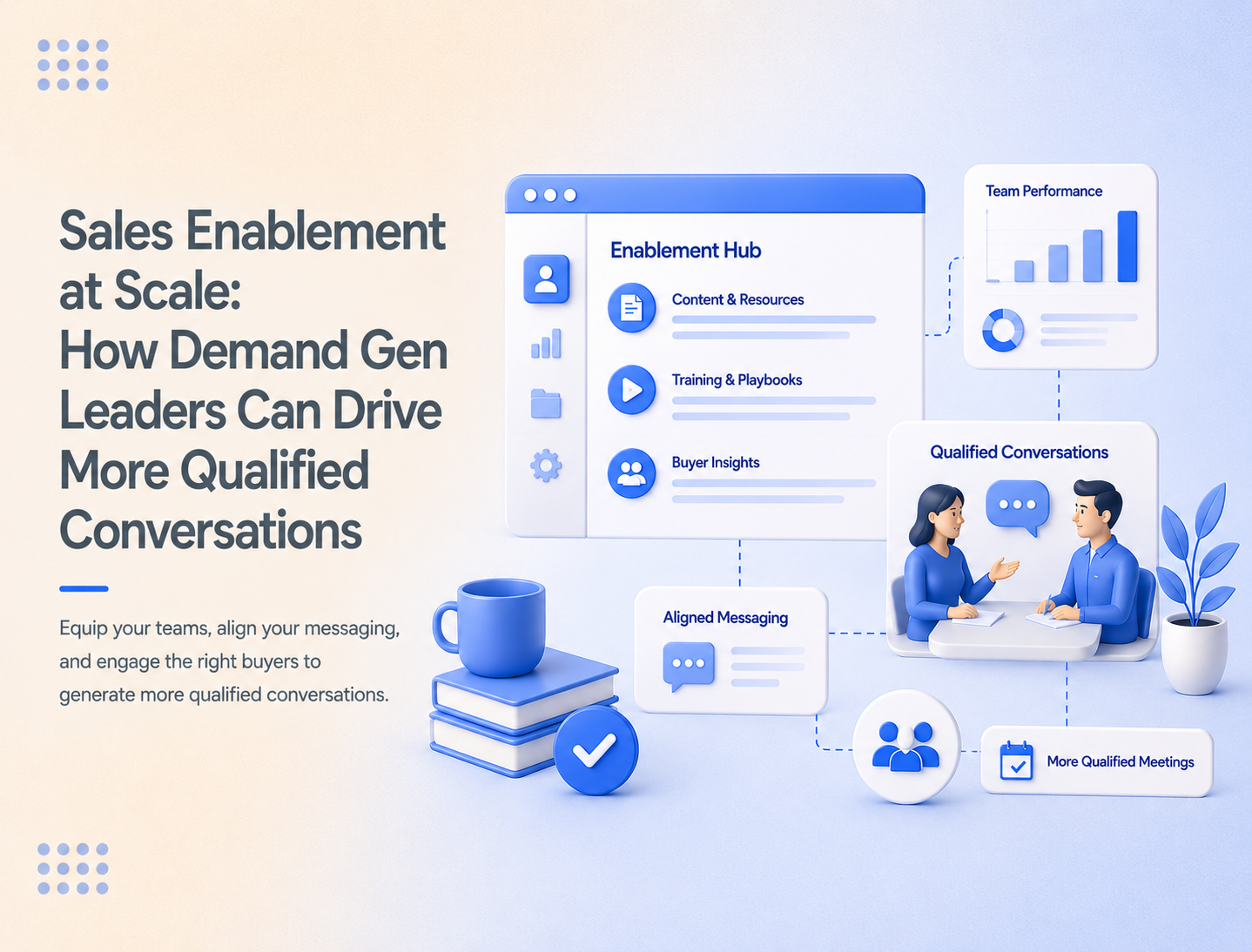
To consistently generate Sales Accepted Leads, tech marketing teams need a strategy built around precision, qualification, and accountability.
That’s where Site Ascend helps marketing organizations evolve from lead generation to pipeline creation. Through:
The result: every meeting, registrant, or conversation your team receives has already passed through a rigorous qualification process—helping you move from MQLs to SALs with confidence.
Actionable Steps for Marketers
If you’re ready to shift from lead quantity to lead quality, here are three steps to get started:
When marketing and sales align on qualification, the entire pipeline accelerates—shorter sales cycles, higher conversion rates, and a clearer picture of marketing’s real contribution.
Comparison of Market Solutions
Many organizations try to bridge the gap between marketing and sales using in-house qualification teams or outsourced lead generation providers. But few deliver a full-funnel approach that ensures leads are truly sales-accepted.
In-house teams often lack bandwidth, and traditional vendors focus on quantity—not quality.
Site Ascend’s pay-for-performance model, U.S.-based contact center, and director-level targeting eliminate the guesswork, giving marketing teams confidence that every lead has been vetted, verified, and accepted by sales.
This isn’t about lead generation—it’s about pipeline acceleration.
Conclusion
As the demand generation landscape evolves, SALs are becoming the benchmark for true marketing performance. They represent alignment, quality, and measurable impact—everything modern B2B tech marketers are striving for.
If you’re ready to move from chasing leads to driving revenue, it’s time to explore Site Ascend’s pay-for-performance demand generation solutions.
Start your pilot program today and see how our team can help you convert qualified conversations into accepted opportunities—and accepted opportunities into revenue.
How is a Sales Accepted Lead (SAL) different from a Marketing Qualified Lead (MQL)?

How can Site Ascend help us increase SALs?
What makes the pay-for-performance model so effective?


Start your pilot campaign today and explore the full range of Site Ascend's demand generation capabilities. Experience firsthand how we can enhance your efficiency, streamline your processes, and drive growth.
RELATED