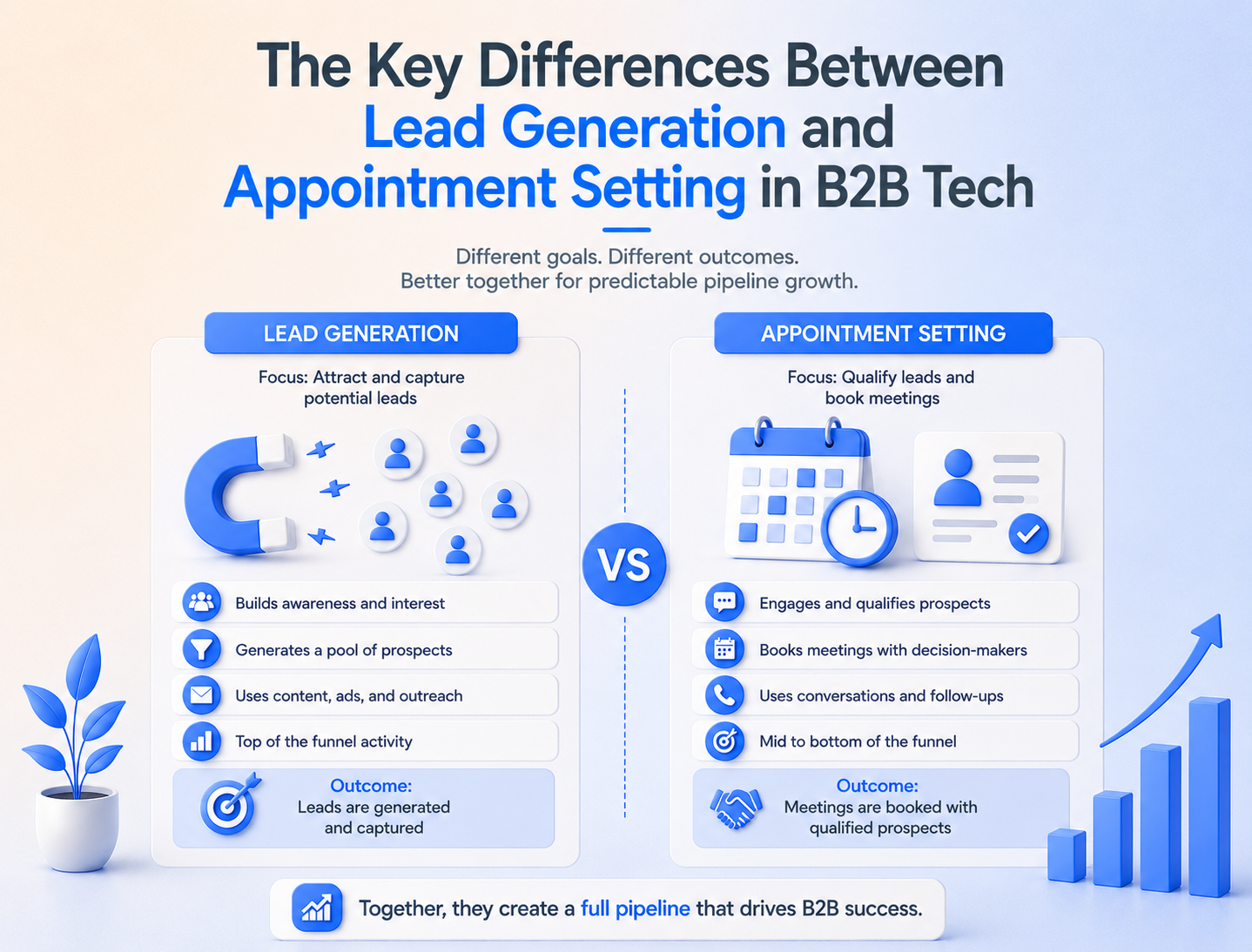
The Key Differences Between Lead Generation and Appointment Setting in B2B Tech
Executive Meetings


In 2025, “dead leads” aren’t the end of the road — they’re untapped opportunities waiting for the right timing and outreach. Learn how forward-thinking demand gen teams are reviving dormant leads through smarter qualification, personalized outbound, and performance-driven reactivation strategies that rebuild pipeline without increasing acquisition costs.
-
Lead Revitalization & Demand Generation Strategy

Introduction
Every demand generation marketer knows the feeling: after weeks of nurture, outreach, and follow-up, a once-promising lead goes dark. In most CRMs, that’s the end of the story — the lead gets marked “dead” and moved to the archive. But here’s the truth: in 2025, no lead is ever truly dead.
The B2B buying cycle has evolved. Decision-makers move companies, budgets reopen, and timing changes. What looks like a closed door might simply be one waiting for the right message at the right moment. For tech marketers focused on building predictable pipeline, rethinking what “dead” really means could unlock a powerful new source of sales-ready conversations.
What ‘Dead Lead’ Really Means for Demand Generation Marketers
In the modern B2B landscape, “dead” rarely means uninterested — it often means untimely. Buyers may still have the problem your solution solves, but they paused due to budget constraints, shifting priorities, or internal reorgs.
For demand gen teams, the difference between a dead lead and a dormant one lies in how and when you re-engage. The companies leading the pack are those that treat old leads as data assets — continuously enriched, re-qualified, and reintroduced into outreach when signals indicate renewed interest.
Reactivation campaigns have become an essential part of high-performing marketing engines — and when paired with precise targeting and outbound motion, they can drive ROI far faster than cold acquisition efforts.
Common Challenges Marketers Face
Even with good intentions, most demand gen teams struggle to extract value from dormant data. The challenges often include:
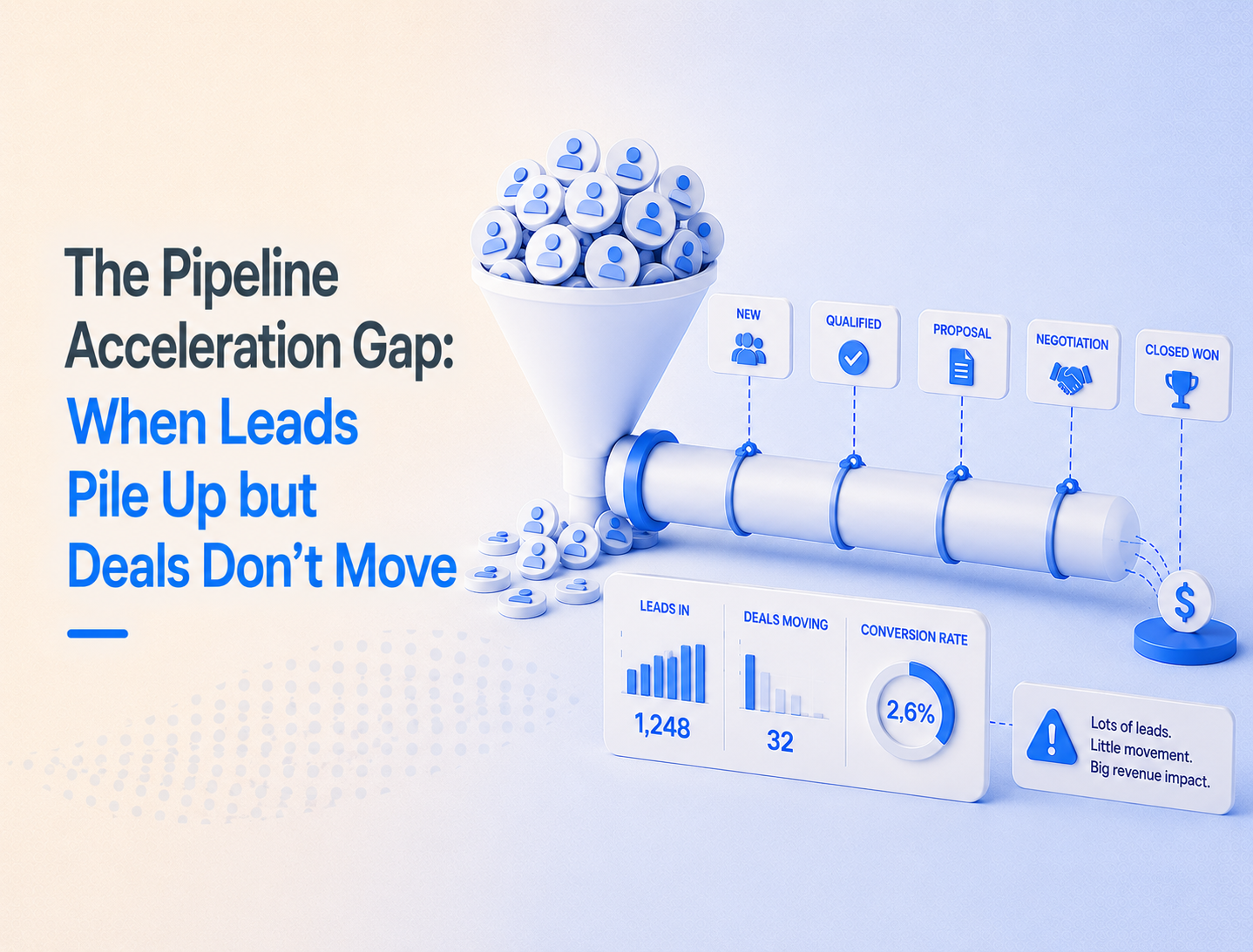
The result? Thousands of potential conversations lost every quarter — all because they’ve been labeled dead too soon.



.png)

%201.png)


.png)


Solutions That Work
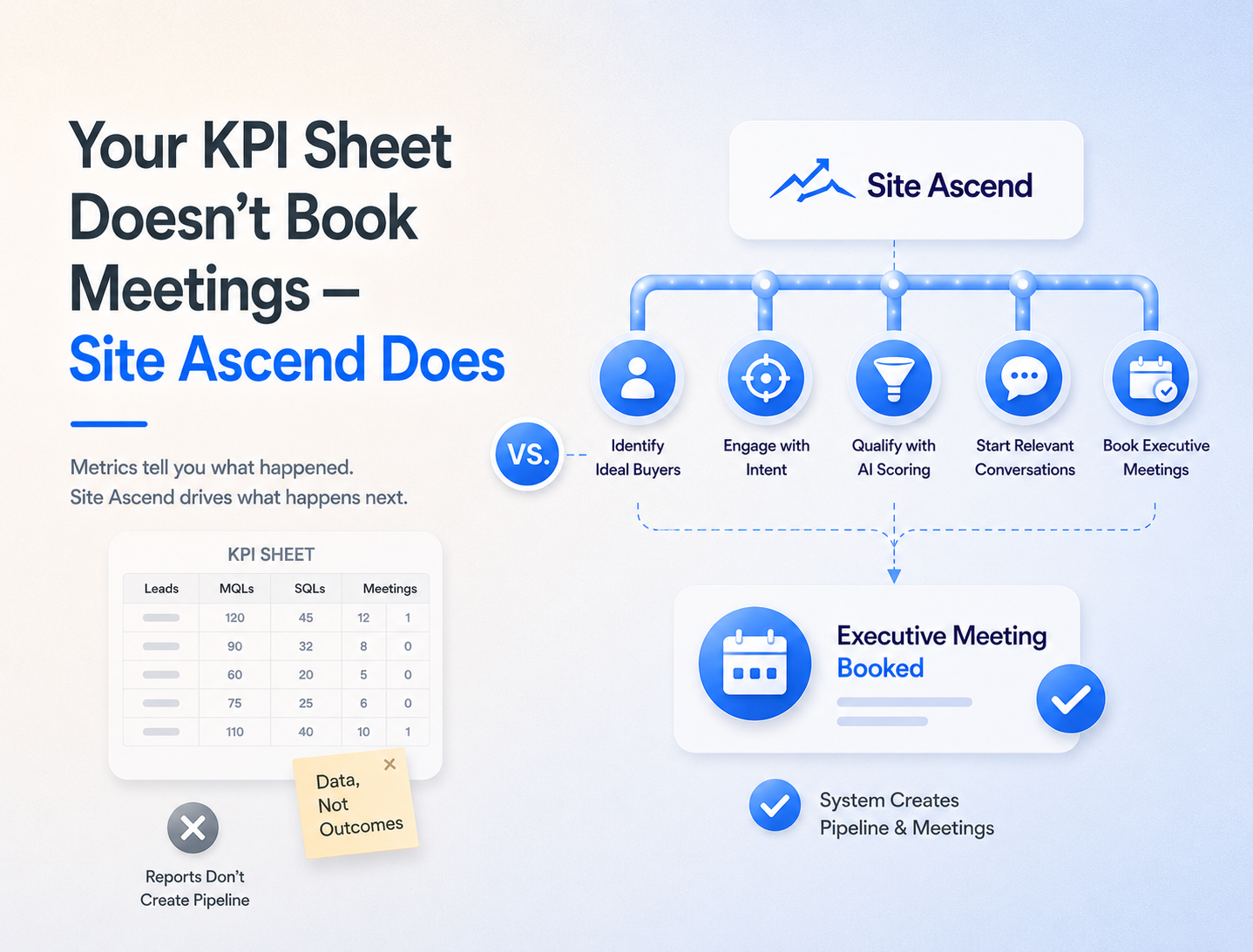
Smart marketers are flipping the narrative by turning lead reactivation into a performance channel — one driven by targeted outreach and precise qualification rather than generic email cadences.
The most effective approach? Structured outbound requalification.
By pairing updated data intelligence with live outreach, demand gen teams can validate whether interest still exists and when the timing might be right. Instead of guessing, they’re getting direct insight from prospects who’ve already shown intent in the past.
This type of high-touch requalification — especially when focused on director-level and above — allows teams to recover lost opportunities without inflating acquisition costs. The key is timing, personalization, and a process built to move conversations forward, not just generate responses.
Actionable Steps for Marketers
Here’s how demand generation teams can bring dead leads back to life in 2025:
Done right, lead revival can be one of the most efficient and cost-effective ways to grow pipeline — often outperforming net-new demand programs.
Comparison of Market Solutions
Most marketing teams try to revive leads through automated nurture sequences or email drips. While inexpensive, those approaches rarely yield results — they lack personalization and can’t adapt to the nuances of B2B decision-making.
Outsourced lead reactivation partners can add bandwidth, but many rely on offshore teams or low-level contacts that fail to connect with actual decision-makers.
Modern demand gen programs succeed when they combine precision targeting, onshore teams, and pay-for-performance accountability. That’s what separates effective lead revival programs from traditional cold outreach — they’re built on conversation quality, not contact volume.
Conclusion
In 2025, the best demand gen teams don’t just chase new leads — they resurrect old ones. The difference between a “dead” lead and a revenue opportunity often comes down to strategy, timing, and persistence.
By rethinking how you manage and re-engage dormant leads, you can unlock a steady flow of qualified conversations that most marketers overlook.
If you’re ready to transform your dead leads into live pipeline, it’s time to test a performance-based approach.
Start a pilot with Site Ascend — and see how intelligent outreach can bring your database back to life.
What makes a lead “dead” versus just cold?

How often should marketers re-engage dead leads?
What’s the best way to reactivate a dead lead?


Start your pilot campaign today and explore the full range of Site Ascend's demand generation capabilities. Experience firsthand how we can enhance your efficiency, streamline your processes, and drive growth.
RELATED