What “Omni-Channel” Should Mean in 2026 (If You’re Accountable for Pipeline)
Demand Generation


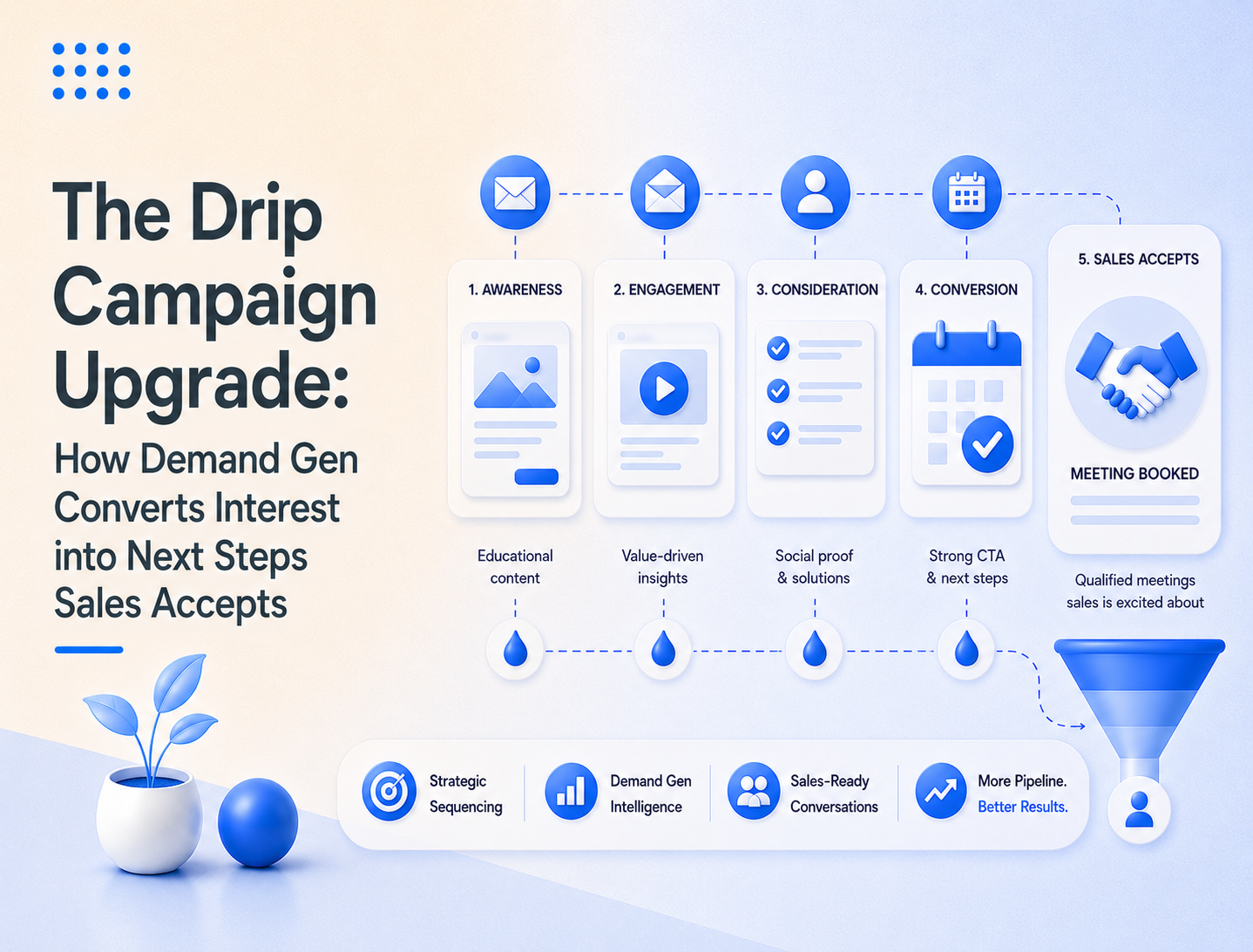
Drip campaigns are more than automated follow-ups—they're a strategic way to educate buyers, maintain engagement, and move prospects toward qualified sales conversations. Learn how B2B technology marketers can build drip campaigns that align with long buying cycles and consistently generate stronger pipeline.
-
Lead Nurturing
Introduction
Enterprise technology purchases rarely happen after a single interaction. Buyers research independently, consult colleagues, compare vendors, attend webinars, download content, and often pause their evaluation before returning months later. During these long buying cycles, one of the biggest mistakes demand generation teams make is assuming that silence means a prospect has lost interest.
In reality, many qualified opportunities are lost simply because organizations fail to stay relevant while buyers continue their evaluation.
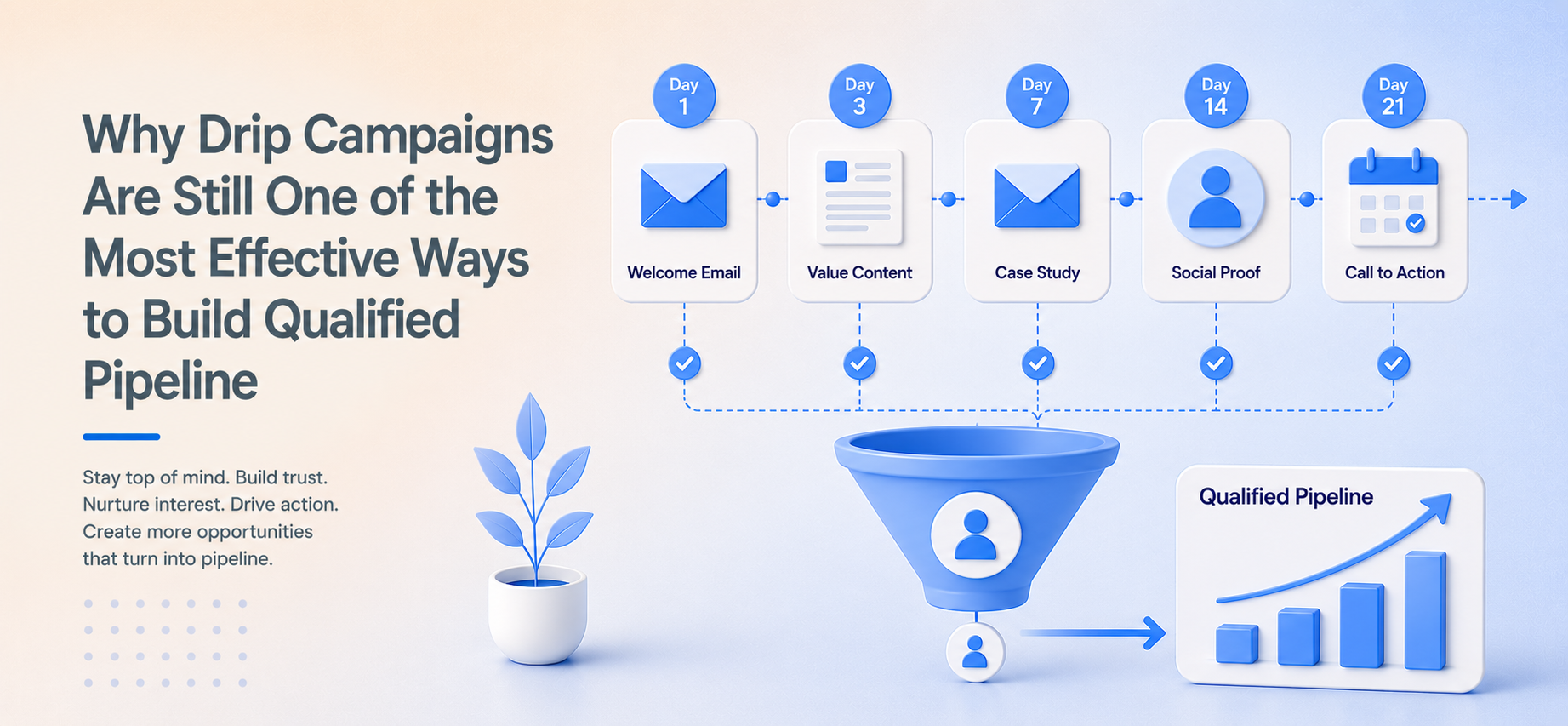
This is where drip campaigns continue to provide tremendous value. When designed strategically, drip campaigns keep organizations visible throughout the buying journey, educate buying committees over time, and create opportunities for meaningful engagement when prospects are ready to move forward.
For enterprise B2B technology companies, drip campaigns shouldn't be viewed as automated email sequences—they should be considered an ongoing demand generation strategy that helps transform interest into qualified pipeline.
What Drip Campaigns Mean for Demand Generation Marketers
A drip campaign is a planned sequence of communications delivered over time based on buyer behavior, engagement, timing, or stage within the buying journey. Rather than relying on one-time outreach, drip campaigns maintain consistent communication while gradually moving prospects toward a sales conversation.
For demand generation marketers, the objective isn't sending more messages—it's delivering the right information at the right time.
Effective drip campaigns educate buyers, answer common questions, build credibility, introduce additional stakeholders, and encourage prospects to take the next logical step without creating unnecessary pressure.
When executed properly, they bridge the gap between initial interest and sales readiness.
Common Challenges Marketers Face
Many organizations mistake automation for strategy. They create generic email sequences that every prospect receives regardless of industry, buying stage, or business challenge. As a result, engagement declines quickly because the content feels repetitive and irrelevant.
Another challenge is ending nurture programs too early. Enterprise buying cycles frequently extend over several months, yet many drip campaigns stop after only a few weeks, leaving qualified prospects without meaningful engagement during critical evaluation periods.
Many marketers also fail to align drip campaigns with sales activity. Buyers often receive automated marketing messages that don't reflect recent conversations with sales, creating inconsistent experiences and reducing trust.
Finally, success is frequently measured using open rates or click-through rates instead of indicators that matter more to revenue teams, such as buying committee engagement, qualified meetings, and pipeline progression.



.png)

%201.png)


.png)


Solutions That Work
Build Campaigns Around Buyer Questions
Instead of organizing drip campaigns around product features, organize them around the questions buyers naturally ask throughout their decision process. Each communication should remove uncertainty, provide useful insight, and move the buyer closer to a confident purchasing decision.
Segment by Buying Stage, Not Just Persona
Prospects at different stages need different information. Early-stage buyers often require educational content, while active evaluations benefit from implementation guidance, operational considerations, or executive-level business value. Aligning campaigns with buying stages keeps communications relevant.
Combine Automation With Human Engagement
Automation should support—not replace—meaningful human interaction. Use buyer engagement signals to trigger timely sales outreach when prospects demonstrate increased interest rather than waiting for the entire campaign to finish.
Continuously Optimize Based on Pipeline Outcomes
Review drip campaign performance using business metrics instead of marketing activity alone. Identify which messages contribute to qualified meetings, opportunity creation, and pipeline acceleration, then refine campaigns based on those findings.
Where Site Ascend Fits
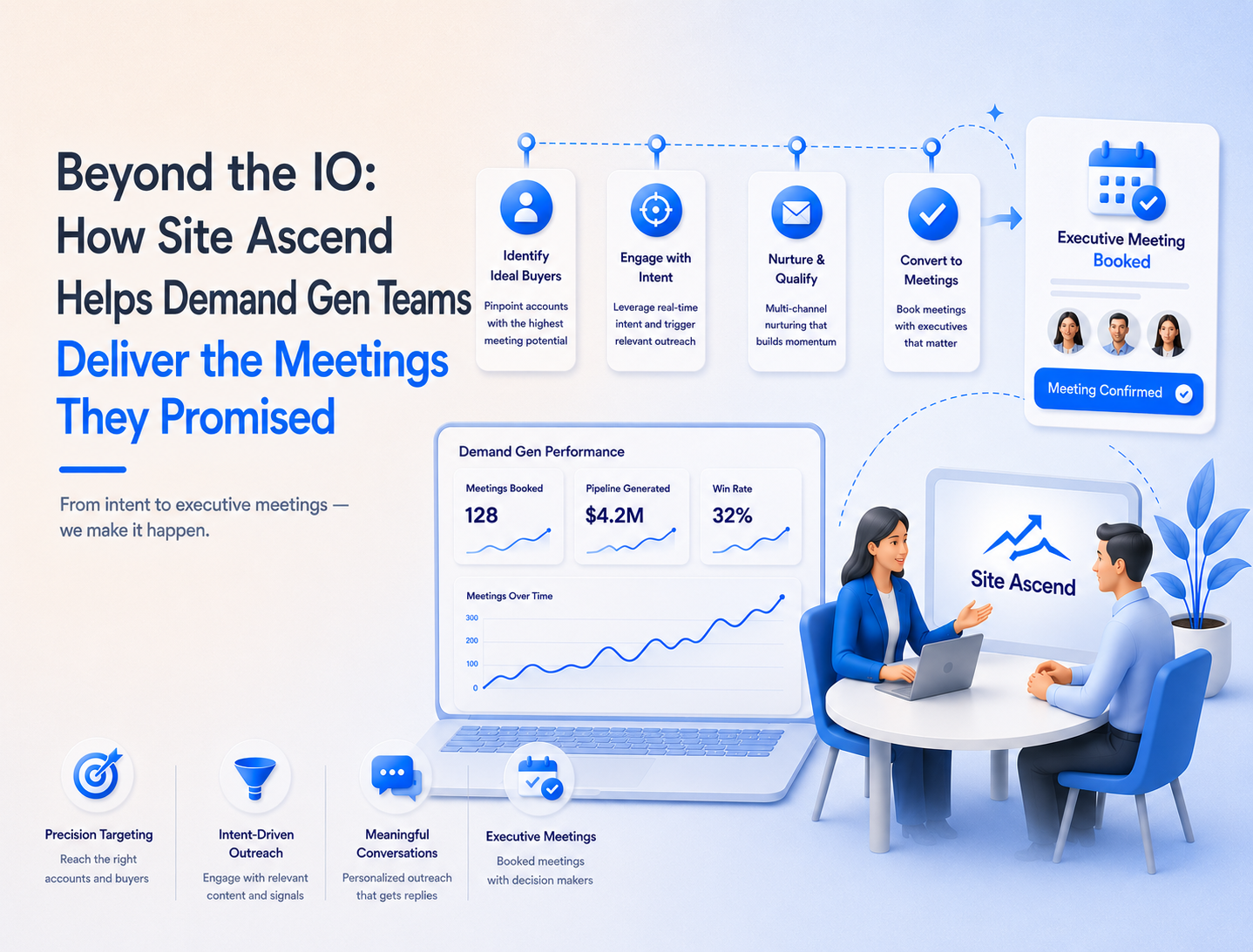
Even the most effective drip campaign eventually reaches a point where buyers need meaningful human conversations. Site Ascend helps organizations capitalize on that momentum by supporting Executive Meetings with director-level decision-makers, Lead Qualification that validates buyer readiness, Channel Marketing initiatives that extend partner engagement, and Event Marketing programs that create additional opportunities for buyer interaction. These services help organizations convert sustained buyer engagement into qualified sales conversations while complementing existing nurture strategies.
Actionable Steps for Marketers
Conduct a Drip Campaign Effectiveness Review
Rather than measuring campaign success by email engagement alone, evaluate whether your nurture strategy is helping buyers progress toward qualified pipeline.
Step 1: Audit Every Message for Buyer Value
Review each communication and ask whether it answers a real buyer question or simply promotes your company. Replace promotional content with educational insights that help buyers make informed decisions.
Step 2: Map Content to the Buying Journey
Ensure each message aligns with a specific stage of the purchasing process. Identify gaps where buyers may need additional guidance before advancing to the next stage.
Step 3: Identify Human Engagement Triggers
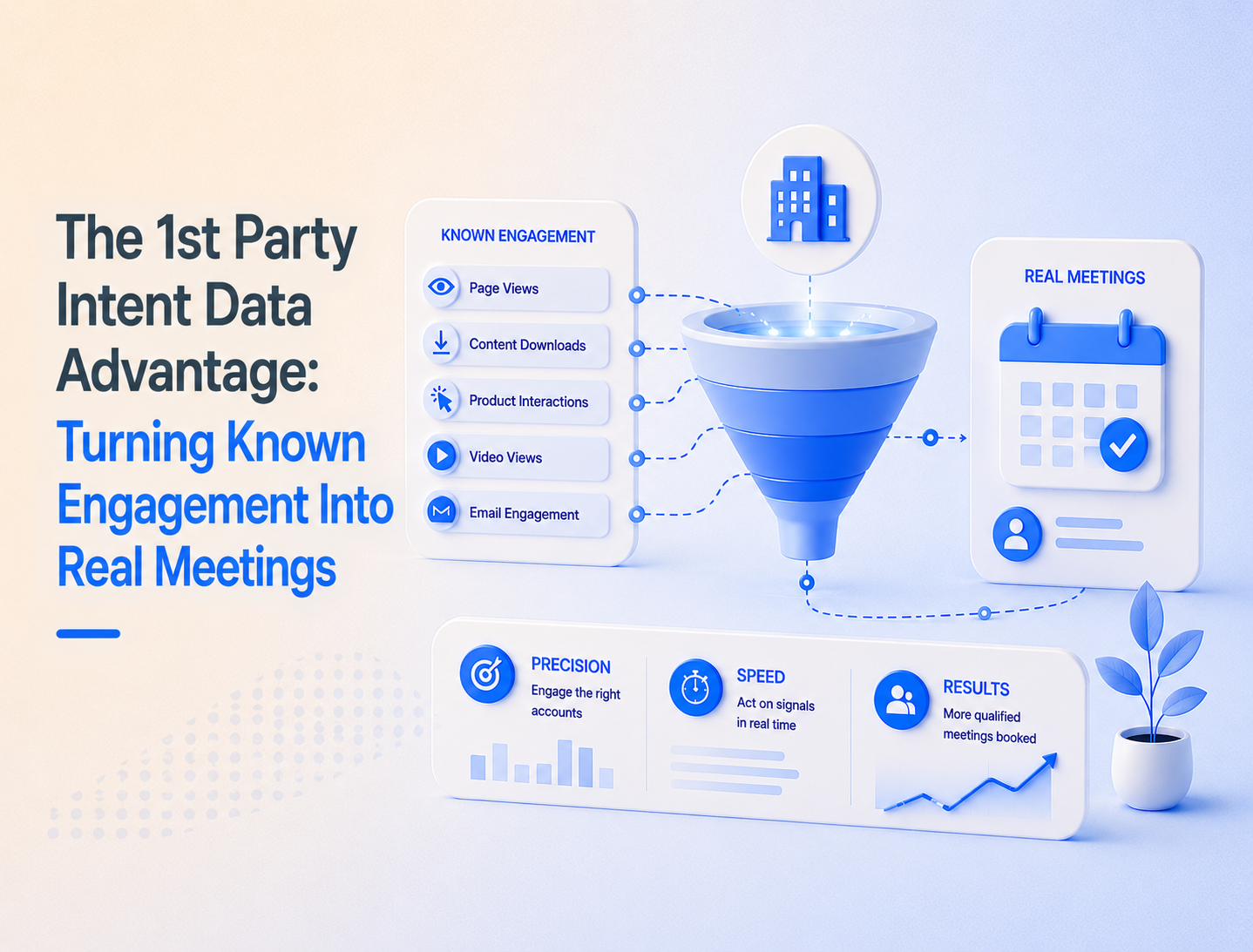
Determine which behaviors should prompt outreach from sales or business development teams, such as repeated content engagement, webinar participation, or visits to high-intent pages.
Step 4: Evaluate Campaign Duration
Compare your drip campaign timeline with your average sales cycle. If buyers typically evaluate solutions for several months, your nurture program should remain valuable throughout that period.
Step 5: Measure Business Impact
Shift reporting beyond opens and clicks by tracking qualified meetings, opportunity creation, buying committee engagement, and pipeline influenced by your nurture programs.
Completing this review regularly helps marketers build drip campaigns that support real purchasing decisions rather than simply increasing marketing activity.
Comparison of Market Solutions
Organizations take different approaches to nurturing prospective buyers.
Some rely on simple automated email sequences that deliver the same content to every contact. While easy to implement, these campaigns often struggle to remain relevant throughout long enterprise buying cycles because they lack personalization and strategic progression.
Others invest in sophisticated marketing automation platforms capable of segmentation, behavioral triggers, and dynamic content. These technologies improve campaign orchestration but still require thoughtful strategy, compelling content, and close coordination with sales to produce meaningful results.
Many organizations also complement automation with specialized execution partners that support lead qualification, executive outreach, partner engagement, or event recruitment. This hybrid approach allows marketing automation to maintain consistent buyer engagement while ensuring high-intent prospects receive timely human interaction when they're ready to advance.
The most successful nurture strategies combine intelligent automation, buyer-focused content, sales alignment, and disciplined execution to consistently convert interest into qualified pipeline.
Conclusion
Drip campaigns remain one of the most effective demand generation tools because they reflect how enterprise buyers actually make decisions. Rather than expecting immediate conversions, they provide ongoing education, maintain engagement, and build trust throughout complex buying journeys.
Organizations that align drip campaigns with buyer behavior, coordinate marketing and sales outreach, and measure success through pipeline impact instead of email metrics consistently generate stronger business outcomes.
If your team is looking to improve lead nurturing and turn sustained buyer engagement into qualified pipeline, contact Site Ascend.
How long should a B2B drip campaign run?

What makes a drip campaign effective?
How should marketers measure drip campaign success?


Start your pilot campaign today and explore the full range of Site Ascend's demand generation capabilities. Experience firsthand how we can enhance your efficiency, streamline your processes, and drive growth.
RELATED