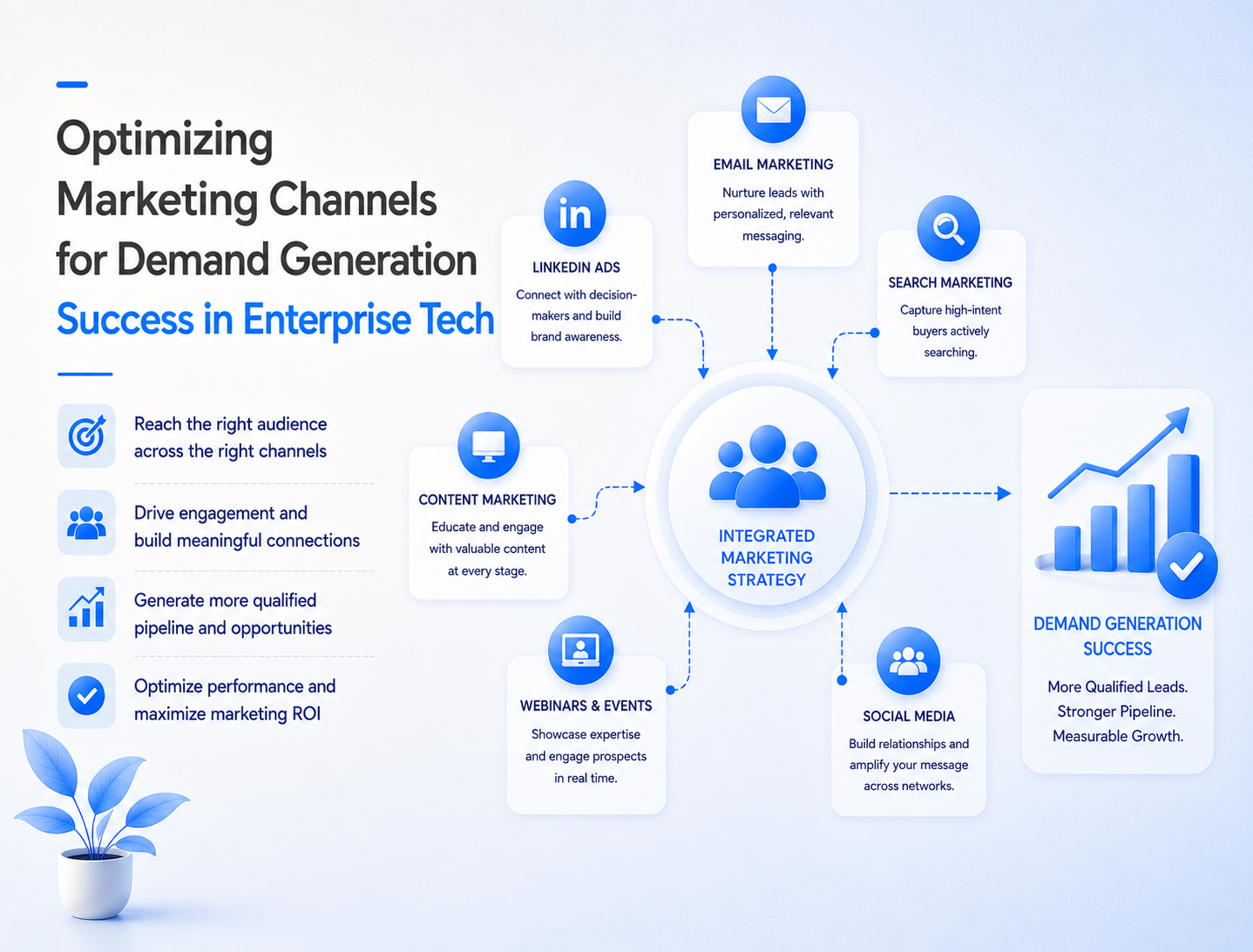
Optimizing Marketing Channels for Demand Generation Success in Enterprise Tech
B2B Marketing Strategy


Dead leads aren't always lost opportunities. Discover how B2B marketing teams can identify dormant prospects worth re-engaging, reduce wasted acquisition spend, and recover qualified pipeline through a structured lead recovery strategy.
-
Lead Qualification
Introduction
Every demand generation team has one.
A CRM filled with thousands—or even hundreds of thousands—of leads labeled closed, inactive, unresponsive, or simply dead. Over time, these records become digital clutter that marketing teams rarely revisit because they're focused on generating net-new demand.
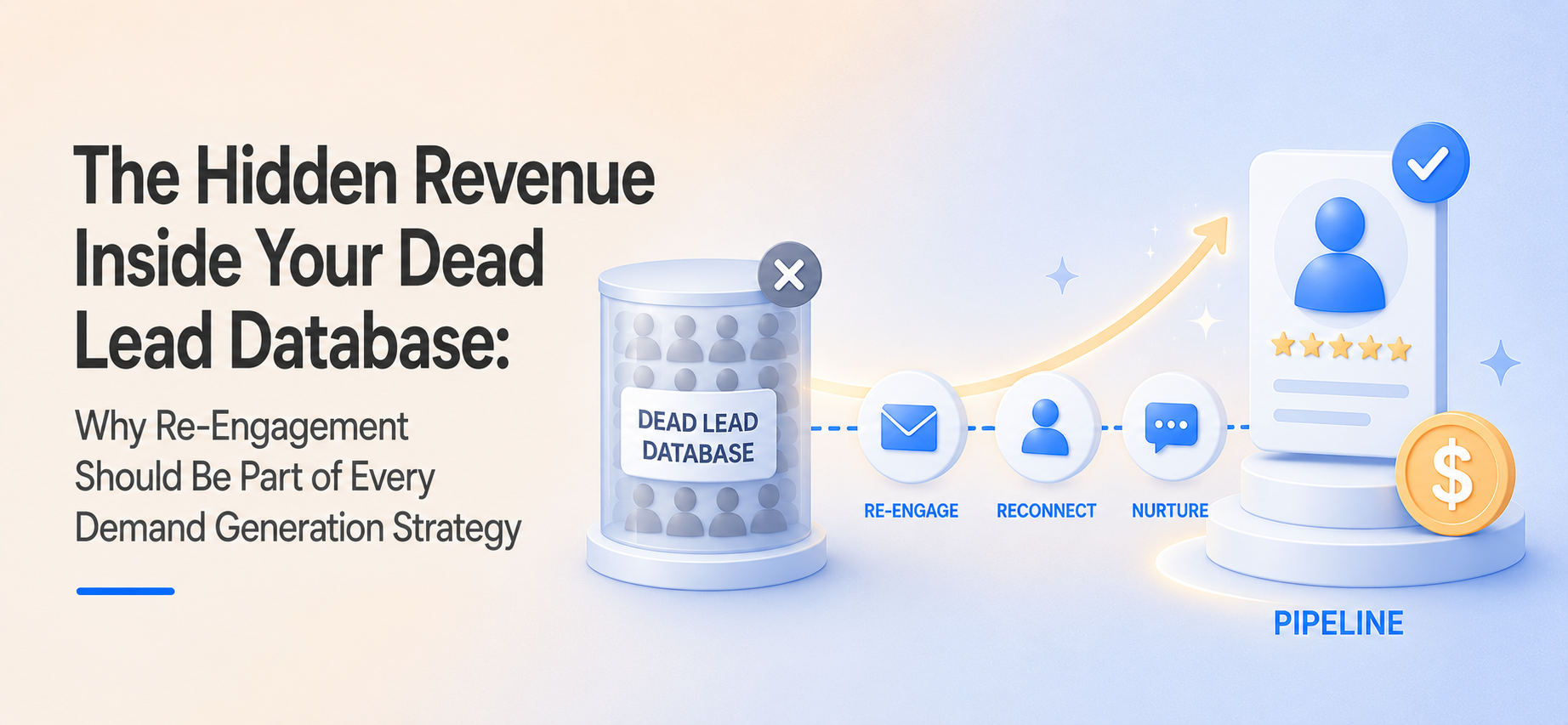
But what if many of those "dead leads" aren't actually dead?
Markets change. Budgets change. Decision-makers change. Organizations adopt new priorities, replace technology, hire new executives, or revisit initiatives that were previously deprioritized. A prospect that wasn't ready six months ago may be actively evaluating solutions today.
For B2B technology marketers under increasing pressure to produce qualified pipeline while controlling acquisition costs, re-engaging previously inactive leads represents one of the most overlooked opportunities for revenue growth. Instead of viewing dead leads as failed opportunities, leading organizations treat them as dormant assets that deserve periodic evaluation.
The question isn't whether you have dead leads. It's whether you're extracting every possible opportunity from them.
What Dead Leads Mean for Demand Generation Marketers
A dead lead is generally defined as a prospect that is no longer actively progressing through the buying journey due to inactivity, disqualification, timing, budget constraints, loss of engagement, or lack of response.
However, "dead" is often an operational label—not a permanent business reality.
For demand generation leaders, dead leads typically fall into several categories:
The mistake many organizations make is treating all of these categories identically.
A lead that lacks budget today is fundamentally different from a lead that was never qualified in the first place.
Understanding those distinctions is essential for maximizing pipeline efficiency.
Common Challenges Marketers Face
Managing dead leads is rarely a technology problem—it's usually a process problem.
Common challenges include:
Every inactive lead receives the same disposition
Organizations frequently assign a single "dead" status despite dozens of potential reasons why engagement stopped.
No structured re-engagement process
Many companies have sophisticated acquisition strategies but no lifecycle strategy once a lead becomes inactive.
Marketing and sales lose visibility
Once sales closes an opportunity or marks a lead inactive, marketing often loses context about why engagement ended.
Valuable historical intent disappears
Past webinar attendance, executive conversations, event registrations, content engagement, and qualification notes frequently go unused during future campaigns.
Teams overinvest in net-new acquisition
Generating new leads is important—but replacing previously qualified prospects can be significantly more expensive than reactivating existing relationships.



.png)

%201.png)


.png)


Solutions That Work
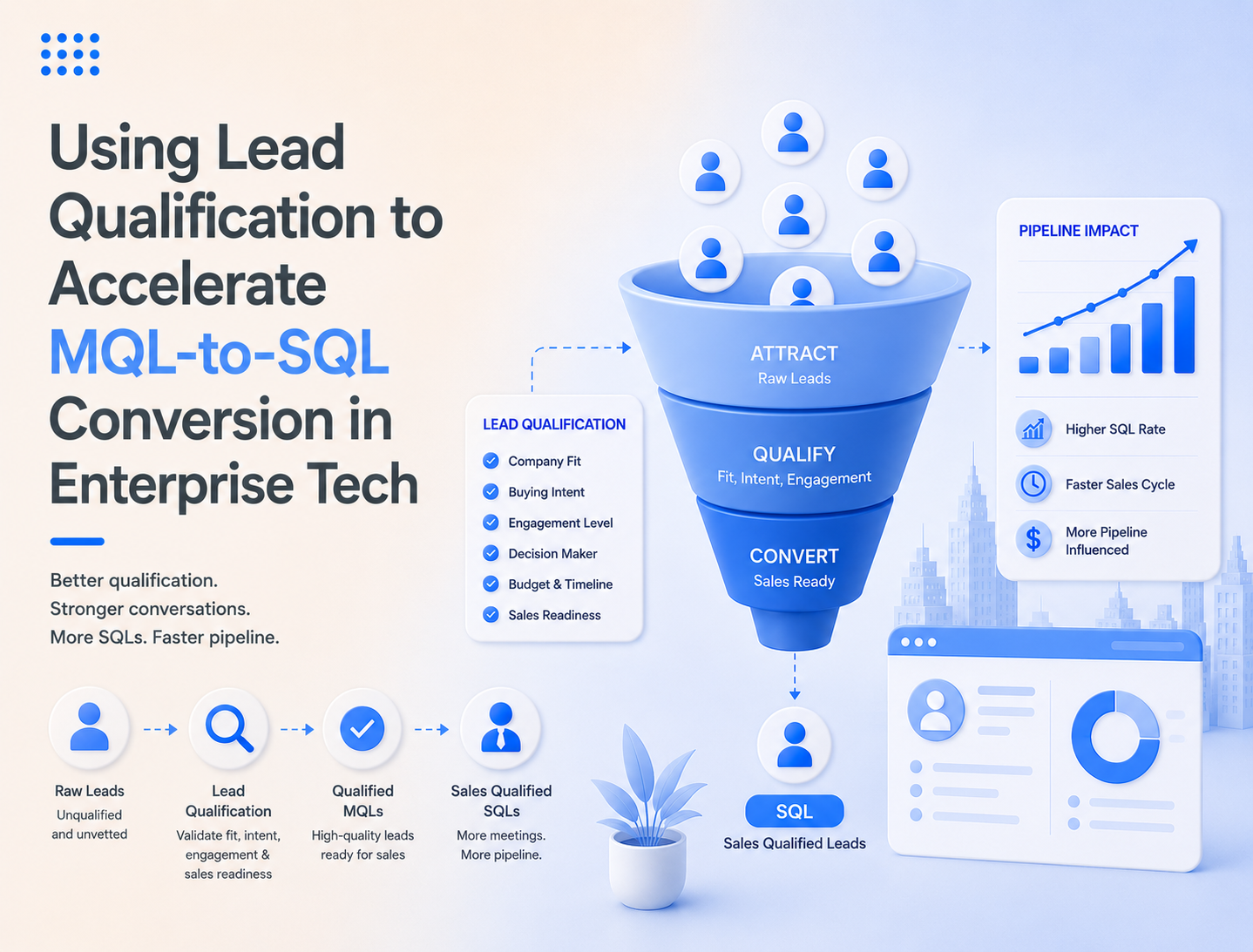
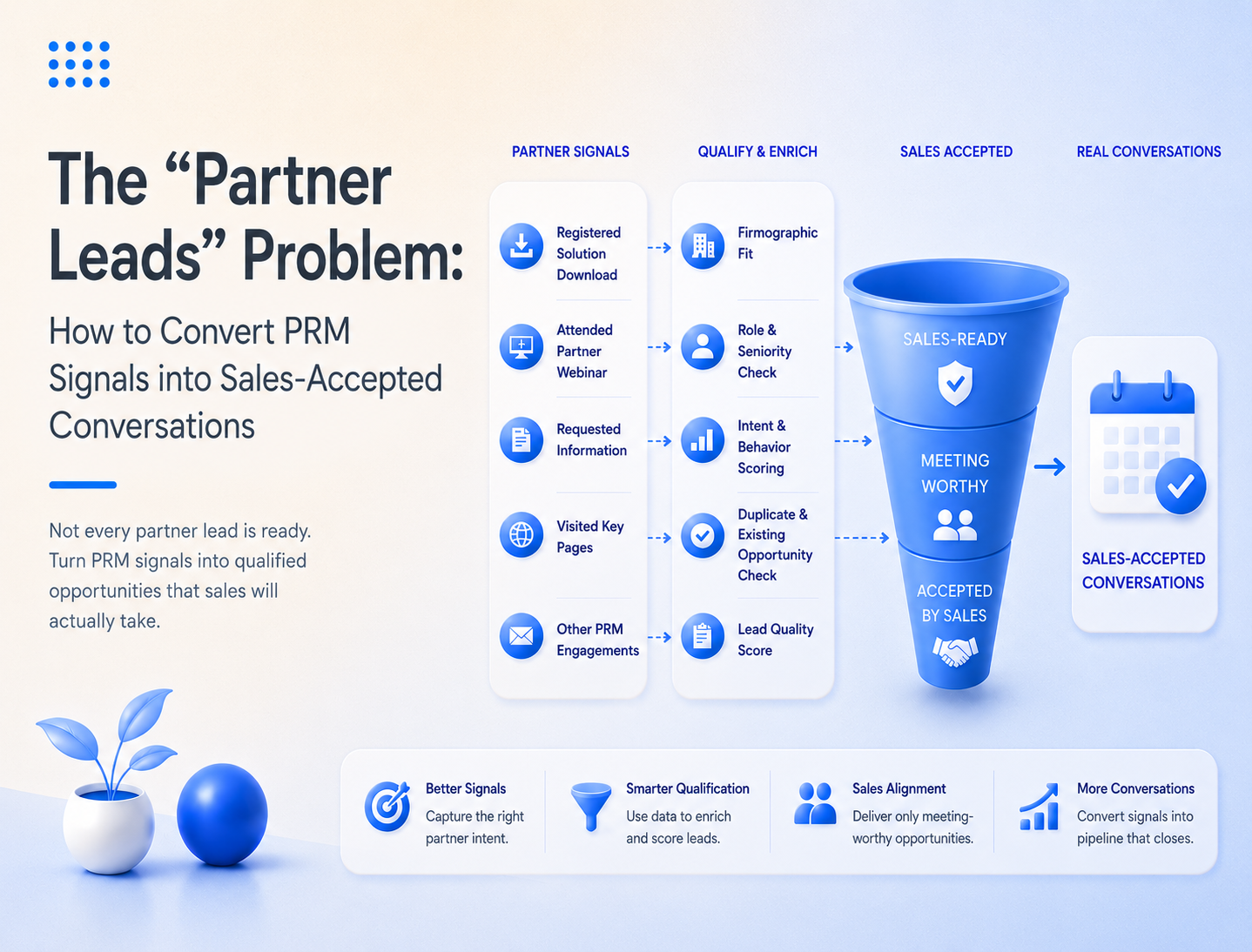
Organizations that consistently recover pipeline from inactive databases tend to follow several common practices.
1. Classify Dead Leads by Recovery Potential
Rather than maintaining one "dead lead" bucket, segment inactive records according to why engagement stopped.
For example:
Each category requires a different recovery strategy.
2. Treat Re-Engagement as a Lifecycle Program
Re-engagement shouldn't happen once per year during database cleanup.
Instead, create scheduled review cycles based on buying behavior, industry dynamics, technology refresh timelines, or organizational changes.
A structured lifecycle approach produces far better results than occasional mass outreach.
3. Prioritize Intent Signals Over Historical Status
A prospect marked inactive last year may now:
Current buying behavior should outweigh historical CRM labels.
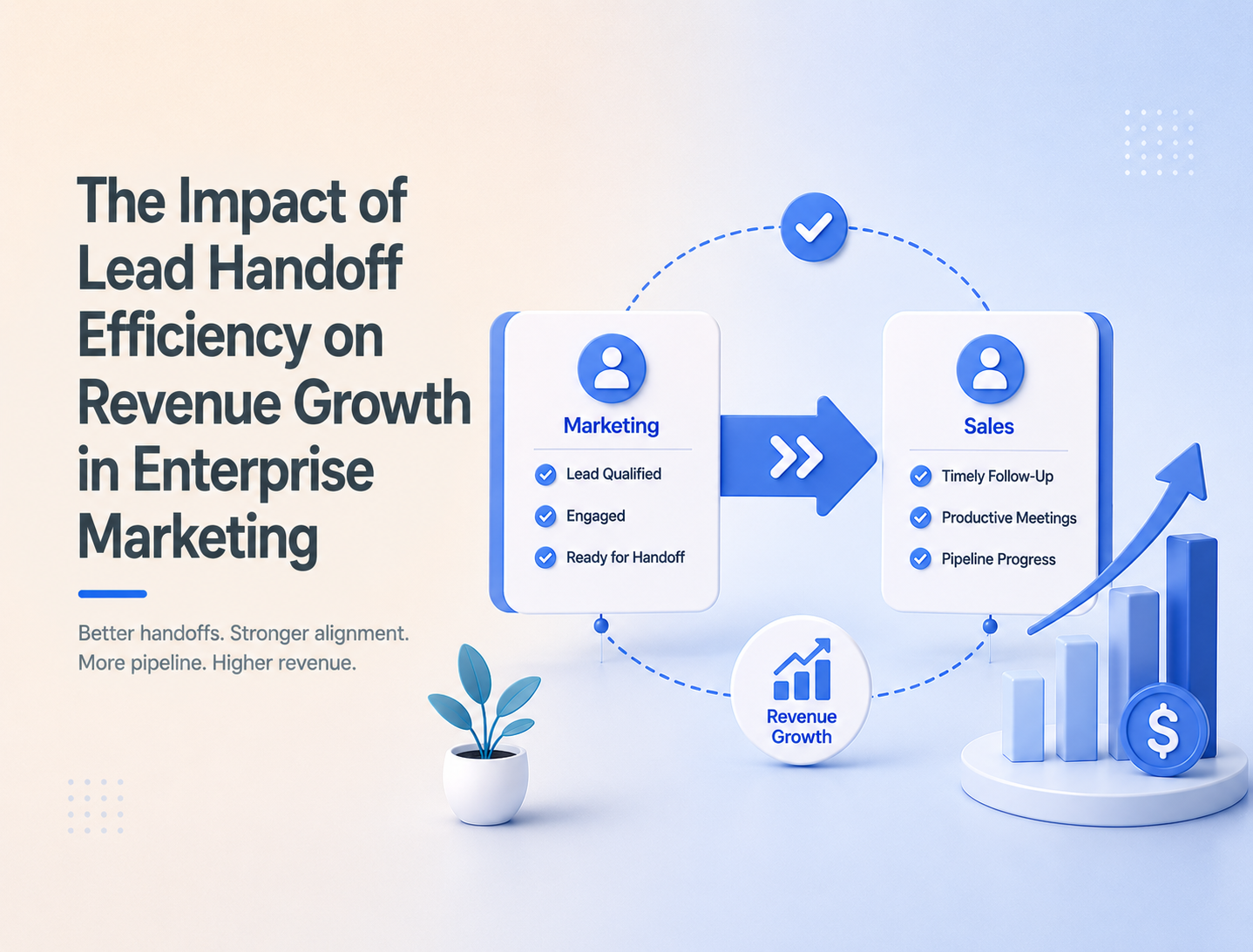
4. Align Marketing and Sales Around Recovery Criteria
Not every inactive lead deserves immediate follow-up.
Successful organizations establish shared rules defining:
Shared governance prevents duplicate outreach while improving conversion quality.
5. Measure Recovery Performance
Treat lead recovery like any other revenue program.
Track metrics such as:
These metrics help justify continued investment while identifying optimization opportunities.
Where Site Ascend Fits
Many organizations understand the value of re-engaging inactive leads but lack the internal resources to execute consistently.
Site Ascend helps marketing teams operationalize lead recovery by qualifying previously inactive or opt-in contacts through personalized outreach that determines whether buying interest has changed. Rather than treating historical leads as permanently inactive, programs such as Lead Qualification can identify which prospects are once again ready for qualified sales conversations. For organizations targeting executive stakeholders, Executive Meetings help convert renewed interest into scheduled conversations with director-level and above decision-makers.
Actionable Steps for Marketers
The Dead Lead Recovery Assessment
Use this assessment to evaluate whether your organization is maximizing the value of inactive leads.
Step 1: Audit Your Database
Determine:
Step 2: Evaluate Recovery Readiness
Ask:
Step 3: Build Recovery Segments
Prioritize inactive leads by:
Step 4: Establish Success Metrics
Define KPIs before launching recovery programs.
Examples include:
A disciplined recovery process turns database maintenance into a measurable revenue initiative.
Comparison of Market Solutions
Archive and Replace
Many organizations simply mark inactive prospects as closed and shift their focus entirely to generating new leads. While this keeps sales teams focused on active opportunities, it can also increase customer acquisition costs by overlooking prospects that may have become viable due to changing budgets, business priorities, or organizational changes.
Automated Re-Engagement
Some companies rely exclusively on marketing automation to reconnect with inactive leads. Automated nurture campaigns are efficient for maintaining periodic contact at scale, but they often lack the context needed to determine whether a prospect's buying situation has genuinely changed. Without human validation, automation may continue engaging leads that remain unqualified while missing opportunities that require a more personalized approach.
Sales-Led Recovery
Other organizations ask account executives or business development representatives to revisit previously inactive opportunities. This approach can be effective for high-value accounts, but sales teams are typically incentivized to prioritize active pipeline rather than spend significant time requalifying dormant prospects. As a result, lead recovery efforts are often inconsistent and difficult to scale.
Lifecycle-Based Lead Recovery
Leading demand generation organizations treat dead leads as part of an ongoing lifecycle strategy rather than a final disposition. They segment inactive leads based on why engagement ended, monitor for new buying signals, establish regular review cycles, and apply different re-engagement strategies depending on each prospect's recovery potential. This structured approach helps marketing and sales maximize the value of existing data while creating additional pipeline without relying solely on net-new lead generation.
Where Site Ascend Fits
For organizations that want to operationalize a lifecycle-based recovery strategy, Site Ascend provides the execution layer. Through personalized lead qualification, executive meeting programs, channel marketing support, and performance-based outreach, Site Ascend helps identify dormant prospects that are ready to re-engage and converts renewed interest into qualified sales conversations. Rather than replacing internal marketing or sales teams, Site Ascend extends their capacity to consistently recover pipeline from leads that might otherwise remain untouched.
Conclusion
Dead leads shouldn't automatically be treated as lost revenue.
In many cases, they're simply opportunities waiting for the right timing, organizational change, or business trigger.
Demand generation leaders who build structured re-engagement programs gain more value from existing marketing investments, improve pipeline efficiency, and reduce dependence on continuously acquiring net-new leads.
If your organization is looking to recover more value from its existing database, Site Ascend can help operationalize lead recovery through qualified executive conversations, lead qualification programs, channel marketing support, and performance-focused outreach designed to reconnect with prospects when they're ready to engage.
If you're ready to unlock the hidden revenue already sitting inside your CRM, contact Site Ascend or start a pilot program.
Can dead leads become qualified opportunities again?

How long should organizations wait before attempting re-engagement?
How do you measure the success of a lead recovery program?


Start your pilot campaign today and explore the full range of Site Ascend's demand generation capabilities. Experience firsthand how we can enhance your efficiency, streamline your processes, and drive growth.